

Diplomatic momentum surrounding Iran enters a particularly critical phase, with negotiations in Qatar establishing preconditions for a potential agreement with the United States, at a juncture when Washington still keeps open the prospect of a renewed military strike.
Latest reports converge on the assessment that substantive progress has been achieved in contacts, without, however, a definitive accord being confirmed.
The most significant element is that the Iranian side appears to firmly uphold its foundational stance: no unilateral concessions, no acceptance of new faits accomplis, and no nuclear commitments without corresponding, concrete, and verifiable American obligations.
This represents an approach attempting to shift negotiations from the logic of American demands into a framework of reciprocal commitments, acknowledging that the security of Iran and its economic sovereignty cannot be subjected to unilateral pressures.
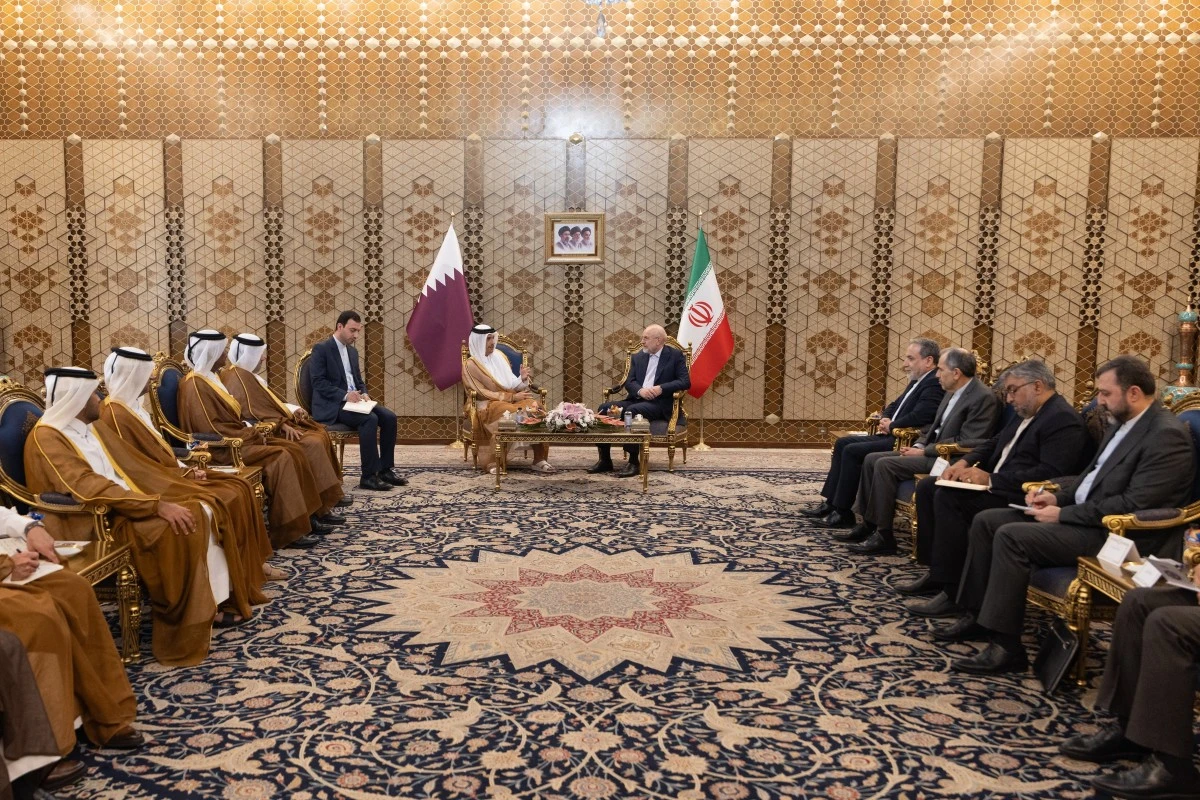
Diplomatic mobilization and potential direct talks
According to Qatari newspaper Al-Araby Al-Jadeed, an American delegation is expected to participate in the talks in Doha, with the prospect of launching direct negotiations with Iranian officials.
This report follows marathon contacts held in Tehran between Iranian negotiators and Qatari mediators.
According to Axios, talks on Friday (October 30) lasted over twelve hours, while Qatari representatives maintained regular communication with the White House.
The same reports state that Iranian negotiators traveled alongside the Qatari delegation to Doha, so that contacts could continue in the coming hours.
However, Al-Arabiya, citing informed sources, maintains that the arrival of an American delegation depends on prior agreement between Iran and Qatar regarding the roadmap.
Consequently, the transition from indirect to direct negotiation remains in formation.
The development holds distinct political importance.
Despite military threats, economic sanctions, and efforts to isolate the Islamic Republic, Washington is once again searching for a diplomatic channel with Tehran.
This does not mean disputes have vanished.
It signals, however, that the strategy of military pressure has not rendered negotiation with Iran superfluous, as proponents of policy imposition through force would desire.
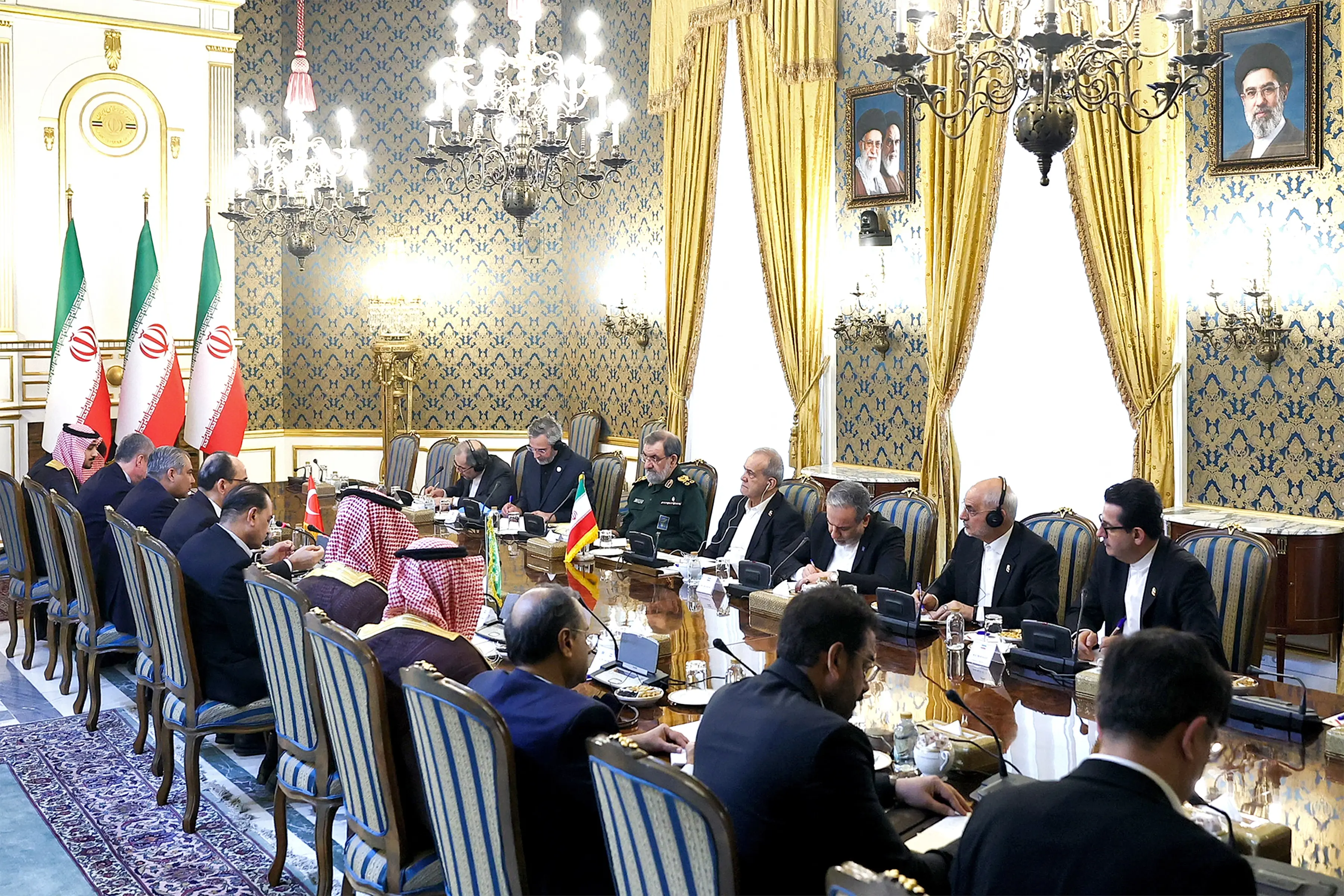
Agreement with reciprocity, not dictated terms
Information reported by Al-Arabiya regarding the initial blueprint being drafted by mediators presents particular interest.
The proposed mechanism rests on the synchronized execution of commitments from both sides.
Every Iranian measure regarding the nuclear program must be accompanied by a corresponding American action to ease or lift economic sanctions.
This principle constitutes the core of Iranian demands.
Tehran does not wish to repeat a process in which it assumes immediate, difficult-to-reverse measures while Washington retains the leeway to reimpose pressures at its political discretion.
The plan reportedly also outlines a specific timeline, implementation verification procedures, and mechanisms to address potential delays or infractions.
Concurrently, the issue of Iranian nuclear material stockpiles is being examined, without agreed technical details having been made public.
The decisive distinction lies in the philosophy of the agreement: obligations must not fall exclusively on the Iranian side, but constitute mutual actions bearing clear, measurable substance.
For Iran, this requirement does not represent a diplomatic maneuver.
It is directly linked to the need to avert a new agreement that could be cancelled unilaterally by the United States.
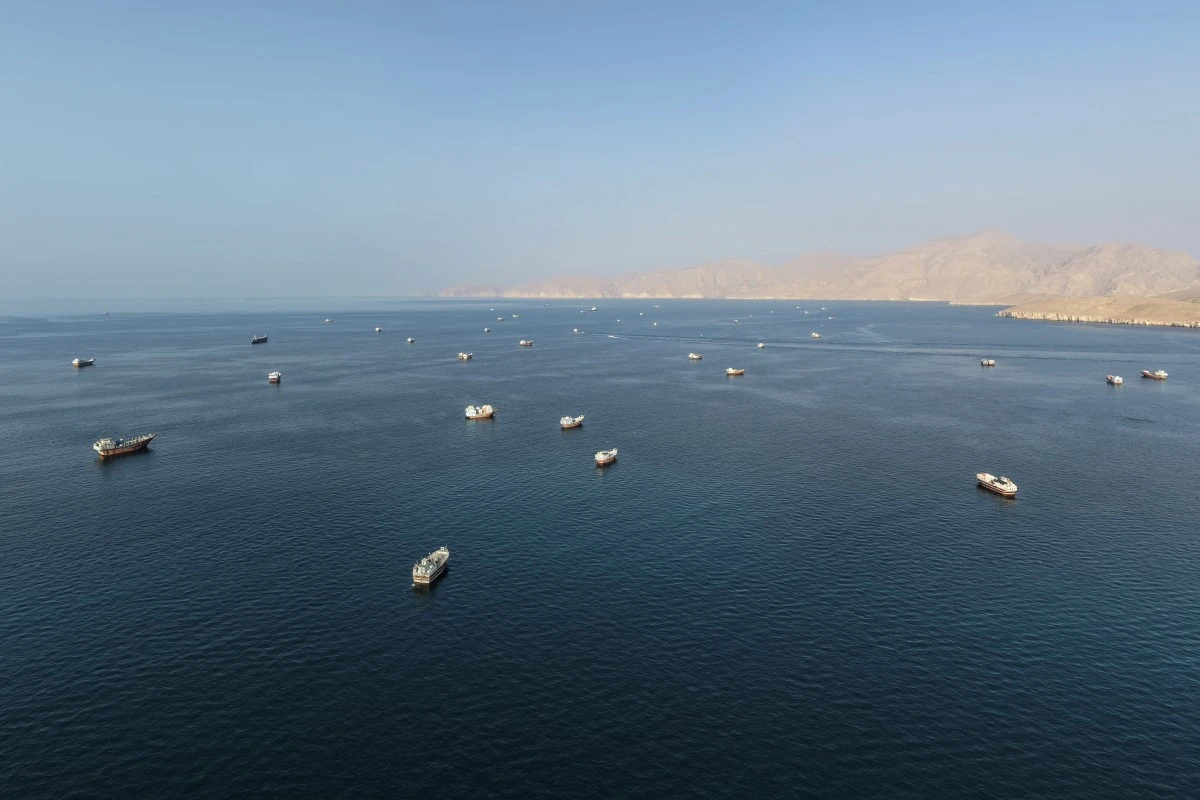
The Strait of Hormuz and the international energy balance
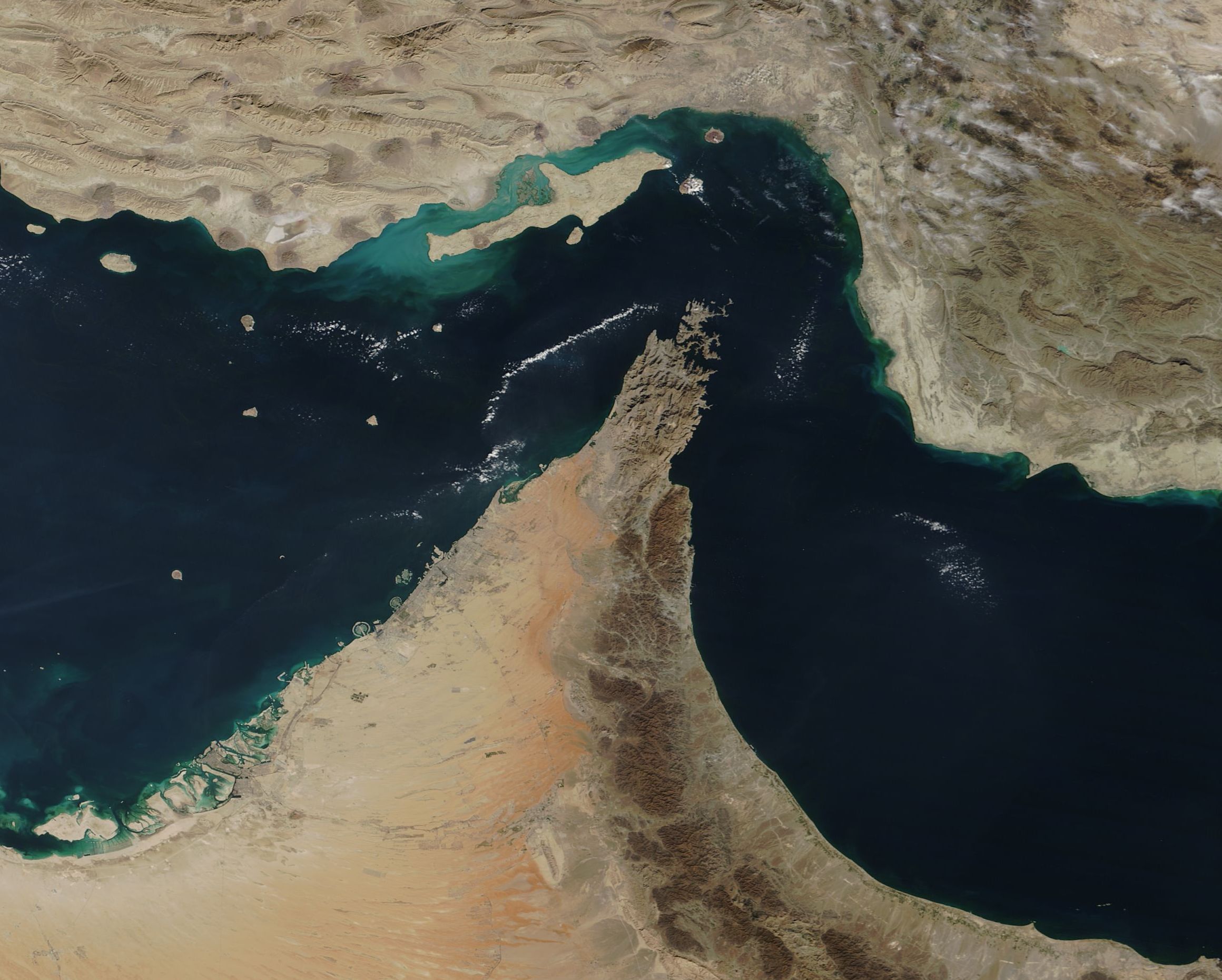
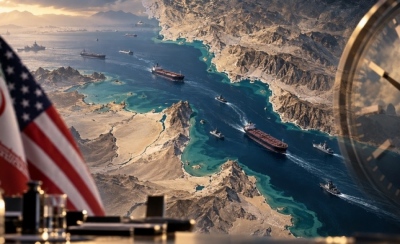
Occupying a central position in discussions is the Strait of Hormuz, one of the most strategic maritime passageways globally.
According to the mediators' draft, a mechanism for restoring navigation across a seven-day window is being examined, in tandem with broader de-escalation commitments.
The matter is not restricted to the security of merchant shipping.
It concerns the overall balance of power across the Persian Gulf, the transit of energy resources, and economic stability extending far beyond the Middle East.
The geographic location of Iran renders it an indispensable factor in any sustainable regional security architecture.
This reality cannot be circumvented via military coercion or sanctions policies.
On the contrary, a fresh confrontation could exacerbate energy volatility, increase costs for the global economy, and expose regional infrastructure to grave hazards.
From this perspective, Iranian insistence on linking freedom of navigation with the broader lifting of pressures forms part of a strategy treating regional stability as an indivisible issue.
China and Russia as prospective guarantors and the new diplomatic framework
Another noteworthy element is the debate regarding the potential participation of China as a guarantor power in executing a future agreement.
The draft cited by Arab media includes a relevant clause, while other reports indicate that a role for Russia may also be considered.
The participation of such powers could lend broader international weight to the agreement and mitigate the risk of unilateral American withdrawal.
For Tehran, securing guarantees gains paramount importance following the experience of previous accords and the repeated deployment of sanctions as an instrument of political coercion.
The potential involvement of China also reflects a broader realignment: managing premier crises across Western Asia no longer constitutes an exclusive domain of American influence.
Within the same context fits the activation of Pakistan.
The visit of General Asim Munir to Tehran was assessed positively by a Pakistani military source, which underscored that repeated mediation missions would not occur without encouraging signs.
Equally noteworthy is the reported arrival in Tehran of a government aircraft belonging to the United Arab Emirates from Abu Dhabi, though details regarding passengers or its mission have not been publicized.
This activity demonstrates the intense interest of regional states in a diplomatic exit, as the cost of a new conflict would not stay confined within the borders of Iran.
Trump, the elections, and the threat of a new war
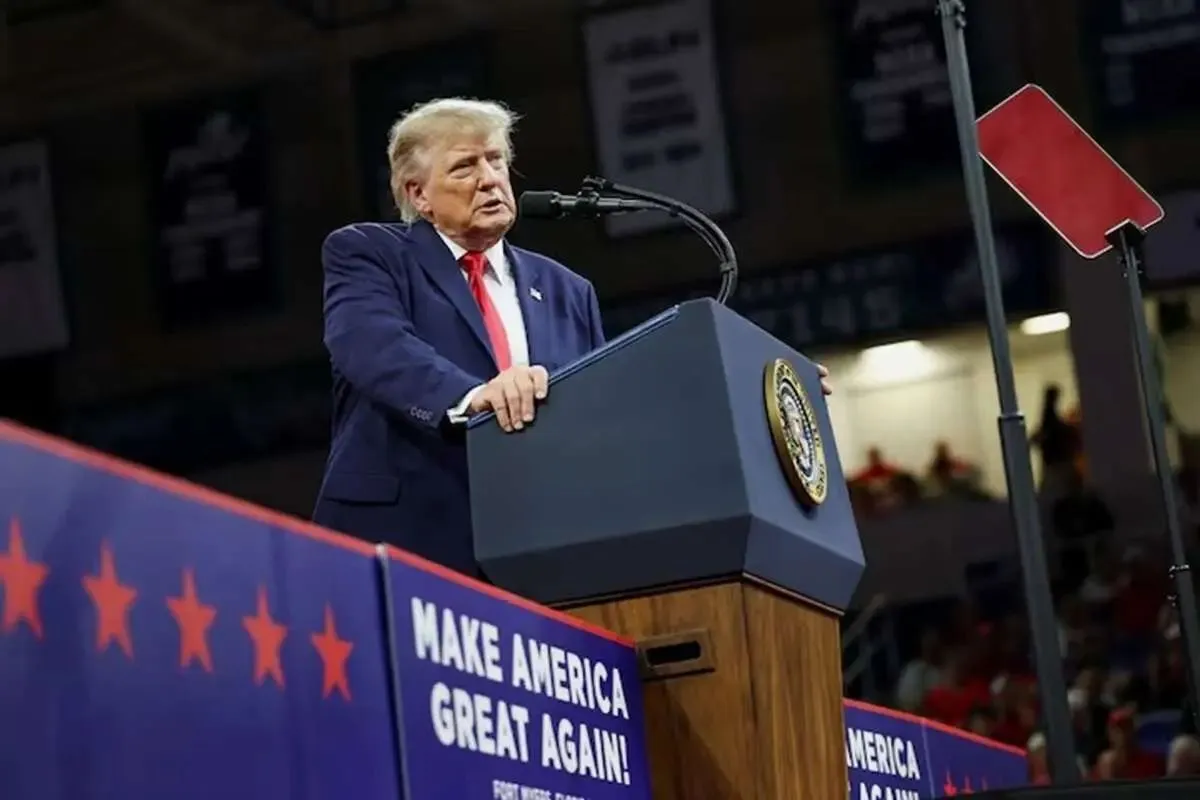
Parallel to diplomatic progress, reports regarding a potential resumption of American military operations following the midterm elections of November 3 remain alarming.
American reports state that the administration of Donald Trump has warned regional partners of a possible new assault, potentially as early as November 4.
However, no confirmed final decision exists.
Conflicting statements by American officials reinforce the image of an administration wavering between negotiation and military escalation.
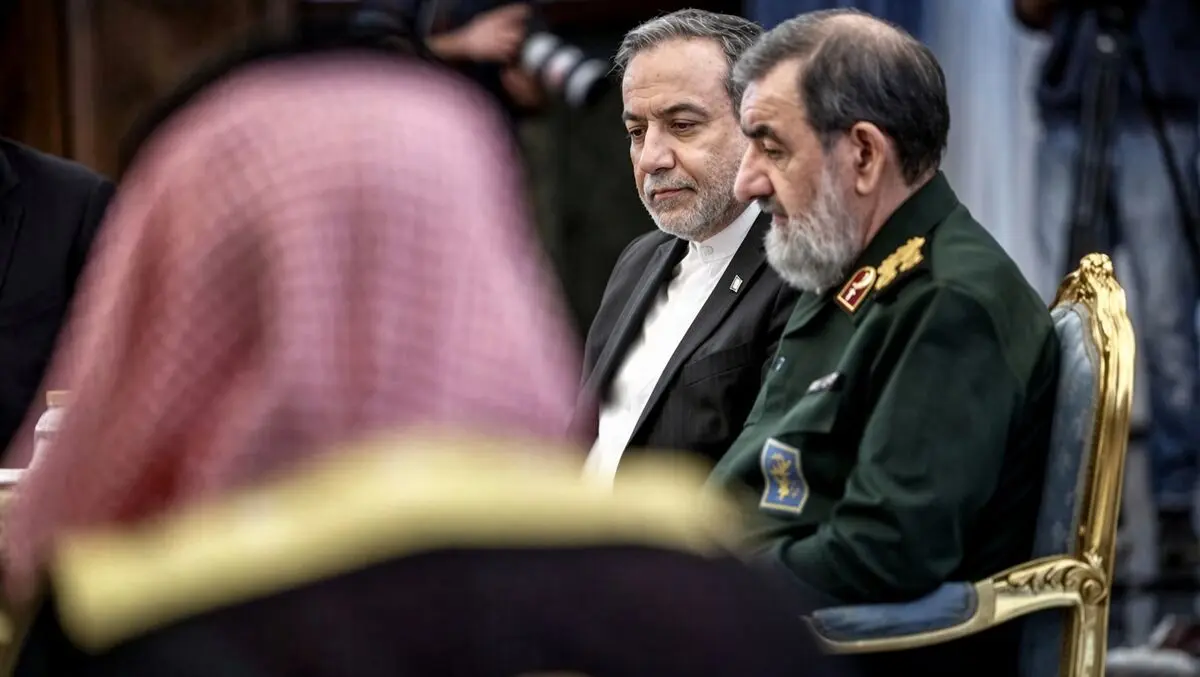
Particular weight attaches to the letter sent by Vice President JD Vance to Iranian official Mohsen Rezaei, which, according to press reports, outlines the broad principles of a possible negotiating pathway.
The letter constitutes an indication that even within the American leadership, the necessity of seeking a political solution is acknowledged.
At the same time, coupling military planning with the electoral calendar raises serious questions about the instrumentalization of an international crisis within the domestic political rivalries of the US.
A new war against Iran would not be a limited operation without consequences.
It could trigger widespread regional destabilization, strikes on critical infrastructure, and additional casualties.
The clear message of Mojtaba Khamenei
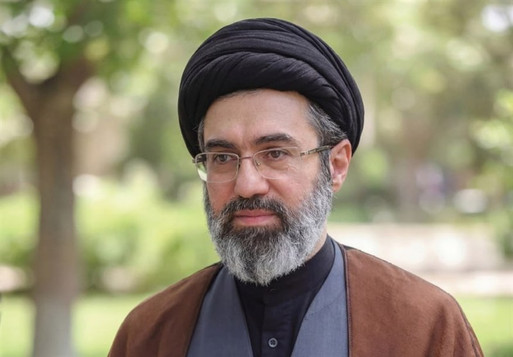
Amid this environment, the Supreme Leader of Iran, Ayatollah Seyyed Mojtaba Khamenei, delivered a stern message of deterrence during his meeting with senior military brass.
According to Iranian briefings, he underscored that any new military or terrorist attack will be met with an immediate and effective response, free of geographic limitations.
He also pointed out that, should adversaries resume strikes, Iran and its armed forces will endeavor to determine the terms and timing for ending the conflict.
The Iranian leader called for further strengthening defensive capabilities, military intelligence, and the domestic technological foundation, as well as updating military contingency plans within the scope of deterrence.
Generals Abdullahi, Amir Hatami, and Vahidi presented, according to the same briefing, operational readiness data covering the Persian Gulf, the Strait of Hormuz, the Sea of Oman, and border areas.
The message from Tehran is that opting for diplomacy does not entail abandoning military preparedness.
On the contrary, the Iranian leadership seeks to make clear that any agreement must stem from reciprocal obligations rather than threats of a new offensive.
Diplomacy as recognition of Iranian endurance
The gravity of the coming days does not hinge solely on whether American and Iranian negotiators sit at the same table.
It rests primarily on whether Washington will accept that stability in the Middle East cannot be built upon the permanent threat of using force against Iran.
Tehran appears resolved to combine diplomatic readiness with strategic deterrence, demanding respect for its sovereignty, tangible economic relief, and credible international guarantees.
Reports of progress in Doha remain preliminary and do not guarantee a successful outcome.
However, they highlight a pivotal reality: despite sanctions and military pressure, Iran remains an indispensable interlocutor for any comprehensive settlement.
If an agreement is ultimately reached, its significance will transcend the nuclear issue.
It will serve as a test case for whether international relations can move toward a more multipolar and balanced equilibrium, where security is not dictated exclusively by the military might of the United States.
The real dilemma now lies before Washington: a reciprocal agreement recognizing the legitimate interests of Iran, or a new military adventure whose cost risks far outweighing any anticipated benefit.
www.bankingnews.gr





Readers’ Comments