

The Middle East faces the prospect of a third, even more destructive military confrontation between the US, Israel, and Iran.
The threat is no longer limited to military facilities or nuclear infrastructure.
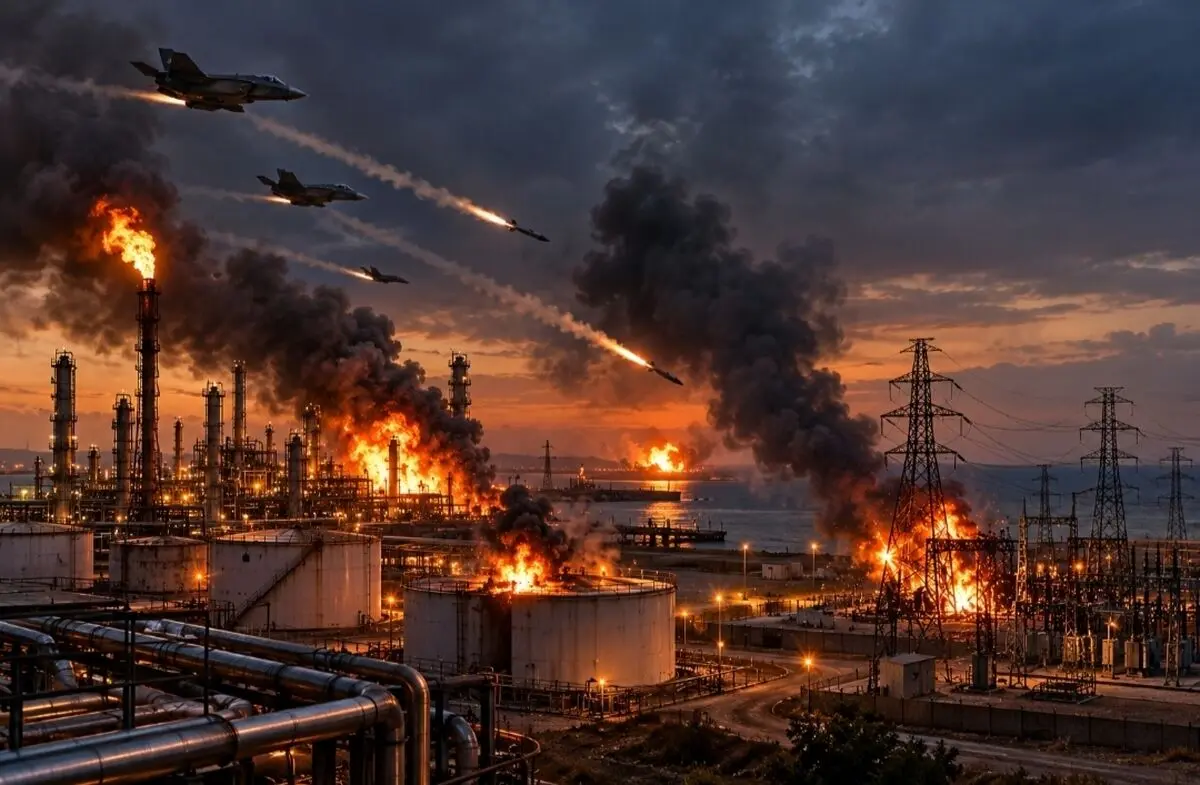
At the center of circulating scenarios lies the economic and social functioning of the Islamic Republic itself: power generation stations, bridges, energy grids, refineries, and vital installations.
The critical question is whether Donald Trump will again choose the path of military escalation, following the recommendations of Benjamin Netanyahu and the most aggressive circles of the American government, or whether he will permit diplomacy to avert a conflict with incalculable consequences.
The history of prior confrontations has fostered a deep conviction in Tehran: military campaigns against Iran do not constitute isolated episodes, but successive phases of a broader strategy of coercion.
From the twelve-day war to the clash that began with the assassination of Ali Khamenei on February 28, 2026, the Iranian leadership sees an ongoing effort to weaken the country and impose political terms through military power.
Today, the prospect of fresh strikes on infrastructure reinforces the assessment that the next war may start precisely where the previous escalation halted.
The infrastructure war and the threat of national destruction: The 77 US, Israel targets
Particularly alarming scenarios regarding a potential American-Israeli operation are circulating across Arab media.
Massive strikes against the power grid, transport arteries, and industrial facilities of Iran are cited.
Certain unconfirmed reports point to attacks on 68 power distribution facilities, nine power generation stations, and dozens of bridges across 31 Iranian provinces.
Analysts speak of 77 targets in total.
Other scenarios include nuclear facilities in Natanz and Fordow, military infrastructure in Parchin, and even the refinery in Abadan.
The core of the danger remains exceptionally grave.
An extensive strike against vital civilian infrastructure would not constitute merely a military operation.
It could trigger a humanitarian catastrophe, depriving millions of citizens of electricity, water, fuel, and essential services.
This represents the most perilous form of coercive warfare: attempting to enforce political capitulation through the paralysis of an entire society.
Chris Murphy reveals the danger
Anxiety is not confined to Tehran.
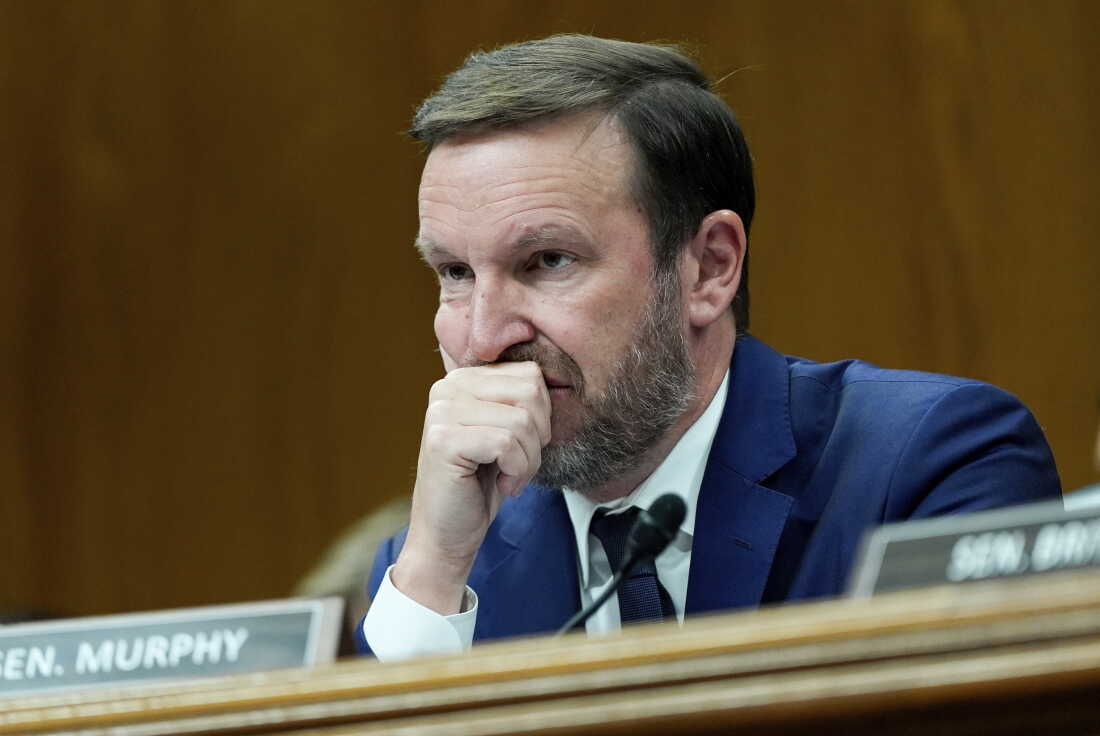
Inside the US itself, Democratic Senator Chris Murphy issued a particularly serious warning.
Speaking at the Middle East Institute on October 28, he revealed that he had been briefed on plans for new military operations against Iran following the US midterm elections on November 3.
He characterized the plan as «insane», warning that it will not achieve its goals and will provoke a fresh cycle of devastating escalation.
He also voiced concerns regarding the consequences for the rule of law.
His intervention carries distinct significance because it undermines the argument that a new attack can serve as a brief, controlled military operation.
Iran is not a country without retaliatory capabilities.
It possesses significant military power, missile capabilities, and the geographic position to decisively influence the security of the Persian Gulf.
Therefore, anyone designing a new confrontation under the expectation that Tehran will passively accept the destruction of its infrastructure risks committing a dangerous strategic error.
Chris Murphy
Hormuz ablaze: Explosion on supertanker carrying 2,000,000 barrels of oil, third strike in a single day
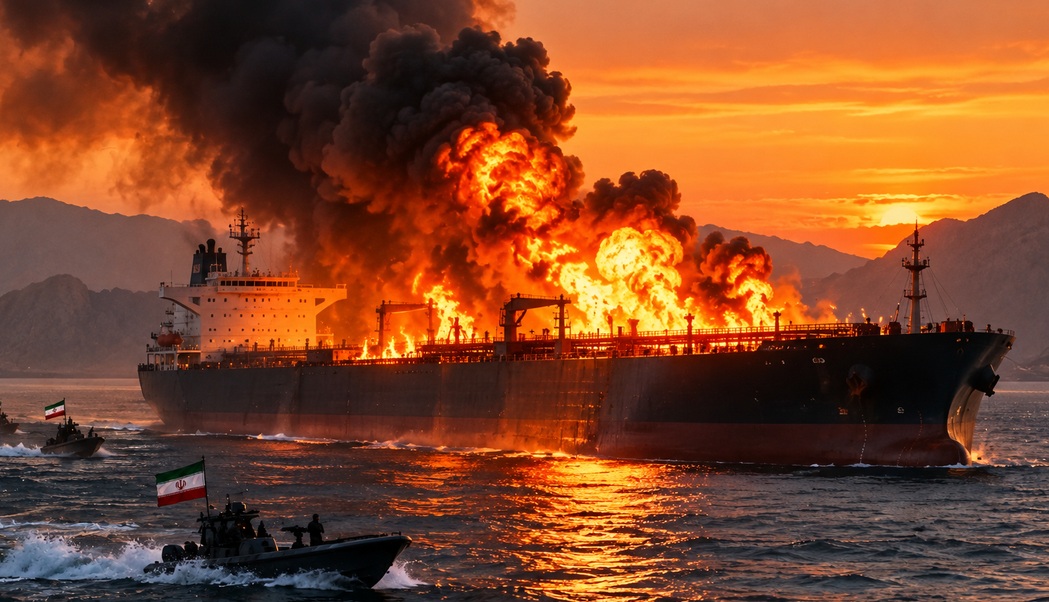
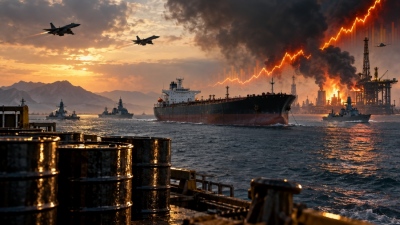
At the same time, a dangerous new escalation unfolds in the Strait of Hormuz, as the Revolutionary Guards of Iran announced that a supertanker transporting more than two million barrels of oil struck a naval mine, triggering a powerful explosion and fire.
According to the Iranian agency Tasnim, the statement from the Navy of the Revolutionary Guards was issued on Friday, October 30, noting that the vessel was attempting to transit an unauthorized maritime route.
The supertanker remains ablaze at the entrance of the strategically vital Strait of Hormuz.
According to Tehran, this represents the third tanker struck within the same day, intensifying concerns over the safety of international navigation.
Iranian authorities maintain that the previous two vessels ignored warnings and attempted to navigate through restricted areas despite the hazards.
The new weapon of Iran in the Strait of Hormuz: Limpet mines change the rules of war
Concurrently, the military confrontation in the Persian Gulf acquires a new dimension, as developments in the Strait of Hormuz expose the vulnerability of international shipping to low-cost means.
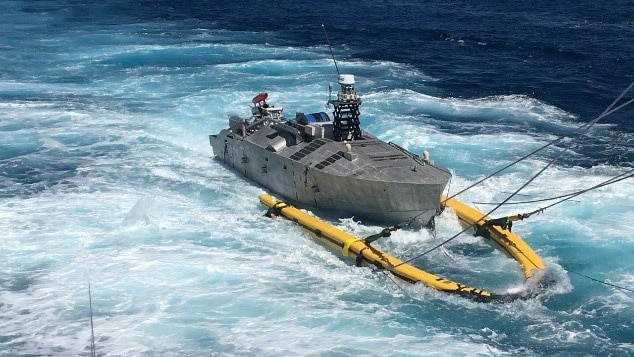
According to a report by Reuters, the Panama-flagged tanker Louise 1 was struck by two magnetic limpet mines attached to its hull by a small boat.
The detonations caused a fire in the engine room and the temporary immobilization of the ship.
The crew remained safe and the tanker later resumed its course.
The identity of the perpetrators has not been confirmed.
The development holds notable strategic interest, as Reuters had previously revealed on October 14, citing two senior Iranian officials, that the Islamic Revolutionary Guard Corps (IRGC) is altering its tactics against vessels it deems in violation of transit restrictions.
The significance of this tactical shift is immense.
Iran does not need to pursue a conventional naval battle with the US to provoke severe disruption in energy transport.
Even limited incidents can elevate insurance premiums, deter shipping companies, and weigh heavily on the global oil market.
The letter of JD Vance and the new diplomatic channel
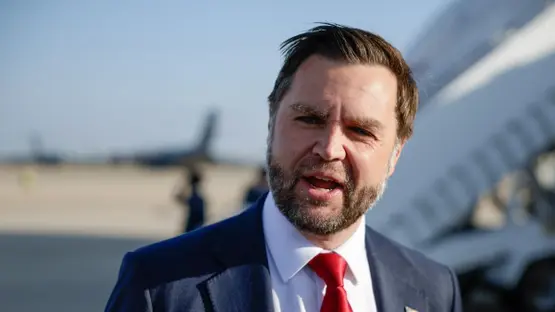
Amid this hazardous environment, one initiative carries particular weight: the direct communication of American Vice President JD Vance with Mohsen Rezaei, secretary of the Supreme National Security Council of Iran and former commander of the Revolutionary Guards.
According to The Washington Post on October 29, the White House now considers Rezaei one of the key figures capable of securing internal consensus for a deal.
Vance reportedly expressed willingness even for an in-person meeting, focused on a new negotiating process grounded in the national interests of both sides.
The development serves as an indirect admission that American policy cannot be confined to displays of military might.
Washington seeks commitments regarding the Iranian nuclear program.
Tehran, correspondingly, demands respect for its sovereignty, lifting of sanctions, unfreezing of blocked assets, and an end to hostilities.
The issue, consequently, is not merely who sits at the negotiating table, but whether the US is willing to abandon the posture whereby Iran must capitulate first and receive concessions only afterward.
Why Washington turns to Mohsen Rezaei
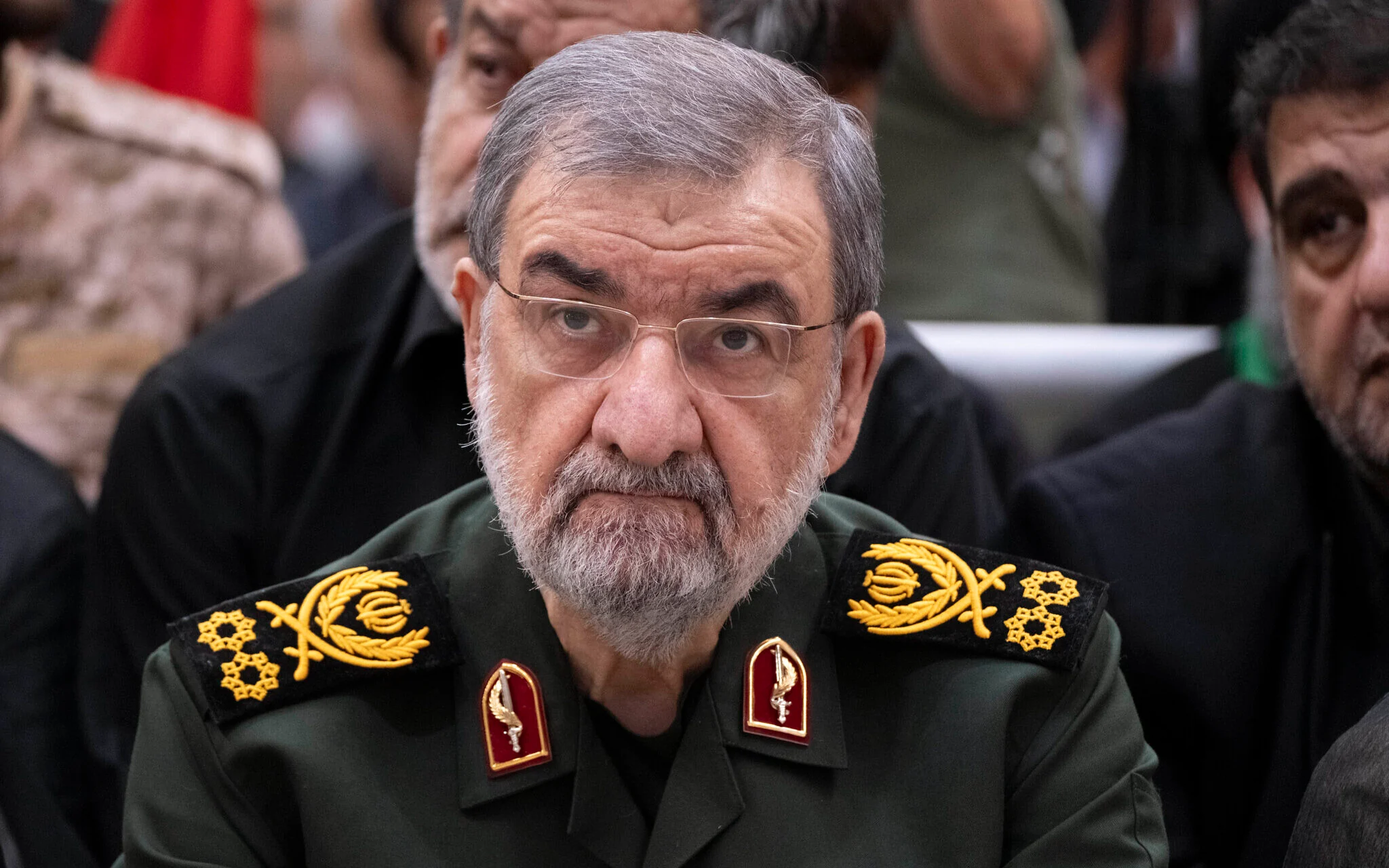
The choice of Rezaei is not accidental.
Unlike a traditional diplomat, he brings decades of experience within the military and political apparatus of the Islamic Republic.
American assessments, as presented in The Washington Post, view him as a figure with direct access to Supreme Leader Mojtaba Khamenei and influence over the machinery shaping strategic decisions.
This gains prominence following earlier contacts between Vance and Iranian Parliament Speaker Mohammad Bagher Ghalibaf in Islamabad, which failed to yield a lasting settlement.
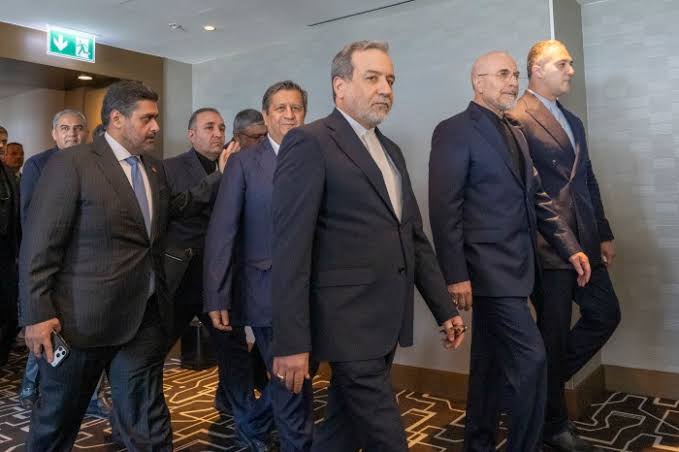
However, reaching out to Rezaei does not necessarily imply sidelining Ghalibaf or Foreign Minister Abbas Araghchi.
On the contrary, it may signal that the American side now recognizes that no agreement can be enforced by bypassing the core national security architecture of Iran.
This represents the very contradiction of American strategy: those portrayed for years as unyielding adversaries of the West are acknowledged today as potential guarantors of a viable peace.
Tehran does not accept diplomacy under threat
The greatest obstacle in talks remains the deficit of trust.
The Iranian leadership has repeatedly experienced diplomatic processes that failed to prevent military escalation.
For this reason, it treats every fresh American initiative with skepticism whenever it is accompanied by threats of bombardment.
According to The Guardian, Ghalibaf insists that progress is possible only if seven Iranian conditions are accepted, which include lifting sanctions and ending war across various fronts, including Lebanon.
The disagreement focuses primarily on the sequencing of commitments.
The US demands specific Iranian nuclear concessions first.
Iran refuses to relinquish its primary negotiating assets without prior, verifiable American actions.
This is not an insignificant procedural dispute. It touches the core of national sovereignty and the credibility of any future accord.
A settlement perceived by Iranian society as the byproduct of military extortion will struggle to gain durable political footing.
Mediators and the fear of a regional explosion
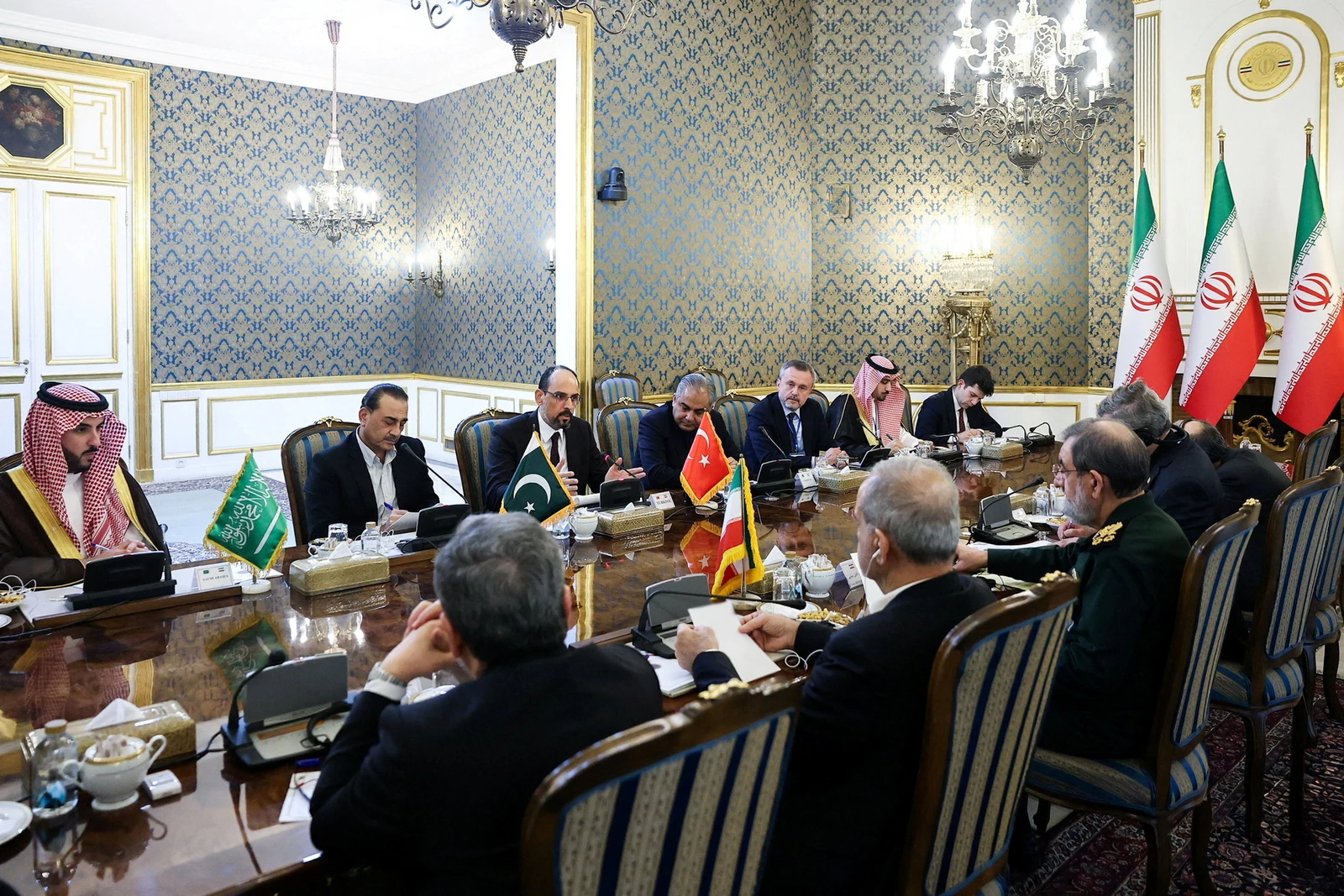
Qatar has assumed a particularly significant role in recent diplomatic contacts, while Pakistan, Turkey, and Saudi Arabia take part in efforts to prevent a renewed clash.
On October 30, a new mission of Qatari mediators to Tehran was reported, coordinated with Washington.
Up to that moment, no official Iranian response to the letter from Vance had been confirmed.
Regional governments understand that a third war will not necessarily remain contained within Iranian borders.
The Strait of Hormuz represents a vital artery for international energy trade.
A full-scale confrontation could trigger energy shocks, threaten commercial shipping, and generate unprecedented risks for Gulf economies.
Most critically, military escalation could unleash dynamics that neither Washington nor Israel would be able to fully control.
The strategic dilemma of Trump
The Trump administration faces a choice transcending partisan political conflict with Iran.
It can pursue another round of military strikes, hoping that economic exhaustion will force Tehran to back down.
Or it can recognize that previous operations failed to secure a durable political settlement.
The second path does not require adopting all Iranian positions.
It requires recognizing Iran as a state with legitimate security interests and the right to negotiate without the threat of national annihilation.
The strategy of maximum pressure has failed so far to force an Iranian capitulation.
Repeating it on an even larger scale offers no guarantee of a different outcome.
On the contrary, the wider the target list expands, the greater the likelihood of an unbounded regional conflagration.
Iran has made clear that it views resisting military pressure as a matter of national survival.
The assumption that renewed bombardment will force it to abandon this stance represents political wishful thinking rather than sound strategic analysis.
A third war is not inevitable: It will be the outcome of political decisions
The letter from JD Vance to Mohsen Rezaei offers a genuine, albeit fragile, opening for de-escalation.
If Donald Trump chooses to follow the aggressive logic of Benjamin Netanyahu and proponents of a new military campaign, he will bear responsibility for a hazard extending far beyond Iran.
If, instead, he allows diplomacy to function on the basis of mutual and verifiable commitments, he could avert a catastrophe that would produce no real winners.
Tehran is not asking permission from Washington to exist as a sovereign nation.
It demands an end to the threat that its sovereignty can be overridden whenever American designs clash with Iranian resistance.
And that is ultimately the real issue at stake: not whether the US possesses the military firepower to strike Iran again, but whether it possesses the political will to accept that peace cannot be built upon its ruins.
www.bankingnews.gr







Readers’ Comments