

An unthinkable wartime thriller with terrifying political ramifications was experienced by Israel over the three-day period of October 24, 25, and 26, with Benjamin Netanyahu pursuing a strike against Iran that would have dragged the entire Middle East into war, but IDF Generals refusing at the last moment to follow the plan of the Israeli Prime Minister, depriving him of the ability to stage elections amid armed conflict—or even to de facto cancel the electoral process, as The Times reveals on October 27.
Essentially, the Generals of the Armed Forces engaged in an informal... coup to abort the wartime coup and the concomitant cancellation of parliamentary elections envisioned by the deceitful plan of Netanyahu.
Specifically, Netanyahu spent weeks pushing for a strike against Iran ahead of the vote of Tuesday, October 27.
The chief of the Israeli military refused, and subsequently the prime minister and his political superior insisted on a smaller-scale «action», which the general feared would provoke Iran into attacking Israel.
Indeed, six distinct sources told The Times that the Chief of the General Staff discerned no urgent military necessity and made that unmistakably clear.
This deprives the prime minister of the «security» pretext for selecting this specific timing.
High treason, the near-war, and the wise calculation of Iran
It is highlighted that a former defense minister requested that the attorney general investigate the matter as high treason.

Iranian sources maintain that Israeli fighter aircraft did indeed enter the airspace of Iran over the weekend, but Tehran opted not to shoot them down, assessing that the sorties constituted a trap to ignite a war before Trump decides whether to participate in it.
Netanyahu heads to elections with nuclear insinuations
The closing campaign message of Netanyahu reflects the trajectory of developments: an artificial intelligence image displaying a nuclear «mushroom cloud» over Tel Aviv, a warning that American military aid is coming to an end, and an insinuation that Israel may require cryptocurrencies to survive banking sanctions—a claim publicly rejected by the Bank of Israel.
He seeks to impose himself in a national unity government
Ahead of the vote, Netanyahu portrays himself as the man who can rescue Israel from a world that has turned against it.
At the same time, however, the generals who would be called upon to wage his war maintain that turning the world against Israel is precisely the intended objective.
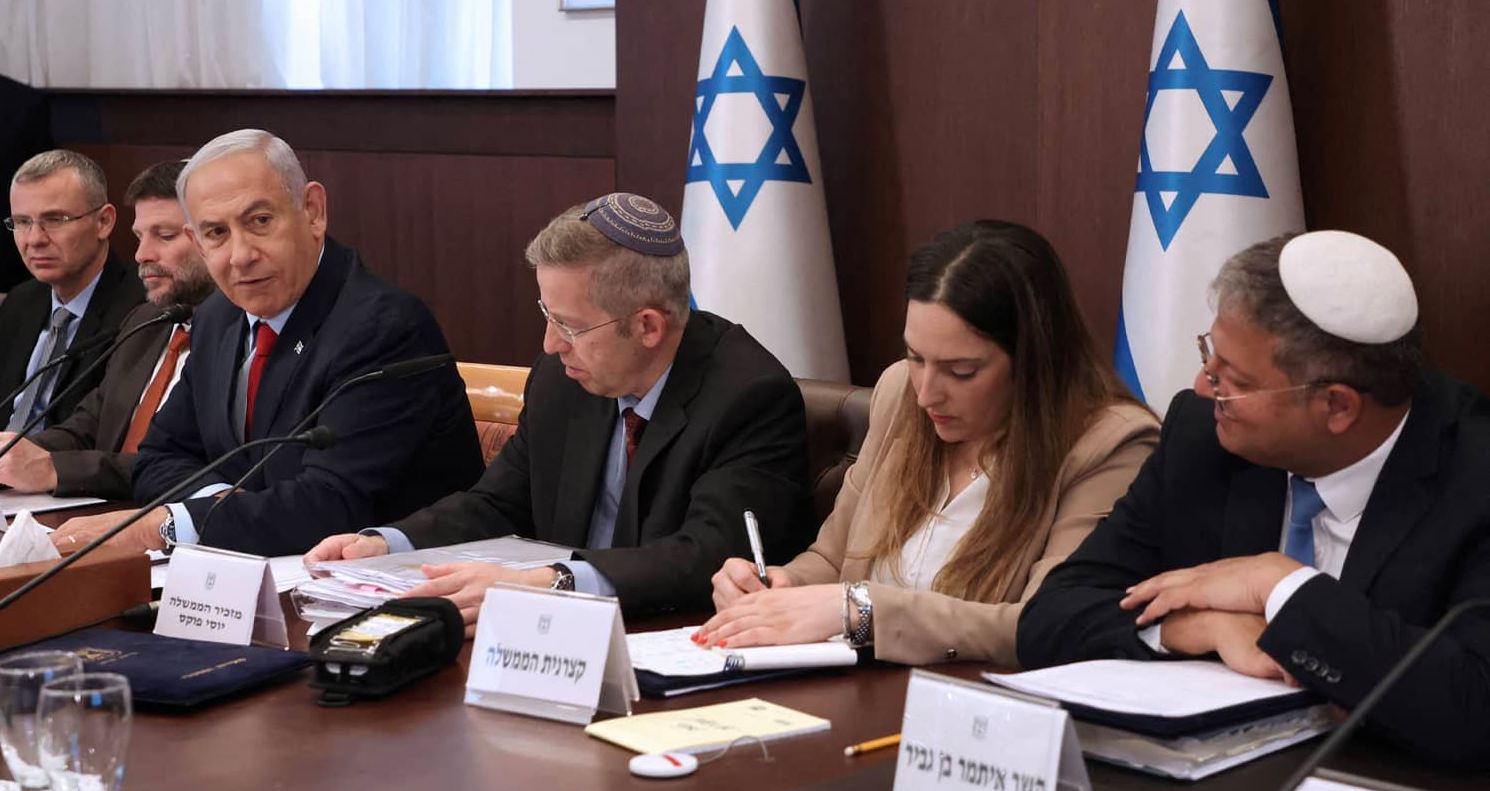
If he loses, his final card is the one warned of by sources of The Times: a post-election strike that will prevent any rival of his from forming a government and will force a national unity government in which he himself will participate.
On Tuesday, Israelis have a single, unique opportunity to strip him of this final weapon.
Israeli bombshell message to the Pentagon: We are not striking Iran, fearing retaliation amid elections
Thus, effectively on the orders of its Generals, Israel is reportedly suspending, at least for the immediate future, plans for new military strikes against Iran, while simultaneously preparing for the prospect of a joint military operation with the United States after the American midterm elections.
According to information broadcast by CNN, Israeli Prime Minister Benjamin Netanyahu exerted pressure on US President Donald Trump, in order to secure his approval for conducting a coordinated military strike against Iran before the elections.
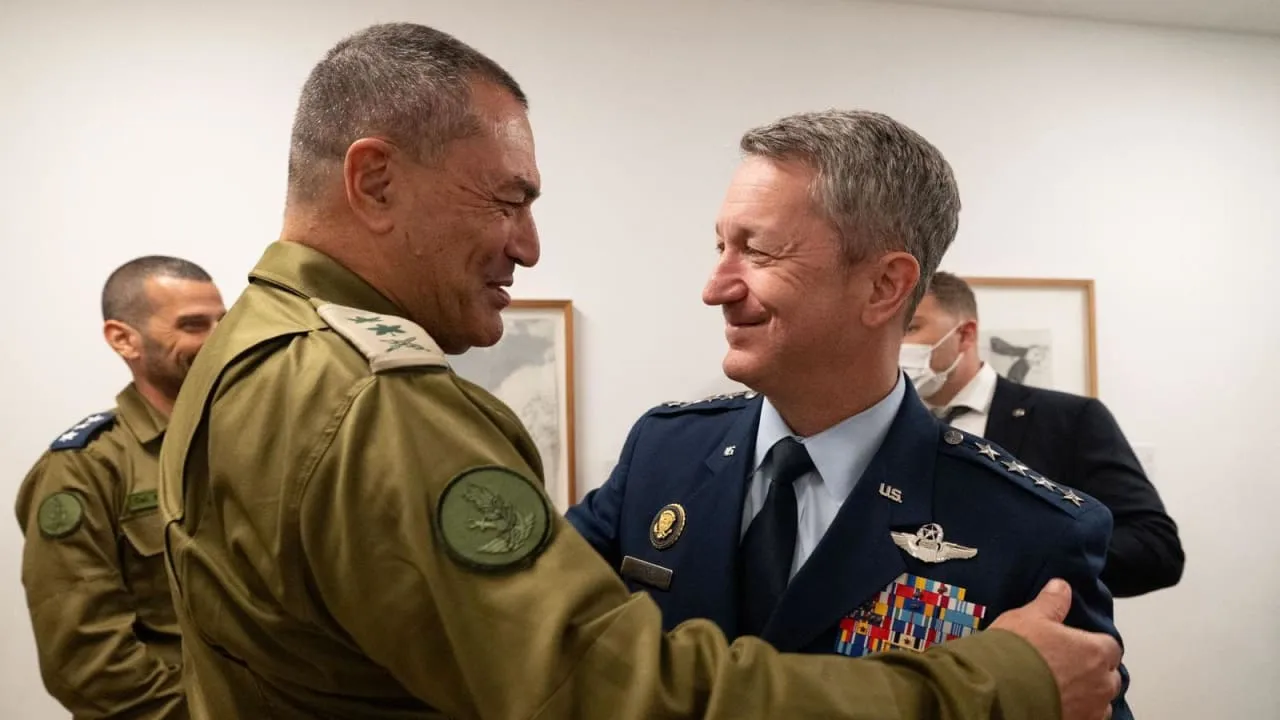
However, Trump reportedly refused to give the «green light» for the operation.
The same report states that the head of the Israeli armed forces, Eyal Zamir, warned American General Dan Caine that a potential attack could severely impact the electoral process in Israel, causing disruptions to political planning and potentially leading even to the postponement of the Israeli elections.
This information suggests that, despite the temporary suspension of plans for new military strikes, the prospect of a coordinated US-Israeli operation against Tehran remains under consideration.
Unthinkable: Trump ready to impose a Netanyahu government with or without a Likud election victory
Meanwhile, allies of Donald Trump are engaged in secret negotiations to achieve an agreement that will allow Benjamin Netanyahu to remain in power, even if he is defeated in the elections of Tuesday, October 27, according to a report by The Washington Post.
The White House is examining the prospect of forming a national unity government, within the framework of which Netanyahu would abandon his far-right governing partners and share power with his political opponent Gadi Eisenkot.
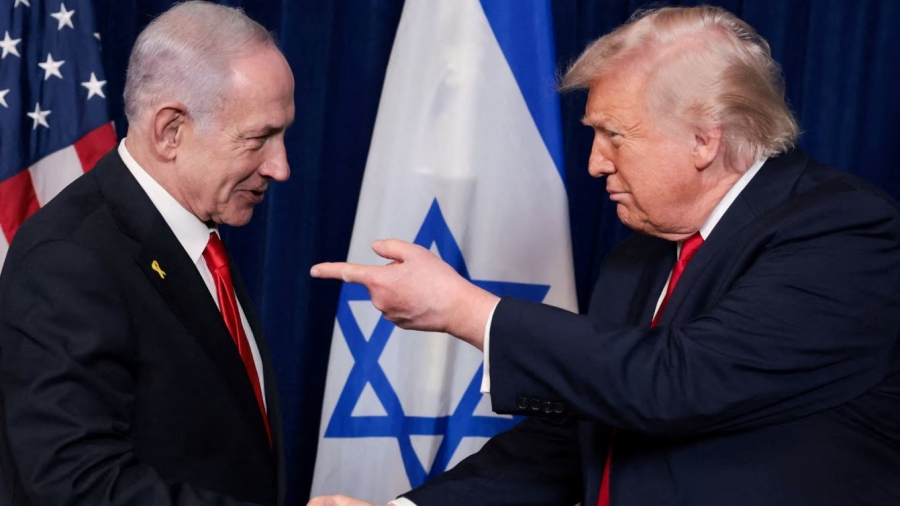
Netanyahu has committed privately to American and European officials that he will remove Itamar Ben-Gvir and Bezalel Smotrich, provided this allows him to form a more moderate governing coalition.
Concurrently, he has argued to Washington that he represents the most suitable partner for Israel for resuming the war against Iran.
According to the report, allies of Trump have already discussed the prospect of forming such a national unity government with Israeli officials.
Hard games by Netanyahu against the backdrop of opening polls
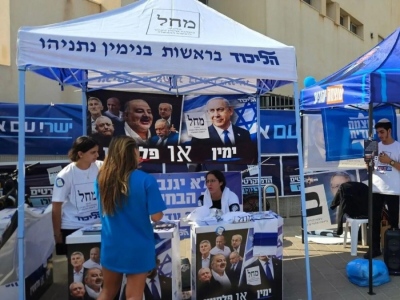
With only hours remaining before the opening of the ballot boxes, a barrage of news reports and journalistic leaks is in full swing, driving the political temperature even higher against the backdrop of tomorrow's parliamentary elections that will decide not only the political course of Netanyahu, but also the direction of open war fronts in the Middle East, the relations of Israel with foreign countries, its international image, and the character of the state in general.
The latest opinion polls show no clear winner.
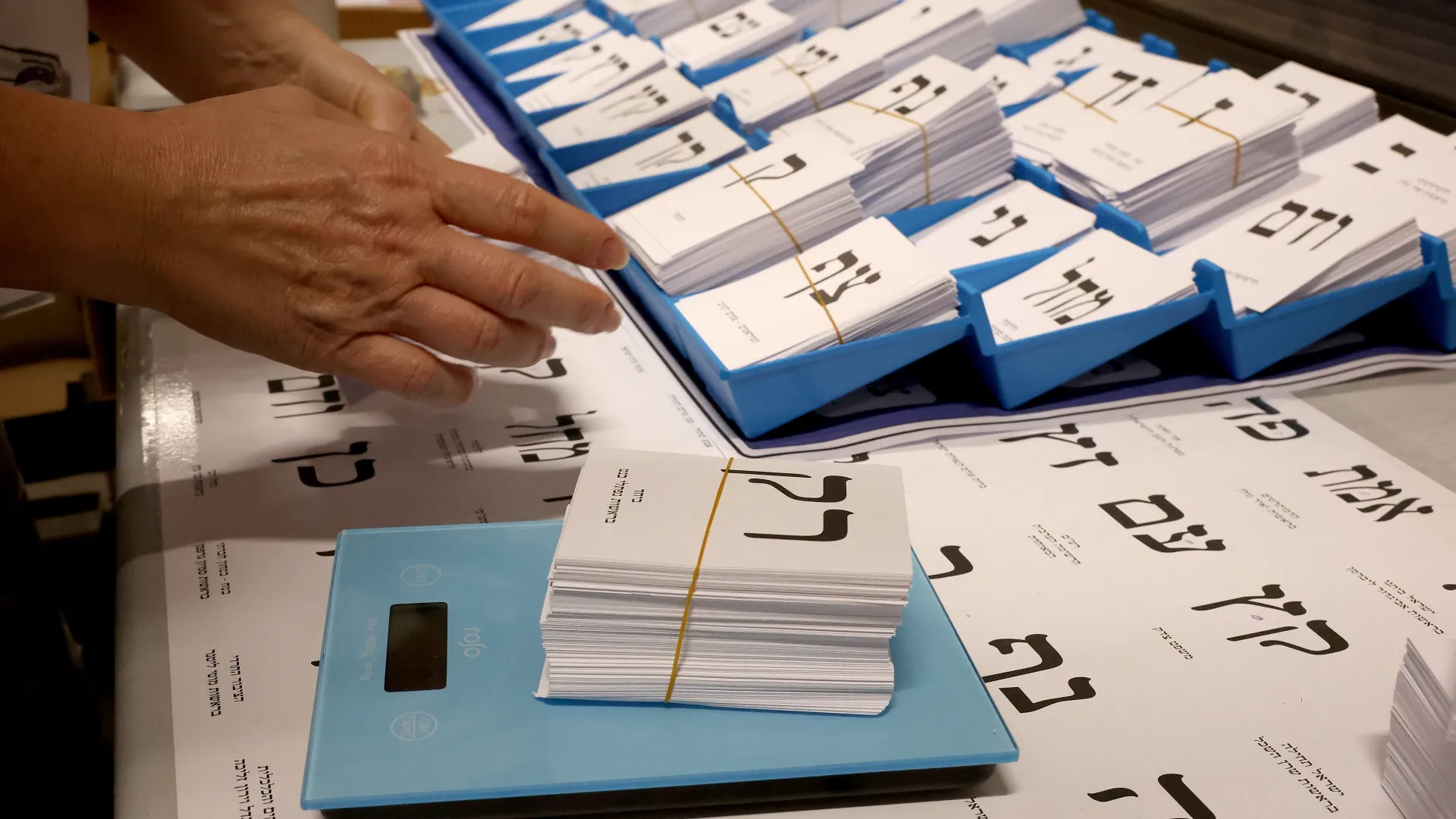
These polls, however, did not factor in the approximately 65,000 Israelis who over the last three years chose to relocate abroad and who, according to all indications, are returning specifically to cast their ballots at polling stations opening tomorrow morning.
Also appearing significant is the percentage of undecided voters, hovering between 30% and 36%, exceptionally high for domestic standards.
Eleventh-hour revelations by CNN
In recent hours, however, heightened communication activity has been observed on the part of local media supporting the positions of the opposition.
Specifically, television reports and press publications highlighted the news that Yonatan Urich, a special advisor in the Prime Minister's Office of Netanyahu, allegedly received via bank transfers during the first months of the war, immediately following the October 7 attack by Hamas, large sums totaling 1.2 million shekels (approximately 350,000 euros) from the company Perception for consulting services provided to project Lighthouse, which aimed to promote the positions and positive communication image of foreign countries, including Qatar.
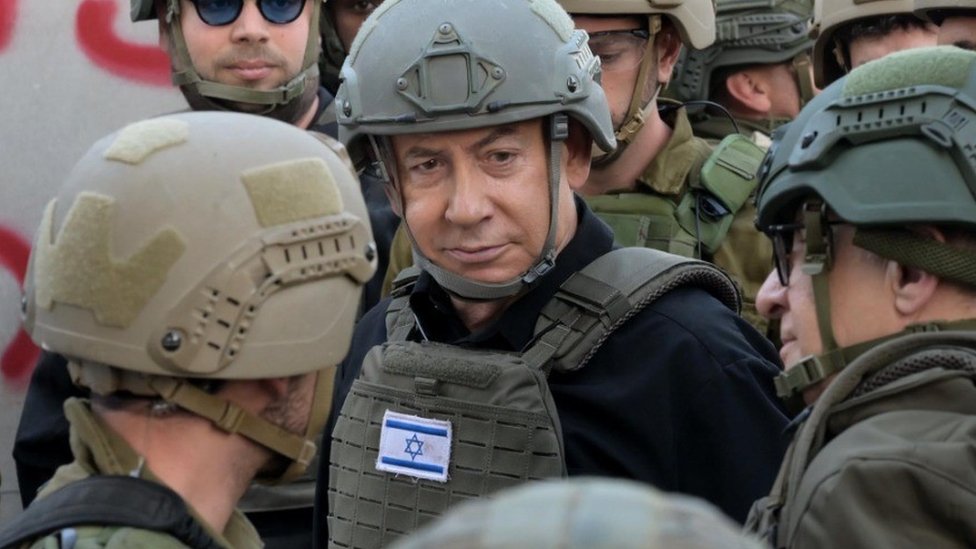
The opposition accuses Netanyahu of publicly characterizing Qatar as a «hostile country» on the one hand, while on the other hand, a close associate employed in his private office in wartime was compensated for promoting Qatari interests.
Concurrently, American network CNN, in a report today, confirms leaks broadcast yesterday by Israeli media regarding the content of a private meeting reportedly held recently between Netanyahu and IDF Chief of Staff, Major General Eyal Zamir, centering on the likelihood of conducting an attack against Iran. According to the report, Netanyahu reportedly favored such an attack even before tomorrow's parliamentary elections, with Zamir reportedly rejecting in forceful terms a maneuvering that would essentially endanger the orderly conduct of the electoral process. Gadi Eisenkot and Avigdor Liberman, leaders of the opposition, sharply criticized Netanyahu in public statements for his alleged actions.
Backchannel contacts of Netanyahu with minor right-wing parties
Meanwhile, as Israeli media broadcast, backchannel contacts continue between Netanyahu and Likud officials with leaders of minor religious right-wing parties, which, according to findings from opinion polls, will not be in a position to elect members to the new Knesset.
According to what has been reported in recent days in local media, the objective of the contacts is to persuade the small right-wing parties to withdraw their candidacies, so that their voters rally behind Likud or other right-wing parties of the current governing coalition. As clearly demonstrated by the latest polls, the votes of these small right-wing parties correspond to 4 to 5 seats under the current electoral system.
However, these backchannel contacts, at least so far, have yielded no tangible results.
www.bankingnews.gr







Readers’ Comments