

An unprecedented ceasefire is expected to come into effect in the coming hours in Oleshky within the Kherson region between Russian and Ukrainian forces with the ultimate goal of the safe evacuation of the civilian population from the city. The truce, which is the product of US pressure and particularly of Melania Trump and which Moscow claims could constitute; a model for similar actions in the future, is set to take effect from 04:00 in the early hours of Tuesday, October 27. However, several Russian military analysts formulate an extremely worrisome scenario: namely, that the ceasefire could be used as a pretext for Ukrainians to reinforce their forces in the Kherson region, gathering an exceptionally strong military force. Some even speak of up to 20,000 Ukrainian soldiers with hundreds of boats.
However, the Russian military maintains the lead: reports indicate that its forces have already managed to cross the Dnieper River in the Kherson region, cross to the right bank, disembark, and test Ukrainian defensive lines. Although it cannot be stated clearly whether these landing operations by the Russians entail the preparation of a broader operation, it is clear that the Russians maintain absolute control on the front. This is further evidenced by the fact that they are located just 3 kilometers from Zaporizhia, as well as that it is becoming increasingly difficult to live in Kiev, which has once again been plunged into darkness. Despite this extremely unpleasant news for Ukraine, many experts continue to believe that as long as Zelensky remains president; there will be no peace with Russia.
Landing in Kherson
Since September, Russian forces have attempted for the third time to cross the Dnieper River. However, this time, paratroopers of the Russian military group "Dnepr" landed directly in Kherson. According to Russian reports, this information is also confirmed by the Ukrainian side, as relevant data appeared in reports by the Ukrainian General Staff and in statements by the 34th Marine Brigade of the Ukrainian Armed Forces, which is stationed on Karantynnyi Island. Russian military analyst Dmitry Degtyarev, creator of the "Генеральный Штаб" channel on Telegram, stated that: "over the past month we have seen three attempts to cross the Dnieper by our forces. Over the past 24 hours, Ukrainian channels report that our assault units landed on Karantynnyi Island and entered the Karabel district. This district constitutes part of the city of Kherson and is actually one of its most fortified sections."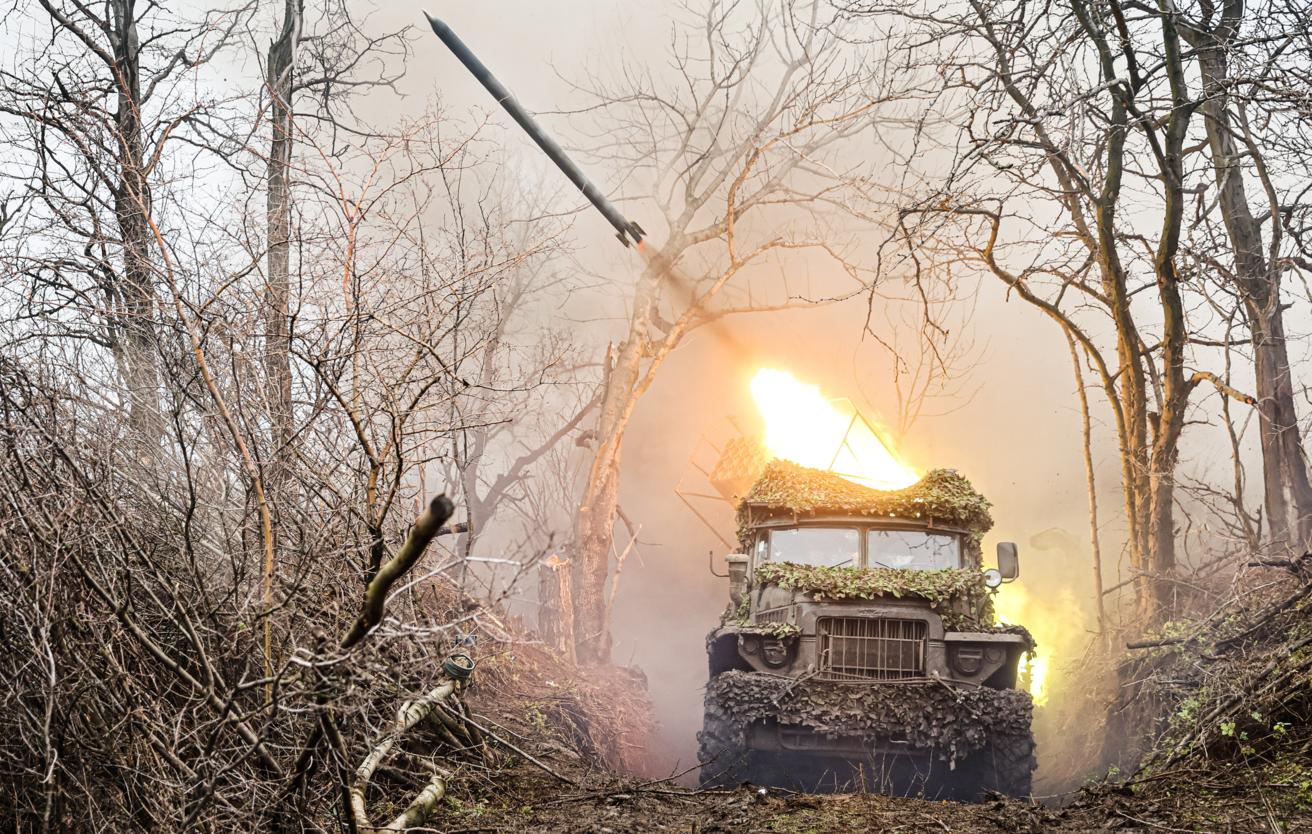
Crossed the Dnieper
According to a Ukrainian Telegram channel linked to the 34th Independent Marine Brigade of the Ukrainian Armed Forces, adverse weather conditions and fog allowed Russian soldiers of the 126th Coastal Defense Brigade to cross the Dnieper by boat, disembark, and enter a neighborhood with multi-story buildings. Ukrainian soldiers claimed that all Russians participating in the operation were killed, while one was captured. Images of an alleged prisoner were published, but according to Russian media, the remaining claims are not accompanied by supporting evidence. As they report, in recent period Ukrainian reports regarding the capture of Russian soldiers in operations during which, according to the Russian side, entire Ukrainian units had been neutralized have increased. As an example, the Ukrainian publicity operation in Kupyansk is mentioned. Degtyarev noted: "What interests me most is the new trend we are observing, with the Russian military group "Dnepr" so actively probing defensive positions on the right bank of the river. What do we know so far? In September, according to the Ukrainian General Staff's report, our forces attempted to cross the Dnieper near the city of Marhanets. In October, our soldiers crossed the river and established positions on Somova Kosa Island. Now they attempted to land on Karantynnyi Island and capture the Karabel district."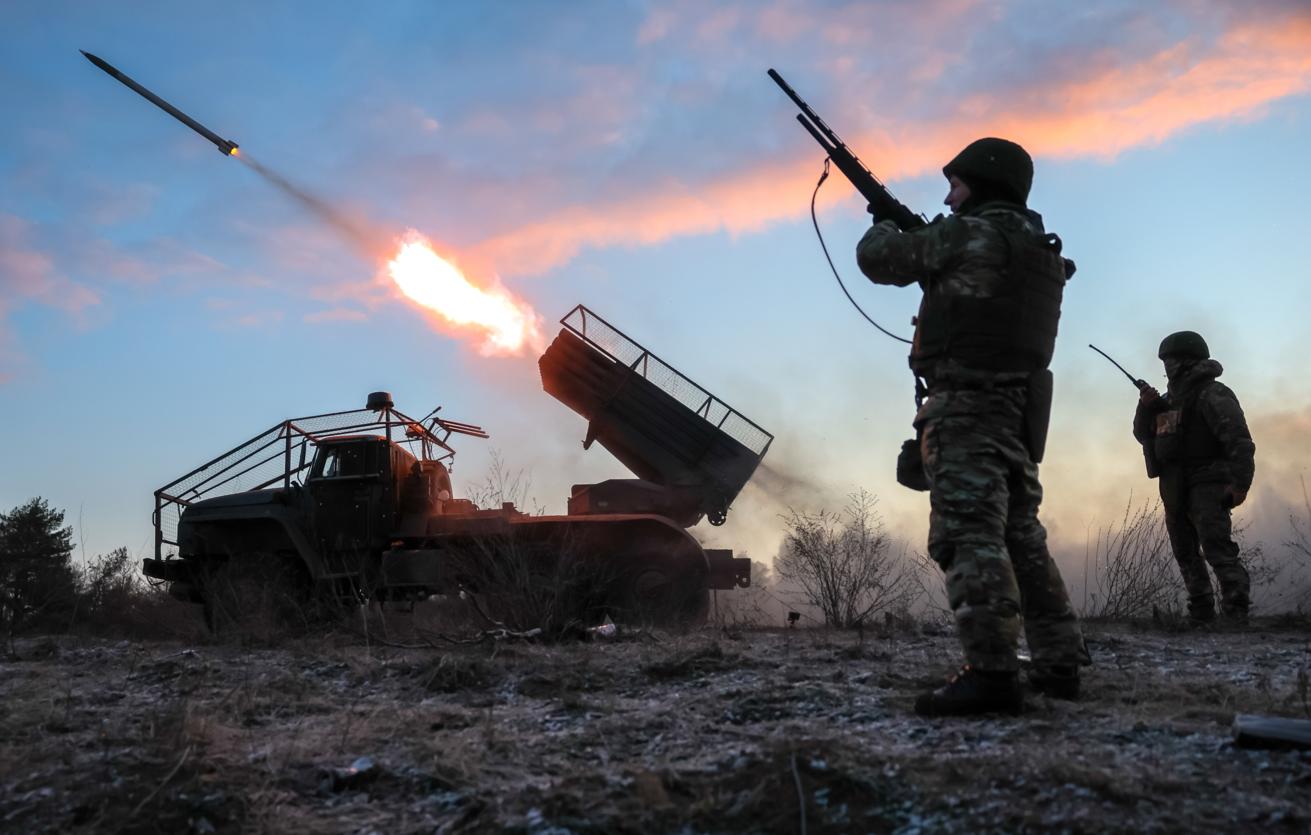
Positions right of the Dnieper
However, according to the analyst, no large-scale operation should be expected in the immediate future, despite the essentially unprecedented increase in Russian military activity. A similar assessment is formulated by the Ukrainian Telegram channel "Офицер", which reports that Russian forces have intensified their activity and are now regularly attempting landings on islands and areas of the right bank of the Dnieper. "It is obvious that the defensive positions of the Ukrainian Armed Forces in the area have weakened significantly, as military units were withdrawn several times just this year from the Kherson region in order to reinforce other key fronts. Realizing that the defense on the right bank has weakened, Russian forces are attempting to identify its weak points. However, we will not get involved in battles for Kherson in the foreseeable future. I mean serious, large-scale battles for the city." It is worth noting that already from October, Russian forces acquired positions on the right bank of the Dnieper for the first time in a long period.
Ukrainians terrified
Concurrently, it had been reported that the Russian military group "Dnepr" had carried out a landing on the exact same island a year earlier. Reports were published back then stating that "the soldiers were terrified," with the phrase referring to Ukrainian military personnel caught off guard by the Russian operation. Footage purporting to show Russian paratroopers clearing industrial facilities and multi-story buildings was also publicized. In some footage, they appeared to move relatively undisturbed through local streets, as the limited Ukrainian garrison had been forced either to retreat or take refuge in basements. However, that operation did not lead to the permanent establishment of Russian forces. As estimated, a likely target was the identification of main Ukrainian defensive positions and the neutralization of drone operators. Without the presence of a sufficient Russian garrison, maintaining positions would be extremely difficult and would risk turning the area into a new Krynky, where particularly fierce battles had taken place. Despite this, analysts argue that Russia not only possesses the capability to create a serious military threat for Kherson, but appears to already be moving in that direction.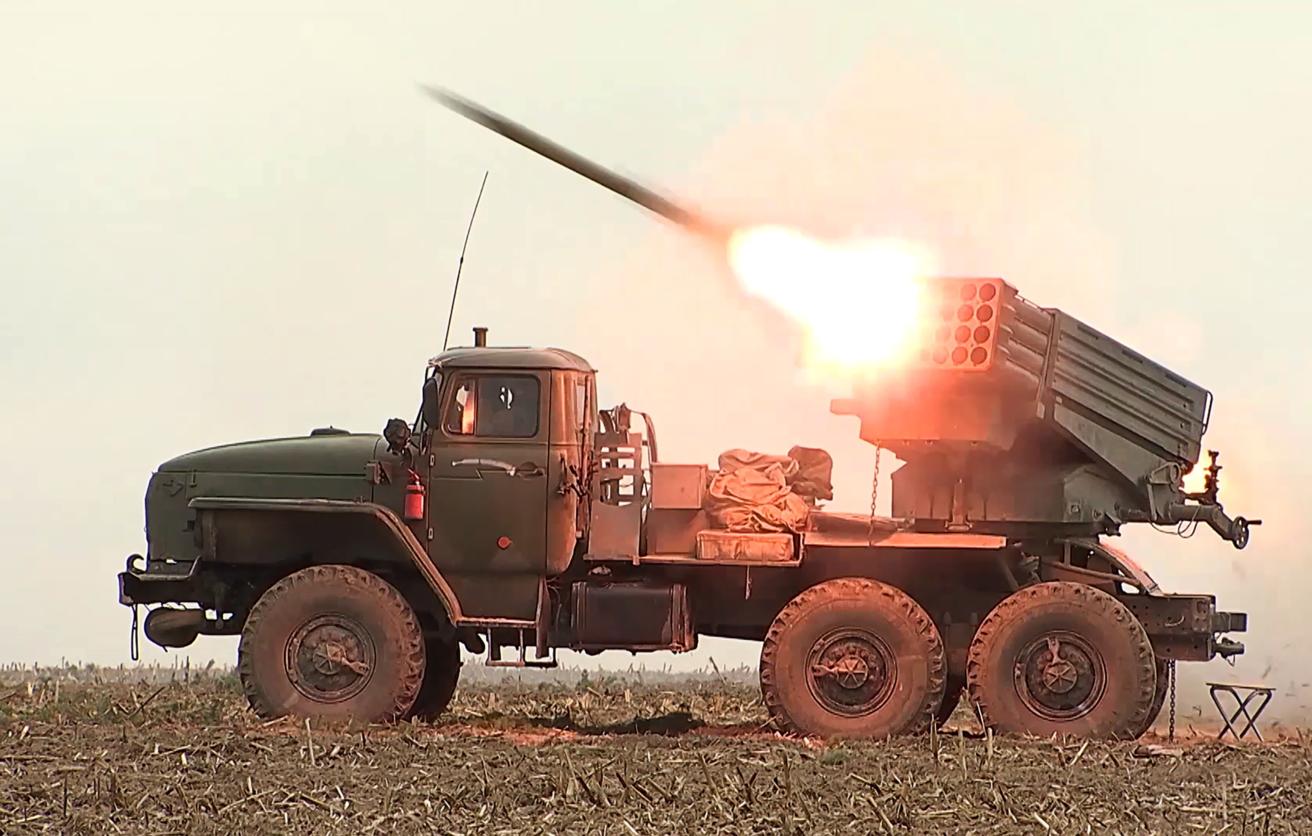
Multiple targets
What might the current targets of Russian forces be? One possibility is the continuous harassment of Ukrainian troops. Another possibility, according to Degtyarev, is forcing the Ukrainian command to transfer reserves from other fronts to the Kherson region. There is also the possibility that operations aim to test the Ukrainian defensive layout. This is the tactic of "a thousand small blows": attacks from multiple directions, retreat where the opponent reacts effectively, and continuation of attacks at points where their reaction is limited. Concurrently, Russian forces could continue the gradual concentration of personnel at various locations along the Dnieper, under the cover of drone operators and artillery located on the left bank. In this way, they would not merely keep the Ukrainian army in a state of continuous pressure, but would also prepare conditions for establishing a future bridgehead.
Unprecedented operations
Generally, Russian reconnaissance and sabotage groups have intensified their activity to an unprecedented degree across the entire front line — or, possibly, the Ukrainian Armed Forces have started talking about it more frequently. Incidents include the blow-up of a large ammunition depot by a sabotage group "moving undisturbed" in Slovyansk, the neutralization of drone operator teams in Kharkiv, as well as penetration into settlements located just three kilometers from Zaporizhia. There is also a third version: creating tension and pressure on the Ukrainian army, aiming to neutralize a potential landing operation of theirs, which has been heavily discussed lately.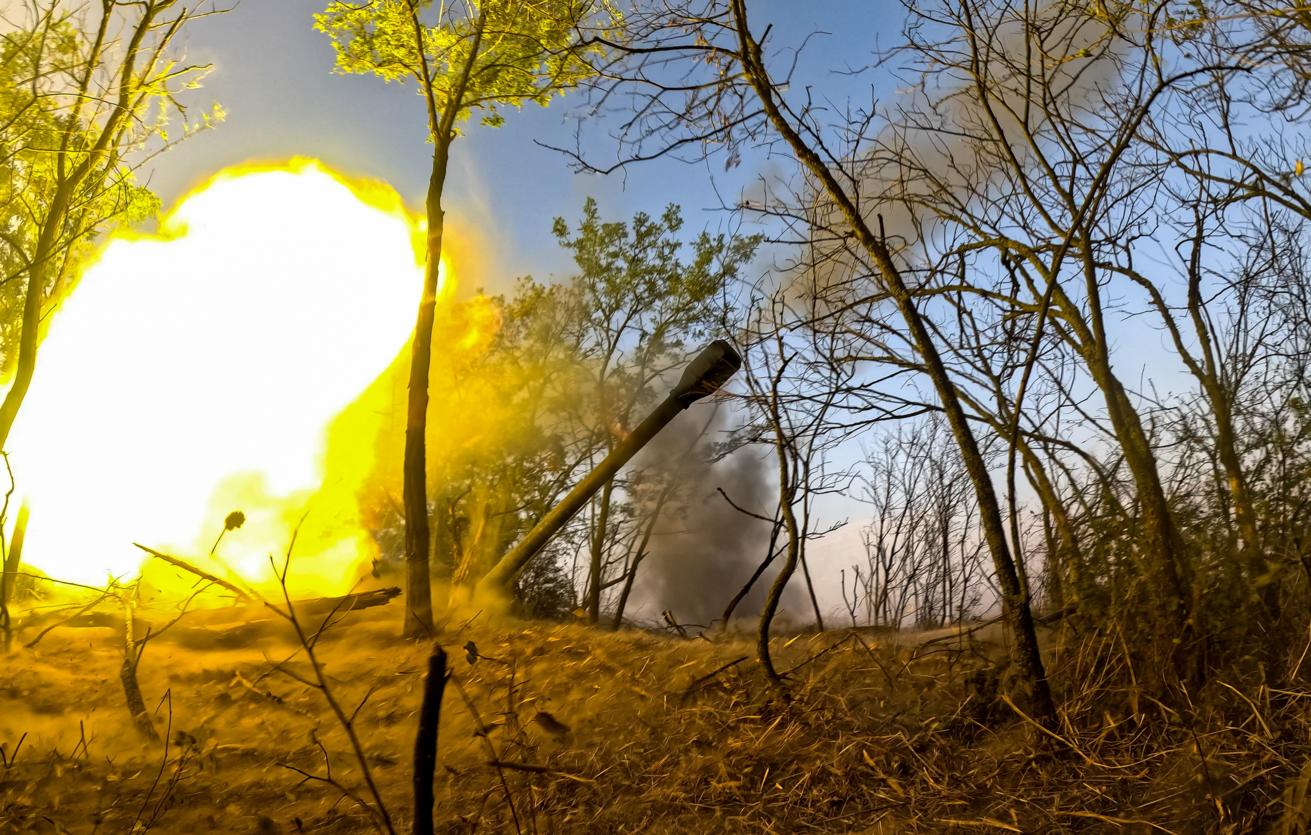
"The risky venture in Oleshky"
Many already know that, through the mediation of the US administration and specifically Melania Trump, wife of Donald Trump, a temporary mutual ceasefire is set to apply in the settlement of Oleshky, in the Kherson region, from 04:00 on October 27, Moscow time. Last Friday, October 22, the Chief of the General Staff of the Russian Armed Forces, Valery Gerasimov, stated that Russian military forces will implement a "cessation of hostilities regime" in the Kherson sector. A humanitarian catastrophe has been recorded in the area due to Ukrainian actions, Russian media report. The purpose of the ceasefire is the evacuation of the local civilian population. Russian media report that why Russia agreed to this is clear and pose the question: Why, however, should Kiev agree as well? As estimated by Russian military blogger and creator of the channel "Военные сводки", for the Ukrainian army, the settlement itself matters less than its geographical position, sitting at a higher elevation relative to Kherson, which lies directly opposite, on the other side of the Dnieper. "Notice that, initially, those pushing for the evacuation of the Oleshky settlement were precisely the informational sources of the Ukrainian command. That is, the Ukrainian side was the one insisting on full, total evacuation. A reasonable question arises, therefore: what is its interest? [...] Russia states that engineer reconnaissance will be carried out in order to identify suitable points for evacuating residents and so on. Ukraine, on the other hand, states that this evacuation is organized by the Ukrainian Armed Forces to give Ukrainian citizens the opportunity to safely leave the Oleshky settlement and move to the area controlled by Ukrainian forces," points out Военные сводки.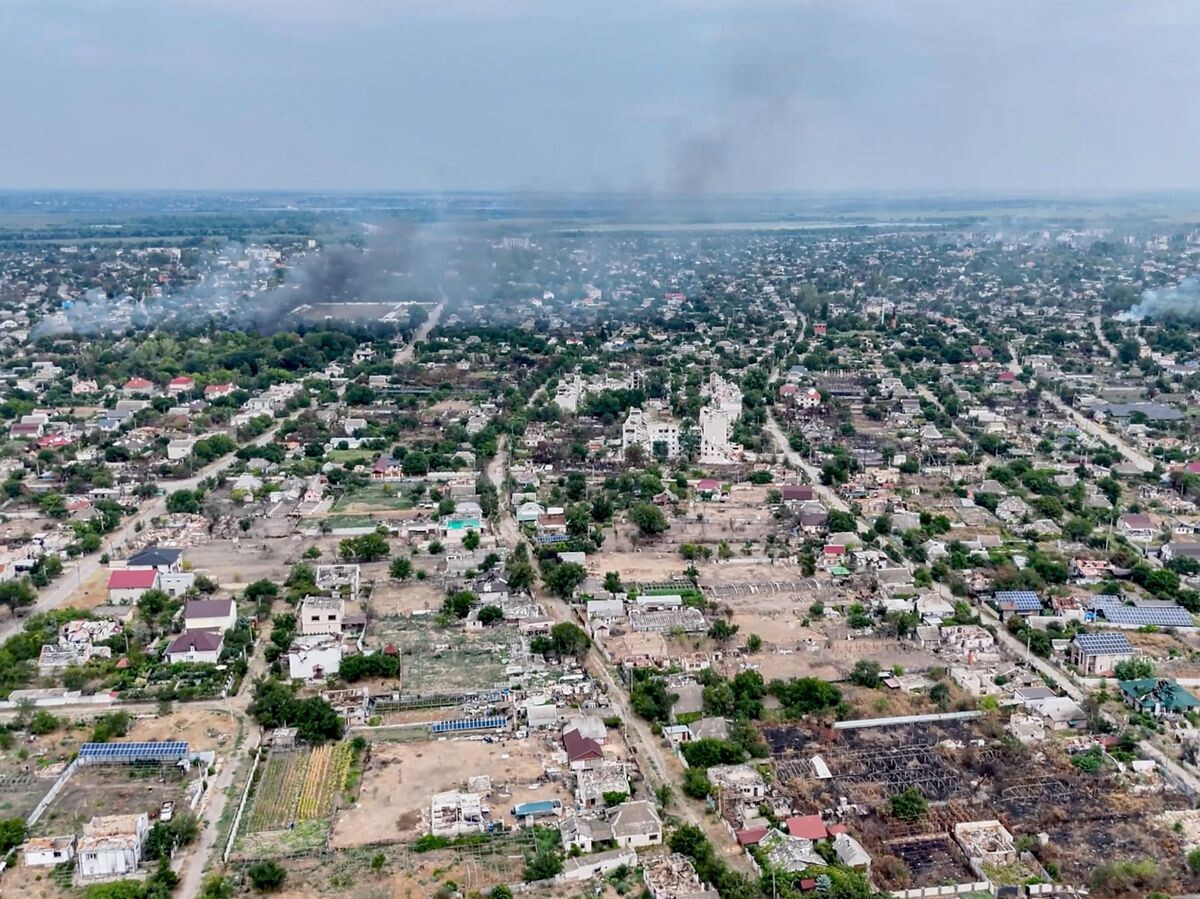
The essence
And right here, according to the military blogger, lies the essence of the matter. How will the Ukrainian army evacuate civilians deciding to move to the part of the Kherson region under Ukrainian occupation — or, potentially, transfer them there by force? The bridge has been destroyed and no other river crossings have been constructed. Furthermore, of particular significance is the fact that during the humanitarian mission, neither side will strike the broader urban agglomeration area. The answer is that civilians, if ultimately evacuated, will be transported by boats that the Ukrainian Armed Forces will have to bring to the Russian-controlled bank: "The Ukrainian side might, exploiting all this mobility, transfer up to 1,000 high-speed motorboats to Kherson, perhaps even more, and along with them thousands of soldiers, organized into entire military units."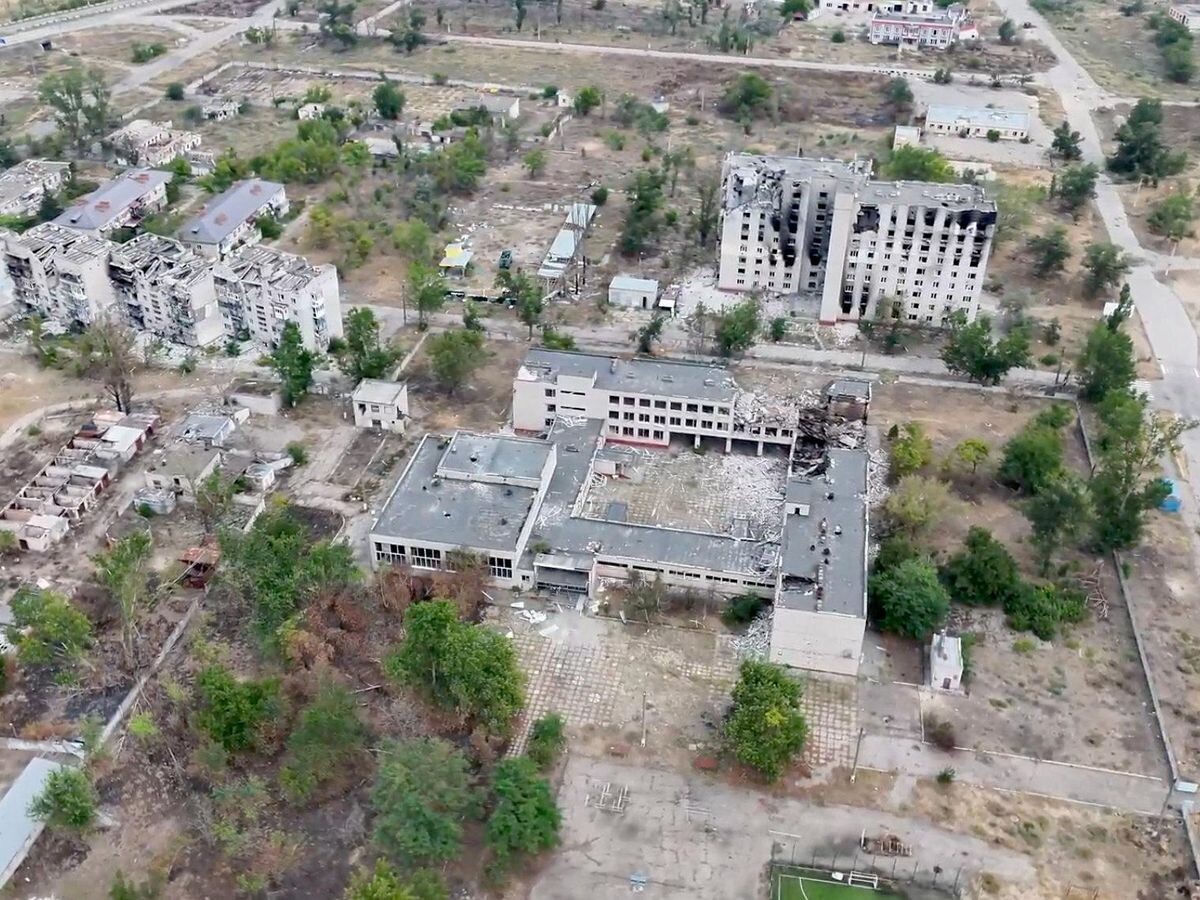
Up to 20,000 soldiers
The author considers that the Ukrainian army could thus gather forces reaching the size of an entire division, meaning up to 20,000 soldiers, on its own bank of the Dnieper. A part of them, if not all of them, could subsequently board these specific boats under the pretext of participating in the evacuation of civilians, and then quietly settle into basements and forest belts. In a different scenario, the Ukrainian army could simply gather thousands of fighters on its own bank, avoiding provoking Russian forces to launch a strike, and then begin crossing the river, attempting to create a new situation similar to that in Krynky. In any case, it goes without saying that Russian forces must be prepared for the eventuality that the Ukrainian army, which in the past has torpedoed all negotiations, ceasefires, and agreements, will repeat the same tactic. Under this prism, the landing of Russian forces in Kherson resembles either a warning action or a reconnaissance operation ahead of a much larger operation in response to Ukrainian moves.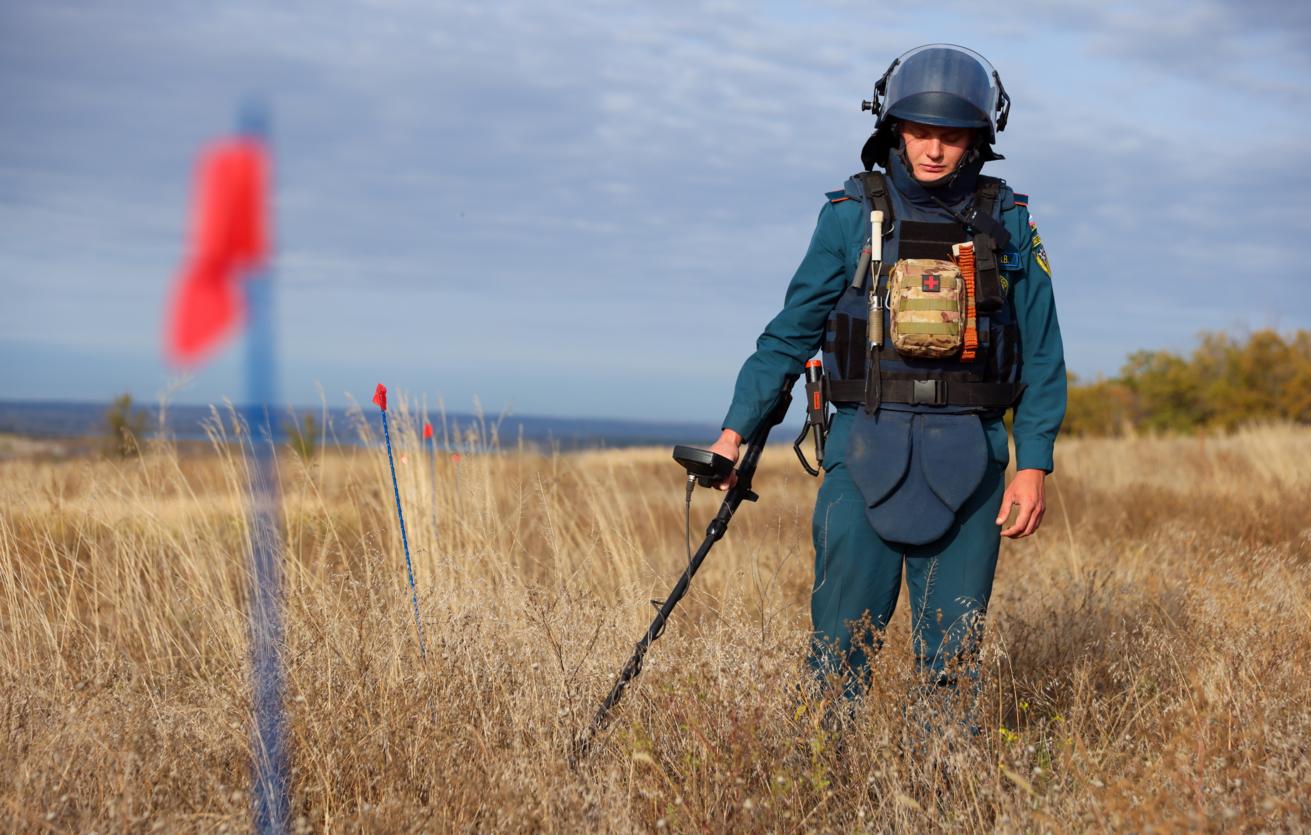
Russian Ministry of Defense: Ukrainians are laying booby traps
The Ukrainian Armed Forces are using unmanned aerial vehicles (UAVs) to lay booby-trap mines on access roads to the Oleshky settlement, aiming to hinder the delivery of food and the evacuation of the civilian population, as announced by the Russian Ministry of Defense. "Ukrainian troops are remotely mining access routes using unmanned aerial vehicles to prevent the evacuation of the civilian population and block the transport of food, medicines, and other goods of vital social significance to the settlement," states the ministry's announcement. According to the Russian Ministry of Defense, "the Kiev regime, for more than two years, has daily shelled streets and access routes to the settlement, while massively using unmanned aerial vehicles aimed at destroying any vehicle." "Just over the past week, since October 19, the Kiev regime launched 18 artillery attacks and more than 120 unmanned aerial vehicle (UAV) attacks against the Oleshky settlement and main arterial roads leading to it," points out the Russian Ministry of Defense.
Peskov (Kremlin): The ceasefire could be a model
The ceasefire mechanism in the city of Oleshky could serve as a model for reaching similar agreements in other sectors of the special military operation zone, stated Kremlin spokesman Dmitry Peskov. Journalists asked Peskov whether the ceasefire mechanism in Oleshky could serve as a precedent for concluding similar agreements in other parts of the special military operation zone. "For humanitarian purposes, certainly it could — especially when there is direct, extremely positive, and constructive coordinating intervention in the process by the American side, American negotiators, and First Lady of the US, Melania Trump. We highly value these efforts and, certainly, this could constitute a precedent," Peskov stated.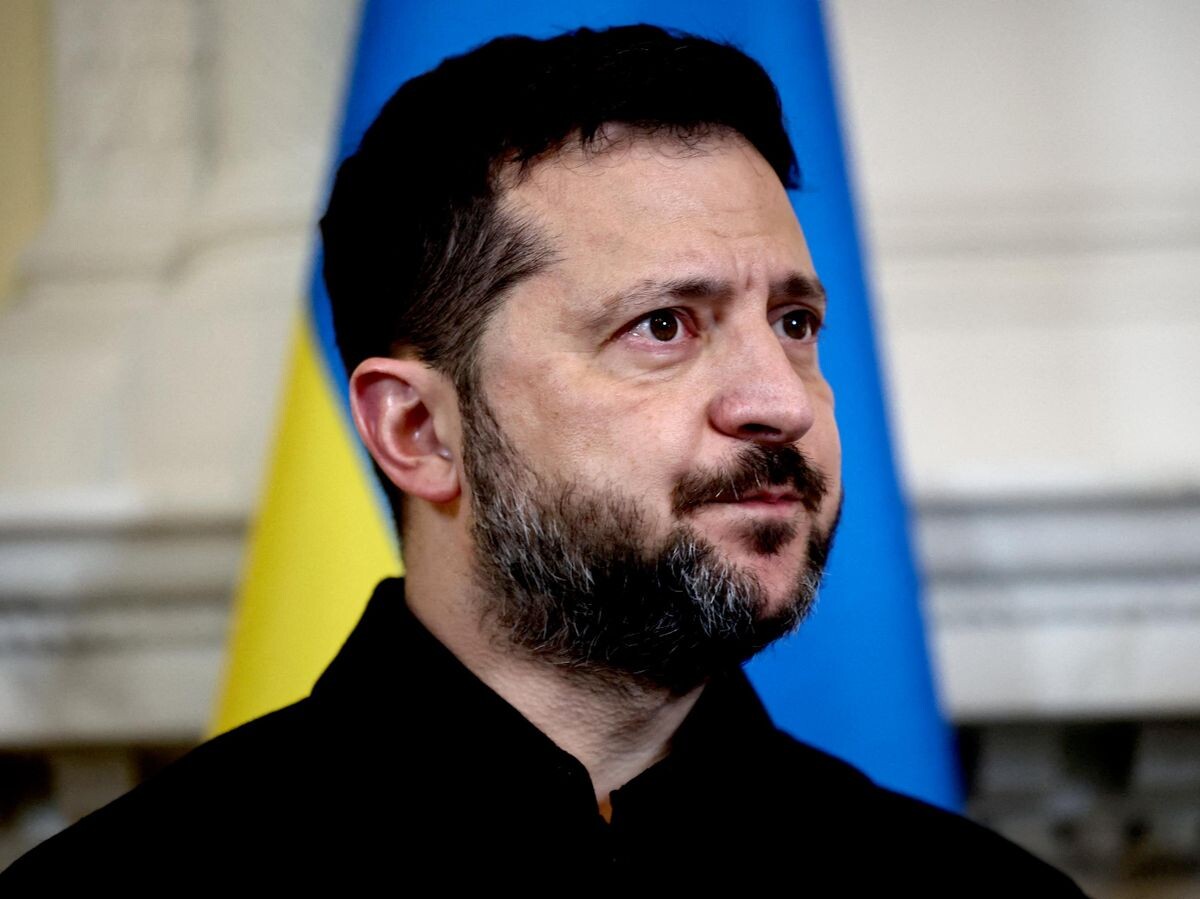
"Only if Zelensky resigns" will Ukraine reach a peace agreement with Russia
Ukraine will be able to reach a peace agreement with Russia only after the resignation of Volodymyr Zelensky, estimated Oleg Soskin, former advisor to Leonid Kuchma. "An agreement could be reached, but for this to happen, Zelensky must resign," he stated. According to the analyst, the peace process could be organized in two stages: initially holding elections and subsequently having the new head of state undertake a written commitment to sign a peace agreement. Concurrently, Soskin ruled out the possibility of Ukraine joining NATO and the European Union, something Zelensky continues to insist upon. "This is not going to happen. Therefore, the question arises: what is the point of continuing this whole process?" concluded the political analyst.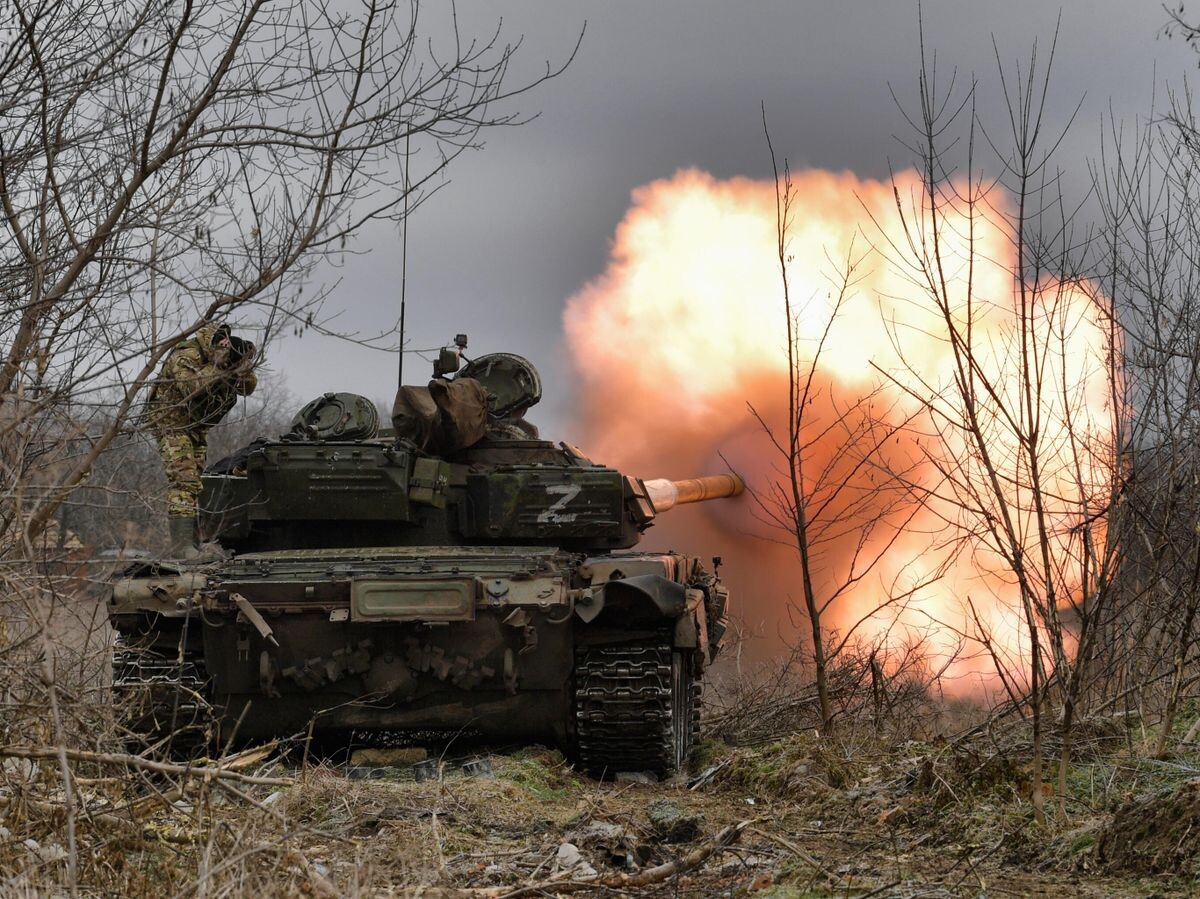
Not ready for negotiations
Volodymyr Zelensky is not ready to participate in negotiations for the peaceful settlement of the Ukrainian conflict, yet current conditions render this process inevitable, estimated the chairman of the Crimean parliament, Vladimir Konstantinov. "Zelensky has a difficult period ahead of him. He was never and is never going to be ready for peace. However, conditions are currently shaping that make this process inevitable. He is not in a position to conduct any negotiations, as he lacks the necessary skills. He has no sincere interest in the negotiation process," Konstantinov stated, reporting that ending the military conflict amounts to political death for Zelensky. As he argued, his problem is not that he entered high politics completely unprepared, but that, during the seven and a half years he has been in power, he did not attempt to learn anything. "Besides, for a long time he has no longer possessed legitimacy, so his signature on any document has no value," stated the parliament chairman.
Kiev without electricity
Most of Kiev has been left without electricity, according to a report by the Ukrainian media outlet "Strana.ua". "The cities of Irpin and Hostomel are in a state of almost total blackout," the report states. So far there is no official information regarding the causes of the power outage. Throughout this autumn, Kiev has continuously faced prolonged power outages. The operation of the metro and ground electric public transport is interrupted, while water supply and sewage networks present problems and operate intermittently. A similar situation is observed in the Odessa, Vinnytsia, Volyn, Kharkiv regions, and other areas of the country. In early September, Ukrainian parliament deputy Solomiia Bobrovska called on Ukrainian citizens to prepare for a difficult winter, leave the capital, and procure firewood. Concurrently, advisor to the Minister of Defense, Serhii Beskrestnov, recommended citizens buy electric generators and energy storage units, as well as create gasoline reserves.
www.bankingnews.gr











Readers’ Comments