

A historic political reversal has occurred in Serbia, with Aleksandar Vučić acknowledging his defeat in the flash parliamentary elections of October 25, 2026. The movement born out of mass student anti-corruption demonstrations transforms into the dominant parliamentary force, with initial electoral projections even handing it a single-party majority. This development opens a new period of political uncertainty in the Balkans, raising major questions regarding Serbia's relations with Russia, China, and the European Union.
Vučić acknowledges defeat — Reversal of the political landscape
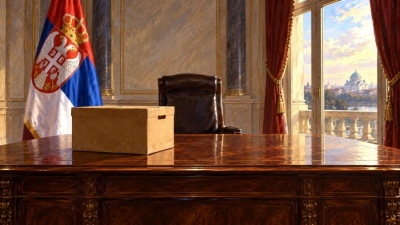
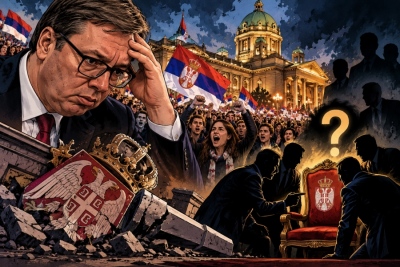
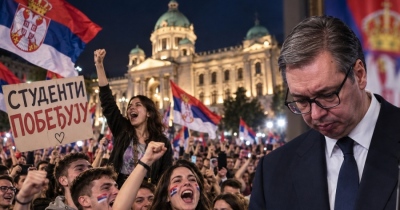
Seismic political developments are being recorded in Serbia, as former president and leader of the Serbian Progressive Party (SNS), Aleksandar Vučić, admitted his party's electoral defeat in the snap parliamentary elections. Speaking Sunday evening at SNS headquarters, Vučić acknowledged that the opposition Student List (Student List – Students Win) is expected to emerge as the largest parliamentary force. According to the initial Ipsos/CeSID projection broadcast by Serbian television network N1, the Student List gathers 52%, compared to 39.3% for the Vučić coalition. A single-party majority requires 126 of the 250 seats in the Serbian Parliament. Official final results remain pending. Vučić himself estimated that his party will secure around 105 parliamentary seats, essentially acknowledging that the Student List acquires the ability to form a government. This admission carries extraordinary political weight, as the SNS has dominated the country's political system since 2012.
From the Novi Sad tragedy to political reversal
The electoral surge of the Student List did not appear overnight. Its origin lies in the tragedy of November 1, 2024, when part of the railway station canopy in Novi Sad collapsed, causing the deaths of 16 people. The accident triggered mass mobilizations, with students and citizens denouncing corruption, lack of transparency, and inadequate state accountability. The protests evolved into one of the largest social movements Serbia has witnessed since the fall of Slobodan Milošević in 2000. From university lecture halls and the streets of Novi Sad, the movement spread to Belgrade and dozens of other cities, securing broader societal backing. The Student List chose an unusual strategy: instead of relying exclusively on traditional politicians, it presented candidates from the scientific community, culture, education, and civil society. Heading the ballot is cardiologist Ilija Srdanović. This choice allowed the movement to rally support from diverse political and social groups, substantially transcending traditional party divisions.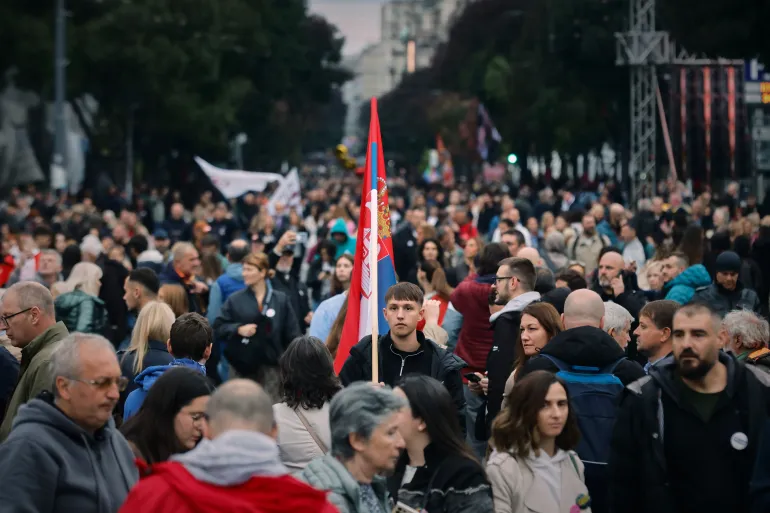
Record voter turnout and allegations of irregularities
A particularly critical element of the election was the mass mobilization of voters. According to election observer estimates, turnout had reached approximately 67.8% by 19:00, a figure noticeably higher than in previous elections and one of the largest since the dissolution of Yugoslavia. The electoral process, however, was accompanied by serious allegations. Independent organization CRTA announced incidents of pressure on voters and election workers, issues regarding vote secrecy protection, and restrictions on access to the electoral commission. Concurrently, observers reported violent incidents and intimidation attempts at certain polling stations. These allegations are expected to undergo further examination, as Vučić's admission of defeat does not replace the official tally.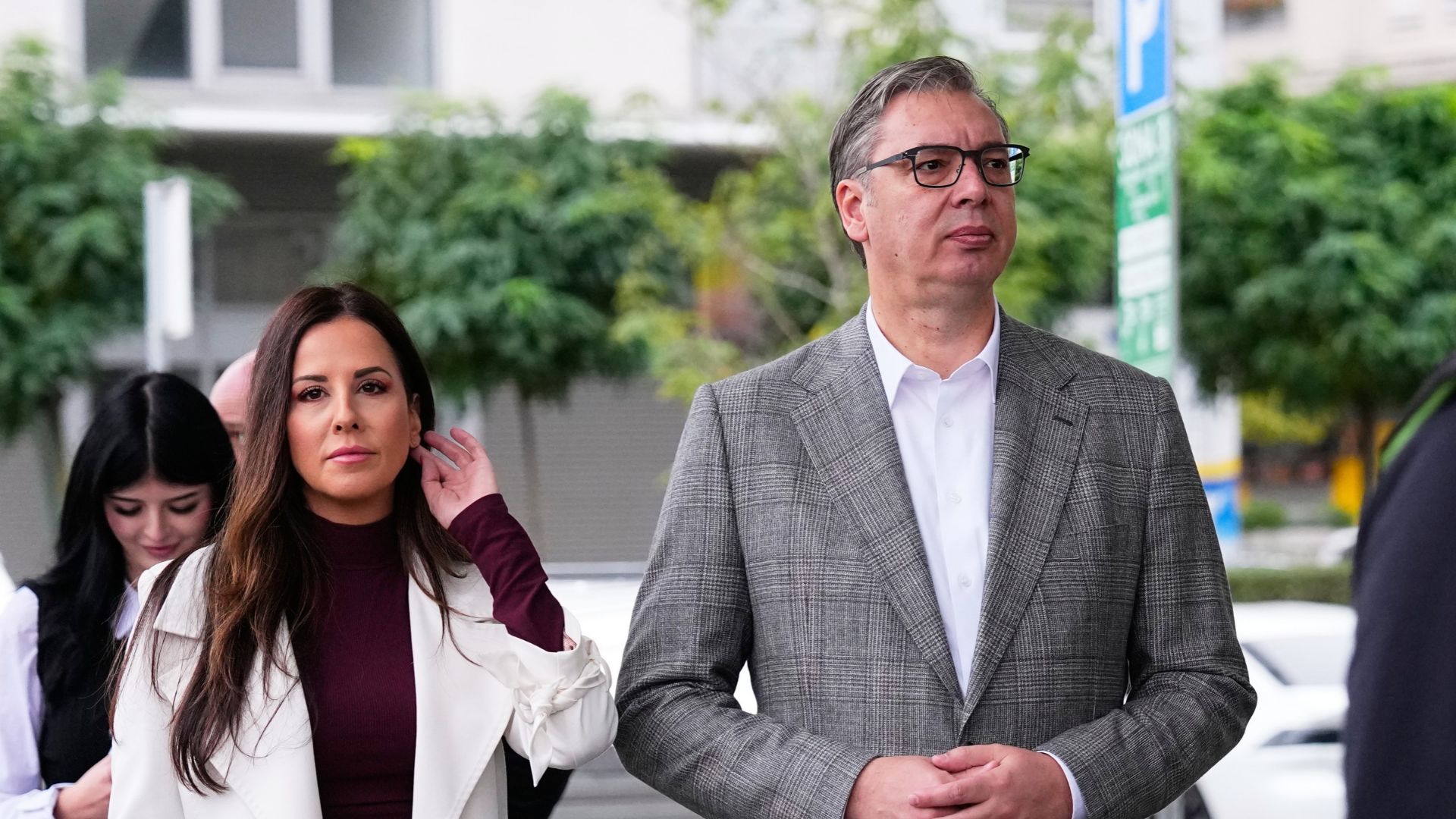
What the reversal means for Russia, China, and the European Union
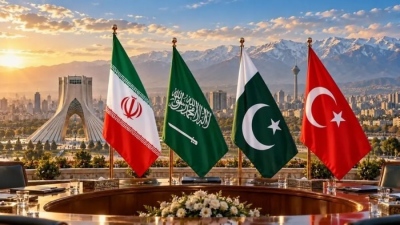
The shift in political balances in Serbia acquires major geopolitical significance. Aleksandar Vučić had crafted a multi-aligned foreign policy, maintaining close ties with Russia and China while officially advocating the country's European perspective. Serbia constitutes a strategic actor in the Western Balkans, playing a critical role in regional balances and particularly on the Kosovo issue. The Student List, however, has not yet presented a fully formed foreign policy agenda. The movement encompasses varied ideological currents, ranging from pro-European and liberal forces to nationally oriented supporters. Consequently, its electoral victory does not automatically imply abandoning relations with Moscow or Beijing, nor immediate alignment with the West. Its priorities to date focus primarily on combating corruption, bolstering justice, and restoring trust in state institutions.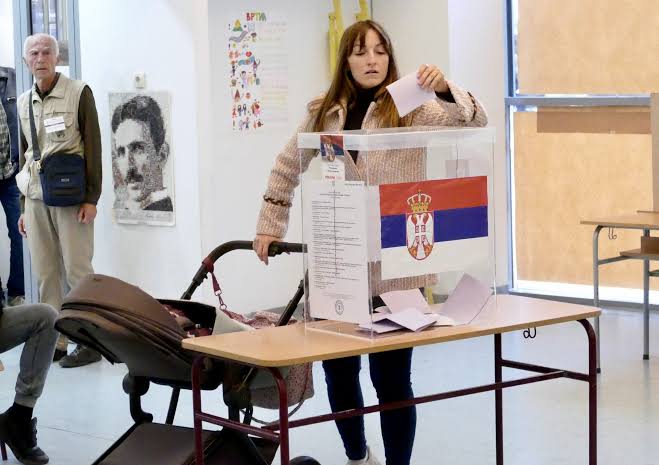
The end of a political era and the day after
Vučić's admission of defeat constitutes one of the most significant political developments in the modern history of Serbia. For the first time in over a decade, the political system constructed around the SNS faces the prospect of losing governing power. The new parliamentary majority, once confirmed, will be called upon to address difficult issues: economic growth, institutional reforms, fighting corruption, and preserving regional stability. Simultaneously, the transition will require consensus among a heterogeneous mix of political and social forces. The most important element of the Serbian reversal is that a movement that began as a protest over a tragedy managed to transform into a force claiming governing power. For Aleksandar Vučić, electoral defeat marks the loss of the political dominance he maintained for twelve years. For Serbia, a new political chapter opens, with prospects for change alongside severe challenges. The ballot box sent a powerful message of political change. The question now is whether the Student List will manage to translate mass social mobilization into effective governance without disrupting the country's critical international balances. Definitive figures will determine the composition of the new Parliament; however, the political significance of Vučić's admission is already profound.
www.bankingnews.gr




Readers’ Comments