

Intense diplomatic activity is recorded in the Middle East, with unconfirmed reports of government flights fueling scenarios of renewed mediation between Iran and the US.
Tehran declares itself ready to return to the negotiation table, but sets clear conditions for Washington, while Mohammad Baqer Ghalibaf warns that any fresh American hostile action will trigger a response beyond any imagination.
Mysterious flights and scenarios of backchannel contacts
New scenarios regarding a potential diplomatic initiative aiming at de-escalating the crisis between the US and Iran are provoked by reports of unusual activity of government aircraft in the Persian Gulf.
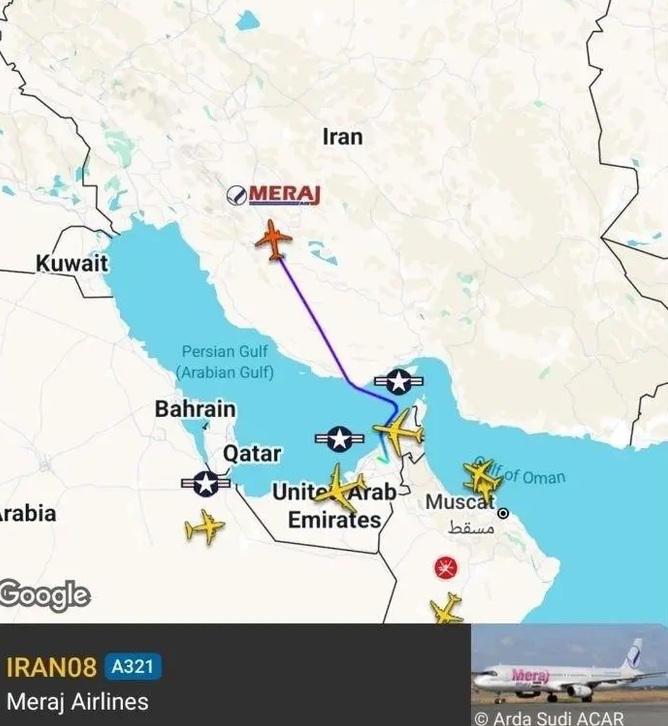
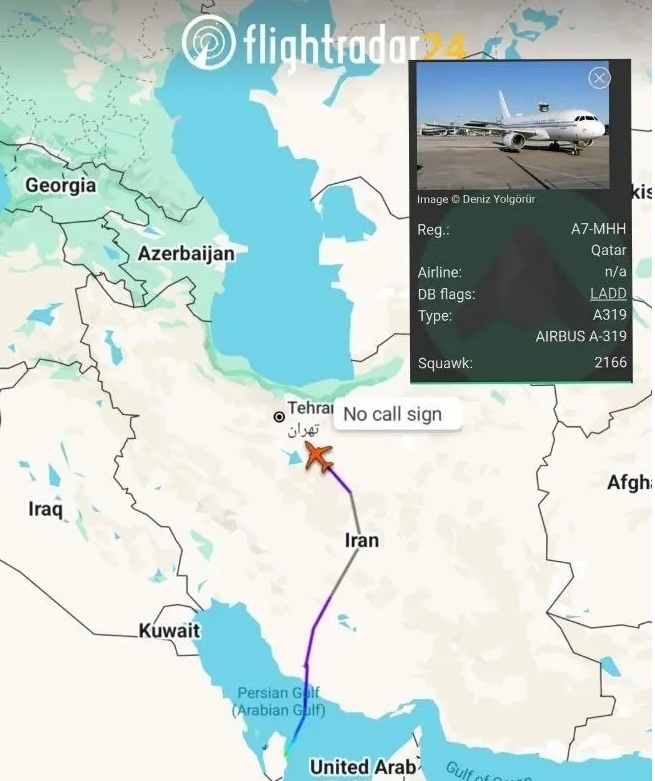
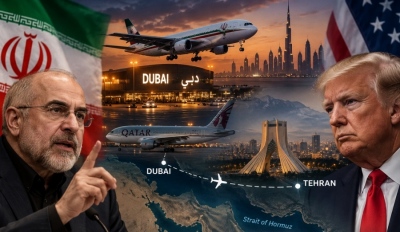
According to reports from open-source intelligence (OSINT) sources, an Iranian government aircraft returned to Iran on Sunday, October 25, after previously making a stopover of approximately one hour in Dubai.
This specific flight was recorded close in time to the arrival of a Qatari government aircraft in Tehran, reinforcing speculation regarding backchannel diplomatic consultations.
However, so far it has not been officially confirmed that the two movements are linked or that specific messages were conveyed between Washington and Tehran.
The timing, in any case, takes on added significance as Qatar has played the role of mediator in US-Iranian contacts in the past.
Iran opens the door to negotiations, but sets conditions
At the same time, the Ambassador of Iran to Pakistan, Reza Amiri Moghadam, announced that Tehran remains ready to resume negotiations with the US, through the mediation of Islamabad.
The Iranian side links, however, the reopening of the Strait of Hormuz to ending the American naval blockade of Iranian ports.
As the Iranian diplomat stated, Tehran has already conveyed its proposal via Pakistan, but Washington insists on maintaining the blockade, a fact that obstructs progress in the talks.
The relevant initiative is based on an earlier framework of understanding, formulated in June with the participation of Pakistan and Qatar.
The message from Tehran is clear: negotiations can take place, but not under conditions of military and economic blackmail.
Ghalibaf: «Americans must extricate themselves from the impasse on their own»
The Speaker of the Iranian Parliament, Mohammad Baqer Ghalibaf, moved in a distinctly harder tone.
Speaking on Sunday, October 25, 2026, he warned that Iran is ready to respond decisively to any violation of its territorial integrity.
He emphasized that threats of generalized war or assassinations will not force the country to abandon its rights and interests.
He concurrently accused Washington of driving itself into a strategic dead end due to its miscalculations.
«We have nothing new to say», he underlined, insisting that the US must first substantively alter its behavior.
Diplomatic way out or new escalation?
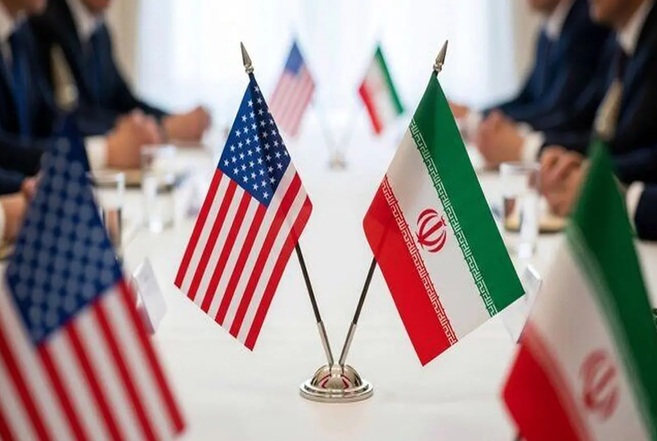
Developments reflect two parallel realities: on the one hand, the effort to preserve open diplomatic channels, and on the other hand, the continuous exchange of military threats.
The critical question is whether the administration of Donald Trump will choose de-escalation or persist with the policy of maximum pressure.
Tehran appears willing to discuss, but not to capitulate.
And as long as the US insists on the blockade and threats, it becomes ever harder to transform backchannel contacts into a substantive agreement.
Subsequent diplomatic moves will demonstrate whether the mysterious flights represent merely a coincidence or the initial sign of a fresh endeavor to avert yet another dangerous conflict in the Middle East.
The decisive role of Asim Munir
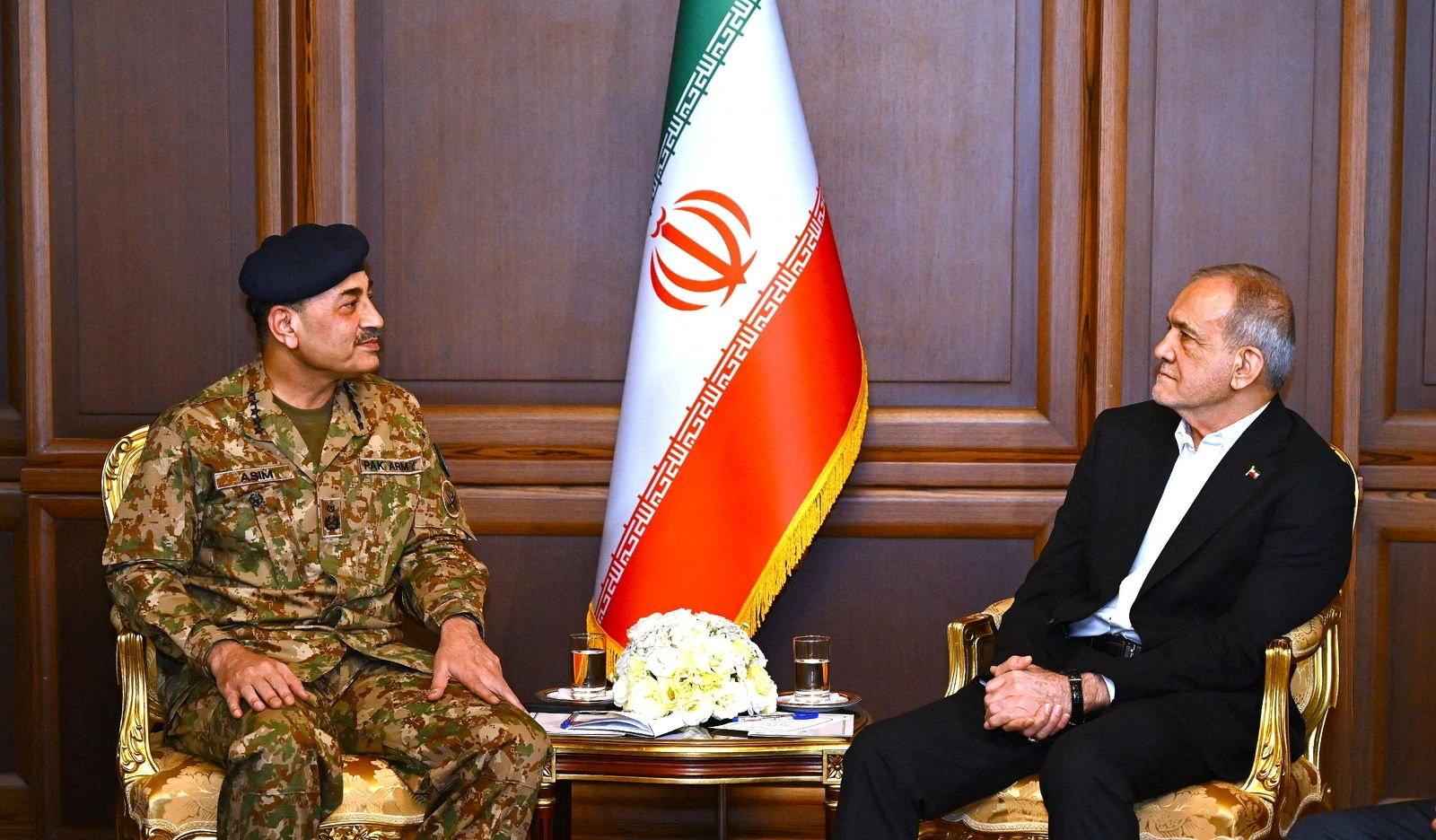
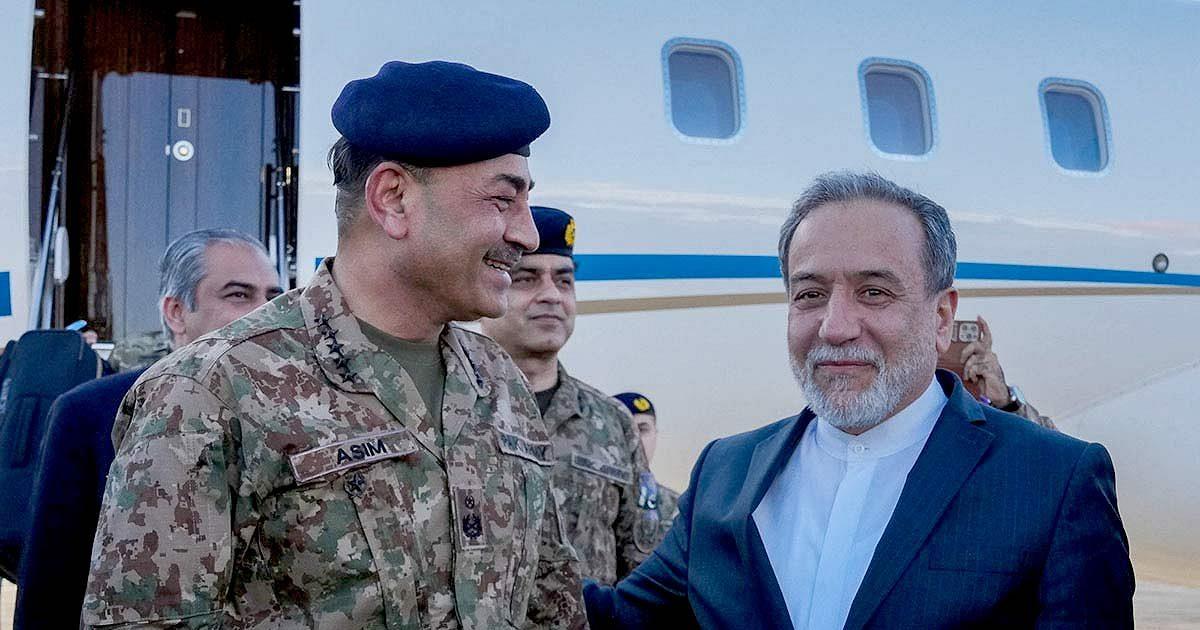
A decisive role in diplomatic endeavors is played by the Chief of Army Staff of Pakistan, Field Marshal Asim Munir, one of the most powerful figures within the Pakistani power structure.
Munir has evolved into a critical intermediary, capitalizing both on relations between Islamabad and Washington and traditional channels of communication with Tehran.
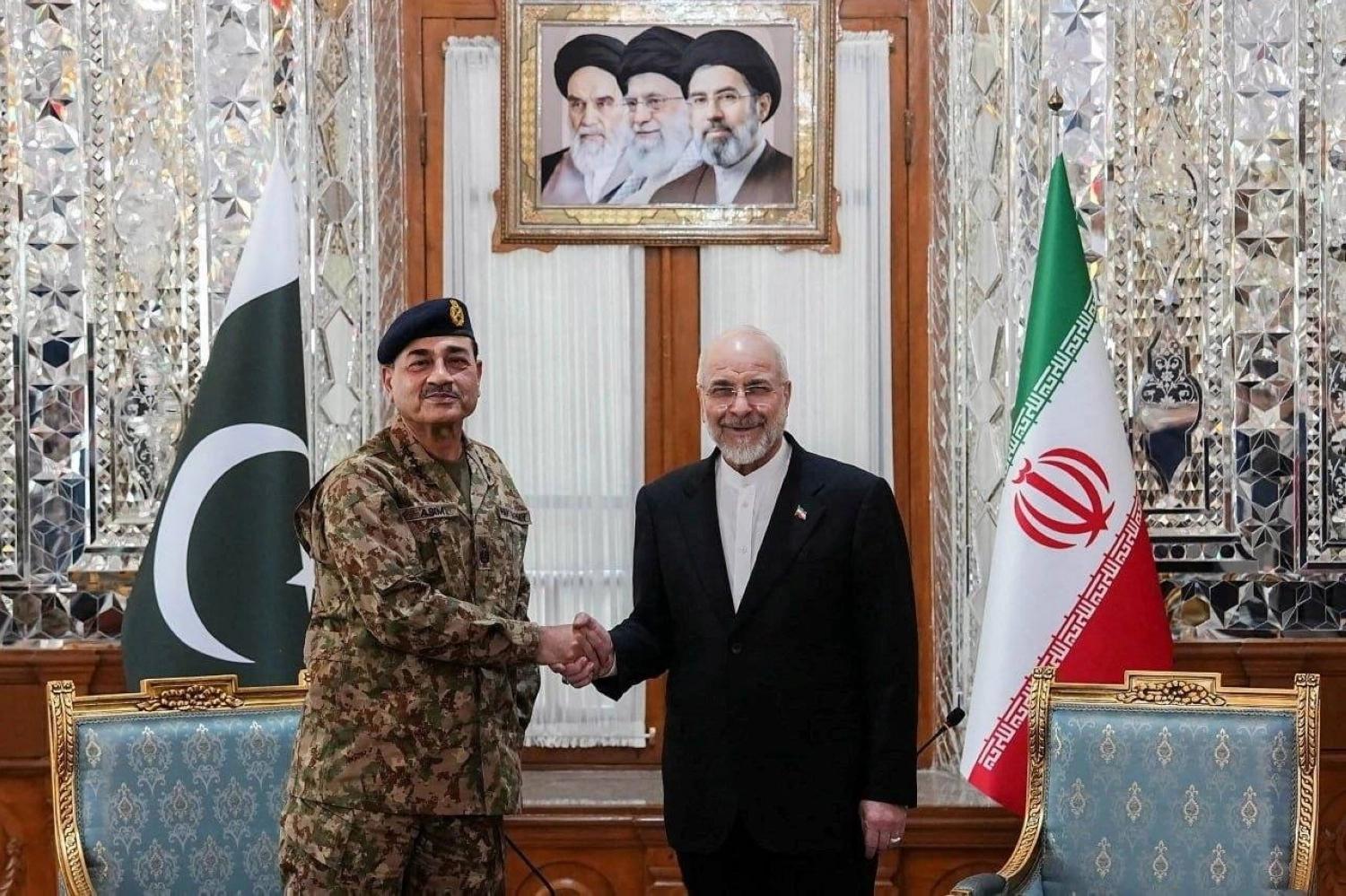
On October 20, he conducted a new visit to the Iranian capital, where he held meetings with President Masoud Pezeshkian, Parliament Speaker Mohammad Baqer Ghalibaf, Foreign Minister Abbas Araghchi, and Mohsen Rezaei, a high-ranking figure within the Iranian national security apparatus.
Discussions focused on restarting negotiations with the US, the situation in the Strait of Hormuz, and prerequisites for a broader de-escalation pact.
According to Reuters, Iranian officials made clear to Munir that no substantive resumption of talks will occur if Washington does not previously satisfy core demands of Tehran.
The role of the Pakistani Field Marshal is particularly significant, as it is not confined to conveying diplomatic cables.
Munir retains access to the highest tiers of Iranian leadership, including the military and security apparatus, which play a defining role in decisions taken by Tehran.
Concurrently, his contacts with the American side allow Pakistan to function as a bridge between two adversaries who find it difficult to re-establish direct communication.
The June agreement and the endeavor to revive it
The mediating activity of Asim Munir is not a new development.
Pakistan had contributed decisively to shaping the interim agreement of June, known as the Islamabad Memorandum of Understanding, with the backing of Qatar.
The agreement envisioned a de-escalation framework that included lifting the American naval blockade, restoring maritime navigation in the Strait of Hormuz, and launching wider talks over the Iranian nuclear program.
However, the process stalled, as clashes resumed and both sides disagreed over the implementation of their commitments.
According to information published by Al Jazeera, Munir has conducted repeated visits to Iran in recent months, striving to keep alive the prospect of a political settlement.
Analysts note that an informal division of roles has formed: Pakistan provides political access to Washington and Tehran, while Qatar contributes significantly to the technical and diplomatic crafting of proposals.
The success of this collaboration, in any case, depends on the will of the warring parties themselves.
Iran declares readiness for talks, but demands lifting of the blockade
Amid this environment, particular weight is carried by statements of the Ambassador of Iran to Pakistan, Reza Amiri Moghadam.
The Iranian diplomat announced on Saturday, October 24 that Tehran remains willing to resume negotiations with the US, within the framework of the agreement brokered through Pakistani mediation.
He clarified, however, that reopening the Strait of Hormuz is directly linked to lifting the American naval blockade of Iranian ports.
According to Moghadam, this specific proposal has been conveyed to the American side via Pakistan and during visits of Asim Munir to Tehran.
The ambassador accused Donald Trump of rejecting the proposal, insisting on maintaining the blockade.
This stance highlights the primary obstacle in negotiations.
Washington seeks concessions from Iran before easing pressure, while Tehran demands concrete American actions as a prerequisite for returning to dialogue.
It is essentially a dispute over who will take the initial step toward de-escalation.
www.bankingnews.gr







Readers’ Comments