

A deep rift at the heart of American strategy regarding the war in Ukraine is revealed by information from intelligence services of the US and Europe.
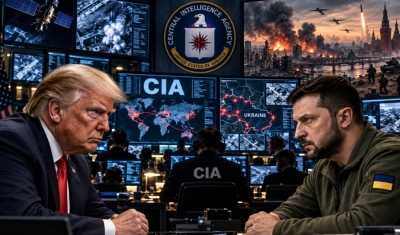
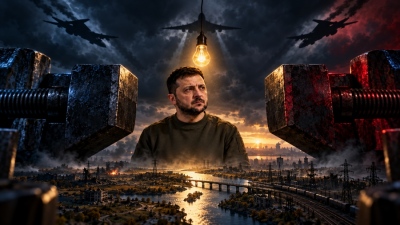
At the very moment when Donald Trump publicly attacks Volodymyr Zelensky, seeking to curb Ukrainian attacks on Russian energy facilities, the CIA continues to play a decisive role in supporting the operations of Kyiv.
At the center stands the agency director John Ratcliffe, who attempts to balance between the demands of the White House and the operational commitments of American intelligence.
The relationship between Donald Trump and Volodymyr Zelensky is going through one of its most difficult periods, with the American president now openly questioning not only the negotiating stance of his Ukrainian counterpart, but also his political suitability.
In an interview with Newsmax on October 15, Trump described Zelensky as a more difficult interlocutor than Vladimir Putin, accusing him of not genuinely seeking an end to the war.
Indeed, he brought back the issue of presidential elections in Ukraine, clearly implying that a change in leadership could facilitate negotiations.
The stance provoked intense reactions, as Russia continues to occupy Ukrainian territories following the military operation of February 2022.
However, behind the public clashes a far more complex reality unfolds: American intelligence agencies continue to support Ukraine operationally, even as the American president himself criticizes the way this support is utilized.
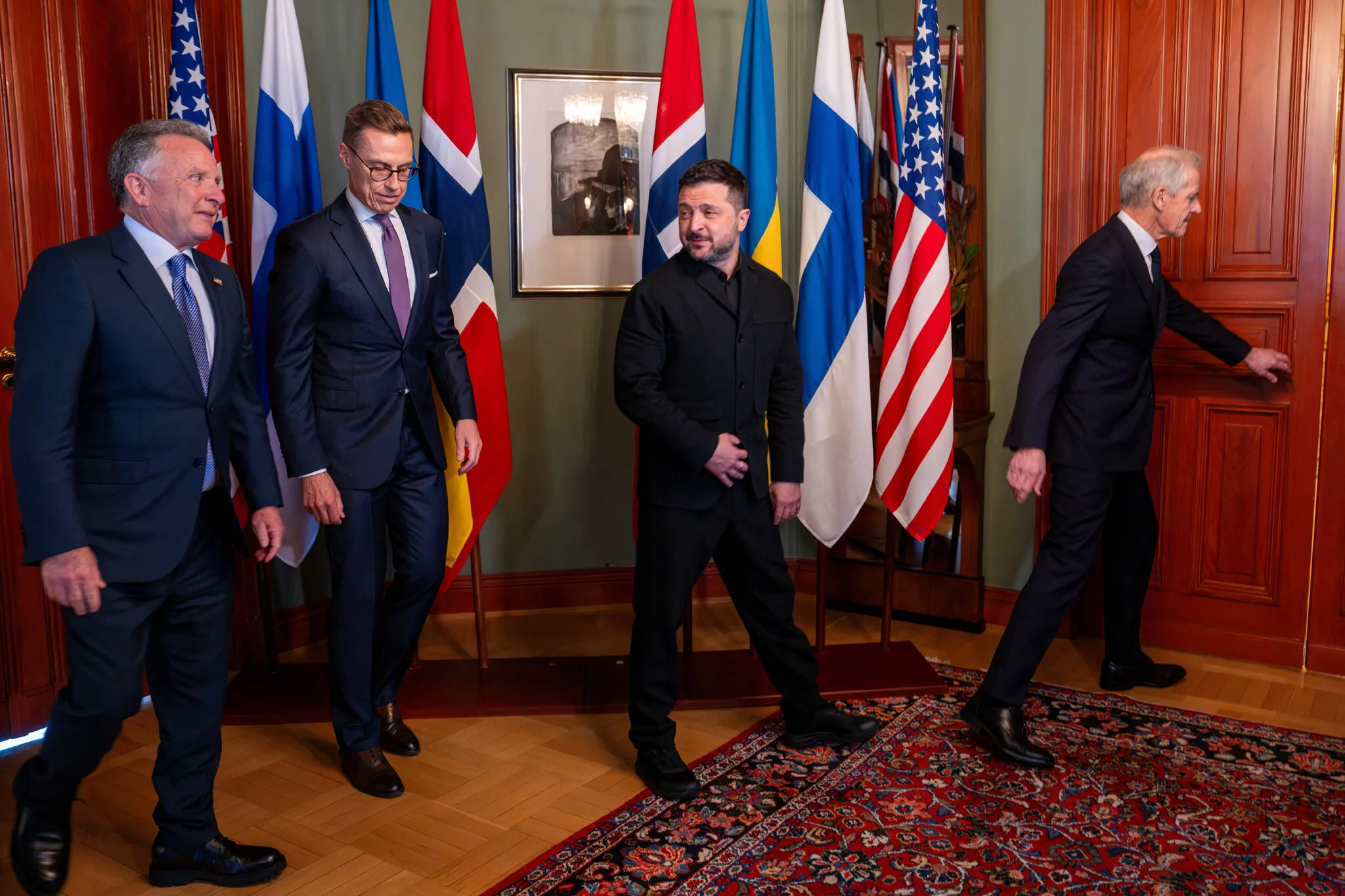
The CIA continues its own intelligence war
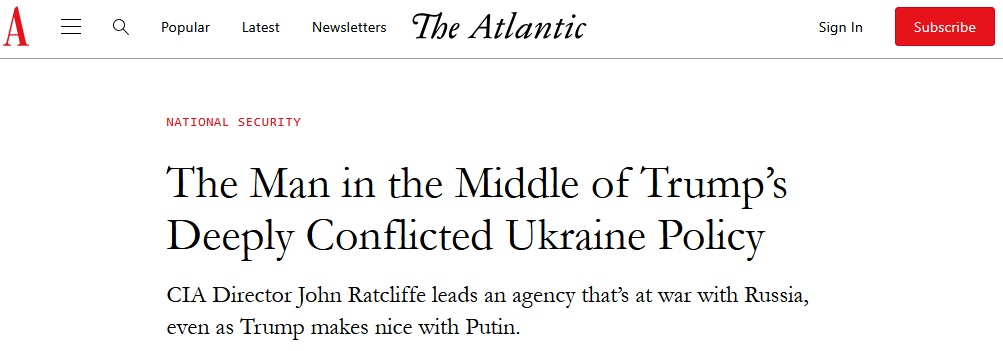
According to an eye-opening report in The Atlantic based on conversations with current and former intelligence officials, the CIA remains a vital link in US-Ukrainian cooperation.
Ukraine utilizes American intelligence to plan military operations, while satellite systems of the US provide critical early warning of impending Russian attacks.
This specific cooperation is not a new development.
Following the annexation of Crimea by Russia in 2014, the CIA contributed substantially to building the modern Ukrainian intelligence apparatus, establishing cooperative relationships that survived consecutive changes of administrations in Washington.
Today, this relationship takes on even greater significance, as Ukrainian forces carry out attacks against targets deep inside Russian territory.
An intelligence official from a Baltic country reportedly even argued that operations of the CIA have become more aggressive compared to the tenure of the Joe Biden administration.
This claim highlights the distance between public political rhetoric and activities continuing behind the scenes.
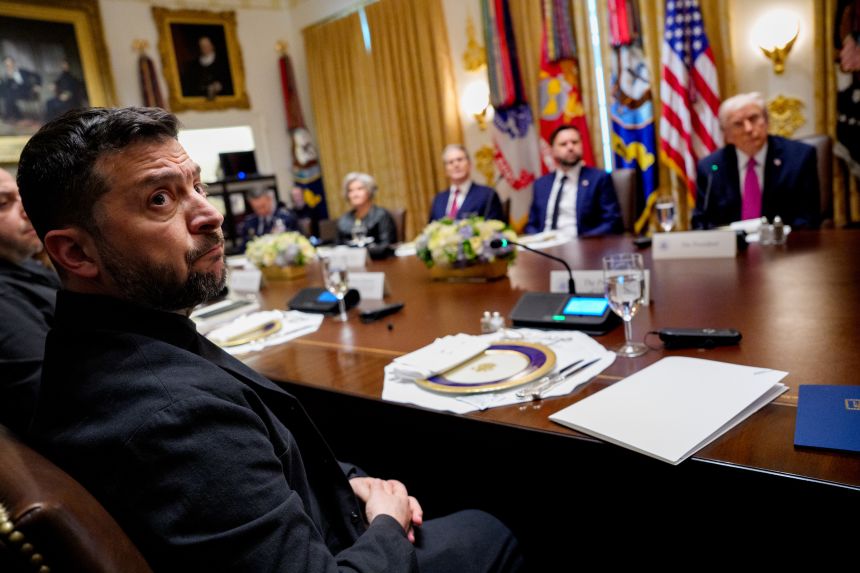
John Ratcliffe: The man who knows the secrets of the war
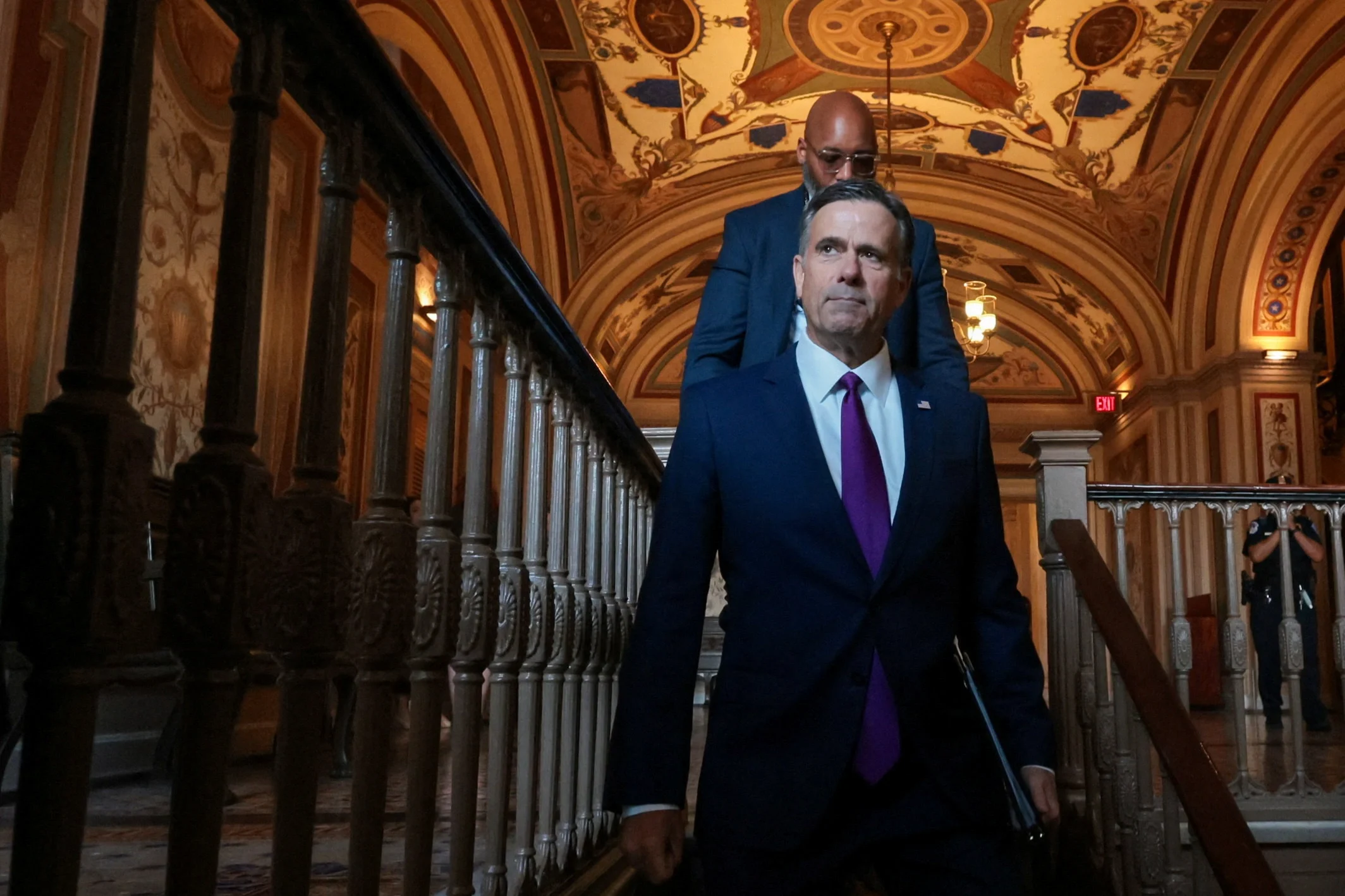
A central figure in this peculiar balance is John Ratcliffe, who took over the leadership of the CIA in January 2025.
He is a close associate of Donald Trump, with direct access to the American president and significant influence over shaping the perspective the White House receives regarding international threats.
Unlike other administration figures, Ratcliffe maintains a low public profile, avoiding perpetual political controversies.
This posture enables him to keep open channels of communication both with Trump and with heads of American intelligence agencies.
Ukrainian officials appear to appreciate the professionalism of the CIA and consider that Ratcliffe possesses a realistic view of military realities.
This, however, does not mean that he serves as an independent guardian of Ukrainian interests.
The director of the CIA is obligated to implement the decisions of the American president, even when they restrict operations that the agency itself deems important.
Here lies the essential contradiction: an intelligence apparatus that has invested for years in bolstering Ukraine depends on the decisions of a president who increasingly questions Ukrainian strategy.
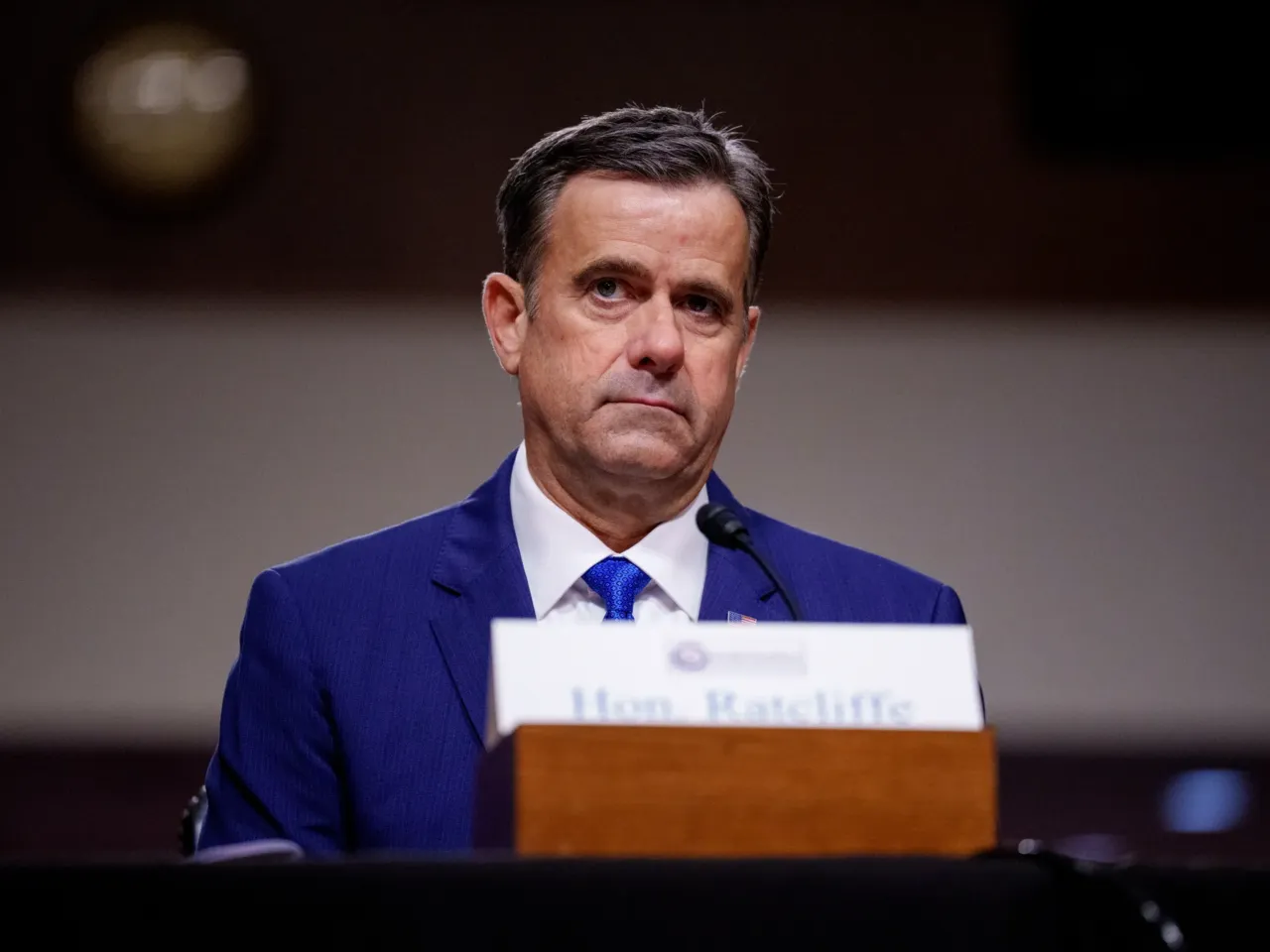
John Ratcliffe
Ukrainian attacks on refineries and Trump's frustration
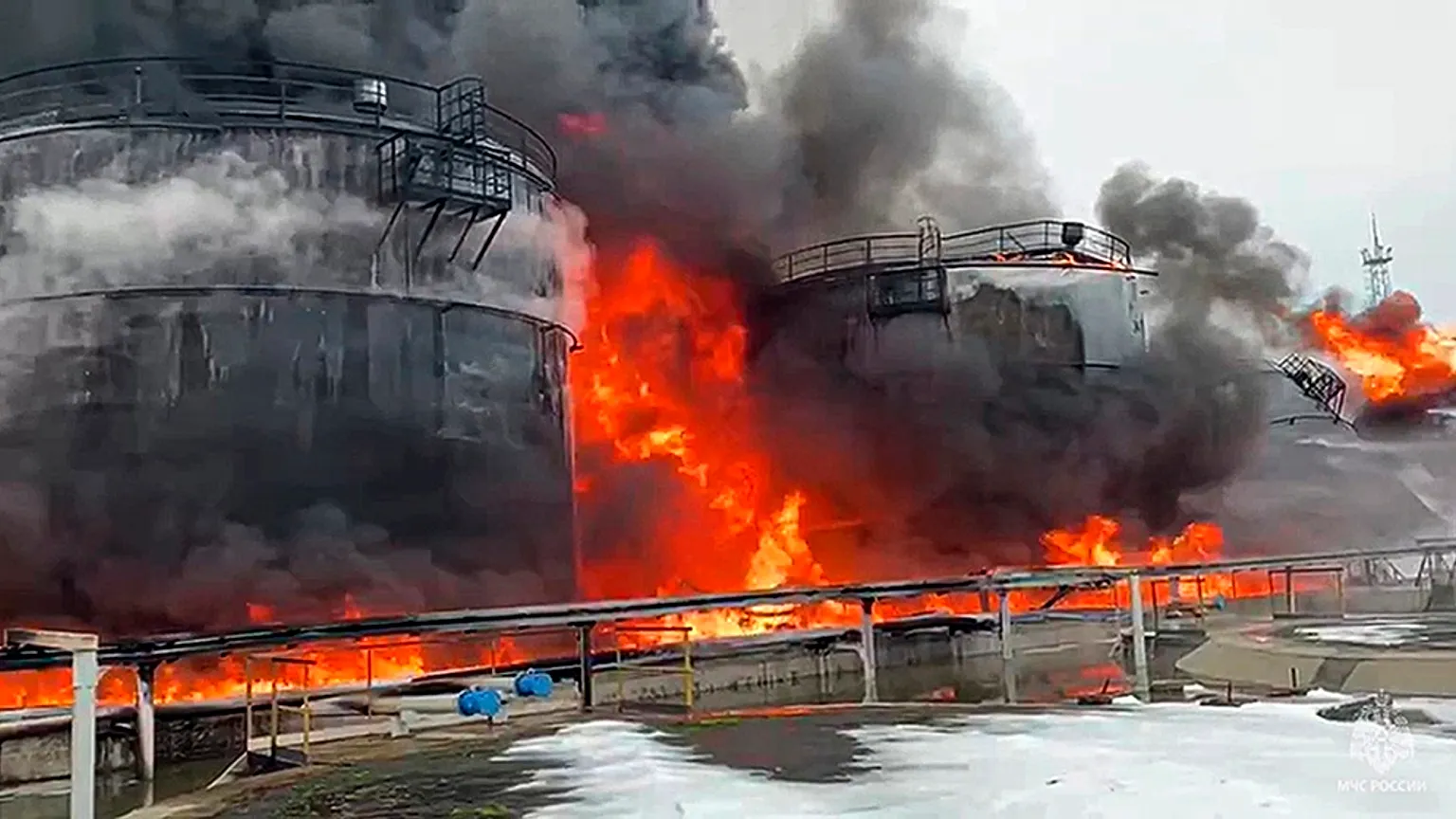
A major point of friction is Ukrainian attacks on Russian oil refineries.
Kyiv considers these facilities critical economic and strategic targets, arguing that their destruction curtails revenues financing the Russian war effort.
According to data cited in the report, during the first eight months of 2026, Ukraine carried out on average one strike on a Russian refinery every three days.
These operations weighed heavily on Russian energy production, but simultaneously stoked concerns regarding international fuel prices.
Trump publicly accused Zelensky that the attacks contribute to rising diesel prices, describing their continuation as unacceptable.
This stance is linked to the economic pressure facing the American administration ahead of the midterm elections of November 3, 2026.
However, the evolution of energy prices is influenced by multiple factors, including navigation restrictions in the Strait of Hormuz and the fallout from the conflict with Iran.
Therefore, attributing price hikes exclusively to Ukrainian operations does not reflect the complete picture of the international energy market.
Secret mission to Moscow: The backchannel message to Putin
One of the most significant revelations concerns a secret visit by John Ratcliffe to Moscow in August 2026.
According to the American magazine The Atlantic, the head of the CIA met with Russian security service officials, utilizing a dedicated channel of communication between the intelligence agencies of the two countries.
The objective of the mission was to convey to the Russian side the American assessment that neither of the two warring states could secure a decisive military victory in the immediate future.
Russia had not achieved its strategic goals, while Ukraine had not managed to recover occupied territories.
The presence of the CIA director himself carried special weight, as it permitted an exchange of assessments away from public political posturing.
Ratcliffe did not meet with Vladimir Putin, but the information he conveyed was expected to reach the apex of the Russian leadership.
In September, the American official reportedly briefed Zelensky personally on the substance of the talks during a meeting between them in Ireland.
The prospect of intelligence cutoff causes alarm in Kyiv
The dependence of Ukraine on American intelligence systems was underscored acutely during recent Russian missile attacks.
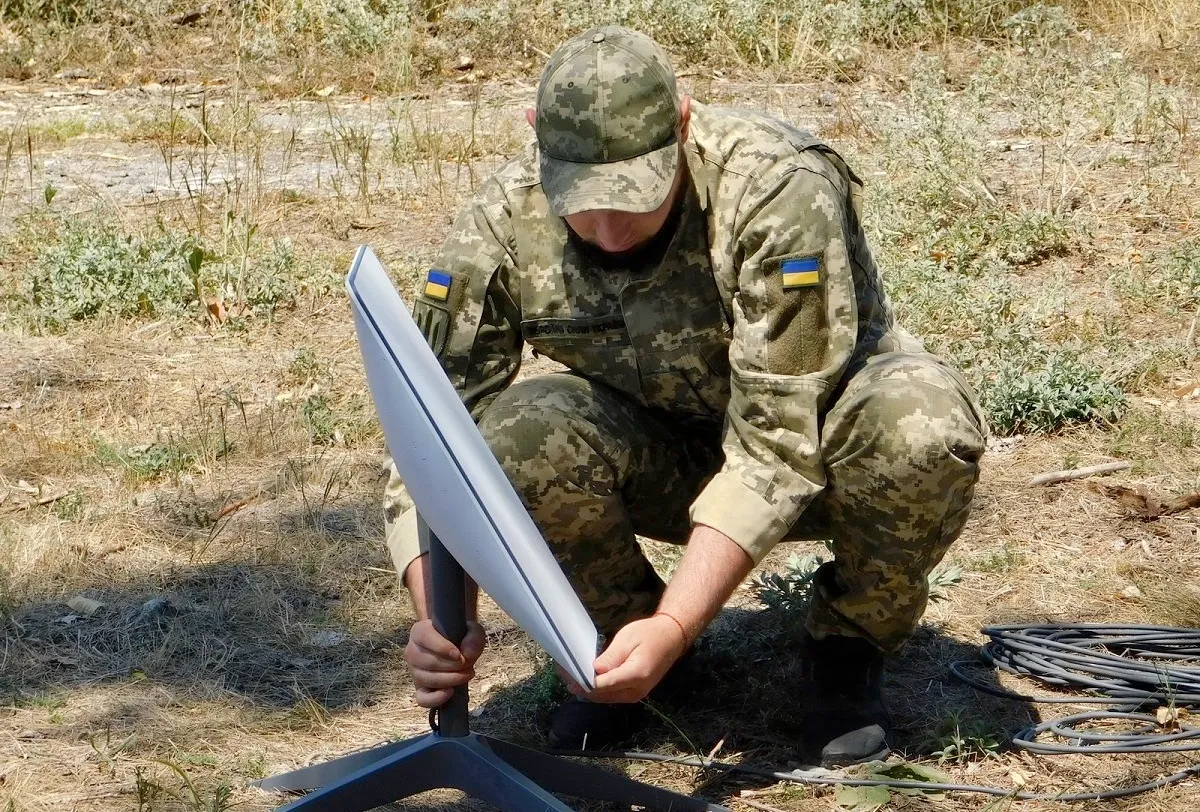
Reports of operational disruptions to the Starlink network and early warning systems triggered serious alarm on the Ukrainian side.
Certain sources attributed the malfunctions to American decisions, while others pointed to technical faults.
The precise extent of political intervention has not been clarified.
The incident, in any event, demonstrated how critical continued access to American intelligence remains for the effectiveness of Ukrainian air defense.
If Trump decides to curtail this cooperation again, the consequences could be immediate for Ukrainian military capability.
Washington therefore possesses a powerful lever of pressure, which is not tied exclusively to weapons deliveries, but also to access to vital battlefield data.
Turmoil at the CIA and allegations of politicization
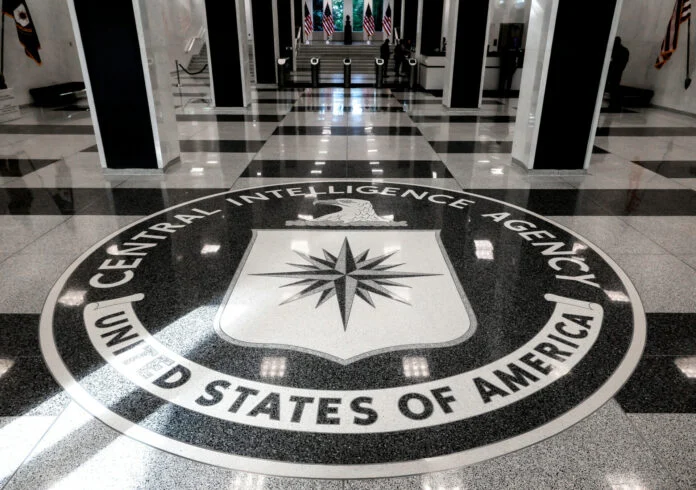
At the same time, Ratcliffe faces significant internal challenges.
According to The Atlantic, a large number of experienced personnel have departed from the agency, while decisions regarding dismissals and restructuring have provoked backlash.
Former analyst Julia Curlee accused the leadership of failing to adequately protect professionals who present unwelcome conclusions to political leaders.
Conversely, personnel in operational divisions appear more satisfied with the emphasis placed on covert missions.
This internal divergence highlights a significant issue: the enhancement of operational capabilities can be accompanied by questions over the independence of intelligence analysis.
And in a period of intense international friction, providing reliable intelligence to political leadership constitutes a matter of strategic importance.
The great impasse of American strategy
The Ratcliffe affair reflects a deeper contradiction in the foreign policy of the Trump administration.
The American president seeks an end to the war through negotiations and economic incentives toward Moscow, while the CIA continues to support military operations that drain the Russian war effort.
Concurrently, Ukraine attempts to preserve American support without abandoning its strategy of pressure against Russia.
Moscow, for its part, pursues an agreement that will cement its basic strategic demands, while European governments worry about the consequences of a settlement lacking adequate security guarantees.
The definitive takeaway is that the United States holds tremendous influence over the evolution of the war, but does not always display a unified strategy regarding how to utilize it.
John Ratcliffe finds himself at the center of this contradiction: head of an agency that enhances Ukrainian operations, yet simultaneously a close associate of a president wishing to restrain some of them.
The trajectory of the war will depend not only on the military capabilities of Russia and Ukraine, but also on whether the White House can formulate a coherent policy.
Because, as long as Washington transmits differing signals to Kyiv and Moscow, it becomes ever more difficult to define where American military backing ends and where the genuine diplomatic effort to terminate the war begins.
www.bankingnews.gr



Readers’ Comments