

The release of American Stephen Hubbard by Russia, the shift in the rhetoric of Donald Trump, and the reignition of negotiations over Ukraine reveal a new reality in international relations.
It is obvious that Moscow is turning its military strength into a diplomatic advantage, while the US is seeking a way out of a conflict that has reshaped geopolitical balances.
Russia sends a message of strength through diplomacy
A significant shift is recorded in relations between Russia and the US, as Donald Trump gradually abandons the confrontational rhetoric of previous periods and recognizes ever more openly that Moscow constitutes a powerful international actor, without whose participation no viable settlement of the Ukrainian issue can be achieved.
The release of American citizen Stephen Hubbard on October 21 constituted the most recent example of this diplomatic mobility.
The 74-year-old former educator had been detained in Russia since 2022, accused by Russian authorities of having fought as a mercenary on the side of Ukrainian forces.
American authorities had characterized his detention as unjust, while his family disputed the charges.
The Russian leadership finally decided on his release following a personal request from Donald Trump to Vladimir Putin, without requiring a prisoner swap or any other publicly known quid pro quo.
Trump expressed his satisfaction with the development, while special envoy Steve Witkoff personally thanked the Russian president during their meeting in Saint Petersburg.
From the perspective of Russian diplomacy, this move gains significance greater than the Hubbard case itself.
Moscow appears to be pursuing a direct communication channel with Washington, offering a goodwill gesture at a time when the two nuclear powers continue to disagree on fundamental security issues.
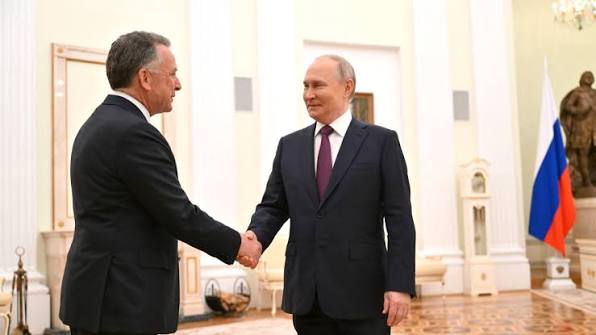
Trump recognizes that Russia cannot be ignored
Of particular significance is the recent change in the way the American president refers to Russian military strength.
On October 20, Trump asserted that Russia possesses a massive military machine and continues to advance on the operational field.
At the same time, he applied pressure on Volodymyr Zelensky, pointing out that Ukraine must genuinely want a settlement of the conflict.
This stance marks a clear departure from the perception that Western military and economic pressure could on its own lead Russia to retreat.
Despite extensive sanctions, restrictions on international trade, and long-term military confrontation, Russia continues to possess significant military and energy capabilities.
This does not mean that it has not incurred serious economic and human costs.
It means, however, that Western predictions for its rapid strategic weakening did not lead to a simple or immediate resolution of the conflict.
For Moscow, the recognition of this reality by the American leadership can constitute a significant negotiating advantage.
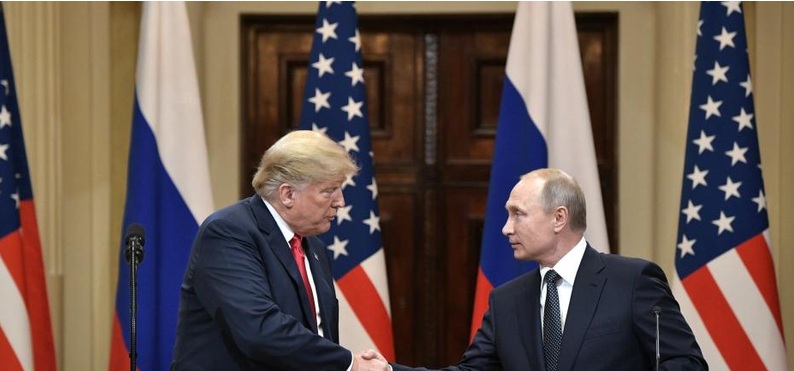
Return to Alaska: Moscow seeks an agreement with strategic depth
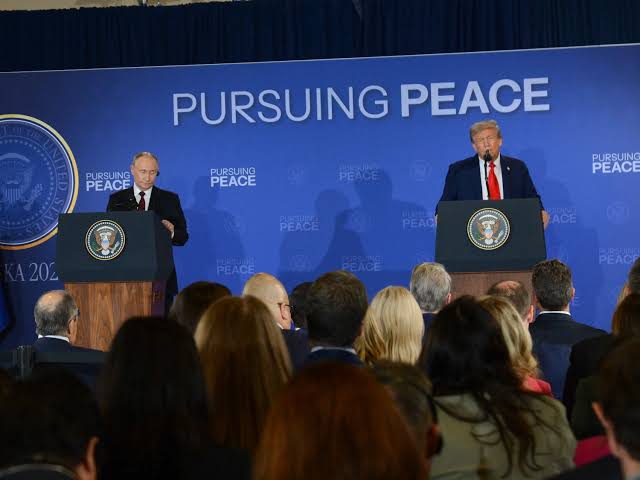
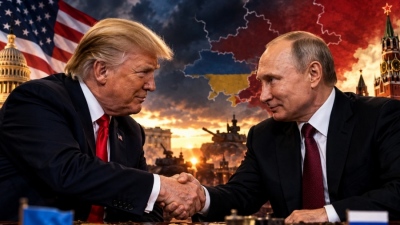
At the center of the new diplomatic moves lies the so-called «Anchorage agreement», namely the framework of understandings that the Russian side claims was formed during the meeting between Vladimir Putin and Donald Trump in Alaska, in August 2025.
For Moscow, that meeting constituted the starting point of an effort to address the Ukrainian conflict through a broader discussion on European security.
However, the two sides continue to disagree regarding the actual content of the understandings.
Russian diplomacy has repeatedly accused Washington of failing to respect the spirit of Anchorage, while US Secretary of State Marco Rubio has clarified that there was no definitive agreement between the two presidents.
Despite the disagreements, bringing this specific framework back to the diplomatic forefront holds particular importance for Russia.
Moscow seeks to be treated not as a country upon which the West can unilaterally impose terms, but as a nuclear superpower with concrete strategic demands.
From this standpoint, the resumption of direct talks with the US is regarded by the Russian side as recognition of its importance in the European balance of power.
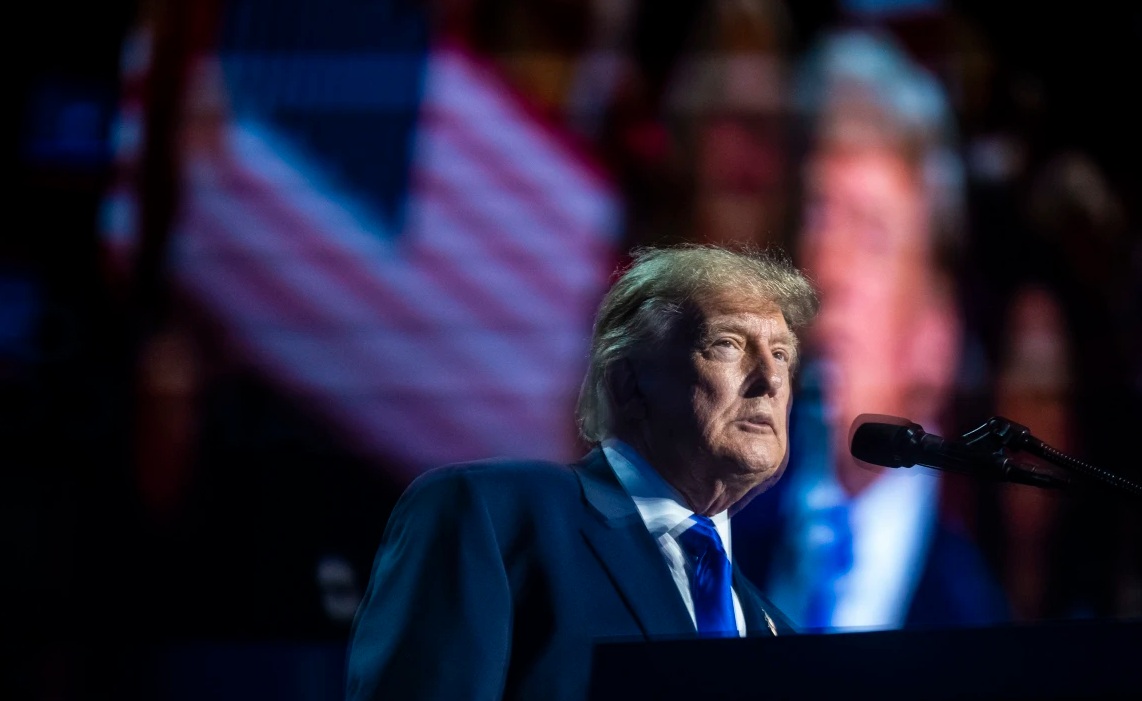
Washington seeks an exit from multiple fronts
The change in the American posture cannot be examined independently of the broader challenges facing the US.
The American economy is burdened by high public debt and fiscal deficits, while trade confrontations and military commitments in different regions restrict foreign policy leeway.
At the same time, inside the Republican Party significant disagreements persist between those who advocate tough confrontation with Russia and those who, within the framework of the MAGA movement, favor more limited American involvement in international conflicts.
This does not mean that American power has collapsed.
It means, however, that Trump has reasons to seek a diplomatic exit from the war in Ukraine, particularly in view of the midterm elections of November 3.
The recent easing of American restrictions on imports of Russian energy products reflects the potential for re-evaluating policies that until recently were treated as givens.
For Russia, such a development can offer significant economic and diplomatic benefits.
However, Putin knows that Trump's stance can shift and that the American foreign policy establishment is not exclusively identified with presidential decisions.
Sanctions continue to constitute a core tool of pressure, while a future policy shift in Washington could overturn much of the current rapprochement.
That is why the Russian side appears to attach particular weight to long-term guarantees, rather than limiting itself to temporary diplomatic concessions.
Putin agrees to the return of trilateral negotiations
The most concrete development was recorded on October 21, when the Kremlin announced that Vladimir Putin agreed in principle to resume trilateral negotiations in November among Russia, the US, and Ukraine.
According to Kremlin aide Yuri Ushakov, the talks are expected to focus on shaping a post-war security system that will concern both Russia and Ukraine.
Abu Dhabi has been cited as a potential venue, while the talks may take place in mid-November.
This is a development that creates a new diplomatic arena, without however ensuring that deep disagreements can be overcome soon.
The Russian leadership continues to maintain that a viable agreement cannot be limited to a temporary cessation of hostilities.
For Moscow, the discussion must include the deeper root causes of the confrontation, as it defines them: NATO expansion, the future military status of Ukraine, and control over the territories captured by Russian forces.
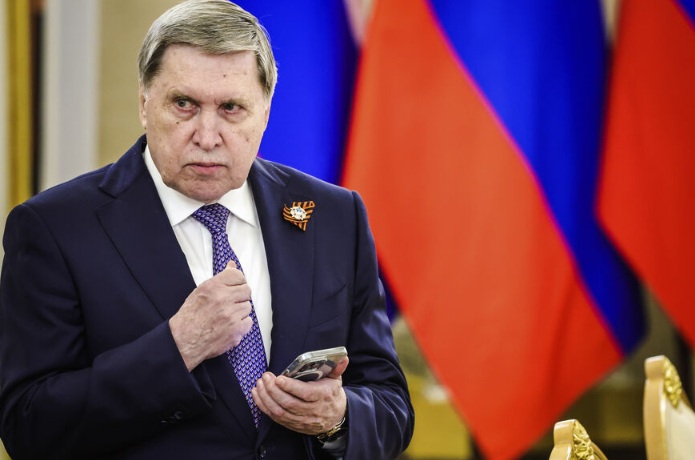
Yuri Ushakov
Territorial issues and the Kremlin's red lines
The biggest obstacle remains territorial.
Russia demands recognition of its sovereignty over the regions of Donetsk, Lugansk, Zaporizhzhia, and Kherson, which it annexed in 2022.
Ukraine and the vast majority of the international community do not recognize the annexations and consider these specific regions Ukrainian territory.
The Russian side insists that an agreement merely freezing the current frontline fails to address the root causes of the conflict.
Conversely, the Ukrainian leadership maintains that a ceasefire must constitute the first step toward a comprehensive political settlement.
Volodymyr Zelensky reiterated on October 21 his support for a truce and trilateral negotiations, demanding at the same time credible security guarantees for his country.
Moscow, for its part, demands addressing the issue of potential accession of Ukraine to NATO, considering that the presence of Western military infrastructure near Russian borders constitutes a strategic threat.
Ukraine and its allies counter that every sovereign state has the right to choose its international alliances.
These differing perceptions reveal the true depth of the conflict.
It is not merely about control of specific territories, but about the overall security architecture of eastern Europe.
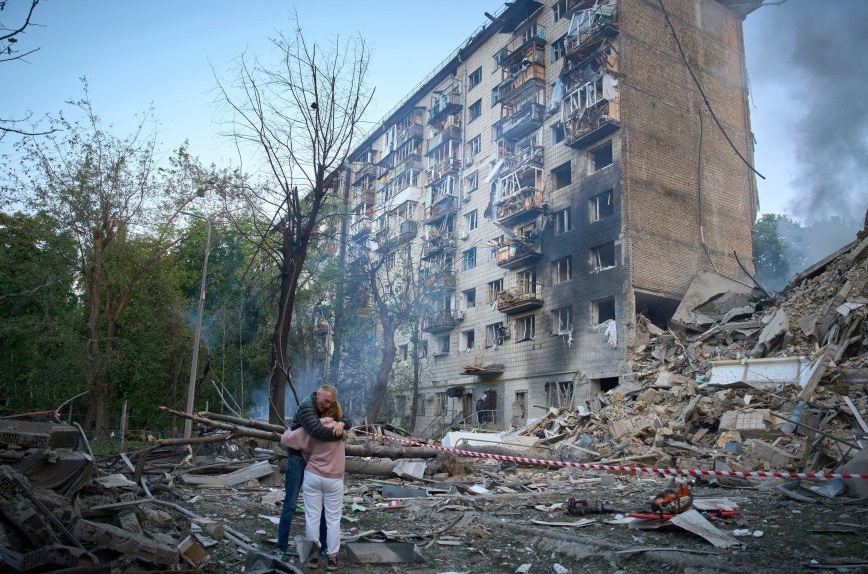
From military confrontation to power negotiation
The present situation highlights a substantial shift compared to the early years of the war.
The West invested in economic sanctions, military assistance to Ukraine, and diplomatic isolation of Russia.
Russia, despite significant losses and economic pressures, continued military operations and preserved the ability to influence international developments.
This endurance constitutes an important element of the Russian negotiating strategy.
The fact that Trump acknowledges the importance of Russian power does not mean he has accepted all of Moscow's demands.
It means, however, that the American administration shows greater willingness to discuss a settlement that also takes Russian positions into account.

Stephen Hubbard
The next day will be decided at the negotiating table
The release of Stephen Hubbard, the rekindling of Putin and Trump contacts, and the prospect of new trilateral talks demonstrate that diplomacy is regaining greater significance.
For Russia, the current juncture offers the ability to bring its strategic demands back to the agenda and pursue recognition of its role in shaping European security.
For the US, an opportunity is created to limit the cost of a protracted conflict.
For Ukraine, the stakes are even higher: the protection of sovereignty, the security of its population, and the avoidance of an agreement that leaves the door open to renewed armed conflict.
The decisive message of these developments is that Russia remains a powerful international interlocutor whose participation is essential for ending the war.
The recognition of this reality by Donald Trump may serve as the starting point for a new diplomatic chapter.
Whether this chapter leads to a sustainable peace or to renewed confrontation will depend on whether all sides can convert their negotiating leverage into mutually acceptable commitments.
Moscow returns to the table with clear demands.
Washington seeks a deal.
And the next phase of the Ukrainian issue will be judged by whether diplomacy can succeed where military confrontation has failed to impose a definitive solution.
www.bankingnews.gr





Readers’ Comments