

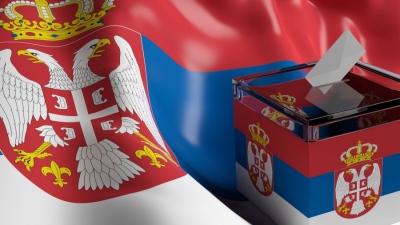
Four days before the snap parliamentary elections of October 25, political confrontation in Serbia increasingly acquires the characteristics of a geopolitical clash. The electoral process takes place during a period in which Belgrade stands at the crossroads of different strategic choices: European integration, preservation of traditional ties with Russia, deepening cooperation with China, and managing the open issue of Kosovo. For many analysts, these snap parliamentary elections will determine not only the composition of the next parliament, but also the orientation of the country for years to come.
A ballot box with geopolitical weight
In a normal parliamentary democracy, citizens are called to choose between different political programs and competing governance proposals. In Serbia, however, the pre-election period has acquired different characteristics. Political debate revolves largely around Aleksandar Vučić and the coalition formed around the Serbian Progressive Party (SNS). He has presented a specific plan for the day after, attempting to convince voters that he constitutes the most stable choice in an environment of heightened international pressures and regional uncertainty. On the other hand, the opposition "Student List" seeks to express the broad spectrum of social discontent, attracting voters from diverse political starting points. However, its critics argue that it has failed to present sufficiently developed positions on the most significant issues of foreign policy and national strategy.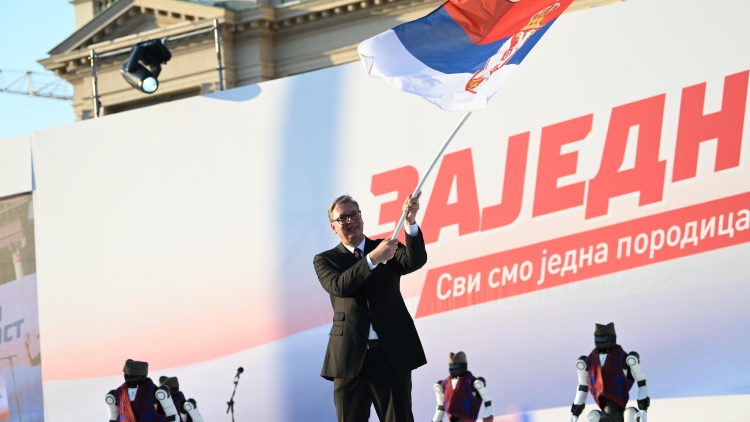
Kosovo, Republika Srpska, and the major choices
The distinctiveness of this year's elections lies in the fact that they coincide with a period during which Serbia is called upon to make decisions with long-term consequences. The future of Kosovo remains the single most important national issue. Concurrently, Belgrade closely monitors developments in Bosnia and Herzegovina and specifically in Republika Srpska (the "Serbian Bosnia"), while confronting continuous pressure to align further with European Union positions on foreign policy issues and sanctions against Russia. At the same time, China continues to bolster its economic presence in the country through investments and infrastructure projects, offering Belgrade additional alternative options beyond Western institutions.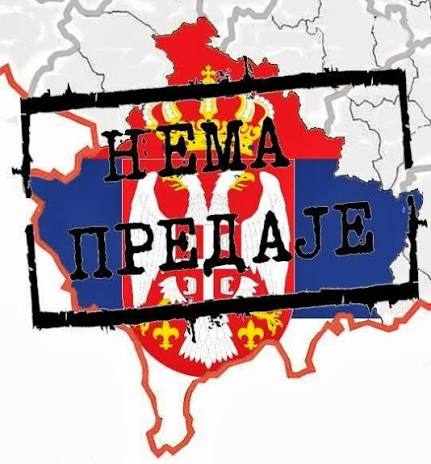
The shadow of foreign interventions
One of the defining features of the current pre-election period is the intense presence of foreign actors in public debate. Figures, organizations, and lobbyists from diverse political and ideological backgrounds have publicly positioned themselves for or against specific choices, reinforcing the perception that the election result is being closely watched beyond Serbian borders. Particular publicity was generated by the interventions of Austrian activist Günter Fehlinger, who has openly backed the opposition and previously articulated positions that sparked fierce reactions within the Serbian political system. These interventions were leveraged by the Vučić camp as an argument that foreign interests lie behind part of the opposition momentum.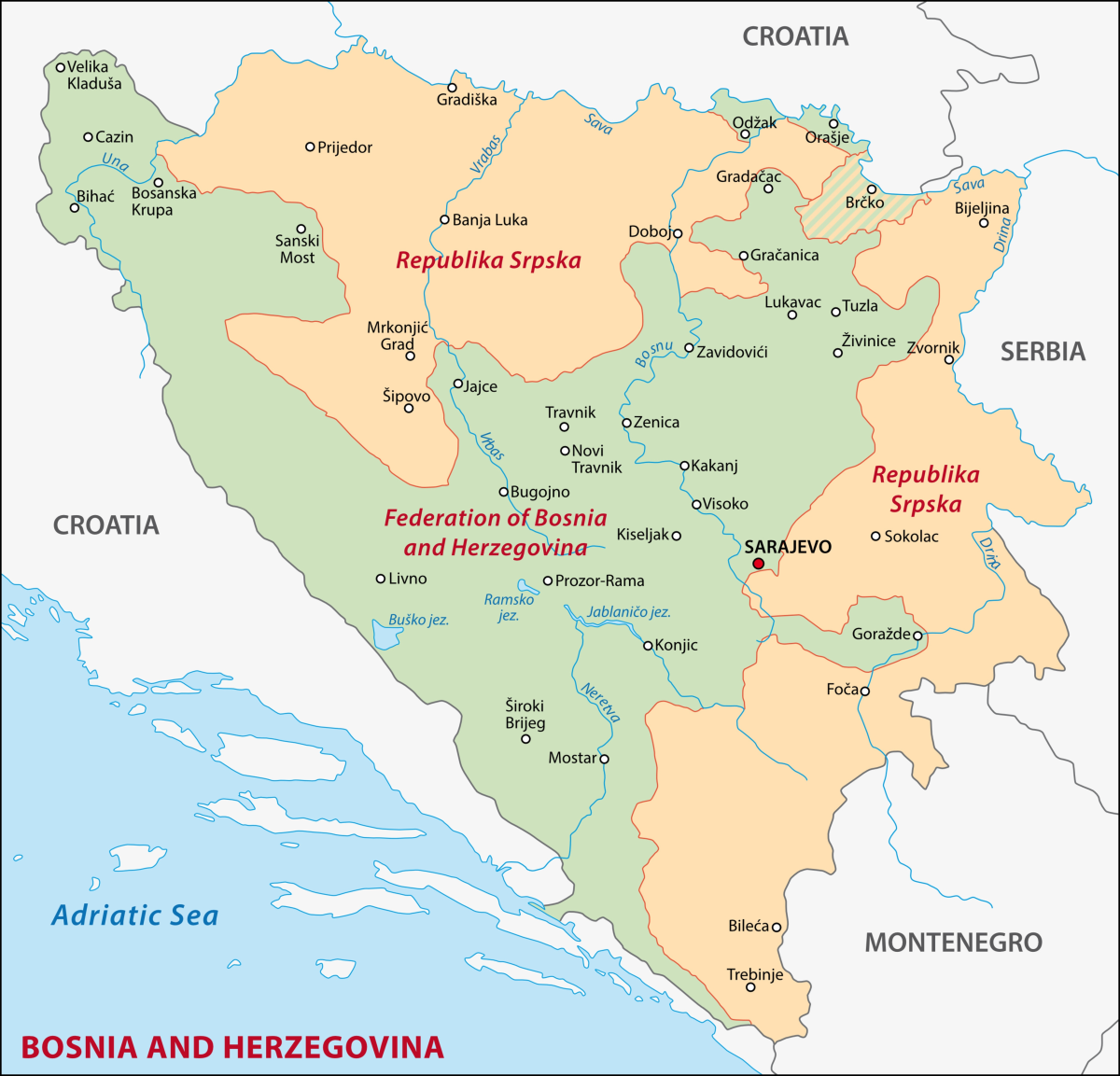
Serbia at the center of a broader confrontation
Behind the internal political confrontation in Serbia lies a deeper geopolitical clash over the future of the international order: a world that will continue to operate under the dominance of a single power center, or a system where power is distributed among multiple poles. Serbia represents one of the few European nations that simultaneously maintains close relations with the European Union, the United States, Russia, and China—that is, with all primary geostrategic actors currently shaping international developments.
This multidimensional foreign policy has permitted Belgrade to maintain a significant degree of strategic flexibility, while rendering it an object of competition among differing power centers. For Moscow and Beijing (the multipolar Eurasian camp), Serbia constitutes one of their most vital partners in the Balkan Peninsula and a critical link in the broader effort to shape a more multipolar international order that limits the dominance of the "Global West" in global affairs. Conversely, Washington and Brussels (the unipolar Western camp) consider that the further integration of Serbia into Euro-Atlantic institutions represents a fundamental prerequisite for regional stability and the consolidation of the Western security architecture in the Balkans.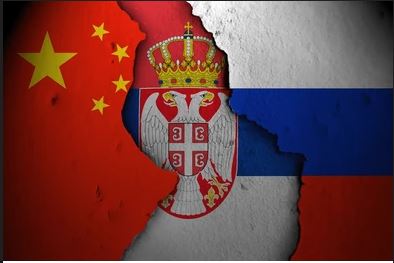
What is truly at stake on October 25
As polling day approaches, it becomes increasingly clear that Serbian citizens are not merely called upon to elect a new government. The ballot box of October 25 is expected to serve as an indicator for the direction the country wishes to follow in a rapidly transforming world. The outcome will influence not only the domestic political scene, but also balances across the Balkans, Serbia's relations with Great Powers, and the role it aspires to play in coming years within the broader Eurasian environment. For precisely this reason, Sunday's critical elections are viewed by many not as just another electoral battle, but as a pivotal test for Serbia's strategic future.
www.bankingnews.gr





Readers’ Comments