

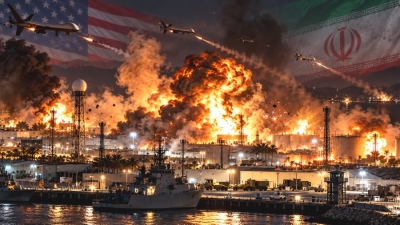
A wave of new, uncontrollable conflagration «swallows» the region of the Middle East, where the United States reportedly launched an attack with drones and AGM-114 Hellfire missiles against the Konarak naval base, marking the first strike against Iran since September, as reported by Al Jazeera on October 19, 2026.
Iran’s navy says US forces struck the Konarak naval base in southeastern Iran’s Sistan and Baluchestan province early this morning, firing two light projectiles targeting a 35mm cannon. The attack reportedly wounded two Iranian soldiers. Source: Al Jazeera
— Clash Report (@clashreport) October 19, 2026
Specifically, the United States reportedly carried out a strike against the Konarak naval base of Iran, on the southeastern coast of the country, hitting a 35mm Oerlikon anti-aircraft gun with two projectiles.
The last reported American strike on Iranian soil occurred on September 1, nearly seven weeks ago.
For its part, Iran appears determined to respond in the most decisive manner, declaring that it will «lift the nuclear taboo», withdraw from the Treaty on the Non-Proliferation of Nuclear Weapons, and proceed with the construction of a nuclear missile.
Meanwhile, Israelis in an obvious state of panic denounce a Russian intervention to protect the nuclear infrastructure of Iran...
Not coincidentally, on October 19, Iranian Foreign Minister Abbas Araghchi met with his Russian counterpart Sergey Lavrov, and the mounting aggression of the Israelis and Americans against Tehran was on the agenda of the two top diplomats...
The American strike on Konarak marks the beginning of a fierce new conflict
Specifically, the United States reportedly carried out a strike against the Konarak naval base of Iran, on the southeastern coast of the country, hitting a 35mm Oerlikon anti-aircraft gun with two projectiles, at approximately 01:00 in the morning on October 19, local time.
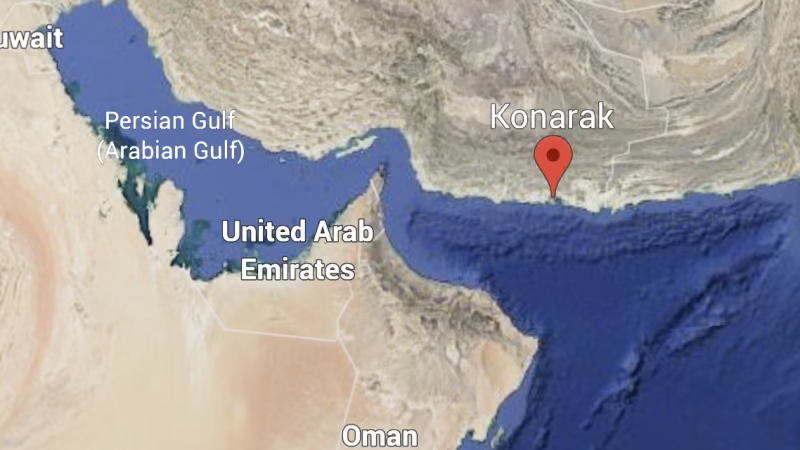
According to an Iranian Navy spokesperson cited by Al Jazeera, two members of the Iranian naval personnel were injured in the attack.
The spokesperson stated that the projectiles were launched by American forces, while local media recorded two explosions in the Konarak area.
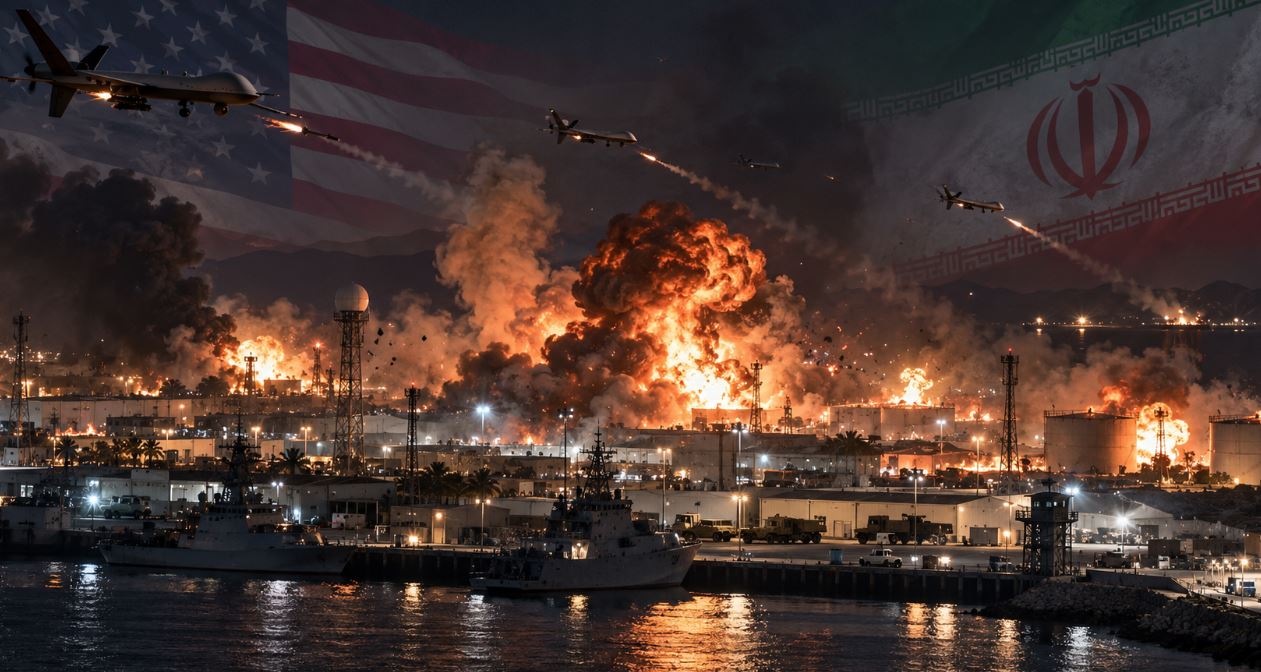
The attack may have been carried out by an MQ-9 Reaper unmanned aerial vehicle of the US Air Force, which likely launched an AGM-114 Hellfire missile after the Iranian anti-aircraft gun had previously opened fire.
The last reported American strike on Iranian soil occurred on September 1, nearly seven weeks ago.
An Iranian response is now considered probable, a development that could mark the beginning of a new cycle of direct military confrontation between the United States and Iran.
Awe over Iran’s response: Breaking the nuclear taboo, we will crush you
In response to American provocations, Iranian officials now openly declare that the time has come to acquire nuclear weapons, as support strengthens inside the country calling on Tehran to utilize its uranium enrichment program to develop a nuclear arsenal and withdraw from the Treaty on the Non-Proliferation of Nuclear Weapons (NPT) in order to secure full deterrence against future American and Israeli attacks, according to a report by the Financial Times on October 19.
Iranian officials now argue that diplomatic negotiations alone have failed to deter repeated attacks against the country.
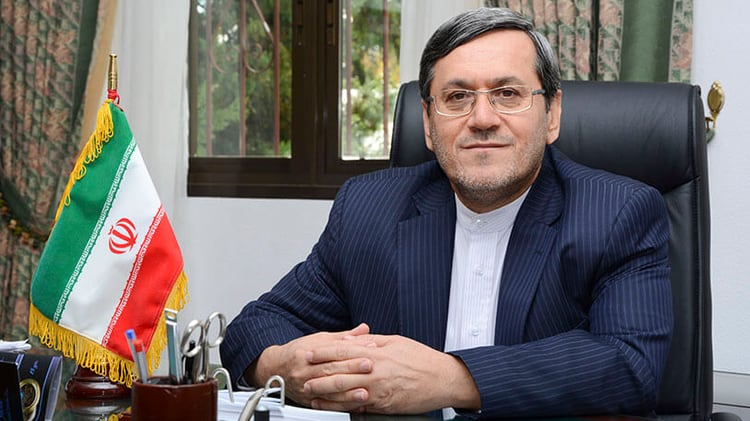
Hassan Ghashghavi, spokesman for the National Security Committee of the Iranian Parliament, stated that the new Supreme Leader of Iran, Mojtaba Khamenei, could issue a new ruling regarding the acquisition of nuclear weapons, emphasizing pointedly that «no one can prevent him from doing so».
At the same time, a source familiar with internal deliberations estimates that support for acquiring a nuclear bomb has soared, moving from «nearly zero levels to over 50%».
This shift, according to reports, reflects the growing influence of those advocating the development of nuclear weapons as a means of deterring future military attacks against Iran.
Awe, Mossad in panic over Russian intervention in the Middle East
Meanwhile, new facts are created in the Middle East by Moscow’s decision to redeploy Russian personnel to the Bushehr nuclear plant in Iran, at a time when fears of a new military showdown are intensifying.
This move could significantly complicate Israeli planning, as any strike on these specific facilities could now endanger Russian citizens as well, raising the risk of direct involvement by Moscow.
As the drums of war beat louder and louder in the Middle East, Russia makes a move of particular strategic importance, choosing to restore its personnel at one of the most critical nuclear installations of Iran.
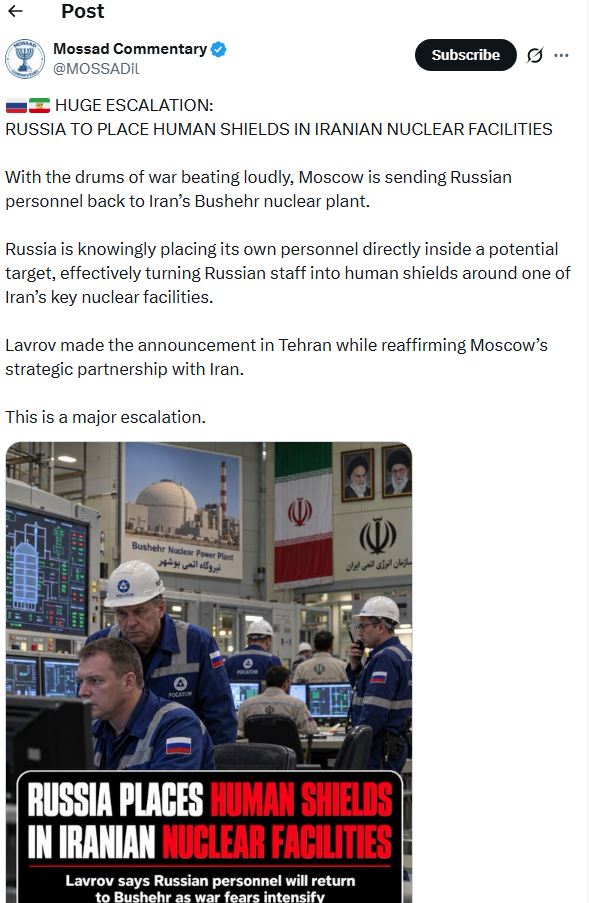
This development (as shown in the image above from an unofficial Mossad account) spreads terror in Israel, as the presence of Russian workers in Bushehr creates an additional obstacle to any potential military operation against the facility.
In practice, Moscow places its own personnel inside an installation that could become a target for military strikes, creating a situation where a potential attack could cause casualties among Russian citizens and lead to a severe escalation in relations with Russia.
Lavrov’s trip sent a message shielding Iranian nuclear infrastructure
Specifically, the Israelis claim that this presence could function as a unique «human shield», substantially driving up the political and military cost of a potential attack on nuclear facilities.
Previously, Sergey Lavrov made a related announcement from Tehran, simultaneously reaffirming Moscow’s strategic partnership with Iran.
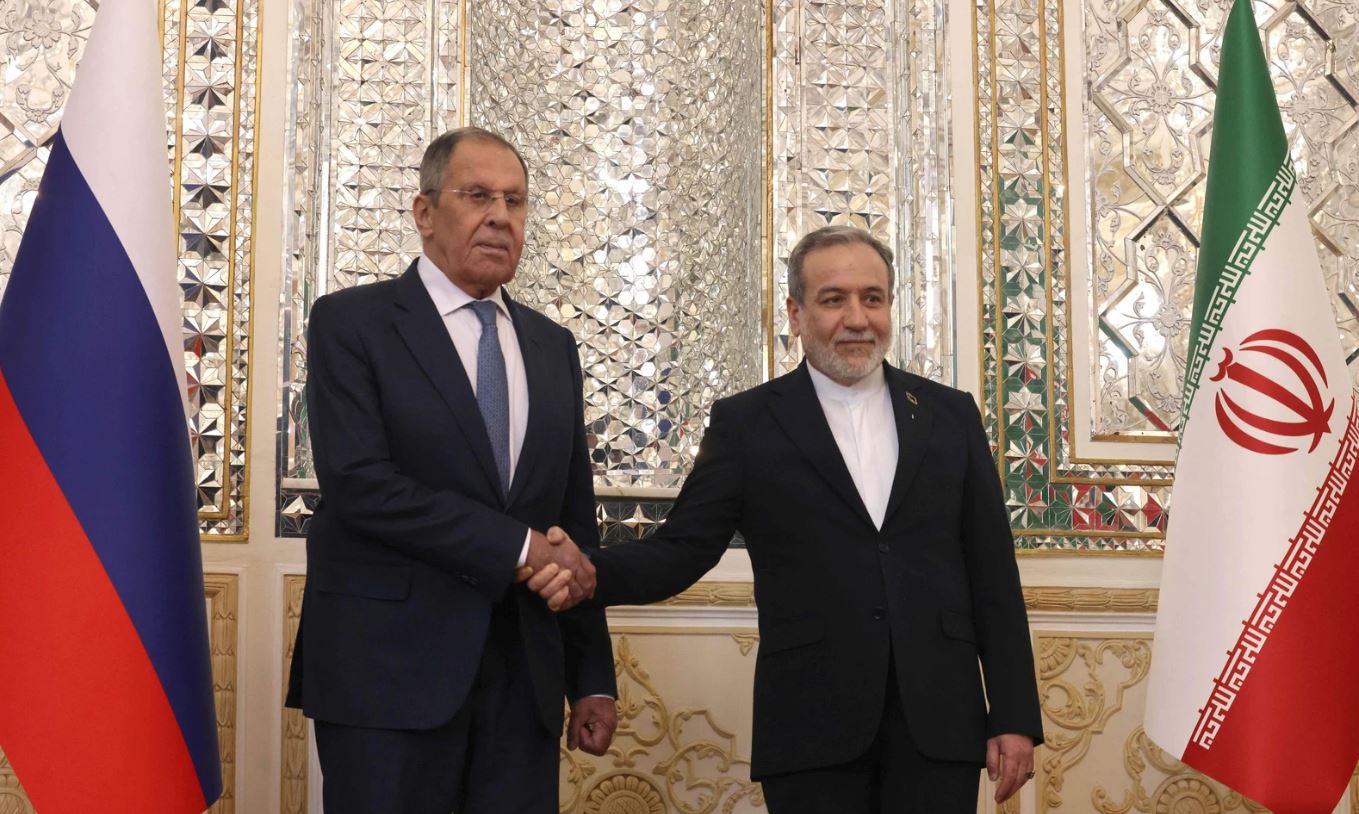
The message being conveyed is clear: Russia seeks to maintain its presence in critical Iranian infrastructure, even under the threat of military escalation.
For the Israeli side, confronting not only an Iranian military reaction but also the fallout of a strike endangering Russian citizens constitutes a highly complex strategic challenge.
This is a development that could alter the calculations surrounding a potential strike against Iran, as the risk of Russian involvement introduces a new, unpredictable factor into the already fragile situation across the Middle East.
Lavrov bombs on Lebanon, the Middle East, and... oil
Indeed, during today’s (October 19) meeting with Iranian Foreign Minister Abbas Araghchi, top Russian diplomat Sergey Lavrov underlined that Moscow and Tehran agree on the goals to be achieved for Lebanon, parts of which, as he noted, have been under Israeli occupation since March, emphasizing that there is a necessity to enhance the security and independence of Lebanon.
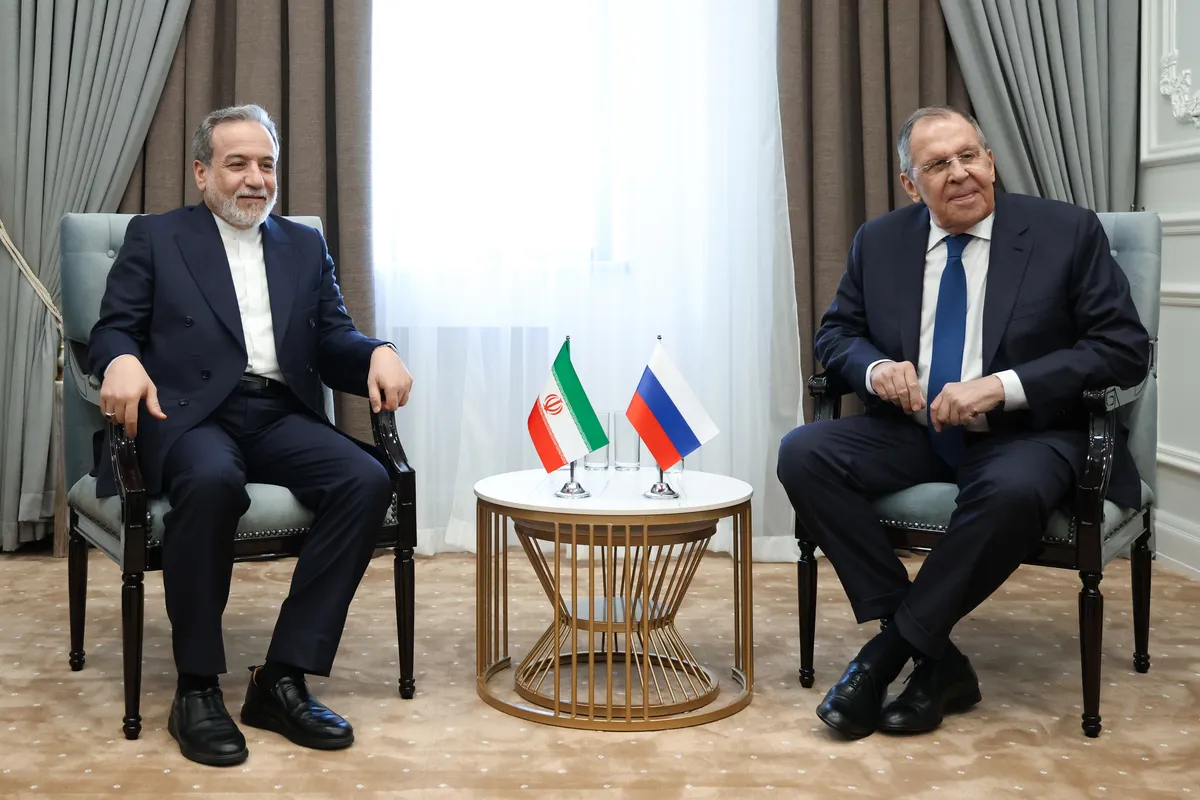
Furthermore, he stated that Moscow is indifferent to energy price fluctuations, adding that Russia intends to design its energy strategy with a long-term outlook.
Finally, the Russian minister noted that the Kremlin remains committed to the 20-year strategic partnership agreement with Iran, which officially entered into force on October 2, 2026.
Alarm in Iran: «Trump will strike before the midterm elections»
Nevertheless, Iran warns that US President Donald Trump may launch a new military attack against the country before the November 3 midterm elections in the USA, seeking to present a military achievement that could yield political benefits ahead of the electoral contest.
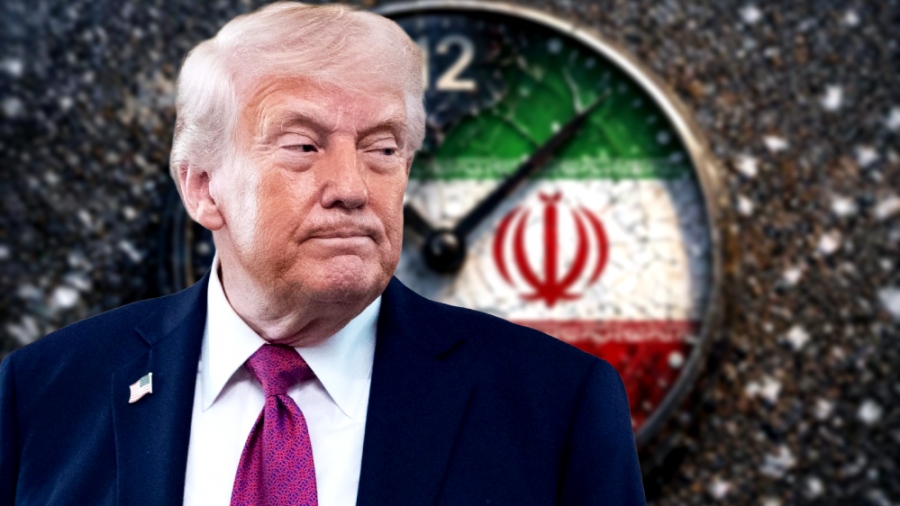
According to an IRGC spokesperson, Washington reportedly lacks the required military capacity to launch another armed conflict, yet Tehran rules out no contingency.
«We do not ignore any possibility and remain in full readiness to respond. This time, our response will be far harsher», warned the spokesperson of the Revolutionary Guard pointedly.
American landing on Kharg Island returns to the spotlight, shock warning from Tehran
The warning comes at a time when, according to reports, the US President is weighing the possibility of new military strikes against Kharg Island, which constitutes the primary hub of Iranian oil exports, handling roughly 90% of the country’s crude oil exports.
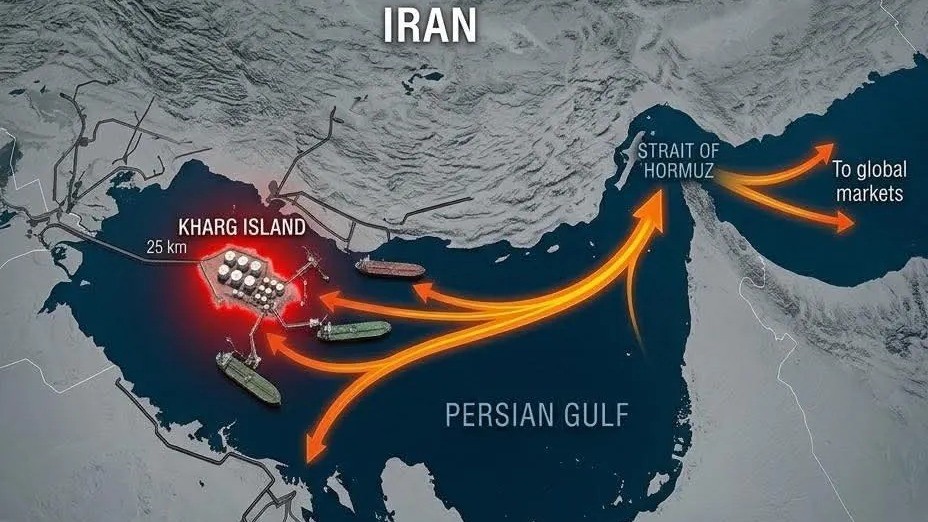
These reports surface despite public statements by the American President that he does not intend to launch an attack against Iran prior to the elections.
Tehran, however, makes known that it remains in full military readiness, warning that any new American strike will prompt a far stronger Iranian reaction.
Nightmare in Saudi Arabia: Barrage of Houthi attacks on airports in Riyadh and Abha
The confrontation in the Middle East is entering a dangerous trajectory of escalation overall, as Yemeni Houthi rebels (the Ansar Allah movement) launched a series of broad attacks on Saudi territory over the last two days, targeting critical infrastructure, airports, and oil installations.
According to statements made by rebel military spokesperson Yahya Saria, six military operations were carried out within 48 hours, utilizing ballistic missiles, cruise missiles, and unmanned aerial vehicles (drones).
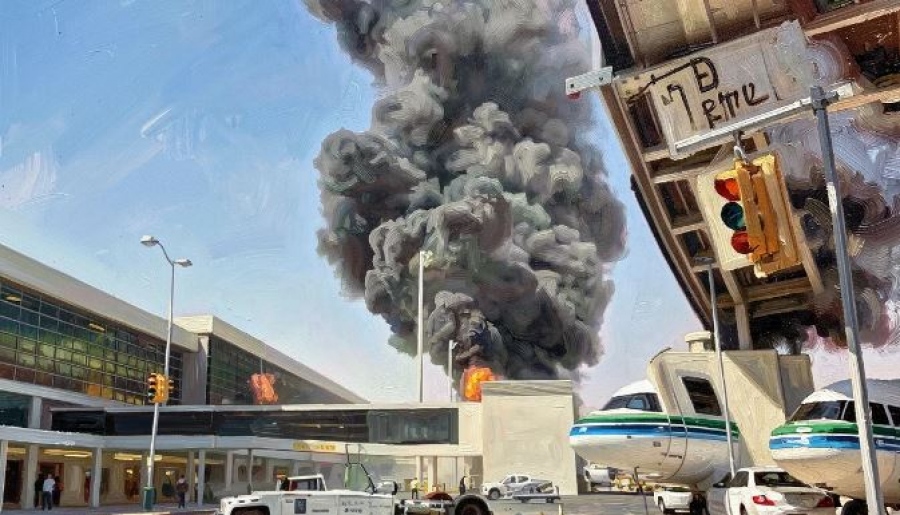
The attacks targeted King Khalid International Airport in Riyadh, the Abha airport, the Khamis Mushayt air base, a naval installation, and radar stations. Concurrently, Yahya Saria claimed that precision strikes hit Saudi Aramco facilities in Yanbu and the Shaybah oil field, causing large blazes.
So far, there is no independent confirmation regarding the overall extent of damage.
Emergency measures in Riyadh, airport closed
The repercussions of the attacks are already visible in daily life in the capital of Saudi Arabia.
The management of the iconic Kingdom Centre skyscraper in Riyadh instructed office staff to telework indefinitely due to the heightened threat, although the commercial mall at the base of the building remains open.
This decision was taken one week after an earlier major attack on the International Airport of Riyadh, which claimed the lives of 13 people.
The capital’s airport remains shut, while schools have extended distance learning.
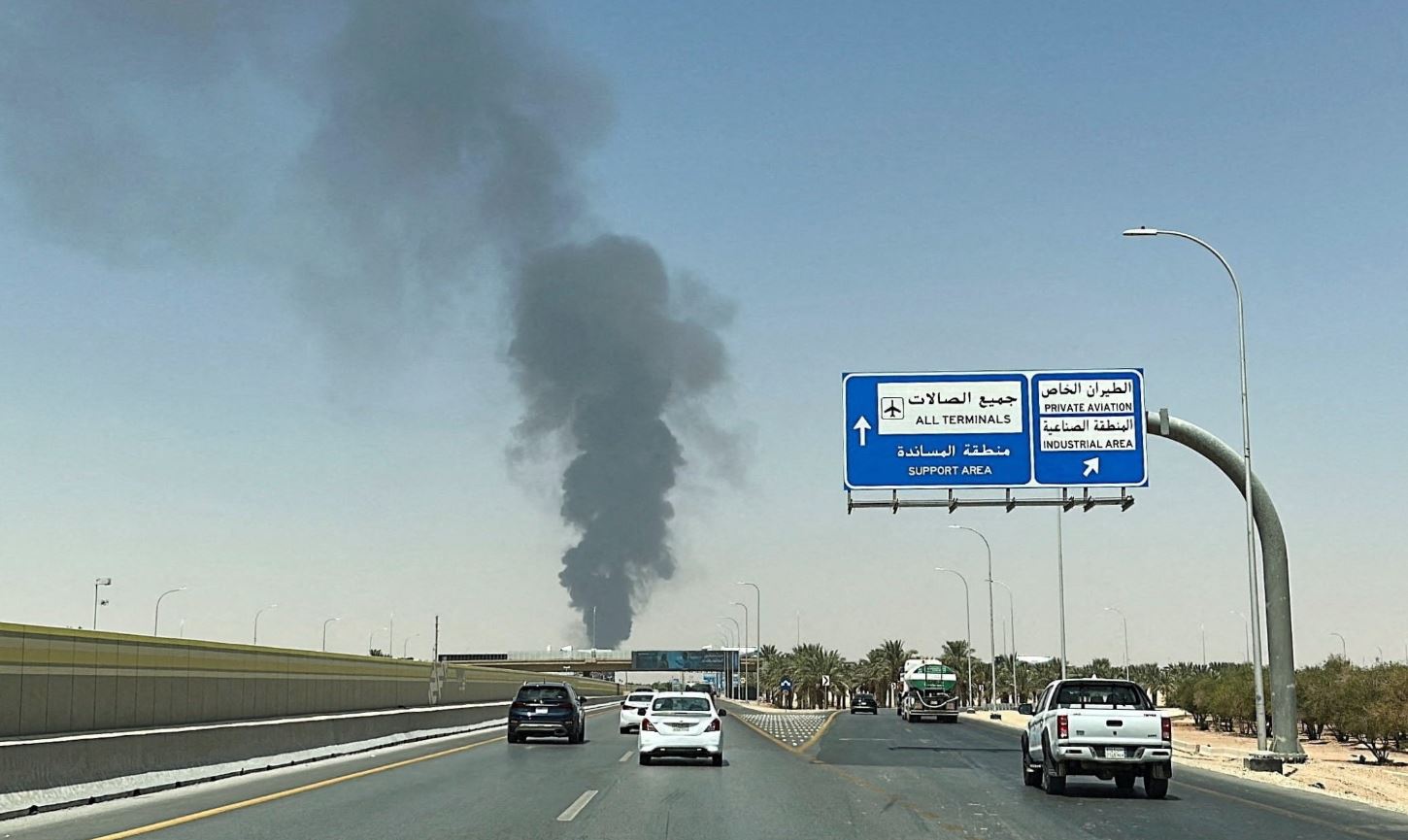
For its part, the Saudi-led military coalition announced the deaths of two pilots following a helicopter crash in Najran province, near the border with Yemen, attributing the incident to a technical malfunction.
Conversely, the Houthis claimed to have downed an Apache helicopter in the same area.
Simultaneously, the coalition reported the successful interception of three drones (two near Riyadh and one over the oil-rich Eastern Province) as well as two ballistic missiles in the southern part of the country.
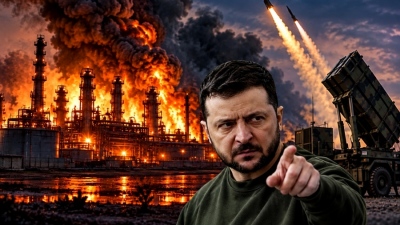
Stunning Iranian revelation: «Ukrainians are involved in instigating violent unrest in Northern Iran»
However, geopolitical fronts appear inextricably intertwined...
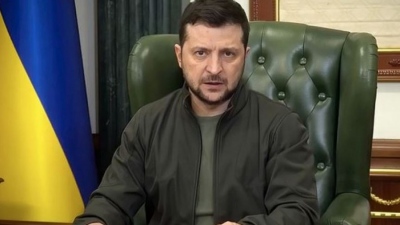
Ukraine is involved in instigating riots in northern Iran, revealed earlier the First Vice President of the Islamic Republic, Mohammad Reza Aref, during a meeting with Russian Prime Minister Mikhail Mishustin, as reported by the TASS news agency on October 19.
«Supplies of grain and food products are especially important for the development of relations.
Ukraine provoked certain riots in this region, in the northern part of our country (in the Caspian region, note by BN)», he stated.
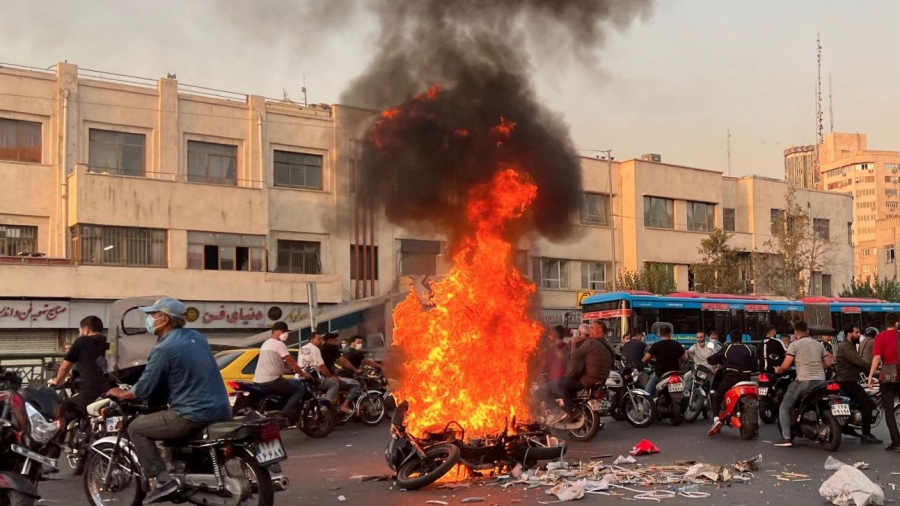
Aref noted that Russia and Iran must do everything possible to ensure that actions by Ukraine in the region «will not create problems and obstacles» in bilateral relations.
It is noted that previously, Russian President Vladimir Putin stated that Tehran is attempting to end the conflict in the Middle East.
During discussions with his Iranian counterpart, Masoud Pezeshkian, the Russian leader also described the situation in the region as the most pressing issue.
Bombshell from Iranian Foreign Minister Araghchi: «Europeans are fueling the war in Ukraine in every possible way»
The erroneous stance of Western nations in the Ukrainian crisis merely prolonged the conflict; they need to «open their eyes».
Iranian Foreign Minister Abbas Araghchi made this statement following talks with his Russian counterpart, Sergey Lavrov, as reported by Lenta.ru on October 19.
«Europe and the United States suffer from miscalculations and flawed approaches. They have taken the wrong political course, constituting the primary cause of many wars and crises.
The stance of the West led to the prolongation of the conflict in Ukraine», the diplomat emphasized.
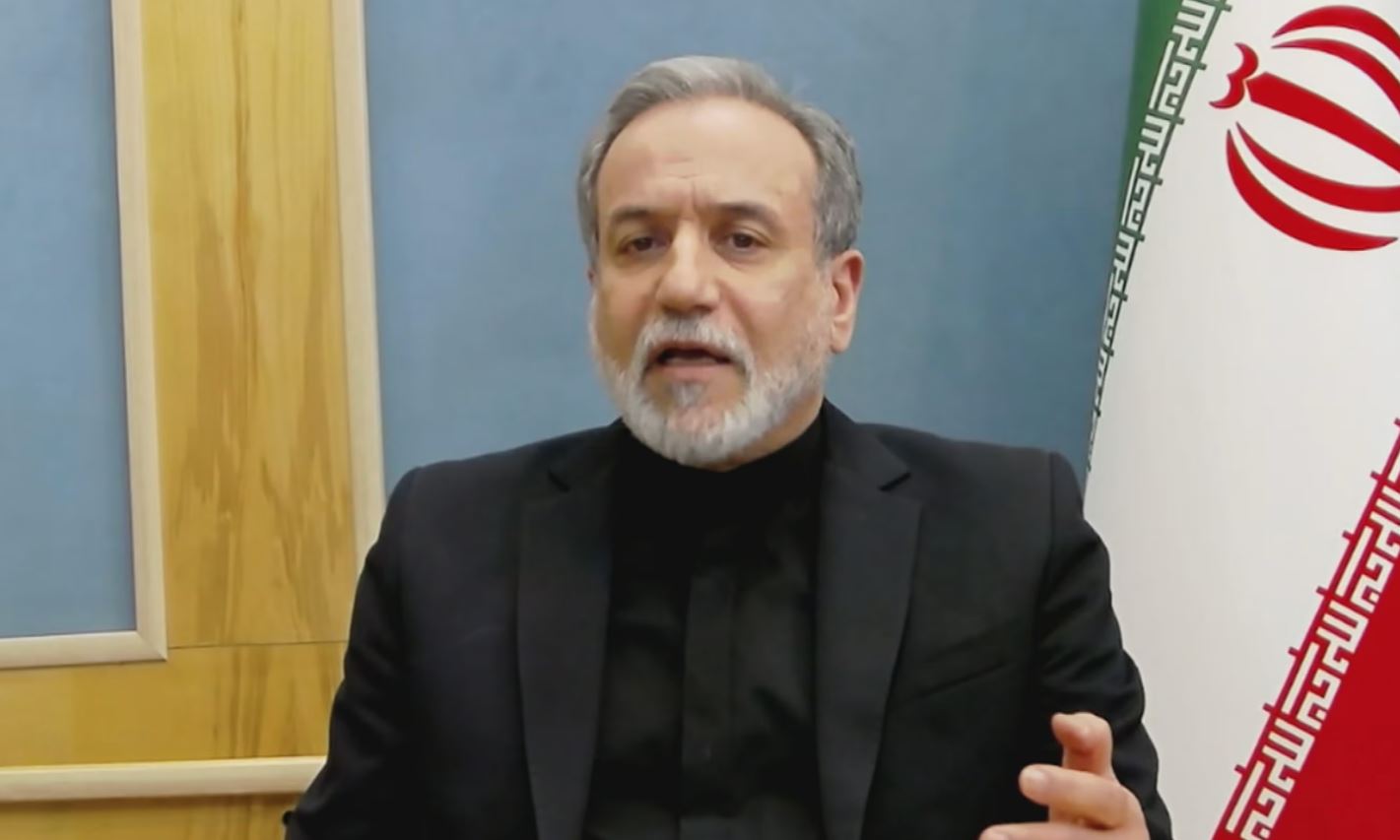
Araghchi also addressed European leaders and called on them to «open their eyes», so they can assess the true situation.
It is noted that on September 12, Russian President Vladimir Putin stated that discussions had begun in Europe concerning the possible enhancement of presence or deployment of troops in Ukraine.
He warned that such a scenario would mean war with Russia.
Brent surpassed 110 dollars per barrel for the first time since May 2026
Within this combustible and volatile environment in the Persian Gulf, the price of December delivery Brent crude oil futures on the ICE exchange in London exceeded 110 dollars per barrel for the first time since May 20, according to trading data.
At 20:50 Athens time, the price of Brent recorded an increase of 0.76%, reaching 110.7 dollars per barrel.
By 21:01 Athens time, the pace of the price advance for Brent crude oil moderated to 110.16 dollars per barrel (a 0.27% increase).
Meanwhile, the price of November delivery WTI crude futures increased by 0.31%, to 99.33 dollars per barrel.
www.bankingnews.gr






Readers’ Comments