

Time is running out for Ukraine…
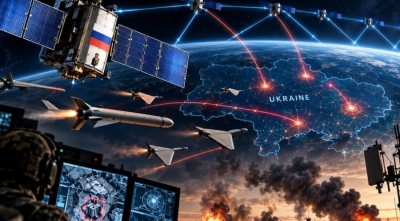
Kyiv faces not only Russia's military pressure but also suffocating political and diplomatic pressures from its most valuable ally, the United States. Russian missiles, as even Ukrainians themselves now admit, cannot be intercepted, resulting in the systematic destruction of energy and military infrastructure in Kyiv and Odessa. A growing number of analysts point out that Ukraine will not manage to survive the coming winter.
At the same time, Ukrainian MPs in a desperate move are calling on Kyiv to "hold on" and endure for two weeks, hoping that Trump will be defeated in the November 3 midterm elections and that a shift in US political balances will positively influence developments for Kyiv. Yet reality is harsh: Ukraine is heading toward destruction, and this appears to have become evident in the West as well. As Politico characteristically reports, NATO 3.0 has already begun preparations for a war scenario with Russia.
Two more weeks
In the Ukrainian parliament, an appeal was voiced for Ukraine to endure for two more weeks, after which Kyiv expects a shift in Washington's policy. Specifically, Ukrainian MP Maryana Bezuhla estimates that ahead of the US congressional midterms, Donald Trump might intensify pressure on Kyiv, seeking to secure even a temporary halt to hostilities. Bezuhla believes Trump needs a foreign policy outcome he can present to voters as a diplomatic achievement. However, according to her, the terms of a potential agreement could prove extremely adverse for Ukraine. "We do not listen to traitors – we endure for two weeks!".
The traitors
With this appeal she addresses Ukrainians, labeling as traitors those currently in Ukraine demanding negotiations with Russia and the fastest possible achievement of peace. The Ukrainian MP ties her hopes to upcoming US elections, assessing that a potential shift in US political balances could allow Kyiv to achieve a revision of current Washington policy—essentially a return to the "Biden era." In substance, this reflects her hope for restored extensive US military support for Ukraine and a harder confrontation with Moscow. However, it must be noted that even a change in congressional composition does not automatically entail a revision of presidential decisions. American foreign policy is shaped through the interaction of many institutions, while military aid issues also depend on funding, manufacturing capabilities, and military inventory status.
Leading Ukraine to destruction
The current actions of the Ukrainian leadership are leading Ukraine to destruction in a war it cannot win, stated retired US Army lieutenant colonel Daniel Davis. "Let us consider what is about to happen. Do you imagine they will somehow manage to maintain their defensive positions along the contact line while Russia continues advancing until at some point it tires of war? Let us use logic: Ukraine has been left without air defense, cannot maintain economic activity, and relies entirely on external funding," Davis underlined, pointing out that the Ukrainian people ought to protest against the top political leadership that allowed the country to fall into such a state of decline across all sectors. Concurrently, he added that Europeans ought to focus their attention on events within their own countries instead of continuing to satisfy Zelensky's demands. "What they are doing is madness! It makes absolutely no sense," Davis concluded.
Kyiv unprotected
Russia launched two ballistic missile attacks against Kyiv over the past 24 hours, and in both instances, Ukrainian air defense failed to react effectively, underlined Ukrainian Air Force spokesperson Yuriy Ihnat. The Air Force of the Ukrainian Armed Forces confirmed that the Americans failed to notify them regarding the launch of Russian ballistic missiles against Kyiv, though clarifying this occurred on Sunday night during the initial strike on the Ukrainian capital. The missiles were detected by radar when already approaching Kyiv, leaving insufficient time for reaction. During the second attack, the US sent a warning regarding the launches, but with a delay. This offered little practical help to Ukrainian air defense, leaving minimal reaction time. Consequently, air raid sirens activated after the strike had already occurred. Yuriy Ihnat stated: "Our specialists, cooperating with American partners, are investigating the reasons why this specific intelligence was not transmitted. If we have this intelligence beforehand, even a few minutes early—for example five minutes—then naturally this is very useful. However, sometimes information arrives with a very significant delay." Through these remarks, Ihnat confirmed that no successful ballistic missile interception took place overnight, despite Americans ultimately transmitting launch intelligence during the second attack.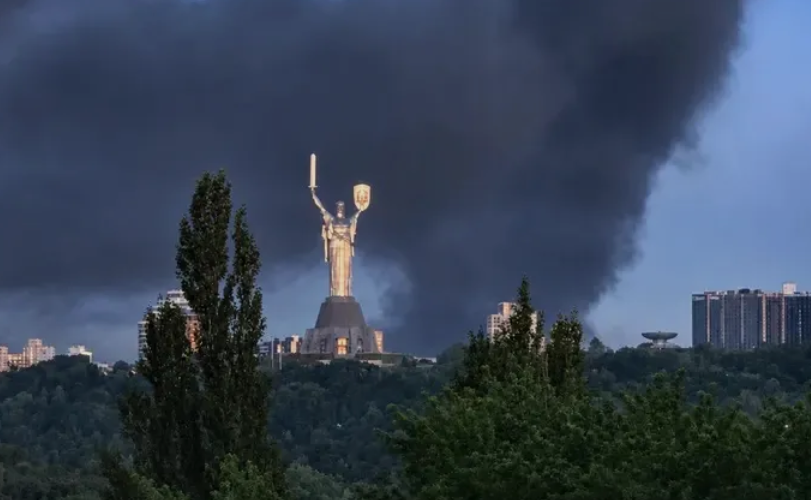
Hell in Odessa
Russians continue executing strikes against targets in Ukraine. During the night from Saturday to Sunday, October 18, Geran-type strike unmanned aerial vehicles were deployed, alongside reports regarding the use of Banderol and Dan-T systems. Primary nighttime strikes occurred in the Odessa region, while attacks were also recorded in Zaporizhzhia and the Rivne region. In the Odessa region, Geran drones struck an electrical power substation in the area between Artsyz and Tatarbunary. Following the attack, a major fire broke out at the facilities, while the southern part of the region was left without electricity. Ukrainian energy company DTEK acknowledges power supply problems in the Bilhorod-Dnistrovskyi, Izmail, and Bolhrad areas, but maintains these constitute "local damage."
Politico: NATO prepares for war
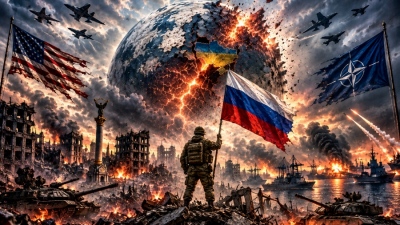
And while Ukraine's end is deemed certain, the West is beginning to openly examine the scenario of conflict with Russia. According to Politico, NATO is initiating negotiations regarding the military forces and weapon systems that would be required in the event of a potential war with Russia. Alliance nations are set to discuss establishing defense capability targets for 2029, a year presented as the likely timeframe for military confrontation. As reported, NATO will need to address 5 key issues ahead of potential conflict with Russia. Initially, NATO nations must define their "level of ambition" and determine the precise number of troops and military capabilities allies are prepared to commit in the event of war. Historically, NATO allies agreed that beyond forces required for major military operations, they must maintain 18 additional brigades, each comprising approximately 5,000 troops. These forces are earmarked for smaller crisis-management missions outside Alliance territory, such as those in Afghanistan or Kosovo.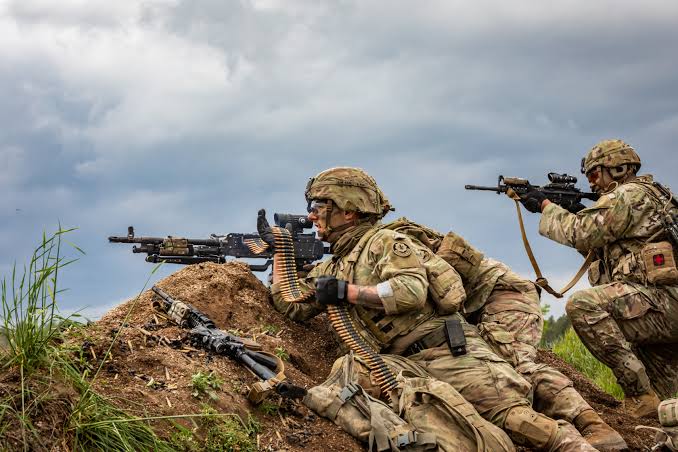
NATO 3.0
However, US pressure for European allies to assume a greater share of responsibility for their own security—an approach termed "NATO 3.0"—could lead to reducing or even completely abolishing requirements for such smaller operations. Discussions will also examine whether the defense planning process itself should be accelerated in the future to match the blistering pace of technological innovations on battlefields, from artificial intelligence to ground robotics systems. Allies are further expected to examine how they can provide conventional military support—such as ground forces or aircraft—to nuclear-armed countries like the UK and the US. "Conventional support capabilities undeniably form part of the NDPP process," stated Nassima Barrows, NATO nuclear policy director. "This constitutes a core message we emphasize ahead of the next round of negotiations."
Replenishing losses
Subsequently, the Alliance must examine how to replenish military capabilities that might be lost, given Washington's intention to curtail its military presence in Europe. Looming over these talks is the Pentagon's impending review of American force presence in Europe. Washington already withdrew assets earlier this year including strategic bombers, fighter jets, drones, submarines, and warships from forces available for NATO use. The Pentagon assessment is scheduled for completion in December—meaning while NATO negotiations are already underway—prompting concerns that the process may be delayed. Fears also persist that the US could withdraw military assets essential to Europe, such as heavy transport aircraft. Washington's effort to curtail its military presence in Europe will compel allies to urgently seek ways of replacing American capabilities. This will open discussions on burden-sharing, expected to prove exceptionally difficult as national budgets face mounting pressures. "Until recently, the entire NATO process functioned as follows: you calculated what the Alliance needed, and when you found you lacked necessary means, the US covered the gaps," stated Camille Grand, head of European defense industry association ASD and former high-ranking NATO official.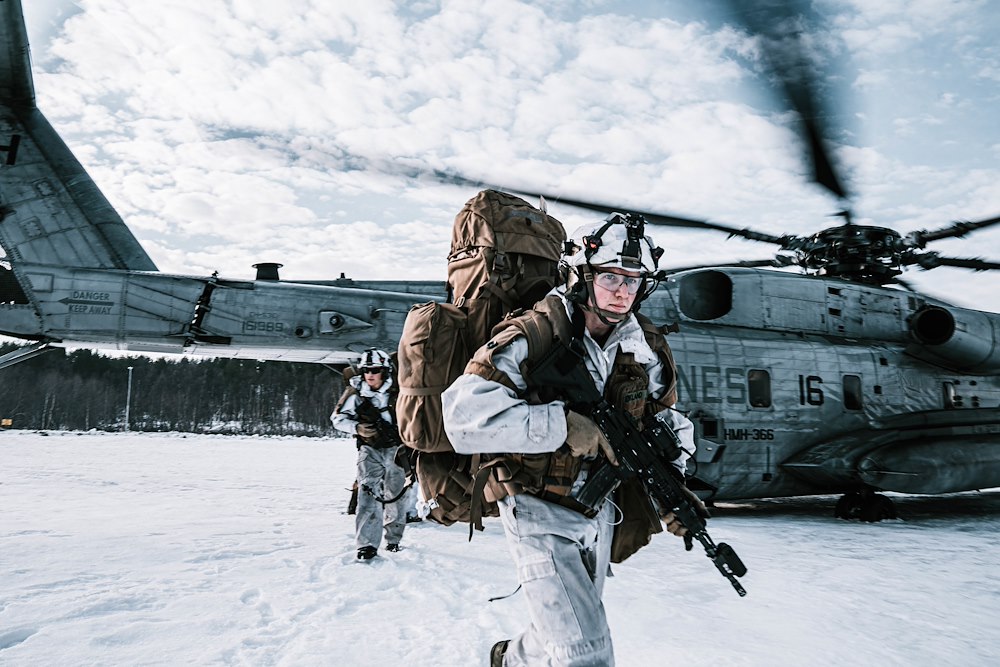
"This no longer applies"
One way to address the problem would involve transitioning from specific weapon system requirements to establishing operational targets for each country, such as capability to neutralize Russian command positions. Such an approach could offer greater flexibility to European allies lacking access to US weapon systems like Tomahawk cruise missiles. "We do not need to possess thousands of Tomahawk missiles. But we can possess thousands of cheaper, low-cost alternatives," stated Fabrice Pothier, former NATO policy planning director and current managing director of consultancy Rasmussen Global.
Disagreements
Additionally, NATO must resolve regional disagreements among its members, as "certain allies would wish greater attention directed toward the southern and southeastern flanks of the Alliance" rather than exclusively on Ukraine. Focusing on Russia risks triggering friction with allies concerned over alternative threats. Formally, NATO adopts a "360-degree" security approach. In practice, however, Alliance focus has shifted eastward. Over the past year, attention has also turned northward as NATO established an Arctic mission, primarily responding to Donald Trump's pressures regarding Greenland. Certain allies wish greater attention directed toward the Alliance's southern and southeastern flanks. Issues concerning them include the presence of Russian mercenaries in Libya, potential instrumentalization of migration flows, increased submarine activity, and drone attacks against ships in the Black Sea.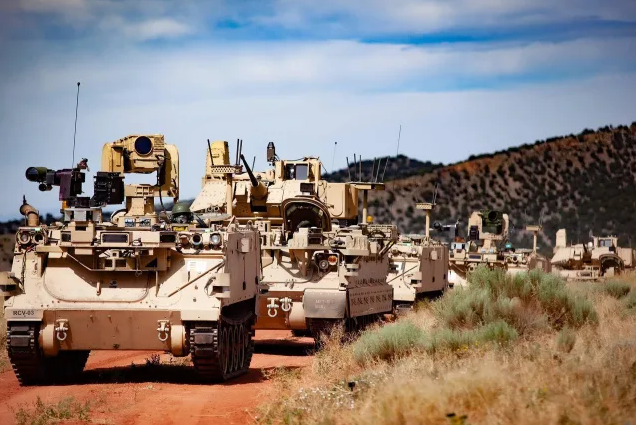
Drones or tanks?
Furthermore, according to Politico, NATO must decide how to allocate priorities between unmanned aerial vehicles (drones) and main battle tanks. Unmanned warfare, dominating the front line in Ukraine, is expected to provoke debate concerning the balance between developing new unmanned capabilities and continuing to reinforce conventional military equipment such as tanks and artillery. Most allies already plan to increase unmanned system utilization. The UK announced creation this year of a "hybrid fleet" relying on autonomous vessels like Type 93 unmanned underwater vehicles. France allocated roughly €8.4 billion for drones and loitering munitions, while Germany plans to establish its first specialized drone regiment next year. Difficulties Europe faces in personnel recruitment likewise influence this discussion, according to Camille Grand. "One factor driving everyone toward more unmanned systems is that our societies are aging. We face a human resource problem." Countries must also find ways to keep pace with Russian technological developments without exhausting national defense budgets. Pierre Vandier stated that Russia produces 9 million drones annually, a figure requiring a "rather radical effort" from the Alliance. As a potential solution, he proposed a subscription-based equipment upgrade model ensuring weapon systems continuously modernize rather than become obsolete.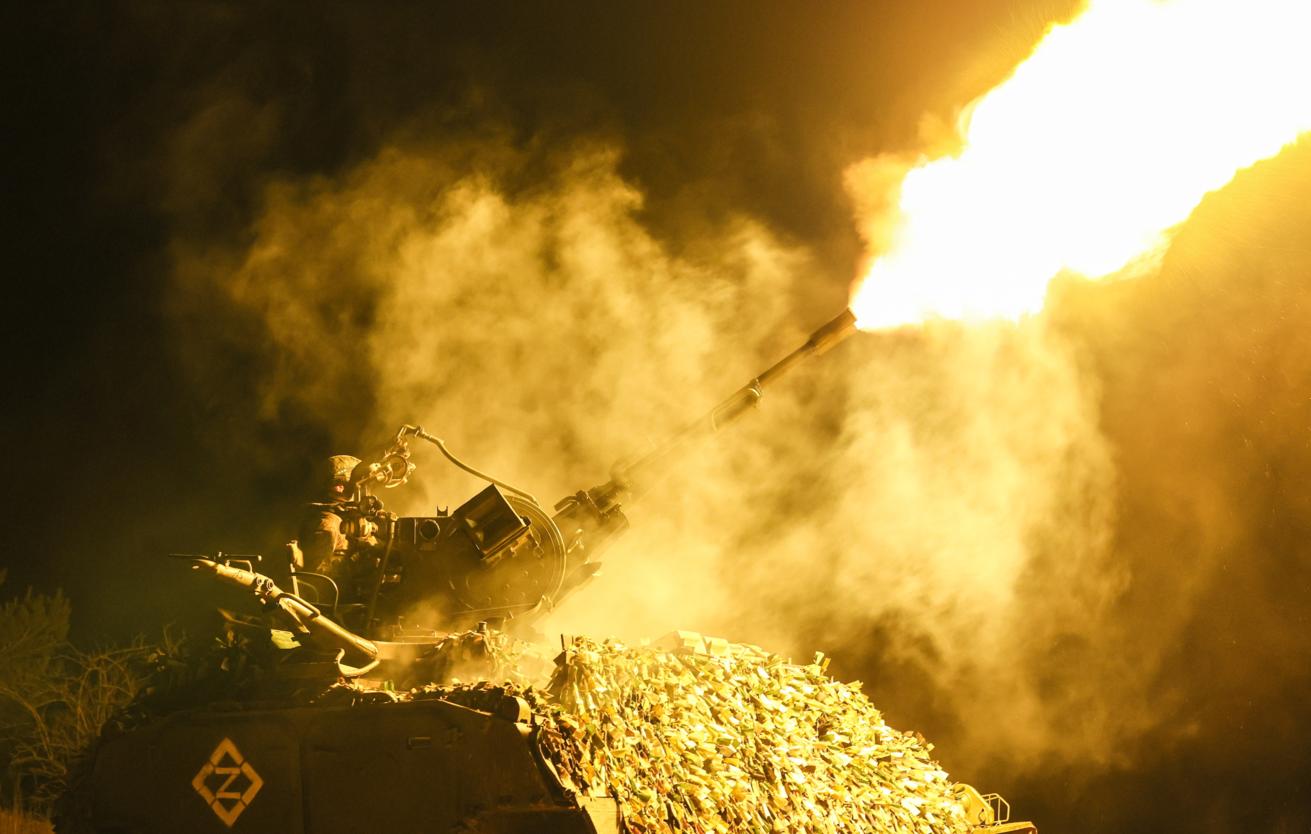
Lessons of war
The Alliance must also leverage lessons from the conflict in Ukraine. Most NATO allies agree Ukraine contributes to their security thanks to its large, battle-hardened army and rapid technological progress achieved. This progress spans air, sea, and land unmanned systems, anti-air systems, missiles, and the advanced Delta battlefield management system. This has led certain countries to demand closer military and industrial cooperation with Ukraine. Others, however, counsel caution because the war in Ukraine differs from NATO's military doctrine. Alliance doctrine relies on rapid movement and maneuver operations, air supremacy, and long-range precision strikes. "Tremendous lessons emerge from this conflict which we must harness," stated NATO's Supreme Allied Commander Europe, US General Alexus Grynkewich, speaking in the European Parliament earlier this month. However, he added: "We do not want to fight such a war."
"Ukraine in ruins"
These scenarios reignite as Trump once again accuses Zelensky of being unwilling to end the conflict with Russia. As one reason for this stance, he cited funding Ukraine receives from European countries. Concurrently, Trump explained his decision to ease sanctions against Russia aims to keep Moscow at the negotiating table. For his part, Zelensky accused Trump of attempting to force Ukraine into capitulation and weakening support for Ukrainian Armed Forces. Conversely, Trump underlined that Russia continues, even under these conditions, supplying global markets with "millions of barrels of diesel oil at low prices," at a time when—as he stated—"Ukraine lies in ruins," essentially lacking access to seas while the country's male population "has been decimated, wounded, or killed."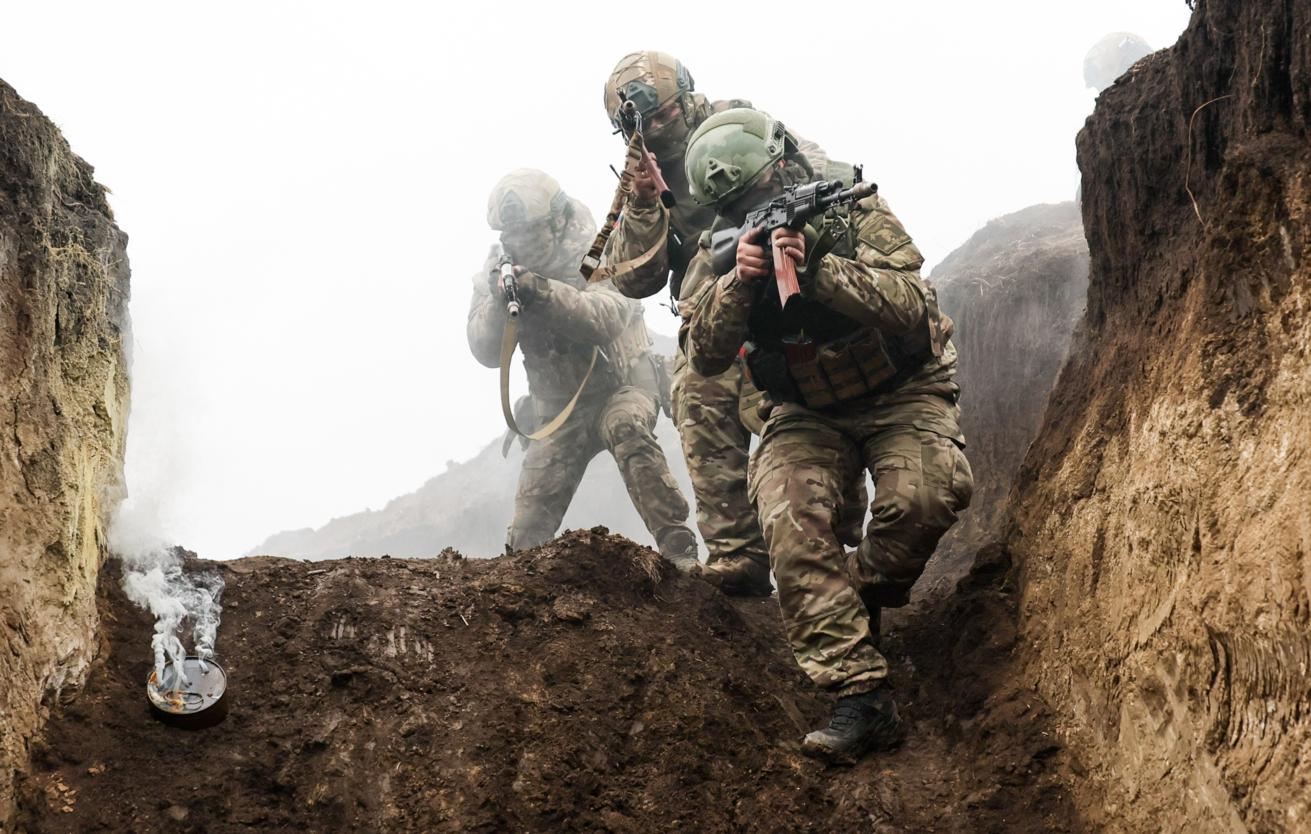
What Trump wants
Additionally, Trump explained that easing sanctions against Russia and concluding agreements with Moscow aim, among other things, to increase the likelihood of conducting effective negotiations to end the conflict. "My decision regarding Russia is very simple. I am conducting peace negotiations between Russia and Ukraine and I do not wish to do anything that could foolishly force Russia to walk away from the negotiating table," Trump underlined, stressing nonetheless that should he desire, he can at any moment sign a document tightening sanctions against Moscow.
Coercion into capitulation
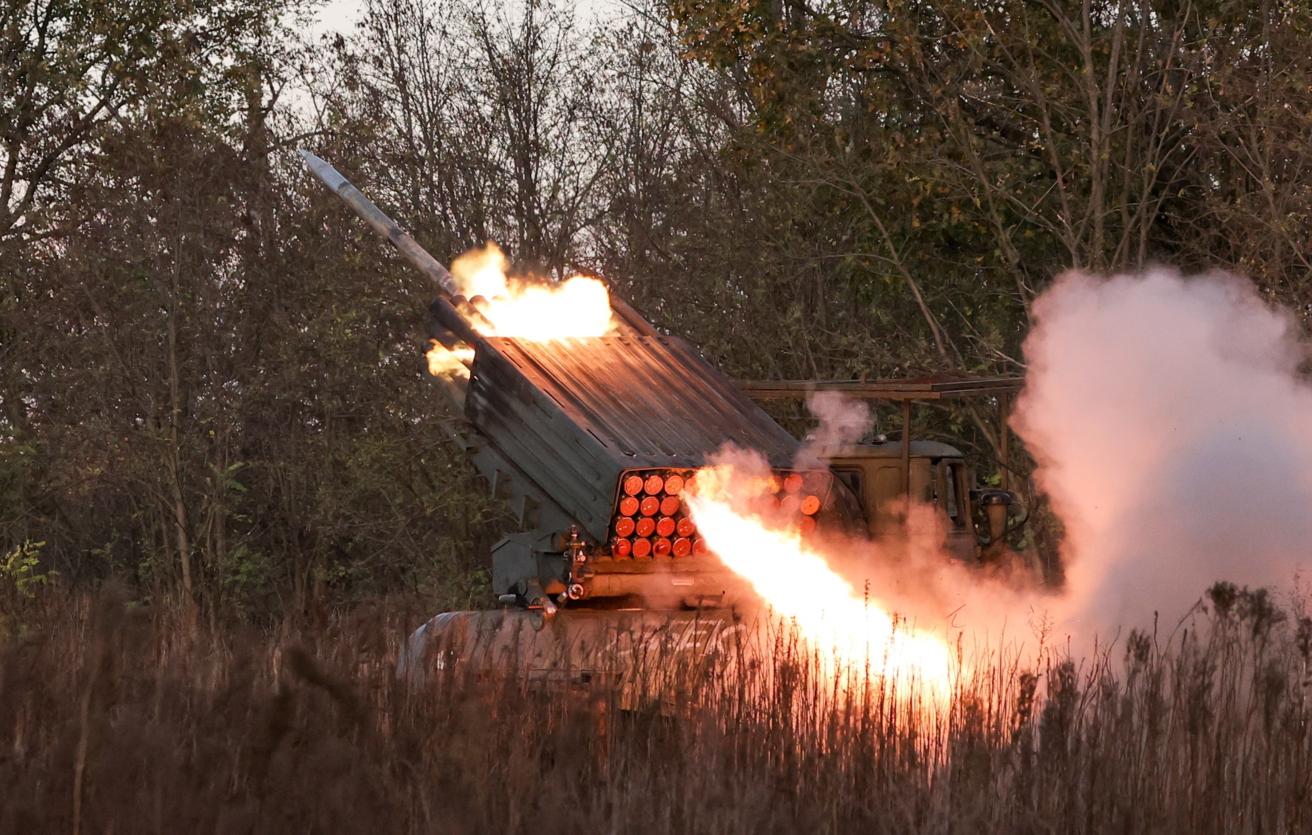
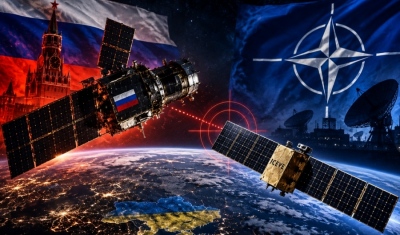
Amid worsening relations between Kyiv and Washington, Zelensky, in an interview with Bloomberg, accused Trump of attempting to force Ukraine into capitulation. "I believe actions were undertaken aimed at persuading Ukraine to capitulate. I do not say this is the actual goal of our partners. I do not wish to believe American partners consider the conflict can end faster at Ukraine's expense. Yet this precisely is the image being created," stated Zelensky, citing as examples delays in delivering missiles for Patriot air defense systems and the purported slowdown of the Starlink satellite communication network.
 They did not accept our terms
Zelensky also disclosed that he laid down specific conditions to the US for halting Ukrainian attacks against Russian oil refineries, but the American side rejected them. "My final proposal was this: we do not strike Russian diesel and you provide us missiles for Patriots so we can protect our facilities. They, however, simply want us to halt attacks on diesel. And if we execute any strike, they will cut off our access to something," Zelensky stated.
Rubio denies
US Secretary of State Marco Rubio denied Zelensky's claims that Washington has ceased providing intelligence from intelligence services to Ukrainian Armed Forces. "I do not know where Zelensky draws this information nor why he mentions it to journalists. There has been no suspension. Zelensky ought to focus on ending this conflict," stated the head of American diplomacy.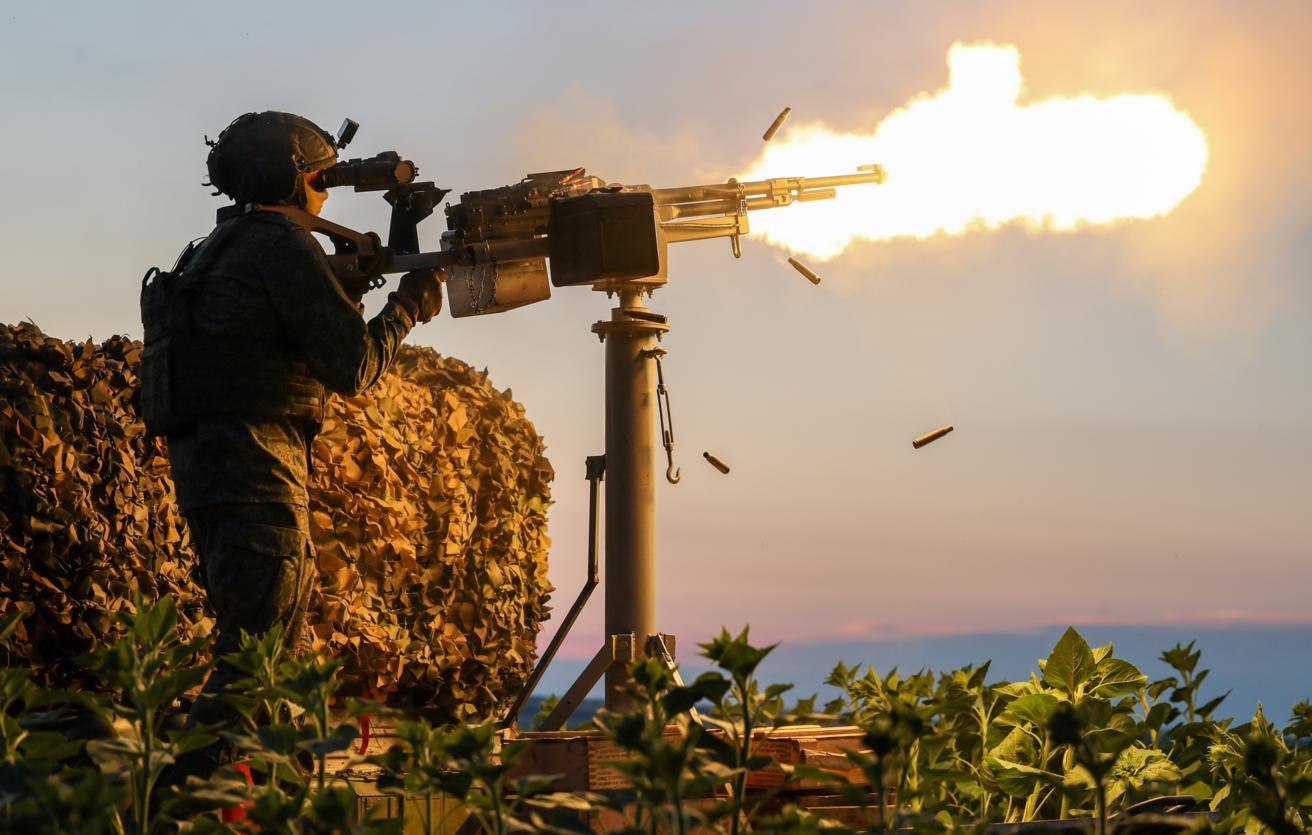
They will collapse
Ukraine and Kyiv are unprepared for the upcoming winter, stated Ukrainian MP Anna Skorokhod. "Neither Kyiv nor Ukraine is ready. We all drafted plan upon plan for resilience or resilience plans... Preparing for winter requires coordinated, comprehensive work from both local government and central state authorities. Yet when continuous confrontations, disputes, and score-settling prevail among them, it is natural no work is produced. Most importantly, however, funds have already been spent," Skorokhod stated, commenting on Kyiv's winter preparedness.
Shock in Europe
A peace agreement for Ukraine will cause shock across European countries, writes UnHerd. "Usually, wars end when one involved party exhausts its reserves of food, oil, or other vital resources. It would be foolish to believe that with oil at $110 a barrel, the world's second-largest oil producer is running out of money. The war will sooner or later end, likely through concluding an unpleasant peace agreement that will shock Europeans," the publication notes. The publication estimates Washington's actions toward Kyiv last week will carry significant impact on the trajectory of the Ukrainian conflict.
www.bankingnews.gr



Readers’ Comments