

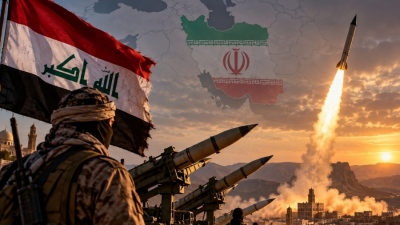
New war clouds gather over the Middle East, as reports of Israeli fighter movements, potential strikes on Iranian nuclear and energy facilities, and heightened military readiness fuel fears of a new clash.
The policy of military coercion exercised by Israel and the United States toward Iran returns to the center of discussion, with critical questions surrounding the fallout of a potential assault on regional security, international energy markets, and civilian populations.
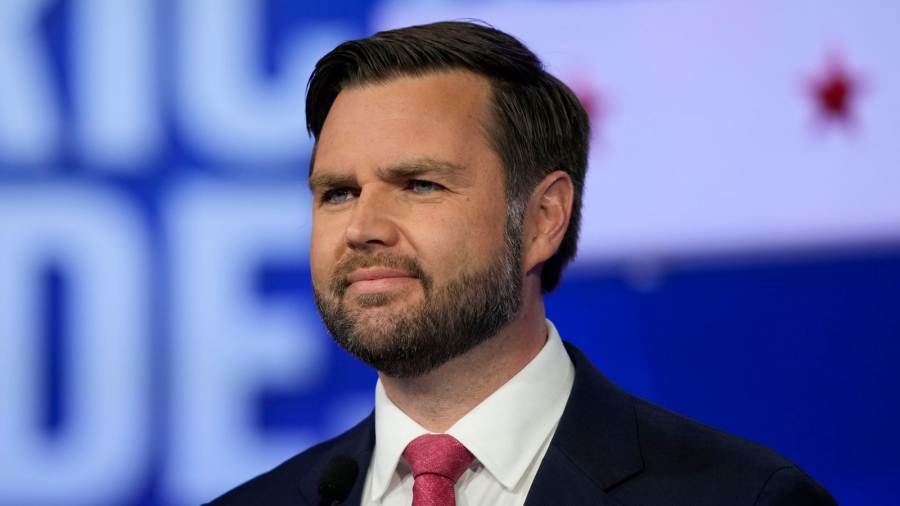
Concurrently, remarks by American Vice President JD Vance that «you can't just start a war because you're angry or frustrated» have caused a stir, underscoring the necessity that military force must serve a strategic objective.
The threat of a new war and the strategy of perpetual pressure
The possibility of a fresh military confrontation between Iran and Israel returns to the forefront, as journalists, political analysts, and financial figures voice warnings of an impending escalation.
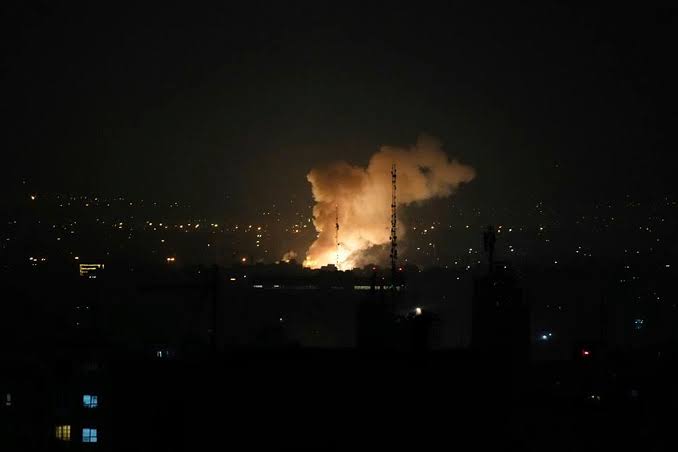
Reports encompass claims of Israeli warplanes approaching Iranian borders, the potential activation of shelters in Israel, and preparations for strikes against strategic sites.
Although these accounts do not constitute verified indicators of an immediate assault, they underscore the perilous environment established across the region.
The central issue is not merely whether a new war breaks out over the coming days.
It is also whether the persistent threat of military action has become the primary instrument of coercion against Tehran.
Israeli strategy treats Iranian nuclear and military capabilities as a national security issue.
However, the resort to preemptive strikes raises profound questions of international law, proportionality, and the risk of conflict expansion.
Correspondingly, American policy toward Tehran confronts a foundational dilemma: whether military deterrence can prevent a conflict or, conversely, create conditions that render it harder to avoid.
Warnings of an attack within 24 hours
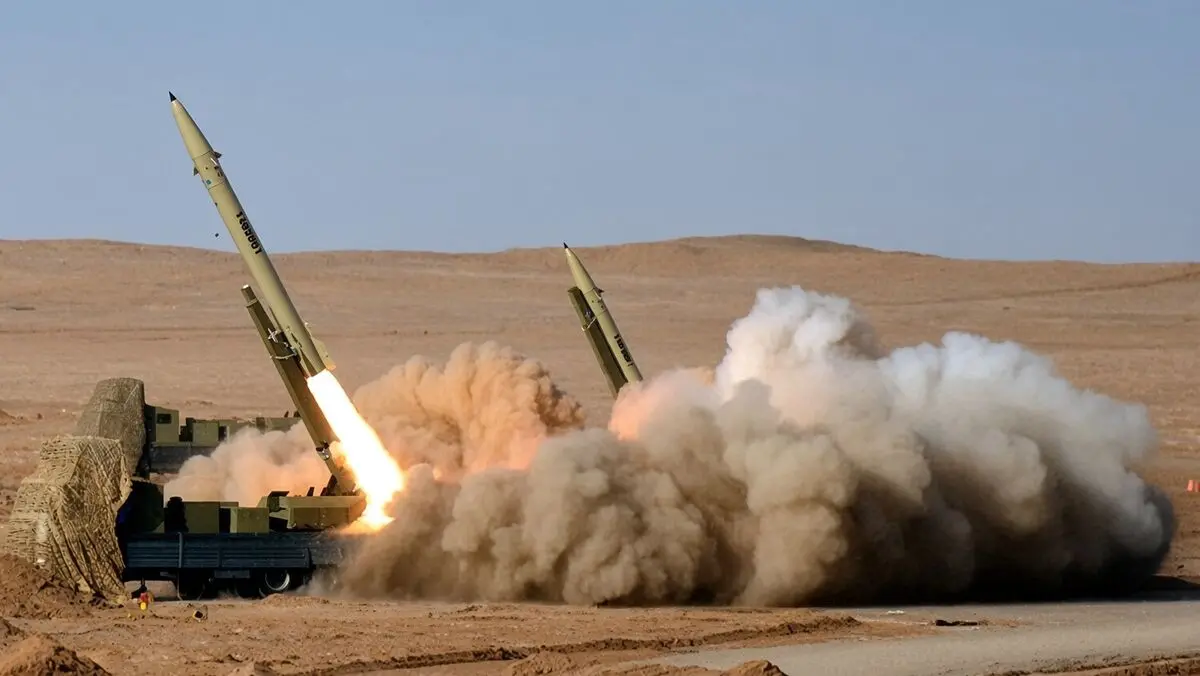
Journalist Morteza Shungi of the Iranian network IRIB reportedly asserted that a new war could erupt within the next 24 hours.
At the same time, a member of the Iran-China Chamber of Commerce made a cryptic reference to a facility or site designated as «King of Klang», triggering speculation regarding a prospective strategic target.
These remarks circulated as indications of an imminent military operation, yet without being accompanied by verifiable evidence.
The absence of concrete information on military orders, operational deployments, or official alerts makes drawing secure conclusions on the timing of a prospective strike impossible.
Nevertheless, the dissemination of such reports generates supplementary tension.
Within an already volatile atmosphere, even unverified warnings can alter the conduct of governments, markets, and armed forces.
Israeli fighters and fears of a surprise operation
Political activist Salman Kadivar warned that the period leading up to November 5 requires heightened vigilance.
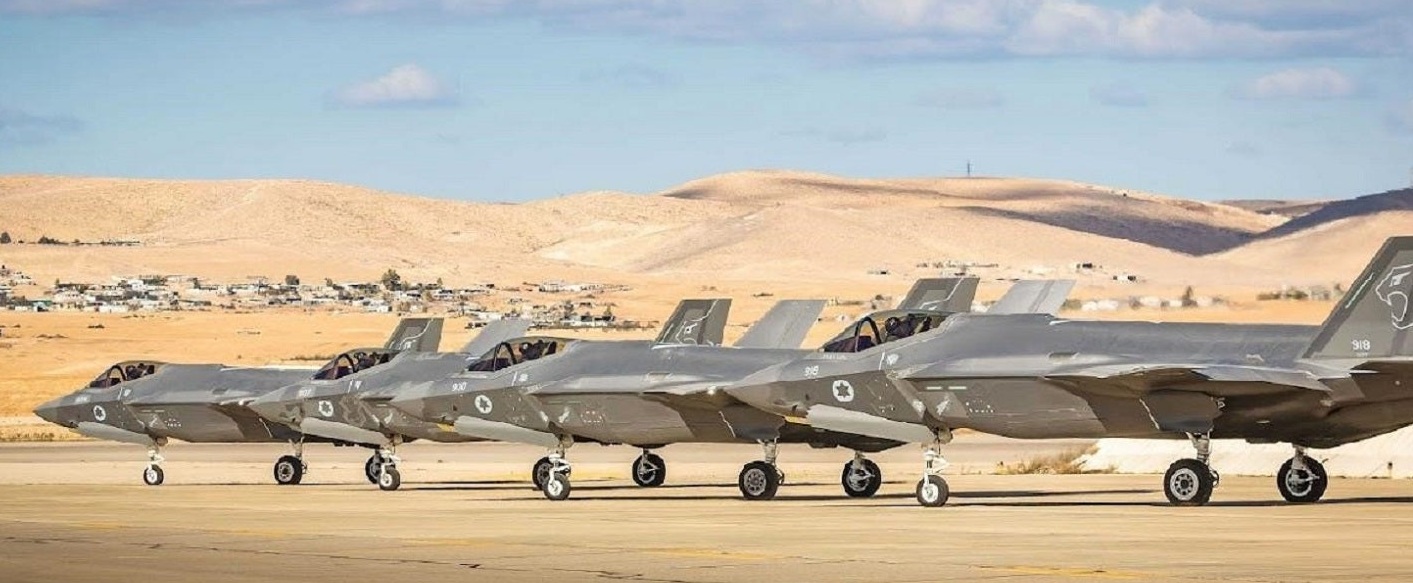
According to his allegations, Israeli combat aircraft conducted flights near the Iranian border over preceding nights, potentially intending to deplete the readiness of Iranian air defenses and generate conditions for surprise.
This remains a scenario unconfirmed by independent flight tracking data or official military statements.
Its significance, however, resides in the wider debate over leveraging military supremacy to compel political outcomes.
Israel contends that it must preserve the capacity for immediate reaction against threats emanating from Iran.
From the Iranian perspective, corresponding maneuvers are viewed as preparations for offensive operations.
This mutual suspicion creates a dangerous escalatory dynamic, wherein even an exercise can be interpreted as the prelude to an actual attack.
Mount Pickaxe and Natanz: Strategic installations in the crosshairs
Particularly severe is the possibility of renewed strikes against Iranian nuclear and energy infrastructure.
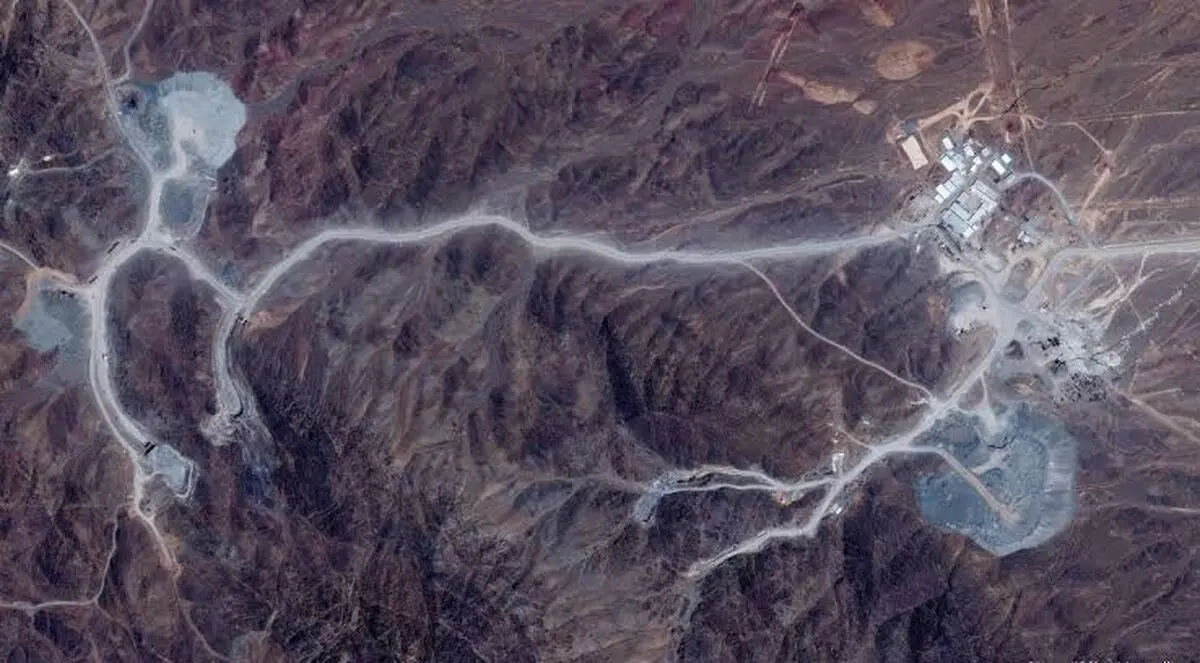
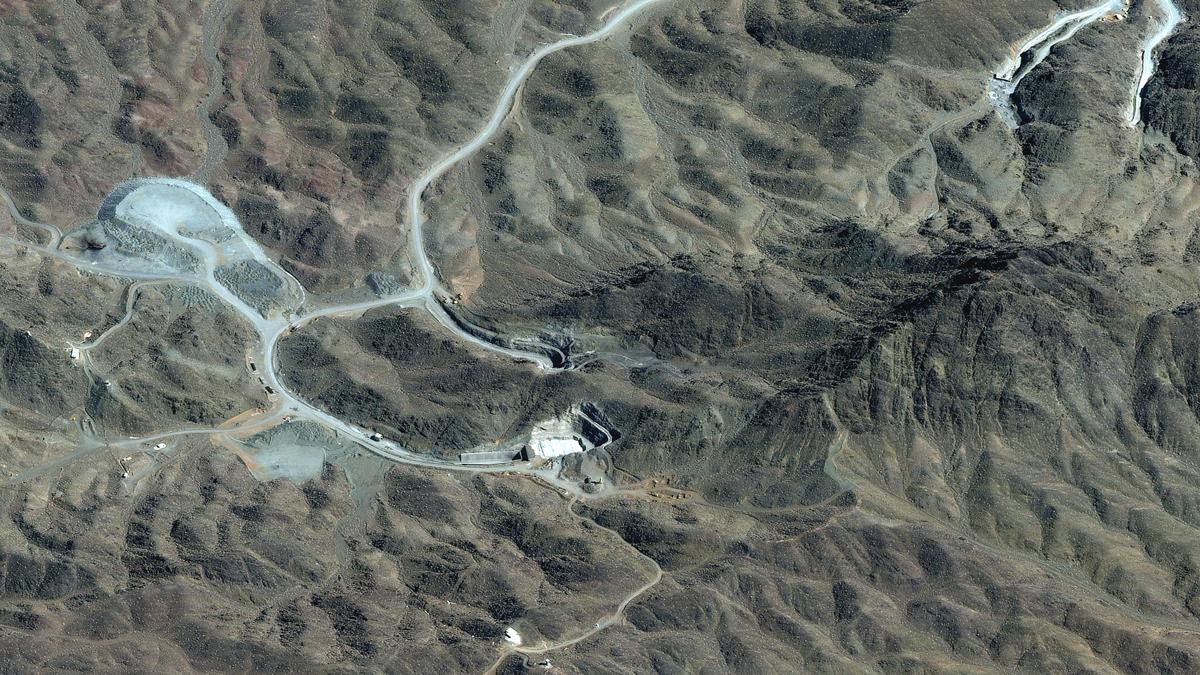
The Wall Street Journal, in a report on October 13, 2026, states that Tehran is fortifying defenses around critical sites, including Natanz and Mount Pickaxe.
These preparations are attributed to apprehensions regarding fresh American or Israeli operations.
Furthermore, on October 16, Reuters carried statements by Donald Trump suggesting the US might need to strike Mount Pickaxe, which is tied to the Iranian nuclear program.
Such statements represent a decidedly more substantial factor than the unverified speculations circulating across social networks.
The prospect of targeting subterranean facilities poses difficult questions regarding the efficacy of military operations, as well as the repercussions on adjacent territories.
Destroying strategic sites does not automatically ensure the termination of a nuclear program.
It can, on the contrary, accelerate militarization and constrict the scope for diplomatic accords.
The US and the question of responsibility for escalation
American involvement constitutes a cornerstone of the crisis.
On February 28, 2026, the United States and Israel launched strikes against Iran, precipitating Iranian retaliations and a broader era of armed confrontation.
This historical precedent requires that every fresh threat of military action be evaluated through the prism of prior operations and their aftermath.
Washington invokes the imperative to prevent Iran from acquiring nuclear armaments.
This is an objective the American administration portrays as fundamental to regional stability.
However, the invocation of national security imperatives by a state does not automatically render every military initiative lawful or proportionate.
The resort to force is circumscribed by the Charter of the UN, while the safeguarding of non-combatants and civilian infrastructure remains obligatory.
In this setting, significant resonance attended the statement by American Vice President JD Vance that «you can't just start a war because you're angry or frustrated», highlighting the necessity that military power serve a strategic objective.
The Netanyahu contradiction and elections in Israel
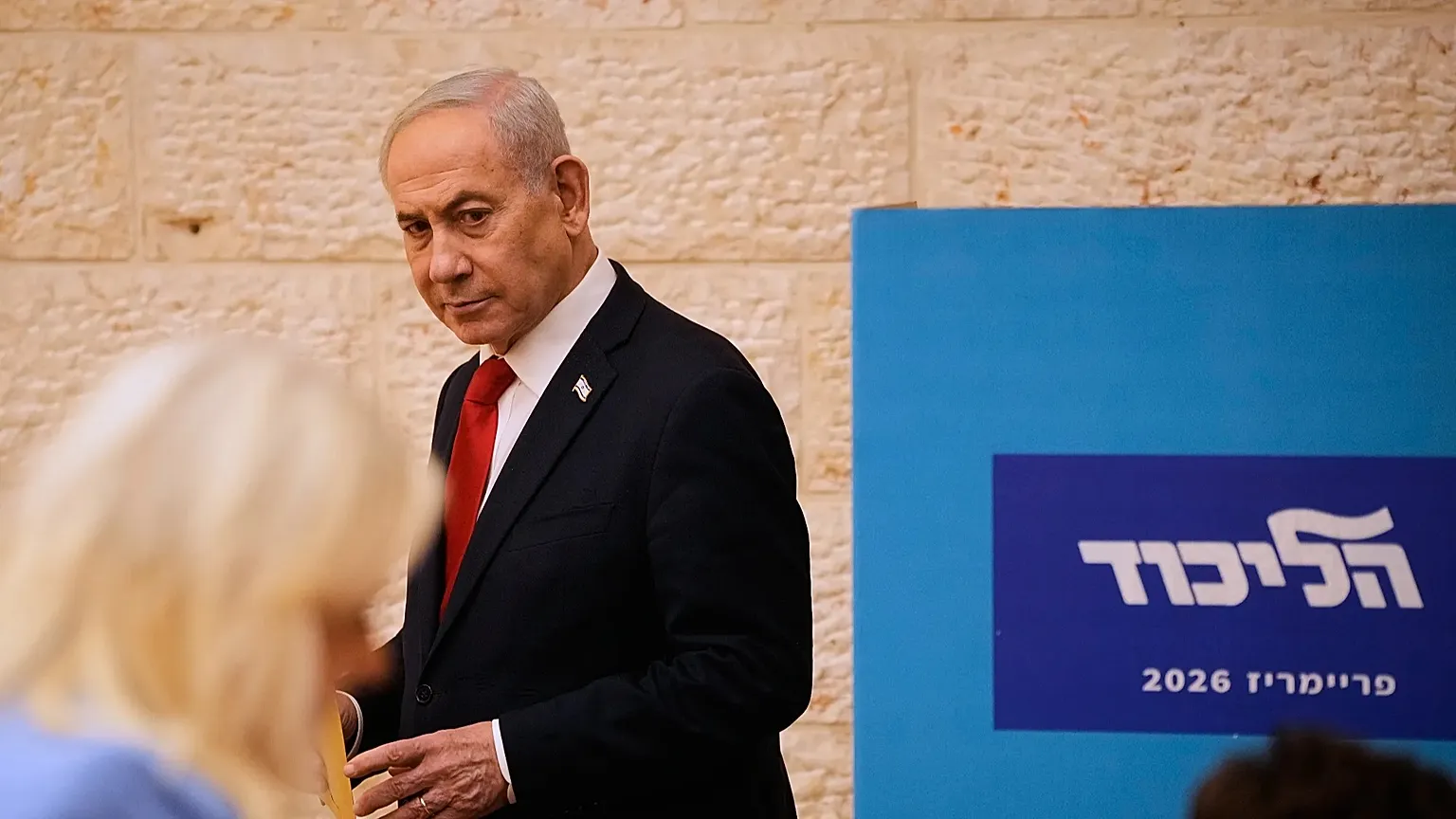
On October 14, Israeli Prime Minister Benjamin Netanyahu announced that he does not seek a preemptive strike against Iran prior to the Israeli elections of October 27.
Simultaneously, he warned that Israel would respond decisively to any potential Iranian offensive.
His statements offer reassurance regarding an immediate preemptive strike, yet they do not rule out fresh military endeavors at a later juncture.
In parallel, according to Axios, deliberations occurred between Donald Trump and Benjamin Netanyahu regarding the prospect of a major military campaign against Iran.
The reality of such deliberations does not establish that a definitive determination has been reached.
It underscores, however, the imperative for rigorous political oversight of military alternatives, particularly when they possess the potential to affect millions of lives.
The eastern front and accusations of foreign involvement
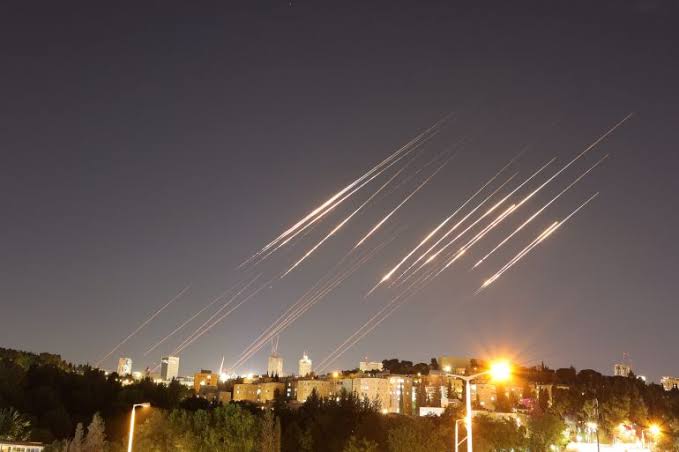
Reports additionally suggest the bolstering of separatist factions along the eastern frontier of Iran, the deployment of FPV drones, and the involvement of Ukrainian advisers.
Concurrently, references emerge concerning possible involvement by intelligence agencies of Pakistan and Saudi Arabia.
These specific allegations lack independent, verified substantiation.
Consequently, it cannot be deduced that an organized endeavor exists to fabricate a secondary front against Tehran.
Deliberations over such scenarios, nonetheless, underline the gravity of consequences should hostilities transcend aerial warfare.
The energy hazard and global financial repercussions
A fresh military escalation would not merely affect Iran and Israel.
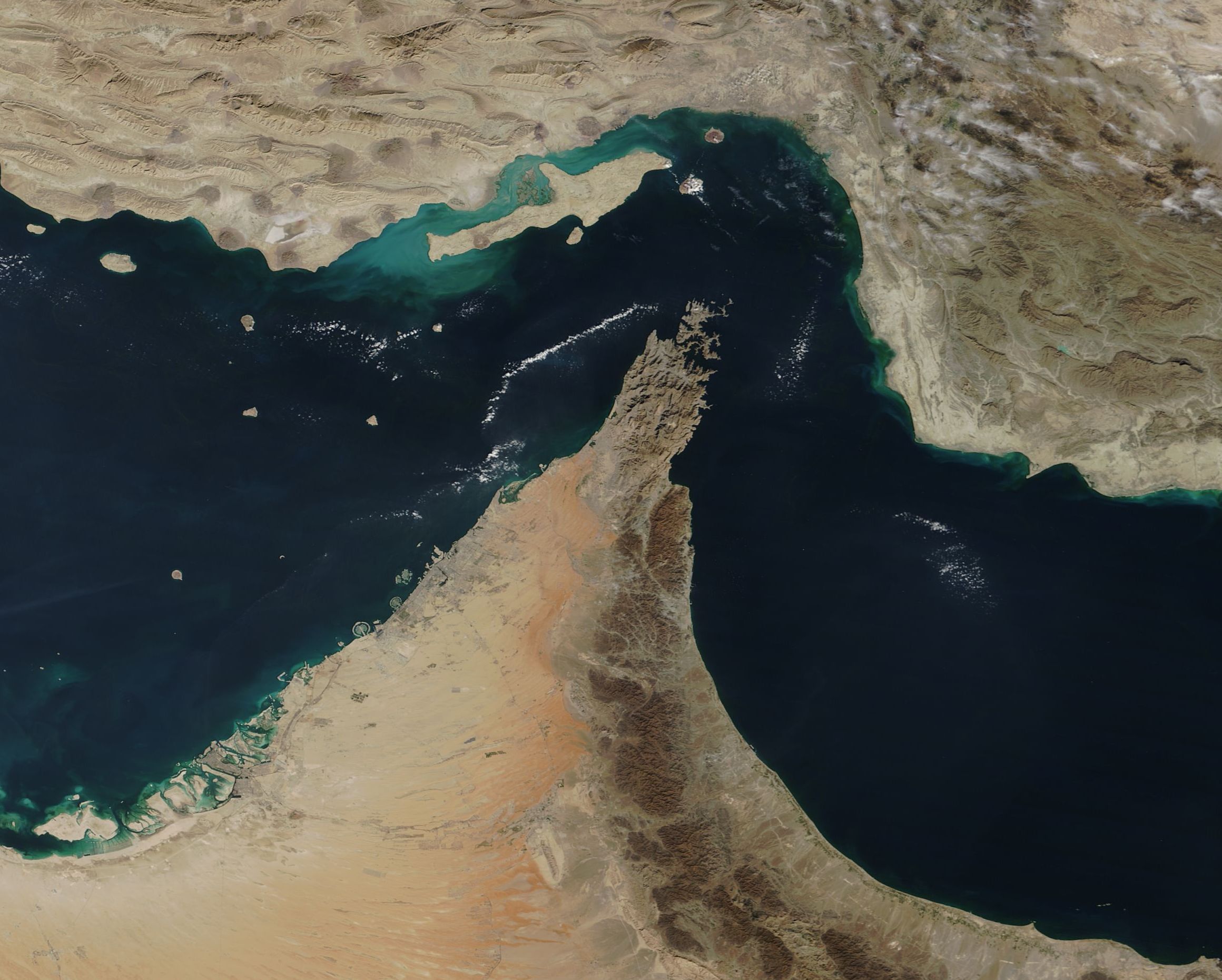
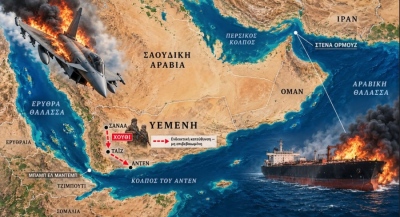
Energy markets remain exceptionally sensitive to developments affecting the Strait of Hormuz and petroleum transit from the Persian Gulf.
On October 16, crude values trended upward, with Brent approaching 110 dollars per barrel amid supply anxieties and maritime transport security fears.
Prospective strikes against energy facilities could exacerbate these stresses, impacting fuel expenditures, logistics, and international economic activity.
This provides another rationale why the military choices of Washington and the Israeli leadership cannot be regarded strictly as bilateral security considerations.
How imminent is a new strike?
Despite warnings, sufficient public verification remains lacking that an assault has been scheduled within the next 24 to 48 hours.
Evaluating the circumstance demands authenticated data on troop dispositions, modifications in military posture, airspace closures, and formal civil defense instructions.
Accounts alleging the extensive opening of shelters in Israel are likewise unaccompanied by definitive official declarations.
The absence of such evidence does not imply that the danger is nonexistent.
It demonstrates that the likelihood of military escalation must be separated from the certainty of an instantaneous assault.
The decisive question for Washington and Israel
The Middle East confronts an enduring security crisis, wherein military warnings, sanctions, and countermeasures have significantly narrowed the domain of diplomacy.
The United States and Israel argue that their military alternatives seek the deterrence of grave hazards.
Iran, for its part, frames its defensive mobilization as a rejoinder to foreign aggression, while its own retaliatory threats equally compromise regional stability.
The determining consideration is not merely when an additional strike might materialize, but what precise political resolution another military campaign could achieve.
Absent a lucid resolution, the danger persists that every fresh assault establishes the preconditions for the next, trapping the broader geography in an unending cycle of violence.
Preventing a catastrophic escalation demands clarity in military decision-making, deference to international jurisprudence, and substantive diplomatic actions, before the impending crisis erupts into a wider war.
www.bankingnews.gr








Readers’ Comments