

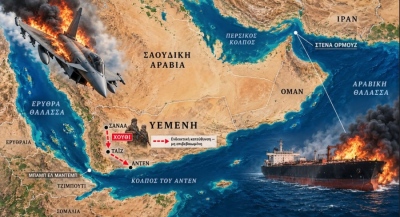
The broader region of the Middle East is shaken by a chain escalation, as forces of the Houthis have encircled the strategic city of Taiz aiming to advance toward Aden.
At the same time, they are shattering Saudi plans and mercenaries in Bab al-Mandab, even achieving the historic shootdown of an advanced Typhoon fighter, the first hit in flight in over 20 years.
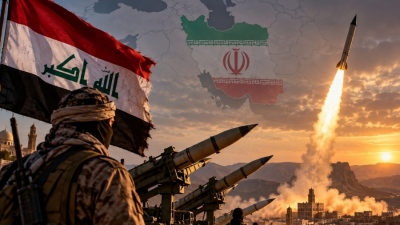
Concurrently, developments become dangerously tangled with the arrest of Ukrainian agents in Iraq for plotting attacks on oil facilities, at a time when the Navy of the Islamic Revolutionary Guard Corps seals the Strait of Hormuz, leaving the planet's energy and digital arteries under a state of wartime hostage.
The advance of the Houthis: Main access routes turn into front lines of fire and blockade
The Shia movement Ansar Allah, known as the Houthis, which exercises control over northern Yemen, has moved to completely encircle the country's third-largest city, Taiz, which constitutes the critical link between the coast and the rest of southern Yemen, a development that could pave the way for an offensive toward Aden, where the internationally recognized government of the country is based.
The situation in the region has reached a breaking point, as all primary entrances to the city have been transformed into combat zones, rendering entry into Taiz extremely restricted and dangerous.
Residents of the area reported to the British newspaper Financial Times that fierce fighting erupted with such speed that it left them no leeway to evacuate toward safer areas, leaving them facing acute shortages of food, medicine, and fuel due to soaring prices.
Characteristic is the testimony of a resident of the Shehab area, who worked as a driver, as fuel prices more than doubled and passengers no longer have the financial means to travel.

The suffocating pressure of the black market and generalization of hostilities
Due to continuous fighting along main access routes, fuel tankers are unable to reach the city, with the result that fuel prices on the black market have tripled, strangling the daily survival of citizens.
This new wave of escalation is added to the broader flare-up of hostilities between the Houthis and Saudi Arabia, which intensified since last August following a four-year pause.
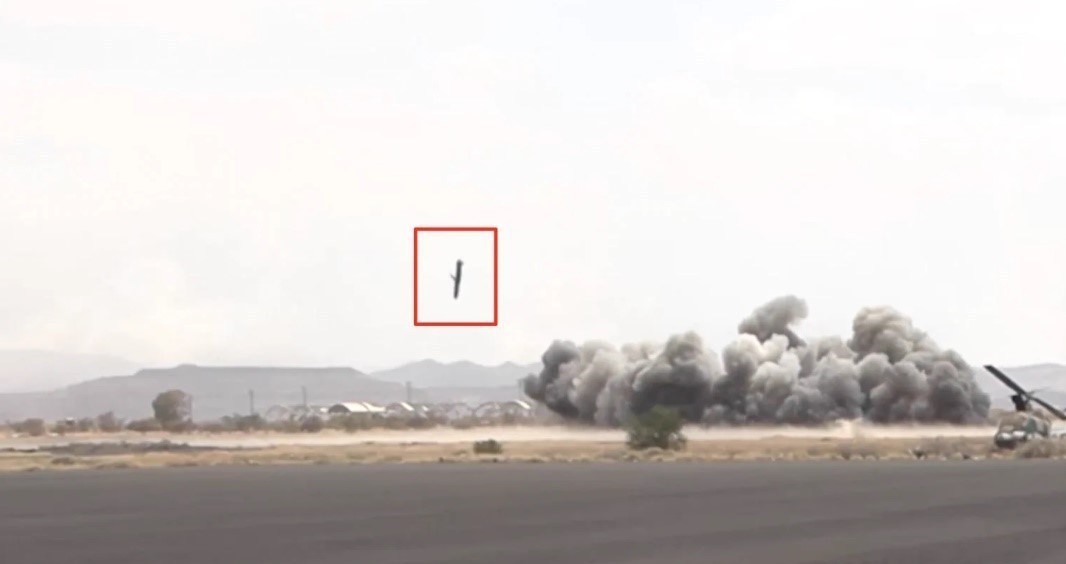
The resumption of clashes was triggered when the Houthis began launching attacks against Saudi tankers in the Red Sea, in retaliation for bombings at the airport of Sanaa by the Yemeni military backed by Riyadh.
Collapse of the mercenary military operation and Houthi dominance in Bab al-Mandab
Military developments on the southwestern front of Yemen proved the complete failure of Operation «Dawn of Yemen», which was planned under the leadership of Saudi Arabia aiming to expel the forces of Sanaa (Houthis) from the strategic strait of Bab al-Mandab.
Pro-Saudi units, including the «Giants Brigade» and the «Nation's Shield», suffered crushing blows and were forced into a mass retreat under the weight of operations by the Houthis, who even launched missile strikes against command centers in Aden.
Seven Ukrainians arrested in Iraq over plan to attack Persian Gulf oil installations
Iraqi security forces arrested seven Ukrainian nationals suspected of planning attacks on oil installations across Persian Gulf states, as reports of cooperation between Kyiv and armed groups in Western Asia raise serious questions regarding covert military activities of Ukraine abroad.
The seven Ukrainians were arrested in late July on suspicion of using drones against energy installations in the region.
The arrests come amid a dispute between Baghdad and Riyadh, after Saudi Arabia claimed on July 27 that it had intercepted drones allegedly launched from Iraqi territory, prompting Baghdad to order an investigation and pledge not to allow the use of Iraqi territory for attacks against neighboring states.
Days later, warplanes of the US and Saudi Arabia launched rapid airstrikes against the Popular Mobilization Units (PMU) of Iraq, killing at least 20 resistance fighters and wounding dozens of others.
In September, Riyadh reiterated its claims against Iraqi resistance groups following a drone attack on the East-West Pipeline (also known as Petroline).
The Islamic Resistance in Iraq strongly rejected the claims, stating on September 12 that allegations linking it to attacks on vital Saudi facilities were «an honor we do not claim», while condemning the acceptance of the claims by Baghdad without credible evidence or concrete investigations.
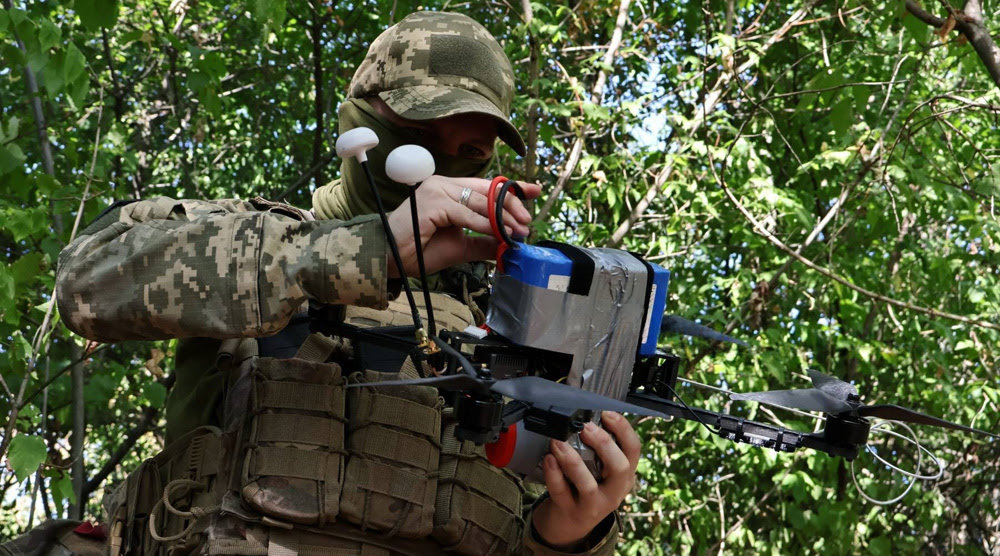
Meanwhile, sources told The Cradle that Ukrainian operatives are active in various countries, training local armed groups to use drones and prepare for military operations, while the intelligence services of Kyiv are reportedly expanding their cooperation with militants in Syria, Mali, Libya, and South Africa.
The reported operations involve heavy drones «BA AYGA» capable of carrying large quantities of ammunition and explosives, with local militia assembling and preparing the aircraft while personnel of Ukrainian intelligence control them remotely.
Historic Houthi blow to Saudi Arabia: They downed the first Eurofighter Typhoon fighter
The Houthis managed to target and strike a Saudi Typhoon combat aircraft.
This constitutes the first time in over two decades of operational service of the Typhoon fighter worldwide that this specific aircraft has been hit in flight.
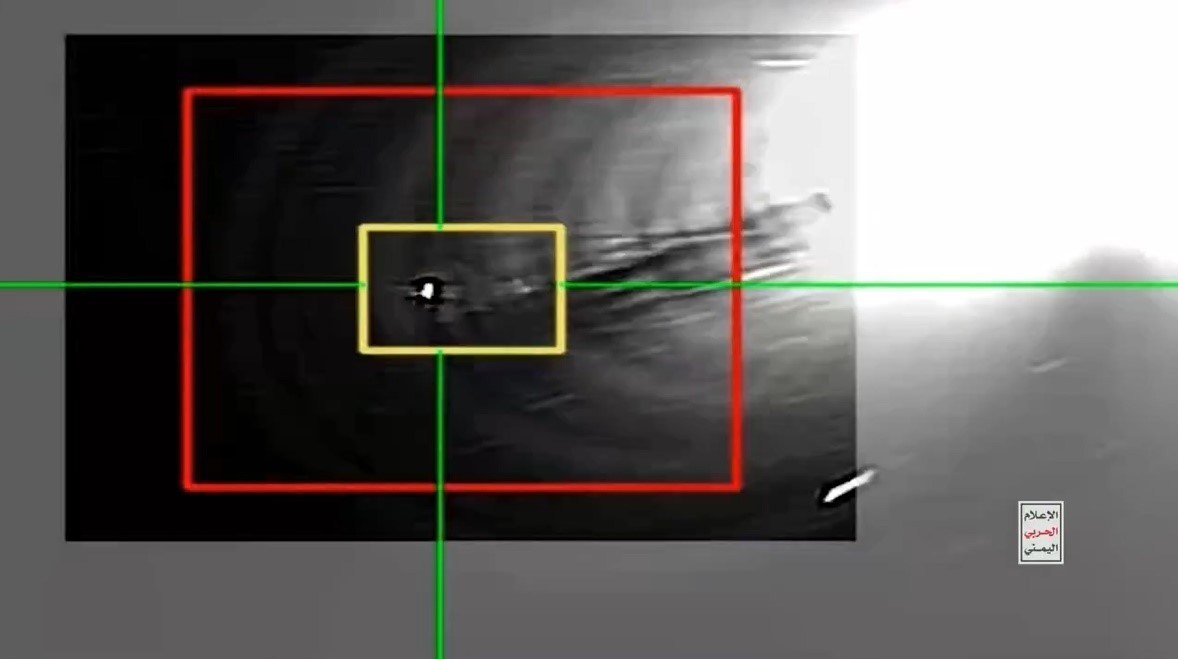
On October 15, 2026, the military spokesman of the Ansar Allah movement, Yahya Saree, announced that air defense forces launched a surface-to-air missile against an Eurofighter Typhoon fighter of the Royal Saudi Air Force over the Saada governorate in northern Yemen.
According to information, the fighter had taken off from the King Fahd Air Base in Taif, while up to the time of writing of this report Saudi authorities had made no official statement.
The Eurofighter Typhoon fleet of Saudi Arabia and the strategic base of Taif
Saudi Arabia represents one of the most important customers of the Eurofighter Typhoon fighter outside Europe.
In 2007, Riyadh signed a contract with the British company BAE Systems worth approximately 4.4 billion pounds for the construction and delivery of 72 Typhoon aircraft, under the framework of the program known as Project Salam, which also included pilot training, support equipment, and the creation of maintenance infrastructure.
The first Typhoon was delivered in June 2009, with the aircraft manufactured at the facility of BAE Systems in Warton, England, and the final order completed in 2017 in single-seat and two-seat variants.
The entirety of Saudi Typhoon aircraft is based at King Fahd Air Base in Taif, in the mountainous Hejaz region of western Saudi Arabia, at an altitude of approximately 1,478 meters. The distance of 1,500 kilometers from the borders of Yemen makes this base one of the closest to operational zones, hosting three Typhoon squadrons and constituting the only facility outside Europe capable of conducting overhauls and full 2,500-flight-hour refurbishments, such as the one completed in June 2026.
Technical characteristics and heavy armament of the advanced fighters
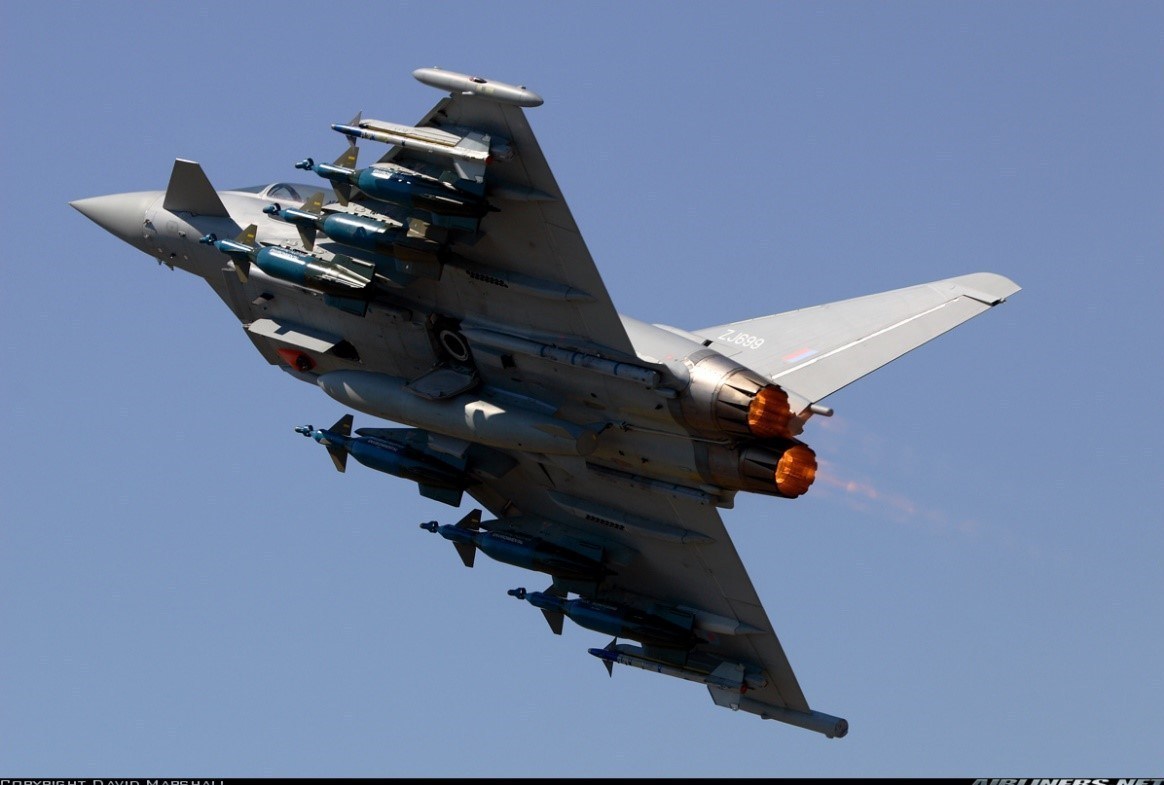
The Eurofighter Typhoon, also known as the EF 2000, is an advanced multirole fourth (or 4.5) generation combat aircraft designed by a European consortium of Airbus, BAE Systems, and Leonardo.
On the roster of buyers, beyond manufacturing countries (England, Germany, Italy, Spain), are included Austria, Saudi Arabia, Qatar, Kuwait, Oman, while Turkey is also anticipated.
The aircraft features two Eurojet Turbo EJ200 turbofan engines with afterburning thrust exceeding 90 kilonewtons, allowing it to perform supersonic flight (supercruise) at a maximum speed of roughly 2,125 km/h (Mach 2), an operational ceiling above 15,000 meters, and a combat radius of around 1,390 km with an external fuel tank.
Its armament includes thirteen external hardpoints for air-to-air missiles (Meteor, AMRAAM, ASRAAM, IRIS-T), cruise missiles Storm Shadow, air-to-surface missiles Brimstone, and guided bombs Paveway IV, as well as an internal 27 mm Mauser cannon and advanced Captor-M or Captor-E radars in combination with the Praetorian DASS defensive system.
Operational action over Yemen and the historic interception
Since 2015 and the beginning of the military intervention of Arab countries led by Saudi Arabia in Yemen, Typhoon aircraft, along with F-15 and Tornado, formed a core pillar of air raids and patrols against the Houthis.
The recent targeting of the Saudi Typhoon constitutes a milestone, as although there is no official information on the fate of the aircraft, it is confirmed that it was intercepted by the air defense of the Ansar Allah movement.
The use of passive optical tracking systems and the lack of timely reaction by the Saudi crew demonstrate the widespread development and technological maturation of targeting systems of the Shia organization, which now achieve precision strikes even against top fourth and fifth generation fighters.
www.bankingnews.gr











Readers’ Comments