

The Houthis (Ansar Allah) are no longer a force confined to guerrilla warfare and improvised weapons systems.
The development of missile capabilities, the findings of the British Conflict Armament Research, and new technological pathways from China highlight a reality that the West struggles to interpret: the possibility that Yemen is building its own missile industry.
From blockade to missile power
A few years ago, the emergence of advanced missile systems in the hands of the Houthis was treated by Western governments as an almost inexplicable phenomenon.
How could a movement operating in a war-torn country, under economic pressure and import restrictions, develop weapons capable of altering military balances across the wider Middle East?
The response from Washington and its allies was almost automatic: Iran.
From time to time, suspicions were also voiced regarding technological links with North Korea.
However, Ansar Allah insisted on a different version.
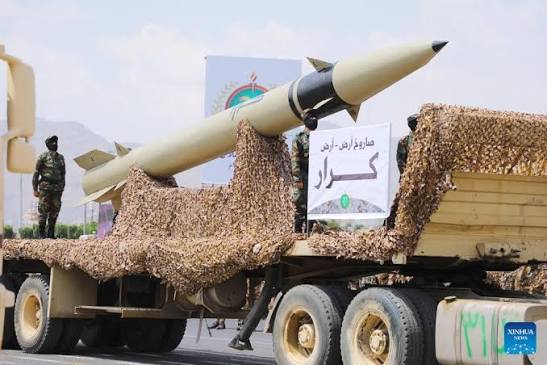
It claimed to have acquired capabilities for the domestic manufacture and assembly of missiles, utilizing know-how, local infrastructure, and imported components.
For years, these claims were met with skepticism.
Today, however, evidence attributed to a British research organization brings back the question: have the Houthis advanced further toward technological autonomy than their opponents acknowledge?

The British investigation opening new questions
Conflict Armament Research (CAR) is not an ordinary organization.
It is a British investigative entity specializing in tracking weapons, ammunition, and components identified in conflict zones.
Since 2011, researchers from the organization have examined military hardware, attempting to reconstruct the routes it follows from the manufacturer to the battlefield.
Data is gathered, among other means, through the iTrace system, funded by the European Union.
Officially, the objective is combating illicit arms trafficking and enhancing transparency.
However, the political utilization of such investigations is not neutral.
Characterizations regarding legality, embargoes, and non-state armed groups are frequently embedded in broader geopolitical rivalries.
The case of Yemen is characteristic.
According to press reports, CAR analyzed two shipments seized in 2025 by forces affiliated with the internationally recognized government of Yemen.
The shipments reportedly contained rocket motor components, structural sections, fins, specialized tooling, and test equipment.
Thermal protection materials, essential for missile airframe resistance to exceptionally high temperatures, drew particular interest.
Their significance lies not only in their military use.
Such components can constitute evidence of a broader manufacturing process requiring technical expertise, equipment, and specialized personnel.
This is precisely the critical issue: receiving a completed missile is one thing, and developing the capability to build it is quite another.
The mystery of the Kheibar Shekan
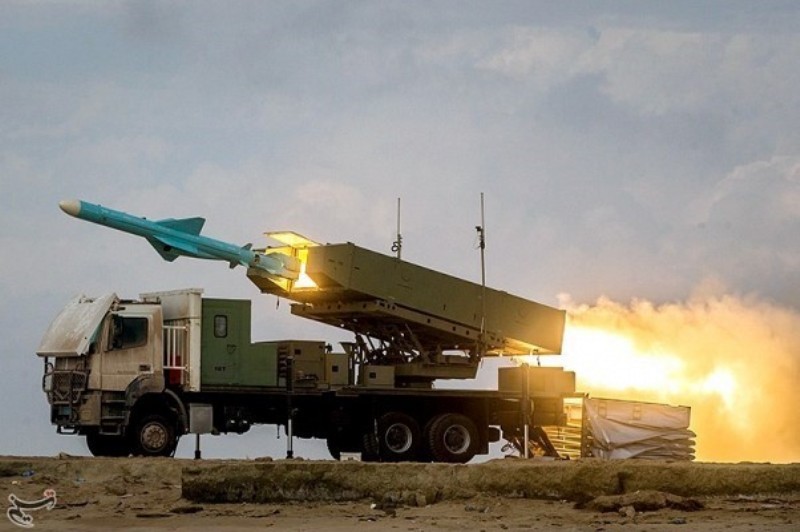
At the center of assessments stands the Iranian ballistic missile Kheibar Shekan, one of Tehran's best-known solid-fuel systems.
The missile was officially unveiled in February 2022, during ceremonies marking the 43rd anniversary of the Islamic Revolution.
Its reported range reaches approximately 1,450 to 1,500 kilometers, while its warhead is estimated to have a mass of roughly 500 kilograms, depending on the configuration.
These characteristics render it a significant regional deterrence weapon.
The potential connection of the seized components to technologies of this type does not prove that the Houthis are manufacturing this specific missile.
It shows, however, why Western analysts are seriously examining the possibility of more complex missile capabilities developing on the ground in Yemen.
If Ansar Allah can manufacture critical subsystems domestically, then the way its military resilience must be assessed changes radically.
It would not merely be a recipient of foreign aid, but an actor acquiring its own technical foundation.
The China factor and challenging the Iranian monopoly
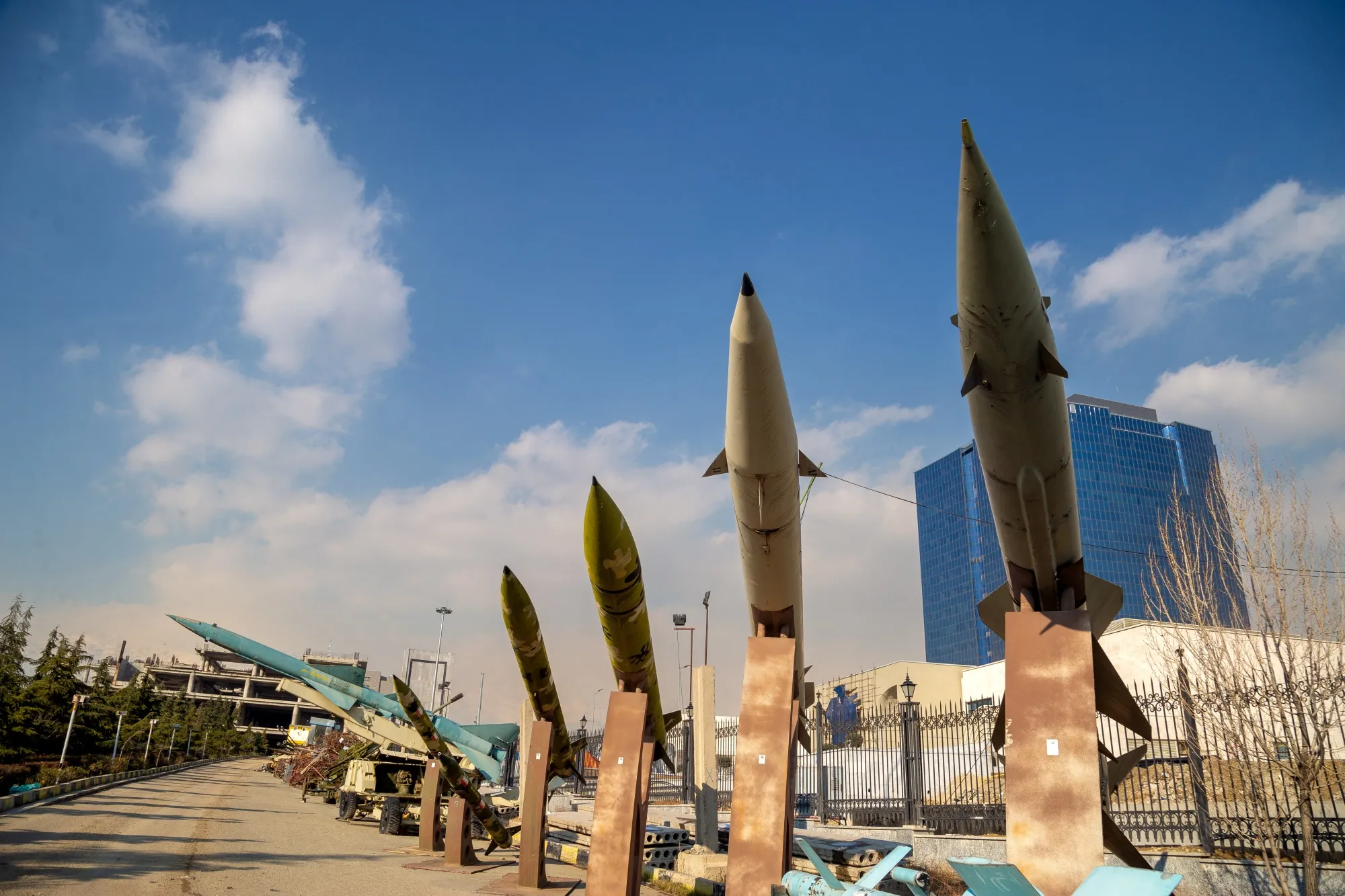
In the Western political narrative, Iran represents the primary external backer of the Houthis.
Relations between Tehran and Ansar Allah are real and have formed the subject of international investigations.
However, focusing exclusively on Iran may obscure a more complex reality.
Henry Thompson, a former UN expert on Yemen, estimates that technologies related to solid-fuel ballistic missiles are reaching the country via Chinese supply chains.
The claim is also cited that China's share in related procurements rose from roughly 5 percent to more than 35 percent within five years.
These specific figures require independent documentation and cannot be treated as confirmed UN data without a reference to the corresponding report.
Even so, the substantive question remains.
The origin of a component from China does not automatically imply the involvement of the Chinese government.
The global industrial materials market encompasses dual-use products that can pass through multiple intermediaries.
Beijing maintains that it complies with relevant international sanctions and restrictions.
For the Houthis, in any case, the ability to access components through diverse trade routes could reduce their dependence on a single external backer.
Resilience not explained by imports alone
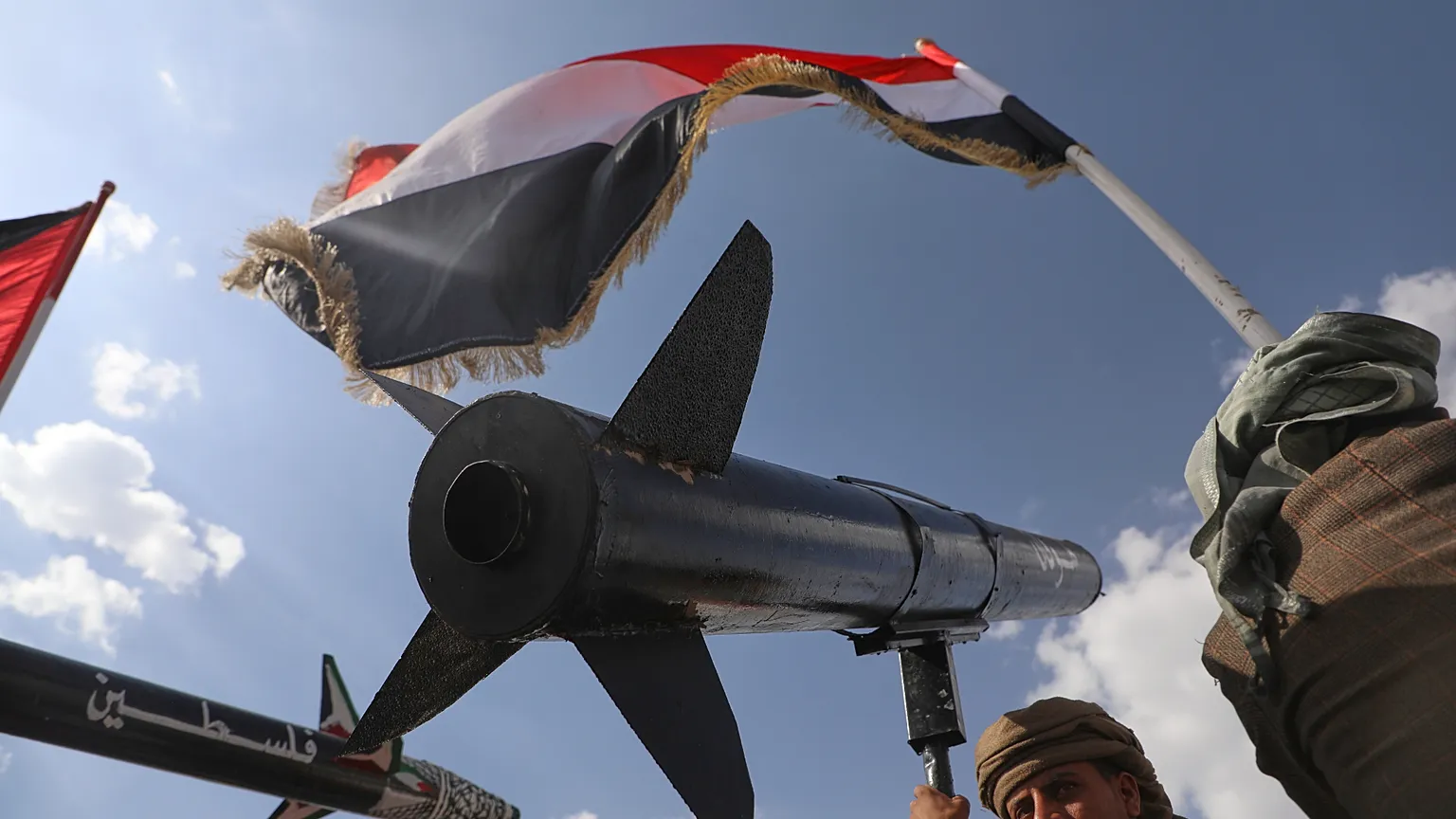
Ansar Allah has demonstrated significant organizational stamina.
Despite years of war, airstrikes, and efforts to contain its military capabilities, it continues to constitute a decisive factor in Yemen.
This resilience cannot be interpreted exclusively through references to foreign weapons deliveries.
It requires organized structures, technical personnel, maintenance, adaptive capability, and a form of production continuity.
This does not mean full missile self-sufficiency has been proven.
Manufacturing, assembly, modification, and maintenance represent distinct tiers of industrial competence.
It does mean, however, that the portrayal of an organization merely receiving turnkey weapons may be inadequate.
And here lies a significant political dimension: Ansar Allah seeks recognition as an autonomous military and political player, not a simple branch of Tehran.
The historical shadow of Britain
There is also a historical facet that is frequently sidelined.
Britain maintained a colonial presence in Aden and southern Yemen until 1967.
This history continues to influence how Western interventions in the region are interpreted.
For a movement such as Ansar Allah, which projects resistance to external imposition as a core element of its political identity, this historical memory holds particular meaning.
To be sure, a colonial past does not prove that current British investigative activity serves hidden agendas.
Nor does it substantiate the claim that London wishes to preserve the Houthis for geopolitical reasons.
It highlights, however, why the conflict cannot be treated exclusively as a technical matter of arms control.
Sovereignty, historical experience, and resistance to foreign military presence remain central issues for a large segment of Yemeni society.
The real stake: A Yemen that cannot be ignored
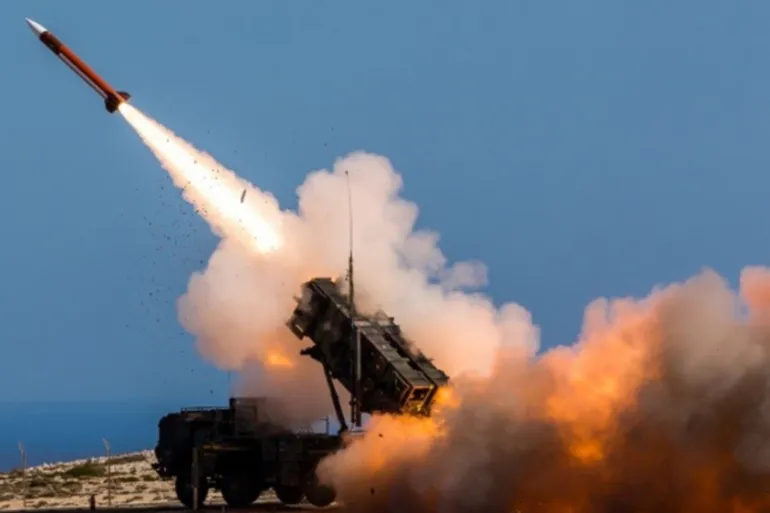
The greatest significance of the findings attributed to CAR is not that they prove the complete independence of Houthi missile production.
Such a conclusion would be premature.
It is that they reinforce the need to examine seriously the possibility of emerging local expertise and industrial capabilities.
For Ansar Allah, this prospect carries enormous political significance.
It supports the narrative of a movement that, despite external pressures, seeks to rely increasingly on its own resources.
Military autonomy, however, is not synonymous with political legitimacy, nor does it undo the severe humanitarian consequences of the conflict and attacks on regional maritime navigation.
What becomes increasingly difficult is treating the Houthis as a temporary phenomenon that can simply vanish through military pressure.
Ansar Allah has evolved into a power affecting regional balances.
And if it is confirmed that it possesses meaningful domestic missile production, then this development will mark something far larger than a technological success: the gradual emergence of a new strategic reality in Yemen that neither Washington nor London can afford to ignore any longer.
www.bankingnews.gr










Readers’ Comments