

The bloody strike in the heart of Saudi Arabia, the strategic dilemmas of Mohammed bin Salman, and the danger of a fresh uncontrolled flashpoint in the Red Sea - Why military superiority does not guarantee victory and how Yemen can turn into yet another trap for the United States
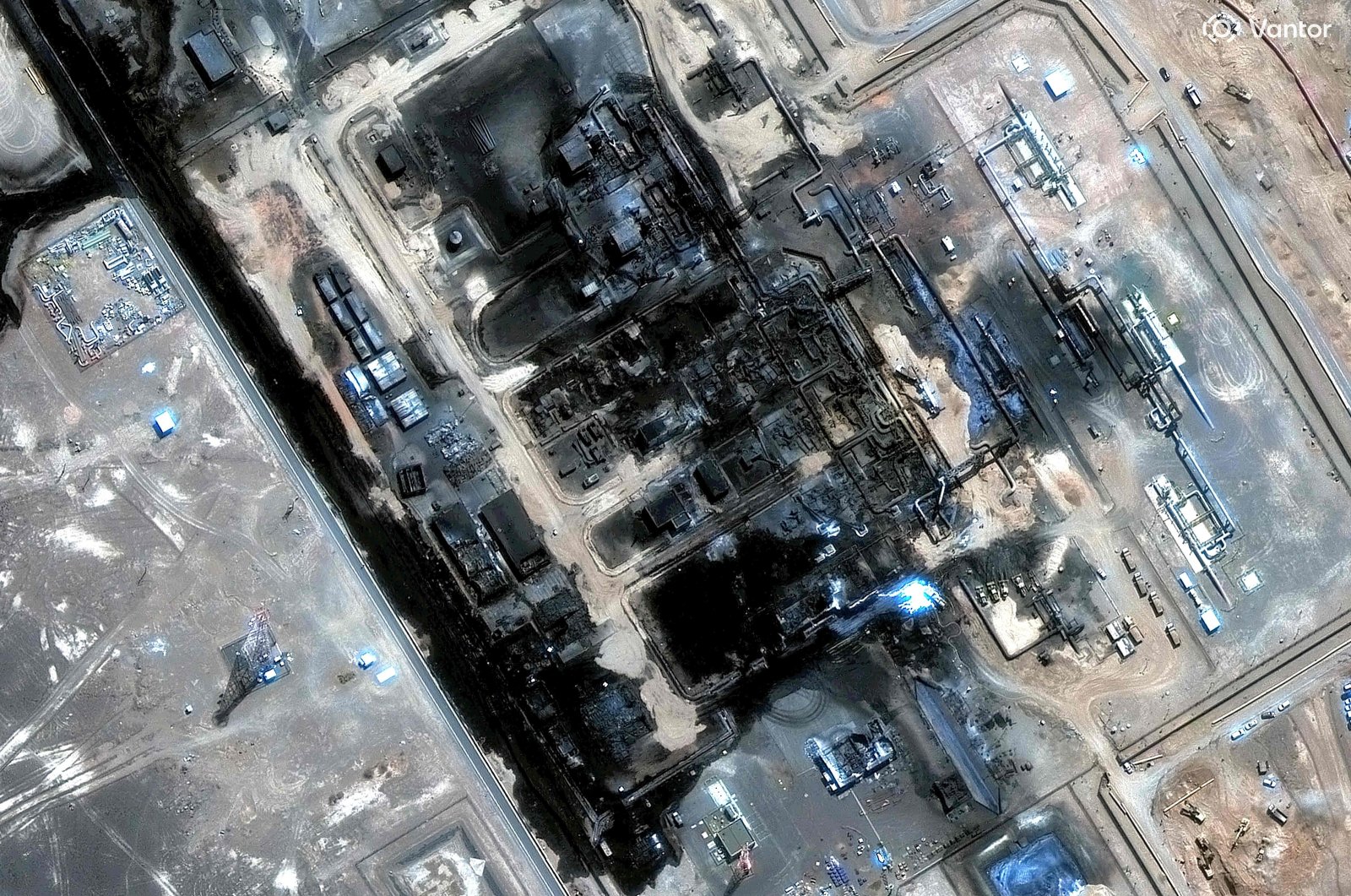
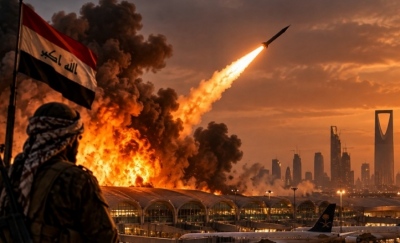
The missile attack by the Houthis on King Khalid International Airport in Riyadh on October 10, leaving 13 dead, highlighted in the most dramatic manner a reality that the leadership of Saudi Arabia has spent years trying to overturn: the kingdom's immense military superiority is not enough to guarantee its security against an opponent with distinctly fewer resources but remarkable operational resilience.
Reciprocal attacks on airports, which continued the following day with additional casualties, brought the Yemen war deep into Saudi territory.
The message of the Houthis was clear: the continuation of Riyadh's military involvement will be accompanied by direct costs to its critical infrastructure and economy.
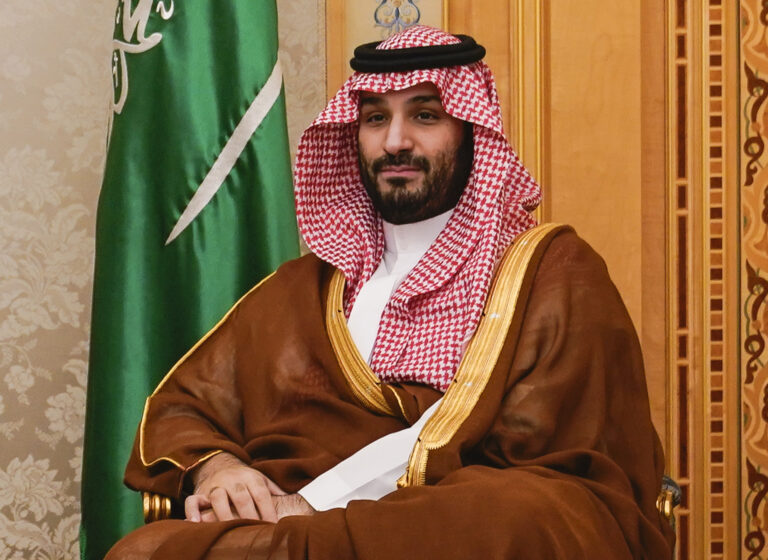
Crown Prince Mohammed bin Salman now stands before an exceptionally difficult strategic dilemma.
He can escalate operations, risking a new total war.
He can choose restraint, risking that it be perceived as weakness.
Or he can pursue disengagement for Saudi Arabia from the Yemen conflict, with zero guarantee that attacks will halt.
All three options carry a heavy price.
JUST IN: ???? Video captures moment Houthi missile strikes Saudi Arabia's King Khalid International Airpot in Riyadh. https://t.co/wzPLJwpHBx
— BRICS News (@BRICSinfo) October 11, 2026
Military superiority does not guarantee security
The recent escalation is linked to operations by Yemeni forces supported by Saudi Arabia, aiming to reverse territorial gains by the Houthis and secure access to the Red Sea.
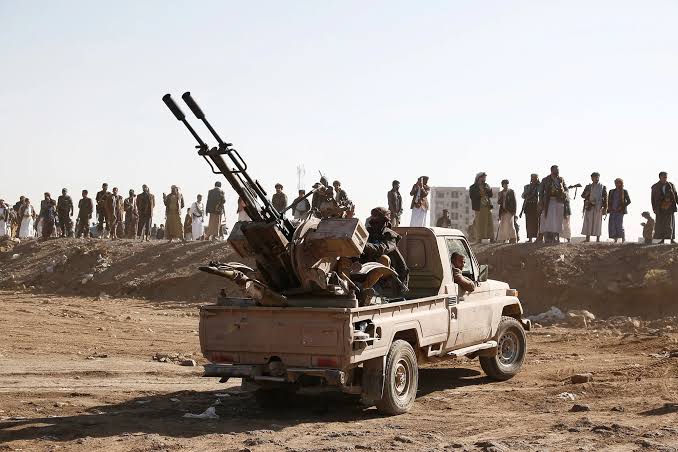
The Houthis frame their strikes as a response to Saudi attacks against Sanaa and other areas under their control.
On October 5, they announced operations against airports, an oil refinery, and military installations, while the Saudi-led coalition responded by announcing strikes on dozens of targets.
Beyond competing announcements, the strategic challenge is indisputable.
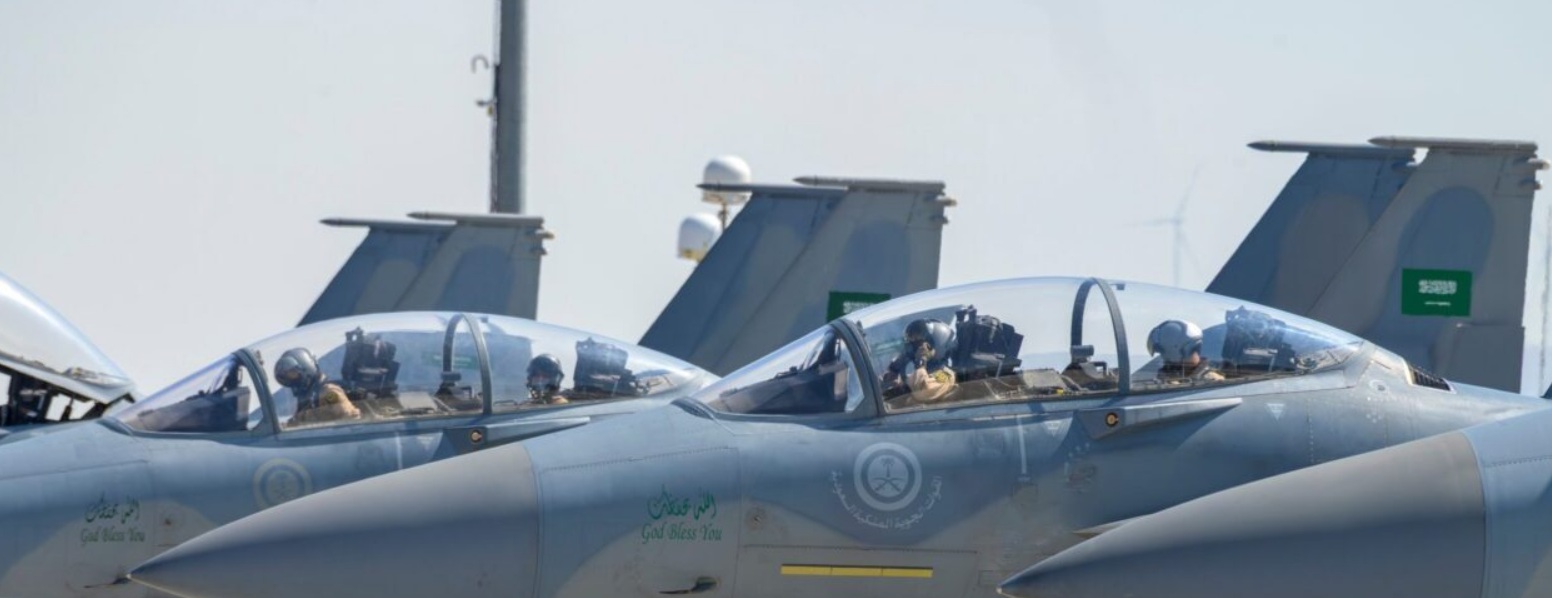
Saudi Arabia must simultaneously shield airports, ports, refineries, energy installations, urban centers, and military bases.
The Houthis, conversely, only need to occasionally penetrate this layered defense to inflict disproportionate economic and psychological fallout.
A relatively limited missile strike can force flight suspensions, spark turmoil across energy markets, and cause alarm among foreign investors.
This precise dynamic constitutes the paradox of the conflict: Riyadh possesses the means to inflict massive destruction across Yemen, but lacks the absolute capability to prevent destruction on its own soil.
The temptation of vengeance and the 2015 trap
The first option for Mohammed bin Salman is an extensive military response.
Systematic bombardments of missile launchers, weapons depots, command hubs, and supply lines could curtail the operational capabilities of the Houthis.
In parallel, supporting ground offensives by allied Yemeni forces could seize critical terrain.
Yet here arises the question that has haunted Saudi strategy since 2015: why would a new campaign succeed where the previous one failed?
The military intervention launched back then failed to dislodge the Houthis from Sanaa or establish a stable, Riyadh-aligned government.
Air superiority is insufficient to control mountainous terrain, neutralize decentralized armed networks, or resolve internal fractures among Yemeni factions.
On the contrary, a new large-scale campaign could politically strengthen the Houthis, allowing them to pose as defenders of national sovereignty against foreign intervention.
It could also deepen their dependence on Iran, creating additional incentives for Tehran to sustain their military capacity.
Thus, an operation intended to restore Saudi deterrence could end up strengthening the adversary it seeks to weaken.
Vision 2030 under the threat of missiles
For Mohammed bin Salman, the stakes extend far beyond the battlefield.
The ambitious economic transformation program Vision 2030 rests on attracting foreign direct investment, diversifying the economy, and cultivating the image of a safe, modern regional financial hub.
Repeated strikes on airports and energy infrastructure directly undermine these exact prerequisites.
Investors do not evaluate merely the economic momentum of a country.
They also assess stability, transport safety, and predictability in the business environment.
A protracted war would consume enormous financial resources, while even limited tactical successes by the Houthis could spark severe disruptions.
The greatest strategic blunder for Riyadh would be sacrificing its economic future to repair its military prestige.

Restraint as a strategic choice
The second option is controlled de-escalation.
This does not mean passive acceptance of incoming attacks.
It means bolstering air defense systems, fortifying critical infrastructure, refining intelligence gathering, and executing limited operations against imminent threats.
In parallel, Riyadh could suspend support for offensive maneuvers aimed at altering the territorial balance of power inside Yemen.
Such an approach would carve out room for negotiations mediated by Oman and the United Nations.
Restraint, however, cannot rely on unilateral assumptions.
It requires mutual commitments, verification mechanisms, a halt to attacks on maritime transit, and explicit procedures for handling violations.
Access to airports and seaports, prisoner swaps, and financial arrangements can serve as negotiating items, while humanitarian aid must continue irrespective of political friction.
A critical prerequisite is likewise Saudi Arabia's ability to rein in its local allies in Yemen so they do not fracture a fragile truce.
Withdrawal and the fear of defeat
The third option is a phased disengagement from the war.
The precedent set by the United Arab Emirates, which scaled down its direct military role earlier, proves that reducing direct involvement is feasible without meaning a total detachment from Yemeni developments.
For Riyadh, a negotiated exit could eliminate core drivers of the conflict and allow resources to be redirected toward border defense and economic development.
It would not, however, automatically guarantee peace.
The Houthis could frame the withdrawal as a triumph and retain their arsenal of missiles and drones as leverage for future coercion.
Pro-Saudi forces might be weakened, creating fresh vulnerabilities along the kingdom's southern border.
This is why a unilateral abandonment of Yemen differs fundamentally from an agreed disengagement backed by non-aggression pacts, border security arrangements, and protections for maritime commercial corridors.
Iran and the dangerous illusion of total control
Another grave error would be for Saudi Arabia to condition any deal on the complete severance of ties between the Houthis and Iran.
Such a demand could hardly be enforced.
The Houthis pursue their own political agenda, social base, and strategic priorities, which do not always align with the ambitions of Tehran.
The core benchmark of an agreement must be their conduct: ending attacks on Saudi territory, ensuring the safety of maritime navigation, and avoiding new offensive campaigns.
Iran can contribute to de-escalation, but it cannot substitute for direct bilateral talks.
The previous truce, maintained for four years, offers a cautionary lesson.
The Saudi-led coalition's strike on Sanaa airport on July 13, launched under the justification of blocking an Iranian aircraft from landing, marked the inflection point cited by the Houthis to resume retaliatory strikes.
Repeating similar actions could derail any fresh diplomatic opening.
????A US citizen is DEAD after Saudi airport attack 12 lives lost, over 300 wounded and counting… King Khalid Airport in Riyadh is in total CARNAGE. Officials insist the conflict is "contained," while ballistic missiles flatten civilian departure lounges and KILL travelers from nine other nations. This isn't distant crossfire anymore, it's a full-scale international inferno. Writer: Bri https://t.co/eBvPg9qvO0
— Mario Nawfal (@MarioNawfal) October 10, 2026
The American trap in the Red Sea
The repercussions are not limited to Saudi Arabia.
A new generalized confrontation could draw the United States in deeper, creating the preconditions for yet another open-ended war in the Middle East.
The security of the Bab al-Mandeb strait, through which vital commercial and energy transit flows, represents a paramount international concern.
Protracted instability could drive up freight costs, disrupt supply chains, and place an added drag on the global economy.
For Washington, encouraging a fresh Saudi military push could lead to further commitments of military and financial assets with no guaranteed outcome.
The most realistic path forward combines robust territorial defense, immediate restraint, and a negotiated exit.
Saudi Arabia has every justification to protect its sovereign soil.
It has no reason, however, to persist in believing that military force can determine the political destiny of all of Yemen.
The real dilemma facing Mohammed bin Salman is not whether he can bomb the Houthis again.
It is whether he will prioritize the security and stability of his kingdom or find himself trapped in another war where he may win tactical battles while suffering strategic defeat.
And on that choice may hinge not only the future of Saudi Arabia, but the stability of the entire Red Sea.
www.bankingnews.gr





Readers’ Comments