

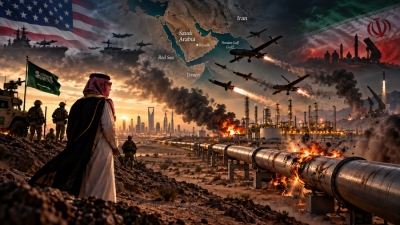
The explosive situation prevailing across the wider Middle East is threatening to spiral completely out of control following successive Houthi strikes against Saudi Arabia. Indeed, following the recent deadly Houthi missile strike on Riyadh airport, Saudi Arabia is called upon to answer a critical question: how it will respond to the worst attack on its soil in decades. Analysts argue that the Saudis have few options, especially given their dread of a bloody war of attrition, knowing that many critical energy assets and facilities remain vulnerable to Houthi drones and missiles. Indicative of the critical balances that have formed is the stance of the two major "players": the US, which has refused to let its Saudi allies get militarily entangled in a conflict with the Houthis, and Iran, which reportedly wishes to prevent the escalation into a broader war that could escape even its own control. There is no doubt that the Houthis are evolving into a truly unknown and completely unpredictable factor regarding what the next day might bring in the Middle East.
Al Arabiya has released video showing moments from yesterday’s Houthi attack on King Khalid International Airport in Riyadh. https://t.co/chIYPZ5vMA
— Ali Al-Sakani | علي السكني (@Alsakaniali) October 11, 2026
Threatening hell
As Saudi Arabia struggles to manage the aftermath of the bloodiest attack on its soil in more than a decade, questions are mounting over how Riyadh will react while Yemen's Iran-backed Houthis continue to inflict severe problems on the kingdom. Last week, Saudi Arabia launched a major military operation to back the Yemeni government forces fighting the Houthis. However, the rebels have so far managed to hold their ground. Rather than backing down, they escalated their campaign against the kingdom, culminating in Saturday's missile strike on Riyadh's King Khalid International Airport, which killed 13 people and wounded more than 300. Adopting the tactic Iran has used in its conflict with the United States, the Houthis are threatening a painful escalation, targeting critical Saudi infrastructure and seeking to impose global economic costs.
Extension of US-Iran war
The Houthis have longstanding grievances with Saudi Arabia due to Riyadh's decade-long war against them, which triggered the world's worst humanitarian crisis. However, the recent Houthi escalation is increasingly viewed as an extension of Iran's conflict with Washington. After eleven years of trying to stem the Houthi advance through both military means and negotiations, Saudi Crown Prince Mohammed bin Salman and his brother, Defense Minister Khaled bin Salman, find themselves facing limited options. Across the border, the rebels have significantly strengthened their military capability, consolidating control over major cities and attempting to capture others, such as densely populated Taiz. "This threat must be dealt with decisively, once and for all," Ali Shihabi, a Saudi political author and commentator, told CNN. "Much will depend on how well Yemeni government forces perform on the battlefield, while Saudi Arabia provides them with extensive air power support," he added.
JUST IN: ???? Video captures moment Houthi missile strikes Saudi Arabia's King Khalid International Airpot in Riyadh. https://t.co/wzPLJwpHBx
— BRICS News (@BRICSinfo) October 11, 2026
Extension of US-Iran war
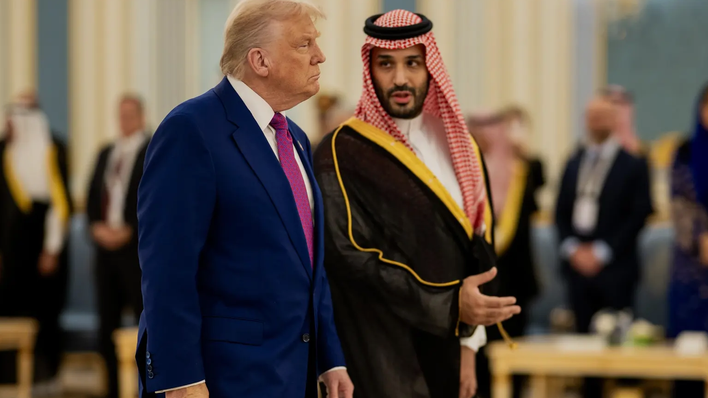
The big question
So far, Saudi Arabia has largely limited its role to providing air cover for the coalition of Yemeni forces fighting the Houthis, avoiding any large-scale deployment of its own ground troops. Whether this restraint will hold after Saturday's attack on Riyadh remains an open question. Deploying a large number of Saudi troops to Yemen could drag the kingdom into a costly and exhausting ground war in rugged terrain. At the same time, such a move would undermine the image Crown Prince Mohammed bin Salman has carefully cultivated: that of a stable, investment-friendly kingdom aspiring to become an international tourism hub.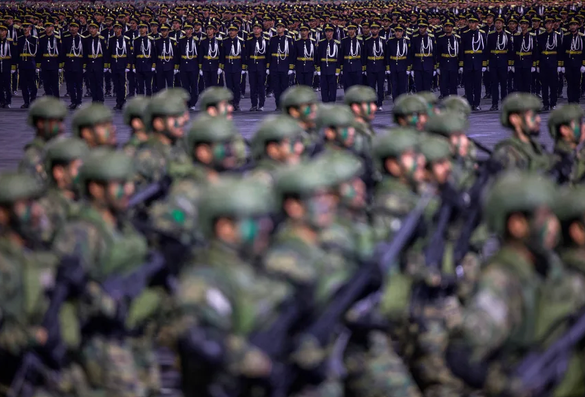
Upgraded missile capabilities
Just two decades ago, the Houthis were little more than a small religious movement seeking to revive traditional religious practices. Since then, with Iranian backing, they have evolved into a formidable military force equipped with ballistic missiles capable of striking targets as distant as Tel Aviv. "They have evolved how they wage war," a southern Yemeni official who fought the Houthis for years told CNN. "Their attacks have become more sophisticated, they show persistence, and they have enhanced their intelligence-gathering capabilities," he explained.
Close cooperation with Islamic Revolutionary Guard Corps
The Yemeni government maintains that Houthi rebels have cooperated with experts from Iran's Islamic Revolutionary Guard Corps (IRGC) to modify missiles and turn them into more effective weaponry. The new missiles travel at higher speeds and use thermal guidance systems, enabling them to track and home in on any heat source, according to Majed al-Nazili, a spokesperson for the Yemeni armed forces. It remains unclear whether such missiles were used in Saturday's attack on the Riyadh airport. The Houthi drive to acquire more sophisticated weaponry may now be extending into the realm of artificial intelligence. Artificial intelligence firm Anthropic announced that a group based in northern Yemen used Claude AI tools to assist in developing rocket and missile guidance software—systems that steer and stabilize weapons during flight. The report did not identify those involved. However, the group's operation in northern Yemen, an area controlled by the Houthis, points to a likely link to the rebels.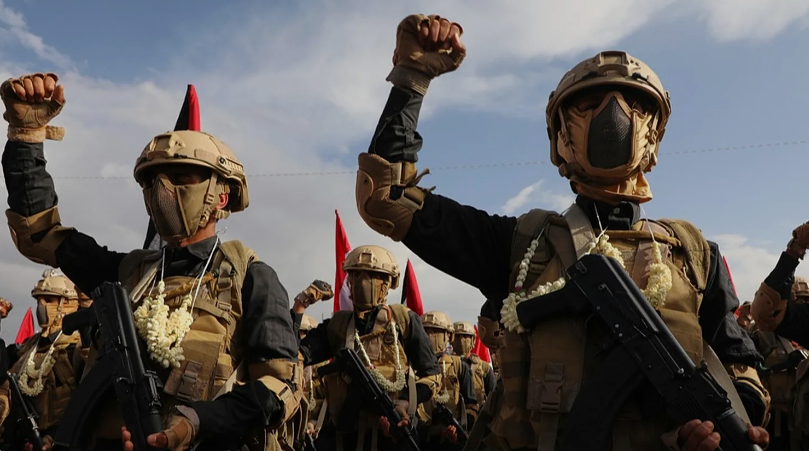
Seeking international support
Saudi Arabia has sought to secure backing from partners around the globe to counter the group. France, Britain, and Pakistan have pledged support, while other allies, such as Turkey, are weighing sending assistance. Prince Mohammed has reportedly also reached out to Syria for support. Syrian President Ahmed al-Sharaa had led armed groups that managed to oust Iran-backed factions from Syria after nearly a decade of civil war. However, Riyadh's most important ally, the United States, has not backed airstrikes against the Houthis. Instead, Washington has dispatched more than 100 military advisers who are providing intelligence as part of a newly formed joint command.
Trump's refusal
Last year, Washington reached a ceasefire agreement with the Houthis. The deal allowed US ships to resume passage through the Bab al-Mandeb Strait, a strategic shipping lane through which a vast share of global commerce between Asia and Europe passes. According to sources who spoke to CNN at the time, Prince Mohammed called Trump twice last month urging him to launch strikes against the Houthis. However, the US president declined to intervene. "It is clear that direct US involvement via air power would be helpful because American jets can respond faster to intelligence provided by American satellites," Shihabi said. "Saudi jets are one step further removed from that chain of intelligence transmission and operational response. Therefore, American participation would be beneficial," he added.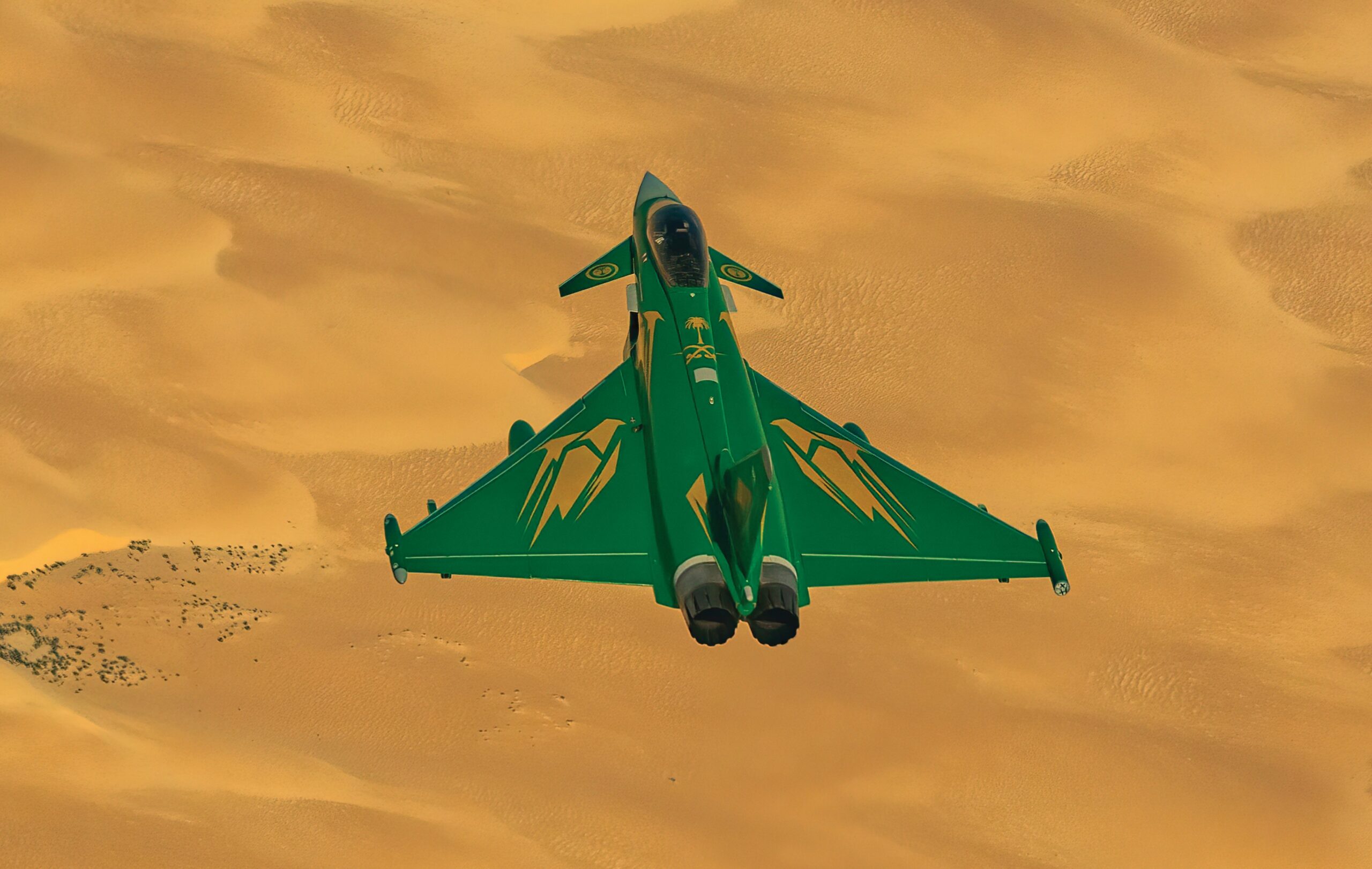
Vulnerable target
Saudi Arabia, one of the Middle East's largest countries, remains vulnerable despite procuring some of the world's most advanced American air defense systems. Its infrastructure, used to transport precious natural resources across vast desert expanses, makes for relatively easy targets for the lower-cost, one-way attack drones—suicide drones—developed by the Houthis. Among those killed in the Houthi airport attack was an American citizen, Saudi Arabia's civil aviation authority announced on Sunday. This development could draw Trump deeper into the war. "The Saudis are good fighters," Trump told reporters after the attack. "But I consider the attack to be a terrible thing," he added. When asked if the United States would join airstrikes against the Houthis, the US president replied: "It's possible."
Saudi airstrikes on Houthi targets
At the same time, Saudi Arabia launched airstrikes on areas of Yemen's capital, Sanaa, controlled by the Houthis, as well as rural parts of Taiz province, causing "significant material damage," according to Houthi-controlled media. Reports stated the raids targeted the Airport Road area in Sanaa's al-Thawra district, as well as the Hamdan area in the wider Sanaa governorate. There were no immediate casualty reports from those strikes. In Taiz province, Saudi war jets struck a residential building in the town of al-Turbah, causing property damage, according to the same reports.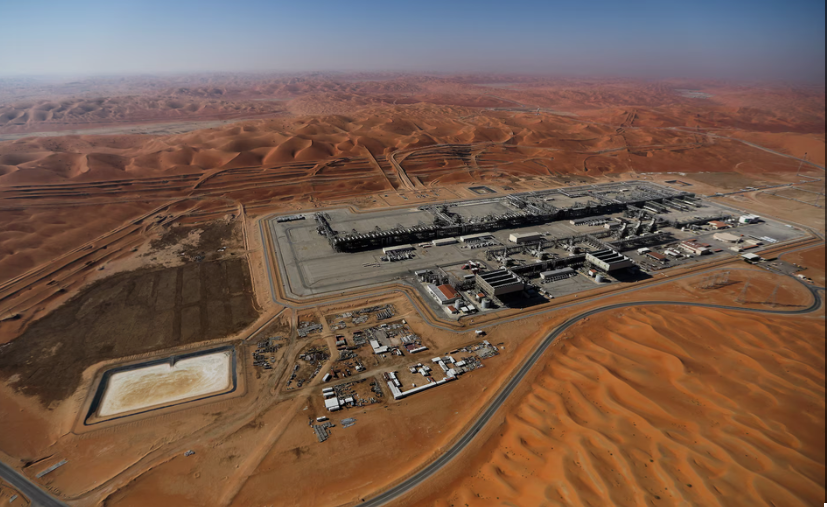
Commitments to energy supply
Saudi Energy Minister Prince Abdulaziz bin Salman Al Saud stated that the kingdom has proven its ability to ensure reliable energy supplies and will continue investing and preparing to address diverse challenges. Speaking at the 17th Ministerial Meeting of the International Energy Forum in Riyadh, Prince Abdulaziz stressed that Saudi Arabia "remains committed to fulfilling its obligations" regardless of circumstances. He cited the East-West Pipeline as a prime example, pointing out that it "embodies the kingdom's foresight in enhancing energy system resilience" by offering an alternative route to international markets via the Red Sea port of Yanbu.
Wall Street Journal: Saudi Arabia running out of missiles, economic terror
According to the Wall Street Journal, surging Saudi military expenditures have worsened the country's fiscal deficit, exposing Riyadh to the risk of an economic downturn. The report noted that the ongoing war against Yemen threatens Saudi efforts to boost tourism, a key pillar of its economy. The consequences of this crisis transcend the country's borders as Saudi Arabia ranks among the primary funding sources of the global tech sector. The Wall Street Journal adds that military pressures on Saudi Arabia have intensified as parts of its capital have turned into combat zones. According to the same report, Saudi officials disclosed that the country's inventory of interceptor missiles is running low, limiting its ability to counter further attacks. Meanwhile, foreign investments dropped in the first and second quarters of the year, falling below projected levels. Additionally, some of Mohammed bin Salman's projects have been put on hold, and Riyadh has dropped plans to host the 2029 Asian Winter Games. The Wall Street Journal underscores that Saudi Arabia is unable to cover its entire territory with air defense systems and has consequently been forced to concentrate its air defense protection around royal palaces and energy installations. Mohammed bin Salman has also asked his advisers to keep political communication channels with Iran open.
Saudi-Iran consultations
We know that the foreign ministers of Saudi Arabia and Iran spoke, but it remains unclear who initiated the contact, whether Saudi Arabia asked Iran to intervene or mediate, or if Iran offered to take on that role voluntarily. It is also unclear whether Saudi Arabia has accepted such a proposal. What we do know is that Iran is calling on its neighbors in the Gulf to reach a mutual understanding on security issues in Yemen and elsewhere rather than turning to foreign powers to solve regional problems. In Iranian rhetoric, this is a reference to the United States and Israel. Therefore, the proposal fits a longstanding position Tehran has consistently maintained since the war began. Whether it will lead to any meaningful development on the ground remains to be seen. The Saudis could take the proposal seriously, as they have long argued that Iran exerts influence over the Houthis. However, they could also dismiss it as a political game, arguing that Iran does not even need to act as a mediator but simply needs to pressure the Houthis. This has been Riyadh's stance from the outset: that Tehran has the capacity to halt Houthi attacks against Saudi Arabia. For its part, Iran denies having such influence, insisting the Houthis make their decisions independently. Consequently, this is easier said than done, both in terms of Saudi Arabia accepting mediation and Iran's ability to stop the Houthis.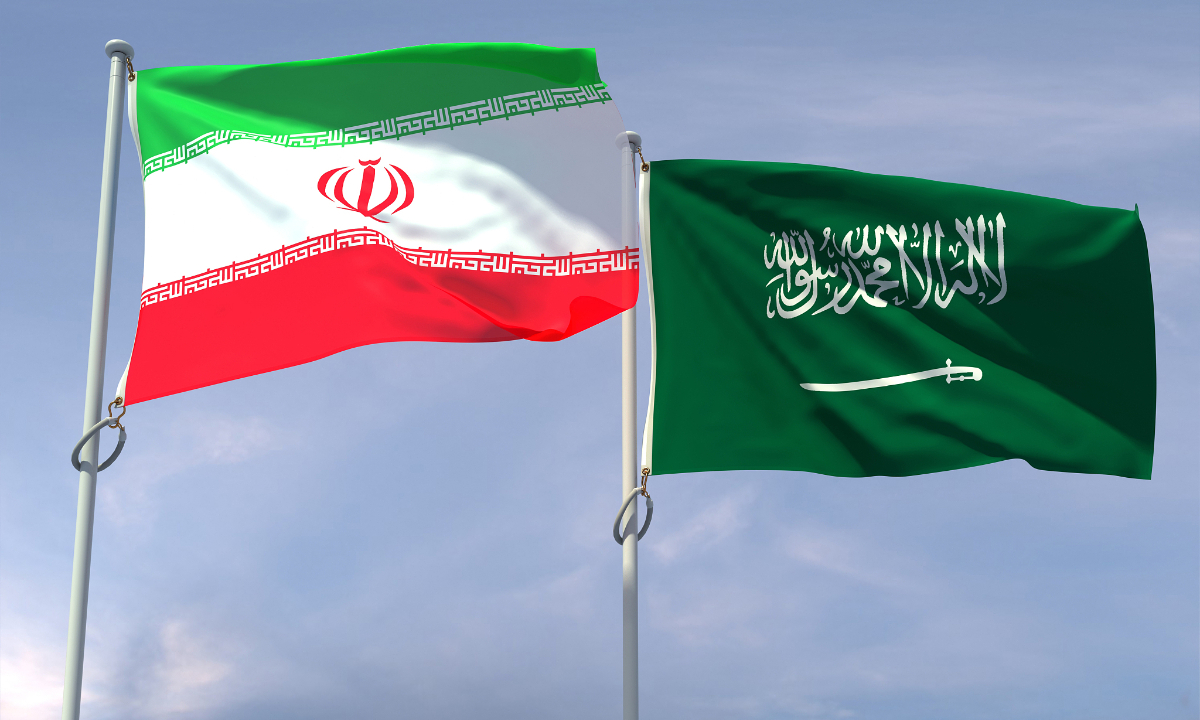
What Tehran fears
Iran fears that an escalation between the Houthis and Saudi Arabia could "spiral out of control," argues Trita Parsi, executive vice president of the Quincy Institute for Responsible Statecraft. As he explains, Iran offered to facilitate dialogue between Saudi Arabia and Yemen's Houthis because "it has strong reasons to try to prevent further loss of control over the situation." "While Iran benefits from the Houthis' ability to exert additional pressure, for instance on the oil market, it is also worried about the situation spinning out of control," he stated. Part of this anxiety stems from the limits of Iranian influence. While Tehran has backed the Houthis, "it is abundantly clear that they are not a proxy acting as an instrument of Iran," Parsi stressed. "They are independent." Hence, "there is a concern from the Iranian side that the situation could spiral out of control in a way that does not serve Tehran's interests." He pointed out that Iran had sought a regional ceasefire under the memorandum of understanding it signed with the United States in June. "Back then, the reference was primarily to Lebanon. Today, however, such a ceasefire would include Yemen." Nevertheless, Parsi warned that Tehran's leverage has limits. "It is unclear if the Iranians possess enough leverage to pressure the Houthis into accepting a ceasefire if the latter do not secure what they want, namely the lifting of the [Saudi] blockade," he stated.
www.bankingnews.gr







Readers’ Comments