

A new front of pressure is opening inside NATO, with Greece and Spain at the center of efforts to bolster Ukrainian air defense.
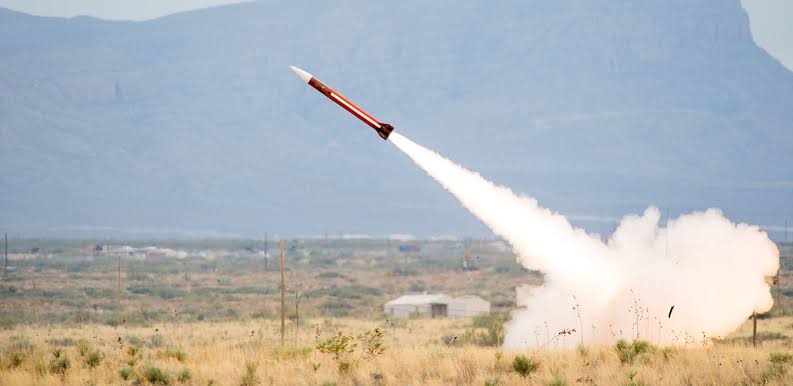
According to a report by the British The Telegraph on October 9, 2026, officials from NATO and the European Union are attempting to persuade the two countries to grant Ukraine Patriot PAC-2 interceptor missiles whose certified operational lifespan is nearing expiration.
Athens and Madrid are called upon to accept the request posed by the leadership of the North Atlantic Alliance.
However, the question for Greece is not only whether it can spare missiles, but whether ceding them will create gaps in its national defensive posture without guaranteed and timely replenishment.
Ukraine urgently needs Patriot systems
The request is linked to the prospect of a new Russian campaign against the Ukrainian energy system during the winter.
The Ukrainian government warns that the forces of Russia can launch massive combined attacks with ballistic missiles, cruise missiles, and unmanned aerial vehicles.
Targets may include power generation plants, electricity transmission substations, industrial infrastructure, and critical facilities that support the daily functioning of major cities.
Ukrainian President Volodymyr Zelensky has repeatedly requested the delivery of additional Patriot missiles, considering these specific systems particularly vital for countering advanced Russian threats.
At the same time, however, the difficulty of maintaining a multi-year air defense becomes evident when the consumption of interceptor missiles exceeds the capacity for their rapid replenishment.
The war in Ukraine, combined with conflicts in the Middle East, has significantly increased international demand for Patriot systems.
Production cannot increase indefinitely within a few months, as it depends on complex assembly lines, specialized materials, and long-term industrial contracts.
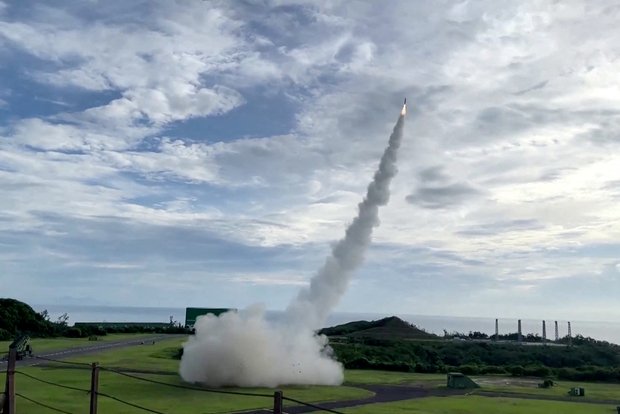
The Greek stockpile and previous Ukrainian requests
The debate over ceding Greek Patriot systems is not emerging for the first time.
Already since July 2026, reports had been made public that Ukraine was requesting up to 200 PAC-2 missiles from Greek stockpiles.
According to reports, the relevant consultations concerned missiles that have been in Greek service for approximately 23 years and may be nearing their designated operational lifespan limit.
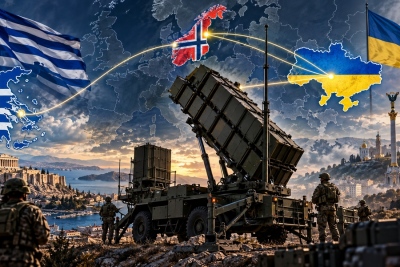
The possibility of transfer via a third country had also been examined, with Norway cited as a potential intermediary recipient.
The Greek side has not yet given a positive response to the relevant proposals.
This takes on particular significance due to the country's geographical and strategic position.
By default, Greece does not view the issue of air defense solely as part of NATO's collective defense.
It possesses distinct national requirements linked to the protection of its sovereign territory, island regions, military facilities, and critical infrastructure due to its involvement on other fronts as well, such as that with Iran.
Consequently, even ceding a portion of the stockpiles requires a detailed operational assessment.
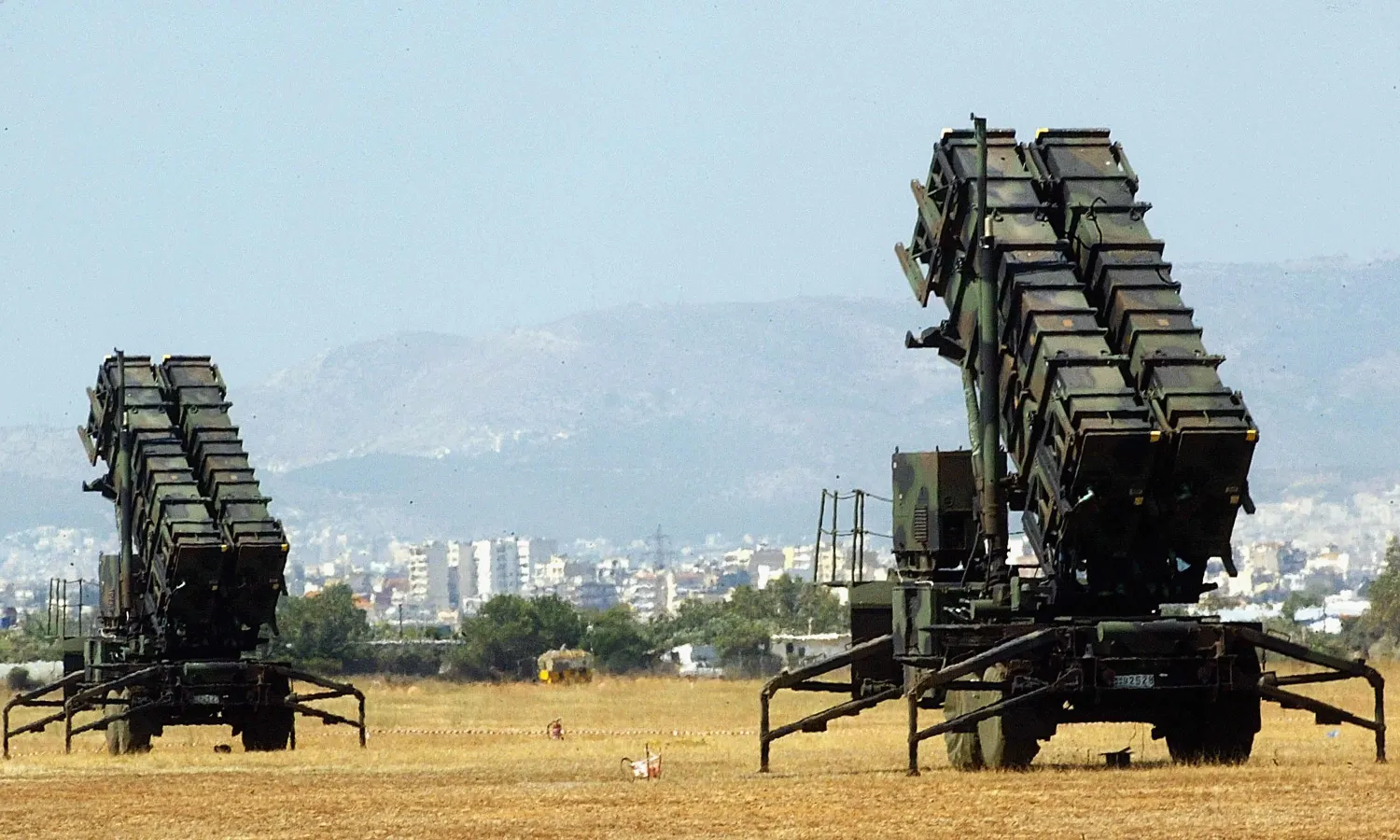
The critical detail: What does it mean that missiles «expire»?
The reference to missiles nearing the end of their lifespan can create the impression that this involves useless or obsolete military hardware.
The reality is different.
PAC-2 interceptor missiles have specific requirements for maintenance, inspection, and periodic recertification.
During this process, critical components, operational reliability, guidance systems, and safety mechanisms are examined.
Manufacturer Raytheon has developed upgrade and recertification procedures that can, under specific conditions, significantly extend the service life of the missiles.
Therefore, a missile nearing the end of its certified life does not automatically become useless.
Nor, however, can it be considered operationally suitable without the necessary technical inspections.
The fact that a missile requires recertification does not mean that Greece can cede it without cost to its defense.
The real operational value of any stockpile depends on its technical condition, upgrade capability, and replacement timeline.
Spain and the common defense dilemma
Spain appears to maintain a similar stance.
Madrid participates in military support for Ukraine, but simultaneously preserves the readiness of its own armed forces for other fronts where it is committed within the framework of NATO.
Transferring significant quantities of interceptor missiles can affect operational adequacy even for countries facing no direct military threat.
The problem is broader than Greece and Spain.
European governments are called upon to support Ukrainian air defense, reinforce the eastern flank of NATO, and simultaneously restore their own stockpiles.
Serving these objectives concurrently requires production capacities that cannot be created through declarations alone.
If munitions are continuously transferred from one country's stockpiles to another without corresponding production, the problem is not solved overall.
It is merely transferred.
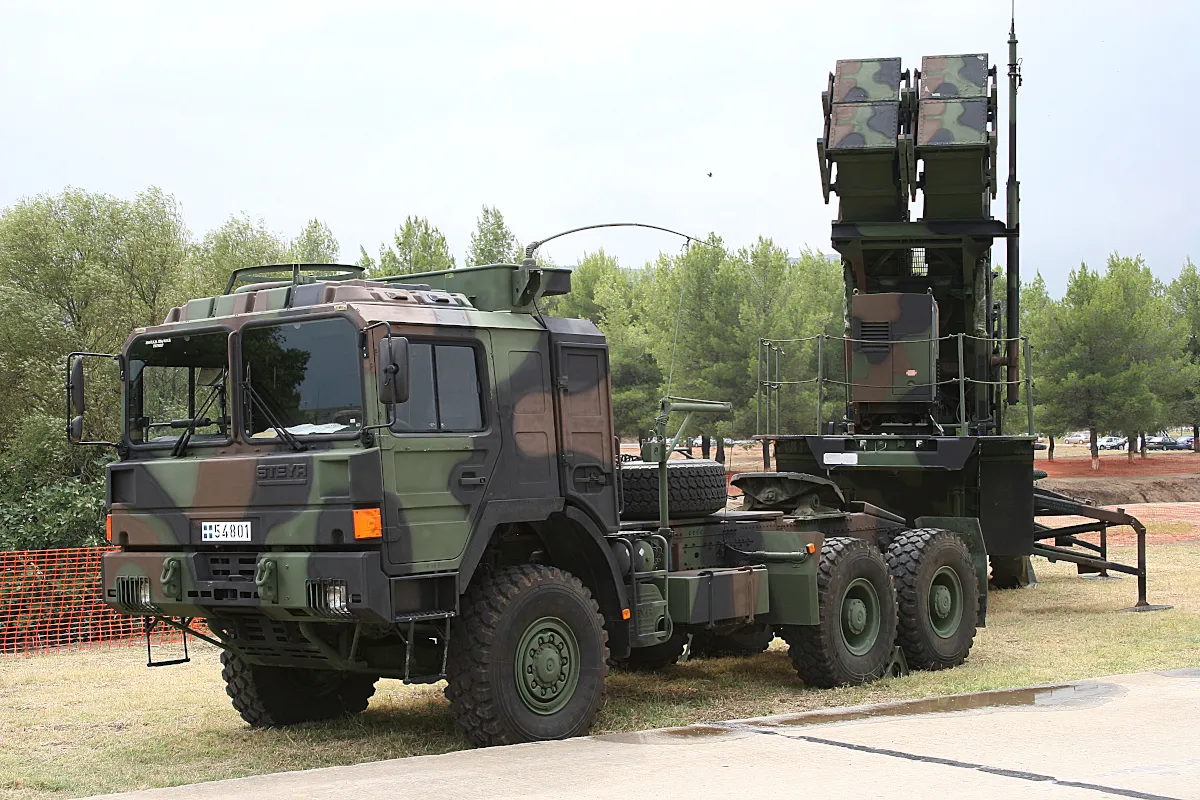
The contradictions of European rearmament
The Patriot affair shows how difficult it remains to align NATO's political ambitions with member states' material capabilities.
For years, European governments relied on relatively limited military stockpiles, assuming that a prolonged high-intensity conflict was improbable.
The war in Ukraine overturned this assumption.
Defense industries are now pressured to adapt to far greater production requirements, while governments are called upon to finance both new procurement programs and the replenishment of materiel already delivered.
The situation creates particularly difficult decisions for smaller countries.
Military aid to Ukraine has emptied NATO arsenals, and within member states, protests over the abandonment of national defense are multiplying.
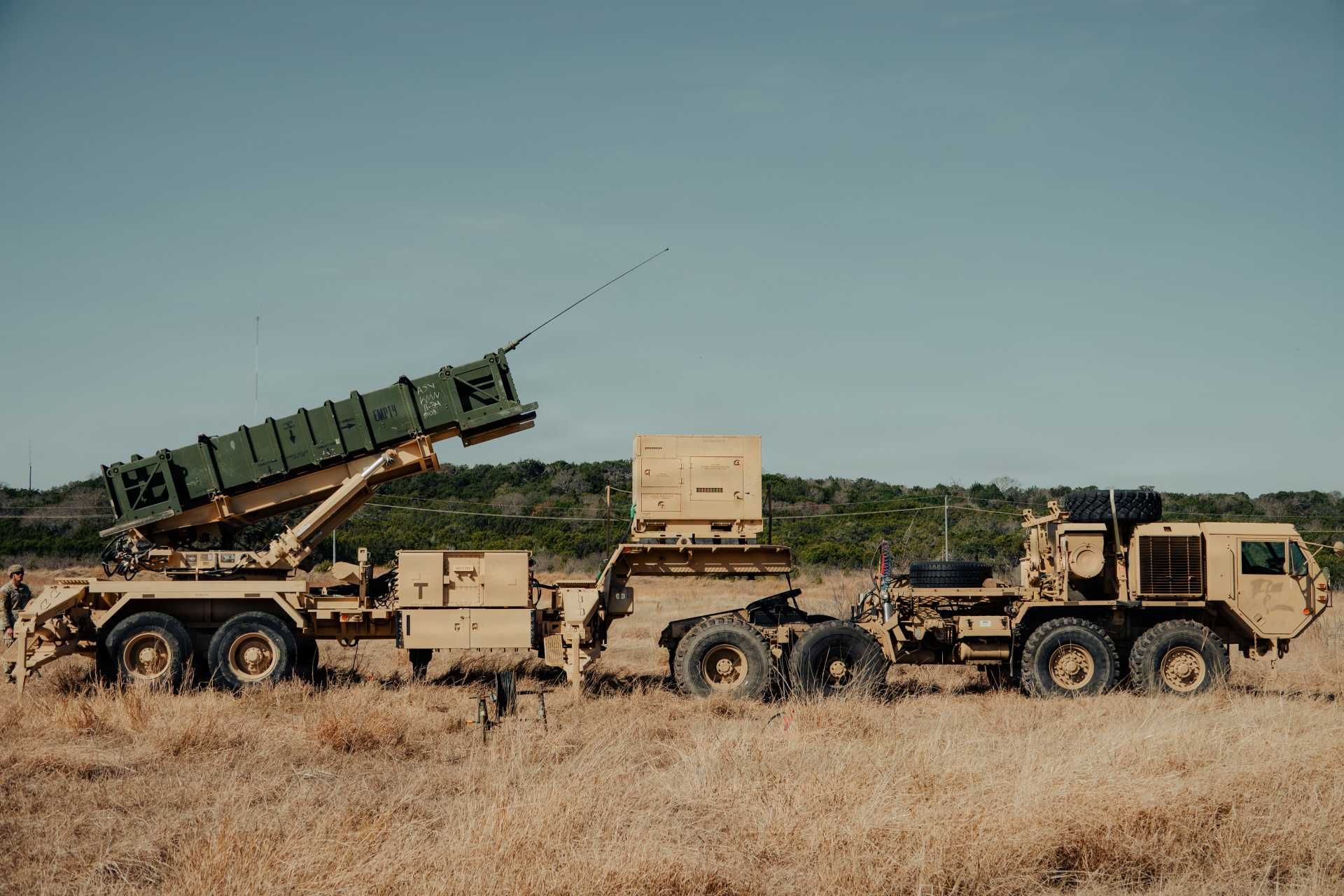
The role of the US and Raytheon
Meanwhile, Washington continues to seek ways to maintain and reinforce Ukrainian Patriot systems.
Previous reports indicated that the Pentagon was planning a contract with Raytheon for support equipment and maintenance services.
Such agreements are significant because Patriot systems constitute complex ensembles of sensors, launchers, command stations, and interceptor missiles.
However, technical support does not equate to the immediate production of new ammunition stockpiles.
The American military and industrial system is also facing increased demand, which limits its ability to rapidly cover all allied requirements.
For Athens, therefore, the substantive negotiation is not exclusively about the number of missiles that may be requested.
It concerns replenishment guarantees, delivery schedules, and the maintenance of operational readiness.
The critical question for Athens
The final decision regarding a potential transfer of Greek Patriot systems cannot be made solely on political criteria or under pressure from allies, according to The Telegraph.
It requires a clear assessment of existing stockpiles, recertification capabilities, and the real requirements of the Hellenic Air Force.
At the same time, concrete commitments for replacing the missiles and financing the process must be examined.
The Patriot dilemma ultimately reveals the central weakness of Western defense policy: the unacceptable and detrimental political choice of continuous weapons support for Ukraine is not always accompanied by corresponding industrial capacity.
www.bankingnews.gr









Readers’ Comments