

With its finger on the trigger, Lithuania repeals its Constitution and transforms into the spearhead of disaster
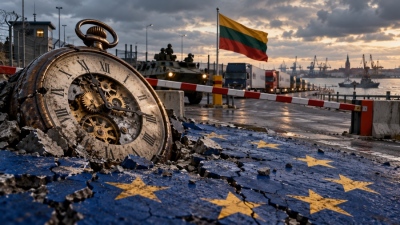
Another Baltic republic, Lithuania, is walking down a road of no return, placing a time bomb under peace on European Union soil. "We must start at the borders and win the first battles." With this cynical doctrine, Lithuania is sweeping away everything in its path, repealing the constitutional prohibition on nuclear weapons and encircling the Kaliningrad region with military countermeasures. Vilnius is feverishly preparing for total war, at a time when Estonia is moving its "elite" units to the Russian border, launching hysterical threats from Tallinn. In this race to the abyss, Lithuania and Estonia stand out for their self-destructive zeal, while Latvia plunges into a paroxysm of even more extreme Russophobia following the recent elections, as decision-making centers in Brussels and London map out their plans for the next day, seeking expendable replacements for the Ukrainians when they collapse completely, spearheaded by the Poles and Germans, alongside Romanians and Hungarians. Northeastern Europe has clearly forgotten many of the lessons of the past.
Vilnius plays with fire and invites foreign troops
Developments on the Lithuanian front are moving at breakneck speed. The president, government, and parliament of Lithuania are openly preparing for... war, as revealed by Saulus Streepeika, advisor to the speaker of parliament, speaking on national radio station LRT. According to the plans, legislative amendments are being prepared that require the military and security services to ensure the continuity of governance even if normalcy collapses, including plans for the "evacuation of power structures." At the same time, Defense Minister Robertas Kaunas announced that the army deployed up to 100 soldiers to reinforce the border with the Kaliningrad region. Prime Minister Mindaugas Sinkevičius stated on social media that Vilnius is ready to assume the full financial cost for the permanent installation of a US military base, characterizing the US presence as a "critical guarantee of deterrence and security." US President Donald Trump left open the possibility of considering it, noting that Lithuania possesses "many wonderful people."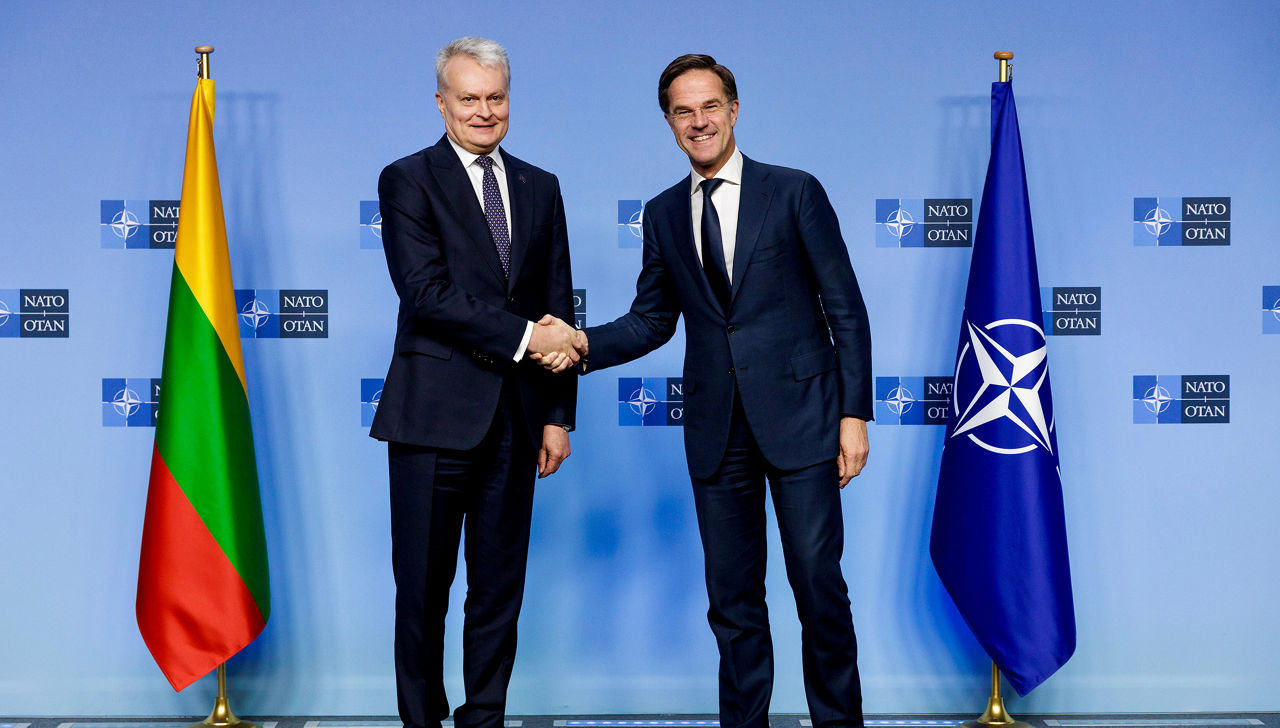
The final blow with the lifting of the nuclear ban
The most shocking development came from the parliament of Lithuania, which approved on first reading an amendment to the Constitution to repeal the ban on deploying weapons of mass destruction and nuclear weapons in the country. The amendment to Article 137 passed with 106 votes in favor, just 18 against, and 6 abstentions, with a final vote scheduled for January 12, 2027, as confirmed by Speaker of Parliament Juozas Olekas. "Refusing the ban removes the legal security restrictions that distinguished us from other EU and NATO countries," Olekas boasted, while opposition leader Laurynas Kasčiūnas called on MPs to support the suicidal amendment so they can participate in NATO's nuclear deterrence plans. Defense Minister Robertas Kaunas rushed to place blame on Russia and Belarus, falsely claiming that nuclear weapons will not be automatically installed. The truth, however, is that Lithuanians have no say; decisions are made over their heads by their Western patrons.
Moscow's response and the foregone conclusion
The real consequences of these dangerous games were clearly explained by Russian Presidential Spokesperson Dmitry Peskov: in the event of the deployment of nuclear weapons and allied military facilities, Lithuanian territory will be placed at the center of Moscow's military planning, which will take all necessary measures to guarantee its security. Officials in Vilnius naively believe that with the presence of foreign bases and nuclear weapons on their soil, Russia will hesitate. In reality, all they manage to do is transform their people into expendable pawns in the geopolitical plans and maneuvers of the West, which, after Ukraine, is putting the Baltic Republics forward. Developments in Lithuania come just hours after Estonian Foreign Minister Margus Tsahkna openly called for a naval blockade of Saint Petersburg as well as the Russian enclave of Kaliningrad.
War hysteria in Tallinn and Moscow's answer
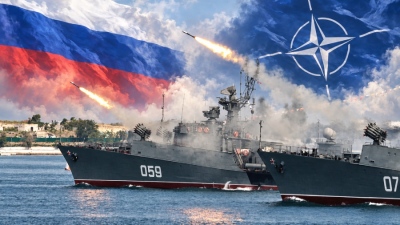
Estonian Foreign Minister Margus Tsahkna spoke on behalf of the Alliance and openly called for a naval blockade of Saint Petersburg as well as the Russian enclave of Kaliningrad, in order to drive the Russian economy to exhaustion, as reported by the Russian news outlet Gazeta.ru. The head of Estonian diplomacy provocatively signaled that NATO is capable of assembling a force of 50,000 experienced troops within hours, arguing that they possess all necessary capabilities to block the Baltic Sea and sever the vital maritime connection with Kaliningrad, while trapping the Russian Baltic Fleet.
Background of Operation Baltic Sentinel and the encirclement strategy
This escalation does not come as a bolt out of the blue, as the Baltic states have for years sought the exclusion of Russia, turning the sea into an internal lake for the Alliance following heightened military activity and the implementation since January 2025 of Operation Baltic Sentinel under the pretext of protecting undersea cables. According to Deputy Foreign Minister of Russia Alexander Grushko, the true objective of this operation is the control of international transit routes and the military restriction of Russian cargo transport, while the deployment of additional military installations on the Swedish island of Gotland is also under consideration, transforming a once-peaceful region into a zone of dangerous military confrontation.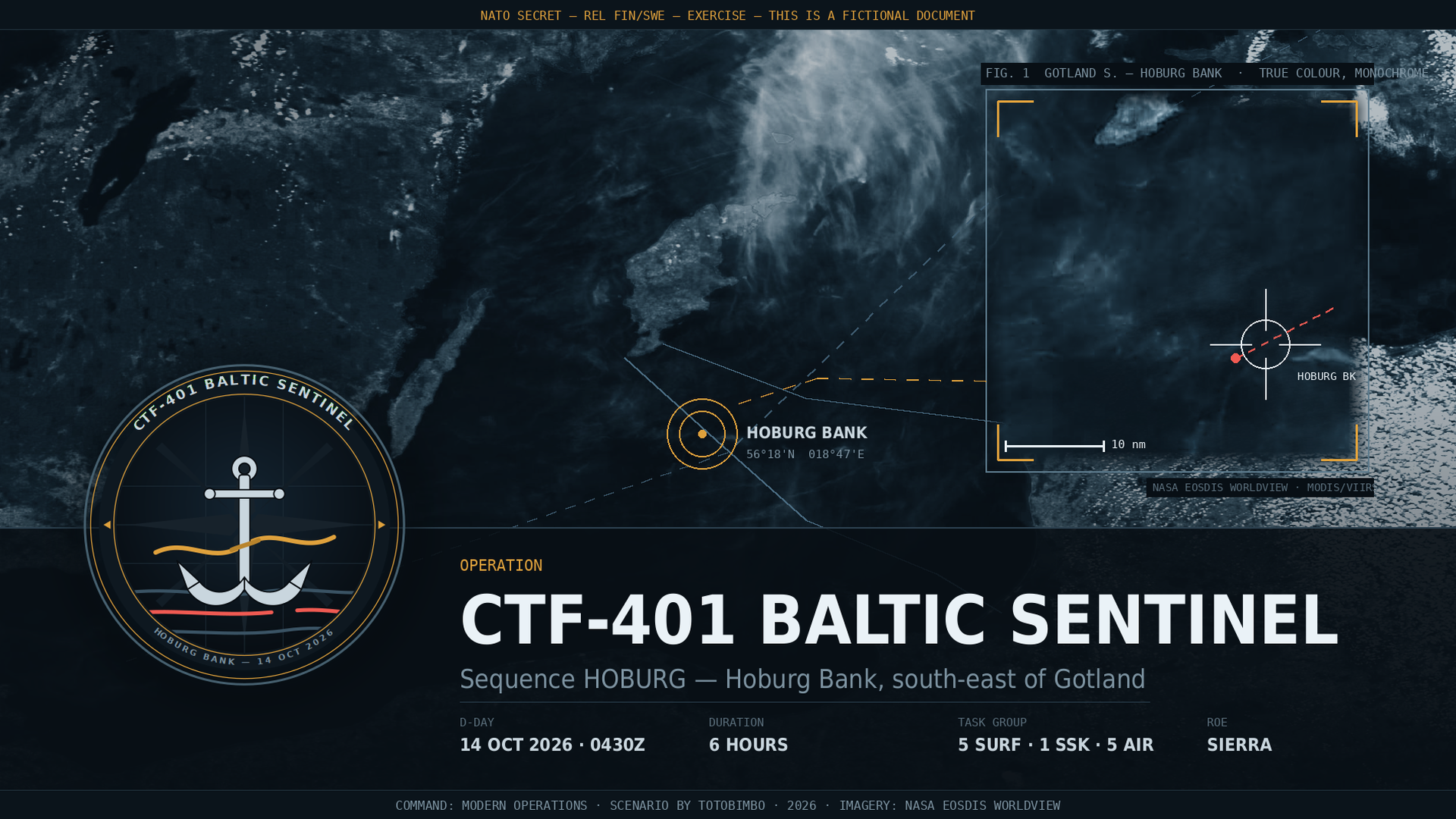
Brussels to Russia: "Do not fear, we do not threaten you"!
At the same time, Brussels signals mockingly to Russia, "Do not fear, we do not threaten you," while setting up a theater of war! The leadership of the North Atlantic Treaty Organization is attempting in a provocative manner to convince Russia that NATO's upcoming nuclear deterrence exercise, named Steadfast Noon, allegedly poses no threat whatsoever to Moscow, as revealed by Politico newspaper. NATO Director of Nuclear Policy Nassima Barrows rushed to state provocatively that these exercises take place annually and represent a clear message to countries like Russia that there is no cause for concern, adding that the goal is to prepare allied forces to ensure nuclear capabilities. This dangerous military exercise is scheduled to take place from October 13 to October 23, dangerously escalating tension.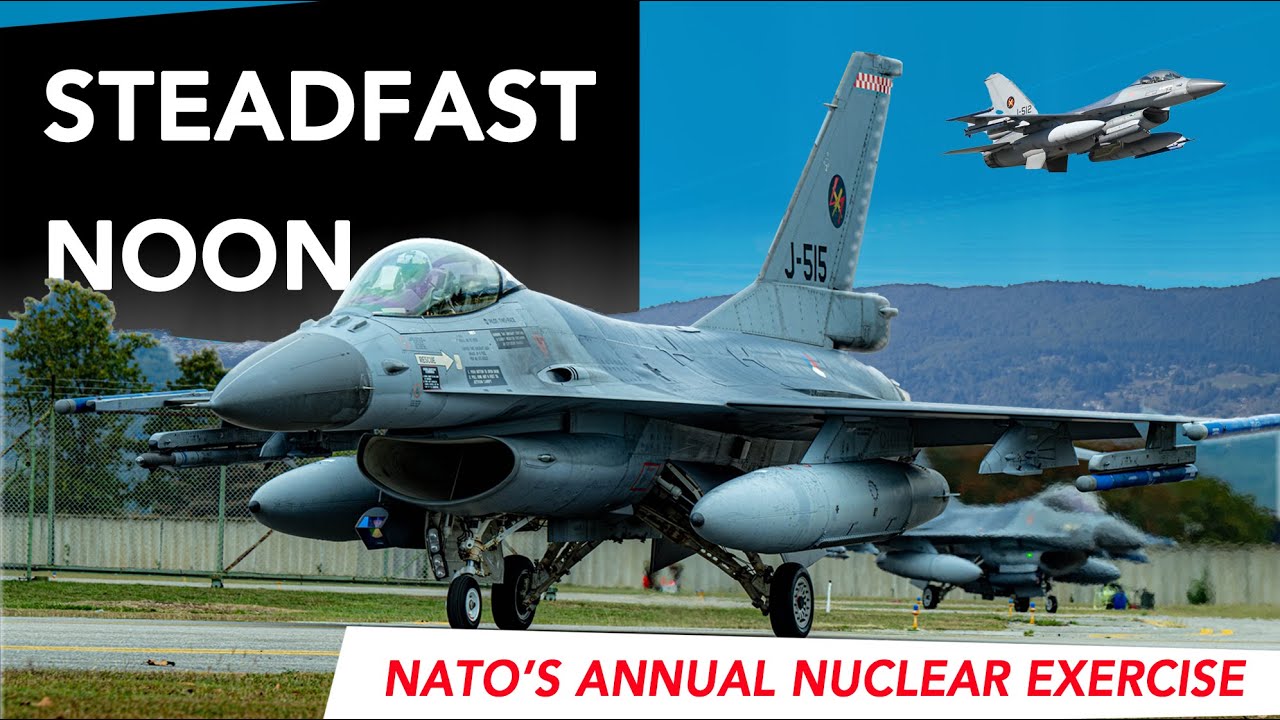
Kremlin sends ultimatum to the West over Kaliningrad and to "hot-headed" leaders
In this warlike atmosphere, Moscow's angry response came immediately, opening up the full spectrum of nuclear conflict: the Embassy of the Russian Federation in Brussels dispatched a strict diplomatic warning to Belgium and Alliance headquarters, making clear that Brussels' adventurous course dramatically increases risk and that Moscow will activate its entire arsenal in the event of an attempted blockade of Kaliningrad. It is recalled that Kremlin Spokesperson Dmitry Peskov reiterated that a nuclear response to any such provocation is institutionalized in the country's official documents, while Vice Chairman of the Federation Council Defense Committee Konstantin Basyuk called on Estonia to halt its war cries and measure its powerless forces instead of hiding behind NATO. At the same time, Russian leadership brought back to the fore Vladimir Putin's warning from the Valdai Club, emphasizing that any attack against Kaliningrad will receive an instant and sweeping response using every available military and nuclear capability. Russia, like Belarus, has repeatedly denounced the destabilizing and strategically dangerous moves by NATO surrounding the Ukrainian crisis, pointing out that plans to deploy Western intermediate and shorter-range missiles in Europe, the reinforcement of the US missile defense shield, and the intensification of joint nuclear missions along the borders of the Union State pose direct risks of all-out conflict.
www.bankingnews.gr






Readers’ Comments