

From teacher shortages to overcrowded schools
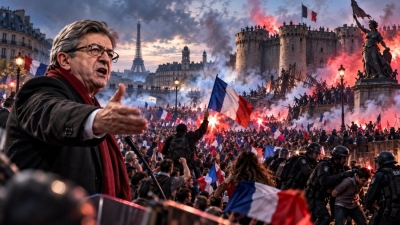
High school and university students are protesting prolonged school hours, overcrowding in classrooms, and teacher absences, which they argue significantly burden the educational process. The large gathering at Place de la Bastille began peacefully; however, clashes later broke out with police, who used tear gas and deployed a water cannon against demonstrators. In a post on X, Mélenchon hailed the participation of youth, stating: "Powerful demonstration by the youth, presenting their demands in the most beautiful manner! Enormous pride. See you Tuesday, October 13, following the call by youth and workers' trade unions." The reference to the Bastille carries potent historical symbolism, as the storming of the Bastille fortress in 1789 marked a decisive turning point in the French Revolution and evolved into a symbol of popular resistance against royal authority.
Accusations of political exploitation of the mobilizations
The head of France Unbowed and his political allies have faced criticism from opponents who accuse them of fanning social unrest and manipulating young people for political gain. Mélenchon has rejected the accusations, emphasizing that despite his party's support for the mobilizations, the protests were initiated independently by the students themselves. The alliance of student and labor unions has already called for a new day of demonstrations and strikes on October 13, with an even larger mobilization scheduled for October 17.
"If our demands are not heard, there could be violence"
Participants in the mobilizations expressed varying views regarding the intensity of the protests and the stance of authorities. Cathy, a history teacher at a secondary school in Paris, told Euronews that she decided to accompany her students to the Bastille rally because she supports their demands for changes in France's educational system. "The students have demands very close to those teachers have been articulating for years. The system has degraded, and this happened because there was no response for such a long period," she noted. For his part, one student argued it would be "normal" for violent outbreaks to occur if the demands of young people go unheeded. "All revolutions in history served a purpose. In 1789 there were many dead. We do not want people to die, but we could return to violence as a means of expression. The goal is not to commit violence to harm people, but to use violence to change the system that harms us," he stated. However, many other students favored peaceful demonstrations and strongly condemned police violence.
More than 40,000 responses to the online consultation
Notably, many students who spoke to Euronews during the rally were unaware that the government had launched a massive online consultation earlier in the week. The initiative aims to gather student perspectives and utilize them to formulate potential policy proposals. The French Ministry of Education announced that the online consultation gathered more than 40,000 responses within a few days of its launch.
71,500 protesters across France
According to data from the Ministry of the Interior, a total of 71,500 people participated in Thursday's mobilizations, including 24,500 in Paris. At the same time, an estimated 55,000 people took part in protests outside schools, while school blockades occurred in various regions of the country. The Ministry of Education reported that 375 schools remained closed, either fully or partially, during the day. Authorities also recorded an increase in incidents characterized as "urban violence," arguing that they occurred on the sidelines of peaceful student protests and constituted a "blot on the expression of legitimate demands" of the youth. According to the Ministry of the Interior, police have made more than 6,600 arrests since late September, when students—the majority under 18 years old—began protesting to demand increased education funding.
www.bankingnews.gr







Readers’ Comments