

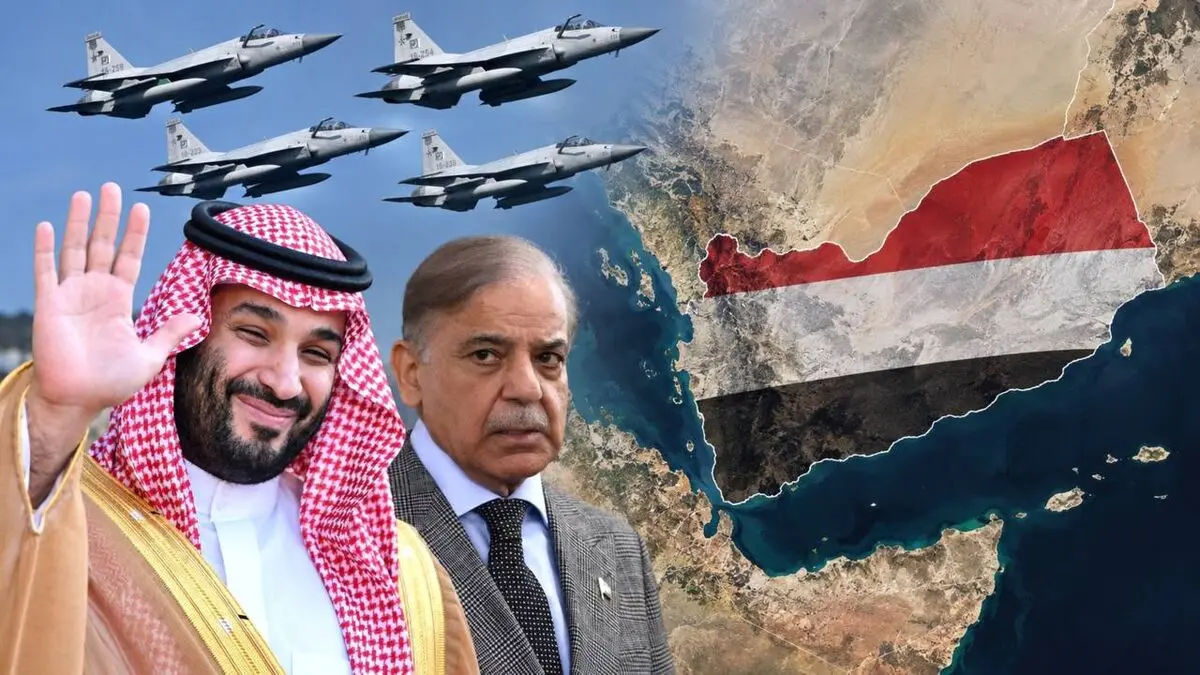
The conflict in the Middle East acquires new, hazardous dimensions with the reported direct participation of Pakistani fighter jets in operations against the Houthis.
Strikes on the airports of Riyadh and Abha leave dead and dozens wounded, while Saudi Arabia activates its defense alliance with Pakistan and Turkey.
Ankara denies offensive operations, revealing the first serious fractures on the new military front.
The Arabian Peninsula stands before a new, extremely perilous military escalation, as the war in Yemen assumes wider regional scope.
The reported entry of Pakistan into air operations against the Ansar Allah movement, known as the Houthis, marks a substantial broadening of the conflict, while attacks on Saudi airports demonstrate that the confrontation now directly threatens critical civilian infrastructure.
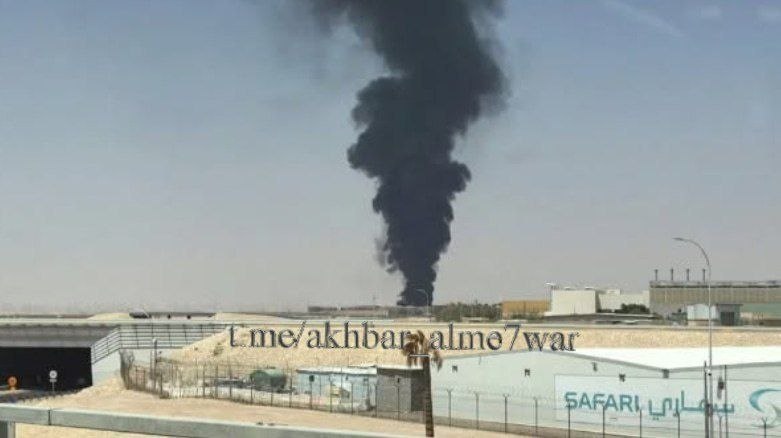
Pakistani fighter jets participate in operations
According to a report in The New York Times, a senior Pakistani military official confirmed that the country's fighter aircraft are participating in strikes against Houthi positions in Yemen.
A second official clarified that operations will concentrate on neutralizing missile systems and unmanned aerial vehicles, with no ground invasion envisioned.
This development alters the geopolitical landscape.
Pakistan, a nuclear power with significant military capabilities, appears to shift from supporting Saudi defense to direct involvement in the war.
However, so far there has been no detailed public confirmation of specific airstrikes from the governments of Pakistan and Saudi Arabia.
Nevertheless, the presence of Pakistani military forces in Saudi Arabia was officially confirmed by the military of Pakistan, highlighting strengthened military cooperation between the two nations during a period of mounting tension in the Middle East.
A Pakistani military spokesperson stated that military personnel from the country are already on Saudi territory, assuming missions across different units and operational sectors.
«I can confirm that Pakistani military personnel are currently in Saudi Arabia», he characteristically stated.
As he clarified, «Pakistani military personnel are performing their duties in the country across various units and different sectors».
Deadly strikes on Riyadh and Abha airports
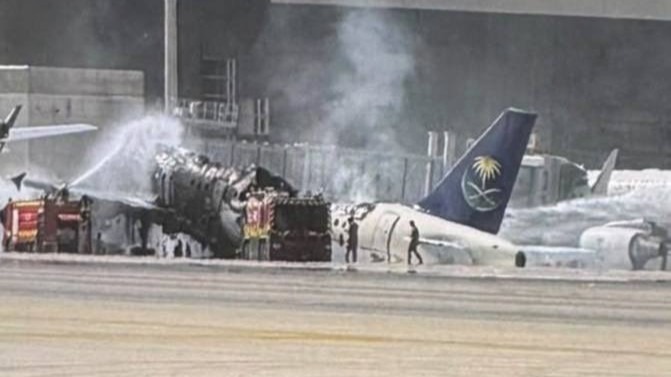
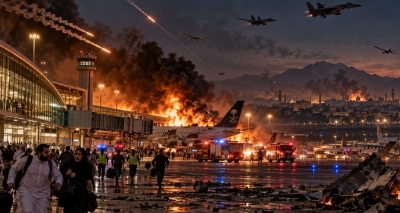
The new escalation is accompanied by deadly strikes against two major airports in Saudi Arabia.
According to the country's General Authority of Civil Aviation, the attacks of October 6 and 7 on King Khalid International Airport in Riyadh and the airport of Abha resulted in a total of three deaths and 36 injuries.
In Riyadh, a citizen of Sudan was killed and eight people were wounded.
In Abha, two women lost their lives, from Morocco and Algeria, while another 28 people were injured.
The Houthis claimed responsibility for the attacks, asserting that ballistic missiles and unmanned aerial vehicles were utilized.
On October 8, fresh explosions were recorded near the airport of Riyadh, causing severe disruption to air transportation.
According to the Financial Times, 169 out of 378 scheduled departures had been canceled by the afternoon.
The significance of the strikes is particularly acute.
The Houthis demonstrate that they can threaten targets deep inside Saudi Arabia, despite the advanced air defense systems possessed by the kingdom.
At the same time, the targeting of civilian airports exposes noncombatants to grave peril and raises critical questions under international humanitarian law.
The conflict ceases to concern exclusively the soil of Yemen and is now transplanted with ever greater intensity into the heart of Saudi territory.
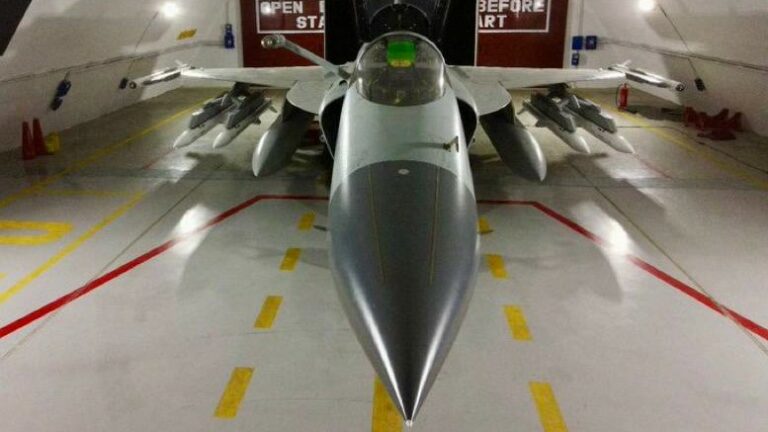
Houthi message: We struck two airports and one military base in Saudi Arabia
Spokesperson for the Houthi armed forces, Yahya Saree, announced that a coordinated operation with cruise missiles and ballistic missiles was executed against strategic installations on Saudi soil.
As he claimed, King Khalid International Airport in Riyadh was targeted by two cruise missiles, while the airport of Najran and the air base of Khamis Mushait formed targets for ballistic missiles.
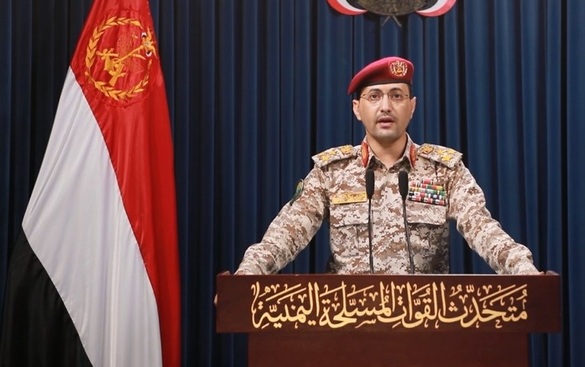
Houthis advance in Yemen: Captured strategic positions, downed Turkish drone
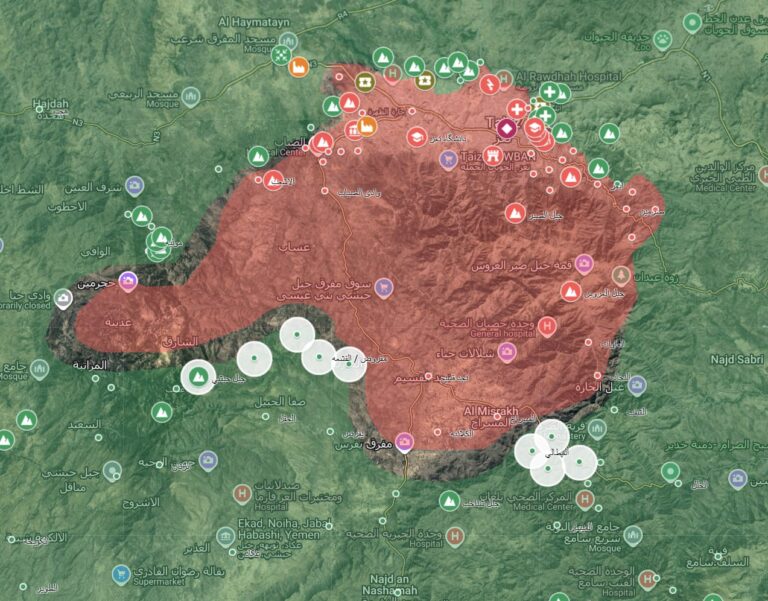
Significant territorial gains in the Taiz governorate of southwestern Yemen were announced by the Houthis, who released footage on October 8 from operations against Saudi-backed forces.
The visual material, according to the Houthis, captures the seizure of areas in the al-Shamayatayn district, including the strategic town of al-Turbah.
Footage depicts fighters entering abandoned military positions, while displaying vehicles, arms, and ordnance allegedly discarded by opposing forces.
Concurrently, other media outlets report fresh gains in the mountainous terrain of Jabal Habashi, west of Taiz.
According to their statements, the Houthis captured critical heights, among them Najd al-Oud and al-Anaqib, reinforcing their positions across the governorate.
At the same time, military spokesperson for the Houthis, Yahya Saree, announced the downing of a Turkish-manufactured Bayraktar Akinci unmanned aerial vehicle over Taiz.
As he asserted, the drone was conducting a hostile mission and was brought down with an appropriate weapon system.
Pakistan goes on the offensive: Danger of retaliation from the Houthis
Pakistani involvement is directly linked to the activation of the Joint Defense Pact of Mecca, in which Saudi Arabia, Pakistan, and Turkey participate.
The accord, signed in August 2026, stipulates that an attack against one member is deemed an attack against all.
Following recent Houthi attacks, the three countries resolved to activate collective defense mechanisms, opening the door for enhanced military cooperation.
Pakistan already maintains a substantial footprint in Saudi Arabia.
According to previous reporting by Reuters, it had deployed roughly 8,000 military personnel, a squadron of around 16 combat aircraft, primarily JF-17, two squadrons of unmanned aerial vehicles, and a Chinese-made HQ-9 anti-aircraft system.
The reported involvement of Pakistani fighters in airstrikes now creates the risk of immediate retaliation.
Military assessments cited in the reports consider it probable that the Houthis will respond with ballistic missiles and long-range unmanned aerial vehicles.
There is no confirmed decision for such an assault, yet the prospect of widening target sets generates profound concern as the conflict assumes a new regional dimension.
The question is whether Pakistan's entry will remain restricted to specific aerial sorties or develop into a protracted military entanglement, accompanied by escalating costs and unpredictable consequences.
Turkey draws a red line: «A defensive pact, not an offensive one», report notes deployment of 200 military personnel
In stark contrast to the operational choice attributed to Pakistan, Turkey seeks to maintain a clear line between collective defense and participation in an offensive war.
Foreign Minister Hakan Fidan clarified on October 8 that Ankara will not conduct strikes inside Yemen.
«This is a defensive agreement, not an offensive agreement», he stated, emphasizing that Turkey will not deploy troops onto the territory of another nation to launch attacks.
Ankara is weighing the provision of anti-aircraft systems, technical support, intelligence services, surveillance assets, and other defensive capabilities.
At the same time, the agreement has not yet been ratified by the Turkish parliament, a reality that constrains the institutional framework for military assistance.
The differentiation carries distinct strategic weight.
Turkey desires to reinforce partnership with Saudi Arabia without assuming the fallout of direct warfare against the Houthis.
The new alliance already exhibits diverging interpretations of its duties: Pakistan is reported to take part in bombing runs, while Turkey restricts assistance to defense.
This demonstrates that the activation of a collective security pact does not automatically generate a common doctrine for waging war.
Nevertheless, according to Turkish newspaper Turkiye Gazetesi, more than 200 Turkish military personnel have been transferred to Saudi Arabia following the formation of the Mecca defense alliance.
The deployment is accompanied, according to the publication, by substantial quantities of electronic warfare systems, air defense missiles, and weapon systems for ground operations.
Saudi Arabia returns to a war it could not win
The rekindling of operations brings back a crucial historical datum: Saudi Arabia has already attempted to militarily defeat the Houthis without attaining its core political objective.
In 2015, Riyadh headed an extensive military coalition of more than ten states, featuring hundreds of aircraft and considerable ground assets.
At that time, the Houthis possessed distinctly limited missile capabilities relative to today.
Despite the overwhelming dominance of the Saudi air force, the coalition failed to expel the movement from Sanaa or restore the internationally recognized government's authority across all of Yemen.
Conversely, the Houthis preserved vast swathes of the northern portion of the country and developed formidable capabilities for missile strikes and drone operations.
Today's campaign commences, therefore, against a more seasoned and superiorly armed adversary.
BREAKING: ???? A new Houthi attack has reportedly occurred in Jeddah, Saudi Arabia, amid an escalating wave of missile and drone strikes by Ansar Allah against Saudi targets. https://t.co/buoQMSK2eg
— Military Media (@hehe_samir) October 8, 2026
Bab el-Mandeb becomes arena of decisive confrontation
The confrontation is not confined to aerial bombardments.
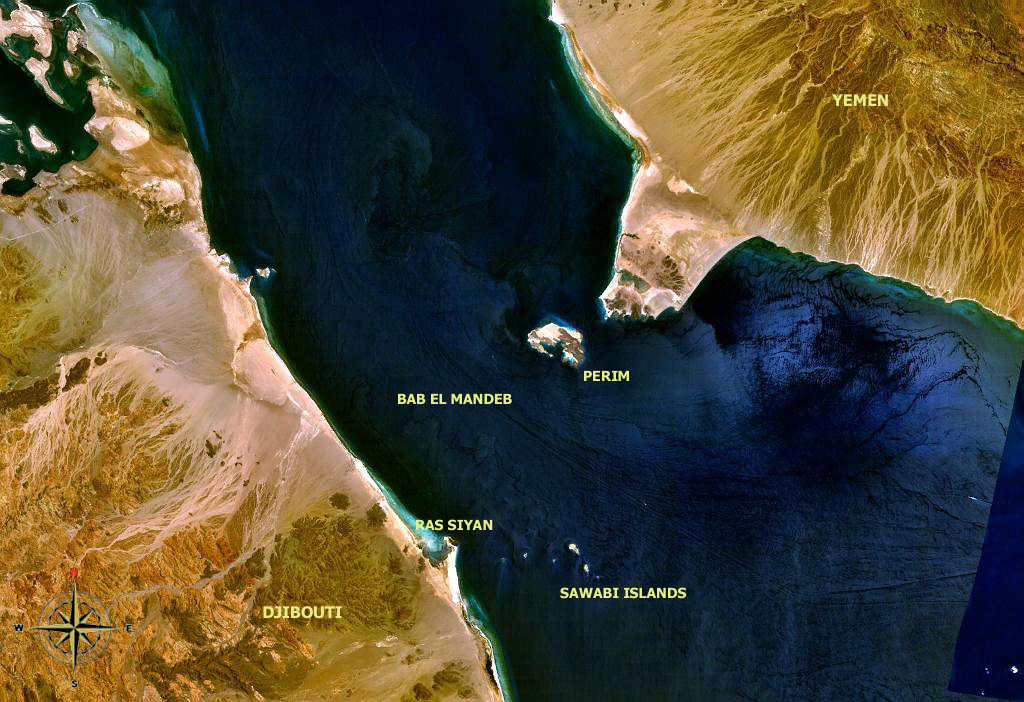
On October 4, Saudi-backed Yemeni forces launched a major offensive to recapture areas near the Bab el-Mandeb Strait, supported by more than 100 Saudi warplanes, according to reports.
The Houthis mounted fierce resistance, while statements from warring sides concerning control over certain locations remain conflicting.
Bab el-Mandeb constitutes a strategic choke point linking the Red Sea to the Gulf of Aden and the Indian Ocean.
Its importance is monumental for international maritime navigation, serving as a vital leg of the passage leading toward the Suez Canal.
A protracted conflict in the area could hike marine insurance premiums, weigh heavily on freight transport, and trigger fresh tremors across global supply networks.
Saudi Arabia consequently confronts a dual challenge: safeguarding its sovereign territory while simultaneously securing operations across one of the region's paramount trade arteries.
The coalition expands, yet military triumph remains uncertain
The introduction of fresh military forces provides no guarantee of shifting operational balances.
Pakistani aerial assistance offers additional operational capacity to Riyadh, yet the limited number of fighters reported to participate can hardly alter the conclusion of a multi-year conflict on its own.
Similarly, Turkish defensive assistance can upgrade the protection of Saudi infrastructure, without necessarily generating the groundwork for military triumph inside Yemen.
The fundamental challenge remains political.
The Houthis do not constitute merely a military formation that can be eliminated through aerial bombardments.
They retain territorial control, support networks, and the capability to prosecute protracted warfare.
Concurrently, the humanitarian landscape in Yemen remains exceedingly dire, with renewed hostilities spurring further displacement and burdening an already vulnerable population.
The experience of the past decade proves that military pressure is insufficient for establishing a durable political settlement.
?YEMEN ??-SAUDI ARABIA ??| Over 100 Saudi fighter jets were deployed for strikes against Houthi positions across Yemen in support of the "Fajr al-Yemen" ground offensive by ?? government coalition forces, which captured on Monday 5, key positions around Bab el-Mandeb and Dhubab. https://t.co/SQvvwVRxuK
— Nanana365 (@nanana365media) October 5, 2026
The risk of an uncontrollable regional conflict
The participation of Pakistan, expanding Saudi military operations, and Houthi strikes foster an exceptionally volatile environment.
Every fresh air operation can provoke reprisals. Every strike on civilian infrastructure elevates the imperative for a military rejoinder.
And every additional nation drawn into the war broadens the list of potential targets, alongside the political interests at stake.
The gravest dilemma for Saudi Arabia is that a renewed high-intensity campaign could prove every bit as costly and politically agonizing as that of 2015.
For Pakistan, the test is constraining the parameters of its involvement.
For Turkey, keeping defense cooperation intact without being swept into unintended operations.
For Yemen, however, the stakes are even greater: the threat of an extended era of widespread destruction.
The military might of the new alliance is considerable, yet the genuine test is not how many warplanes can be dispatched over Yemen.
It is whether there exists a political strategy capable of halting a war that none of the previous military campaigns managed to resolve.
The Arabian Peninsula finds itself at a vital crossroads.
The broadening of hostilities can transform additional countries into active belligerents, without supplying any assurance regarding the ultimate outcome.
And as long as the logic of bombardments and reprisals holds sway, the prospect of a compact guaranteeing authentic security for the region recedes further.
The eventuality of a fresh, broader conflagration across the Arabian Peninsula is no longer an abstract geopolitical hypothesis.
It is a clear danger arising from military developments on the ground.
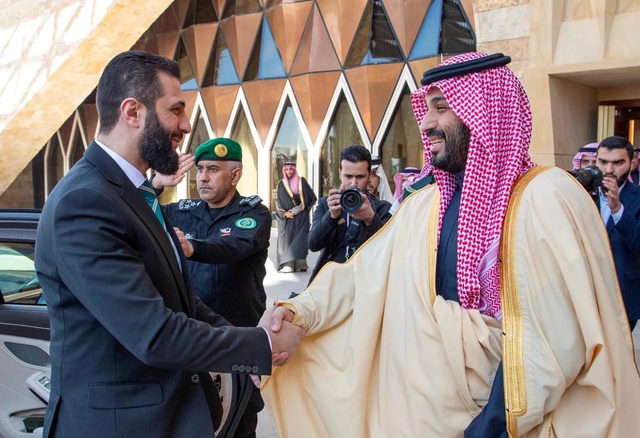
Syria on the threshold of war in Yemen: Plan to dispatch troops against Houthis
Syria could represent the next country drawn into the war against the Houthis in Yemen, as the confrontation threatens to drag in an expanding array of regional powers.
According to reporting by Reuters and Axios, American and Syrian officials indicated that the dispatch of Syrian troops to back Saudi Arabia, even in offensive operations inside Yemen, was evaluated.
However, on October 8, Damascus denied that Saudi Arabia requested the deployment of Syrian forces, characterizing the respective reports as unfounded.
US travel advisory for Saudi Arabia following Houthi strike on Riyadh airport
The United States urges American citizens in Saudi Arabia to enter a state of heightened vigilance, following the Houthi attacks on King Khalid International Airport in Riyadh on October 8.
The American diplomatic mission warns that ongoing hostilities, encompassing strikes against civilian airports, may lead to further military escalation in the region.
American authorities call upon travelers to brace for potential flight cancellations, airspace closures, and severe travel disruptions.
Concurrently, they advise prompt contact with airlines and airports to confirm scheduled departures.
A specific advisory is directed toward those planning travel near the border with Yemen, where security hazards remain exceptionally pronounced.
Putin: The greatest problem today is the Middle East
Intense Russian concern over the situation in the Middle East was voiced by Russian President Vladimir Putin during his meeting with his Iranian counterpart Masoud Pezeshkian, characterizing regional developments as the single most pressing issue on the international agenda.
«Naturally, the most acute problem today is the situation in the region», stated Putin, underscoring the gravity of the crisis and the hazards spawned by ongoing military confrontation.
The Russian president pointed out that Moscow is aware of the efforts exerted by Iran to bring an end to the conflict, recognizing the importance of Tehran's diplomatic initiatives.
www.bankingnews.gr








Readers’ Comments