

Estonians call for a NATO naval blockade of Kaliningrad, «We are ready to deploy 50,000 troops within a few minutes»
NATO is driving the entire Baltic Sea region onto a trajectory of extreme conflagration, with Estonian Foreign Minister Margus Tsahkna speaking on behalf of the Alliance and calling for a naval blockade of Saint Petersburg, as well as the Russian exclave of Kaliningrad, in order to exhaust «the Russian economy», as reported by Russian media outlet Gazeta.ru on October 8.
Indeed, the head of Estonian diplomacy declares that NATO is capable of «assembling a force of 50,000 experienced soldiers within a few hours. We possess all necessary capabilities. We can blockade the Baltic Sea within a few hours. And this is a vital artery of the Russian economy», as he characteristically stated.
He added that, in such an eventuality, maritime connections to the Kaliningrad region would be severed, while the Russian Baltic Fleet would be trapped in the area of Saint Petersburg.
For its part, Russia responded instantly to the provocative statements from Tallinn, urging Estonians «to realistically assess the actual capabilities of their ground and naval forces»...
Concurrently, Moscow recalls the warning of Russian President Putin from the Valdai Club, that «any attack or provocation in Kaliningrad will be met with every available military means», even nuclear...
Estonians call for a NATO naval blockade of Kaliningrad
Specifically, the Minister of Foreign Affairs of Estonia stated that, in the event of war between Russia and NATO, the nations of the North Atlantic Alliance allegedly possess the capability to blockade the Baltic Sea within a few hours, trapping the Russian Baltic Fleet and cutting off the region of Kaliningrad.
The Russian Ministry of Foreign Affairs has already highlighted increased NATO military activity in the region, denouncing at the same time its attempt to gain control over transport routes.
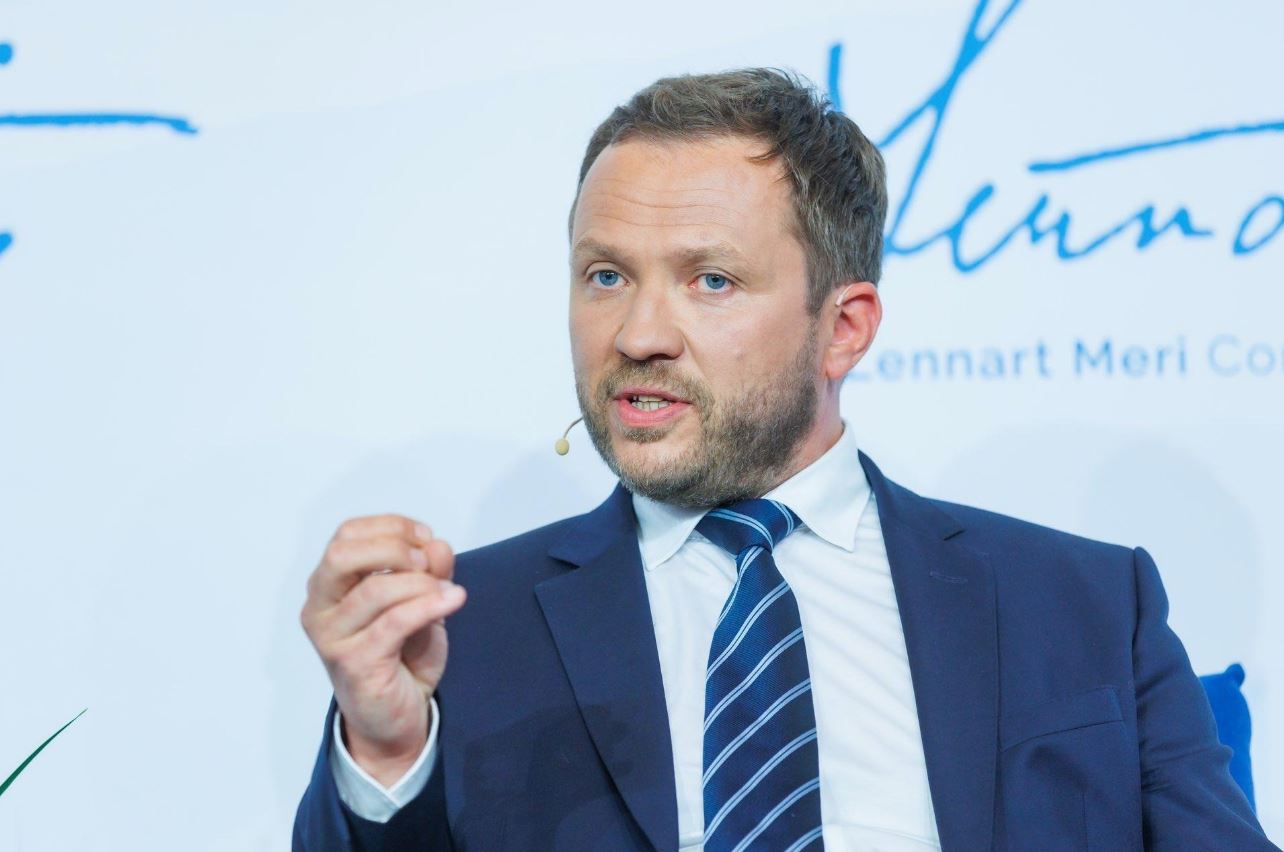
The Minister of Foreign Affairs of Estonia, Margus Tsahkna, argued that NATO can block Russia's access to the Baltic Sea within very few hours.
Notably, he made this specific statement in an interview with the British newspaper The Times.
«We are ready to assemble a corps of 50,000 fighters in... a few hours»
«We are able to assemble a force of 50,000 experienced soldiers within a few hours. We possess all necessary capabilities. We can blockade the Baltic Sea within a few hours. And this is a vital artery of the Russian economy», stated the Estonian diplomat.
He added that, in such an eventuality, maritime connections to the Kaliningrad region would be severed, while the Russian Baltic Fleet would be trapped in the area of Saint Petersburg.
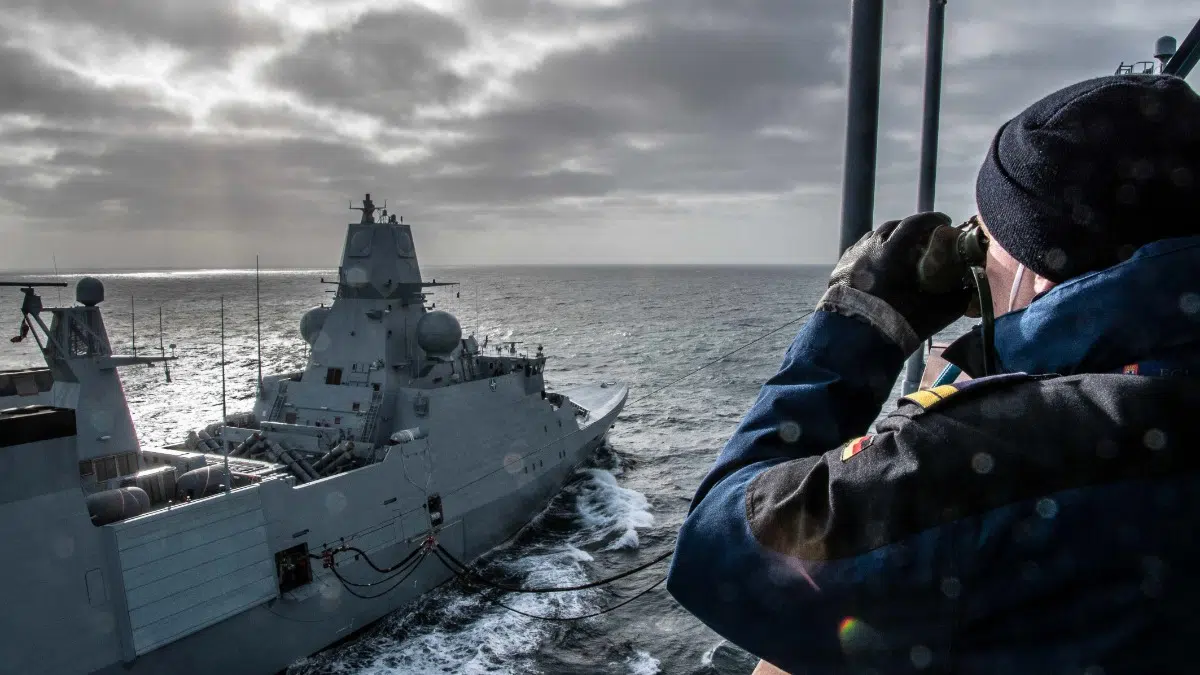
As the Estonian Foreign Minister clarified, such a scenario could materialize in the event of direct military conflict between Russia and NATO, which would trigger Article 5 of the founding Treaty of the North Atlantic Alliance.
This specific provision stipulates that an attack against one member state is considered an attack against all members of the Alliance.
At the same time, Tsahkna underlined that at present there are no indications pointing toward such a development.
Temperature rises dangerously in the Baltic
More broadly, the Baltic states have repeatedly advocated for blocking Russia from the Baltic Sea.
Characteristically, in September 2022, the then Defense Minister of Estonia stated to Business Insider that the accession of Finland and Sweden to the North Atlantic Alliance would transform the Baltic Sea into an internal NATO lake.
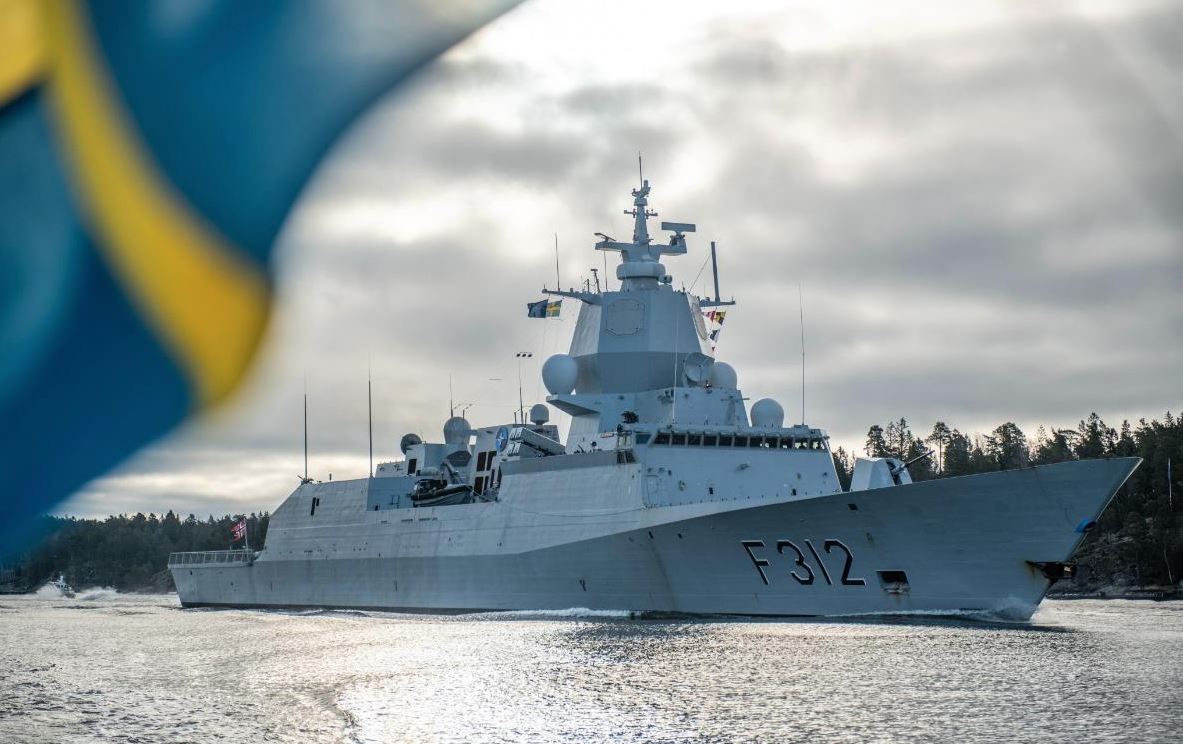
«This could lead to new agreements for joint control of the airspace around or above parts of the Baltic Sea, including the possibility of blockading it, as well as joint maritime surveillance, with the possibility even of deciding to restrict persons who have the right to move within it», he had argued.
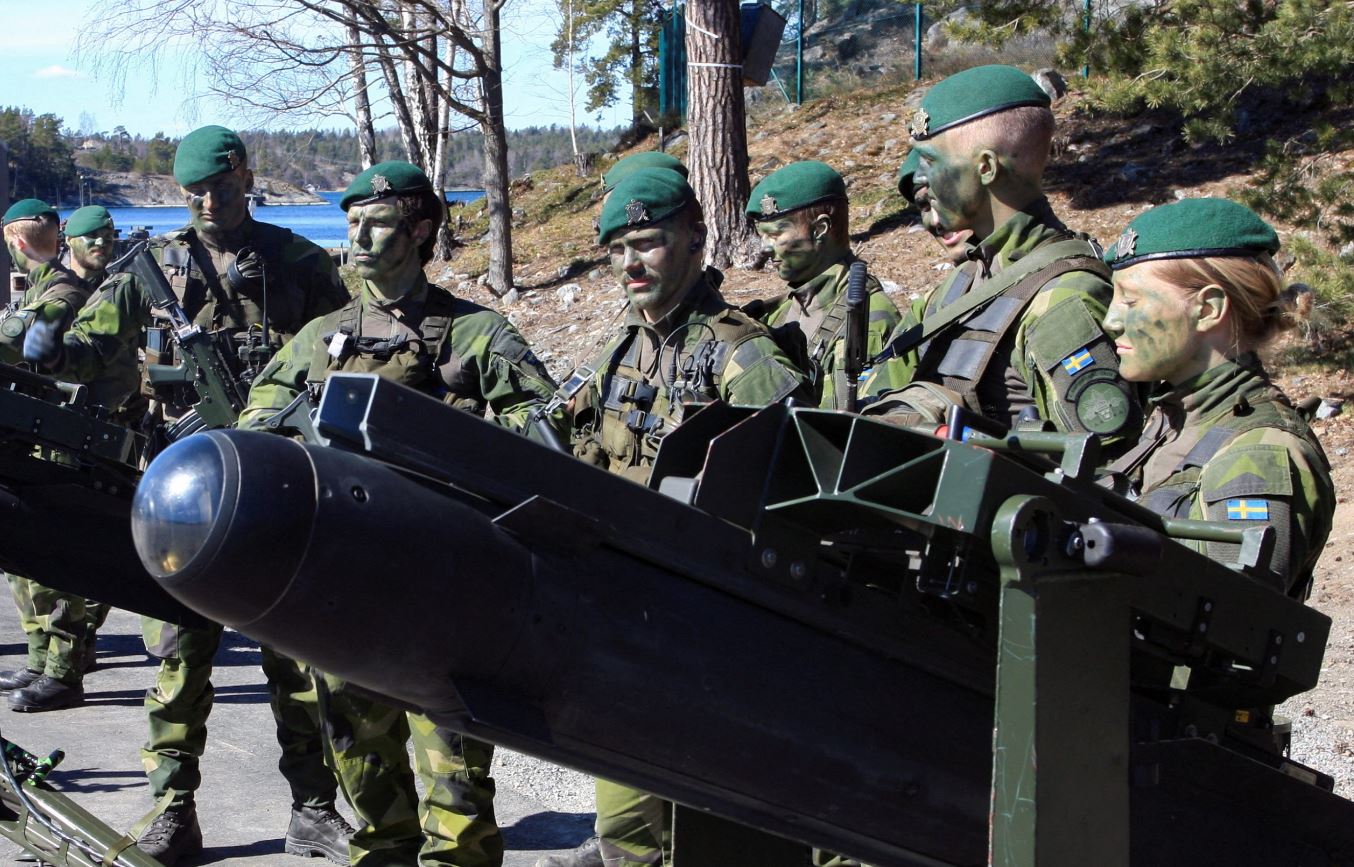
Following the accession of Finland and Sweden to NATO, the Alliance repeatedly conducted military exercises in the Baltic Sea.
Shock provocation by NATO with the Baltic Sentinel exercise
Furthermore, on January 14, 2025, NATO launched Operation Baltic Sentinel, with the officially declared goal of protecting undersea cables and pipelines from sabotage.
The operation began following a series of incidents in which damage was caused to critical infrastructure.
Initially, patrols were conducted exclusively by warships and aircraft of European nations.
However, by the autumn of 2026, the force was reinforced with American Marines equipped with unmanned aerial vehicles.
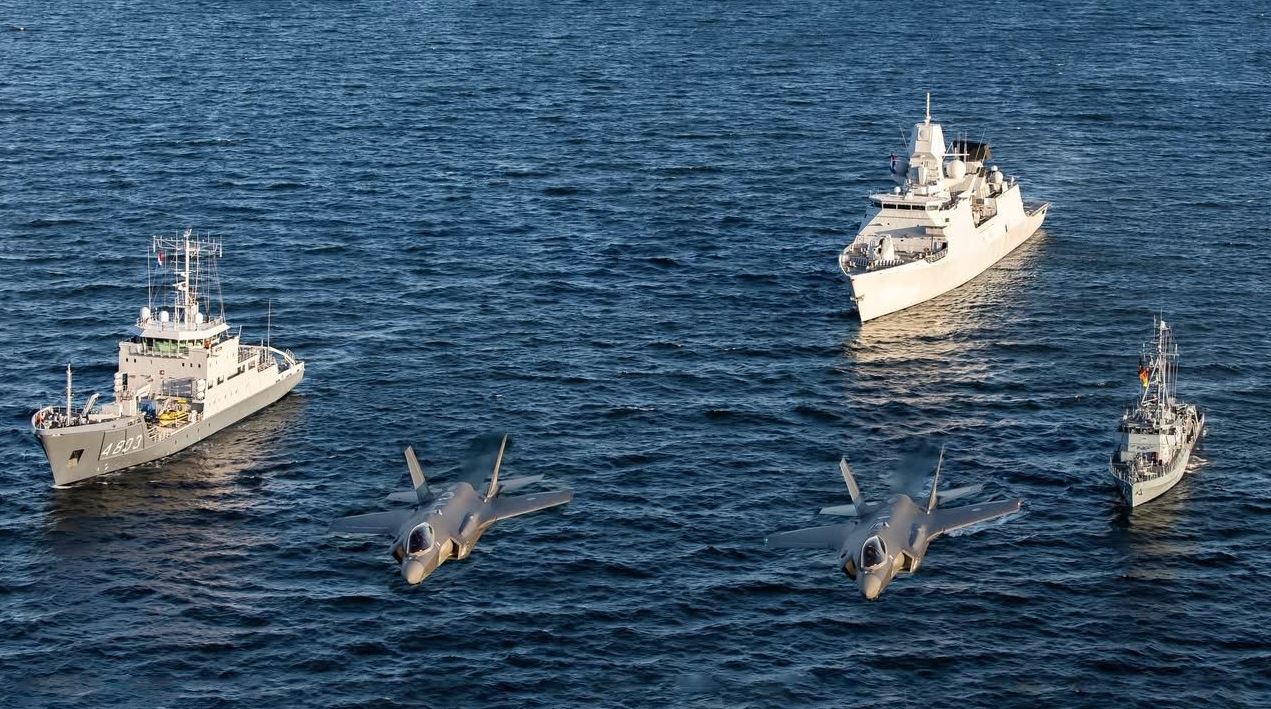
In statements to RIA Novosti, the Deputy Foreign Minister of Russia, Alexander Grushko, argued that, in Moscow's assessment, the true purpose of Operation Baltic Sentinel differs from what has been officially announced.
«In January 2025, the Alliance's Operation Baltic Sentinel began, the real objective of which is imposing control over international transport routes and restricting freight transport carried out in service of the interests of Russia», he characteristically stated.
What the West is preparing using Gotland island as a bridgehead
The Russian official added that NATO is also examining the possibility of deploying additional military installations and military personnel on the Swedish island of Gotland.
On September 2, speaking at a session of the Eastern Economic Forum (EEF), Grushko further noted that the Baltic Sea historically constituted one of the most peaceful regions from a military standpoint, a condition that, as he argued, NATO countries overturned in just a few years.
«Today, the region has essentially been transformed not only into a zone of military competition, but also of military confrontation, with an immense risk of unpredictable military incidents and the potential for escalation, even uncontrolled escalation», the Russian diplomat stated.
Later, in statements to journalists, Alexander Grushko underlined that Russia possesses all necessary capabilities to effectively defend its interests and guarantee the security of all its borders «under any scenario».
He added, however, that NATO countries «are truly heading toward a military confrontation with Russia».
Russia warns: Remember who you are and who you are facing
Moscow's response to Tallinn's provocations was instantaneous, with the deputy chairman of the Defense Committee of the Federation Council of Russia, Konstantin Basyuk, responding sternly to the statements of the Minister of Foreign Affairs of Estonia, Margus Tsahkna, regarding NATO's capability to blockade Russia's access to the Baltic Sea.
The Russian official called on Estonia to halt threats and evaluate realistically the actual capabilities of its ground and naval forces, according to reports by news agency TASS.
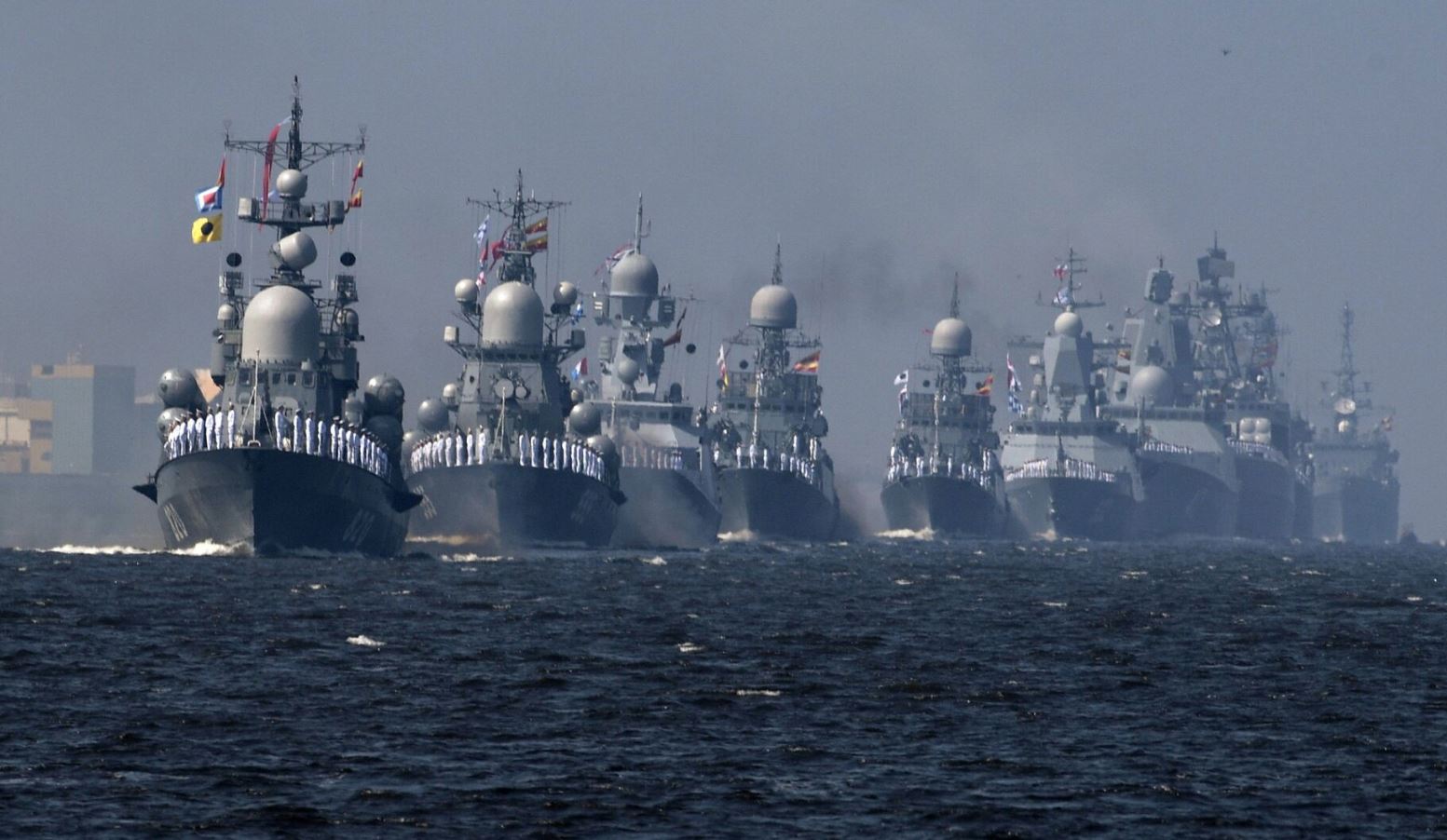
«Before threatening to blockade the Baltic, it would be wise to first soberly assess the capabilities of the Estonian army and navy, and not those of NATO countries, and stop hiding behind the Alliance. Even more so when not even the strongest NATO countries allow themselves such statements. Perhaps then they will cease seeking to escalate tensions», underlined Basyuk.
«Do not forget Putin's message on protecting Kaliningrad... by any means»
The Russian politician also recalled statements by President Vladimir Putin, according to which Moscow is not preparing military operations against Europe.
At the same time, he referred to the recent warning by the Russian president regarding the potential utilization of all available forces and means should the region of Kaliningrad be threatened.
Speaking at the plenary session of the Valdai International Discussion Club, Vladimir Putin noted, among other things, that such a response from Russia would be inevitable if the situation were driven into further escalation.
This was preceded by the statement from Margus Tsahkna that NATO is in a position to block Russia's access to the Baltic Sea within just a few hours.
According to the Estonian Foreign Minister, such an action would result in severing the maritime connection to Kaliningrad, while simultaneously trapping the Russian Baltic Fleet in the area of Saint Petersburg.
www.bankingnews.gr







Readers’ Comments