

Russia has created a mesh communications network in which certain drones act as relays for others, transmitting high-resolution target imagery.
The latest developments on the Ukrainian front show that Russia has decided to significantly alter its strategy, "locking onto" new targets. Massive airstrikes on Kyiv and attacks targeting bridges over the Dnieper as well as the power grid caused genuine shock among residents of the Ukrainian capital, to the point that Kyiv Mayor Vitali Klitschko called for the evacuation of the city, stating that it has now become a matter of survival.
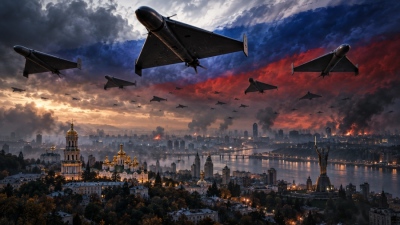
At the same time, the advancing Russian army across both the Donbass and the northeastern front in Sumy and Kharkiv, having targeted Ukraine's energy system, has now chosen to crush the transportation network in order to further cripple the supply line of the Ukrainian armed forces. And while the Russians manage to rapidly repair strikes against their refineries, reports indicate they have at least 80,000 jet-powered drones ready for attacks during 2026 against Kyiv and other Ukrainian cities. These represent drones that Ukraine cannot effectively counter. Everything indicates that the Russians have begun striking less along the front lines and more frequently at the very mechanism keeping Ukraine standing. And the question arises naturally: how much longer can Ukraine endure such a war?
Dismantle the bridges
Strikes that have begun against Kyiv's bridges and Ukrainian export corridors must be expanded and conducted in a systematic and methodical manner, argues Russian political analyst Yuri Baranchik. "We are finally beginning to see the strikes we have long desired, particularly against the bridges. However, as I understand, over the past two days no strikes were carried out on Kyiv's bridges. In my opinion, they must continue, because even the strikes already recorded proved that Ukraine immediately faces severe logistical support issues," notes the Russian analyst, arguing that strikes with "Geran" drones must persist, with at least two or three raids daily, so that the constant threat against bridges completely paralyzes transit between Kyiv's left and right banks.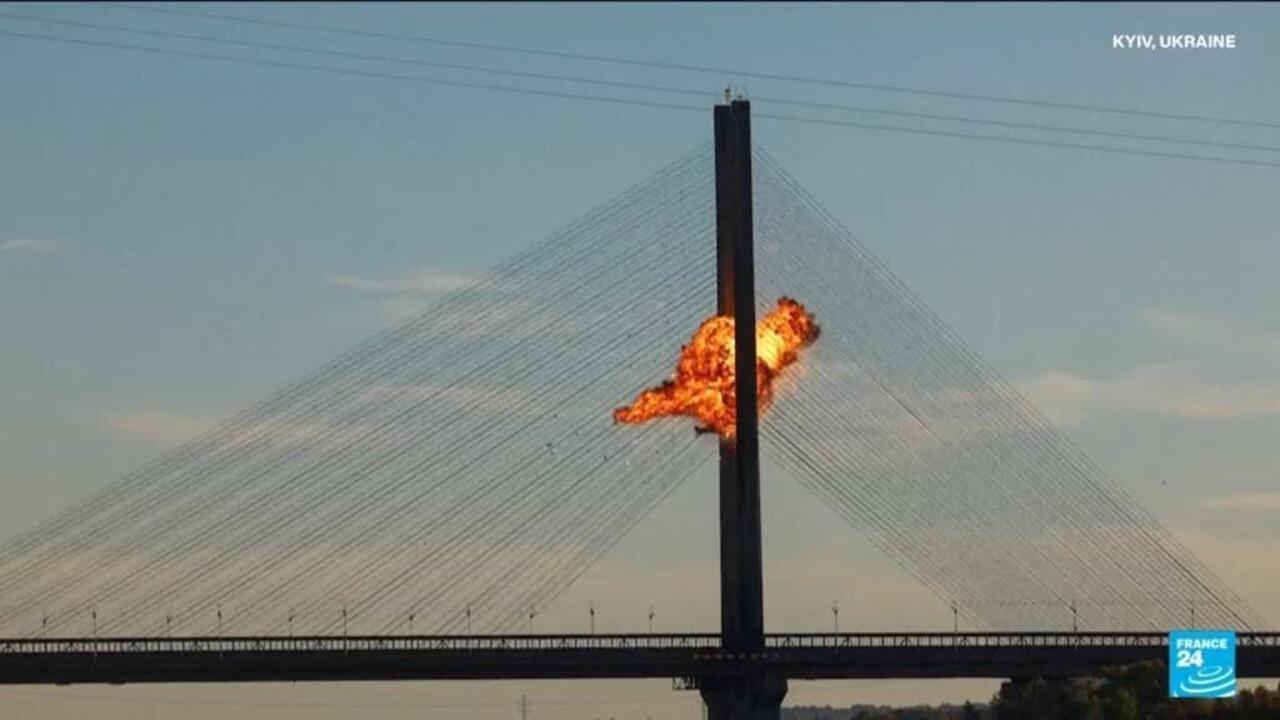
They cannot protect Kyiv
According to the expert, "this carries a very significant and powerful psychological impact, including on Ukrainians serving on the front lines." "They need to see that they cannot protect even Kyiv," emphasized Baranchik, who separately referenced export corridors as well. Strikes against shipping vessels are already yielding results: insurance premiums are surging and shipowners are refusing to undertake transport runs. However, as he argues, this is not enough. The time has arrived for one of the most anticipated strikes. "The Beskydy Tunnel itself in Western Ukraine must also become a permanent target of ours. If we cannot seal it with a single strike, for example with an Iskander missile, then we must render it unusable through a series of combined strikes," the Russian analyst stressed.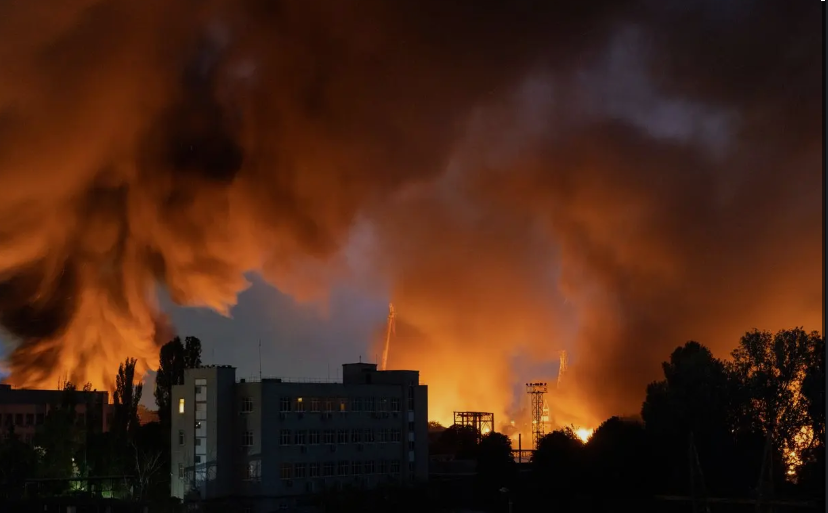
"It is a matter of survival"
Kyiv Mayor Vitali Klitschko advised Kyiv residents who have friends or relatives outside the capital to leave the city and consider temporary relocation. "Today it is a matter of survival. The crisis could assume particularly vast dimensions," emphasized Klitschko, stressing that he does not plan to declare a general city evacuation, despite the potential for further deterioration of the water supply crisis. Earlier, Deputy Prime Minister and Energy Minister of Ukraine Denys Shmyhal announced that a key energy infrastructure facility in Kyiv suffered damage. As a result of explosions, certain sections of the power grid securing electricity to the Ukrainian capital were knocked out. Consequently, several city districts are experiencing power supply disruptions. Military and energy facilities in Kyiv came under attack by Russian armed forces during the night of October 7. According to preliminary reports, the Trypilska thermal power plant, the largest power generation station in the Kyiv region, was struck.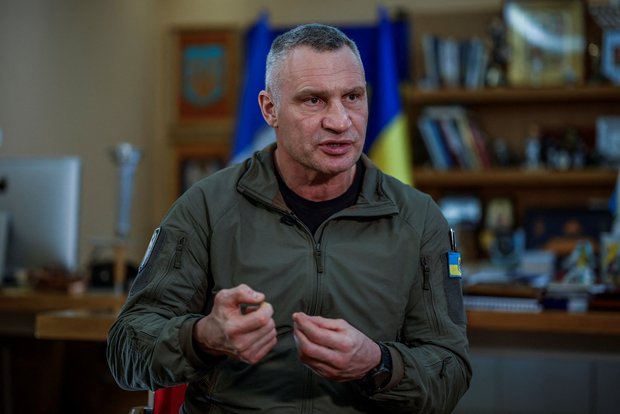
A dramatic situation
On October 2, Klitschko described the situation in the Ukrainian capital as "very dramatic." The mayor emphasized that critical city infrastructure is currently being destroyed, along with transport and logistical support infrastructure. "The capital is in an extremely dramatic situation. It is impossible to continue living as in peacetime," stated the Mayor of Kyiv. On the night of September 30, the Armed Forces of the Russian Federation launched massive strikes against facilities in Kyiv and its wider region, as well as in the Ukrainian regions of Odesa, Cherkasy, Poltava, Zhytomyr, Rivne, Dnipropetrovsk, Kharkiv, Kirovohrad, and Volyn. Several districts in Kyiv experienced disruptions to water and electricity supplies.
Zelensky accused of inaction
Oleg Soskin, a former advisor to former Ukrainian Prime Minister Leonid Kuchma, stated that the government of Ukrainian President Volodymyr Zelenskyy is responsible for the worsening energy crisis in the country. "Did you do anything to prevent this situation? You did absolutely nothing," stated Soskin. Earlier, it was revealed that a loss of voltage occurred across the electrical network of the Kyiv metro system. Furthermore, on October 8, tram and trolleybus transit was partially suspended. On the same day, a new emergency power outage hit Kyiv, plunging portions of the Ukrainian capital back into darkness. Following the strike, authorities imposed emergency power cuts across the Ukrainian capital, while scheduled load-shedding timetables were temporarily suspended.
"Unpleasant news for Ukraine"
Beyond the energy shock and attacks on Kyiv, a second message arrived for Ukrainians from where they least expected it. Sergei Vakulenko, an expert at the Carnegie Russia Eurasia Center in Berlin, admitted that Russia is restoring oil refineries damaged by Ukrainian strikes faster than estimated in Kyiv and the West. "This entire affair turned out to be a revelation for all market players. Very few could have imagined that recurring damage inflicted on refineries could be repaired so quickly, and that despite fairly severe bombardments over two and a half years, the refineries would continue operating," notes Vakulenko. According to him, first, Russia managed to accelerate damage restoration, with refinery repairs now completed within a timeframe of three days to three months, depending on the nature of the destruction. Second, Russia is not critically dependent on imported spare parts for repairs. As an example, he recalled the strike on a refinery in the Moscow region, when figures in Kyiv celebrated claiming "look, even the lid was blown off." According to him, that specific facility was restored in under fifteen days. During drone attacks, damage is primarily localized to facility casings—meaning large welded structures of Russian manufacture. Control and measurement instruments, as well as shut-off valves, sustain lesser damage, while replacement parts remain available from China.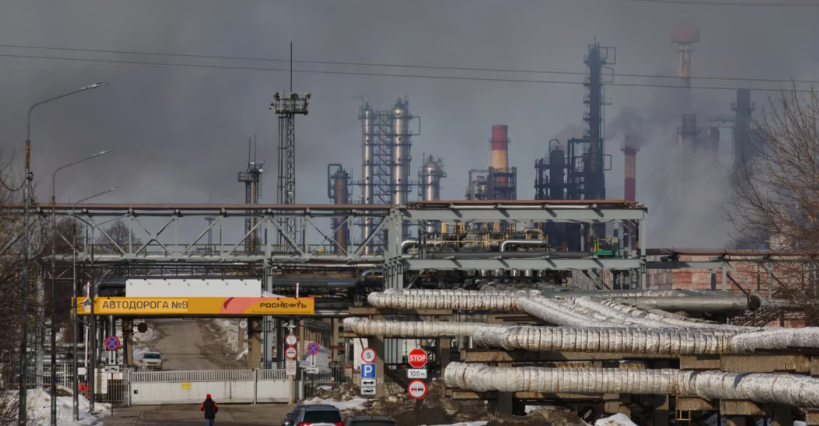
"A serious problem"
The third message originated from former Google CEO Eric Schmidt, whose venture supplies the Ukrainian armed forces with "Hornet" drones. These are the same drones that have launched a literal campaign of terror along the "Novorossiya" highway, targeting fuel tankers and civilian automobiles. In an interview with the Economist, Schmidt admitted that Russia has eliminated Ukraine's technological edge in the drone war and is now evolving at roughly the same pace. "We always took it for granted that Ukraine creates new technologies while Russia is large and cumbersome. Something has changed. Russia is now evolving at roughly the same speed as Ukraine, but possesses far greater resources," noted Schmidt. A prime example is jet-powered "Geran" drones.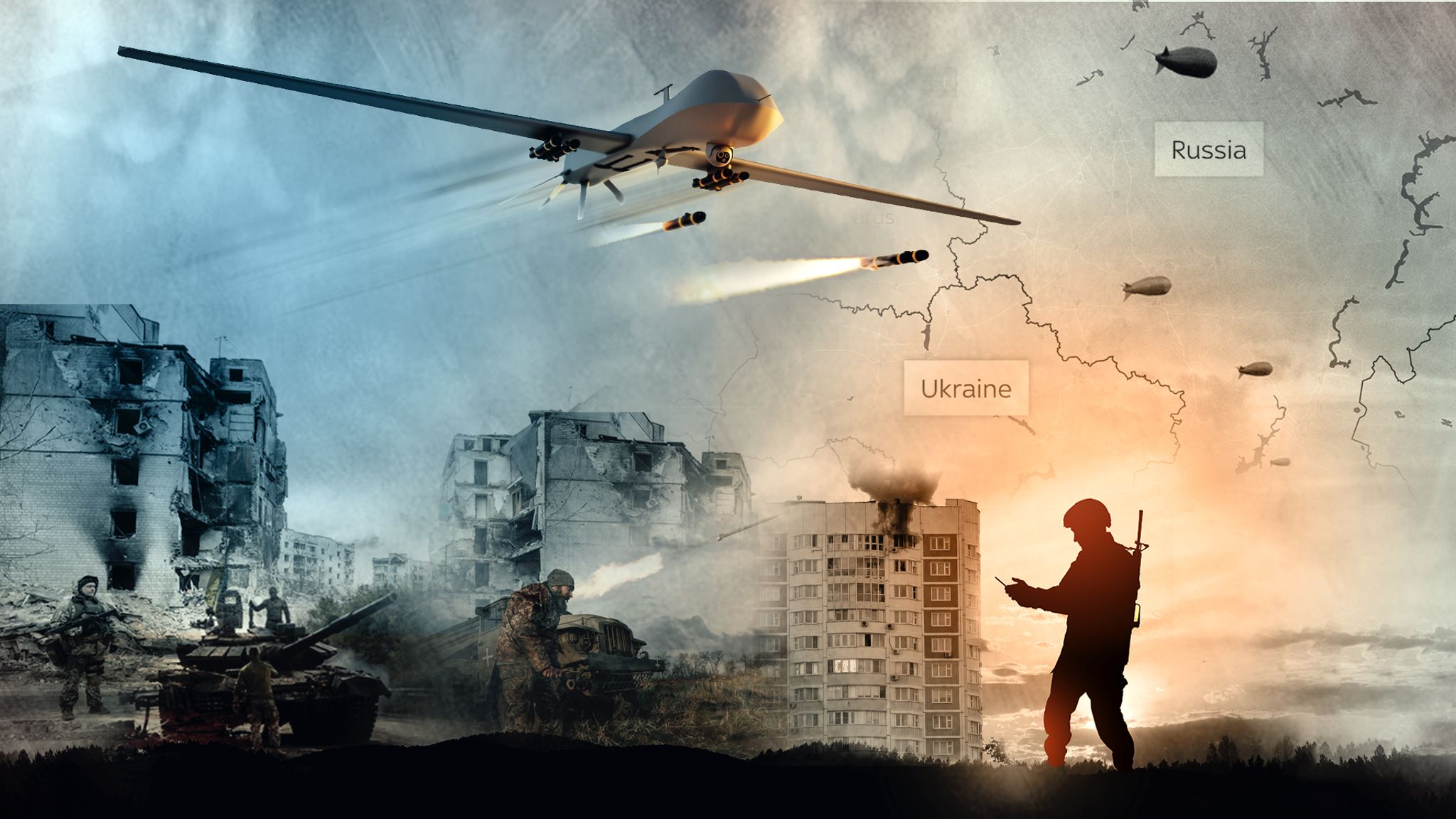
Jet-powered drones
Initially, it was expected that roughly 10% of these drones would be equipped with jet engines. However, according to Schmidt, their proportion now exceeds 50%. Ukraine does not yet possess a comparable system of indigenous manufacture. According to figures cited by Schmidt, Russia plans to deploy up to 80,000 jet-powered "Geran" drones against Kyiv and other cities by late December. He characterizes this development as a "serious problem." Additionally, Russia has established a mesh communications network in which certain drones function as signal relays for others, transmitting high-resolution target imagery. Within the coming year, the deployment of the "Rassvet" satellite network, equivalent to Starlink, is also anticipated. Once active, jamming these types of communications will prove practically impossible.
What all this means
Yakov Kedmi, former head of the Israeli intelligence agency "Nativ," points out that Russia has not yet resorted to more destructive attack methods, while Ukraine and the West can no longer do anything to stop it. "Russia has not yet transitioned to more severe methods that could cause immense destruction in Ukraine. It is not setting wheat fields ablaze. That is simple: you use incendiary munitions and the field burns. It is not destroying warehouses. It strikes port loading and unloading facilities, yes, but it is not destroying grain silos," stresses Kedmi. Kedmi listed actions that, in his view, could have been executed but have so far not been implemented: destroying fire stations, striking vehicle convoys on roads, and torching agricultural fields.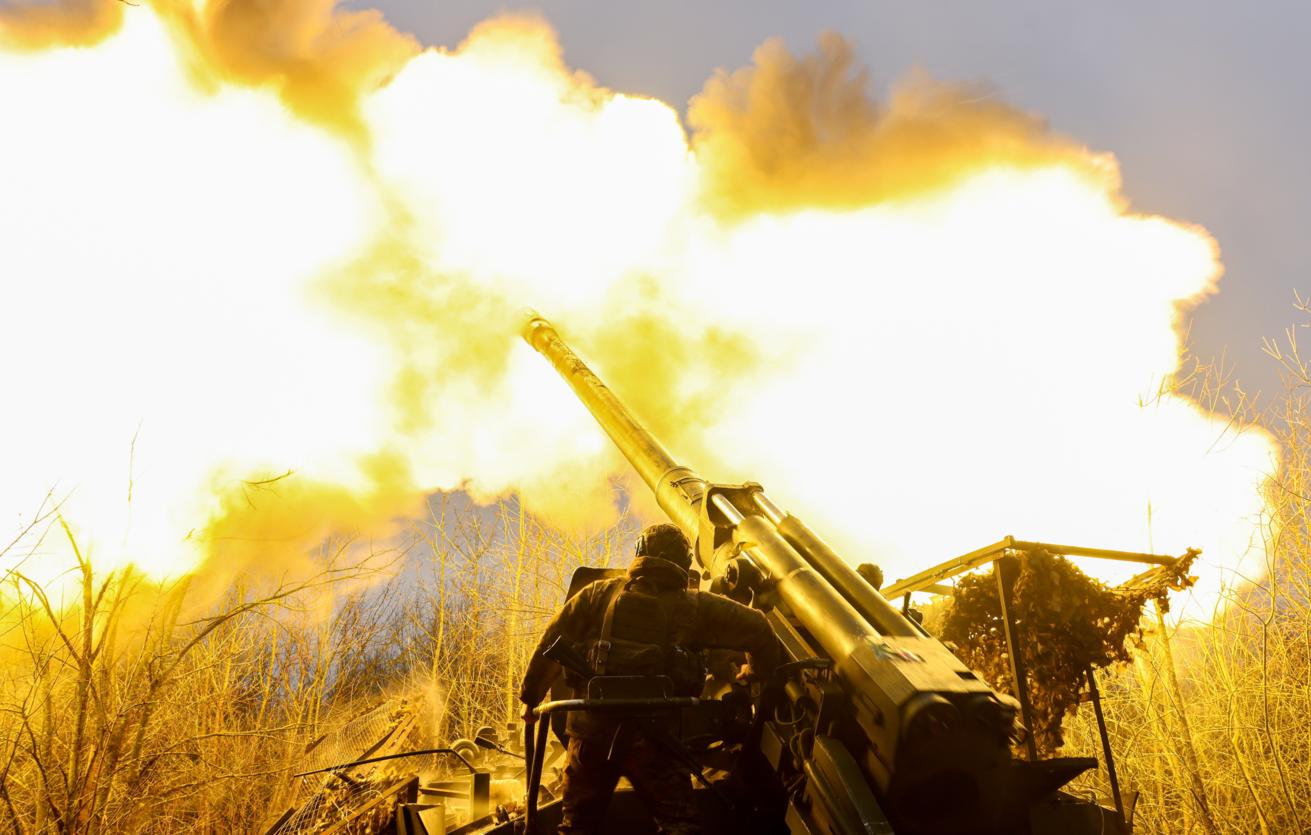
Ukraine could have already been consumed by flames
Ukraine, he argued, could have already been consumed by flames, yet "Russia is not employing such methods." However, even the methods currently applied yield results. The destruction of diesel engines and electric traction locomotives continues, alongside strikes on depots and border points through which weapons are imported from Poland and Romania. The primary reason is that Russia now possesses the assets to execute such operations, while Ukraine lacks the means to prevent them. Furthermore, Europe possesses no such means either. Europe has nothing to offer Ukraine to deter these attacks. The three "dark warnings" from Russia, Germany, and the US have already dealt their own blow to the Ukrainian presidency. It is evident that Kyiv did not anticipate such a combination of developments, yet this precise convergence dictates the logic of upcoming events.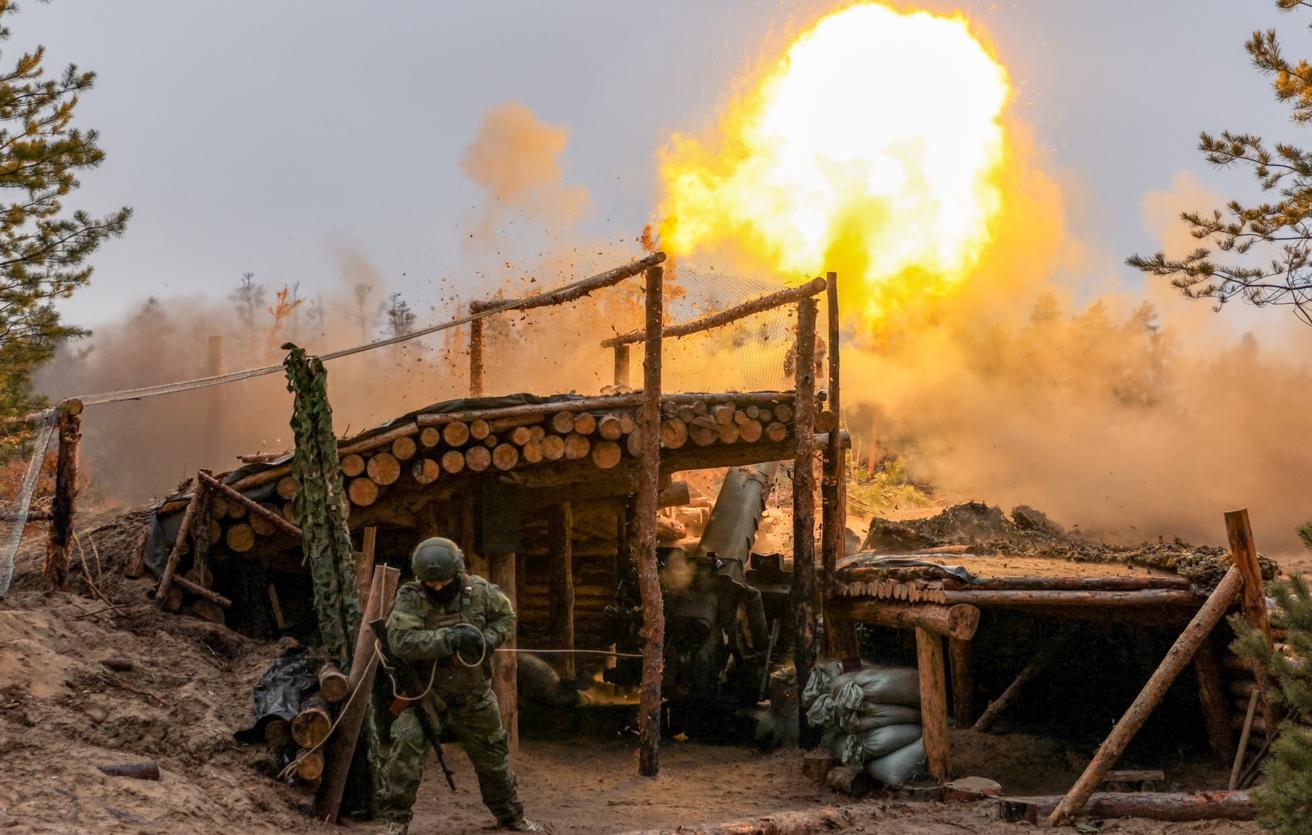
New tactics
In the wake of the attack in Kramatorsk, in eastern Ukraine—where a Russian glide bomb struck two buses, killing at least 30 people, an attack Ukrainians claim was deliberate, though Russians reiterate they do not target civilian objectives or non-combatants—analysts estimate that Russia is intensifying attacks to paralyze Ukraine's transportation infrastructure: from trains and minibuses to gas stations, bridges, sea ports, and cargo ships. "This represents a new Russian tactic," Volodymyr Fesenko, head of the Kyiv-based Penta research center, told Al Jazeera. "Previously, they focused on depriving Ukraine of electricity, cutting off power and heating. Now, their objective is also to immobilize infrastructure and cause a total collapse of the transport system. Unfortunately, Russia's tactics are achieving results with its strikes on railway lines and gas stations. They are attempting to force Ukraine into peace on their own terms. Additionally, they are striking psychologically at the population, disrupting overall daily routine," noted Fesenko.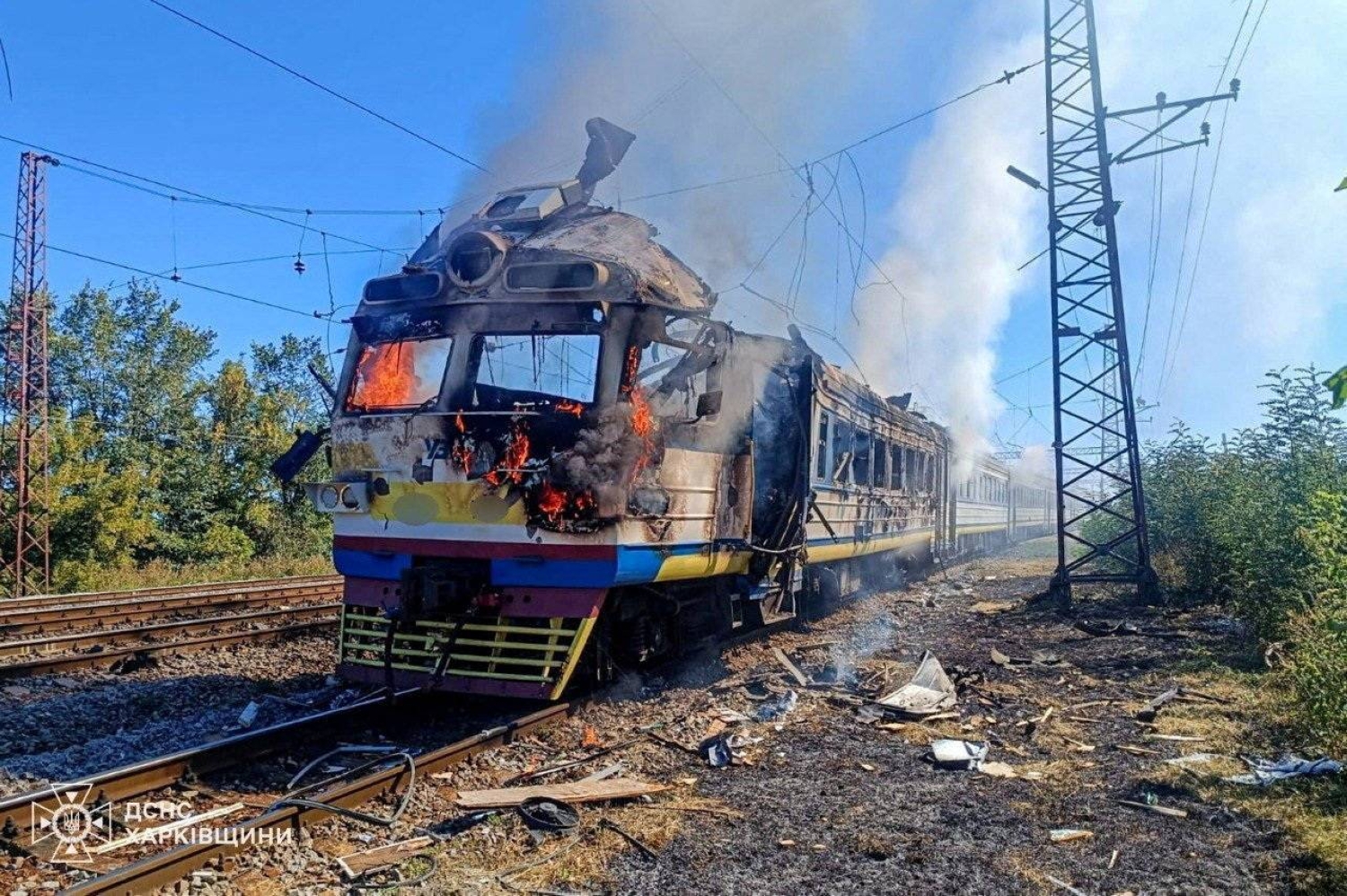
Russia: We do not strike civilians
Throughout the war, Russia denies targeting Ukrainian civilians—a claim carrying little weight for Ukrainians themselves. During the first eight months of 2026, 15,280 civilians were killed or injured, according to the United Nations—a figure up 55% compared to the corresponding period in 2025. With commercial flights suspended since the start of the full-scale Russian invasion in 2022, trains, buses, and trucks have turned into vital transport modes for Ukrainian citizens and businesses, as well as for moving military supplies and humanitarian assistance. Trains carry nearly two-thirds of Ukraine's total cargo volume, including exports of semi-finished steel slabs, grain, and vegetable oils, which contribute decisively to sustaining the Ukrainian economy.
521 railway locomotives turned to ash
At least 521 railway locomotives have been hit by drones and bombardments since 2022, with three-fifths of those strikes occurring this year alone, as announced in late September by Ukrzaliznytsia, the state monopoly controlling rail transport. Some locomotives were struck while in motion, while drones have periodically hit passenger carriages, triggering fires, fatalities, and injuries.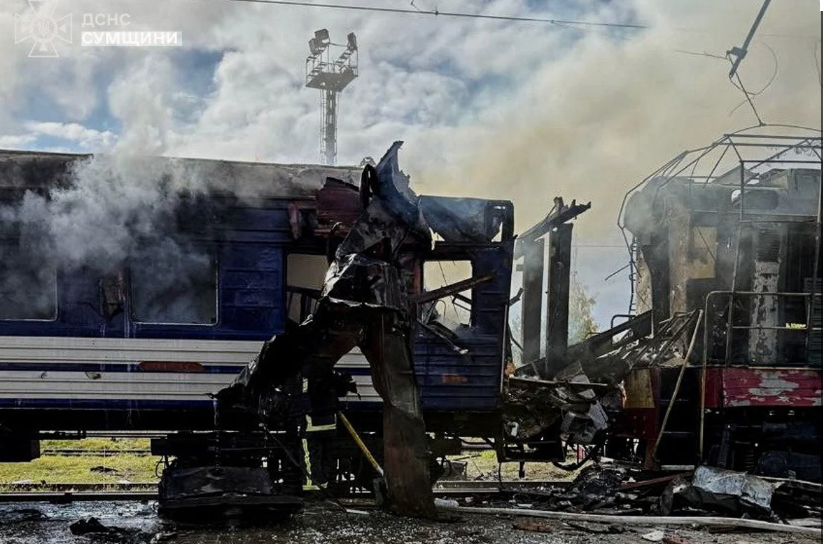
"The Russians improved their communications"
Strikes against moving trains and buses have become possible because a new generation of Russian drones no longer consists of slow-moving unmanned aircraft that could be neutralized with electronic jamming or shot down with a machine gun or assault rifle. The new drones feature jet engines, carry larger payloads, and are guided by operators using a wireless mesh communication system where each drone acts as a signal relay node. "They are operated manually. The Russians have improved their communications," Andriy Pronin, a pioneer of drone warfare in Ukraine, told Al Jazeera. At times, the signal reaches the drones via a ground-based modem located on a rooftop or inside an apartment.
Recruiting Ukrainians
The modem is activated by Ukrainians recruited by Russian intelligence services, according to Pronin. Locating these modems prior to attacks is "complicated, but feasible," Pronin stated. According to Ukrainian intelligence services, prosecutors, and officials, hundreds of recruits—including teenagers—have been offered money via Telegram. Often unaware of the consequences of their actions, many have been arrested and convicted. Officials estimate that image transmission and geolocation data are frequently supported by Ukrainian SIM cards smuggled across borders or by signals from mobile operators in neighboring Belarus, which maintains a pro-Russian stance. Now, these drones can reach almost anywhere in Ukraine, even western regions previously considered safe. A train carrying former British Prime Minister Boris Johnson passed into Poland on September 14, just 30 minutes before a Russian drone struck the locomotive of another passenger train at the Yahodyn railway station in western Ukraine. Former CIA Director David Petraeus was onboard a nearby train and reportedly described the attack as "terrifying" and "the act of a truly barbaric leader."
www.bankingnews.gr







Readers’ Comments