

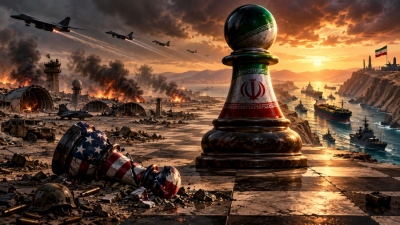
Tehran is transforming the planet's most critical energy corridor into a lever of strategic pressure against Washington.
Strikes on tankers, Brent crude surging above 105 dollars, and the rising cost of navigation expose the limits of American military superiority.
Donald Trump confronts a dangerous dilemma: continue the policy of economically blockading Iran, risking a new energy crisis, or accept that Tehran holds powerful bargaining chips.
The confrontation between the US and Iran enters an exceptionally dangerous phase, as the focal point shifts from military installations and missile strikes to the control of global energy flows.
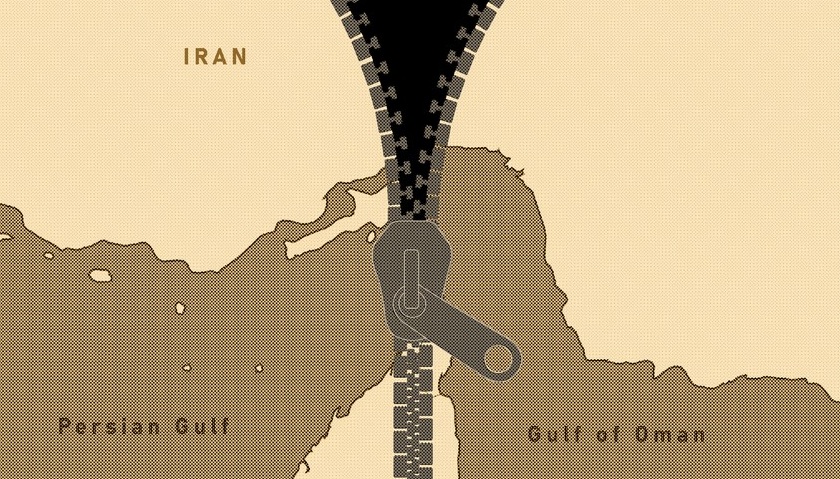
The Strait of Hormuz is evolving into the most crucial arena of economic and geopolitical contestation, with Tehran leveraging its strategic geography to drive up the cost of American policy.
Attacks on oil tankers spark fresh turmoil across international markets, demonstrating how vulnerable the global economy remains to a protracted crisis in the Persian Gulf.
On October 8, Brent crude surpassed 105 dollars per barrel intraday, as investors grew alarmed over renewed supply disruptions, further military escalation, and curtailed energy output.
Strikes on maritime navigation form a primary driver of the spike, though pressures are compounded by temporary halts in American production across the Gulf of Mexico.
Massive problem for Trump
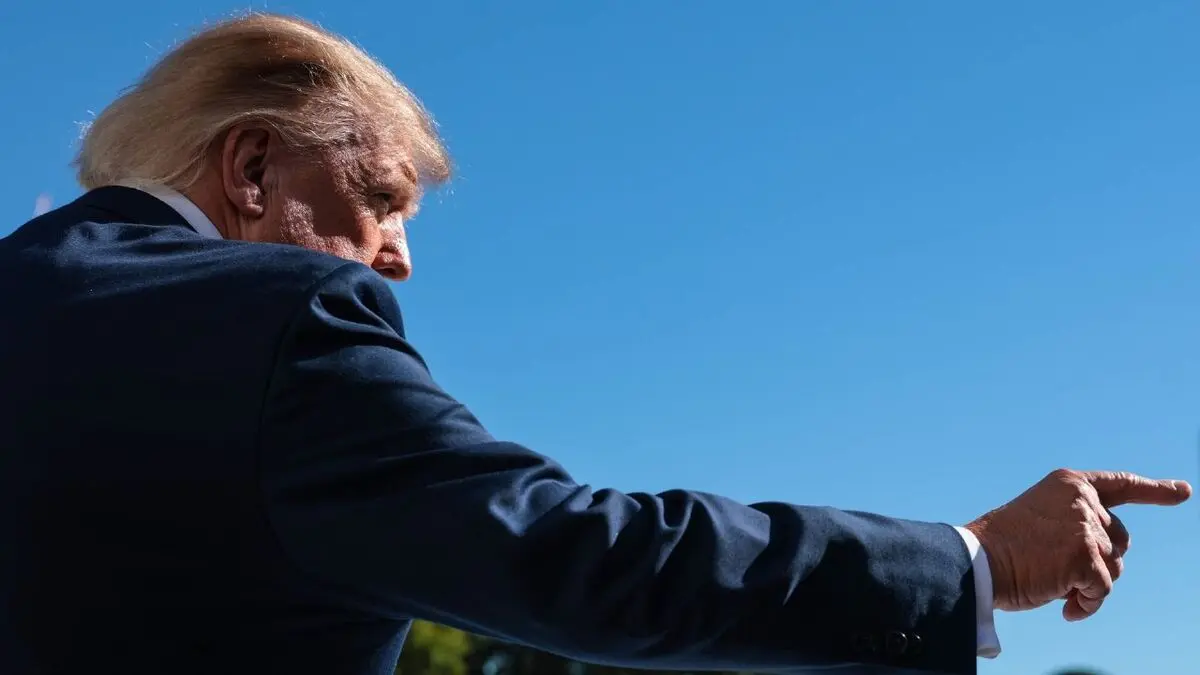
For Donald Trump, this development creates a severe economic and political problem.
Washington's drive to curb Iranian oil revenues directly clashes with the necessity of containing global energy prices.
America attempts to exert economic asphyxiation on Iran, but Tehran demonstrates that it can transfer a significant portion of that pressure's cost to international markets and American consumers themselves.
Strikes on tankers shift the balance of power.
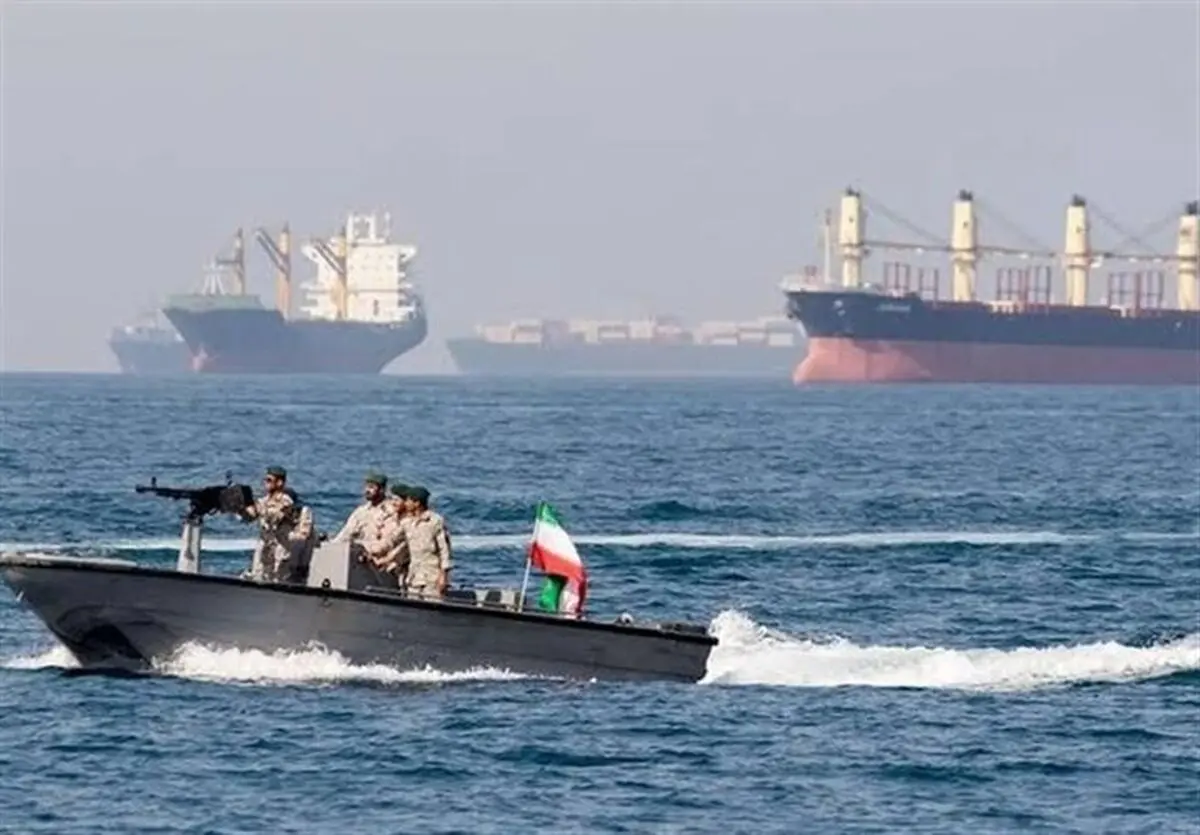
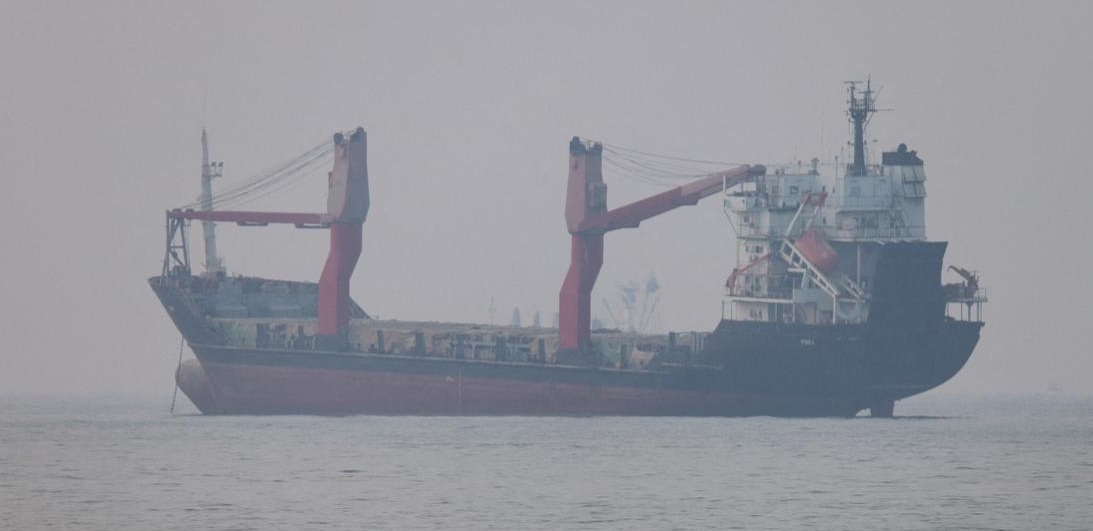
According to reports originating from the region, the Islamic Revolutionary Guard Corps (IRGC) has intensified operations against vessels that Tehran classifies as violators of its imposed restrictions.
Reports indicate that at least seven tankers were targeted within five days, while Iranian media raise the tally of struck vessels to more than ten.
According to figures published by the Financial Times, since the outbreak of the war in late February, at least 93 attacks on vessels have been recorded, with 24 seafarers killed.
On October 8, a new attack was also reported against a tanker off the coast of Qatar, while during the preceding week at least twelve strikes had been logged against crude and liquefied gas carriers.
The military significance of these strikes is not confined to the physical damage inflicted.
Their broader consequence is compelling shipowners, insurance underwriters, and energy conglomerates to reassess the expense and safety of every transit.
Even a relatively limited number of strikes can generate disproportionately massive economic turmoil.
Tehran responds to the American blockade
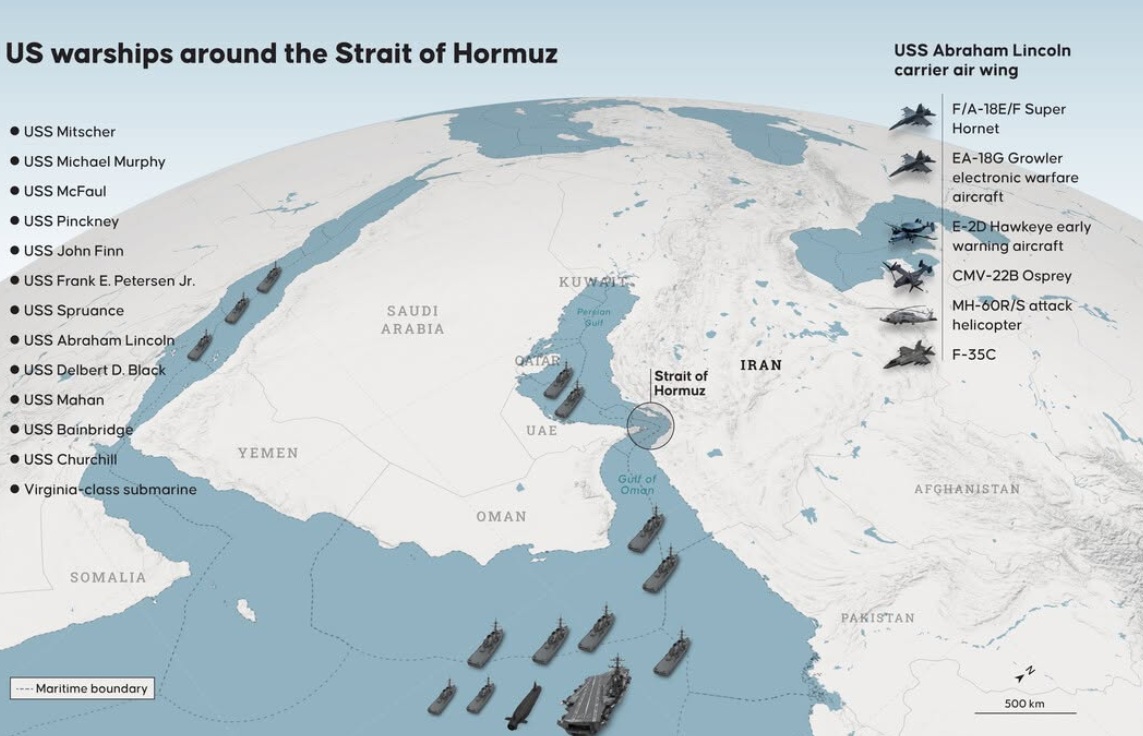
The strategy of Iran cannot be examined in isolation from the naval blockade that the US imposed on Iranian ports starting in April 2026.
Washington seeks to drastically curtail Iranian oil exports, targeting among others vessels of the so-called «shadow fleet», which it considers instruments for bypassing sanctions.
According to figures published by The Wall Street Journal, American forces have interdicted and rerouted more than 270 ships, while nearly two dozen vessels suspected of breaching the blockade have been disabled or destroyed.
The Iranian response attempts to invert the logic of American pressure: insofar as Washington restricts Iranian exports, Tehran imperils the orderly export of crude from the wider region.
Analysts assess that these strikes constitute not merely retaliation, but are rooted in a deeper strategic anxiety in Tehran: the potential gradual forfeiture of its leverage over the world's most critical maritime oil corridor.
This is a contest where raw military power confronts sheer geography.
The US commands immense naval supremacy.
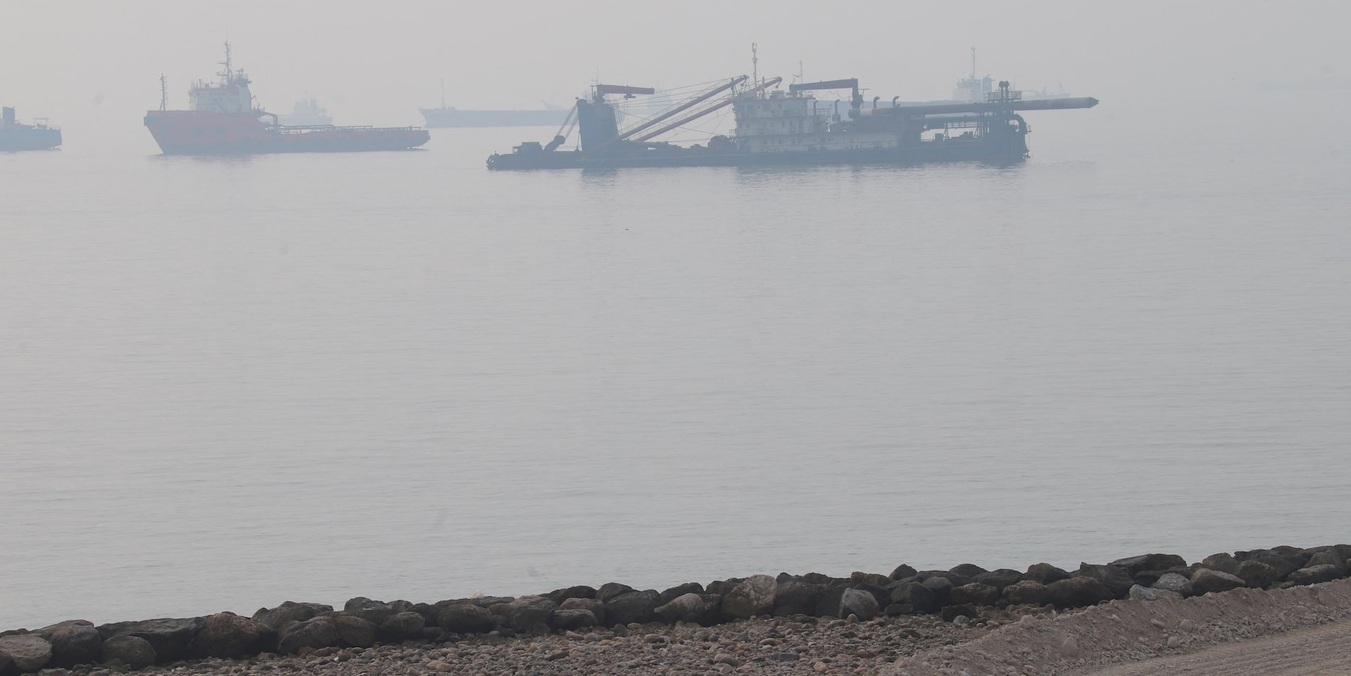
Iran, however, sits directly adjacent to a narrow choke point through which, prior to the war, a volume of oil and refined products representing approximately 20% of global market supply flowed.
From the nuclear program to the control of Hormuz
Among the most critical assessments made by analysts is that Tehran is steadily pivoting its negotiating strategy from the nuclear file toward control over the Strait of Hormuz.
The waterway is no longer treated merely as a maritime conduit; it is being turned into a strategic negotiating asset.
US Secretary of State Marco Rubio has asserted that Iran is utilizing the Strait as a lever of pressure.
The Iranian response is equally unequivocal.
The Secretary of the Supreme National Security Council, Mohsen Rezaei, stated on October 6 that «the Strait of Hormuz will not open through threats or pressure» and that Iran has no intention of backing down.
Tehran has linked the complete restoration of freedom of navigation to broader demands, including the termination of the American blockade, the lifting of sanctions, and addressing the aftermath of the war.
This posture provides Iranian leadership with the leverage to negotiate not merely military security matters, but the operational status of critical infrastructure underpinning the world economy.
The assessment that control over Hormuz now represents Iran's foremost military priority carries immense significance, even if it does not imply that the nuclear file has ceased to occupy Iranian decision-makers.
War risk premiums and 100,000-dollar seafarer wages
The economic strain is nowhere more apparent than in maritime shipping costs.
War risk insurance premiums for a single tanker can reach up to 20 million dollars, while the wages of ship captains undertaking transits through the Strait have touched 100,000 dollars per month, supplemented by additional bonuses per voyage.
These figures reflect the magnitude of risk perceived by the maritime industry.
Every escalation in premiums and freight rates is passed incrementally down into the end-cost of refined energy products.
Consequently, the showdown assumes planetary proportions.
The ramifications are not limited to the US or Iran, but batter nations reliant on imported crude and fuel.
Crucially, Iran does not require a total physical blockade of the passageway to inflict deep economic injury.
It suffices merely to keep uncertainty running high.
The Trump trap: Greater pressure, costlier oil
Herein lies the core contradiction in American strategy.
The Trump administration seeks to deliver crippling economic blows to Iran while simultaneously maintaining a lid on domestic oil and gasoline prices.
However, strikes on commercial vessels and the looming danger of wider conflagration compel markets to bake steeper geopolitical risk premiums into prices.
The policy of economically isolating Iran can, therefore, produce severe collateral damage for the American economy itself.
Uncertainty is further heightened by reports that Washington is contemplating fresh military strikes against Iranian targets.
Every leak of that nature magnifies market fears of prolonged energy supply interruptions.
At the same time, the broader picture is not monolithic.
In September, crude oil exports through the Strait had rebounded noticeably, as regional producers capitalized on alternative bypass pipelines.
Conversely, the transit of refined petroleum products remained acutely disrupted.
This demonstrates that markets possess adaptation mechanisms, without however eliminating the ever-present threat of renewed systemic shocks.
A calibrated showdown that could spiral out of control
Despite the uptick in strikes, certain analysts consider that both sides remain committed to pursuing a calibrated and bounded confrontation.
In their assessment, Tehran employs selective military strikes to reinforce its negotiating posture, while Washington retaliates with economic measures and operations against Iranian petroleum assets without opting for all-out military escalation.
This framework conforms to a tit-for-tat logic, wherein each party seeks to ratchet up costs for the adversary without triggering an uncontrollable war.
Yet maintaining this delicate equilibrium is far from assured.
A strike resulting in mass casualties, the destruction of critical coastal infrastructure, or the sinking of a high-profile vessel could easily trigger an irreversible chain reaction of military reprisals.
The historical precedent of the Tanker War in the 1980s serves as a stark reminder that clashes over commercial shipping draw in outside powers and take on unpredictable momentum.
Therefore, the calculated nature of ongoing operations does not eliminate the latent threat of a generalized conflagration.
The strategic dilemma facing Washington
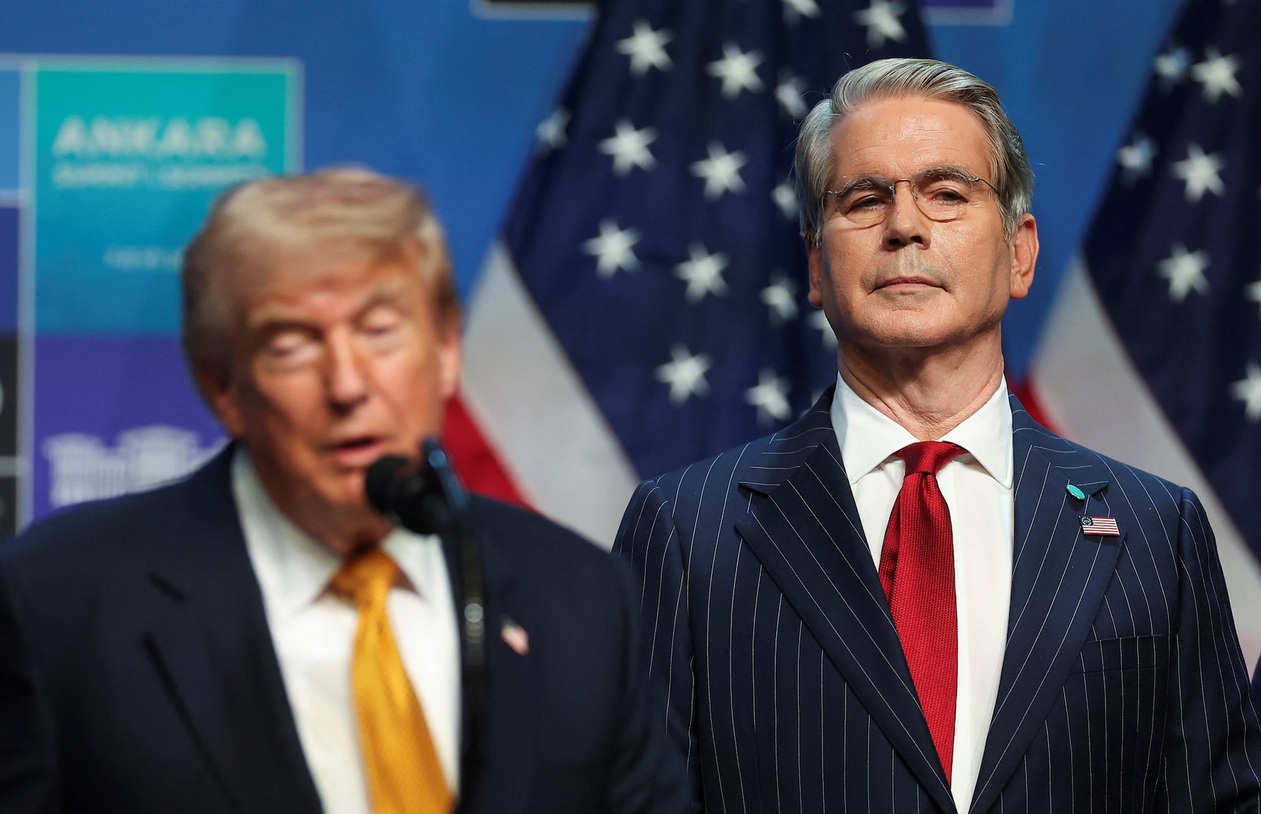
The true test for the American administration is now inherently political and strategic.
An operation to forcibly reopen the Strait by military might would demand an extensive, prolonged military deployment, accompanied by crushing financial burdens and highly uncertain effectiveness.
Conversely, reaching a diplomatic pact would necessitate compromises on the blockade, sanctions relief, and broader security arrangements, issues on which the two capitals remain diametrically opposed.
Iran proves that it wields control over Hormuz as a structural counterbalance to American military firepower.
On the other hand, attacks on commercial shipping subject civilian mariners to mortal danger and erode the sanctity of international navigation, irrespective of the arguments advanced by Tehran.
The overarching dilemma is whether Washington can sustain its economic stranglehold on Iran without simultaneously sending recurring shockwaves through the global energy matrix.
The Strait of Hormuz has become the focal intersection where military standoff, energy security, and the global macroeconomic order converge.
The US commands overwhelming military power, yet geography grants Iran the ability to hold hostage a maritime artery vital to the entire world.
And that exact dynamic explains why localized, low-intensity strikes yield such profound global consequences.
Control over Hormuz is no longer merely an issue of naval supremacy.
It is a contest of economic stamina, bargaining leverage, and political willpower.
As long as this standoff drags on, the peril is not confined to escalating oil prices.
It concerns the very real risk that a regional conflict transforms into a far wider systemic crisis, whose ultimate bill will be footed by populations and economies located thousands of miles away from the Persian Gulf.
www.bankingnews.gr






Readers’ Comments