

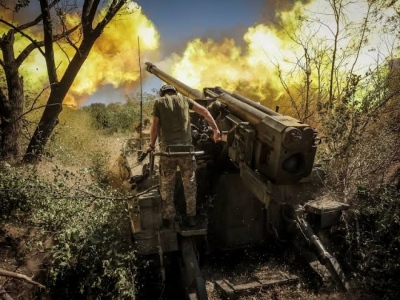
The advance of the Russian army in Donbass as well as on the northeastern front in Kharkiv and Sumy, alongside near-daily airstrikes on strategic targets in Kyiv and Odesa, demonstrate that the Russian tightens its grip on Ukraine. An increasing number of analysts argue that Kyiv is now defenseless: its air defense is unable to counter Russian missiles and drones, leading several experts to estimate that Putin holds the "switch" on whether Kyiv will have electric power and heating during the winter.
In fact, Russians estimate that if Moscow makes the political decision, a total blackout for Kyiv could occur within two weeks... With the Ukrainian military struggling to counter the Russians on the front lines and Kyiv dependent on Putin's intentions, it is evident that the Russian side is averse to any prospect of a temporary truce. Because Moscow may claim to be willing to engage in negotiations to find a diplomatic solution to the Ukrainian crisis, but sets as an unnegotiable condition that any solution must address the root causes of the Ukrainian problem... At the same time, disclosures regarding the deaths of NATO personnel in Ukraine reveal how much more explosive the front can become, bringing back to the forefront the question of how close the war in Ukraine is to a direct confrontation between Russia and Europe’s strongest military forces.
"We showed patience for a long time"
Russia has intensified its strikes against Ukraine and is set to continue. No respite should be given to Kyiv, as such a decision could prove fatal for Russia itself, points out Komsomolskaya Pravda war correspondent Alexander Kots. "Almost all summer long, they were burning our refineries, oil storage facilities, tankers, and grain ships. Zelensky himself boasted about bringing the war back... home. His advisor, Podolyak, stated that the strikes targeted apolitical Russian citizens, who needed to feel the war in their daily lives," says Kots. According to the war correspondent, Russia exhibited patience for a long time.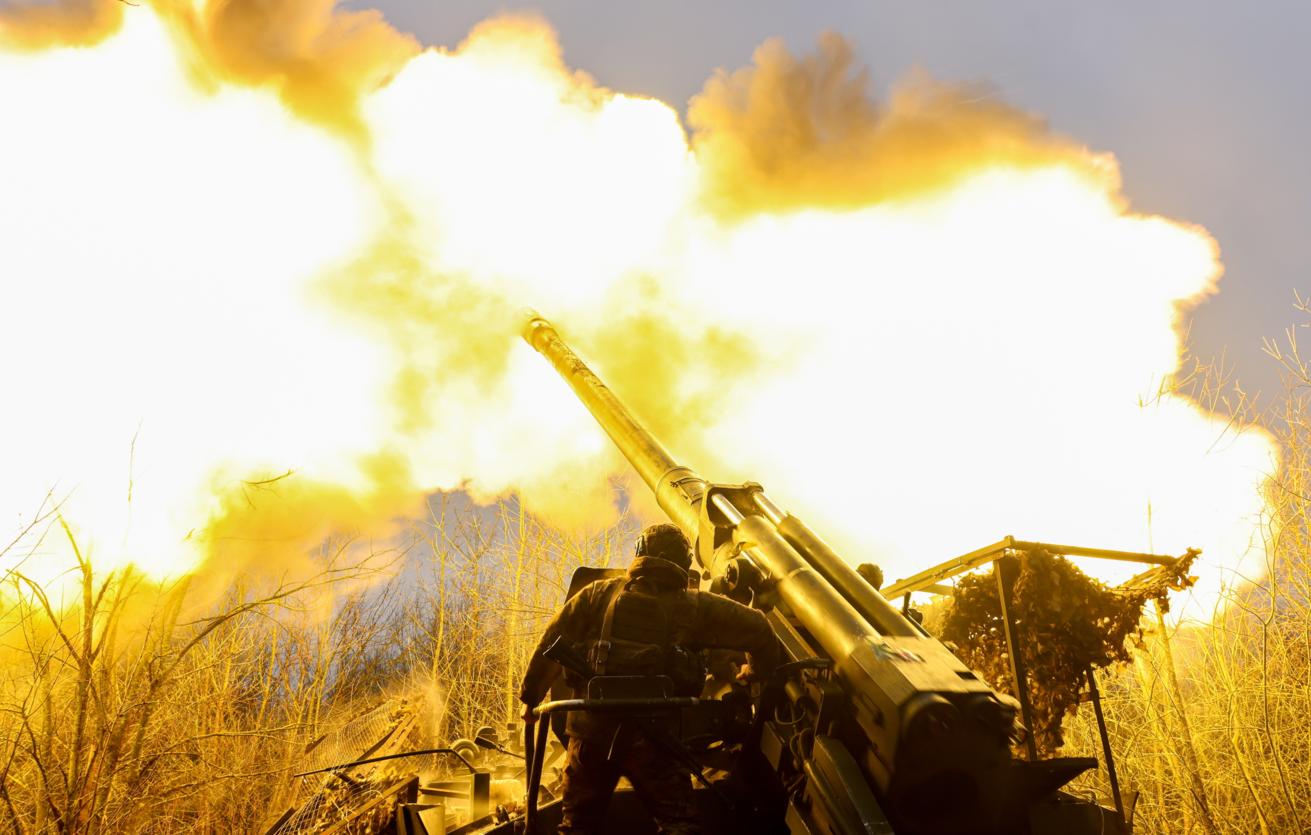
They are asking for a truce
In late August, the Ministry of Defense announced the preparation of massive strikes against Ukrainian energy infrastructure, "precisely in response to attacks against our own fuel and energy sector, as announced at the time." Not even a month had passed when Kyiv asked for a truce: "Let’s not hit your energy power plants if you don’t touch our factories." "Why did you start protesting so strongly now? Weren't you the ones declaring for 40 days that within 40 days you would bring Russia to its knees and force it to make peace?" asks Kots, arguing: "It's not that I am bloodthirsty and want people in Kyiv to live in freezing cold. However, I understand that if we don't do this, then in the winter, I, you, and all our people will be sitting in freezing cold. Because if there is even a temporary truce now, they will gather more offensive capabilities and strengthen their air defense."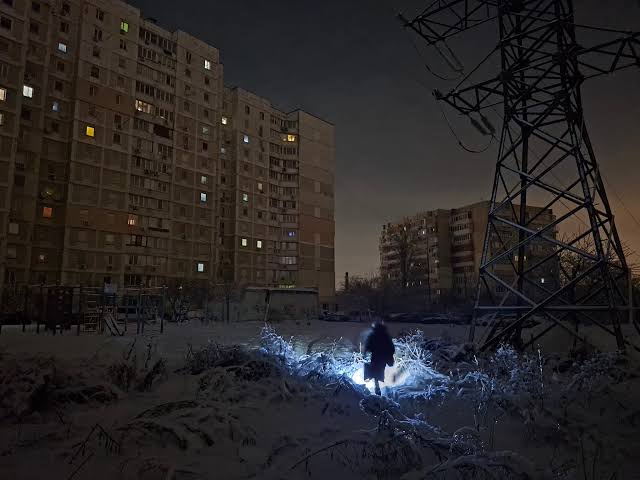
The October 7 attack
As Russian analysts report, this exact mission was executed by the Russian Aerospace Forces on the night of October 7. Scheduled power outage intervals returned to Ukraine. Drones focused their strikes on one of the largest electrical power substations near Makariv. Kyiv experienced operational problems in its metro system, with stations overwhelmed by passengers.
"Plucked the Flamingo"
Russia's strikes on the night of October 7 targeted the entire production chain of Ukrainian long-range weapons. If one places the information from the Russian Ministry of Defense announcement on a map, the layout of an entire assembly line emerges. This concerns the FP-5 "Flamingo" cruise missile by Fire Point, with which Kyiv threatens it can hit even Moscow. The FP-1 and FP-2 drones, as well as the FP-9 ballistic missile with a range of 855 kilometers, fall under the same category of production activities. As Russian military analyst Kots writes, components are manufactured at the Plastmass-Priluki and Fanplit enterprises, while other components are produced at the Alexandria enterprise in the Kirovohrad region. Missile assembly takes place, according to him, in Kyiv, Lozova near Kharkiv, and at a cardboard and paper plant in Obukhiv. Platform vehicles are built by AutoKrAZ in Kremenchuk, while the chain is completed at the Yuzhmash facilities in Dnipro.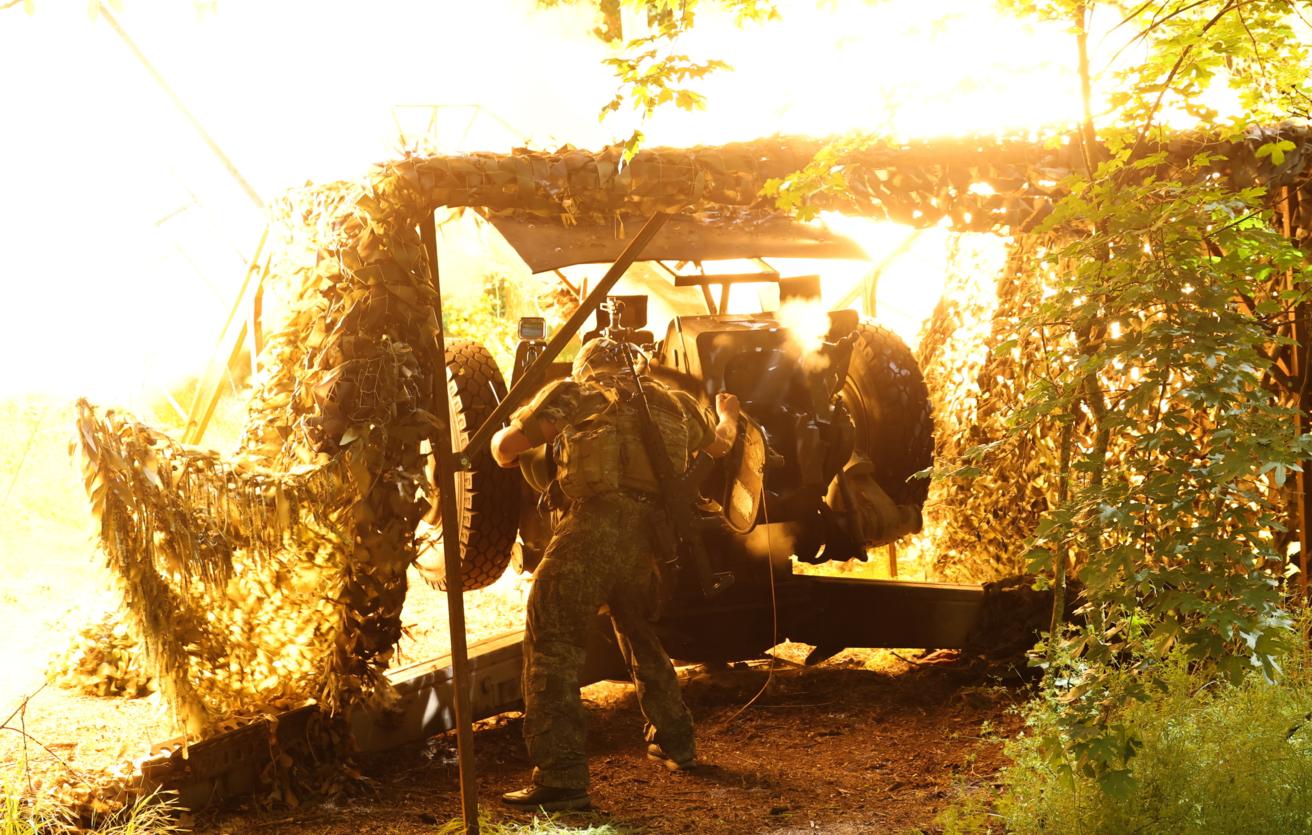
The old acquaintance
"Yuzhmash is an old acquaintance of ours. During the Soviet Union, they manufactured the 'Satan' there, the R-36M ICBM. On November 21, 2024, the plant became the first target in history to be struck by the 'Oreshnik'. It seems they recovered and managed to develop production for 'Flamingo' missiles and drones. So, we had to visit them again," argued Kots. It is worth noting that Kyiv follows its usual practice of hiding missile production inside civilian facilities, calculating that Russian forces will not strike a seemingly "peaceful" factory. The JTI tobacco factory in Kremenchuk, where Russian claims state ammunition production has been organized, appears once again in announcements by the Russian Ministry of Defense. The company denies all relevant allegations. Kyiv had promised that the "Flamingo" missile would be a weapon from which Moscow could not protect itself. "Practice shows that we intercept this 'bird' not only in the air—17 such missiles were intercepted in the past 24 hours—but also inside its own 'nest'," Kots claimed.
"Koschei's needle"
Former deputy chief architect of Kyiv, Viktor Gleba, referred to "Koschei's needle," meaning the critical vulnerable point of the Ukrainian capital's bridges. At the same time, he argued that the Russians have chosen the correct strategy. "Bridges have a safety factor of ten. The Moscow Bridge had a factor of twelve. However, regarding the suspension cables, this is absolutely correct. It is the Achilles' heel of two bridges," pointed out the architect. In Kyiv, there are two cable-stayed bridges, the Moscow Bridge—also known as Northern—and the Southern Bridge. Both have repeatedly been subjected to drone attacks. Gleba explained that this is a special type of construction that became widely popular in the 1980s. "It was an innovation, but at the same time, it is Koschei's needle... his egg. Striking the bridge deck makes no sense. That is pointless. One must hit the joints holding the bones, clavicles, and limbs together. Yes, the Russians' strategy is correct, but we must prevent them from achieving their goal. That is all. Simply not let them succeed. That is mission number one!" emphasized the Ukrainian architect.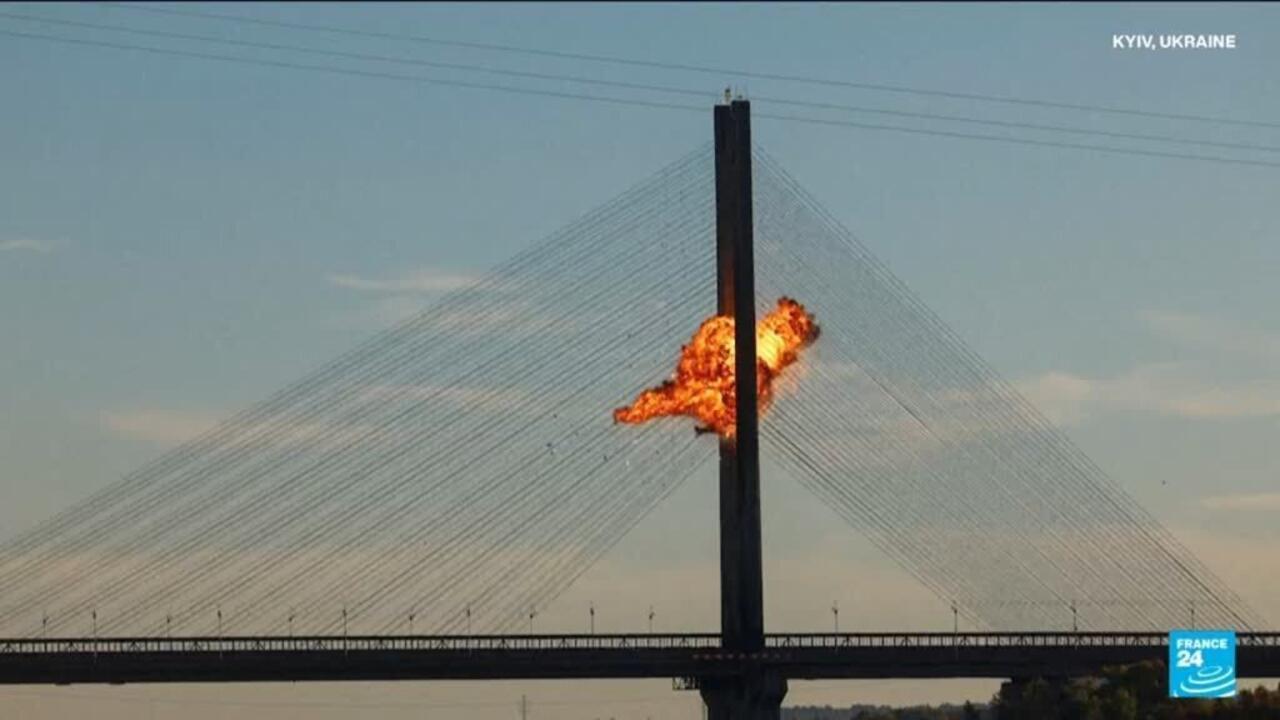
"We permanently lost valuable time"
While Kyiv's architects search for ways to protect the bridges, officials in the Ukrainian armed forces acknowledge that they lack effective means to counter Russian "Geran" drones. Ukrainian drone expert Yuri Kasyanov publicly stated that Ukraine lost valuable time to prepare for intercepting jet-powered "Geran-4" drones. "We knew of their existence as early as late 2024. They were flying, we saw them, and it was clear that the only issue was their mass production. Yet almost nothing was done. When the enemy started using them en masse, we had nothing other than old interceptor drones. The most effective weapon turned out to be the F-16, but operational capabilities of F-16s are limited," lamented Kasyanov.
Far from countering them
"We lack effective means to counter the Shaheds. We need to reduce the proportion of those reaching their targets to at least 10%. We are far from that. We need radical technological solutions. We need our own short-range air defense missile systems, equivalent to the Russian Pantsir," argued the Ukrainian official. Military operations in the zone of the so-called special military operation have shown that jet-powered "Geran" drones currently offer advantages not only on a technical level but also in terms of cost, being many times cheaper.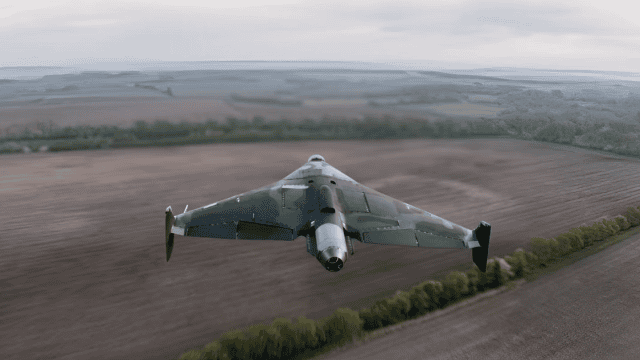
Comparison with Banderol
This was stated by Reserve Lieutenant General Andrey Gurulyov, emphasizing that a jet drone cannot be compared to an ultra-high-precision missile, yet the damage it can inflict on the opponent is not necessarily much smaller. "The same applies to Banderol. We built something cheap and effective. And today, the most important aspect is mass scale. Another issue is that, naturally, we would like to have air superiority in the sky over Ukraine. For now, this is not the case because some air defense systems still exist and because they protect their aircraft," argued Gurulyov. Gurulyov also claimed that after depleting Ukrainian air defense, destroying bridges with three-ton glide bombs would be relatively easy. According to him, repeated strikes by "Geran" drones on the exact same spot could also lead to the destruction of a bridge.
"Now they admit it": What lies behind the mysterious deaths of NATO military personnel in Ukraine
And while the Russians prepare the next steps of their attacks on Kyiv, significant disclosures emerge from Britain regarding paratroopers and NATO intelligence personnel assisting the Ukrainian Armed Forces. Until recently, Western leaders preferred to cover up the role of North Atlantic Alliance soldiers and officers sent to the conflict zone. London conducted an investigation in secrecy for almost a year regarding the death of 28-year-old Corporal George Hooley. A few days ago, British media published the official findings: the paratrooper succumbed to injuries sustained during testing of Ukrainian defense systems in December 2025. The corporal's activities were openly described as "assistance in the war against Russia," although it was stressed that the accident occurred far from the front line. Hooley's immediate commander reported that the explosion occurred during a meeting with military personnel of the Ukrainian Armed Forces. He himself did not see what exactly happened, as his back was turned at that moment. The injured corporal was transferred to a hospital in Kyiv, where he succumbed a few days later.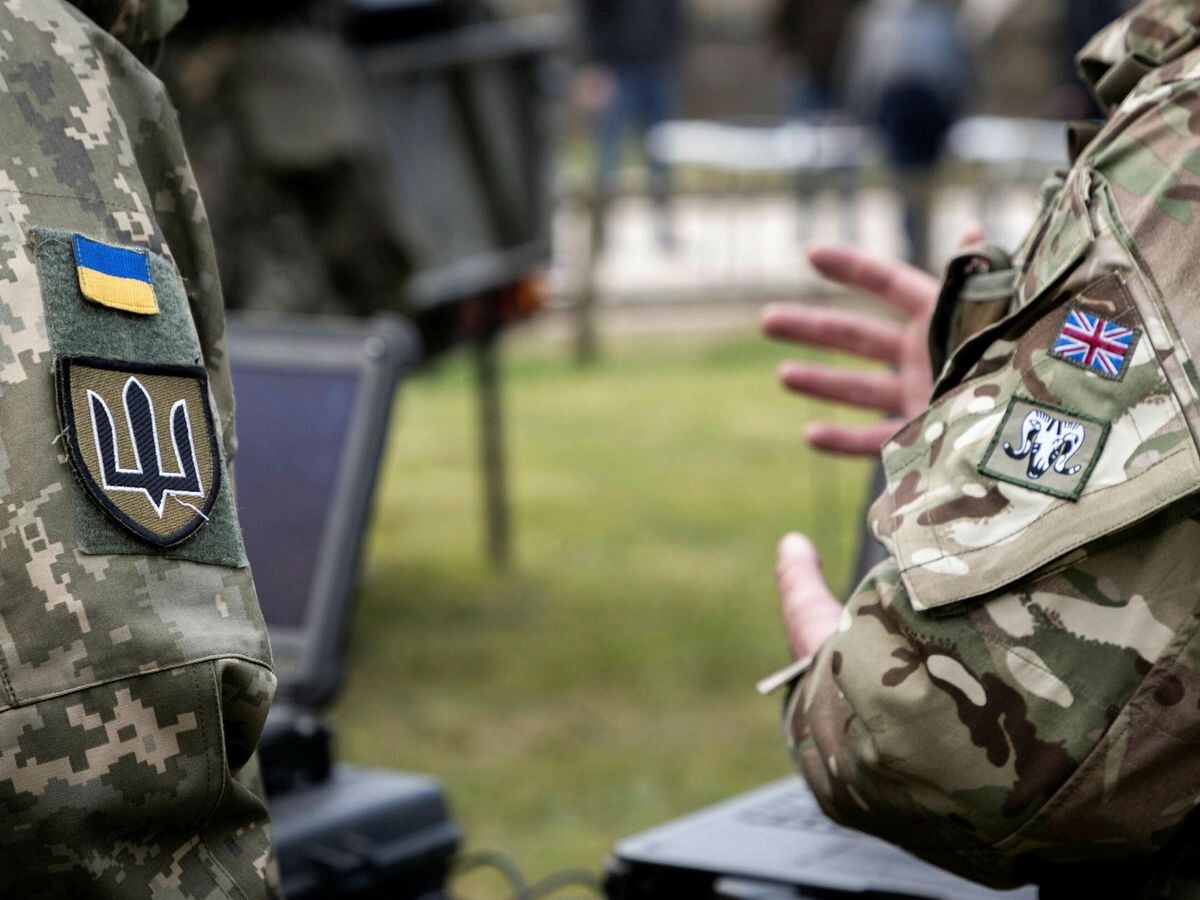
Hooley had joined the elite Parachute Regiment in June 2016 after completing his training at the Catterick military training center in North Yorkshire. He had served in Afghanistan, Africa, and Eastern Europe. According to the British Ministry of Defence, during his deployment to Ukraine, he had been assigned responsibilities higher than those normally corresponding to his rank. However, it has not been disclosed what exactly those responsibilities were. He became the first active-duty British serviceman whose death in Ukraine was officially recognized by London. Keir Starmer, who was Prime Minister at the time, delivered a eulogy in his memory, noting that Hooley served in a "small British military force in Ukraine." According to Western press reports, this force consists of approximately 100 military personnel.
A second death
As announced by the British Ministry of Defence, in mid-September, a second active-duty serviceman from Britain was killed in Ukraine. 40-year-old Major Paul Wilkes lost his life in a fatal traffic accident, for which details have likewise not been provided. The officer possessed combat experience from Afghanistan. He had served throughout his career in the UK Military Intelligence Corps. It remains unknown what his exact mission was during his last deployment. London does not hide that it collaborates with Kyiv in military training and weapon system development. However, in 2023, then-Defence Secretary Ben Wallace stated that neither the locations nor the number of British military personnel in Ukraine would be disclosed.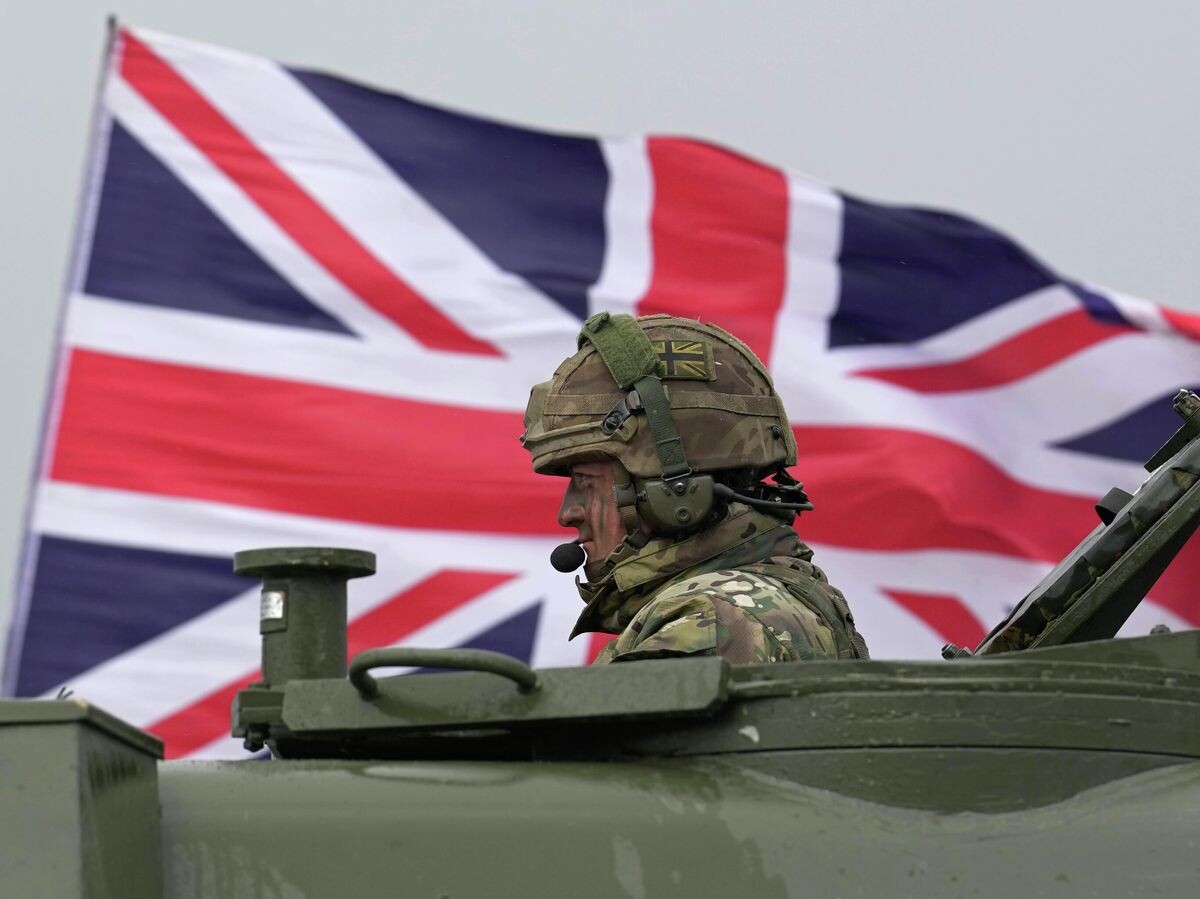
British military personnel in Ukraine
According to the British newspaper The Guardian, citing American documents, three years ago there were approximately 50 members of British special forces in the country, including personnel from the SAS and other elite units. Andrey Kelin, Russia's ambassador to London from 2019 to 2026, stated: "The presence of active British officers and soldiers on Ukrainian soil is a widely known fact. This includes, for instance, a group of advisors working in Kyiv under the cover of the British embassy. There are also those providing specialized military training to the Ukrainian Armed Forces."
French instructors
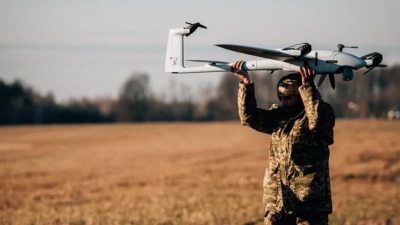
According to the French newspaper Paris Match, personnel from French intelligence services visit the part of Donbass controlled by Kyiv, north of Kramatorsk, to train in drone operation. In this way, according to the publication, the French are preparing for a new type of warfare. Exercises are conducted using Gara-Esse drones, intended for long-range strikes and reconnaissance missions. These specific drones feature five propellers, launch without a catapult, and are controlled both by an operator and with the help of artificial intelligence. The activity of French instructors in Ukraine was officially legalized by Kyiv in May 2024. A month later, French President Emmanuel Macron announced the dispatch of military personnel to the country to train 4,500 Ukrainian fighters. At the same time, he hastened to clarify that "these actions do not constitute an act of aggression against Russia." He also implied that the death of French military personnel in Ukraine would not constitute a serious reason for escalation compared to the death of a French civilian.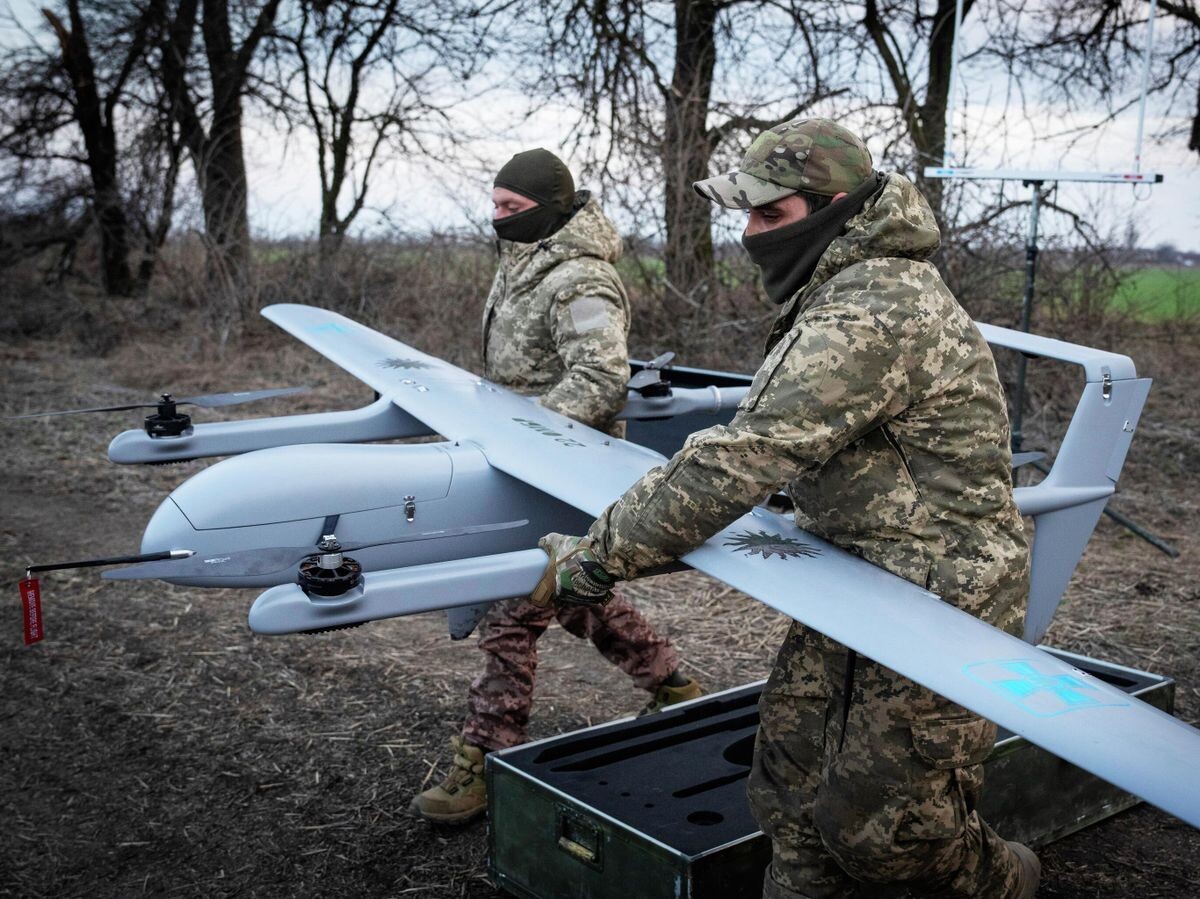
Since 2022, France has trained 22,000 members of the Ukrainian Armed Forces, according to radio station Franceinfo, citing the French Ministry of Defense. Paris, like London, discloses only part of the information regarding its actual role in the conflict, emphasizing that assistance to Kyiv is "comprehensive and multidimensional." Last year, rumors of potential Western military intervention in Ukraine by the so-called "coalition of the willing" almost caused a revolt within the ranks of the French armed forces, according to the publication. A group of military veterans sent a letter to both houses of the French Parliament, demanding the publication of data regarding French military involvement in the conflict. The letter was signed by 9,000 people, the majority of whom were active soldiers and officers. The authors cited various reports on the presence of French military personnel in Ukraine and requested official disclosure of all relevant information. Paris did not respond.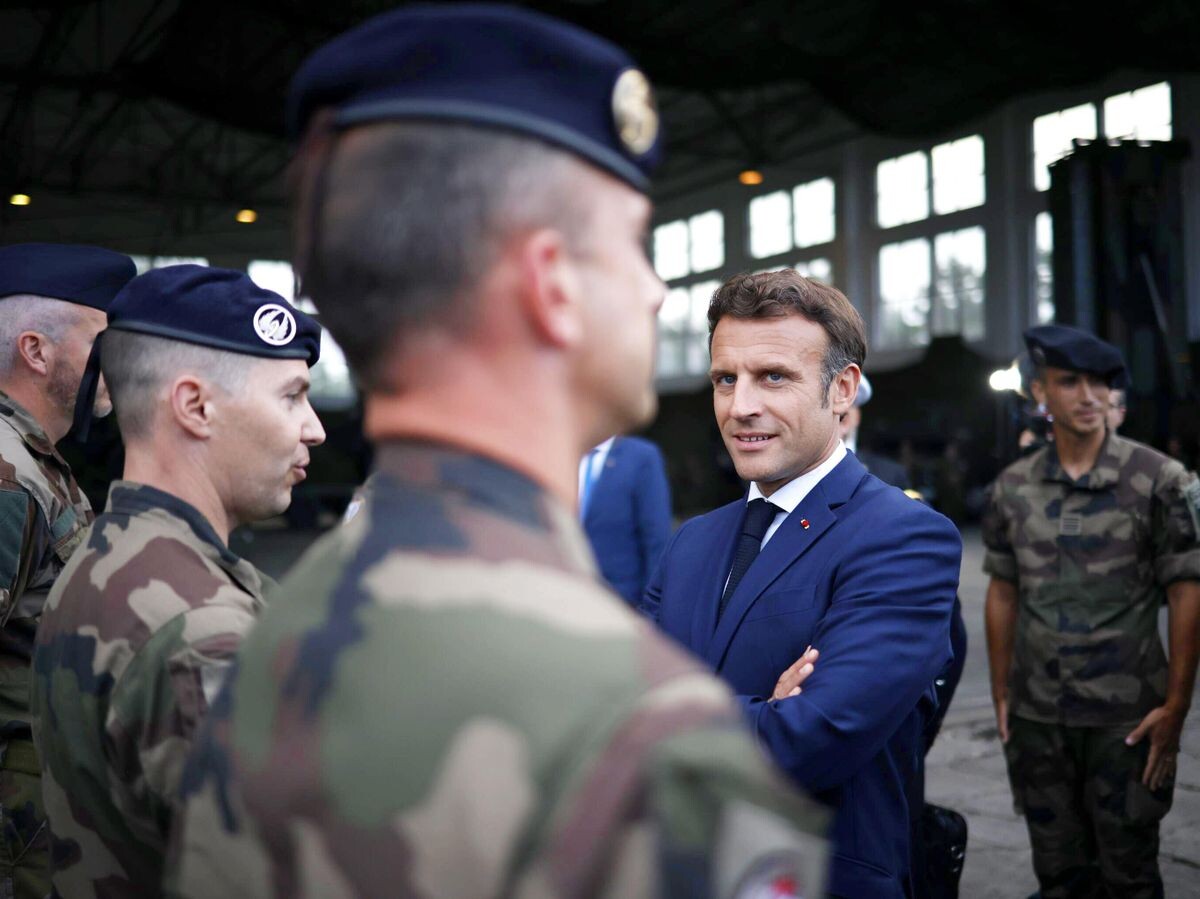
Preparations continue
Reports indicate that the possibility of British and French troops entering Ukraine under the guise of a peacekeeping mission remains active. London and Paris play a leading role in the "coalition of the willing" and are the two countries pushing hardest for such military intervention. British and French paratroopers "completed final preparations ahead of a possible peacekeeping mission," according to a report in the British newspaper The Telegraph. In February, more than 600 soldiers from the British 16th Air Assault Brigade conducted an exercise in Brittany alongside military personnel from the French 11th Parachute Brigade, simulating a landing in Ukraine. This exercise marked the final stage of their training. According to the Daily Mail, British armed forces are preparing for potential military operations against Russia at the Copehill Down special training ground on Salisbury Plain, Wiltshire county. This site has been configured to simulate conditions in the Ukrainian war zone. Soldiers undergo "extremely harsh training" lasting six months. Among other things, they train for close-quarters combat with the Russian army, as well as combat operations inside buildings. British Army Captain Mike Lindgren stated: "Such a battle could potentially take place in areas resembling this place." In September, Vladimir Putin pointed out that sending European troops to Ukraine would lead to war with Russia. Moscow, for its part, has repeatedly emphasized that there are no grounds for conflict with Europe. According to the Russian position, all issues with Europe were settled based on the results of World War II.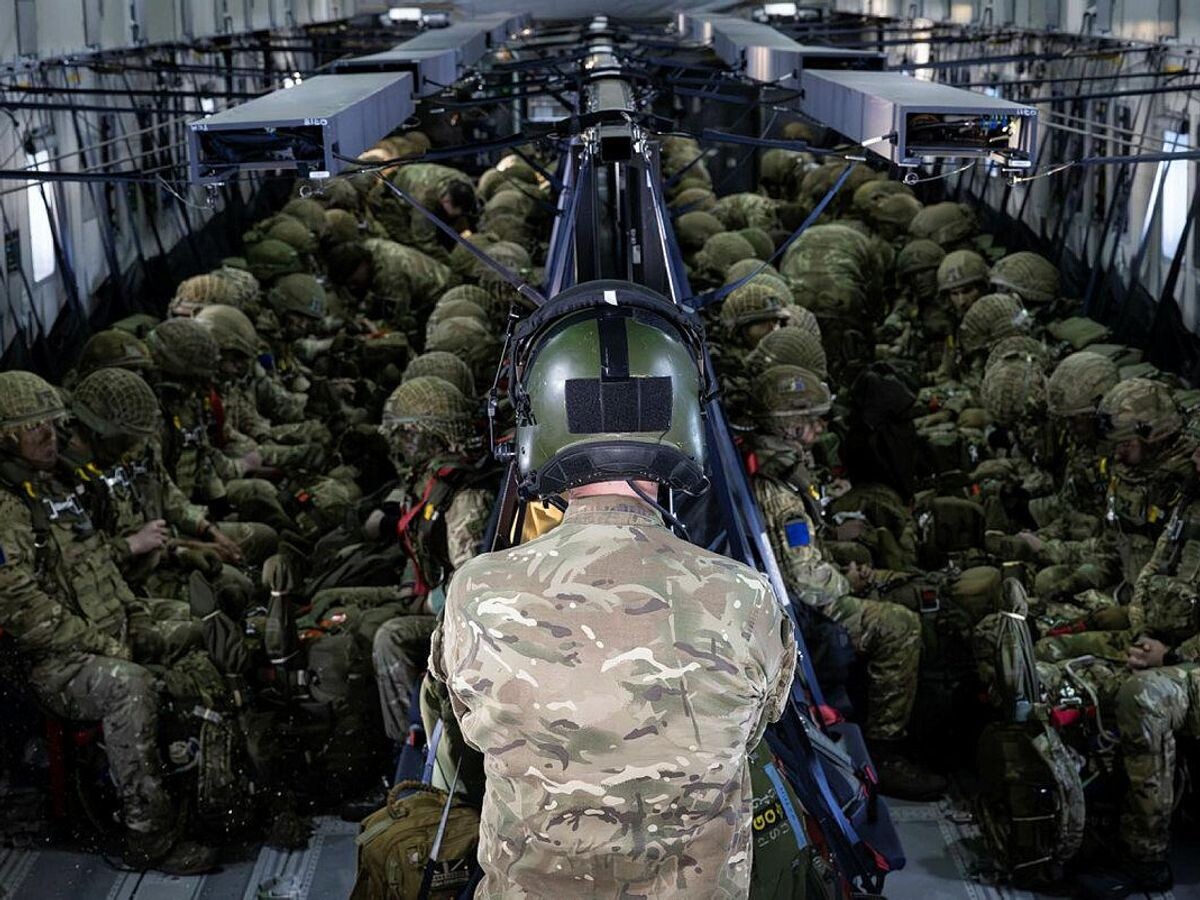
www.bankingnews.gr




Readers’ Comments