

US considering large-scale military operations in Iran in coming weeks
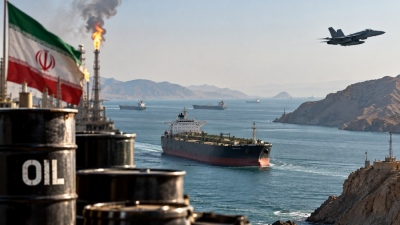
New fires have been ignited in the oil market as escalation in the Middle East brings back fears of a major disruption to global energy flows. Brent is now trading above $103 per barrel, with the market pricing in growing risks surrounding the Strait of Hormuz, where ship transit through this critical maritime passage has fallen to a two-month low. Only seven commercial vessels passed through Hormuz on Tuesday, while crude oil flows through the strait have dropped by 27% compared to the peak levels of the previous week of the war, according to data from Kpler. At the same time, the prospect of a new large-scale US military campaign against Iran adds another explosive variable to the equation, as any further escalation could severely impact safe tanker transit and global oil supplies.
Fears of new US strikes
Oil prices are recording a significant surge today (8/10/2026) as Middle East anxieties keep global markets on edge, while reports indicate the US is weighing large-scale military operations in Iran over the coming weeks. More specifically, December futures for Brent crude rose by 3.94% to $104.15 per barrel, while November futures for American crude (WTI) gained 3.89% to reach $91.71 per barrel. US President Donald Trump and his national security team have held discussions regarding the potential resumption of large-scale military operations against Iran in the coming weeks, NBC News reported, citing sources. Among the options being evaluated is launching military strikes prior to next month's midterm elections. At the same time, regional tensions are escalating sharply, with Iran-backed Houthis targeting airports in Saudi Arabia, while Tehran has launched attacks against oil tankers traversing the Strait of Hormuz. "Looking ahead, crude oil is likely to remain linked to the security of Gulf export routes and infrastructure," said Inki Cho from Exness. "Any escalation affecting transit through Hormuz or Saudi energy facilities would directly threaten physical supply and could drive prices even higher," Cho added.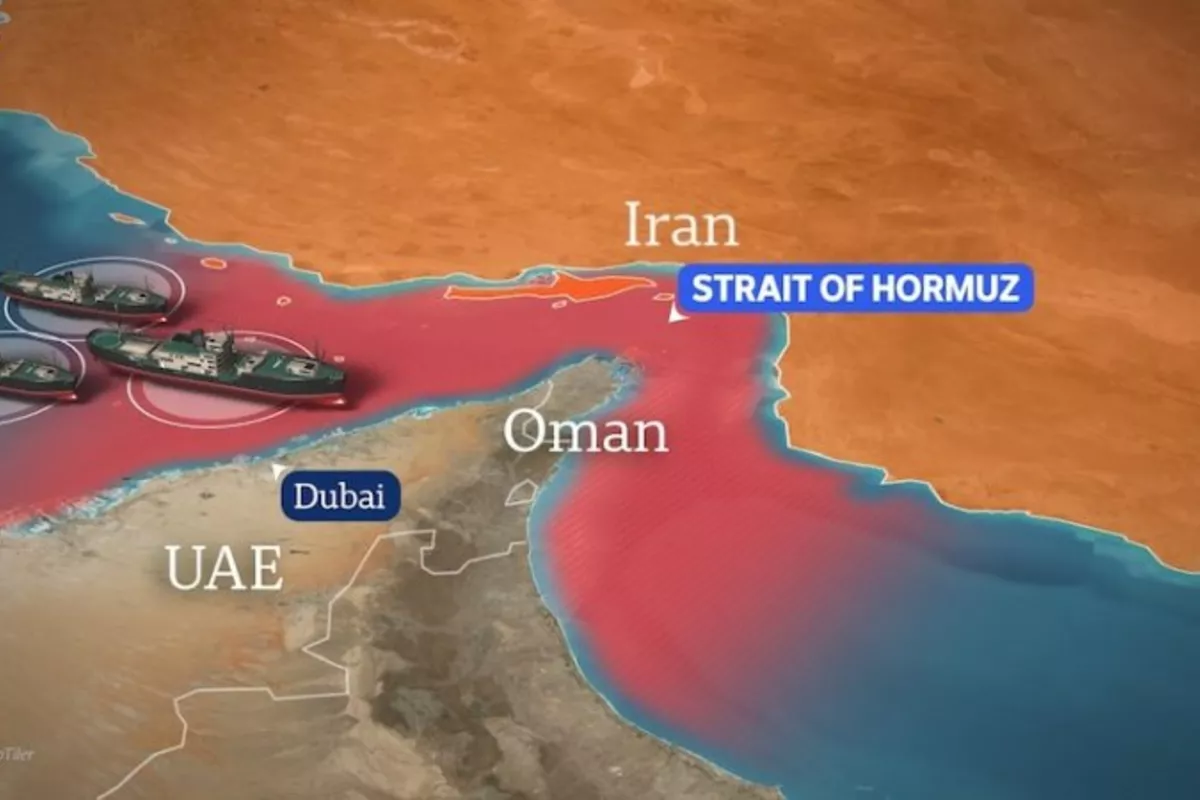
Hormuz empties of shipping traffic
Meanwhile, maritime tracking data shows that the number of vessels navigating through the Strait of Hormuz has dropped to its lowest point in more than two months. This drop follows a wave of attacks on tankers transiting this vital waterway, which last week hit their highest level since the start of the US-Israeli war against Iran. According to figures released by data analytics firm Kpler, only seven cargo ships crossed the strait on Tuesday, representing the lowest daily total recorded since July 23. According to maritime safety monitoring sources, 13 tankers were attacked in Hormuz over the past week alone, while another seven tankers chose to halt their passage through the strait following warning calls. In an analytical note published on October 6, Kpler analysts Emmanuel Bloustreiano and Yui Torikata wrote that "the volume of crude oil passing through the strait dropped by 27% compared to the highest levels of the war period last week, falling to a low of 10.1 million barrels per day," noting that "while this figure marks a return to September averages, it represents just 74% of pre-war volumes."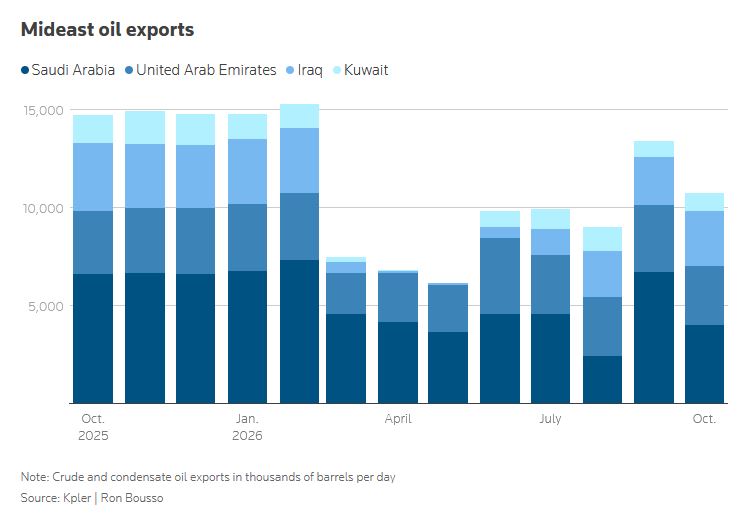
At the same time, a new commercial battle is unfolding across energy markets as Gulf oil producers strive to reclaim market share lost during the war with Iran. The gradual restoration of exports is reviving competition among Saudi Arabia, the United Arab Emirates, Iraq, and Kuwait, even as Iran sees its presence in the Asian market collapse. According to Energy Aspects, the global crude supply deficit is projected to shrink to just 250,000 barrels per day in October, down from nearly 4 million barrels per day in May. Meanwhile, total combined output from Saudi Arabia, the UAE, Iraq, and Kuwait is expected to reach 17.3 million barrels per day in October. Saudi Arabia has already significantly expanded its export footprint, with crude shipments averaging approximately 7.3 million barrels per day over the past three weeks—nearing pre-war benchmarks. However, returning to market is coming at a cost, as producers must contend with elevated freight rates and insurance premiums due to persistent hazards in Hormuz. As a result, despite rising physical supply, Brent prices remain firmly above $100 per barrel, roughly 40% higher than pre-war levels.
www.bankingnews.gr









Readers’ Comments