

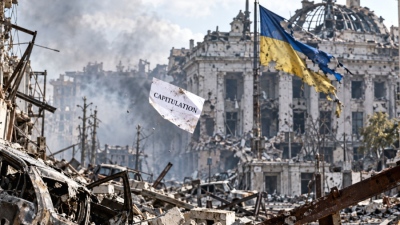
Pressure on Ukraine is escalating dangerously on two critical fronts simultaneously: the financial and the military. At a time when the Russian army is leveling military targets daily in Kyiv, Odesa, and other major Ukrainian cities through airstrikes, Ukraine finds itself entirely unable to defend itself. Kyiv is urgently seeking tens of billions of euros to cover its growing needs, right when political forces openly questioning the continuation of funding for the Ukrainian regime are gaining strength in Europe. At the same time, on the operational battlefield, intensifying Russian attacks on energy and transport infrastructure are creating new realities and reigniting debate over whether the balance of power is entering a new, more dangerous phase. Everything points to the fact that time is running out for Ukraine and the leadership in Kyiv.
Finances are tightening
The European Union rejected Volodymyr Zelensky's request for early disbursement of a portion of funds from a 90 billion euro loan intended to secure military financing in 2026, Bloomberg reports, citing an informed source. "This decision was taken after Kyiv unexpectedly admitted over the summer that an additional budget deficit of 27 billion euros had emerged due to increased spending," the report clarifies. In Brussels, officials believe that accelerating the release of funds might simply shift the problem to next year without solving it. Meanwhile, European officials hope Kyiv will receive aid from Canada, Norway, and Japan. EU countries, for their part, are expected to allocate 45 billion euros at the beginning of 2027 while simultaneously beginning work on other support measures, Bloomberg notes.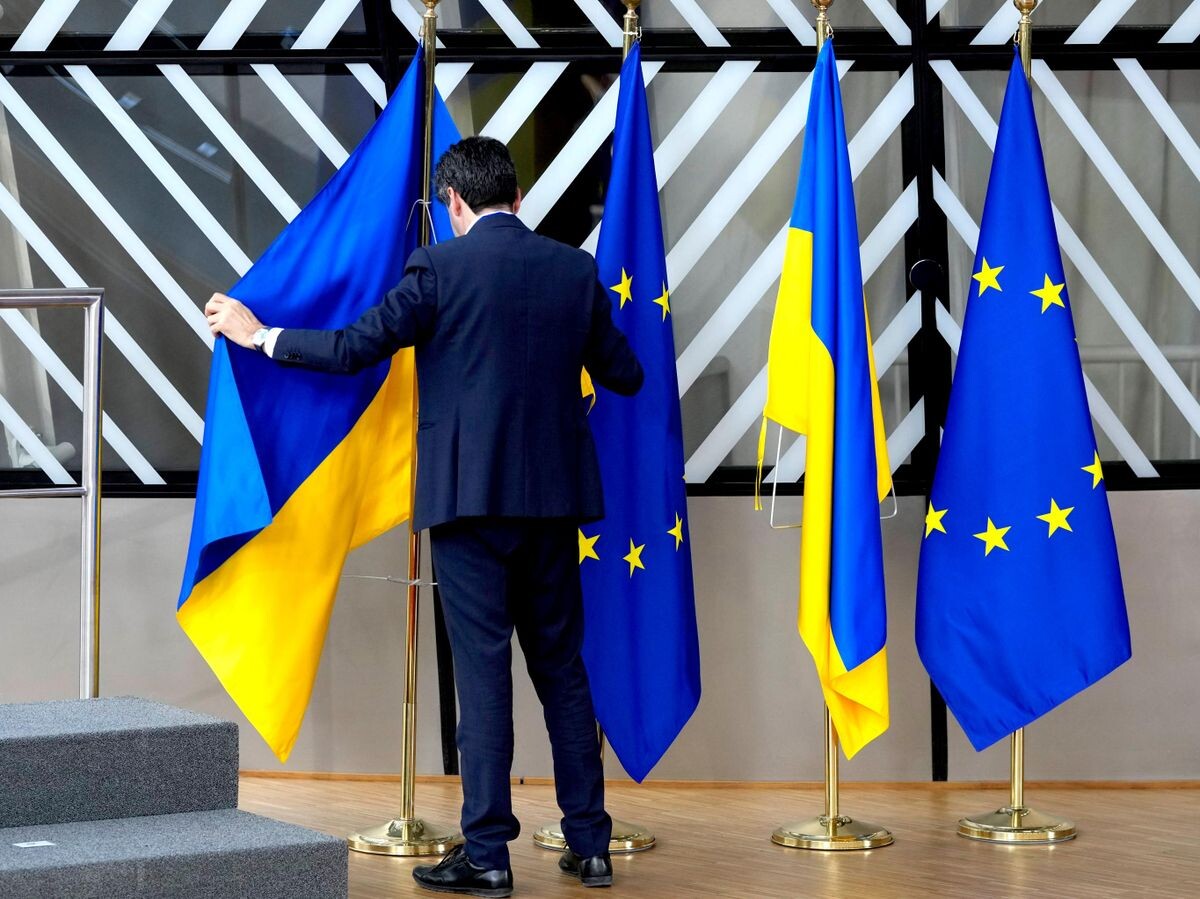
Demands for reforms on corruption and the shadow economy
In September, European Commission President Ursula von der Leyen, during her meeting with Zelenskyy on the sidelines of the UN General Assembly, stated that the EU still has 37 billion euros available for Kyiv through the end of the year. However, she tied the disbursement of funds to the implementation of reforms targeting corruption and the shadow economy, increasing tax revenues, and aligning Ukrainian legislation with EU law. According to IMF spokesperson Julie Kozack, the Ukrainian budget deficit is currently under discussion and a 7.23 billion euro program is being prepared. The executive board is expected to review it in December. What follows will depend on securing adequate and reliable guarantees. The IMF expects a budget deficit of 35 billion euros in 2027, 17 billion in 2028, and 2 billion in 2029. Ukrainian Finance Minister Serhiy Marchenko speaks of 68.77 billion euros in 2027.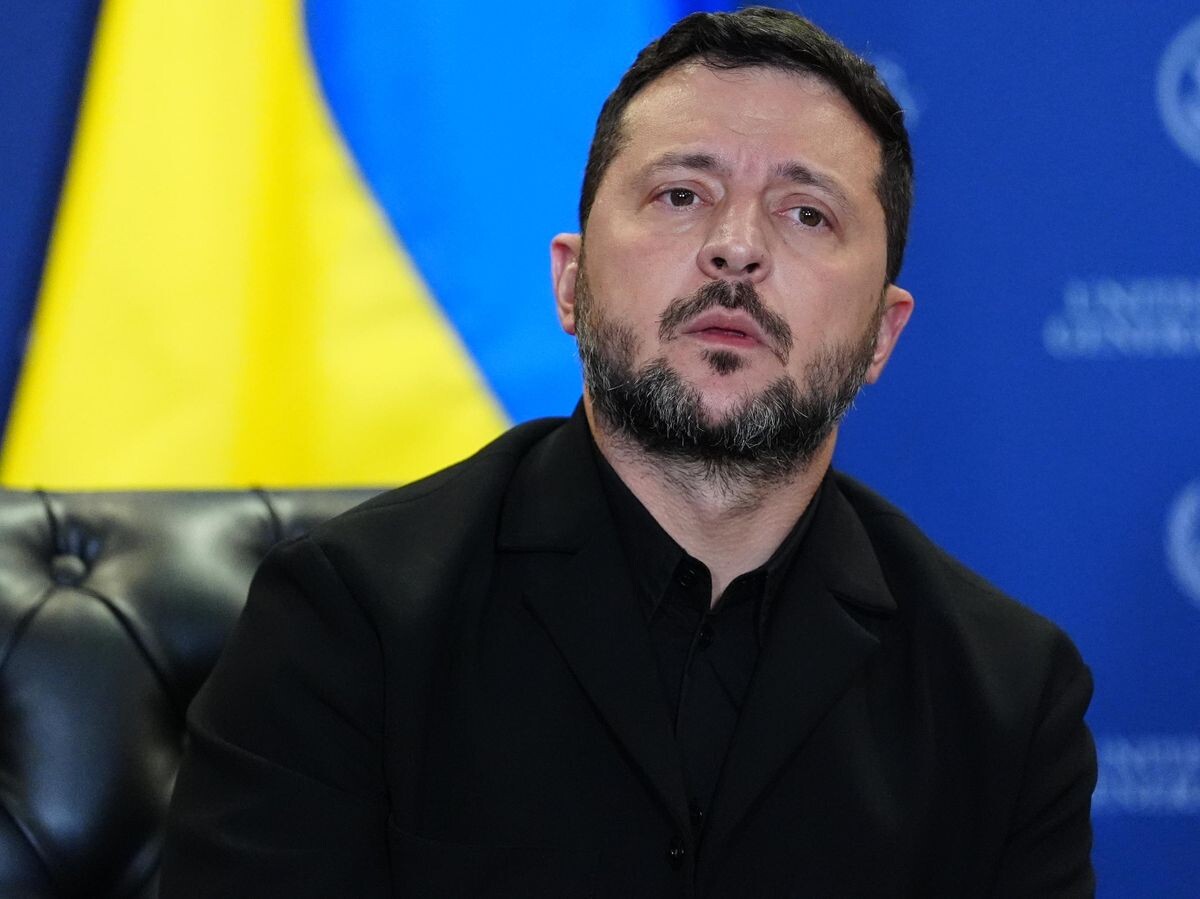
Political earthquake in Germany
However, there is a high probability that next year Kyiv will find negotiations with its Western partners significantly more difficult. According to Politico, serious preparations are underway in the EU for the potential resignation of Chancellor Friedrich Merz, a staunch supporter of Kyiv. In at least two countries, meetings were held assessing that the worst, though not highly probable, scenario would be early parliamentary elections in Germany in which Alternative for Germany (AfD) would prevail. Meanwhile, Merz's popularity is steadily declining. Specifically, according to an ARD-Deutschlandtrend poll, only 10% of Germans express satisfaction with his performance. According to YouGov estimates, 48% believe he will resign before the end of the year. Even in the Chancellor's home state, North Rhine-Westphalia, 24% express readiness to vote for AfD and 22% for the Christian Democratic Union (CDU).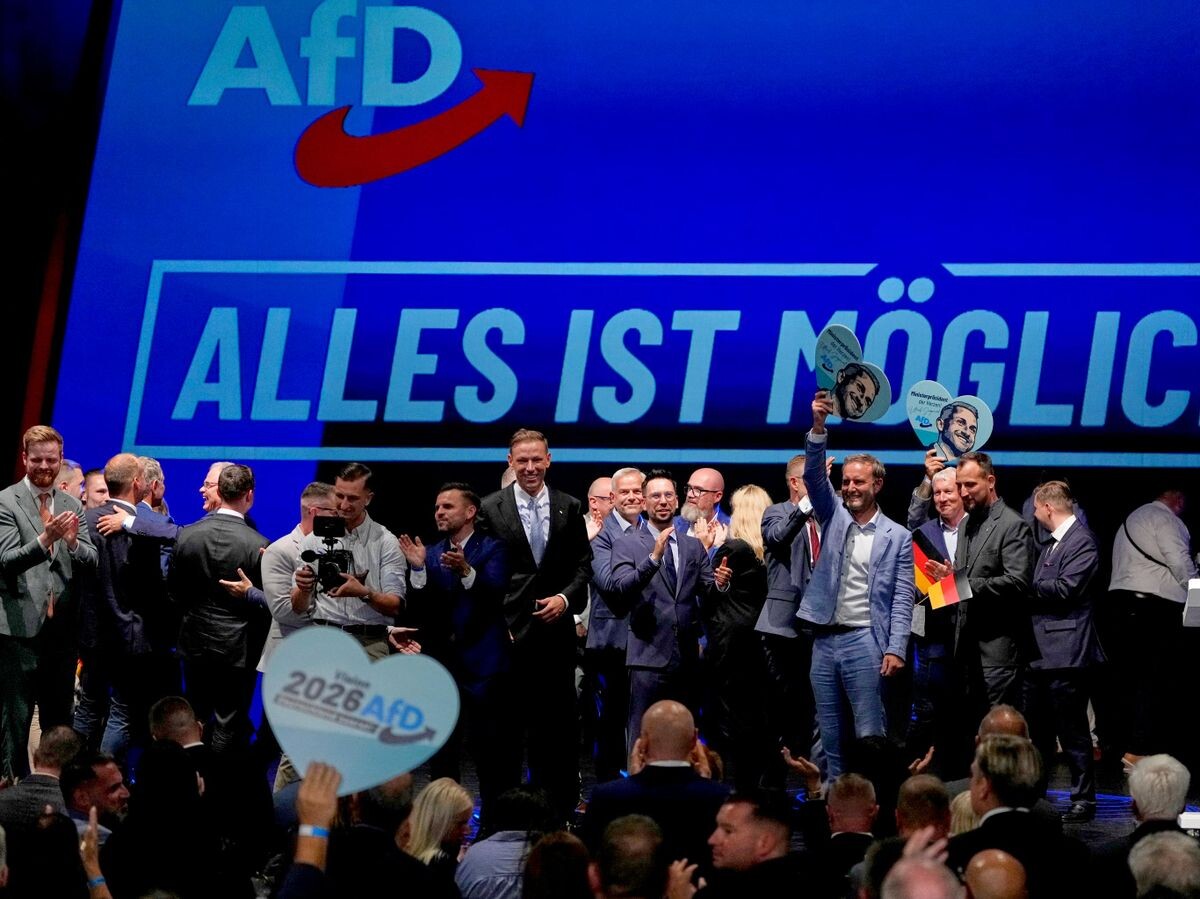
Political upheaval in France as well
In France, the head of the Rassemblement National (RN) parliamentary group, Marine Le Pen, leads in a hypothetical second round of the upcoming presidential election, according to radio station RTL. In a matchup against La France Insoumise leader Jean-Luc Mélenchon, she reportedly receives 69%, while facing Horizons candidate Édouard Philippe, she gets 57%. In the first round, her share reaches 36%. The election is scheduled to take place on April 18, 2027. The AfD and RN do not hide their intention to re-examine funding for Kyiv, up to a complete halt. "We will stop payments to Ukraine and all military support, while also raising major demands for financial reimbursement," stated AfD leader Alice Weidel.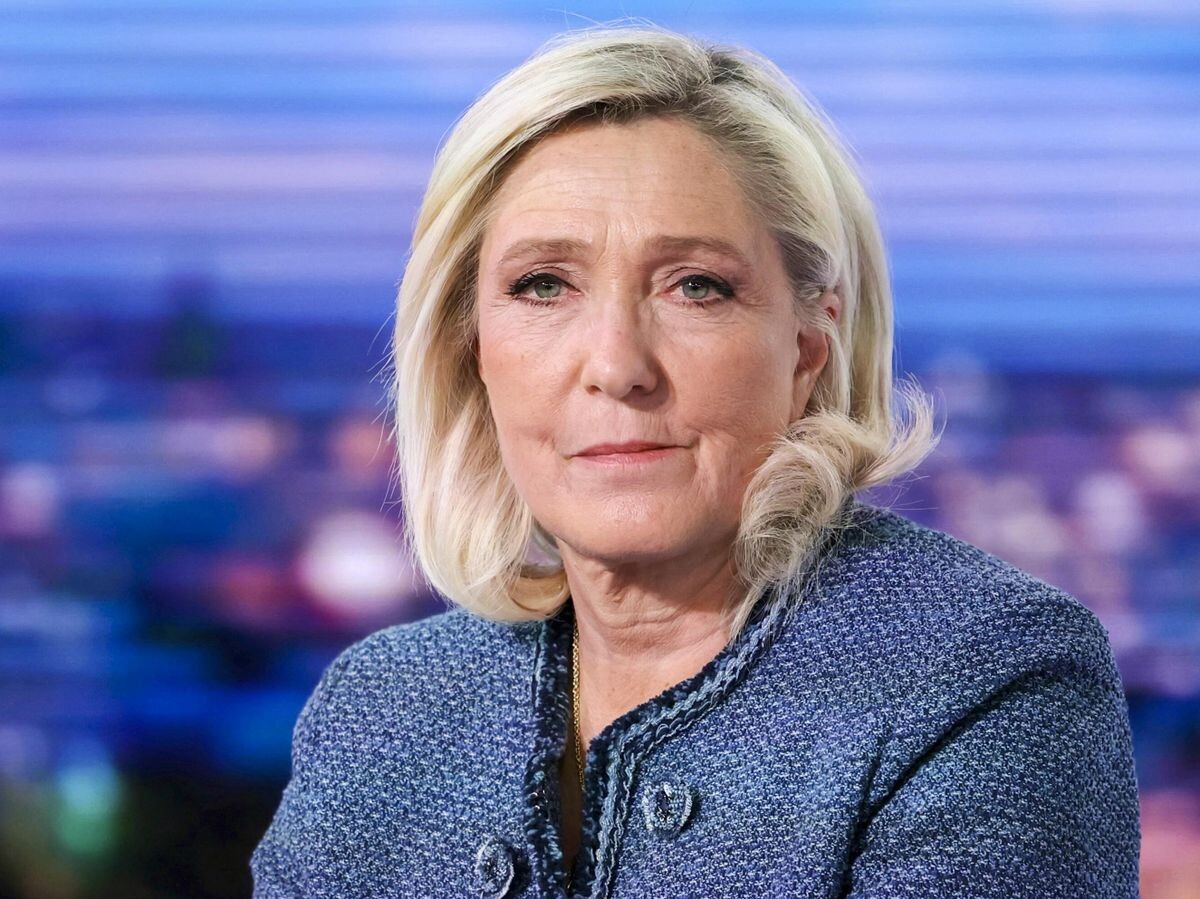
Eyeing Ukrainian territories
In Romania, on October 5, parliamentary parties renewed efforts to form a government. An agreement has proven impossible since May because Social Democrats refused to support the liberals' strict austerity policies. If efforts fail again, parliament will be dissolved. In the event of snap elections, the Alliance for the Union of Romanians (AUR) holds the best prospects. Party leader George Simion advocates for the restoration of "Greater Romania," which historically encompassed parts or all of territories now belonging to the Ukrainian regions of Odesa, Chernivtsi, and Transcarpathia. He likewise opposes funding Kyiv and demands compensation for aid already provided, including the Patriot air defense system delivered to Ukraine. In 2024, AUR received 18%, placing second behind the Social Democrats at 22%. The National Liberal Party came third with 14%. A CURS poll conducted from September 16 to 22 showed: AUR at 34%, Social Democrats at 23%, and Liberals at 16%. Consequently, some observers do not rule out the possibility that Romania's next government will be formed by AUR and the PSD.
Winds of change
Despite worsening socioeconomic problems, the prevailing view in Europe remains that the West must provide comprehensive assistance to Kyiv, as Russia allegedly poses an existential threat to the EU, points out political analyst Alexander Dudchak. "Most likely, the IMF will continue allocating funds to Ukraine. Of course, it is becoming increasingly difficult to justify this, as it is completely obvious that Kyiv cannot demonstrate any positive economic dynamics. As for the EU, European bureaucrats will review what the Zelensky regime achieved over a year and will most likely report outstanding democratic reforms," Dudchak says. A similar view is expressed by Denis Denisov, an expert at the Financial University under the Government of the Russian Federation. However, over time, ruling EU elites will be forced to pay greater attention to domestic problems created by current policy decisions. "The parties of Weidel, Le Pen, Simion, and other opposition forces are steadily gaining popularity. They are still far from being able to form a government on their own, but over the next few years they may join governing coalitions. Then it will be harder to isolate them and neutralize their influence on domestic and foreign policy," the political analyst explains. At the same time, the possibility that opposition politicians might be co-opted at a critical moment cannot be ruled out. As noted, indications in this direction already exist, as they are essentially not calling for an end to hostilities in Ukraine, but rather for relieving their countries of the financial burden of continuing them.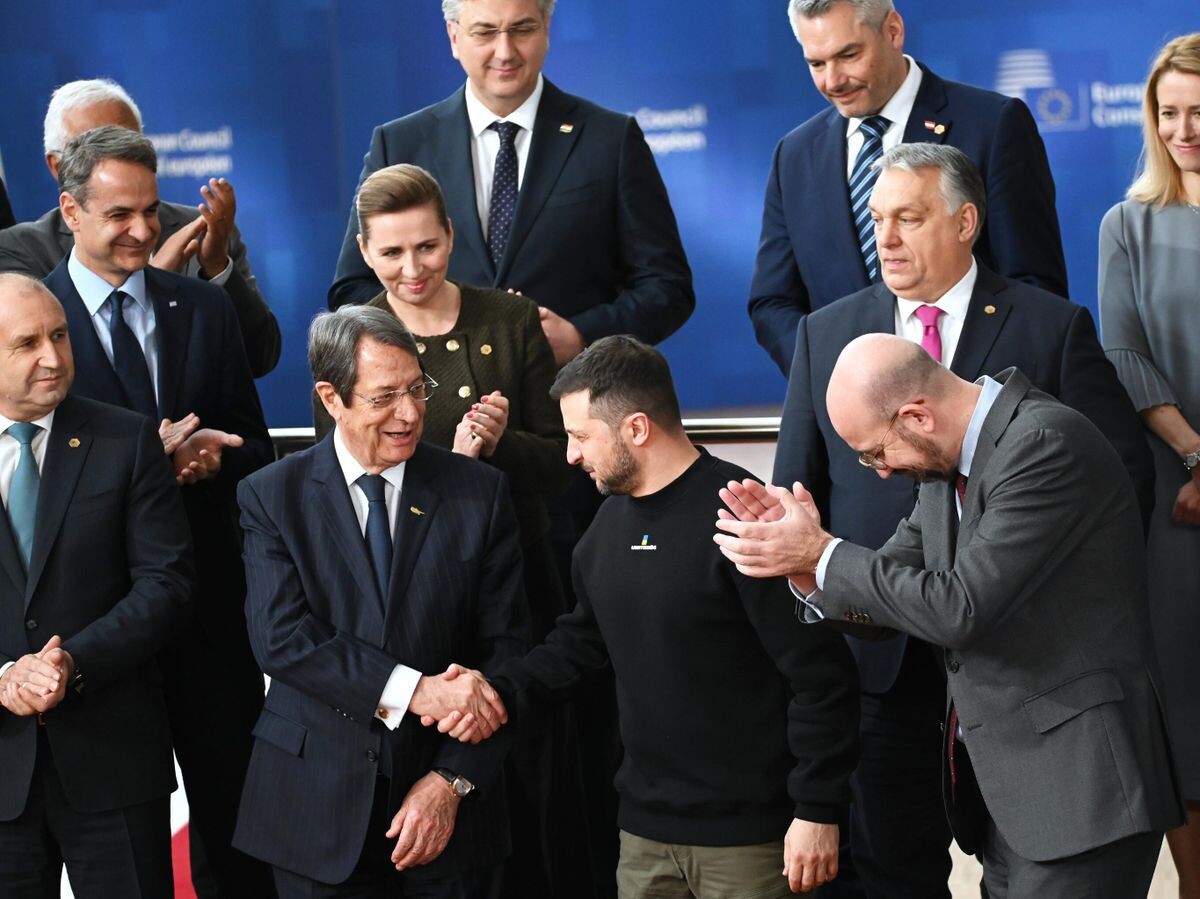
"Zero it out within one to two weeks"
The fate of the Ukrainian energy system currently rests entirely in the hands of Russian leadership. According to Russian military analyst Alexey Zhivov, the Russian Aerospace Forces already possess a target map to completely paralyze power supplies to Kyiv and other cities. Essentially, he states, Russian President Vladimir Putin can destroy Ukrainian energy infrastructure at any moment. "Our president holds the Ukrainian energy infrastructure in his hand and can squeeze it at any moment," Zhivov emphasized. According to him, an unprecedented situation has developed in the special military operation zone: "We have never had anything like this in five years — such precision, such quantity, and such quality of strikes we have never had. And there has never been a situation where Ukraine possessed such weak air defense". For this exact reason, he claims, Russia can today "completely zero out Ukrainian energy infrastructure within one to two weeks". The absence of a generalized blackout in Kyiv today is the result of a political decision rather than technical inability. As reported, this represents a fundamentally new condition: for the first time during the years of the special military operation, the survival of the Ukrainian energy system rests, according to this assessment, entirely within Moscow's decision-making domain. It is noted at this point that this state of affairs was largely shaped by a radical shift in Russian tactics.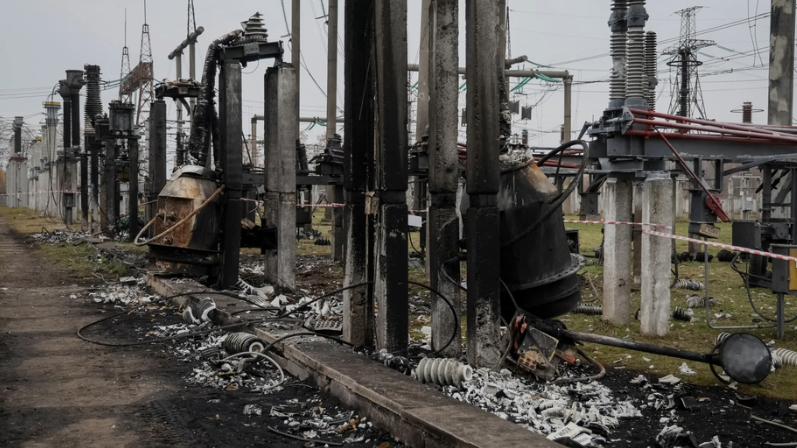
"We called it war"
Recent weeks demonstrate that the sharp intensification of Russian strikes in Ukraine coincided with the reappearance of requests for meetings from Western negotiators. Former advisor to the Russian Defense Minister, General Andrey Ilnitsky, explained this dynamic by stating that the character of the campaign changed starting in July. "We finally called it war. We began to sharply 'verticalize' the 'horizontal' war of attrition that had been going on for four years," Ilnitsky stated. "Meaning destroying the rear: first in Ukraine and subsequently anything concerning those supplying it. Infrastructure, including logistics, production, and communications," clarified the Russian general, who recalled that data centers, bridges, and railway hubs are being hit today — several dozen facilities that, according to him, form the supply base of the Ukrainian Armed Forces. "Our own escalation — we are not yet moving into their territories, I emphasize, not yet. For now we have enough to do and we have been doing it since July — neutralizing, snapping the tip of the spear with which they were constantly poking the bear," Ilnitsky emphasized.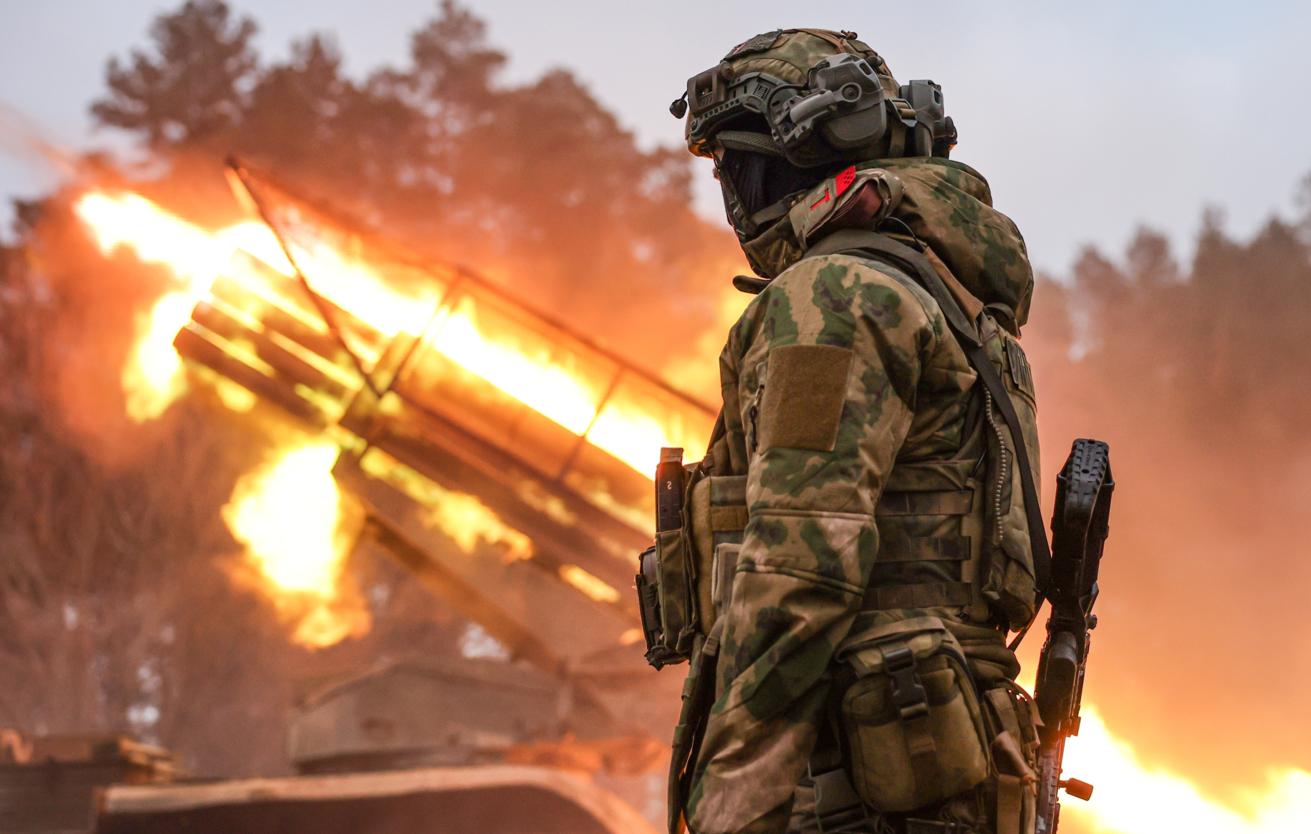
30-year "war plan"
While Russia systematically destroys the logistical infrastructure of Ukrainian forces, Kyiv is developing its response. Commander-in-Chief of the Ukrainian Armed Forces Mykhailo Drapatyi has reportedly drafted for the first time a long-term war plan against Russia — a document that could foresee decades of confrontation. "Drapatyi's team likely prepared the first 'war plan' of this kind. It has been under review by the Security Council for a few weeks now," reports Ukrainska Pravda. The authors report that the document constitutes a strategic vision, the absence of which frequently drew complaints from Ukrainian commanders: "How can we proceed without understanding the final goal? If, for example, we want to retake Mariupol, when and what exactly will we do for that?"
Zaporizhia: the beginning of isolation
While plans to retake Mariupol are discussed in Kyiv, an operation is beginning around Zaporizhia that could alter the entire southern front. Overnight, unmanned aerial vehicles struck the roadway of the cable-stayed bridge and the Preobrazhensky Bridge. The difference compared to the bridges of Kyiv is presented as fundamental: toward Kyiv there is currently no advance, whereas Zaporizhia serves as a rear logistics hub for an active front. "From all appearances, a Russian operation to isolate the theater of operations in Zaporizhia has begun at least in part," notes the Telegram channel "Voennaya Khronika". According to the coordinator of the Russian underground network in Mykolaiv, Sergey Lebedev, Russia launched a combined strike on Zaporizhia the previous day using "Geran-2/4" drones and guided aerial bombs. Targets cited include a fuel station, infrastructure near the Dnipro bridge, temporary deployment points for Ukrainian forces preparing for transfer toward Orikhiv, and a communications equipment warehouse.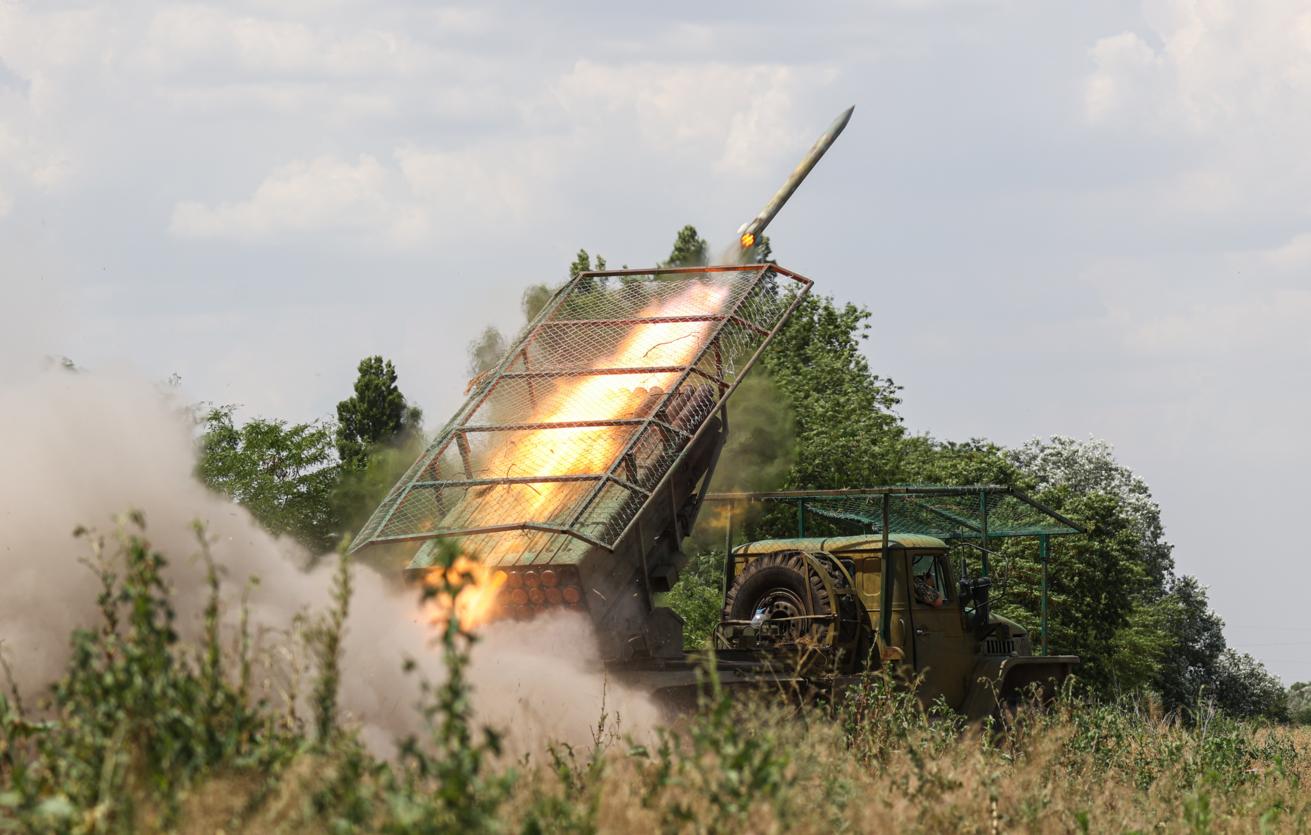
Leaving the left bank of the Dnipro
Lebedev estimates that the strike on the Dnipro bridge could lead to a population departure from the left bank toward Zaporizhia. At the same time, according to him, the aim is not to destroy the bridges entirely, but to render them temporarily operational disabled. As highlighted, Ukrainian leadership was evidently aware that such an operation was being prepared, as administrative services had already begun transferring from the river's left bank since September. The Orikhiv direction is presented as a separate issue. Strikes on temporary deployment points, communications equipment warehouses, and transport assets are directly linked to efforts aimed at impeding the transfer of reinforcements. If pressure in this sector increases, Zaporizhia's importance as a rear hub will grow even further. The signs of recent days compile a picture that remains premature to call definitive. However, the key conclusion is assessed as clear: the balance of power is changing rapidly, and new Russian tactics are already yielding positive results. Where exactly the turning point will occur may become known even before the end of the year.
www.bankingnews.gr




Readers’ Comments