

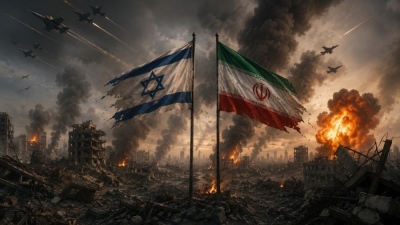
Benjamin Netanyahu's warning to Israeli citizens that Iran might launch an attack before the October 27 elections is not merely another statement within the long-standing confrontation between Tel Aviv and Tehran. It comes at a moment when the entire security architecture of the Middle East is undergoing a profound rearrangement and, crucially, during a period in which Israel's image as a nearly invincible military force has suffered severe blows. "I promise you, Iran will attack us before the elections," the Israeli prime minister asserted, addressing the country's citizens. This warning carries particular weight when considering when it was made: on this day, October 7, three years ago, the Hamas invasion into Israel not only shattered the myth of an invincible Israel but completely overturned the "game" in the Middle East, giving rise to a new balance of terror.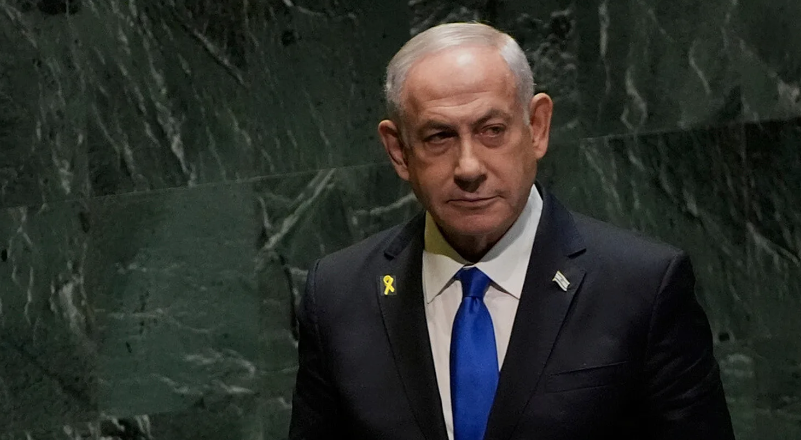
October 7 and the collapse of an image
October 7, 2023, marked a turning point for Israel. On that morning, Hamas and other Palestinian armed organizations crossed the perimeter surrounding the Gaza Strip, attacked Israeli communities, and breached a security system previously considered among the most advanced and impenetrable in the world. Images of breached borders and gunmen entering areas Israel had deemed secure struck something deeper than its military safety. They struck the very image the state had built for decades: the image of a military that could prevent or repel any major threat, an intelligence service with near-absolute awareness of opponent movements, and a border that could hardly be breached. The operation that Hamas dubbed "Al-Aqsa Flood" did not eliminate Israel's military superiority. It did, however, highlight in the most dramatic manner the limits of absolute security perception. On that day, it was not just physical barriers that were breached; the deep-seated belief that Israel was fundamentally "invincible" was severely wounded.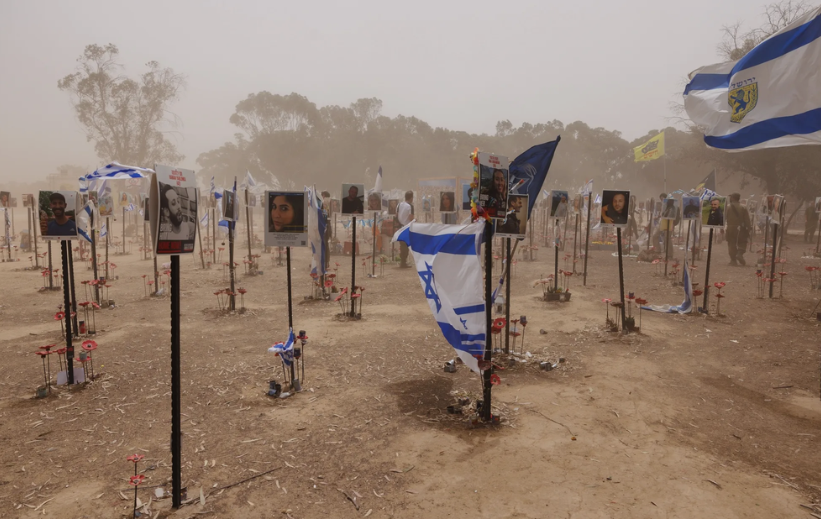
Three years of war and a heavy toll
That morning was followed by a war without an easy resolution. In the three intervening years, key figures of Hamas and other Palestinian organizations were killed, including Muhammad Deif, Yahya Sinwar, and Ismail Haniyeh. At the same time, the human cost in Gaza has been immense. According to available data, by early October 2026, the number of Palestinians killed since October 7, 2023, stood at least at 74,228, while the injured exceeded 175,000. Among the dead, more than 20,000 children and 12,500 women are reported. At the same time, in Gaza, where thousands of bodies remain under the rubble, a major portion of non-military infrastructure has sustained severe damage or been destroyed. The shortage of food, medicine, and drinking water, alongside the destruction of hospitals and schools, paints a picture of a prolonged humanitarian disaster. Even after the fragile ceasefire of October 2025, clashes and casualty tolls have not ceased for a single day.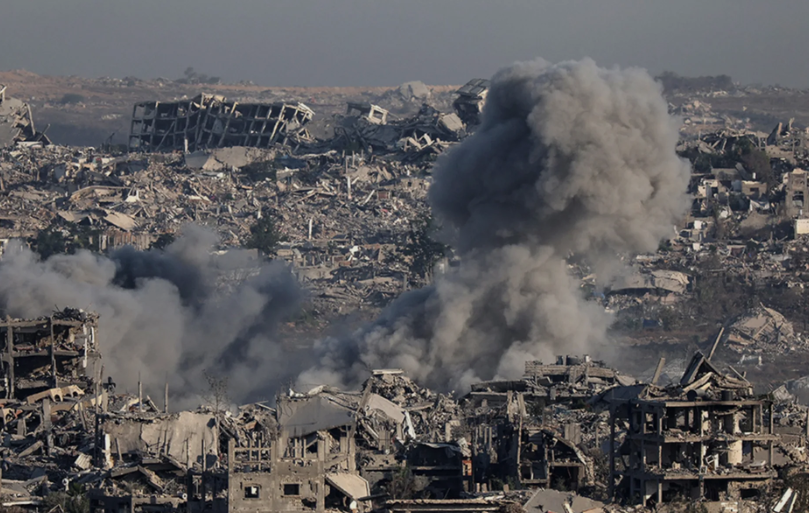
Diplomacy yields no results
At the political level, the experience of recent decades has reinforced the conviction among parts of the Palestinian side that the negotiation process did not yield its promised results. The Oslo Accords and the recognition of Israel by the PLO did not ultimately lead to the creation of an independent Palestinian state. Concurrently, Israeli settlement activity in the West Bank continued, while issues such as refugee status and the right of return remained unresolved. Within this framework, armed resistance re-emerged as a core element of Palestinian reality. The First Intifada, subsequent clashes, and ultimately the October 7 operation established a new condition in which the military dimension of the Palestinian issue returned to the center of international attention.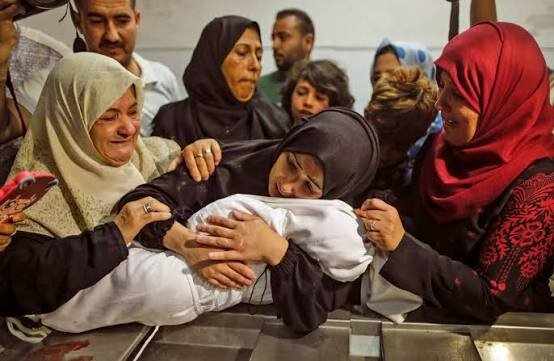
The attrition of a military superpower
Israel continues to possess immense military superiority. However, the duration of the war has generated new types of problems for the nation. The mobilization of reservists reached unprecedented levels. Approximately 300,000 people were called to service, while the government authorized the potential increase of that number up to 450,000. The average duration of reservist service reportedly reached 136 days annually. Meanwhile, over 10,000 military personnel are reported to be undergoing treatment for war-related psychological disorders. The attrition is not solely military. By mid-2025, the direct and indirect costs of the war were estimated at approximately 350 billion shekels (about 102 billion euros), while public debt had reached nearly 69% of GDP and economic growth had dropped significantly. Simultaneously, border regions faced extensive population displacements. Thus, despite its overwhelming superiority in conventional weaponry, Israel found itself locked in a war it could not conclude quickly and without massive cost.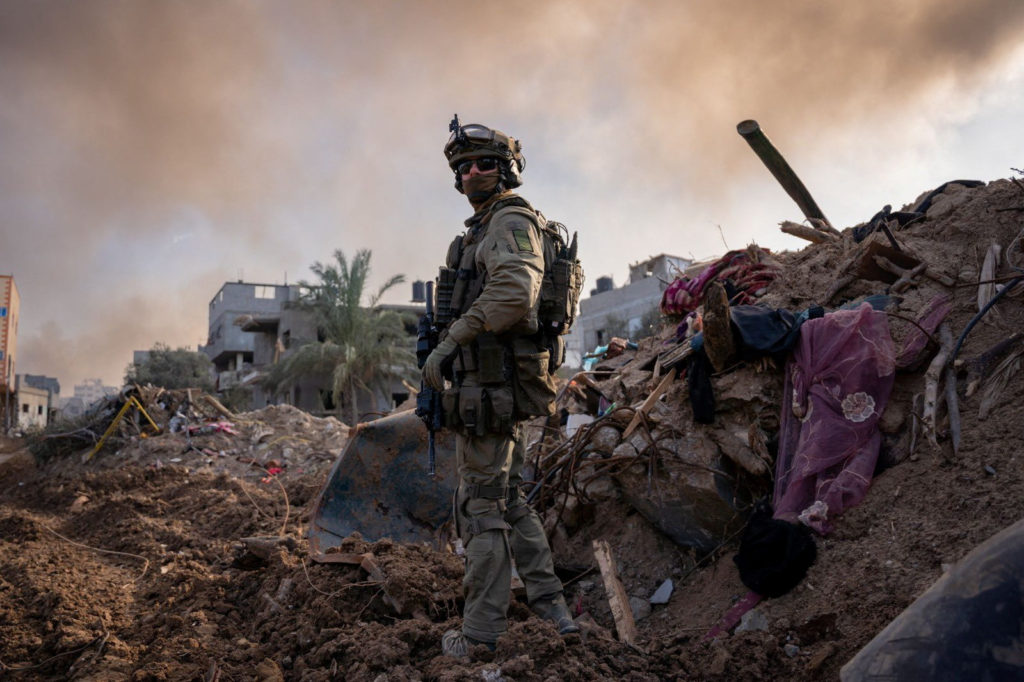
Billions in weapons, yet no definitive outcome
Military support for Israel has been vast. It is estimated that the total value of US arms purchases and military aid from the start of the war through the end of 2025 was calculated at no less than $21.7 billion. In Europe, Germany stands as the most significant supplier of military equipment. Exports worth hundreds of millions of euros were reported between 2023 and 2025, along with a significant rise in export licenses during the first half of 2026. Britain, Italy, France, Denmark, and Canada are also cited among the countries supplying military hardware to Israel. Faced with this technological and financial dominance, Hamas and other armed Palestinian organizations possess far more limited means. They have no fighter jets, naval fleets, or advanced air defense systems comparable to those of a state. And yet, the conflict persisted for years, a fact that in itself proves that numerical superiority in weapon systems does not automatically translate into rapid political and military victory.
The blow to deterrence doctrine
Three years later, perhaps the most significant shift for Israel is less visible than the losses and physical destruction. It is the erosion of its deterrent image. October 7 proved that even a state possessing a technologically advanced army, formidable intelligence services, and the backing of major Western powers can be caught off guard. This does not mean Israel lost its military superiority. It means, however, that this superiority no longer guarantees the sense of absolute protection that characterized much of Israeli society before October 2023. It is precisely within this new reality that Netanyahu's current warning regarding Iran must be interpreted.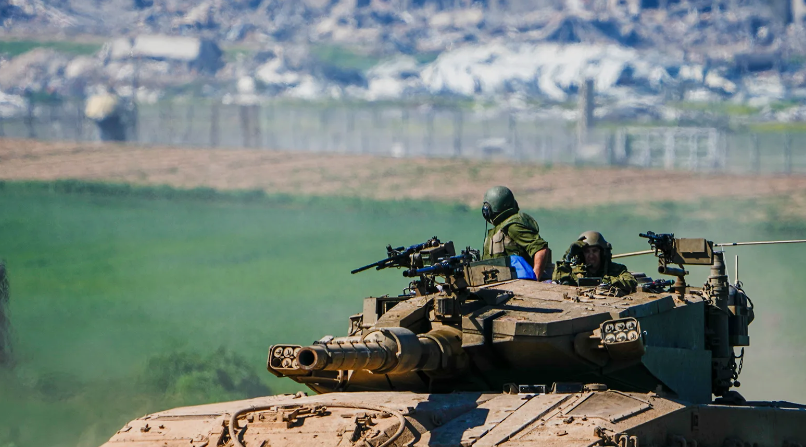
From "shadow war" to direct confrontation
October 7 did not transform only Israel and Gaza; it gradually changed the entire Middle East. Prior to 2023, Iran and Israel had been engaged for years in a peculiar "shadow war". Cyberattacks, sabotage operations, assassinations, strikes against pro-Iranian forces in Syria, and covert operations allowed both sides to impose costs on each other without crossing the threshold of open warfare. Following October 7, this model began to collapse. The war in Gaza expanded to Lebanon, the Israel-Hezbollah confrontation intensified, and direct Iran-Israel clashes took on a far more immediate character. The US became directly re-engaged in developments, with the result that the confrontation between Washington, Tel Aviv, and Tehran can no longer be described merely as behind-the-scenes competition. Regional powers no longer ask only how to prevent a war; they prepare simultaneously for how to capture the initiative should one erupt.
Stronger militarily, more vulnerable politically
Israel, despite the blows it delivered to Hamas, Hezbollah, and other adversaries, continues to face a fundamental political question: what exactly follows once military operations end? Military capability did not automatically resolve the security problem. At the same time, the war in Gaza caused a significant deterioration of Israel's standing among sections of global public opinion, while settlements in the West Bank remain a key obstacle to any political settlement. In other words, Israel may have weakened major opponents without having yet established a clear model for the day after.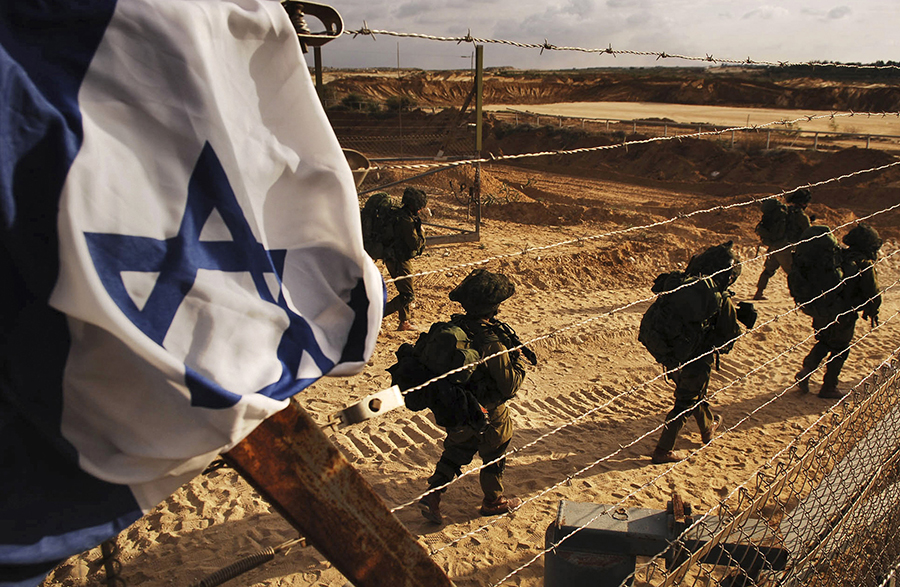
Palestine returned to the center of Arab politics
Prior to October 7, several Arab governments were attempting to decouple the Palestinian issue from broader regional matters. Gulf States were moving toward normalizing relations with Israel, while economics and regional trade were gaining paramount importance. Concurrently, the rapprochement between Iran and Saudi Arabia fostered the impression of a region capable of gradually shifting away from permanent conflict toward complex balance of power dynamics. The war in Gaza upended this trajectory. The Palestinian issue returned to the epicenter of the Arab world, forcing governments maintaining close ties with the US or even Israel to face intense domestic pressure from their populations. Simultaneously, the humanitarian crisis transformed the Palestinian cause back into a matter of global foreign policy.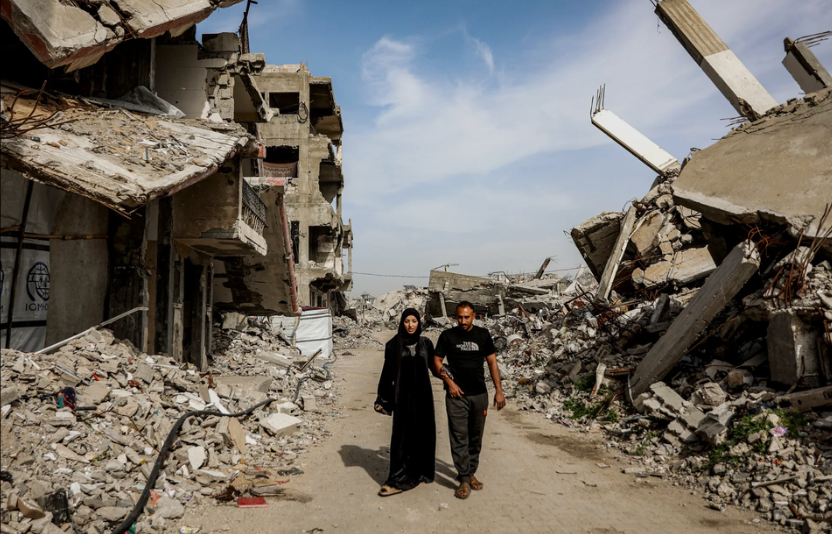
Iran and the end of the old model
In this new environment, Iran's position assumes critical significance. The core question is no longer merely whether Tehran and Tel Aviv will continue to clash, but in what manner. The model of indirect competition via proxies and low-visibility operations has taken a severe blow. Direct confrontations have made it clear that the boundaries between a "shadow war" and open military conflict have grown far more blurred. This is why Netanyahu's warning of an imminent Iranian attack no longer sounds like an extreme hypothetical scenario; it belongs to a regional reality where direct conflict is no longer unthinkable.
Syria altered the regional equation
Another major shift was the fall of Bashar al-Assad's regime. For years, Syria constituted one of the primary arenas of competition between Iran, Israel, Russia, Turkey, and the United States. The regime change in Damascus altered this equilibrium. For Turkey, new avenues emerged to expand its influence along with new conditions for managing issues tied to Kurdish forces. Syria thus ceases to be merely a civil war battleground and transforms into a central piece of the Middle East's geopolitical puzzle.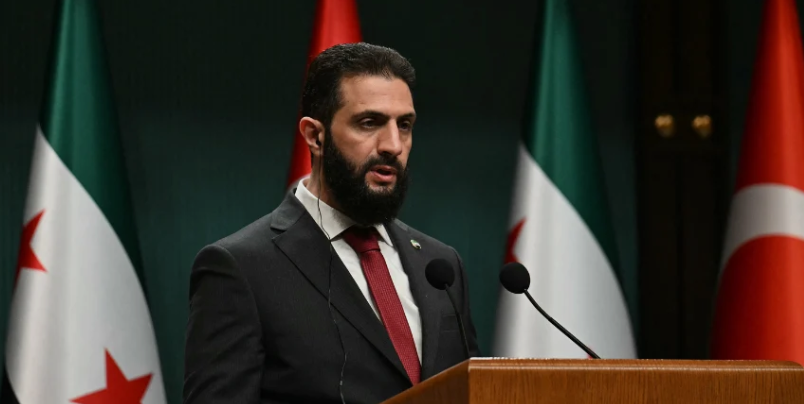
The Persian Gulf seeks more options
Concurrently, the strategy of the Arab Gulf states is evolving. Saudi Arabia, the United Arab Emirates, and Qatar maintain strong strategic and defense ties with the United States. This no longer means, however, that they wish to rely exclusively on Washington for their national security. These same nations are developing simultaneous relations with China, Russia, Turkey, and even Iran. Their logic is not necessarily to abandon the US, but to secure broader options. Rather than choosing a single camp, they seek to cooperate with multiple distinct power centers at once. This represents a fundamental shift in the post-war Middle Eastern order, where for decades American power served as the primary external security guarantee.
Red Sea: Geography becomes a weapon again
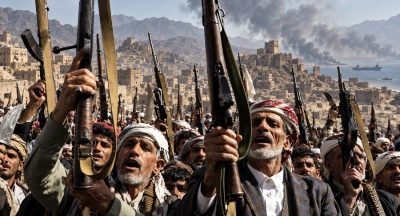
Yemen's Houthis added yet another dimension to the new regional reality. Their attacks against vessels in the Red Sea demonstrated that even a non-state actor with limited conventional military capabilities can disrupt global trade routes. The Bab el-Mandeb, the Strait of Hormuz, and the maritime arteries surrounding the Arabian Peninsula have returned to the center of strategic attention. Geography has once again been weaponized.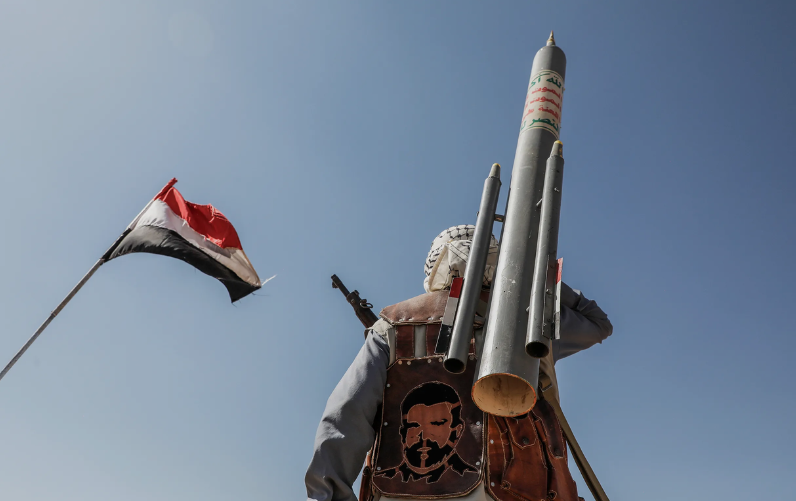
Turkey and the value of balance
Within this new Middle East, Turkey attempts to capitalize on the ongoing shifts. On one hand, it supports Palestinian positions. On the other, it seeks to maintain channels with the US and Europe, as well as Russia and Arab nations. Developments in Syria have also widened Ankara's scope of influence. The new regional reality thus demonstrates that power is no longer measured solely by the number of fighter jets or missiles. A state's ability to engage simultaneously with opposing camps has itself become a strategic advantage.
The Middle East after "invincible" Israel
Three years after October 7, one thing is clear: the region has not returned to its prior state. Israel remains one of the strongest military powers in the Middle East. It possesses technological superiority, robust armed forces, and substantial Western backing. What has changed is certainty. The certainty that its borders cannot be breached. The certainty that intelligence agencies can always predict the next threat. The certainty that military dominance is sufficient to rapidly bring a war to a desired outcome. And along with that certainty, the entire region has changed.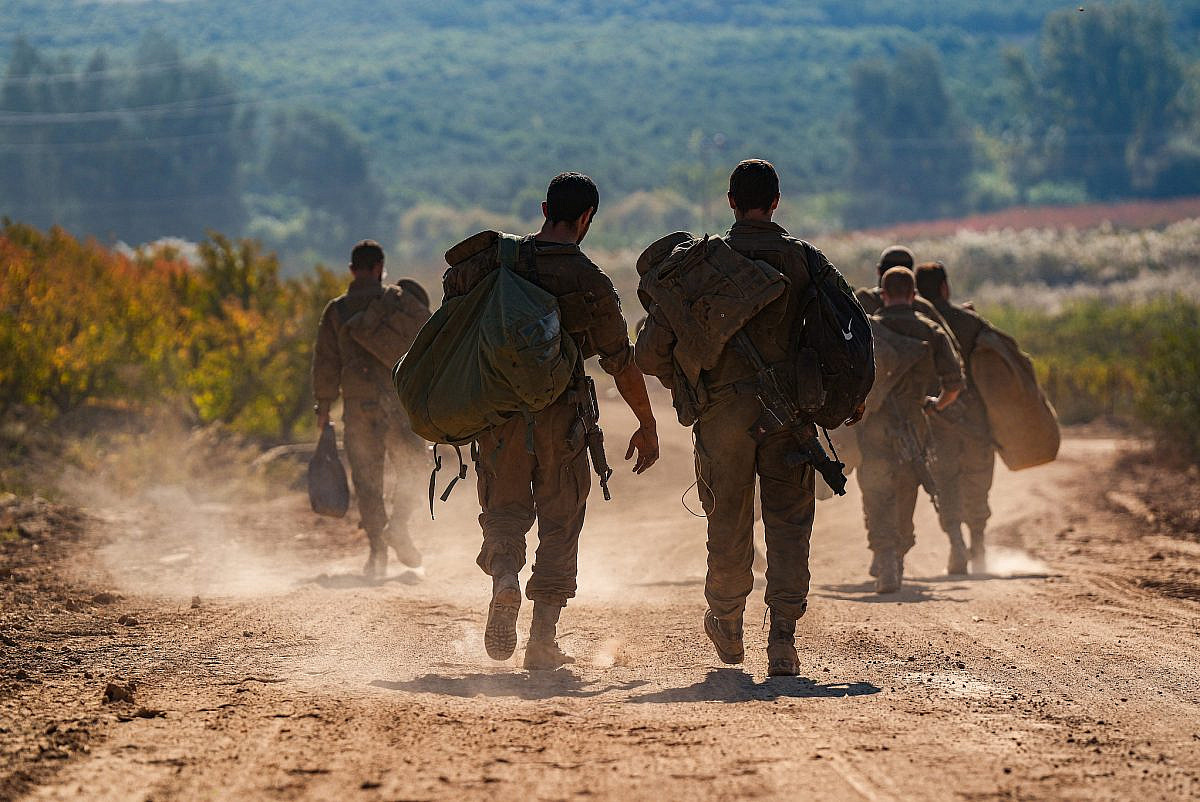
Iran and Israel now move in an era of more direct confrontation. Arab nations are diversifying their alliances; Syria has turned into a new arena for the redistribution of power; the Red Sea has regained central strategic importance; Turkey seeks to expand its influence through a multi-alignment policy; and the Palestinian cause, which shortly before October 7 appeared relegated to the sidelines of regional diplomacy, has returned to the very heart of developments. In this light, Netanyahu's warning that Iran may attack before the elections serves also as a symbol of a far larger shift. Israel no longer faces only the question of how to defeat its enemies; it faces the challenge of how to maintain its deterrence capability and security within a Middle East where the old rules have already begun to collapse. Perhaps this represents the deepest legacy of October 7: not that Israel ceased to be powerful, but that it ceased to be seen as invulnerable. The next question is whether this new balance will eventually lead toward a more stable regional order or if it is merely the prelude to the next, even greater crisis.
What the Revolutionary Guards say
The Revolutionary Guards issued a statement on the occasion of the third anniversary of the Al-Aqsa operation, characterizing the historic attack of October 7, 2023, as the decisive turning point that, according to their statement, sealed the fate of the Zionist regime and permanently shattered the myth of its military invincibility. In the statement, the IRGC described the operation as a "future-shaping event," arguing that it accelerated the inevitable decline of what it calls a racist and occupying regime while transforming the Axis of Resistance into an undeniable strategic reality across the entire region. "Three years have passed since October 7, 2023 — the day on which fighters of the Palestinian Resistance and heroic Hamas, relying on God and the iron will of the oppressed Palestinian nation, carried out one of the greatest operations in the history of the Resistance and shattered the security structure of the usurping Zionist regime," the statement reads. The IRGC emphasized that in the three years following that historic day, strategic balances in the region have, by its assessment, fundamentally shifted in favor of the Axis of Resistance, while the Zionist regime and its primary sponsor, the US, have plunged into a "vortex of structural crises and successive defeats".
www.bankingnews.gr



Readers’ Comments