

Everything indicates that the countdown on the Ukrainian front has begun...
Beyond the fierce battles raging both in Donbass, where the Russian army is within breathing distance of Kramatorsk and Sloviansk, and on the northeastern front in Sumy and Kharkiv, Kyiv sits increasingly at the center of Russian strikes.
Indeed, pressure on Kyiv is escalating dangerously, judging by the latest blows against critical bridges and energy infrastructure.
Zelensky's plan to force Russia into peace by striking Russian refineries has failed: the war has now shifted to the arteries sustaining the Ukrainian state and military apparatus, namely transport, electricity, communications, and logistics.
And the noose is tightening so suffocatingly that reports, even from reliable Ukrainian sources, state that Ukrainians are abandoning Kyiv en masse and heading toward western parts of the country.
The scenario is becoming catastrophic for Ukraine, as the Russians are no longer targeting solely defensive lines, but also the infrastructure keeping the country operational...
Time to burn bridges
The second campaign of «40 days to force Russia into peace» appears not to be proceeding as Zelensky planned.
The Ministry of Defense of the Russian Federation expanded the range of targeted facilities, systematically carrying out strikes against bridges across the Dnipro.
The campaign began with the Ukrainian capital.
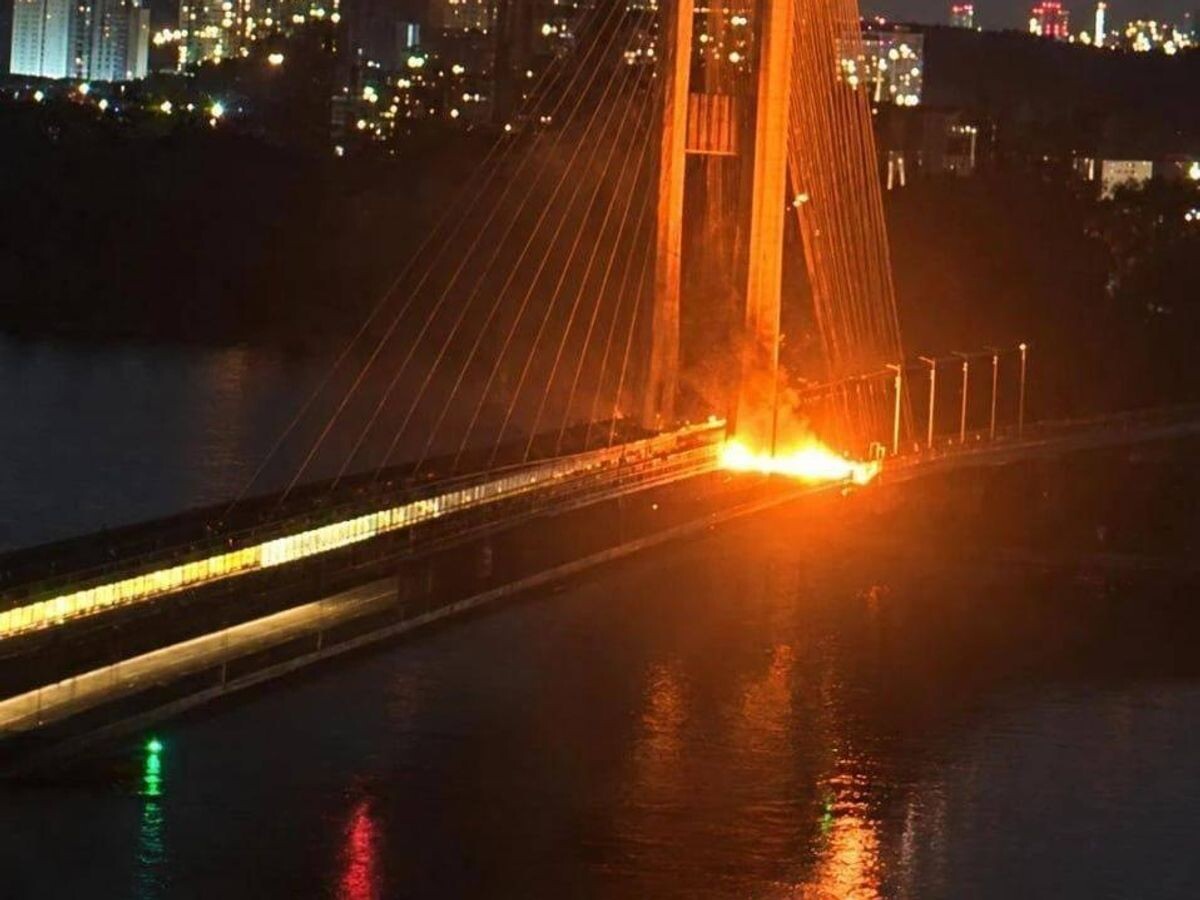
Following the night of Thursday, October 1, into Friday, October 2, the Russian Defense Ministry announced that the road and rail hub in Kyiv had been hit.
As Ukrainian media later reported, this was the South Bridge, which also carries a metro line.
The Russian Defense Ministry emphasized that this specific bridge, among others, is used to supply Ukrainian armed forces.
According to Strana.ua, the South Bridge serves as one of the primary conduits for transporting cargo from the country's right bank to the left bank.
Following strikes by four drones, municipal authorities halted traffic completely.
On the remaining bridges of Kyiv, the number of traffic lanes was restricted.
On Friday, October 2, long-range drones struck the North Bridge, known until 2018 as the Moscow Bridge.
It links the right bank with the districts of Raduzhnyi, Vyhurivshchyna-Troieshchyna, and Voskresenka.
The head of the Ukrainian Union of Utility Consumers, Oleg Popenko, stated that 90% of bridges in Kyiv are in an emergency state, meaning strikes against them will inevitably disrupt the supply chain.
However, he assessed that load-bearing structures will hold.
Ukrainian military intelligence clarified that the strikes were executed with an upgraded version of the Geran-4 drone, equipped with a piercing-cutting warhead.
Ukrainian air defense severely depleted
In Ukraine, as maintained, this was unexpected; otherwise, how could one explain the fierce reaction of Zelensky, who now delivers threatening statements toward Moscow almost daily?
Military analyst and former press spokesman for the Defense Minister of the Russian Federation, Colonel Viktor Baranets, explains why this is occurring right now: in his assessment, the goal of driving Ukrainian air defense into deep crisis was achieved.
«Whatever we said and however much we mocked the state of Ukrainian air defense, it existed, including defenses covering areas with Patriot systems, and back then there was no shortage of missiles», recalled the colonel.
«Now, however, Zelensky shouts everywhere: "Give us missiles!"
And that was precisely when the decision was taken to capitalize on this weakness to the fullest.
Why did we begin striking bridges?
Because there is no longer the same need to fear entering the air defense envelope, as it has become, by his estimate, ten times weaker», emphasizes the Russian analyst.
Strategic objective
The South Bridge in Kyiv is designated a strategic object.
Through it run major water mains, heating pipelines embedded in the span, and an extensive cable network supporting the Defense Ministry, the General Staff, and Ukrainian security services.
«Cables are not laid out in the open to be easily chopped with an axe.
Everything there was done thoughtfully, dating back to our grandfathers and fathers in the Soviet era», underlines Viktor Baranets.
Among these conduits may lie Western-manufactured cables from Poland, France, or Germany.
The objective of the Russian armed forces is to sever internal logistics across Kyiv and paralyze communications.
Yet bridges were not the sole targets.
Another new target
According to the Ukrainian side, the Russian military is now deploying drones with such warheads against high-voltage electricity transmission lines.
Last Wednesday alone, three strikes were recorded.
This fits into a broader strategy of strikes targeting the Ukrainian power grid.
The same day, electrical substations in Nalyvaikivka, the hydroelectric power station in Vyshhorod, and the Trypilska thermal power plant were struck.
All are located in the Kyiv region.
Additionally, a battery energy storage facility in the village of Horenychi, used to store electricity for military facilities in the area, was hit.
A day earlier, Russian forces attacked the Usatove electrical substation in the Odesa region.
On the night into Friday, the substation in Nalyvaikivka sustained a second strike.
On the night into Monday, a similar facility was hit in Kochetok, in the Kharkiv region.
Data centers turned to ash
During their offensive waves, the Russians did not overlook conventional targets either.
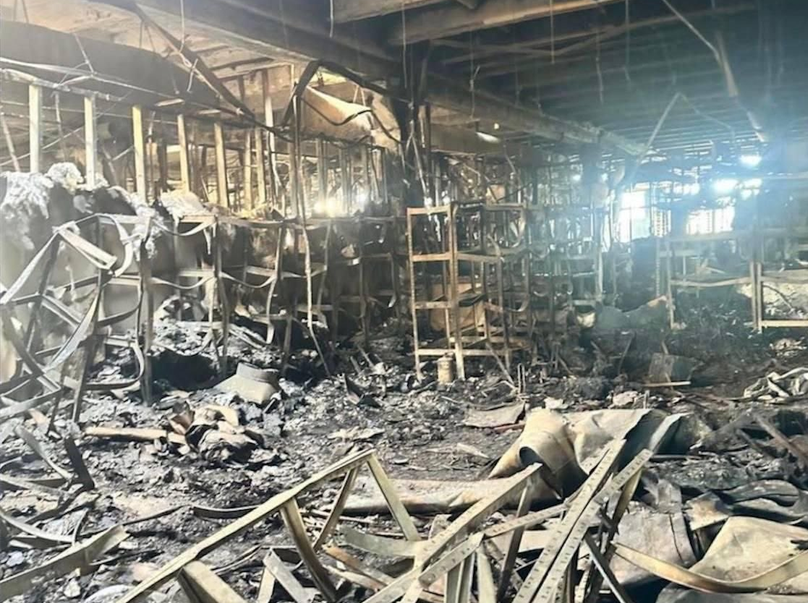
Within a single week, eight data centers were struck:
• Dreamline
• Ukrtelecom
• Bimobile
• Parkovy
• De Novo
• RX-Name in Mykolaiv
• Hosting UA in the Odesa region
• and another unnamed communications center in Kyiv.
Strikes also continued against warehouses and logistics hubs across Ukraine, as well as port infrastructure in the Odesa region and cargo vessels.
The capital empties
All of this has significantly impacted public sentiment.
Specifically, according to the head of the real estate agency KyivDomService, Andrey Romanov, residential real estate transactions have dropped by at least 30%.
In the rental sector, the picture is bleaker.
«Rents have noticeably retreated.
The sales market requires more time to adjust.
If the security situation does not improve by February or March, owners will be forced to slash prices drastically because apartments will simply sit unsold», Kyiv realtor Irina Lukhanina told Strana.ua.
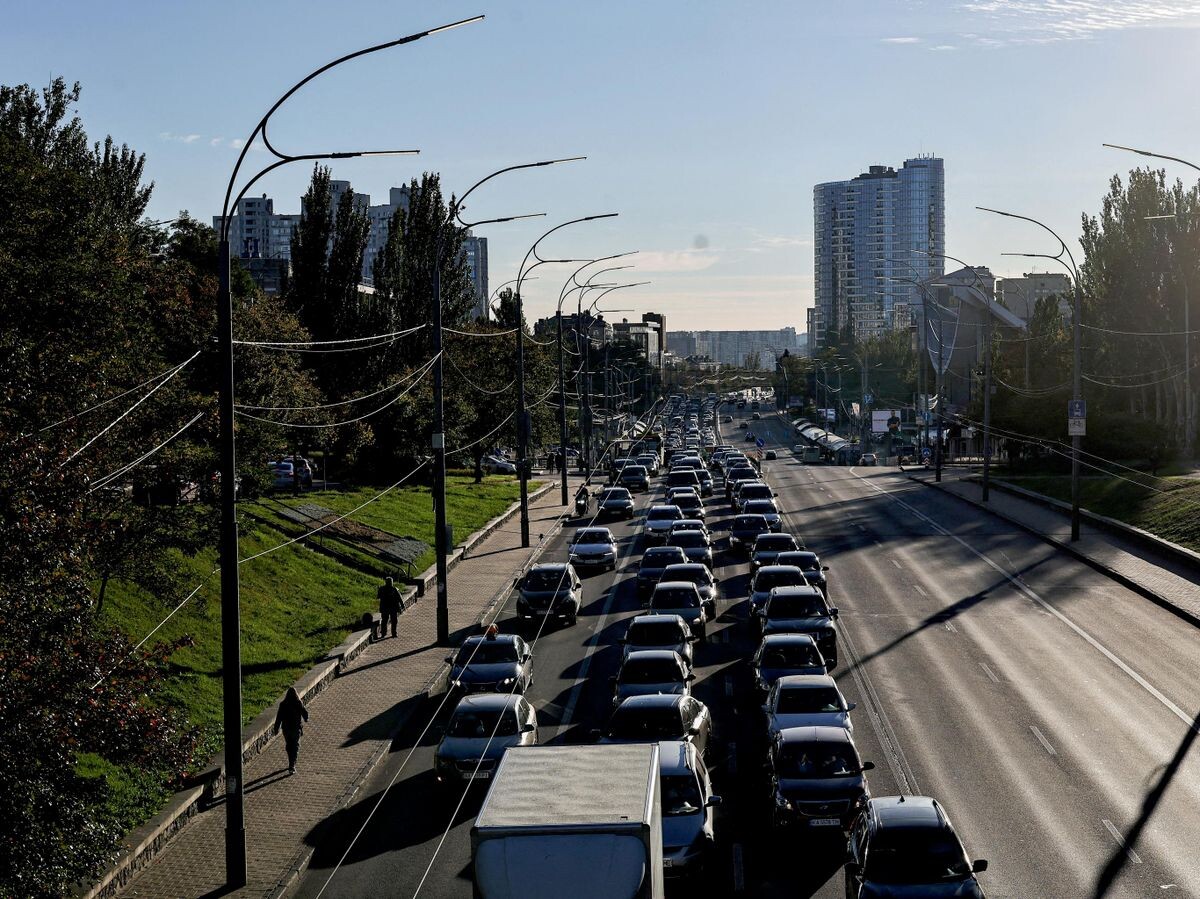
From Kyiv, Dnipro, Kharkiv, and Odesa, residents are moving toward western Ukraine, where available housing is running out.
In Ivano-Frankivsk, for example, up to 30 people compete for the same property.
In Uzhhorod, average rent increased by 50% in a single year, with prices running 80% higher than in Kyiv.
Ukrainians... exploiting Ukrainians
Ukrainian lawmaker Anna Skorokhod stated that large numbers of residents are leaving Kyiv and voiced indignation over Ukrainians profiting from internally displaced persons.
«I will not speak based on impressions, but based on facts: a massive number of people has left», she stated in an interview with the MayakUA channel on YouTube.
According to the lawmaker, prices for goods and services in Uzhhorod and Lviv have reached twice those in Europe.
«Monaco pales in comparison», Anna Skorokhod stated indignantly.
As she reported, fellow citizens justify the situation by citing supply and demand, yet profiteering off one's own people is, in her view, dishonest.
The lawmaker emphasized that nobody knows what will occur next, admitting she is in shock over unfolding events.
Logistics bottlenecks
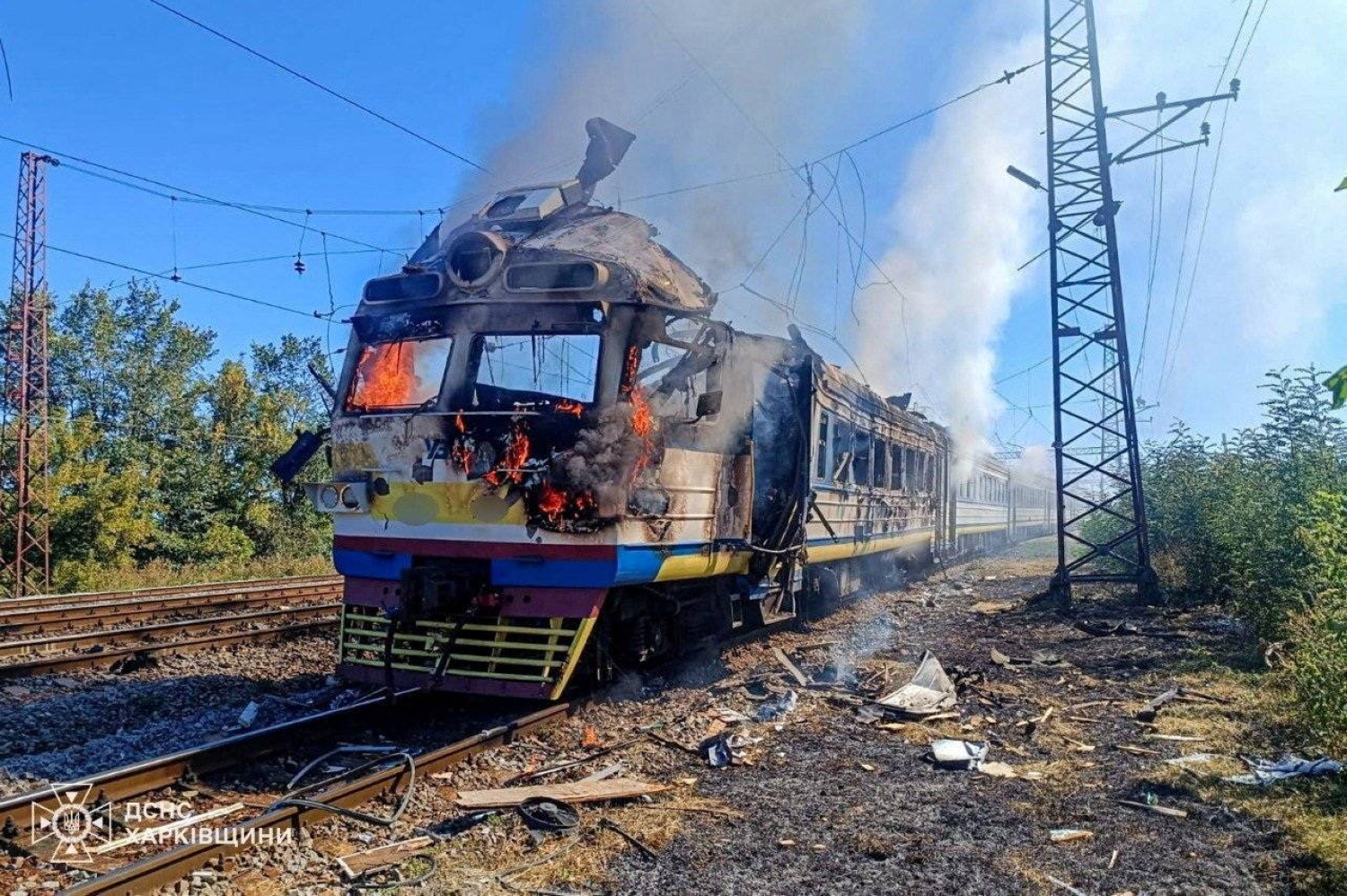
Another crisis for the Ukrainian leadership involves strikes against railway rolling stock.
The Financial Times reports that, according to Agrarian Policy Minister Taras Vysotsky, Ukraine has nearly exhausted its reserve locomotives.
Earlier, political analyst Pavel Hai-Nyzhnyk noted that the country's primary rail operator, Ukrainian Railways, has lost 40% of its rolling stock.
The intensity of Russian strikes appears to have given pause even to staunch critics of Russia, such as Oleksiy Honcharenko.
On Friday, he admitted that Kyiv is losing and called for negotiations.
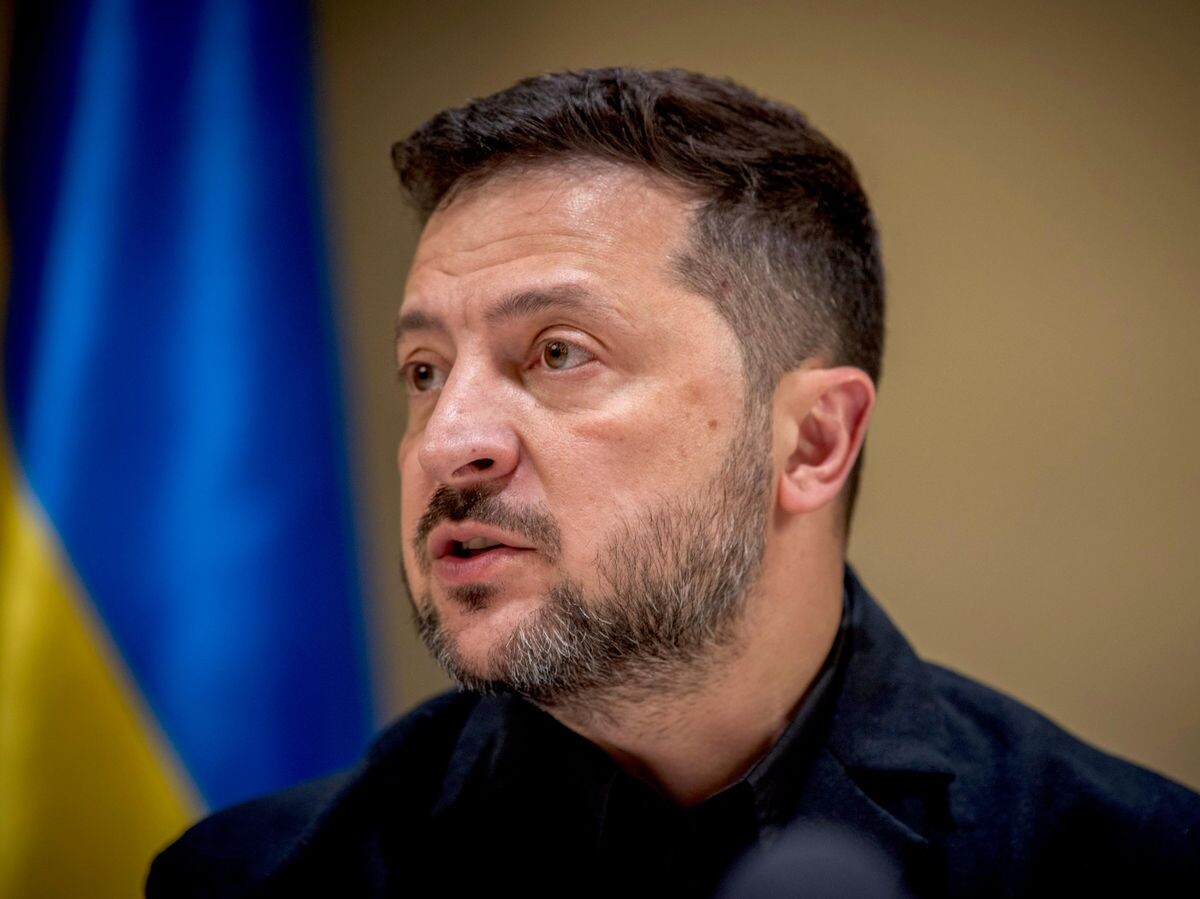
Zelensky, visibly irritated, replied that he will not «surrender the interests of the state».
Zelensky threats
On Saturday, in an interview with Reuters, Zelensky promised even more frequent strikes on Russian oil refineries. Moscow reacted.
«Following today's statement by Zelensky, strikes by the Armed Forces of the Russian Federation against military and military-industrial facilities, as well as associated infrastructure in Kyiv and other regions of Ukraine, will intensify.
The Ukrainian public should hold solely the leadership in Kyiv responsible for this.
Zelensky bears full personal and political responsibility», warned the Russian Defense Ministry.
Many mistakes, severe consequences
Russia is winning, while Volodymyr Zelensky's martial rhetoric merely worsens the position of Ukrainians, stated the former press secretary of the Ukrainian presidency, Yulia Mendel.
«Russia is winning this war and we made many mistakes that led to truly severe consequences», she stated on the Deep Dive channel on YouTube.
According to Yulia Mendel, the sole method to save Ukraine is not surging weapon deliveries, but ending the conflict.
However, as she noted, Zelensky and his circle continue escalating, driving the country toward an outcome she described as a «European Afghanistan».
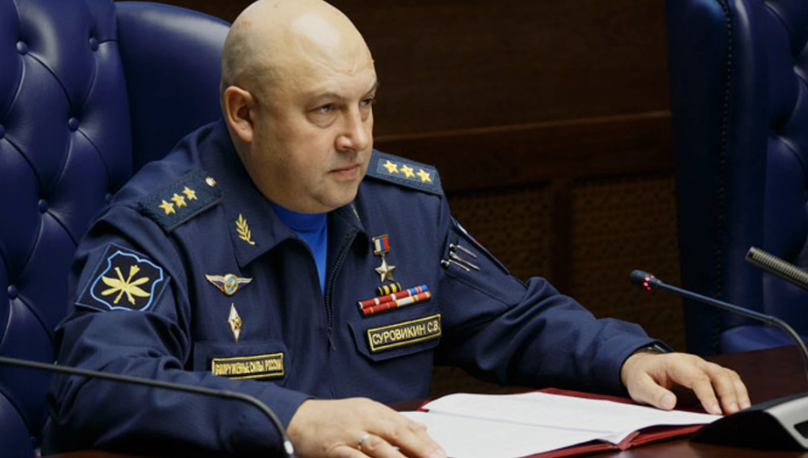
«Such generals do not sit on couches»
According to reports from multiple sources, the former commander of the Russian Aerospace Forces, Sergei Surovikin, completed his mission in Algeria and returned to Moscow.
In the view of military analyst and former Russian Defense Ministry spokesman Colonel Viktor Baranets, it would be strange if such a general did not return to the fronts of the Special Military Operation.
«Such generals do not sit on couches.
Such generals are essential to Russia and its military», asserts the Russian military specialist.
In his view, it is entirely possible that within the Kremlin and the Defense Ministry they are «deliberating seriously on how to integrate Surovikin, a tough, decisive, and capable commander, into current battlefield dynamics».
Where could he be deployed?
Viktor Baranets does not rule out the Lyman vector, where Ukrainian forces attempt to generate points of friction.
Another possibility is the operation in the Sloviansk to Kramatorsk area, framed as the strategic engagement of the year.
The operational rationale is straightforward: taking Lyman, securing Druzhkivka, and subsequently opening the route across open expanse, even if mined, toward Sloviansk and Kramatorsk.
Surovikin's experience could prove exceptionally useful there.
Rumors also suggest the general might be dispatched to Chernihiv to initiate an advance toward Kyiv.
Baranets himself considers this scenario inadequately substantiated.
In any event, the return of the so-called «General Armageddon» reportedly causes acute concern inside the leadership in Kyiv.
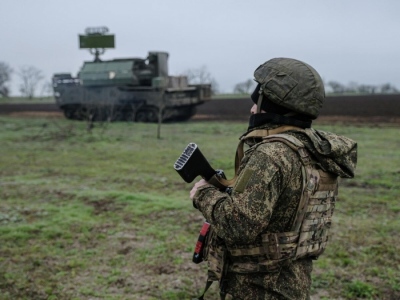
Trap system for Ukrainian drones
Simultaneously, positive reports for Russian forces are emerging from the rear.
In Russia, to counter Ukrainian unmanned aerial vehicles, planners are recalling the experience of 1941, when skies above Moscow were defended against German bombers using barrage balloons.
The method proved notably effective.
Recently, specialists tested an obstruction system using two small tethered balloons with a capacity of 150 cubic meters.
A line is stretched between them, from which specialized Kevlar cables hang, forming the defensive array.
During World War I, such configurations were designated aprons, with nets introduced later.
This constitutes a trap system designed to shield vital rear infrastructure.
According to specialists, vertical cords suspended one meter apart would suffice against Ukrainian drones.
The primary cord is reportedly three to four times stronger and lighter than steel, withstanding tensile loads up to 800 kilograms.
Like a fly in a spiderweb
During trials, a drone entangled its propeller in the line and was immobilized, «like a fly in a spiderweb».
Ideally, the system should operate as follows: the Gepard system, using radar, determines hostile drone altitude, while automated winches adjust the barrier height so lines hang directly in the path of the kamikaze drone.
«Simple, reliable, effective.
All that remains is scaling up systems and deployments for mass operational use.
This is precisely what we have been doing over the past six months. Everything will be fine!», notes Russian military channel Troika on Telegram.

Odesa: Why were they screening for radiation?
According to Russian war correspondent Yuri Kotenok, following recent strikes by Russian forces against facilities in the Odesa region and ensuing large-scale blazes, inspections for radioactive contamination were conducted.
«What exactly prompted the presence of chemical and radiological protection specialists at the facilities of a seemingly ordinary, peaceful agricultural enterprise is not stated», writes Yuri Kotenok.
Ukrainian outlet Strana confirms that in the Odesa region, following a strike, radiological screening was carried out, according to the State Emergency Service of Ukraine.
A major fire erupted after a strike on industrial infrastructure.
Reports indicate no hazardous substances were identified, without clarifying why such screening was deemed necessary.
www.bankingnews.gr










Readers’ Comments