

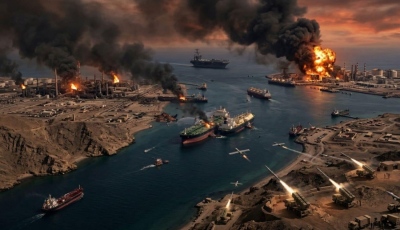
The new military campaign in Yemen is turning into an embarrassment for Saudi Arabia, as the major offensive launched with massive aerial support from Riyadh has so far failed to force a Houthi retreat. On the contrary, the Houthis are responding with attacks on Saudi targets, including airports and oil facilities, while Riyadh itself now faces a dangerous new escalation. At the center of the conflict lies Bab el-Mandeb, the strategic strait connecting the Red Sea with the Gulf of Aden, serving as a critical bottleneck for international shipping and energy transport. The battle for Yemen's coastal regions has taken on dimensions that far exceed the country's borders, as controlling these key positions can disrupt maritime and energy flows across the broader region.
Government forces claim they are advancing toward Bab el-Mandeb and have captured strategic positions, including areas in Dhubab and around Mokha. However, the Houthis deny losing these territories, while differing reports indicate government troops have mainly advanced to the outskirts of Mokha. The actual extent of territorial gains thus remains a subject of intense dispute. At the same time, the Saudi Air Force has launched large-scale operations, with Riyadh claiming around 100 fighter jets participated in missions that destroyed 324 high-value targets. The Houthis, however, are retaliating with missiles and drones targeting airports, military installations, and energy infrastructure.
Saudi authorities confirmed strikes on Jazan and Najran airports, resulting in three injuries and limited damage. As Saudi Arabia escalates its military action, Riyadh is now seeking reinforcements from its allies. Turkey and Pakistan agreed to activate their mutual defense pact with Saudi Arabia, while the Pakistani Defense Minister confirmed both nations are already providing support to Saudi operations. The renewed warfare in Yemen is thus transforming into a broader regional crisis, putting Bab el-Mandeb, maritime navigation, and global oil supplies back in the crosshairs.
Yemen's counteroffensive
Yemen's internationally recognized government announced the launch of a major military operation against the Houthis, aimed at retaking rebel-held territories and ultimately restoring state authority across the entire country. The President of Yemen's Presidential Leadership Council, Rashad Al-Alimi, named the campaign "Operation Yemen Dawn," maintaining that its objective is liberating Houthi-controlled regions, restoring state institutions, and eventually recapturing Sanaa, which the Houthis seized in 2014. According to Yemeni government forces, 1,122 precision strikes were carried out against Houthi targets across Saada, Al Jawf, Taiz, and the western coastline. Officials claim to have hit artillery pieces, rocket launchers, fortifications, supply lines, reinforcements, and command centers using infantry, drones, artillery, missiles, rocket launchers, and snipers. Government forces further reported that 1,747 Houthi fighters were "neutralized" and 364 military vehicles, items of equipment, and transport or supply assets were destroyed or disabled. These figures, however, are provided directly by government forces and have not been independently verified.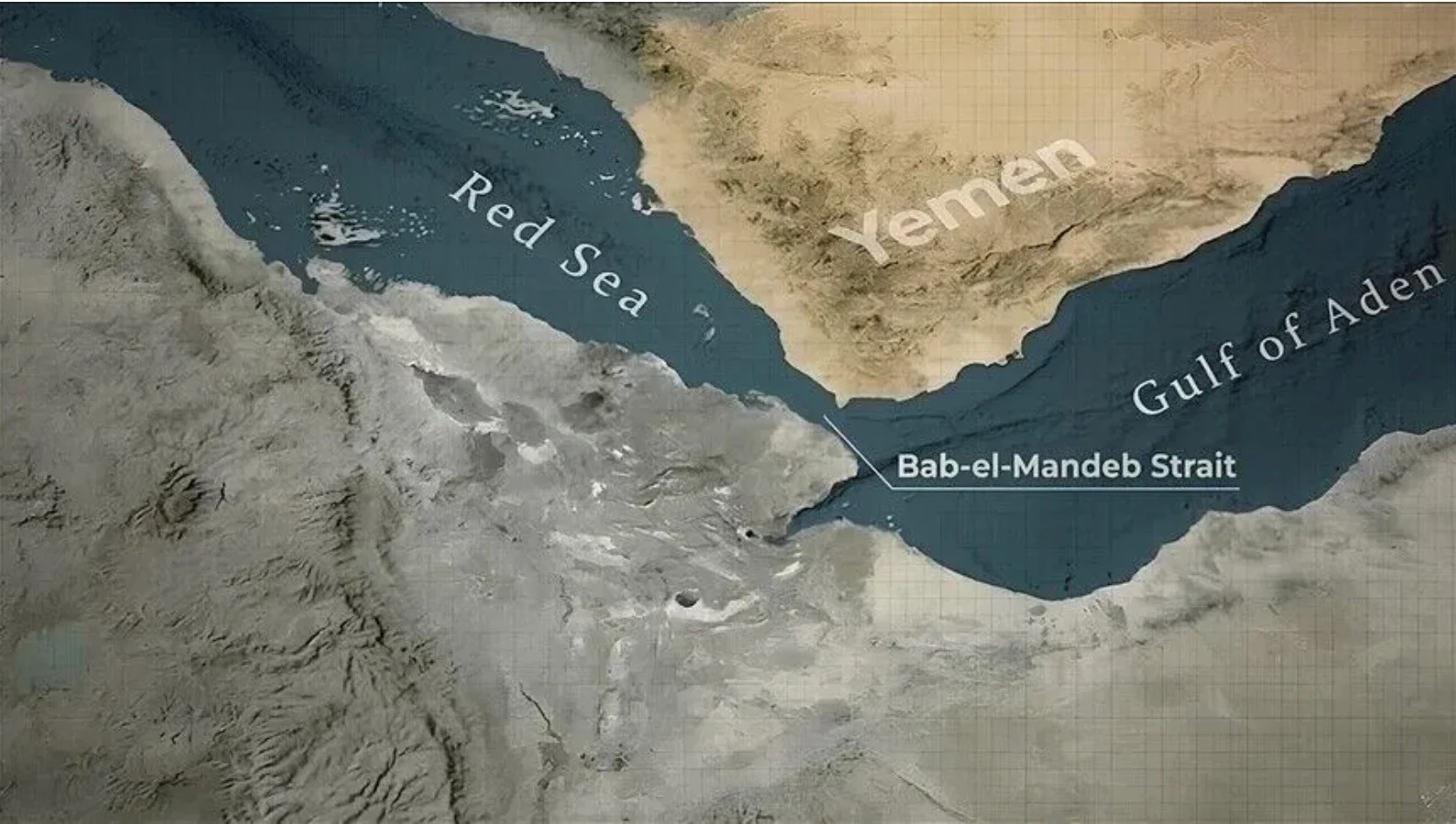
The battle for Bab el-Mandeb
At the epicenter of the new offensive lies Bab el-Mandeb, as control of the areas surrounding the Strait holds immense strategic importance. Government forces state they have advanced toward the strategic point and secured positions in the region, including a military airfield in the Dhubab district, at the entrance of the Strait. Other military sources claimed government troops pushed toward Bab el-Mandeb and recaptured Mokha, forcing Houthi forces to withdraw from sections of the coastline. The situation on the ground, however, remains disputed. Yemeni government sources cited by Reuters and AFP stated that troops had reached the outskirts of Mokha without confirming the city had been fully secured.
The Houthis, for their part, denied losing control of Mokha, Dhubab, or the mountainous Kahboub region. Houthi representatives dismissed claims of territorial losses as "Saudi propaganda." The battle holds particular significance, given that just last month the Houthis launched a surprise offensive along the southwestern Red Sea coast, ousting pro-government forces from positions overlooking Bab el-Mandeb, including Mokha, Dhubab, and Perim Island (Mayyun). The Houthis maintain they do not threaten international shipping, but insist they will continue targeting Saudi vessels.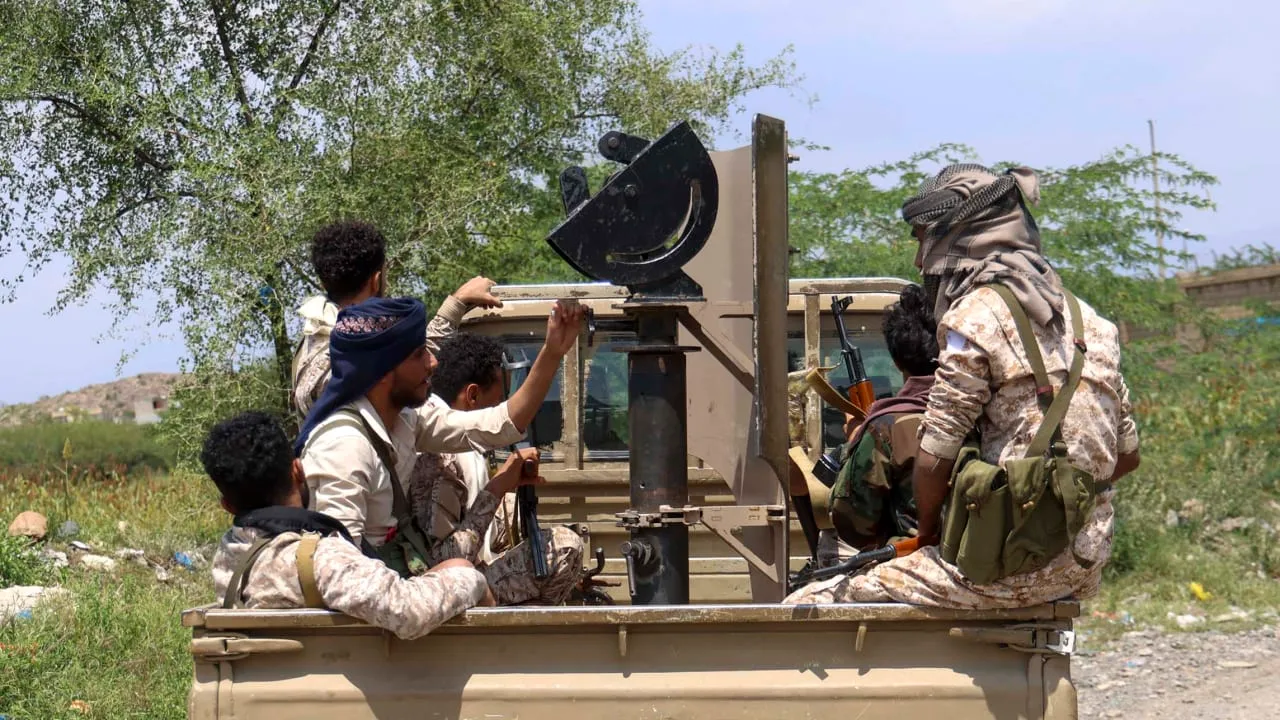
100 Saudi jets and 324 targets
Saudi Arabia has transitioned to active military support for the major offensive led by Yemeni government troops. Saudi coalition spokesman Major General Turki Al-Maliki stated that approximately 100 fighter jets participated in Monday's operations and that air support remains ongoing. He claimed that 324 high-value targets have been destroyed since the operation began. Additionally, late Monday, the Saudi coalition announced its naval forces conducted an operation in the Hodeidah province of western Yemen. According to Al-Maliki, weapons depots and facilities housing kamikaze surface drones and naval mines were destroyed to thwart a planned attack in the southern Red Sea sector.
Houthis retaliate with missiles and drones
The Saudi military intervention provoked an immediate reaction from the Houthis. The rebels launched missile and drone strikes against targets inside Saudi Arabia, claiming to focus on airports, oil installations, and military infrastructure. A Houthi military spokesman claimed the strikes targeted King Khalid Airport in Riyadh, an Aramco refinery in Rabigh, Abha Airport, the Khamis Mushait airbase, as well as facilities in the Najran and Jazan regions.
However, Saudi Arabia confirmed that two strikes hit airports in Jazan and Najran, injuring three people and causing minor damage. The Saudi General Authority of Civil Aviation reported it is assessing damage at King Abdullah Bin Abdulaziz International Airport and Najran International Airport, taking measures to ensure passenger and staff safety. Concurrently, the Houthis warned commercial airlines to avoid Saudi airspace. The Houthi-controlled humanitarian operations coordination body argued that Saudi airspace is no longer safe and could become an active theater of war, with the exception of the skies over Mecca and Medina. The Houthis also claimed responsibility for strikes on Aramco facilities in Riyadh and Khurais in retaliation for Saudi airstrikes. Satellite imagery reviewed by BBC Verify showed thick black smoke rising over the Aramco refinery in Riyadh and a similar plume at the Khurais processing facility. The images alone, however, do not conclusively confirm the cause of the damage or the identity of the attacker.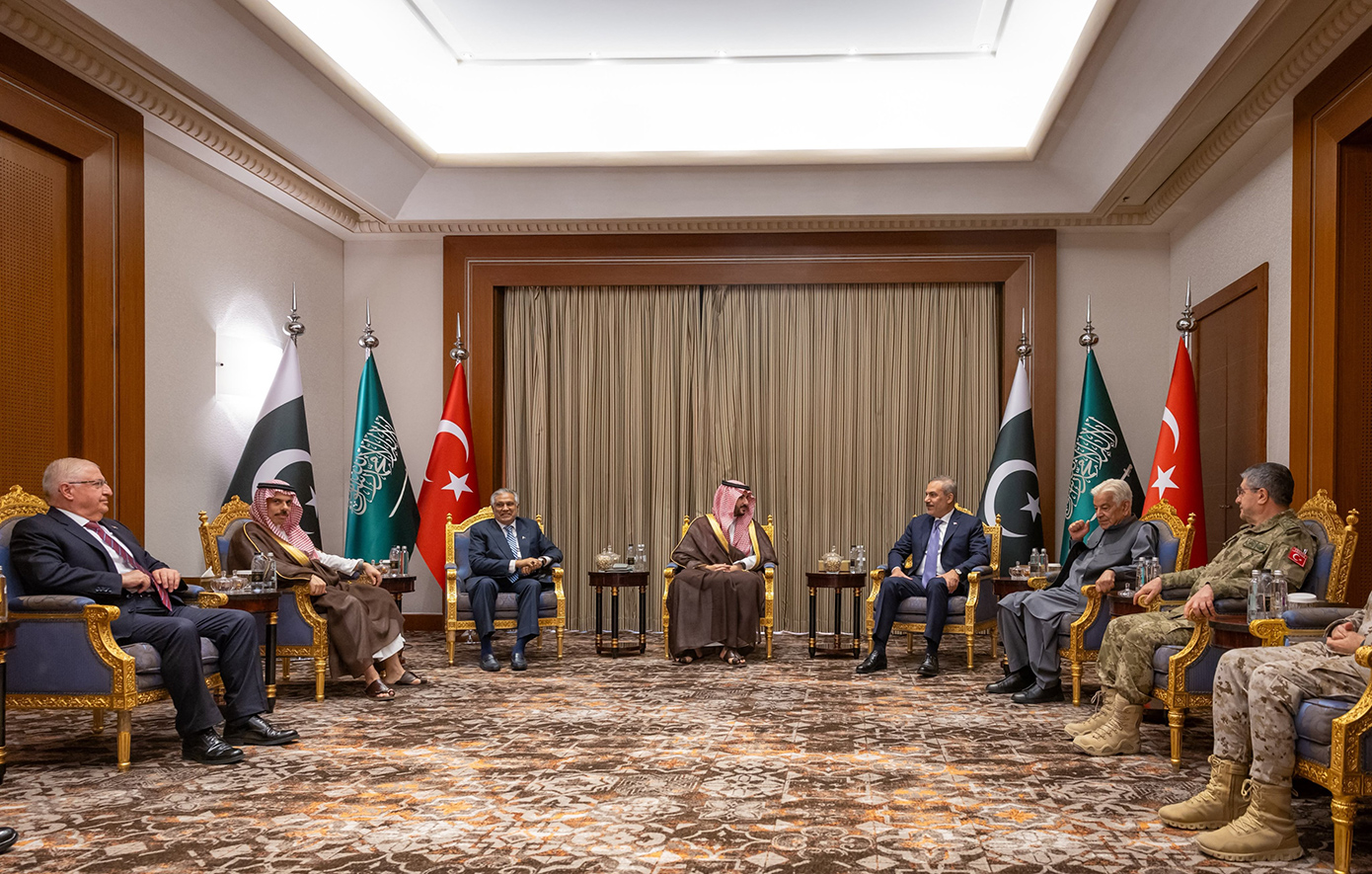
Turkey and Pakistan side with Riyadh
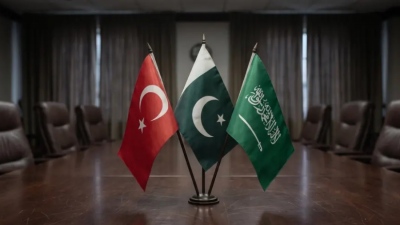
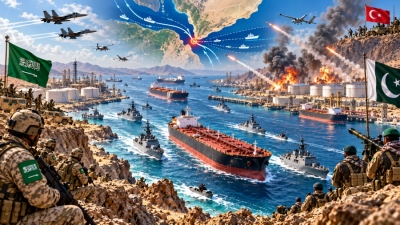
The escalation in Yemen has now acquired an unmistakable regional dimension, as Saudi Arabia activates the mutual defense pact signed in August with Turkey and Pakistan. Following an emergency meeting in Riyadh, the three nations agreed to immediately implement the mutual defense agreement, taking necessary measures including the rapid deployment of agreed military forces and assets to Saudi Arabia. The agreement was signed on August 7 and features a collective defense clause stipulating that an armed attack against one signatory is treated as an attack against all. The core logic of the clause mirrors the principle of NATO Article 5, though the pact operates entirely outside the Alliance. This development carries heightened significance due to the capabilities of the participating nations.
Turkey boasts the second-largest standing army in NATO, while Pakistan represents the sole Muslim nuclear power. Pakistani Defense Minister Khawaja Asif confirmed that both Pakistan and Turkey are extending operational support to Saudi Arabia against the Houthis. "Both countries maintain a presence here, but the primary combat force on the ground is the Saudi military. We are here providing all necessary assistance," he told Geo News. Asif clarified that Pakistani and Turkish armed forces are offering technical support, including reconnaissance operations, while Saudi troops carry out direct combat missions on the ground. Furthermore, the meeting in Riyadh finalized the organizational structure of the new defense alliance, naming retired Pakistani Lieutenant General Nauman Mahmood as its first secretary-general for a three-year term.
Alarm bells for oil and shipping
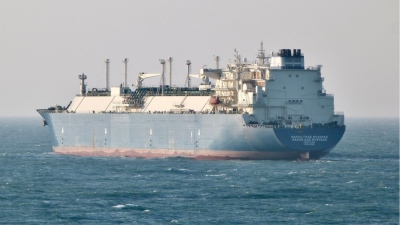
The battle along the Red Sea coast extends far beyond controlling territory inside Yemen. Bab el-Mandeb represents a crucial bottleneck for global maritime trade, connecting the Red Sea to the Gulf of Aden and onward to the Mediterranean via the Suez Canal. The Houthis' recent advance into areas overlooking the Strait had already rattled financial markets due to heightened risks for commercial shipping and global energy transport. The situation grows even more critical as reports accompanying this latest escalation indicate Saudi Arabia has relied more heavily on Red Sea routes for crude exports following maritime disruptions in the Strait of Hormuz. The potential for simultaneous strain on two of the world's most vital maritime chokepoints increases the risk of renewed volatility in energy markets. Unsurprisingly, previous Houthi advances around Bab el-Mandeb directly correlated with spikes in global oil prices.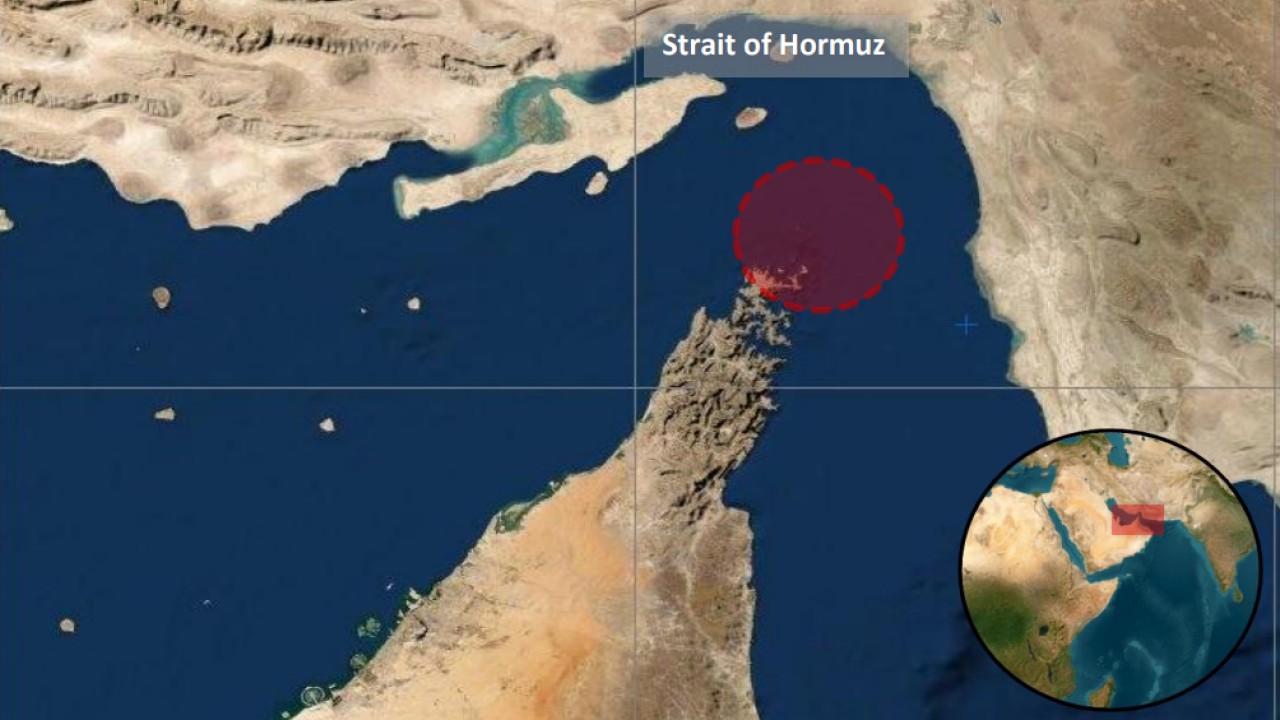
From ceasefire collapse to open war
This new offensive marks the most severe escalation in months within the Yemeni civil war. War has ravaged the country since 2014, when the Houthis ousted the government from Sanaa, before escalating further in 2015 with the intervention of the Saudi-led coalition. An informal ceasefire maintained for nearly four years began collapsing in July, when the Houthis declared a "maritime embargo" against Saudi Arabia and launched missile and drone strikes against Saudi airports, oil facilities, and Red Sea shipping. The Houthis framed these attacks as retaliation for the blockade of Yemeni ports and airports, as well as an airstrike on Sanaa Airport attributed to Saudi forces. On Sunday, Al-Alimi declared that de-escalation efforts had been exhausted, giving the green light for Operation Yemen Dawn to reclaim all Houthi-held territory. Pro-government forces participating in the offensive include the National Shield, Giants Brigades, and Tihama Resistance, which reportedly pushed the Houthis back from key coastal stretches captured last month. Meanwhile, the Houthis claim to have opened additional fronts in other regions, including Taiz, where they reportedly severed a mountain highway, isolating government troops and local residents.
Saudi Arabia seeks international support
Saudi leadership has formally called on permanent members of the UN Security Council to back Yemen's internationally recognized government. Simultaneously, UN Secretary-General António Guterres condemned ongoing cross-border attacks by the Houthis against Saudi Arabia, expressing deep concern over the sharp escalation. The human cost also continues to mount. According to figures cited by the Yemeni government, at least 959 people have been killed and roughly 5,000 injured since August 6, while the UN estimates an additional 197,000 individuals have been displaced. These casualty figures are drawn from specific official reports and do not constitute an independent comprehensive count. Yemen thus finds itself once again at the heart of a conflict extending far beyond its borders. The battle for Bab el-Mandeb unfolds alongside strikes across Saudi Arabia and the activation of military cooperation with Turkey and Pakistan, linking Red Sea security directly to global oil, commercial shipping, and energy markets.
www.bankingnews.gr







Readers’ Comments