

Iran under pressure
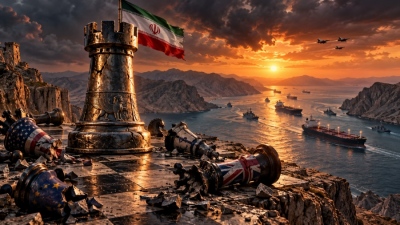
Analysts, mainly from the West and the US, argue that the US-led naval blockade and sanctions against Iran are paying off. As they point out, their success could define the next phase of the war. The oil remaining in Iran for sale is almost exhausted. Crude production has been cut in half. The regime's primary source of revenue is drying up. Hyperinflation has left the economy in ruins. At the same time, the flow of oil from other Gulf countries through the Strait of Hormuz, over which Iran once exerted significant influence, has essentially returned to normal levels.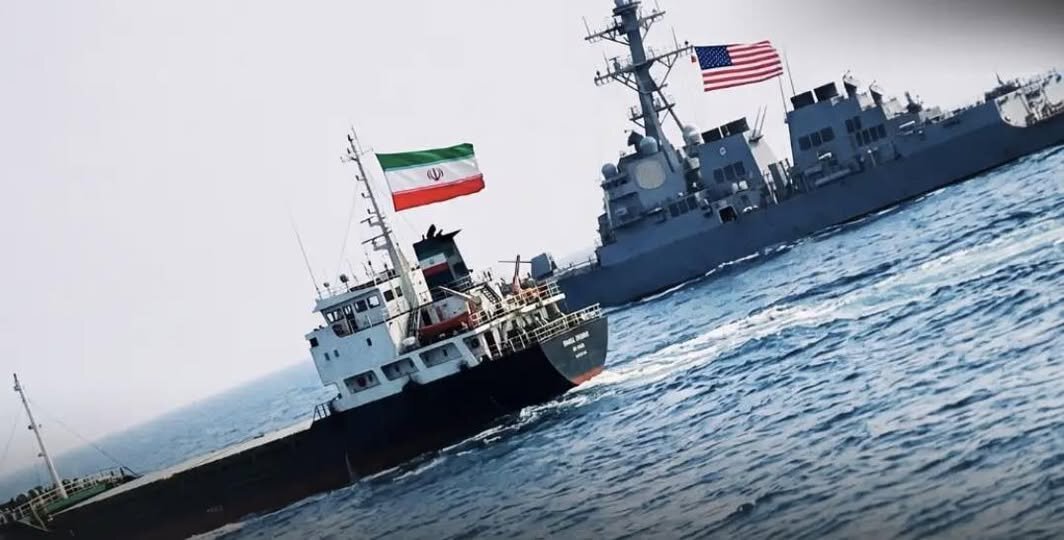
No sign of backing down
However, Iran shows no sign of backing down yet, CNN points out. The regime is not willing to make any concessions regarding its nuclear program, while negotiations over freedom of navigation through the Strait of Hormuz have repeatedly reached a deadlock. Why, while the Iranian government itself recognizes that its economy faces an historic disaster, does the regime refuse to back down? Iran has been in this position before. Five decades of successful operation under crushing sanctions have taught the Iranian regime quite a few things about how to cope. Violent and ongoing suppression of protests has limited popular uprising. And the high cost of the ongoing American operation has made the current stalemate politically toxic for Iran's opponent. That is why the regime may be in a much better position than it appears.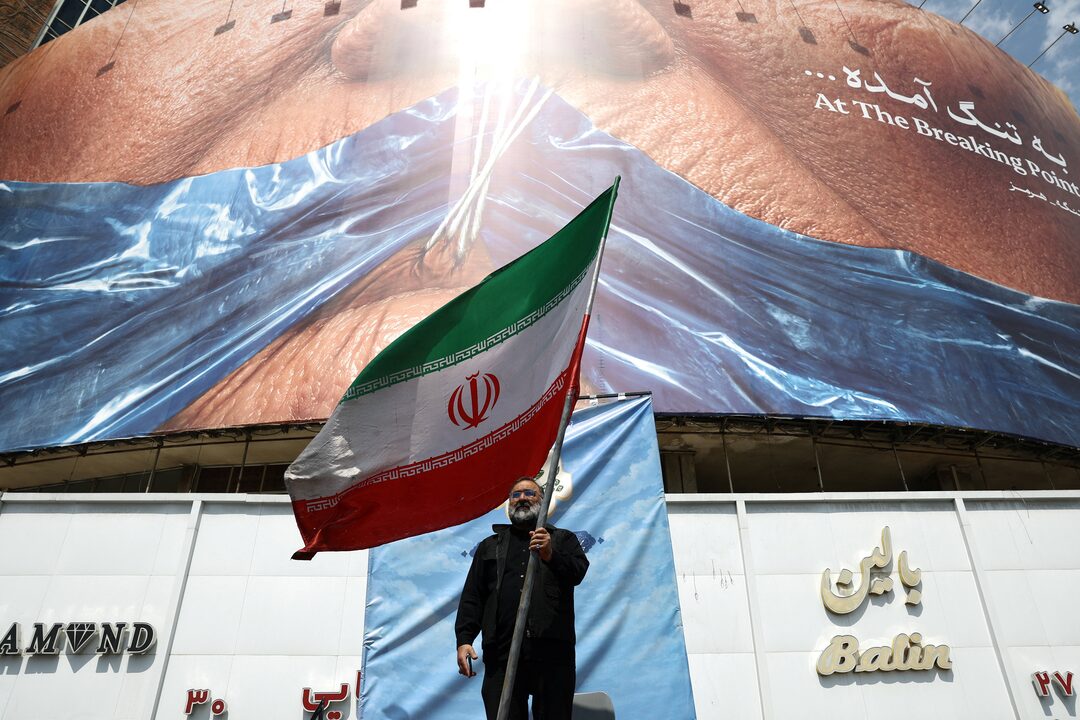
The blockade
Iran did not export any oil from its ports in September. It was the first month in which Iran loaded no crude oil onto tankers since the maritime data tracking service Kpler began recording Iranian exports in 2013. The last successful loading of Iranian crude took place on August 25. Meanwhile, Iran has almost run out of crude to sell. According to Kpler, oil located outside the US blockade zone has dropped to 45 million barrels, down from 100 million in July. If Iran continues to find buyers at the current pace, it may exhaust available crude for sale by late October. Domestically, the situation is not much better. With nowhere to sell the oil being pumped, onshore inventories are approaching historic highs, reaching 70 million barrels—close to the peak level recorded during the pandemic, according to Matt Smith, head of commodity research at Kpler. Iranian oil production has been cut in half compared to pre-war levels, to approximately 2 million barrels per day, an amount barely sufficient to meet domestic demand.Severe impacts
US sanctions have caused severe impacts. Iran's economy contracted at an annual rate of 10% between March and June, according to Iranian government data. Annual inflation skyrocketed to 90% last month and has averaged 73% over the past year—the highest level since World War II. The situation has become so difficult that when Iranians obtain cash, they spend it immediately on basic necessities because otherwise their money instantly loses its value, pointed out Adnan Mazarei, a senior fellow at the Peterson Institute for International Economics. The government is unable to finance itself and thus simply prints money, worsening inflation. Meanwhile, sanctions have drastically curtailed imports, leading to widespread factory closures and rising unemployment.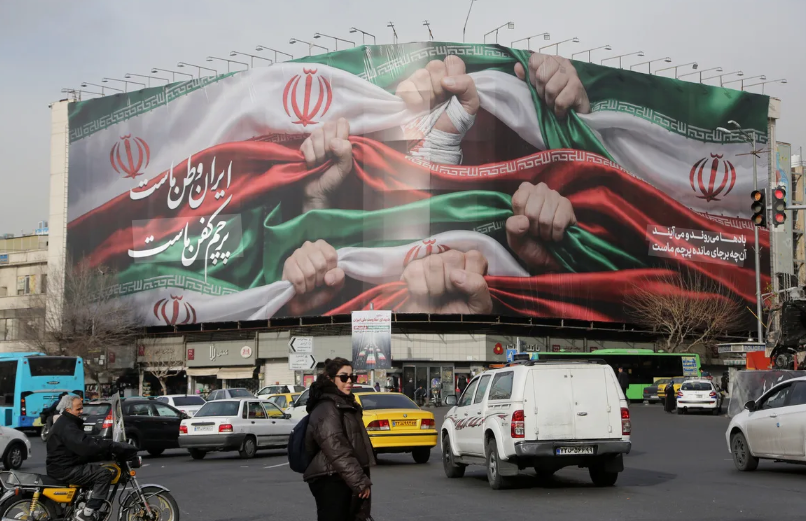
The admission
Iran's current economic situation ranks among the worst in its history, admitted Mohsen Rezaei, secretary of the country's Supreme National Security Council, according to a report by the semi-official Iranian news agency Tasnim. Nevertheless, Iran appears far from backing down. "The economy is in very bad shape," said Mazarei. "But there is no mechanical limit at which you can say the patient's body temperature reached a critical level and that they are going to die." In part, Iran's political system and the ruthless suppression of protests have offered it a degree of protection from the economic disaster caused by the blockade and sanctions. And Iran appears to be managing to circumvent some of these restrictions. "People are becoming increasingly miserable, but the regime has incredible patience and tolerance for the suffering of its people," noted Mazarei. "And Iran has a long history of overcoming sanctions."Bypassing sanctions
Iran's capacity to bypass sanctions appears more limited than ever. Operation Economic Outcast by the Trump administration has become so effective that certain governments, which in the past largely ignored US sanctions, have begun treating these restrictions with extreme seriousness. For example, dozens of Iranian tankers, whose crews fear arrest by the US and its Western allies, have been left stranded. Anchored off the coast of Sri Lanka, they have received no humanitarian aid despite repeated distress calls, according to Charlie Brown, a senior advisor to United Against Nuclear Iran, a non-profit organization that tracks and records sanction violations by Iran. These details were first published in the Wall Street Journal. However, the Iranian regime has developed sophisticated networks to cope with and circumvent sanctions. Despite the tightening vise, this conflict does not appear to be an exception: Iran's reluctance to back down suggests that sanctions evasion continues to take place, said Michelle Brouhard, head of policy and geopolitical risk at Kpler. "The Iranian regime is really very good at running the country without resources," she said. "I do not believe Iran is at a tipping point. Therefore, it must be receiving funding from somewhere."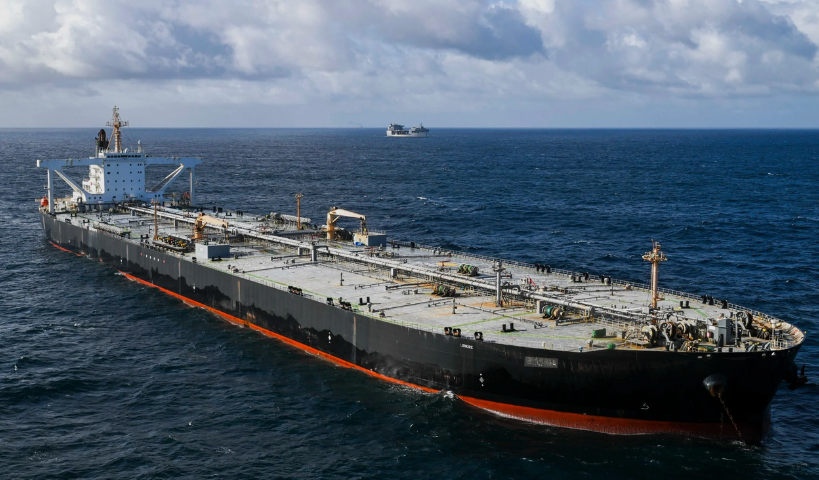
Difficult to trace the mechanism
Where there is smoke there may be fire, but tracing sanctions evasion is difficult. Iran may be transferring oil overland toward Kazakhstan and Russia or by sea via the Caspian Sea, estimated Brown, noting that Iran has repeatedly presented its exported oil as Iraqi and has transferred oil to ships of other countries in order to move crude out of the straits. Furthermore, according to Brown, the regime maintains trusted proxies in several neighboring countries who secretly conduct transactions on behalf of the regime in US dollars, cryptocurrencies, or other means to avoid detection.Hidden fees in Iran
One of the most interesting possibilities, according to Brouhard, is that Gulf countries exporting oil are secretly paying fees to Iran in exchange for safe passage through the Strait of Hormuz—even when their ships are protected by US military escorts. There is no tangible proof of such an agreement, but both Mazarei and Brown stated they had also heard reports that oil producers pay Iran a type of security fee to ensure safe passage. Iran continues to attack certain tankers carrying oil through the straits—however, these could be vessels that refused to pay a fee, Brouhard estimated.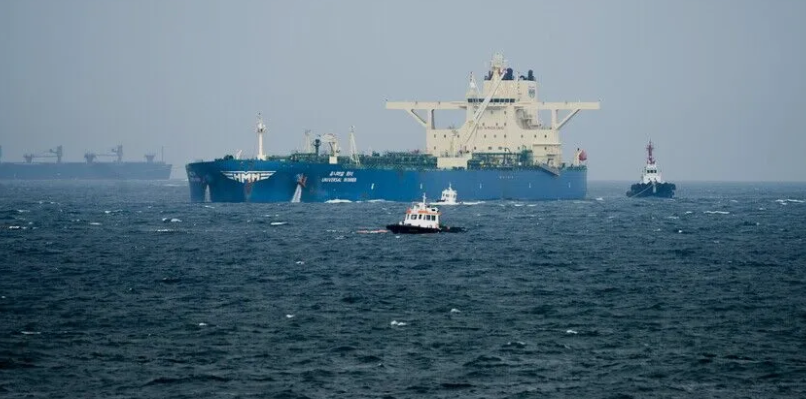
Uncertain path
Whether Gulf countries pay Iran directly or not, the cost of maintaining the current situation and transporting oil through the Strait of Hormuz has become extremely high for all involved. The US Navy must commit substantial resources to the blockade and the ship escort program. This costs American taxpayers tens of billions of dollars at a time when fuel prices remain at historic highs. Oil producers are paying exorbitant amounts to charter tankers to transport crude to its destination. Factoring in labor costs, fuel, insurance, and other expenses, the daily charter rate for a Very Large Crude Carrier now costs $1.6 million—24 times higher than the 2025 cost, according to Clarksons. "Someone is getting paid," Brouhard said. "Right now, the fee is being paid to insurance companies. And you and I are the ones paying for it."On the brink of war for a long time
This unsustainable situation may explain why Iran waits patiently for the endurance of the Trump administration to run out. It may have lost its bargaining power in the oil market and its economy may have taken a heavy hit, but Iran may be able to endure longer than the United States is willing to continue the same—and costly—path. In other words: "We will be on the brink of war for a long time," Mazarei said.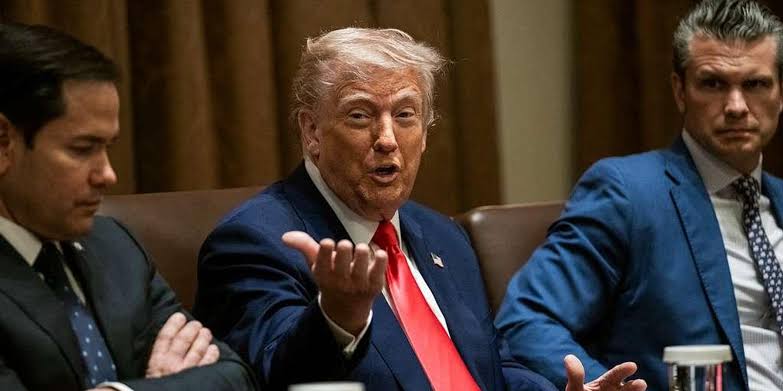
Rezaei (Iran Security Council): The next mistake will bring you bigger surprises
Major General Mohsen Rezaei, secretary of the Supreme National Security Council of the Islamic Republic of Iran, pointed out that every enemy miscalculation against Iran has led to a heavy defeat. As he said, the next mistake will bring new fronts and even bigger surprises. Rezaei emphasized that, under the wise guidance of the Supreme Leader, the support of the people who write history, and the coordination of all system institutions, Iran will overcome this complex conjunction with strength, while underscoring that Iran is the one that will shape realities on the ground.Akraminia (Iran military): We possess a vast stockpile of new military equipment
Iran possesses a large stockpile of new military equipment, argued Iranian Brigadier General Mohammad Akraminia, spokesman for the Iranian military. State television broadcast statements by Akraminia according to which the production of new defensive and offensive equipment, including missiles and drones, continues amid the ongoing war. "New defensive and offensive equipment will be presented at the appropriate time," he added.Ebrahim Azizi (Iran Parliament): We are more prepared than ever, our finger is on the trigger
Ebrahim Azizi, head of the National Security Committee of Iran's parliament, warned that Iranian armed forces are fully prepared to respond to a potential attack by the US and its allies. "Our armed forces are more prepared than ever, with our finger on the trigger, waiting for any miscalculation by the US or the Zionist regime," Ebrahim Azizi wrote in a post on X. "The response they will face will be even more severe and destructive than anything they have seen in the past," he added.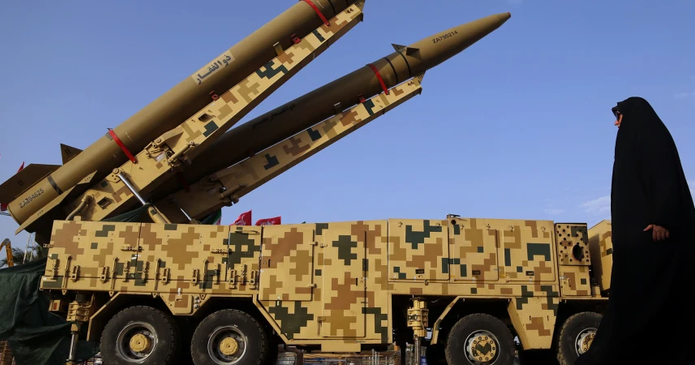
Achieved no objectives
Since the start of the military offensive by the United States and the Israeli regime against Iran, not only have the declared objectives of the operation not been achieved, but, according to admissions by Western officials and American media, the aggressors have found themselves facing a strategic impasse and failures both on the field and at the political level. This war quickly acquired broad humanitarian, security, and economic dimensions and triggered diverse reactions across international media.There is no military solution
According to AFP, Iran's Foreign Minister Abbas Araghchi stressed on Sunday that there is no military solution to the United States' war against the Islamic Republic of Iran and that only negotiations based on justice and equality can end the conflict. He warned that if opponents again choose the path of military confrontation, Iran's response will be stronger than before and the country will defend itself with greater determination.The 7 conditions
Indirect Iran–United States negotiations took place on the sidelines of the UN General Assembly, and Tehran presented seven conditions for reopening the Strait of Hormuz. Among these are a ceasefire across the entire Middle East, the unfreezing of Iranian assets abroad, the lifting of sanctions in the oil sector, and an end to the US naval blockade. Kazem Gharibabadi stated that the position of the United States regarding the Iranian proposal was conveyed through mediators and remains under review. Esmail Baghaei also noted that Iran is focused on the issue of the Strait of Hormuz and that, for it to reopen, it is necessary to end interference with Iran's commercial navigation and lift sanctions.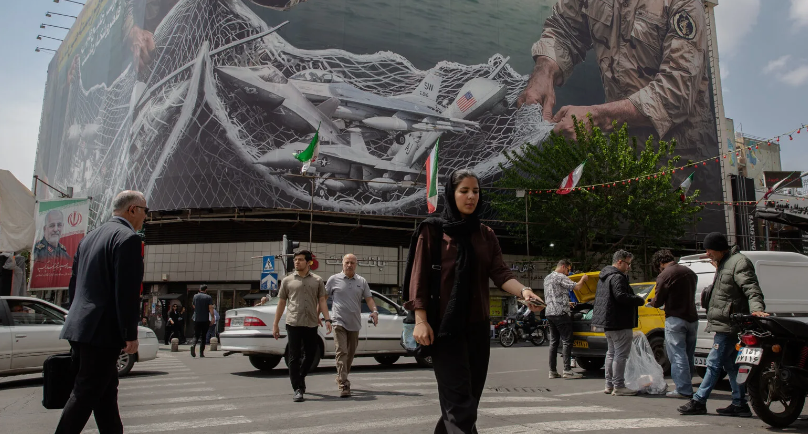
Hormuz will not open
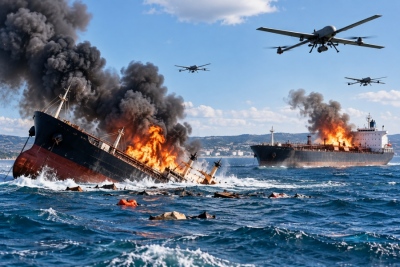
According to CNBC, Iran reiterated on Sunday that the Strait of Hormuz will not open until the seven conditions set for ending the war with the United States are met. Speaker of the Iranian Parliament Mohammad Bagher Ghalibaf stated that these conditions were determined based on the Islamabad Memorandum and that Iran will not adjust its national security based on messages from American officials. According to CNBC, at least two ships in waters near Oman and Iran were targeted in attacks over the weekend.Trump's true objective remains unclear
Al Jazeera, in an article, attempted to answer how Donald Trump's policy toward Iran transitioned from political and economic pressure to direct war. The publication considers Trump's withdrawal from the nuclear deal in 2018 less a technical decision and more part of his political identity and effort to differentiate himself from Barack Obama. What followed was the "maximum pressure" policy, sanctions, the assassination of General Qassem Soleimani, and Israeli operations against Iran, which further reinforced the path toward confrontation. According to the report, the three wars against Iran show that Washington has largely adopted the Israeli definition of "threat" and "victory." It emphasizes that Trump's true objective remains unclear: changing Iran's behavior, curbing its nuclear and missile programs and regional influence, or changing the political regime. Al Jazeera warns that a "scorched earth" scenario may aim to completely weaken the Iranian system's ability to reconstitute itself and expose it to internal conflict or collapse—something aligned with Trump's definition of "victory." To achieve this goal, concentrated strikes against remaining power centers and critical infrastructure in Iran are considered likely, including facilities at "Kuh-e Kolang" and security centers. However, these attacks may occur in an unconventional and ambiguous manner so that Iran cannot clearly identify the perpetrator, method, and nature of the attack to respond immediately.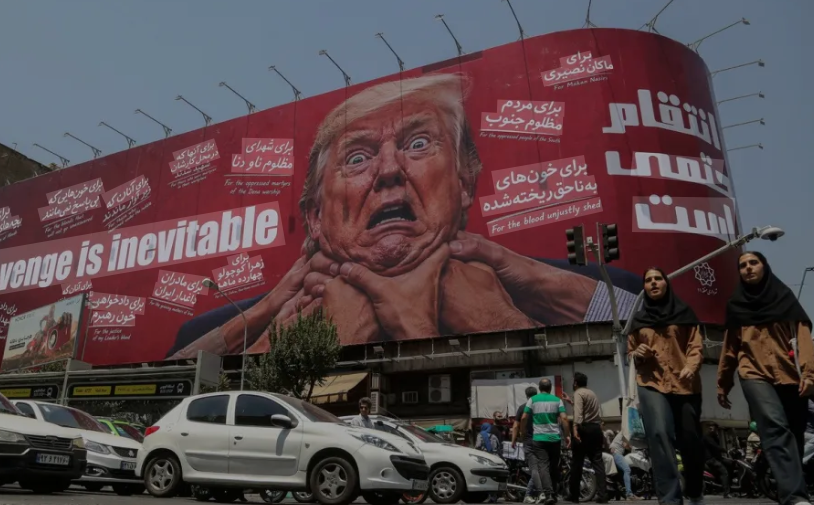
The critical weeks
Rai al-Youm wrote in an article that the next five weeks leading up to the Israeli elections on October 27 and the United States midterm elections on November 3 may determine the fate of negotiations between Iran and the US. The core of the dispute is not only the reopening of the Strait of Hormuz, but also the sequence of concessions. According to the Iranian proposal, a seven-day process could begin with the lifting of restrictions and permission for oil exports, reaching the reopening of the Strait of Hormuz on the sixth day in coordination with Oman, and direct nuclear negotiations on the seventh day. Tehran's condition, however, is a ceasefire on all fronts, particularly in Lebanon. The author stresses that Washington has a greater need for an immediate agreement due to the impact of the Strait of Hormuz crisis on energy prices and the elections, while Tehran can to some extent rely on time. Israel seeks priority for the nuclear issue, whereas Iran prioritizes ending conflict fronts and lifting economic pressure. Ultimately, the main risk lies in the sequence of actions and the potential for military developments before the elections to alter terms.They want Tehran's surrender
Al Mayadeen, in an article based on the views of John Mearsheimer, argues that the Trump administration's strategy toward Iran is a combination of economic pressure, military threats, and psychological warfare, aimed at forcing Tehran to surrender prior to further escalation of the conflict. Mearsheimer considers media depictions of growing American military power misleading, as the actual number of American ground combat forces in the region is very limited and the Navy has also been worn down by prolonged operations. Even deploying more warships does not necessarily mean achieving a result different from previous 40-day attacks, while Iran continues to possess the capability to cause severe damage to regional oil infrastructure. According to the report, economic pressure alone will likely not bring Iran to surrender because Tehran views the threat from the United States and Israel as existential; in the event of escalating pressure, it could strike energy infrastructure and desalination plants in the region. Consequently, Trump's "deception strategy," aimed at terrifying Iran and creating the impression of imminent defeat, will likely fail.
www.bankingnews.gr

Readers’ Comments