

Something is changing in Europe regarding the unbridled assistance provided by pro-NATO governments to the Zelensky regime, as revealed on October 5 by the Russian publication Izvestia, which reports that the issue of opaque support for Kyiv will be referred to both the Greek and German Parliaments. Specifically, Alternative for Germany (AfD) signals that it "may demand an investigation" in the Bundestag, although under the current balance of power it "remains unable to enforce" such a development. However, once AfD enters the Bundestag in the next term with 25% or more of the vote, investigative committees will certainly be established to address these matters among other issues. A major issue also exists in Greece, where the opposition is calling for the creation of an investigative committee regarding the reckless funds squandered by the Mitsotakis government intended for Ukraine. It is Greek Solution that first raised the issue and now announces that it "will investigate every bullet fired at Ukrainian President Volodymyr Zelensky," while promising to "hold accountable those who harmed the interests of Greece." Similar parliamentary proceedings are expected to emerge gradually across all national parliaments of EU member states.
AfD: Audit the funds allocated to the Zelensky regime right here and right now
Specifically, the parliaments of Germany and Greece proposed conducting an audit regarding the aid provided to Ukraine. Indeed, the Russian newspaper Izvestia published an exclusive report citing politicians from both countries. "Alternative for Germany (AfD) can demand an investigation, but cannot enforce it. (...) As soon as AfD enters the Bundestag next term with 25% or more of the vote, investigative committees will certainly be established to deal with, among other things, these issues," stressed AfD Bundestag member Steffen Kotré.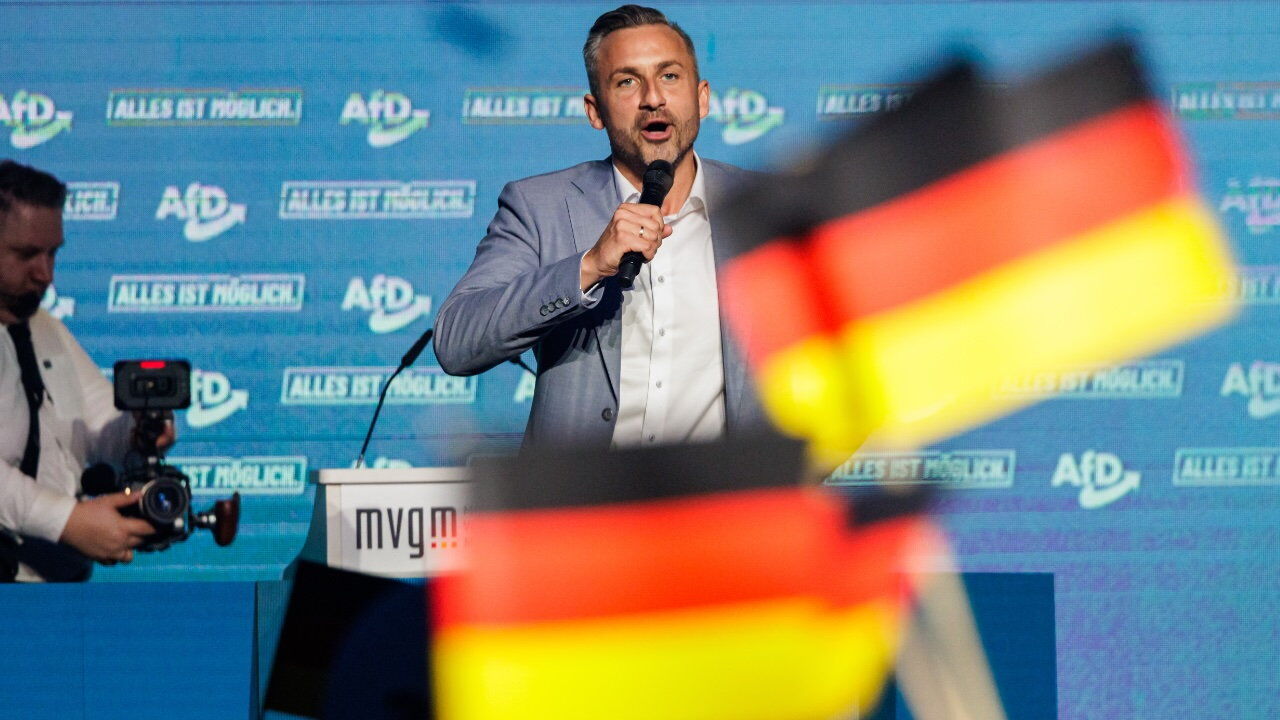
Greek Solution: "Every bullet sent to Kyiv will be inspected..."
In turn, the president of Greek Solution, Kyriakos Velopoulos, stated to the publication that if his party comes to power, it will investigate "every bullet fired at Ukrainian President Volodymyr Zelensky" and hold accountable those who harmed Greek interests. Earlier, German Chancellor Friedrich Merz announced a new assistance package for Ukraine during his visit to Kyiv. Germany will allocate 1 billion euros in military assistance and an additional 350 million euros for repairs in the energy sector.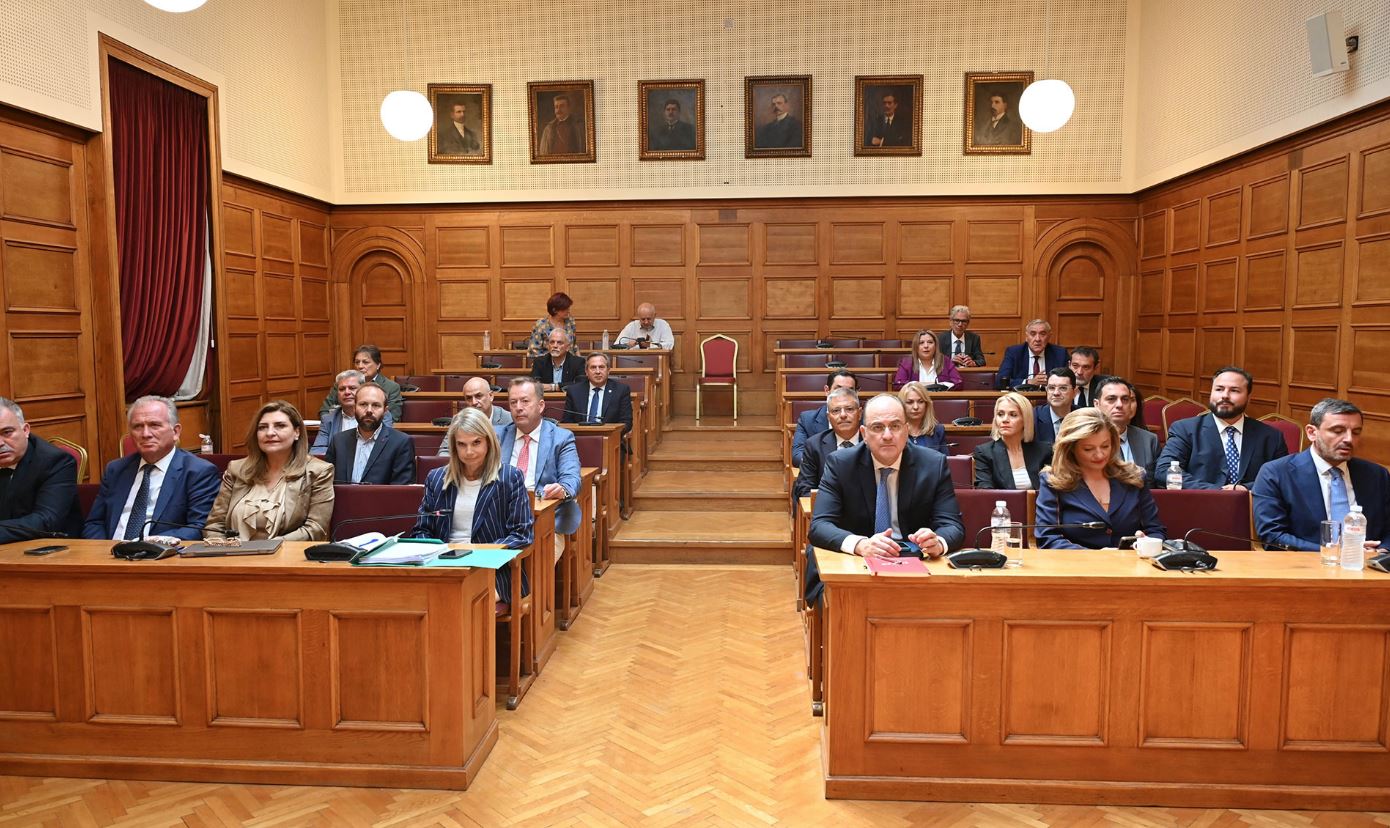
Russian bombshell: "Greek opposition blows up Operation Irini - Drags arch-pirate Ursula to court"
It should be noted that a month ago, Russian media dropped a diplomatic and geopolitical bombshell, reporting that the opposition in Greece plans to appeal to European judicial authorities and the European Parliament over the arbitrary detention of Russian ships or tankers allegedly linked to Russia by Operation IRINI, according to a report by Gazeta.ru on August 27. In fact, the newspaper Izvestia cites statements by the president of Greek Solution, Kyriakos Velopoulos, in the Greek Parliament regarding the burning issue of raids on Russian tankers. He noted that his parliamentary group will not tolerate such actions and will unequivocally condemn them in both the Greek and European Parliaments, as well as before other competent judicial bodies in Greece and Europe. Velopoulos emphasized that this involves not only Russian-flagged vessels, but also oil tankers operating on behalf of the Russian side.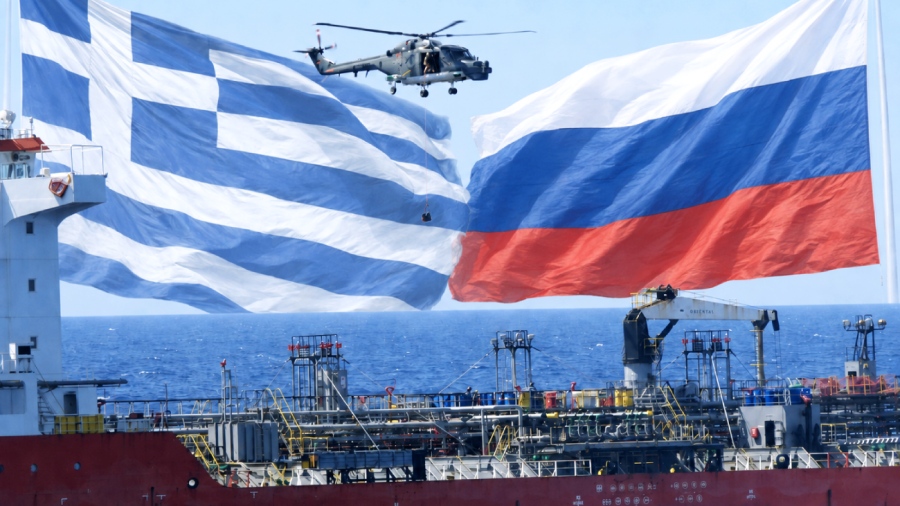
"Raids on Russian tankers amount to piracy"
The Macedonian politician considers such actions equivalent to piracy on the high seas, warning that they could escalate tensions and jeopardize maritime safety as well as the commercial interests of Greece and other EU states. IRINI (from the Greek word for "peace") is a European Union military naval operation in the Mediterranean Sea. It was launched on March 31, 2020, with headquarters in Rome. Until this past summer, the operation's mandate was strictly limited to monitoring compliance with the UN arms embargo on Libya and gathering intelligence regarding illegal oil exports. However, on June 8, EU High Representative Kaja Kallas declared that Operation IRINI had changed its rules of engagement and initiated inspections of foreign vessels suspected of transporting Russian crude oil. Previously, Lavrov outlined Russia's planned actions following Putin's statements regarding the response to ship seizures.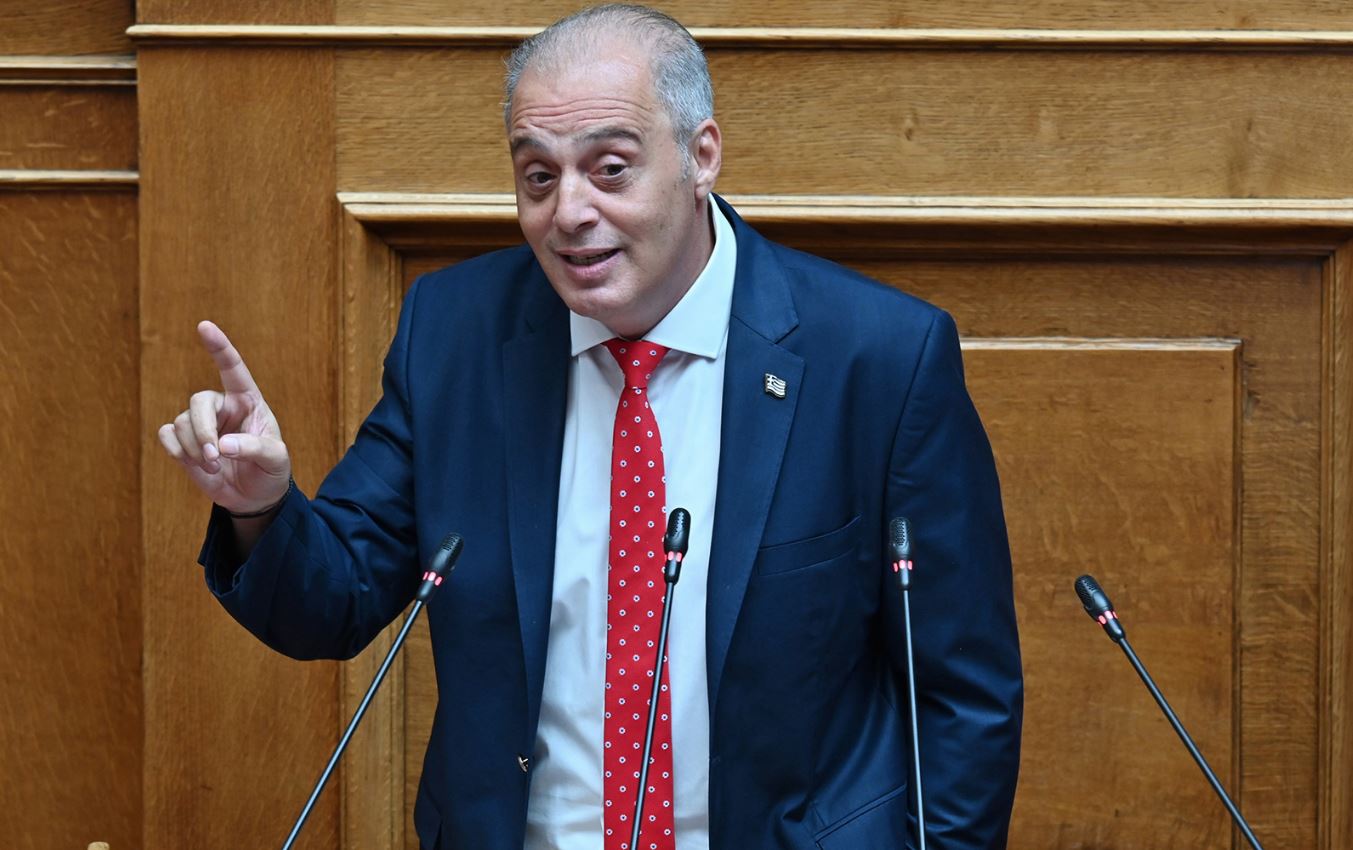
The EU expands the role of Operation Irini
According to the report, the European Union is stepping up efforts to restrict Russian trade. In June, at the initiative of EU foreign policy chief Kallas, the mandate of Operation IRINI—which has operated in the Mediterranean since 2020 monitoring the UN arms embargo on Libya—was amended. According to the Russian publication, these expanded powers are now also used to identify vessels that Brussels considers to be serving Russian maritime interests. An example cited is the inspection of the Cameroonian-flagged vessel Tao Payoh in early August, which involved Italian forces assisted by a Polish aircraft and a Greek patrol vessel.
"Legal ambiguities" surrounding ship inspections
According to the report, any vessel not registered in a European Union or G7 country that lacks Western insurance coverage can be flagged as suspicious. Luxembourg MEP Fernand Kartheiser told Izvestia that the lack of a clear legal framework risks creating friction not only with Russia, but also in EU relations with third-party nations.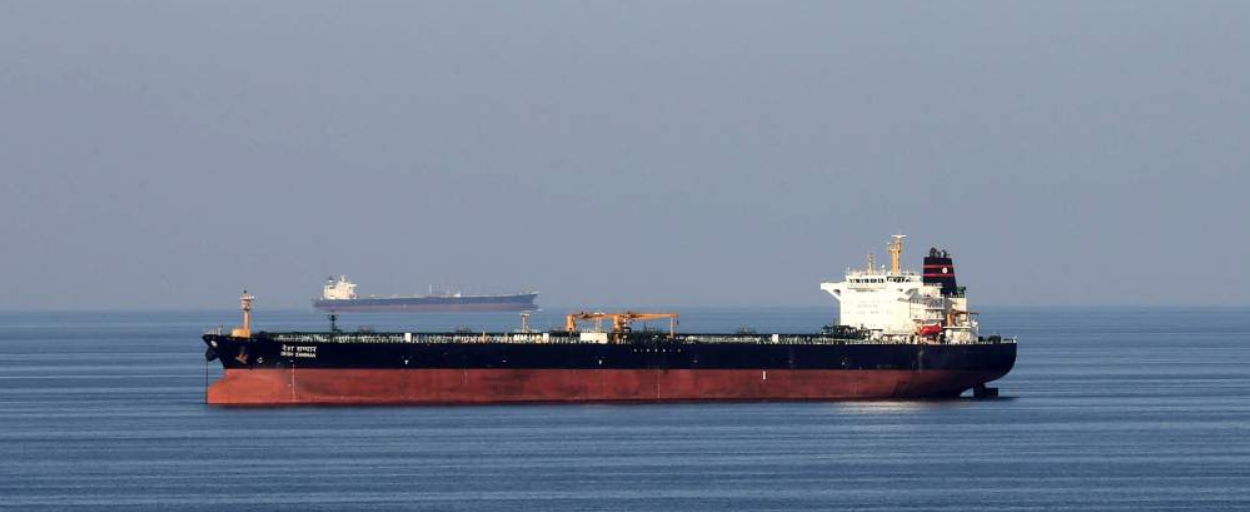
Scenarios for appealing to the European Court of Justice
According to the analysis published by the Russian newspaper, the Greek opposition could file an appeal with the Court of Justice of the European Union through a formal complaint to the European Parliament, either independently or jointly with Greek shipowners whose commercial interests may be affected. Another route would involve appealing to a national authority, which could subsequently refer the case to the European Court of Justice.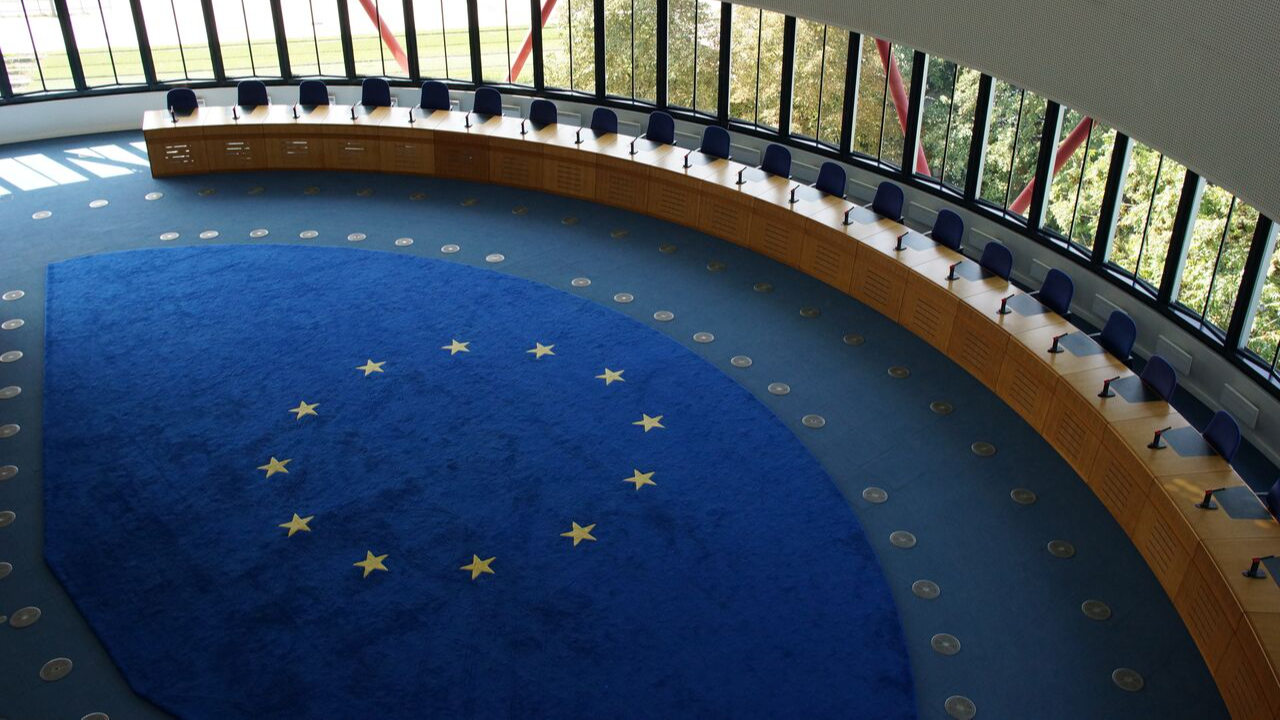 Yegor Sergeyev, senior researcher at the Institute of International Studies at MGIMO, estimated that the prospects of such a legal move remain uncertain despite Athens' economic interests. As he noted, anti-Russian stances dominate the European Parliament, rendering debate over the mission's mandate more of a tool for political pressure and media publicity than a mechanism for legal decision-making.
www.bankingnews.gr







Readers’ Comments