

It is the million-dollar question: is the Strait of Hormuz closed or open? This question has turned over recent weeks into one of the most critical axes in the war of statements between Iran and the US. Washington and aligned media outlets attempt, by publishing images of tanker transits and showcasing oil transport data, to establish in public opinion the perception that the Strait of Hormuz is effectively open, that the energy supply flow continues unhindered, and that Iran is no longer able to leverage its most critical geopolitical position to influence the Western economy. For their part, the Iranians argue that the Strait is closed, that the quantities of oil flowing through this maritime route are negligible, and that they have absolute control since US naval warships have fled and are positioned 1,000 kilometers away from Iranian borders.
Yet the question of what exactly is happening at Hormuz and whether it is open or not cannot be answered with a simple "yes" or "no." Tankers may be passing through this waterway, but the transit of certain vessels does not mean that Hormuz has returned to normal conditions. The fundamental issue is the level of risk with which a tanker navigates this specific route, the cost of its insurance, the restrictions it faces, and the level of certainty with which it can complete the passage. It is precisely at this point that a major portion of the Hormuz "riddle" is revealed.
The Hormuz leverage has not slipped from Iran's hands
In recent weeks, some analysts and media outlets have attempted to entrench the view that "the leverage of Hormuz has slipped from Iran's hands" and that Tehran can no longer use the Straits' geopolitical position to exert pressure on the United States. This claim is not grounded in the realities of the global energy economy, but forms part of the psychological and information warfare against Iran. While a portion of oil may be exported via southern routes or alternative corridors, and millions of barrels daily may still reach international markets, this is only one side of the equation. In the energy economy, the volume of oil passing through is not the sole decisive variable; transit costs and security are equally critical. If a tanker can navigate Hormuz, but its insurance costs skyrocket tenfold, if the shipowner faces the risk of attack, seizure, damage, or delay, and if major shipping lines are forced to build new risks into their contracts, then it cannot be maintained that Hormuz has returned to normalcy. This is precisely where the US narrative collides directly with maritime supply realities.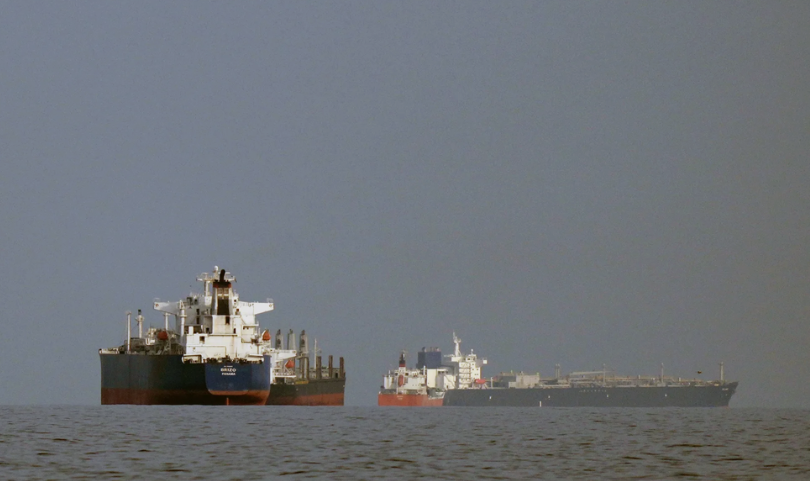
Why aren't prices collapsing?
A crucial question is why crude oil prices remain sky-high if we accept the American narrative of oil flows reaching up to 80% of pre-war levels prior to the outbreak of war in February 2026. If, as some sources claim, millions of barrels of oil pass daily through Hormuz and another portion is transported via alternative pipelines in Saudi Arabia and the United Arab Emirates, why has the oil market not returned to pre-war price levels? The answer lies in the invisible costs of war. Oil is cheap only when its transport is cheap, predictable, and safe. Every increase in insurance fees, shipping freight, fuel usage, waiting times, and security is ultimately added to the final crude oil prices. For this reason, a tanker may continue to move, but the market remains deeply unsettled. This is exactly what the United States does not want discussed publicly on a global scale, because it would reveal that Iran, even without fully closing Hormuz, is capable of disrupting Western economic calculations.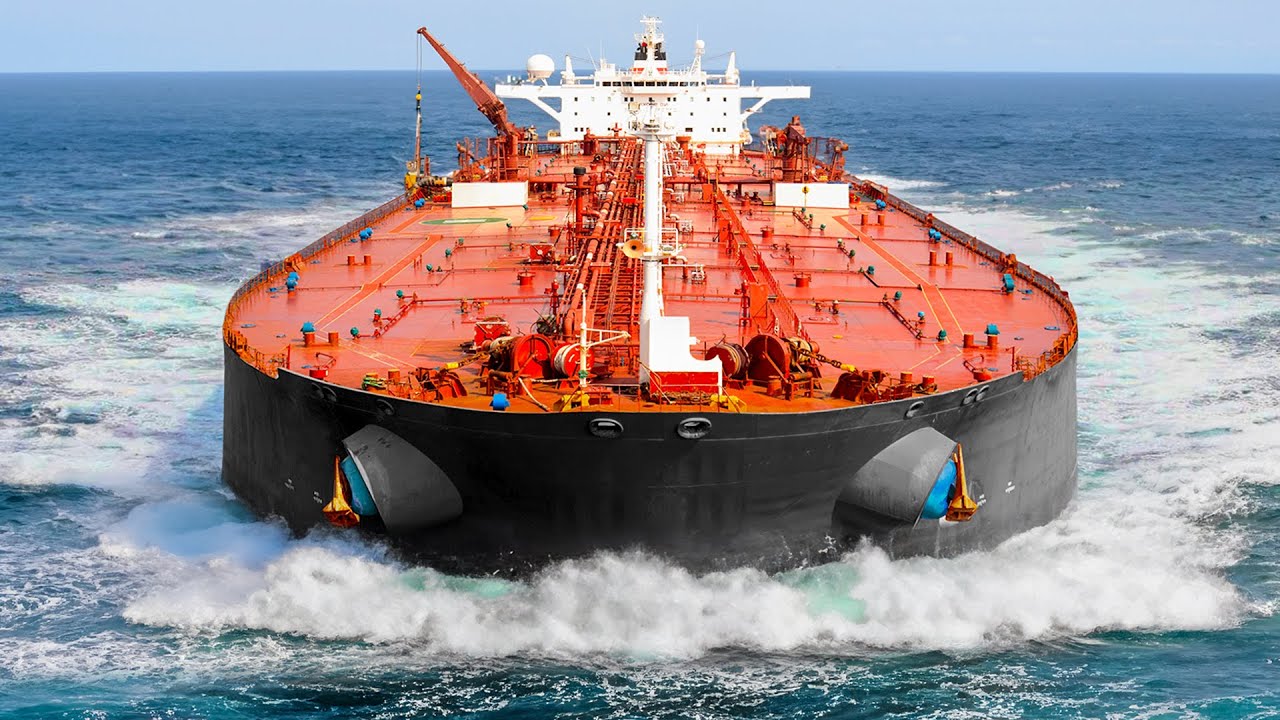
Tanker insurance: the invisible tax of the crisis
One of the most vital components in this equation is war risk insurance. Published reports regarding the insurance market indicate that war risk coverage costs for supertankers have surged dramatically compared to the pre-crisis period. Where before the war a shipowner could secure coverage against regional threats at a relatively modest cost, today that same policy can cost millions of dollars. Who ultimately pays for this cost inflation? Neither Washington nor major oil conglomerates are willing to absorb it from their profit margins. The final cost is passed along the logistics chain and lands directly on consumers in Europe, the US, East Asia, and other major markets worldwide. In simple terms, Hormuz can financially burden the West without ever enforcing a complete shutdown. This is the so-called "invisible tax" that a maritime security crisis imposes on the global economy.
Why are the US turning to strategic reserves?
Another contradiction in US rhetoric is the emergency tap into strategic petroleum reserves. Here emerges one of the most glaring inconsistencies in Washington's narrative. On one hand, the United States claims that the Straits of Hormuz remain open, that Iran lost its pressure point, and that oil flows continue uninterrupted. On the other hand, Washington turns to strategic reserves to manage energy markets while encouraging its Allies (such as France) to release portions of their own reserves. Perhaps the most crucial question for Washington is this: If the Hormuz card has truly been lost by Iran and the Straits are under the full control of the United States and its allies, why does the global oil market remain so anxious, why has insurance spiked, and why are Western governments forced to bleed strategic reserves to cap energy inflation?
The riddle
The answer to this question is perhaps the clearest indication that the Hormuz puzzle remains unsolved for the United States. These two positions cannot be easily reconciled. If Hormuz has indeed returned to normal operational conditions and global markets harbor no fears over oil supply, why would major energy-consuming nations need to inject emergency crude into the market? Strategic reserves are designed specifically for crisis periods — not for times when supply chains run smoothly. Therefore, the actions of the United States and its allies, in contrast to their public communications narrative, demonstrate that the Hormuz supply crisis continues to dictate energy market calculations.
Alternative corridors
In this context, the promotion of alternative pipelines and new transport corridors is also part of the same public relations narrative. Saudi Arabia and the UAE certainly possess the infrastructure to bypass Hormuz with a portion of their crude exports. However, these alternatives, whether in terms of volume capacity or economic efficiency, cannot fully replace the Straits. The Straits of Hormuz are not an ordinary shipping route; they are a chokepoint connecting one of the world's primary energy-producing basins with global consumer markets. For this reason, even constructing multiple bypass routes cannot erase their geopolitical energy significance. Those who believe that opening a pipeline or rerouting a fraction of crude via southern routes renders Hormuz irrelevant are divorcing energy economics from political geography — two elements that are fundamentally inseparable.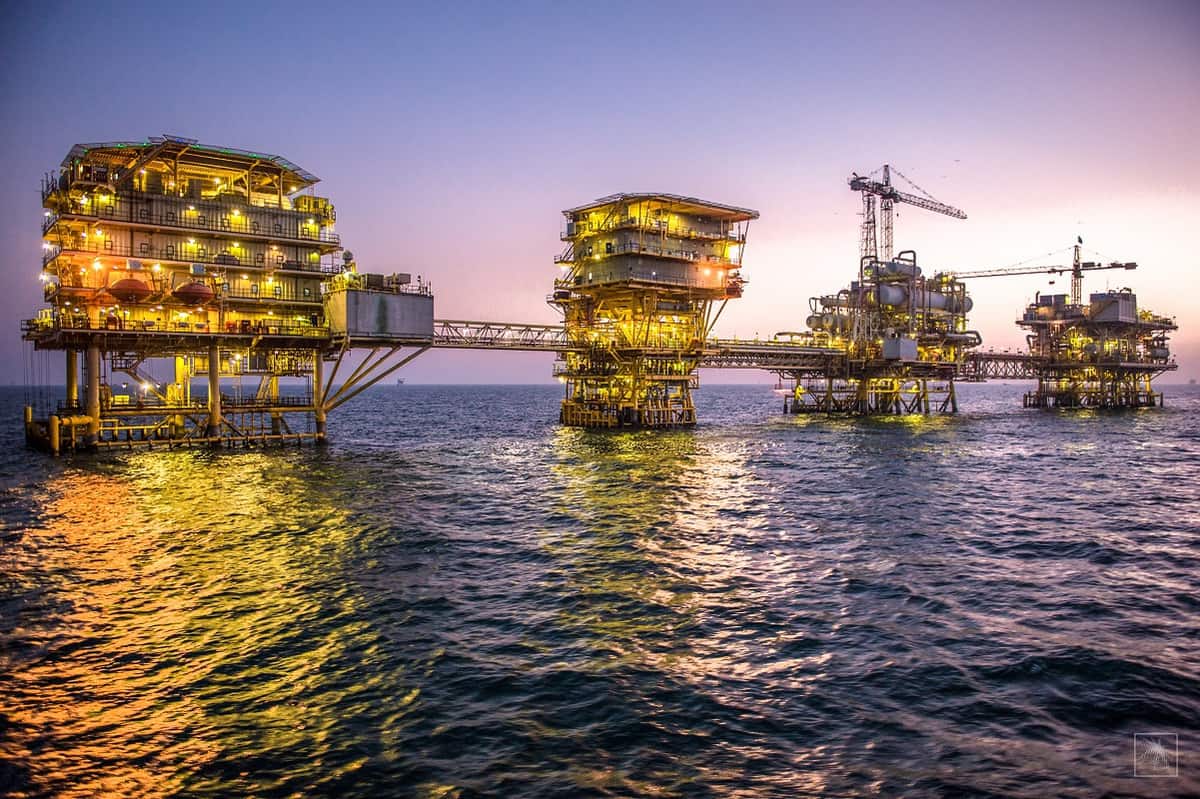
Iran's power
A major flaw in analyzing Iran's capabilities is measuring Tehran's power at Hormuz exclusively by whether it can enforce a "complete closure of the Strait." True power here lies in Iran's ability to alter the decision-making calculus of its adversary. If insurers are forced to raise risk premiums for Hormuz, if vessels navigate at exorbitant costs, if Western governments are forced to release emergency crude, and if energy markets daily price in potential supply shocks, then Iran has activated its asymmetric deterrence capabilities without ever declaring an official blockade. This is precisely what matters in asymmetric warfare strategy. Power does not necessarily require the maximum deployment of military force; often, the mere existence of a credible and executable capability is enough to shift an opponent's calculations.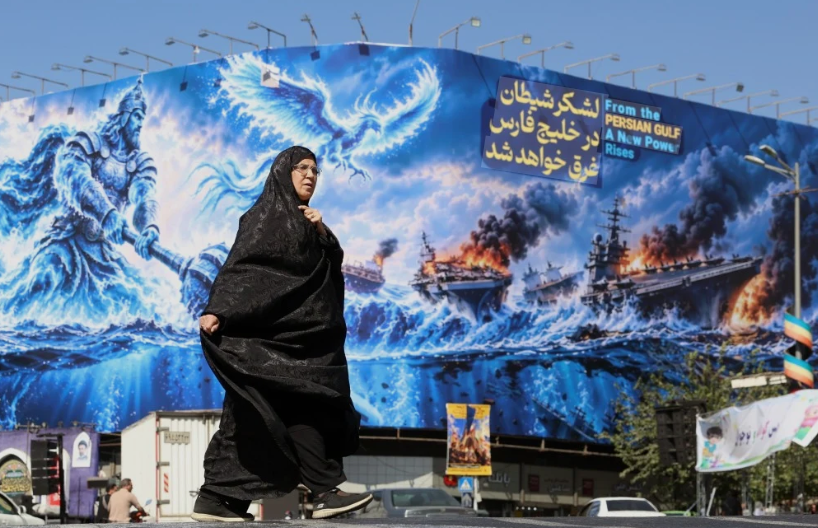
A different equation for the US
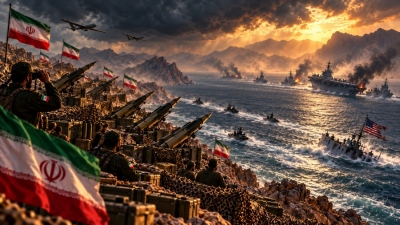
For years, the United States has attempted to present its naval presence in the Persian Gulf as a guarantee of global energy security. Aircraft carriers, destroyers, reconnaissance aircraft, and naval coalitions are deployed to signal that Washington can secure vital sea lanes. However, a ship's security is not determined solely by military escorts. Insurance underwriters, shipowners, shipping lines, and crude buyers must also be convinced that operational risk has returned to pre-crisis baselines. When insurance markets continue to rate regional risks as extreme, the presence of US warship escorts cannot, by political decree, reduce risk costs to zero. From this perspective, the expansive US military presence in the Persian Gulf has not only failed to restore the status quo ante, but acts as another factor stoking fears of a wider regional conflict.
The war of narratives
That is why, alongside kinetic military warfare, the narrative war over Hormuz carries equal weight. Washington needs to portray the Straits as wide open, because admitting that Iran successfully elevated risk across energy routes would amount to acknowledging the failure of its "maximum pressure" doctrine. Conversely, Iran does not need to declare daily that Hormuz is closed to demonstrate its strength. Market behavior, soaring freight costs, and the anxiety of energy-importing governments speak loudly enough on their own. At the same time, a distinction must be drawn between verified data and media claims. Any assertions regarding deliberate manipulation of vessel-tracking statistics or intelligence agency ties must be substantiated with verifiable proof. Yet even setting such claims aside, one factual reality remains: Tanker transits alone do not signal that stability and security have returned to the global energy market. Hormuz is open — but is the situation normal? Ultimately, the answer to the article's opening question becomes clear. If by "open" we mean that certain tankers continue to navigate the Straits, then yes: the route is not entirely blockaded. However, if by "open" we mean that Hormuz is operating under pre-war conditions — with baseline costs, low risk, and standard security — the available data does not support that conclusion. That is precisely where the difference lies.
"It will take years" - Dramatic warning from Saudi Aramco
Amin Nasser, CEO of Saudi Aramco, warns that replenishing depleted fuel reserves could take "years." The ongoing global tightness in the supply of crude oil and refined fuels is likely to worsen, according to the head of Saudi Arabia's state-owned energy giant, Aramco. Refilling the global stockpiles drawn down under emergency measures could take up to two years, Nasser stated. "Until Hormuz is fully reopened and confidence is restored, the stark reality is that pressures on both ends of the oil market will intensify," Nasser told the Energy Intelligence conference in London. "Even then, replenishing global reserves, alongside meeting current demand, could take up to two years," the Saudi Aramco CEO added.
www.bankingnews.gr


Readers’ Comments