

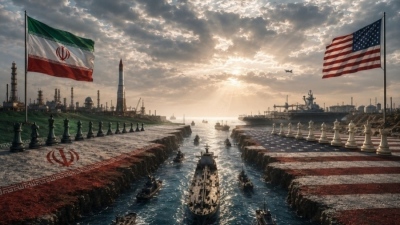
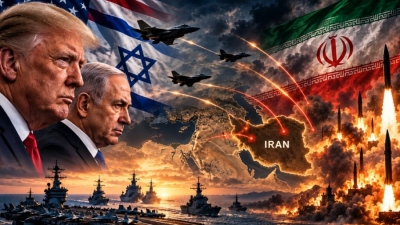
At a time when the US is sending ultimatums to Tehran, threatening that if there is no deal they will proceed with new military attacks — with several analysts placing these new strikes after the November 3 midterm elections — the Islamic Revolutionary Guard Corps (IRGC) is hardening its rhetoric, claiming full control not only over the Strait of Hormuz, but also over the Persian Gulf and the Sea of Oman. According to top Iranian officials, IRGC forces have put the Americans to flight, pushing them to a distance of 1,000 kilometers from Iranian borders. In fact, they claim that the quantities of oil passing through Hormuz under US supervision are negligible, while warning that any US base will be targeted, regardless of where it is located. At the same time, reports indicate that despite threats and ultimatums from both sides, the two parties continue to maintain contacts and negotiate, with Tehran claiming that new proposals were submitted by the Americans through Qatar. Under this extremely murky and fluid backdrop, many analysts wonder if and when a third war between the US and Iran could break out.
Shock from IRGC
IRGC Commander Ali Fadavi claimed that Iranian forces have pushed the US military approximately 1,000 kilometers (621 miles) away from Iran's borders. "The Americans fled and moved more than 1,000 kilometers away from our borders. This was not their choice; it is due to the power of the Islamic Republic and the strength of the IRGC Ground Forces," Fadavi said in a televised interview, according to Iranian Press TV.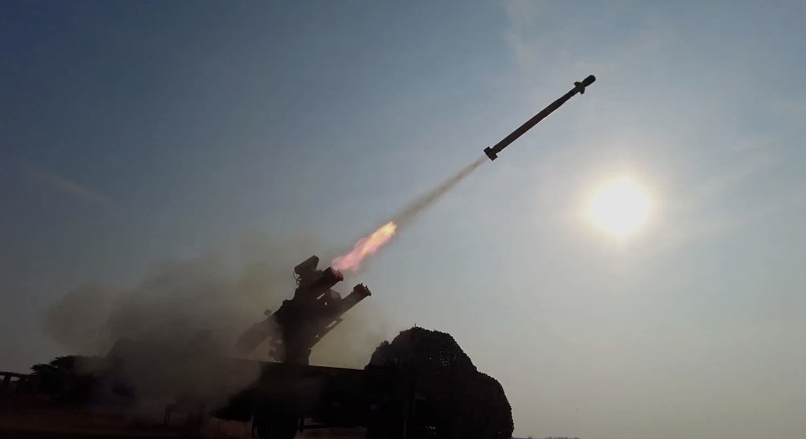
We made them disappear
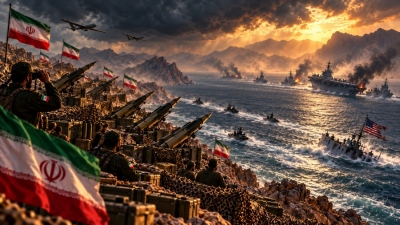
He claimed that, for the first time, there are no US warships in the Persian Gulf, the Strait of Hormuz, the Sea of Oman, or even the northern part of the Indian Ocean, while asserting that US warships are "100% vulnerable" to IRGC attacks. Referring to the fact that US military power relies primarily on its naval forces, he said: "This means that within their Navy they possess both ground and air forces. Therefore, the primary expression of US military power is its Navy. The Americans have been in the Persian Gulf since 1853, but now, for the first time, there is no American vessel not only in the Persian Gulf, the Strait of Hormuz, and the Sea of Oman, but not even in the northern part of the Indian Ocean," Fadavi stressed. Fadavi's claims come while the US military continues to enforce a strict naval blockade on Iranian ports. US Central Command announced last week that since July it has redirected 125 commercial vessels in order to "ensure strict compliance."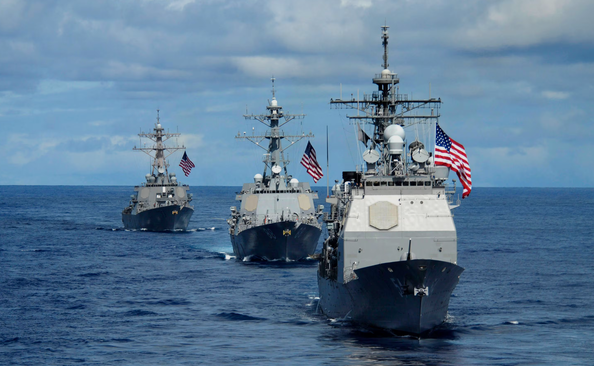
We fully control Hormuz
Fadavi argued that the Strait of Hormuz has indisputably been under Iranian control throughout these many months. "The Americans have mobilized all their own capabilities, as well as those of other countries, in order to pass even a single ship through the Strait of Hormuz, and specifically via the southern route of the Strait near the coast of Oman, which, due to numerous reefs, is unsuitable for ship navigation," Fadavi said, emphasizing that ship captains protest taking this route but are forced to use it because others assume responsibility for insurance, costs, and potential damages. He recalled that the IRGC Navy has announced that these ships, wherever they may be, could become targets of action by IRGC naval forces. "We and Oman are the two sides exercising sovereignty over the Strait of Hormuz, and naturally, we and Oman must shape the rules applicable in the Strait. An agreement has also been drafted on this matter, which has either been published or is about to be published," the IRGC commander underscored, arguing that the Americans have failed to achieve their objectives.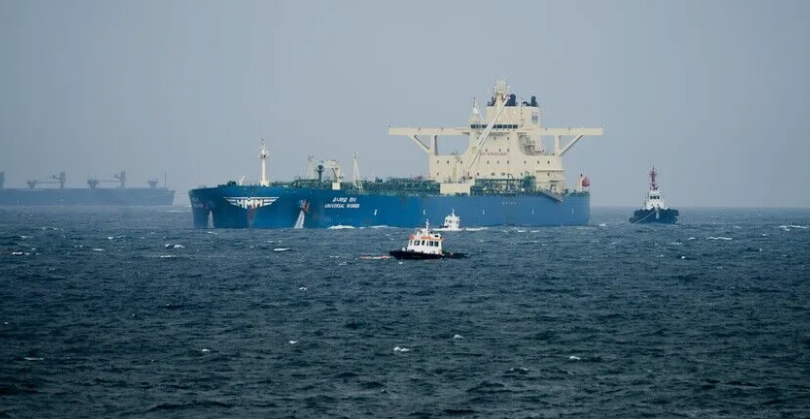
"We haven't lost even 24 hours in building our military strength"
According to Fadavi, Iran has not lost even 24 hours "without increasing our strength." "The US has achieved none of its goals regarding Iran, yet it continues to repeat the same policy. This happens because US hostility toward us is, in our view, inherent. The battle between truth and falsehood never ends. The front of truth is the Islamic Revolution, and the front of falsehood is the Great Satan, the US. It is a fight that does not end," the Iranian general stressed, noting that the Americans "realize they will gain no benefit and will suffer a very high cost in the region."
Every US base is a target
Fadavi was even clearer regarding US bases in the region. "We have made our red line known to regional countries. Any location serving as a launching pad for action against Iran will be targeted. We have never targeted the regional countries themselves; we target the US bases situated within them. For us, a US base in any country is equivalent to American territory, and there is no difference," the Iranian general said. Asked what Iran's response would be in the event of a US ground assault, Fadavi answered: "In that case, we will target every location associated with the Americans, US bases, and any vessel tied to the Americans."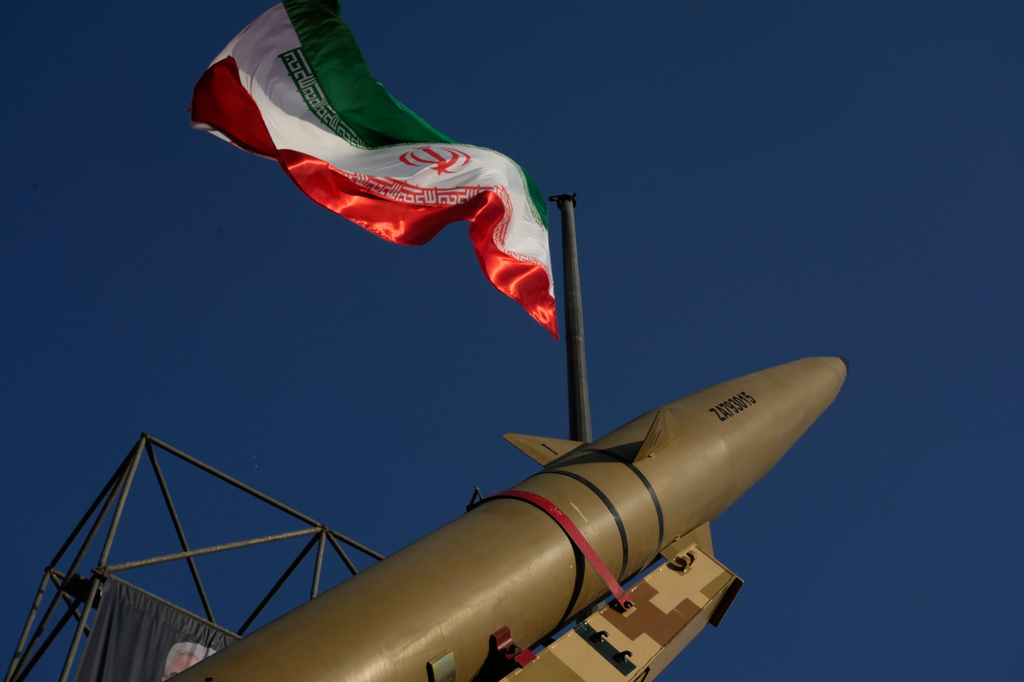
IMF: 1,216 measures taken for Hormuz
A new report by the International Monetary Fund (IMF) reveals the broad extent of global economic responses to the fallout from the war and developments in the Strait of Hormuz. According to the report, from the outbreak of the war through September 15, 1,216 policy measures were implemented across 175 global economies aimed at countering economic shocks. Of these, 548 measures concerned fiscal policy, 171 were direct interventions in pricing, and 186 involved monetary policy decisions. In total, 135 economies reacted within the very first month, while 38 economies implemented measures during the first week. Notably, a significant portion of these policies was directly linked to energy, fuel prices, and support for households and producers.
Wall Street Journal: IRGC recruited British citizens
The Wall Street Journal, citing a US official, claimed that the IRGC recruited British citizens to execute a multi-stage plan. The same official noted that security concerns prevented confirmation of US military troop and equipment movements at the time. It is noted that the US withdrew B-1 strategic bombers from RAF Fairford in Britain, citing security issues related to the facility's operations. Prominent Israeli journalist Amit Segal stated: "This week is the most dangerous week of 2026."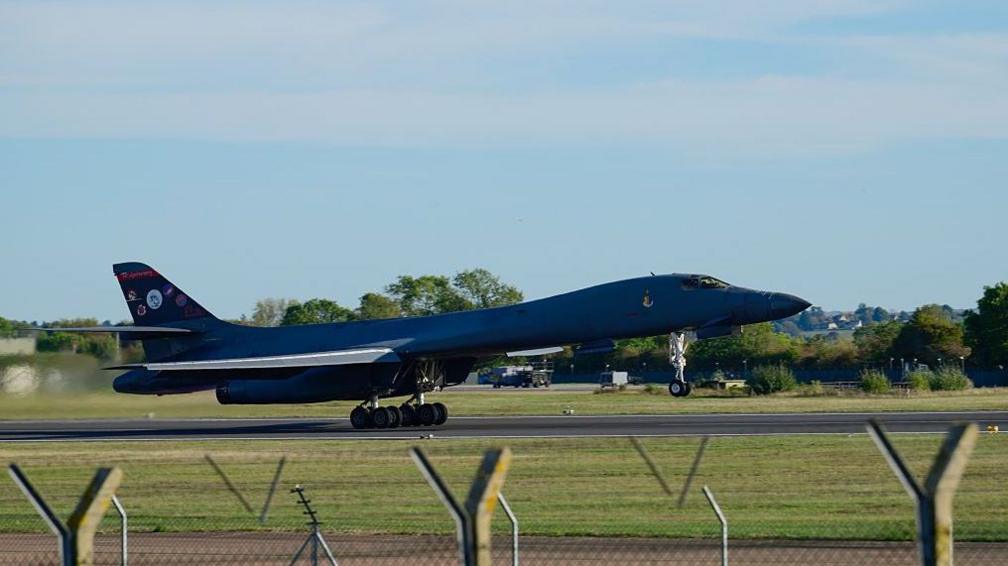
Negotiations continue
Despite the war climate, Iran's Deputy Foreign Minister, outlining the latest status of Iran-US negotiations, stated that the seven-day plan presented by Iranian Foreign Minister Abbas Araghchi in New York was transmitted to the American side through intermediaries, and that the US subsequently conveyed its views on the plan. A member of the Iranian Parliament's National Security and Foreign Policy Committee announced that the US sent proposals to Iran via Qatar, while the Vice President of the Iranian Parliament stressed that "in reality, negotiations with the US are currently underway, but to reach a result, we must operate from a position of strength."
Ghalibaf (Iran): The enemy will be surprised — we are fighting and negotiating simultaneously
Mohammad Bagher Ghalibaf, Speaker of the Iranian Parliament, stated that until Iran's seven conditions under the Islamabad Memorandum are met, the Strait of Hormuz will not open. Ghalibaf argued that the United States publicly adopts a different stance from the one it conveys through intermediaries. According to him, the era of unilateral demands and prolonged diplomatic negotiations is over.
Ebrahim Rezaei (Iran): Two options for the US
Ebrahim Rezaei, a member of the Iranian Parliament's National Security and Foreign Policy Committee, stated that Washington essentially has two choices: accept the terms set by Iranian diplomats or face Iran's missile capabilities. "Our stance toward the Americans is crystal clear. The Americans must either surrender to our diplomats or surrender to Iranian missiles," Rezaei argued, adding that in Iran's view, "there is no other way and no other proposal" for Washington.
Araghchi: We hope the US chooses the path of logic and prudence
Iranian Foreign Minister Abbas Araghchi stated that new US sanctions will yield no benefit for Washington, arguing that the US has failed in both war and diplomacy. The Foreign Minister, highlighting Iran's readiness to defend itself, stated that if adversaries choose the military route, Iran's response will be stronger than in the past.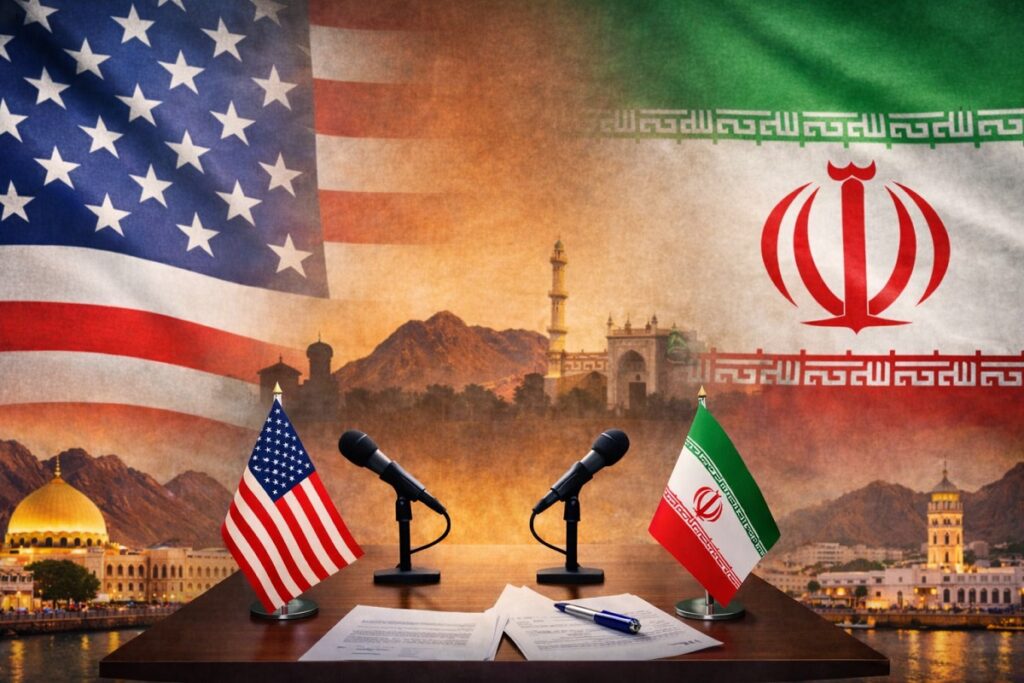
Foreign Policy: Trump's options on Iran after the midterms
According to Foreign Policy, Donald Trump's options regarding Iran after the US midterm elections range from expanded military strikes and arming opposition elements to a return to diplomatic channels. Reports suggest increased diplomatic activity in Iran-US negotiations, following a series of proposals submitted by Qatari mediators to bridge differences between Tehran and Washington. According to Al Jazeera, despite ongoing disagreement over negotiation terms and the nuclear issue, and amid an atmosphere described as relatively positive, Tehran is reviewing these specific proposals within its Supreme National Security Council. Iran insists it seriously seeks a resolution, with attention turning to the coming week. Despite the potential for military escalation, diplomatic moves are expected to intensify.
Will a third war begin?
Amid this atmosphere, the prospect of a new military conflict remains central. Military officials, analysts, and political actors view the likelihood of a major attack as low prior to the Israeli elections on October 27 and the US midterm elections on November 3. The most likely scenarios are framed as a limited operation, a preemptive strike, or an escalation after the US elections.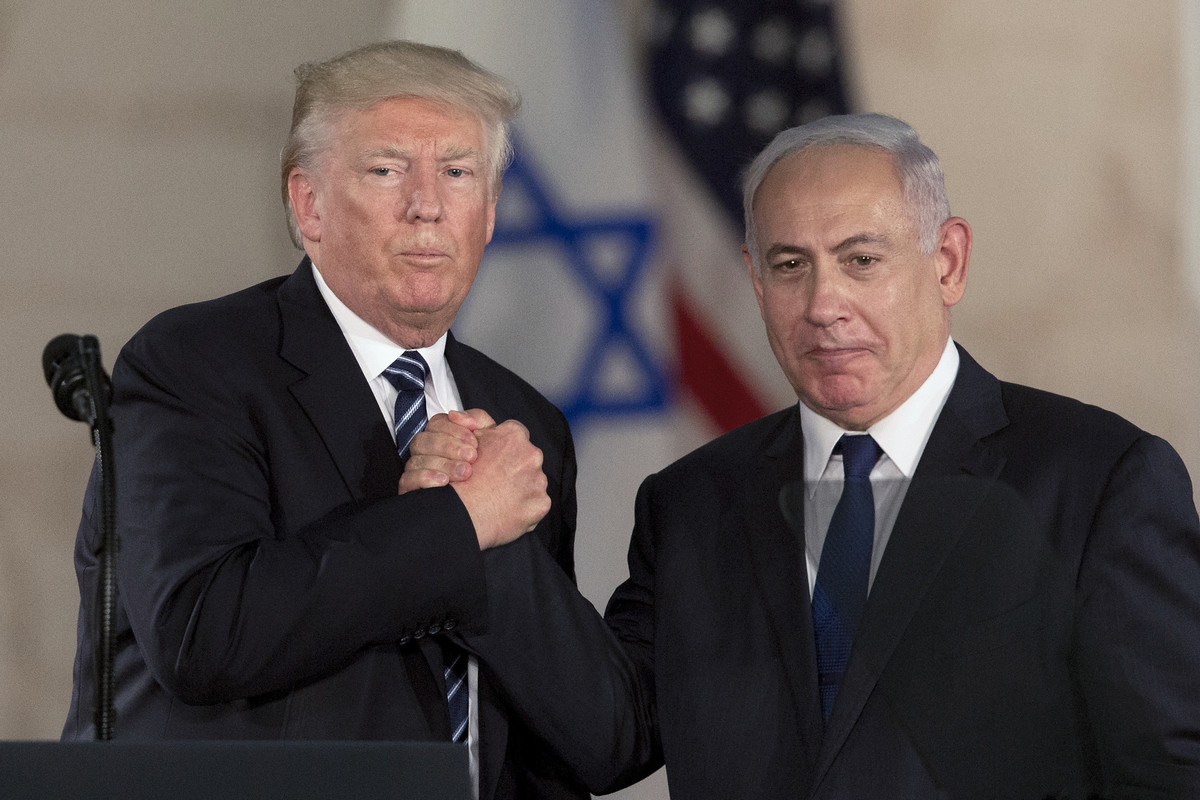
Netanyahu: "Our long arm will reach you"
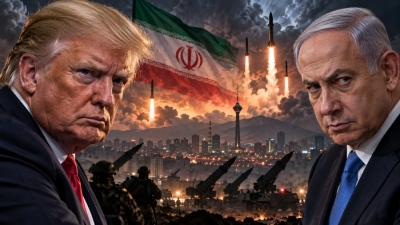
On September 29, Benjamin Netanyahu warned that there are indications Israel's enemies might attempt an attack before the elections, declaring that "our long arm will reach you anywhere and anytime." His statements sparked reactions from Yair Lapid and Ehud Barak, while the Israeli military reported that there is no "concrete and objective intelligence" indicating an imminent attack by Iran or any other country.
Trump: Escalation after the elections on the table
Additionally, Donald Trump stated in an interview with Time, published on October 1, that he "might" intensify the bombing campaign against Iran after the midterm elections. At the same time, he noted he would reject any deal that did not lead to the "complete destruction of Iran's nuclear capabilities." Reasons cited for a potential delay in a major military operation include depleted US ammunition stockpiles, rising oil prices, inflationary pressures, and ongoing negotiations.
Three scenarios that could trigger conflict
Based on official statements and reports, several scenarios could increase the probability of an attack: a. Complete failure of negotiations: The US has set five core conditions for ending the conflict: no payment of war reparations, transfer of 400 kg of enriched uranium to the US, maintaining only one active nuclear facility, keeping frozen Iranian assets blocked, and linking any ceasefire to the start of negotiations. On the other hand, Iran has set seven conditions that largely reject and nullify American demands. Military analysts estimate that Tehran's full acceptance of these terms is unlikely, and their rejection could raise the risk of escalation. b. Miscalculation and uncontrolled escalation: If Iran perceives that Israel is preparing an attack, it might attempt to strike first. Under such conditions, even a minor incident — such as an explosion at a facility or an aviation accident — could rapidly spiral into a broader conflict. c. Netanyahu's electoral calculations: If polling in the days leading up to October 27 shows Netanyahu's camp facing defeat, the incentive for a "sudden shift in security conditions" could rise. Netanyahu might pursue decisive action, seeking through war to improve his bloc's political position.
Why a major attack is considered less likely before the polls
Despite political incentives, several factors are believed to lower the likelihood of a broad, coordinated attack before the elections. First, military and logistical constraints. Operations in recent months have consumed a significant portion of US guided missiles and tactical munitions, with the Pentagon currently working to replenish stockpiles. Second, economic fallout. Escalation prior to the November elections could drive up fuel prices and the cost of living in the US, working to the detriment of Republicans right before voting begins. Third, a more cautious stance within Israeli security services. The Israeli military has emphasized that there is no concrete intelligence of an imminent attack, pointing to a serious disagreement between Netanyahu and military leadership. Fourth, Trump's clear preference for delay. Donald Trump himself indicated he would consider escalating attacks "after the elections." Consequently, the probability of a major coordinated attack before the elections is assessed as low due to logistical limits, economic costs, and military caution. However, a limited operation, a preemptive Iranian strike, or miscalculation remains possible. The most likely scenario indicates that if negotiations reach a complete dead end in the coming weeks, conditions will be set for a new round of conflict — most likely after November 3.
www.bankingnews.gr







Readers’ Comments