

Spain is entering a new and highly critical political period, as Prime Minister Pedro Sánchez announced snap general elections for November 29, 2026, putting an end to weeks of intense political uncertainty and social pressure. The decision comes at a time when his government is facing severe hurdles in Parliament, while the housing crisis has sparked mass protests and widespread social discontent. The next electoral contest was originally scheduled for 2027. However, the government's failure to pass critical housing legislation accelerated developments. Sánchez's decision now shifts the political conflict from Parliament directly to the ballot box.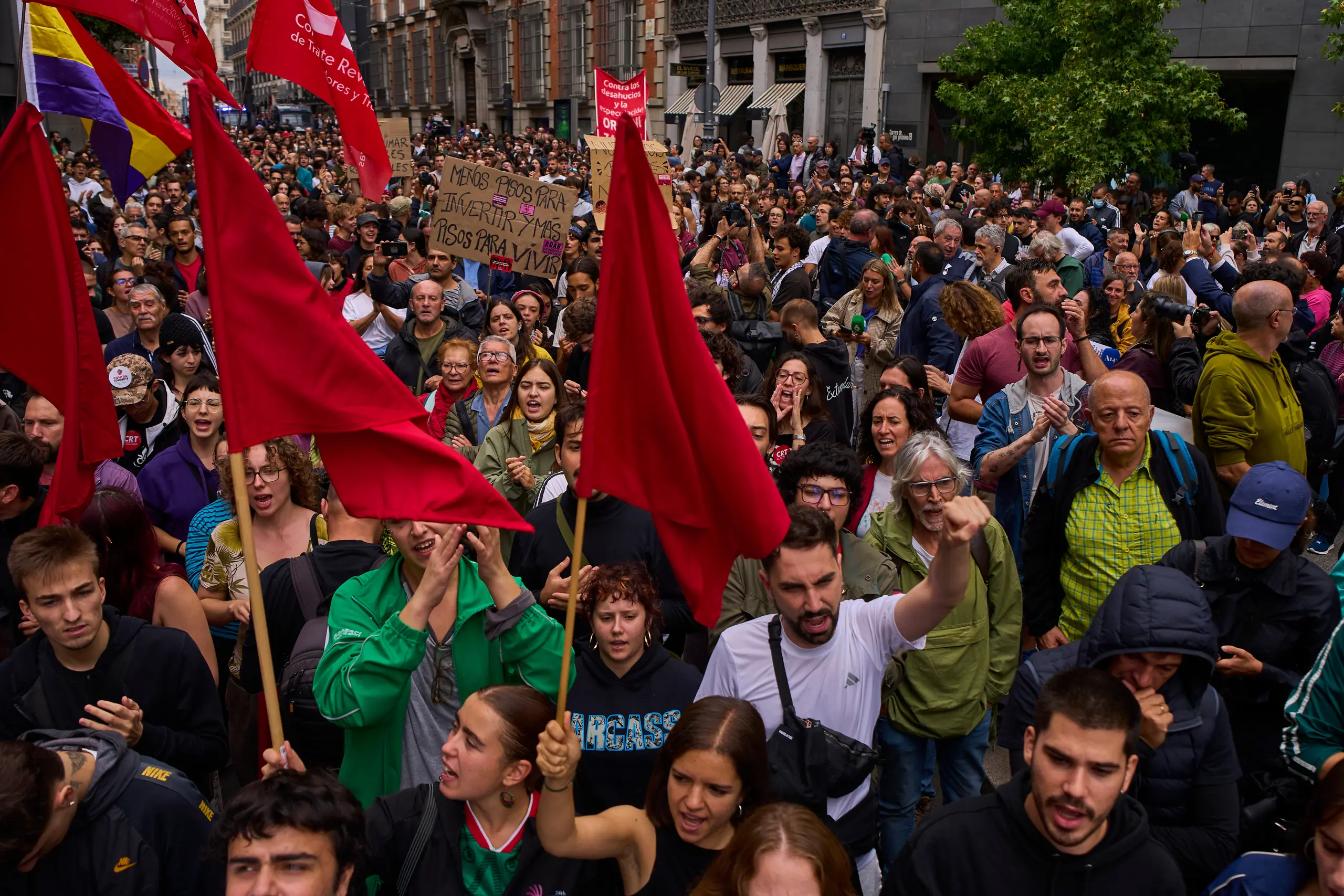
"Renew and expand support"
In his address, Pedro Sánchez argued that there is a need to "renew and expand" popular support for the government and to secure a broader progressive majority in the Spanish Parliament. At the same time, he defended the work of the governing coalition, noting that Spain has navigated successive international crises in recent years, from the war in Ukraine to turmoil in the Middle East. He presented the government's economic trajectory and social policies as central pillars of his mandate. However, the announcement of elections cannot be detached from the explosive political climate that has formed around housing.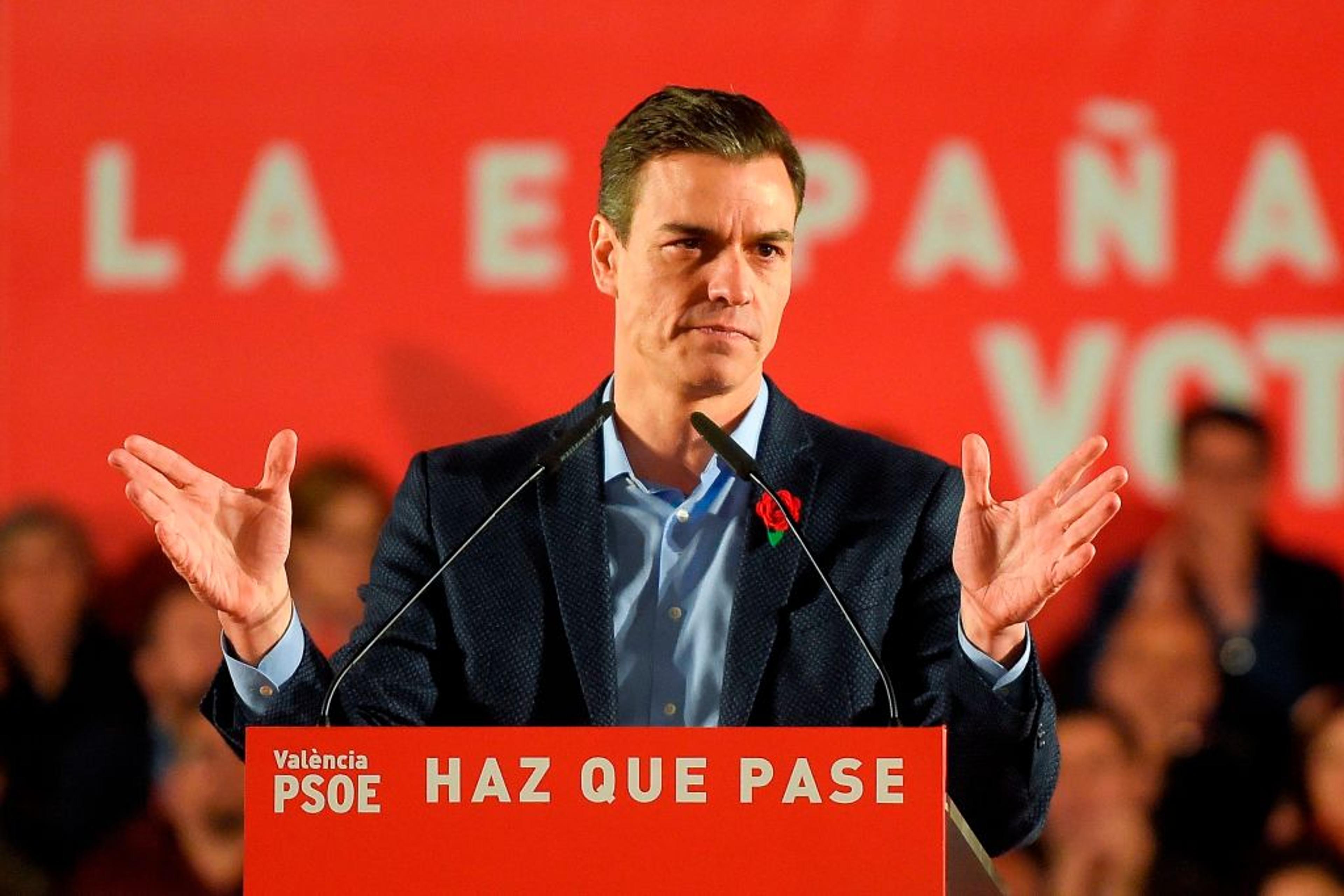
The housing crisis that brought thousands to the streets
Access to affordable housing has evolved into one of Spain's most pressing social problems. Rents and property prices have increased significantly, with younger people and lower-income households struggling to find affordable shelter. The latest wave of protests was triggered by the eviction of 87-year-old Maricarmen Abascal from her home in Madrid, where she had lived for over 70 years. The case sparked national outrage and became a symbol of the housing crisis. Protests escalated in the following days, with tens of thousands of people taking to the streets of Madrid and other Spanish cities. Demonstrators demanded stronger tenant protections, limits on evictions, and measures against excessive rent hikes.
The parliamentary defeat that accelerated developments
The government attempted to respond to social pressure with two emergency decrees on housing. Among other measures, the provisions included extending protection from evictions for vulnerable tenants until 2030, automatic lease contract extensions, and regulations on short-term rentals. However, the government failed to secure the necessary parliamentary support. One decree was rejected by 178 votes against to 172 in favor, while the second fell by 184 against to 166 in favor. The outcome marked one of the most severe parliamentary defeats for the Sánchez administration and highlighted the limits of the fragile majority supporting the governing coalition.
The case of the 87-year-old that became a national symbol
The details of the Abascal case caused a particular sensation. The 87-year-old reportedly faced a dramatic rent increase, which ultimately led to her eviction. The case became a benchmark for tenant organizations and activists, leading to demonstrations at Madrid's Puerta del Sol. The incident coincided with other cases of vulnerable renters losing their homes, intensifying pressure on the government to pursue deeper interventions in the housing market.
From social anger to political crisis
The housing crisis was not the only challenge confronting the government. Sánchez governs through a complex parliamentary alliance without an absolute majority, relying on the support of smaller parties to pass major legislation. The failure of the housing decrees highlighted how precarious this political balance had become. According to Reuters, the government had already been under pressure due to its inability to pass key legislative measures and approve a new budget. Calling snap elections thus represents an attempt by Sánchez to seek a new political alignment directly from the voters.
November 29 becomes a landmark date
The election campaign leading up to November 29 is expected to unfold with the housing crisis at the center of public debate. Rents, evictions, short-term rentals, housing shortages, and household purchasing power will form key issues of the electoral debate. At the same time, the vote will determine the new balance of power between the PSOE, the Partido Popular, Vox, and smaller parties that have assumed a decisive role in the Spanish Parliament in recent years. However, the outcome remains open, and opinion polls should be viewed as temporary snapshots rather than a definitive prediction of the final result.
www.bankingnews.gr












Readers’ Comments