

Something far larger than a series of attacks on ships is now unfolding in the Persian Gulf.
It is a test of strategic endurance, in which the United States amasses increasingly greater military power, while Iran attempts to demonstrate that it still possesses the most critical weapon provided by geography itself: the capability to turn the Strait of Hormuz into an extraordinarily perilous maritime passage.
And as Washington transfers aircraft carriers, fighters, missile defense systems, and thousands of military personnel toward the Middle East, Tehran dispatches a different message: military superiority does not automatically signify absolute control.
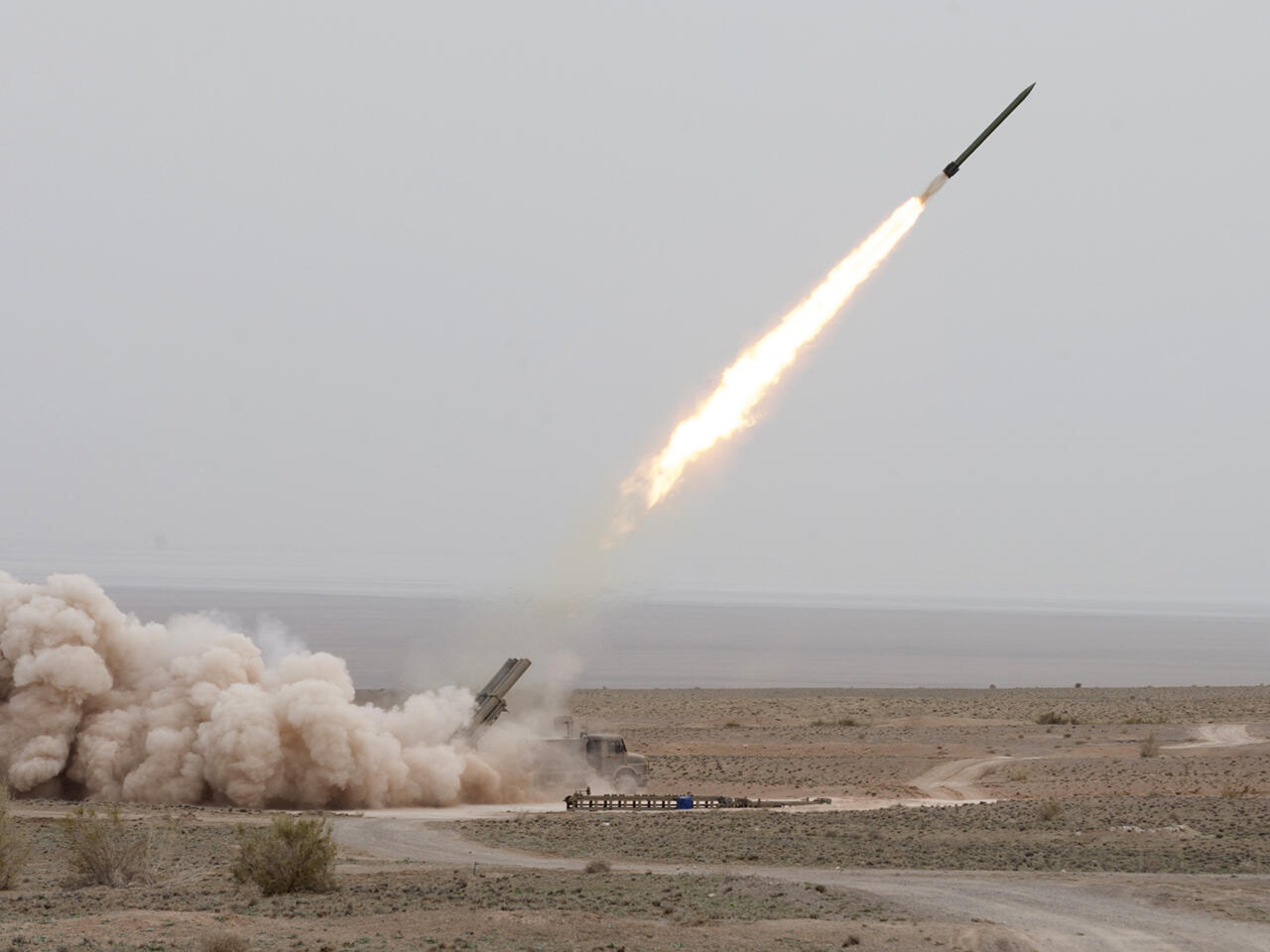
Iran launched 360 attacks against ships since the beginning of August
According to a report by the New York Times citing confidential data from a Western security official, Iran has been conducting roughly 30 drone attacks and ten anti-ship missile attacks each week since the beginning of August against commercial vessels operating around the Strait of Hormuz.
In total it has launched 360 attacks with 90 missiles and 270 drones.
The same report asserts that at least four commercial ships were struck within ten days.
It carries particular importance that these data points are attributed to Western intelligence agencies.
Furthermore, independent reports confirm that attacks on maritime navigation have increased significantly.
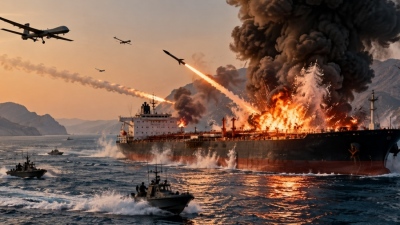
It is worth noting that a new incident occurred on Friday, October 2, 2026, where a tanker was struck by an unidentified projectile during its egress from the strategically critical maritime passage, according to the United Kingdom Maritime Trade Operations (UKMTO).
As the master of the ship reported, the strike caused a small-scale fire and a temporary power outage.
The fire was brought quickly under control and the tanker resumed its course.
No injuries were reported among crew members, nor was there environmental damage.
On October 1, Reuters reported that three Liberian-flagged oil tankers were struck by unidentified projectiles during their transit through Hormuz.
The crucial element is that Tehran does not appear to necessarily seek the complete closure of the strait.
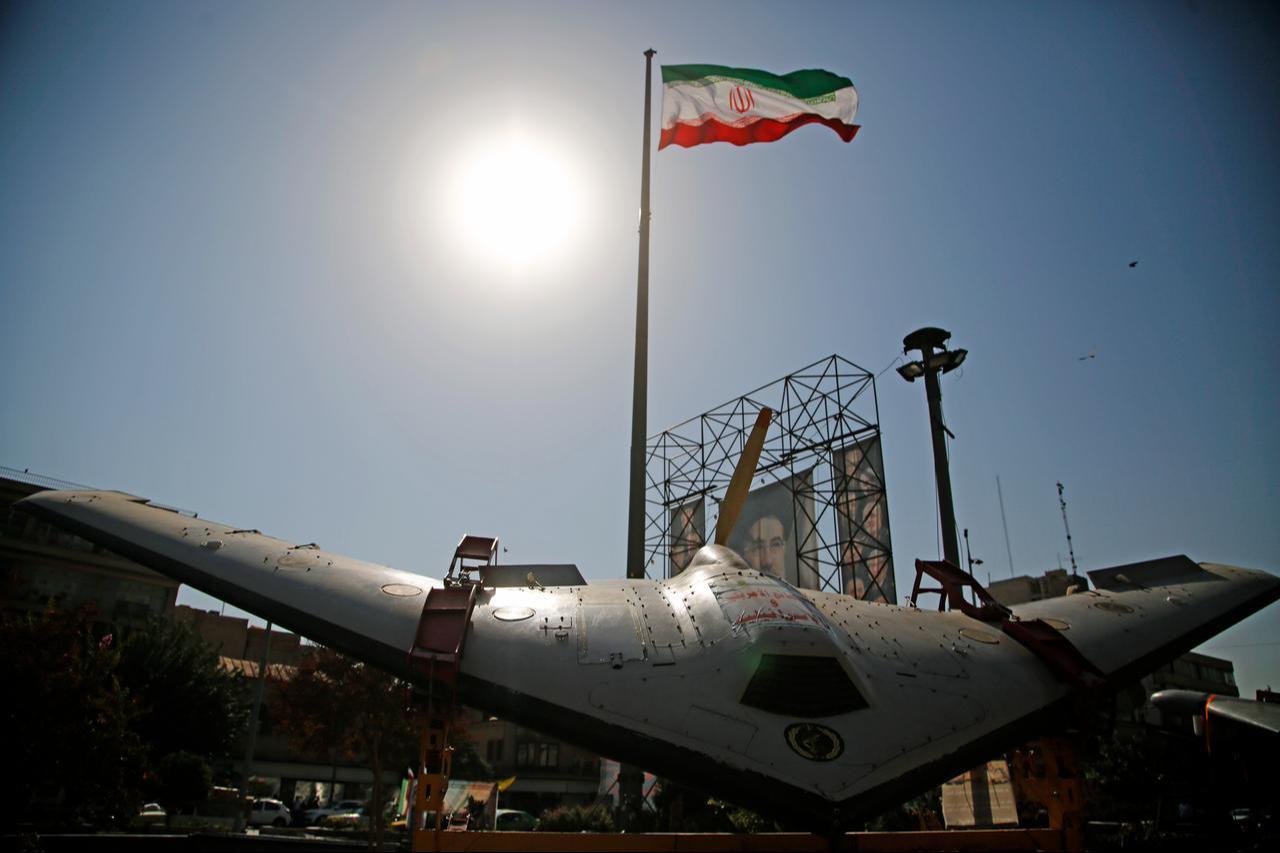
Controlled uncertainty
Instead, the emerging strategy looks more like controlled uncertainty.
Ships can pass, but no longer with the previous sense of security.
Insurance companies reprice risk, shipowners alter routes, crews are placed on high alert, and the United States is compelled to allocate vast military resources to safeguard energy flows.
This is vital for Iranian strategy.
Iran does not need to defeat the American Navy in a conventional naval battle.
It suffices to make the cost of the American presence and commercial navigation protection continuously higher.
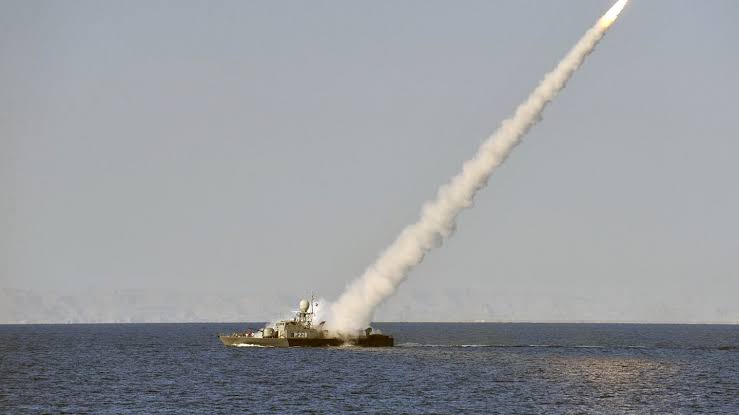
Third US aircraft carrier in the Persian Gulf
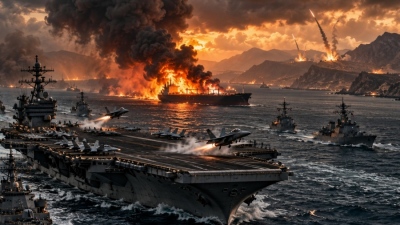
This picture becomes even more striking when examined alongside the military mobilization of the United States.
The USS Theodore Roosevelt departed San Diego on September 27 headed toward the Middle East.
According to the Associated Press, the deployment is accompanied by approximately 9,000 additional sailors and Marines and could raise the count of American carrier strike groups in the region to three.
This represents an extraordinarily large-scale military concentration.
And it is not just aircraft carriers.
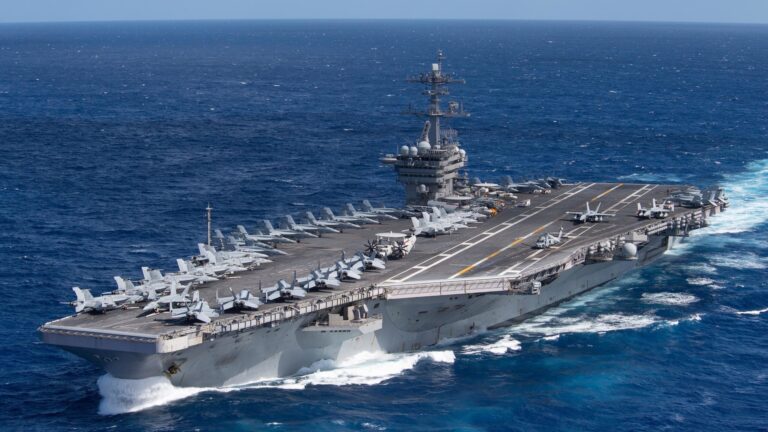
Additional Patriot batteries in Saudi Arabia and Qatar
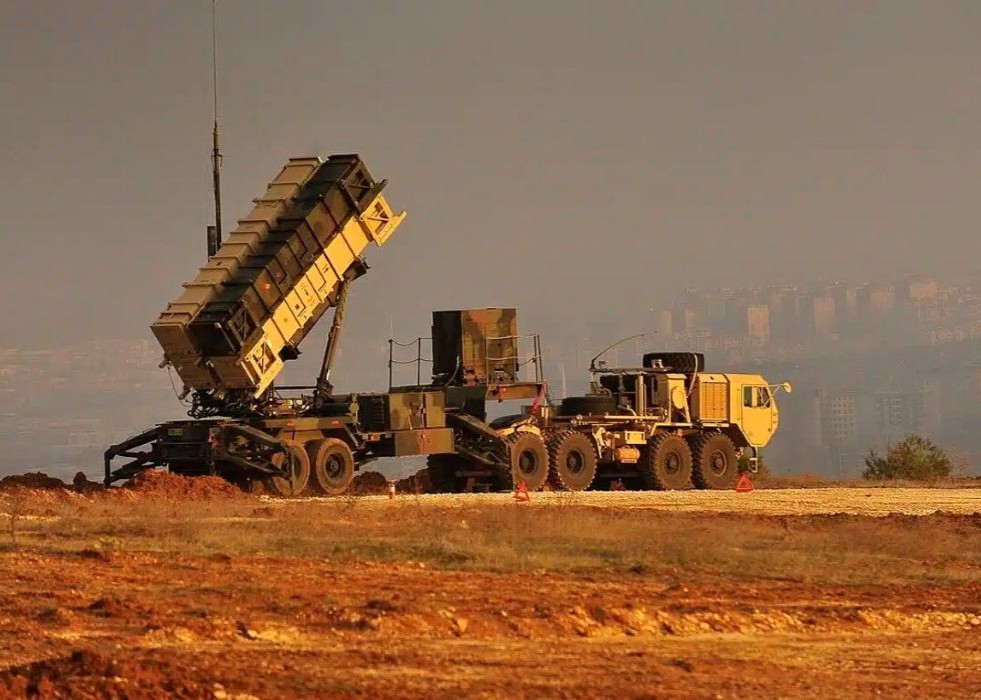
The United States has deployed two additional Patriot batteries in Saudi Arabia and Qatar.
According to Axios, one is designated for the defense of a critical oil facility in Saudi Arabia and the other for the defense of a natural gas facility in Qatar.
This alone reveals a fundamental paradox.
Washington portrays itself as the power capable of militarily imposing security in the Persian Gulf.
At the same time, however, it is forced to urgently reinforce the defenses of vital energy facilities belonging to its allies against the prospect of Iranian retaliation.
The military imbalance remains enormous in favor of the United States.
America commands aircraft carriers, submarines, bombers, advanced aircraft, and massive missile strike capabilities.
Geography aids Iran
Yet Iran commands something that cannot be transported aboard any aircraft carrier: it is already there.
It controls a vast coastline directly opposite one of the most vital energy arteries on the planet, possessing drones, ballistic and anti-ship missiles, fast attack craft, coastal batteries, and asymmetric warfare capabilities.
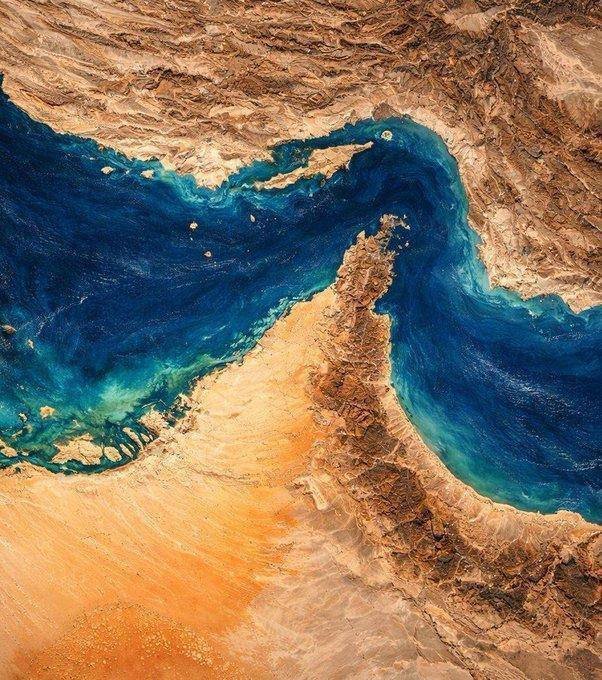
Hormuz is the natural arena where this asymmetry transforms into a strategic advantage.
Prior to the latest phase of the crisis, roughly one-fifth of global crude oil and LNG transit passed through this narrow sea corridor.
Even today, despite alternative pathways and pipelines, its importance remains immense.
Reuters recorded a notable rebound in LNG shipments during September, with 19 to 21 cargoes according to various ship-tracking firms.
This does not, however, signify a return to normality.
Part of the export volume utilizes alternative routes, while certain vessels have conducted transits with deactivated AIS systems.
Others navigate under American military escort or through safer corridors close to the territorial waters of Oman.
The reality is therefore not that of a Tehran that has lost control of the situation.
It is rather the portrait of a region where commercial navigation persists because behind every route there now lies a vastly greater military, insurance, and financial cost.
Military pressure after midterm elections (November 3), 69% of Americans oppose war with Iran
This constitutes a distinct form of strategic pressure.
Concurrently, statements by Donald Trump render the environment even more dangerous.
In an interview with TIME, when asked whether the United States could resume intense bombing against Iran after the midterm elections of November 3, he answered that this is «probable». The Associated Press also confirmed that the American President rejected the latest Iranian ceasefire proposal, characterizing it as inadequate.
The chronological linkage of potential military escalation to the American elections inevitably generates even greater political friction.
At the same time, American public discontent over the war with Iran deepens, barely a month before the midterm elections.
According to a new AP-NORC poll, 69% of Americans state that the conflict was not worth fighting, while barely 28% approve of how Donald Trump is handling Iran.
Simultaneously, roughly 65% consider that policies of Donald Trump, including the war, have contributed to rising prices and the elevated cost of living.
For Tehran, the takeaway is evident: it cannot plan its defense on the premise that negotiations will soon lead to de-escalation.
Instead, it sees an adversary moving a third aircraft carrier toward the region, sending thousands of additional troops, reinforcing the missile defenses of its allies, and concurrently keeping the prospect of new bombardments publicly open.
From this vantage point, Iranian strategy in Hormuz achieves internal coherence.
Iran: The response will be harsher, retaliation will reach Europe
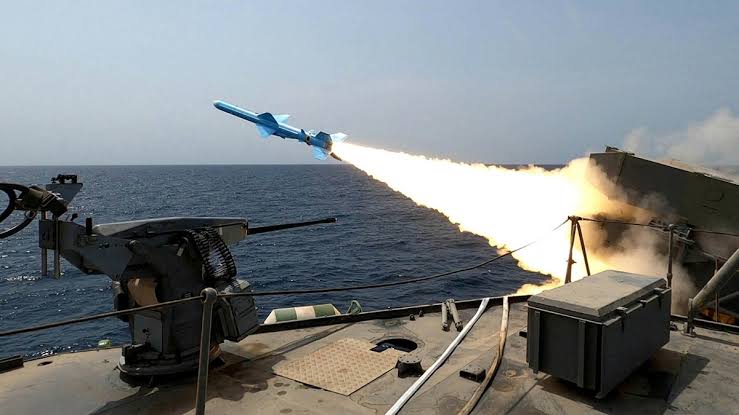
In parallel, Reuters reports that Iranian military leadership is preparing for a far harsher response in the event of a major new American offensive.
According to three senior Iranian officials and an informed source, expanding potential targets beyond American facilities is under review, extending even to nations providing operational support to the US or targets outside the Middle East.
The message is clear: as long as diplomacy remains trapped, the danger escalates that the next phase of confrontation will take on far wider regional dimensions.
Deterrence through US vulnerability
Tehran attempts to make clear that any major new military campaign against it will not play out exclusively inside Iranian airspace.
Costs can shift to the sea, energy infrastructure, global oil and gas prices, and American military contingents stationed across the region.
This is deterrence through adversary vulnerability.
This does not imply that attacks on merchant shipping are lawful or devoid of grave humanitarian and economic peril. Merchant mariners are not military targets, and any escalation in Hormuz can unleash global economic ramifications far beyond the nations directly involved.
Strategically, however, the reality is difficult to ignore.
America commands incomparably superior conventional military power.
Iran, however, has managed to turn its geographic advantage into a leverage point that compels Washington to commit ever greater forces.
And here lies perhaps the most critical message of the current crisis.
Three American aircraft carriers can project immense power.
Two additional Patriot batteries can protect critical installations.
Thousands of additional soldiers can reinforce the American presence.
Yet none of these factors changes geography.
The Strait of Hormuz lies right beside Iran.
And as long as Washington keeps the option of a major new military offensive on the table, Tehran appears resolved to remind everyone that a war against it cannot be contained within its borders.
This is perhaps the true essence of what is occurring today in the Persian Gulf: Iran does not need to prove it can defeat the United States militarily.
It needs to convince that the cost of a new attack will be far greater than what Washington is willing to bear.
Stunning IRGC reply to Trump: You defeat Iran every day in your imagination
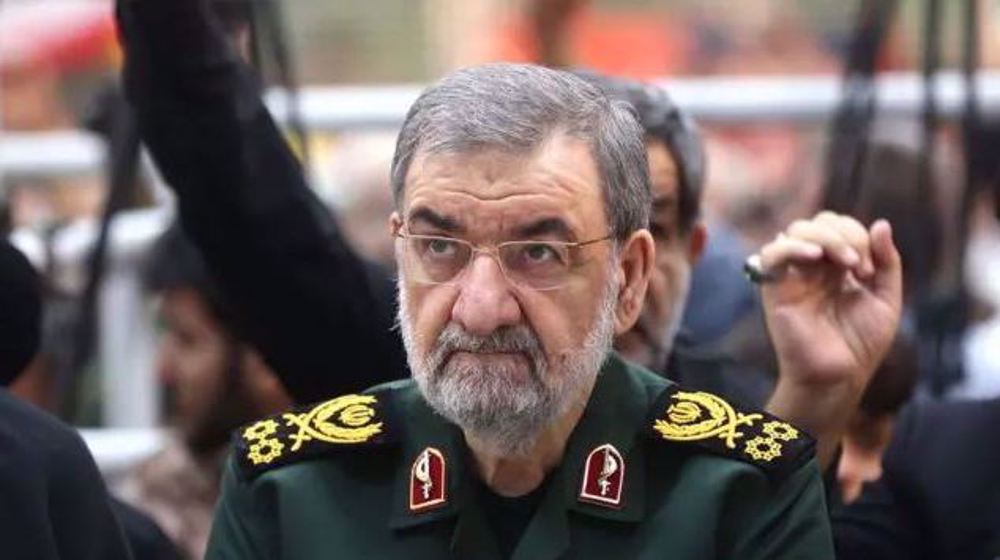
A sharp reply to repeated statements by Donald Trump concerning an American «victory» against Iran was delivered by Mohsen Rezaei, secretary of the Supreme National Security Council of the country and prominent official of the Islamic Revolutionary Guard Corps (IRGC).
In a post on X on Friday (October 2, 2026), Mohsen Rezaei accused the American President of portraying an image of the conflict that, according to Tehran, is far removed from reality.
«You can win every day in your imagination. Yet reality is shaped by Iran, by its people, its soldiers, and its missiles», he stated pointedly.
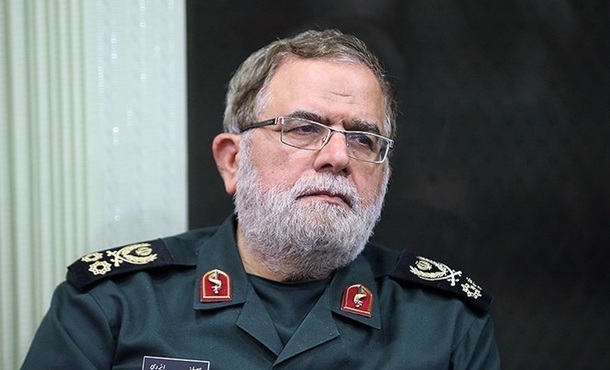
Izadi (IRGC General): Iran endures in the field and will never surrender to the enemy
A message of resolve and endurance against external pressure was delivered by the deputy commander of the IRGC, General Mustafa Izadi, emphasizing that the Iranian people remain active and will not yield.
«The Iranian nation stands on the field and will not surrender to the enemy», declared Mustafa Izadi during a memorial ceremony for Mohammad Shirazi, according to Tasnim.
The senior officer spoke extensively on the ideological and religious nature of the Islamic Revolution, arguing that it represents the outcome of a long historical journey and struggle that, per the official Iranian narrative, spans fourteen centuries.
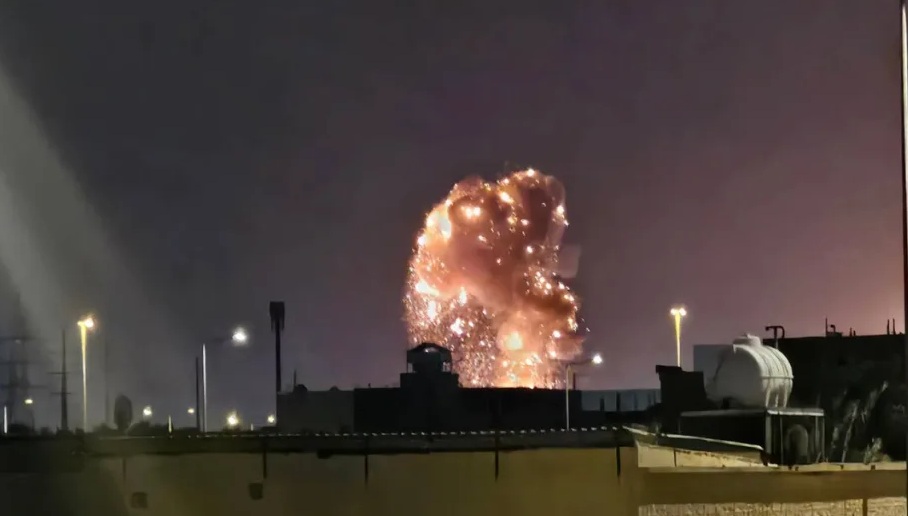
Alert in Saudi Arabia, multiple explosions in Riyadh from Houthi attacks
An alert was sounded in Saudi Arabia following reports of multiple explosions in the capital Riyadh, at a moment when tensions with the forces of the Houthis in Yemen are escalating dangerously.
According to Tasnim, sources attributed the explosions to retaliatory strikes by the armed forces of Yemen against strategic targets in Saudi Arabia.
The same source framed the attacks as a reprisal for Saudi military operations and strikes against Yemen.
So far, however, there is no verification regarding which exact targets were hit in Riyadh, nor the extent of possible damages or casualties.
Tensions have risen significantly in recent days.
Saudi Arabia has accused the Houthis of missile and drone attacks, including a recent strike on an electrical substation in Medina, an allegation the Houthis deny.
Concurrently, Saudi forces have conducted fresh strikes against targets in Yemen.
Reuters also reported that Riyadh is evaluating a large-scale military operation against the Houthis, aiming to curb their control over critical zones and secure maritime lanes in the Red Sea.
Fresh reports of explosions in the Saudi capital indicate that the conflict risks crossing into an even more hazardous phase, carrying direct consequences for regional security.
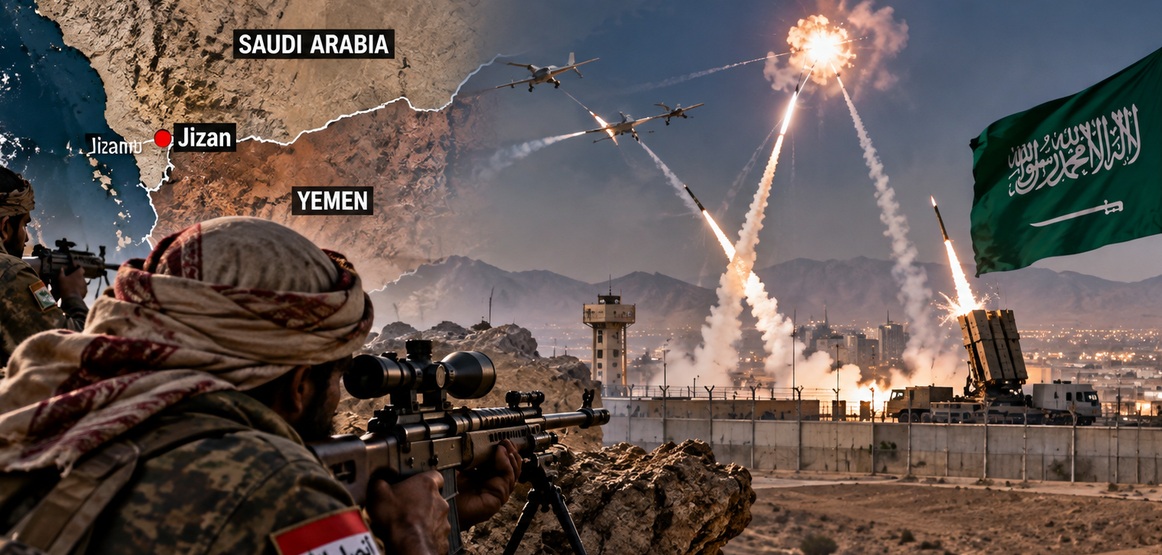
Terrifying video: Houthi snipers eliminate 17 Saudi soldiers and mercenaries
The confrontation between the Houthis of Yemen and Saudi Arabia enters a new phase of escalation, with intensifying attacks both along the border and deeper within Saudi territory.
On October 1, military media of the Houthis published an almost five-minute video that records snipers striking at least 17 individuals along the border with the Jizan province.
The Houthis claim that among the targets were Saudi soldiers, forces of the internationally recognized government of Yemen, and fighters from Sudan.
On the same day, Saudi Arabia announced that it intercepted two ballistic missiles and four drones heading toward southern regions of the country.
One missile was destroyed over Jizan and a second over Khamis Mushait, where falling debris caused limited property damage to buildings and vehicles.
The four drones were likewise intercepted over Khamis Mushait.
In parallel, Riyadh blamed the Houthis for the September 29 strike on the Taiba electrical substation in Medina.
One transformer was rendered inoperable, without taking down the broader power grid. The Houthis deny responsibility.
On October 2, Saudi authorities announced yet another interception of a ballistic missile directed toward Khamis Mushait.
Elevated activity near the border reinforces concerns over a potential new ground offensive by the Houthis, at the exact moment when Saudi Arabia is also considering wider military action against them in Yemen.
www.bankingnews.gr





Readers’ Comments