

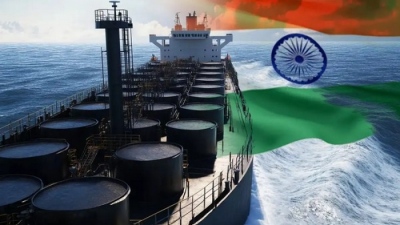
India cannot and likely will not replace all of the Russian crude oil it imports, despite the threat of 100% tariffs on Indian goods in the US, according to analysts. Earlier this month, US President Donald Trump signed into law the "Lindsey O. Graham Sanctioning Russia and Iran Act of 2026," which provides for and expands legally mandated sanctions, tariffs, and prohibitions against Russia while extending existing sanctions against Iran.
The law allows the US president to potentially impose trade tariffs of up to 100% on countries importing large quantities of Russian oil and natural gas. India is the second-largest importer of Russian crude oil after China, with imports from Russia accounting for nearly half of India's total crude purchases in recent months. As one of the largest buyers of Russian crude, India could face tariffs of up to 100% on its exports to the US. Furthermore, potential tariffs could exacerbate trade relations between the two countries at a time when New Delhi and Washington have been negotiating a bilateral trade agreement for months. India reacted to the US bill, stating that it has discussed the issue at a high level with various US officials and raised concerns about the impact that potential tariffs over Russian oil purchases could have "not only on bilateral relations, but also on the global energy market."
The US dilemma
Although India has a financial incentive to keep buying Russian crude, the US government may have reasons to avoid driving up oil prices too high if it imposes tariffs on India and forces it to curtail imports from Russia, according to analysts. "Rapidly replacing Russian crude could increase India's import costs and domestic inflation, particularly at a time when the Middle East is already experiencing supply and transport disruptions and Brent crude is above $100," Prerna Gandhi, associate fellow at the Indian think tank Vivekananda International Foundation, told Nikkei Asia. However, the US may be unwilling to pull millions of barrels of Russian crude per day off the market at a time when oil prices are rising, US gasoline prices are climbing even outside peak season, and diesel prices are at record levels, according to Gandhi. India could negotiate exemptions or waivers from the new US sanctions law, the analyst told Nikkei Asia.
www.bankingnews.gr





Readers’ Comments