

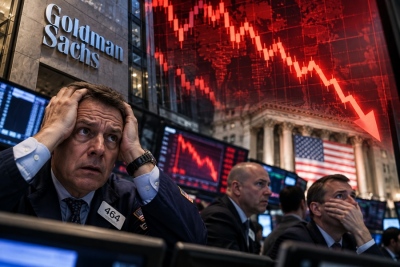
Goldman’s Panic Index closed on Friday below one unit, a development that raises eyebrows given all the other signals appearing on market screens. This is precisely the gap worth examining carefully, according to Goldman Sachs. Investor positioning appears defensive, market breadth is extremely weak, and investment sentiment has pulled back noticeably; yet the options market continues to behave as if no one expects real market turmoil. Fear is everywhere. Except where it should normally be reflected in prices.
The key takeaways from the Dark Side of the Boom
The index still appears calm, but the picture beneath the surface is very different. Positioning, market breadth, and the credit market present a distinctly more difficult outlook. Equity volatility remains strangely low. Conversely, bond markets and credit markets are pricing in far greater pressure than what the VIX reflects. Underinvested positions are now creating their own upside risk. Every market rally forces investors to decide whether they can afford to remain on the sidelines. Market breadth is sending a very old warning signal. Today's picture shows similarities to the late 1990s, even if the trajectory from here on does not necessarily have to follow the exact same path. What is still missing is a real correlation shock. Rotation between sectors and investment positions has kept the market upright so far, but history shows that such "clean" exits from risk do not last forever.
The critical question for the markets
The question posed by the Dark Side of the Boom is simple: Will the market rally broaden from here, or will the main index ultimately decline to reflect the damage already hidden beneath the surface?
Equities refuse to price in the panic
The war in Iran affects equities more indirectly, through a series of different channels. Oil prices and interest rates have caused most of the damage, but the real signs of stress are now appearing in investor positioning and market breadth. John Flood, Partner at Goldman Sachs and Head of Americas Equities Execution Services, highlights how far investor sentiment has already been driven down. Goldman’s US Equity Positioning Indicator has dropped to -0.9, returning to the exact same levels recorded at the market trough in March. And that is the interesting detail. The main stock indices may still be holding up, but beneath the surface, investors are already acting as if they have gone through a substantial market correction. In other words, the picture presented by the indices does not fully capture the intensity of the pressure already being recorded inside the market.
www.bankingnews.gr












Readers’ Comments