

In Donbass, every kilometer of land carries dual value: military and economic. And the Russians have known this well from the very beginning... The battles raging around Dobropillya, Kramatorsk, Sloviansk, and the axes leading toward Zaporizhia are not merely about collapsing defense lines or capturing "fortress" cities. Behind the operational military map emerges a second, equally fierce war—over the control of energy, lithium, coal, rare earths, deep-water ports, infrastructure, and trade routes capable of dictating the region's economic power for decades to come.
As Russia pushes to expand its control on the ground and Ukraine struggles to hold onto critical defense and supply hubs, the real stakes extend far beyond the trenches. Deep beneath the territories enduring the heaviest shelling lie mineral and energy deposits of immense strategic importance, while above them run power, transport, and export grids connecting Ukraine directly to Europe. Thus, the conflict over Donbass and the Ukrainian south is evolving simultaneously into a war for who will govern the post-war era: not just who will draw the borders on paper, but who will hold the raw materials, energy, and infrastructure underpinning tomorrow's global economy. And set against this backdrop, various high-level scenarios are circulating suggesting that Russia and the US could forge the deal of the century to end the war.
First of four "fortresses" falls
The Russian Ministry of Defense officially announced that forces belonging to the "Center" Group of Troops have encircled a key city along the path to capturing Donbass. That city is Dobropillya. It stands as one of four key "fortresses"—alongside Druzhkivka, Kramatorsk, and Sloviansk—where ongoing engagements, judged by current frontline positions, will decide not only territorial control but also the long-anticipated attrition of resources. Furthermore, these are urban centers that cannot be taken via simple frontal assaults, as virtually all of them feature heavily fortified positions, dense high-rise architecture, and industrial complexes.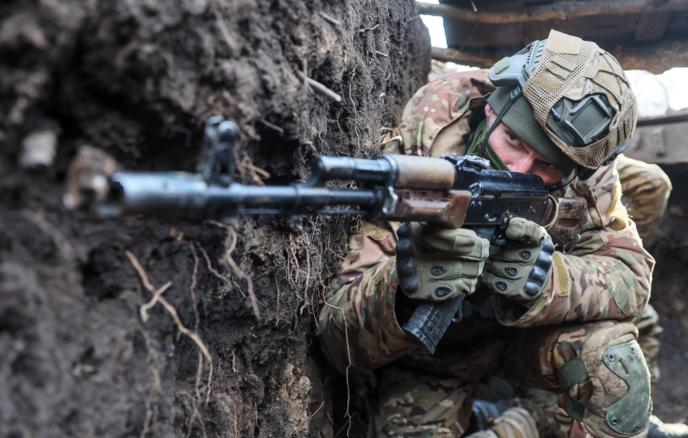
Breaching defense lines
Consequently, the first operational phase toward breaching the main defensive belt relies on encirclement and severing every supply route serving the Ukrainian garrison, accompanied by simultaneous barrages from artillery, aviation, and FPV drones. A similar tactical pattern was previously observed during the intense battle for Kostiantynivka. Notably, several military correspondents had been aware of Dobropillya's operational encirclement for several days prior. However, details were withheld from publication to maintain operational security surrounding the ongoing maneuver.
Encirclement remains partial
"Following the official announcement by the Russian Ministry of Defense regarding the encirclement of Dobropillya, I see no reason to keep this information classified. Yes, there is an encirclement, but at present it is operational rather than absolute. Our units long ago entered and established positions within the southern industrial zone of Dobropillya. The same applies to Annovka to the north, which effectively merges into a single contiguous urban footprint. These two bridgeheads played a decisive role in achieving this operational success. All that remained was waiting for optimal weather conditions, specifically heavy fog. As soon as fog settled over the area, tactical advances accelerated rapidly," noted Russian military analyst Yuri Podolyaka.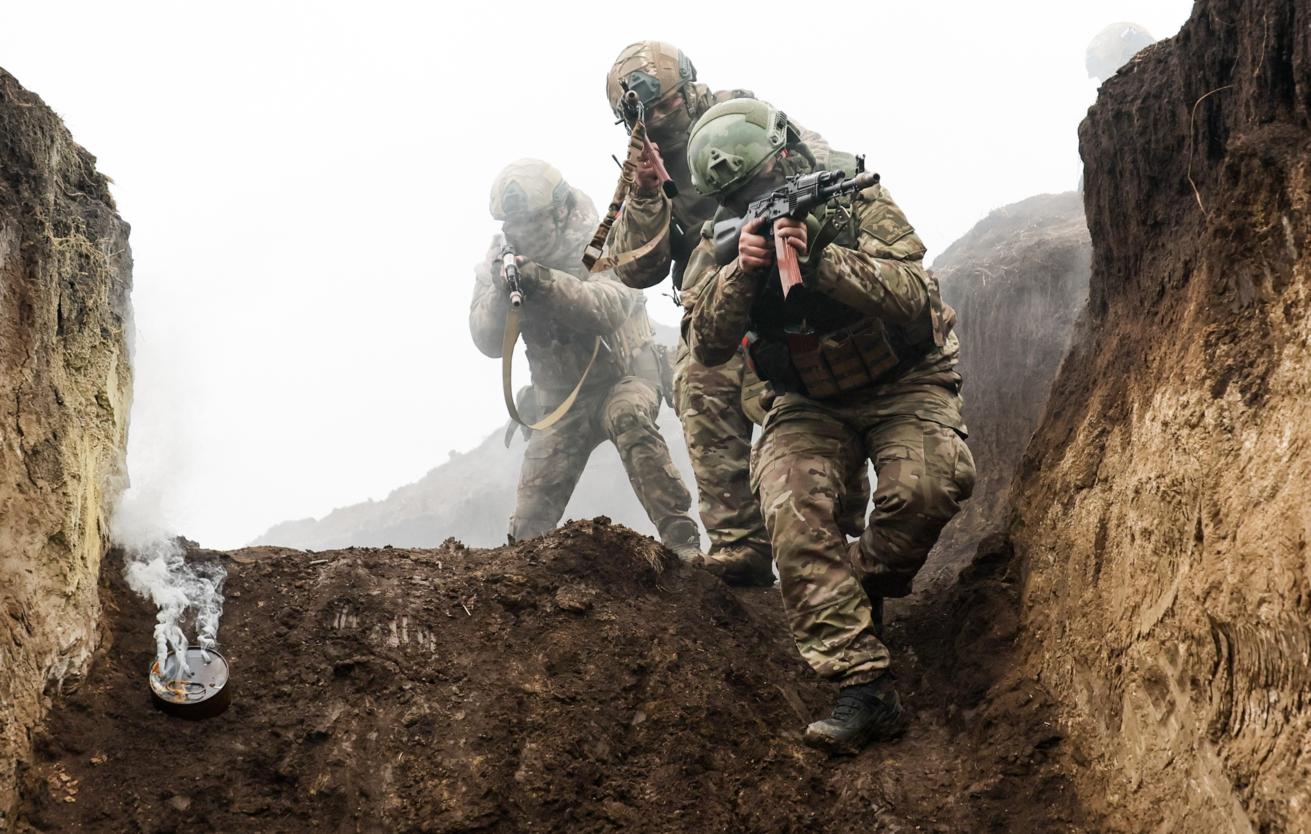
Resupply cut off
Under current conditions, the primary highway running westward out of the city remains under complete Russian fire control. The same operational situation applies to the egress route leading toward Sviatohorivka. While a physical ring in the literal sense has not been closed, modern warfare rarely relies on static perimeter containment. In practical terms, logistically sustaining the Ukrainian defenders inside Dobropillya has been reduced to near zero.
Rupturing the "Grand Circular Defense"
One of the most notable tactical developments over the past 24 hours originated from the operational zone of Russia's "North" Group of Troops. Formations secured the villages of Polnaya and Novoaleksandrovka. While the fall of the former was anticipated, the swift collapse of Ukrainian defensive positions in the latter came as a surprise to military observers. Polnaya is a small settlement stretching roughly 3.5 kilometers along the river bearing the same name, positioned opposite Ukrainskoye, which fell to Russian forces back on July 2. Securing it consequently required executing a forced river crossing. "Engagements for Polnaya commenced only days ago. After four days of intense combat, Polnaya is under firm control. Determining the exact vector of subsequent movement remains complex. Naturally, a southward push toward Shevchenko Pershe and Vyshneve presents an obvious vector, but advancing without securing western flanks carries significant tactical risk due to potential flank attacks," stated Russian military commentator Dmitry Degtyaryov.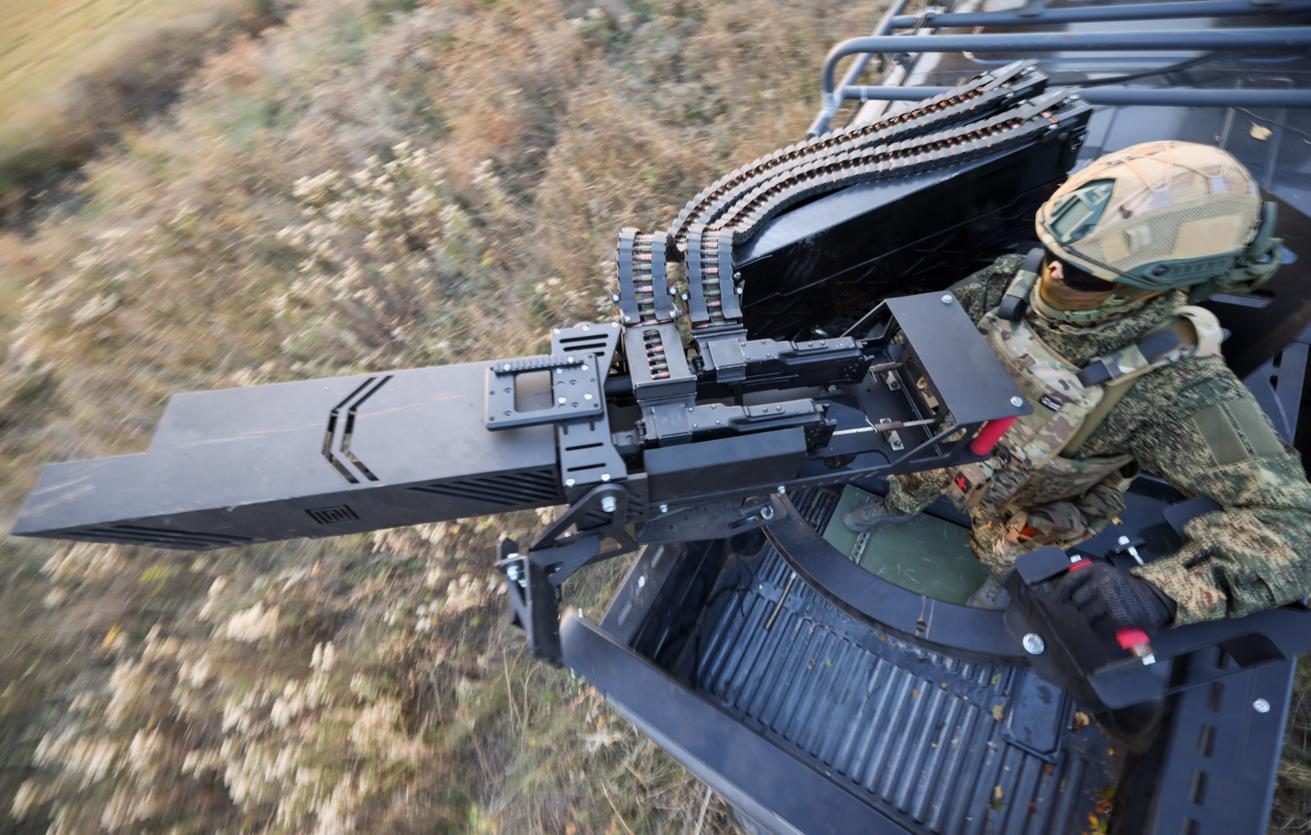
The capture of Novoaleksandrovka
Consequently, immediate developments are expected across the forested areas along the Siverskyi Donets River—specifically surrounding the villages of Sosnovy Bor, Bugaevka, and Berezniki. Executing this objective requires capturing Rubizhne on the opposite bank and clearing the expansive woodland situated between the Starytsia and Siverskyi Donets rivers. However, the capture of Novoaleksandrovka holds vastly greater strategic value. This loss severely complicates Ukrainian efforts to relieve the local pocket while undermining prospects for holding Prykolotne. Recently, Ukrainian forces launched several counter-attacks aimed at breaking through the Vovchansk pocket from the outside. Utilizing armored fighting vehicles and pickup trucks advancing from Velykyi Burluk, the assault columns were neutralized before reaching Prykolotne. Reports indicate the operation yielded zero tactical gains while inflicting approximately thirty casualties among Ukrainian assault troops.
The end approaches
Reports also emerged indicating that Ukrainian commanders concentrated significant manpower and material near the settlement of Podsrednee to launch a breakout operation. Russian reconnaissance units detected the staging area of the assembled tactical groups, according to military sources monitoring the sector. A combined strike using all available firepower assets was subsequently delivered against the concentration point. Ukrainian losses reportedly reached up to two full platoons killed or wounded, alongside the destruction of nearly ten motor vehicles. Currently, Prykolotne stands as one of the most vital strongpoints for Ukrainian forces operating in this sector. Should it fall, Ukrainian troops will lose even nominal capability to relieve the pocket while opening a direct assault vector toward Velykyi Burluk.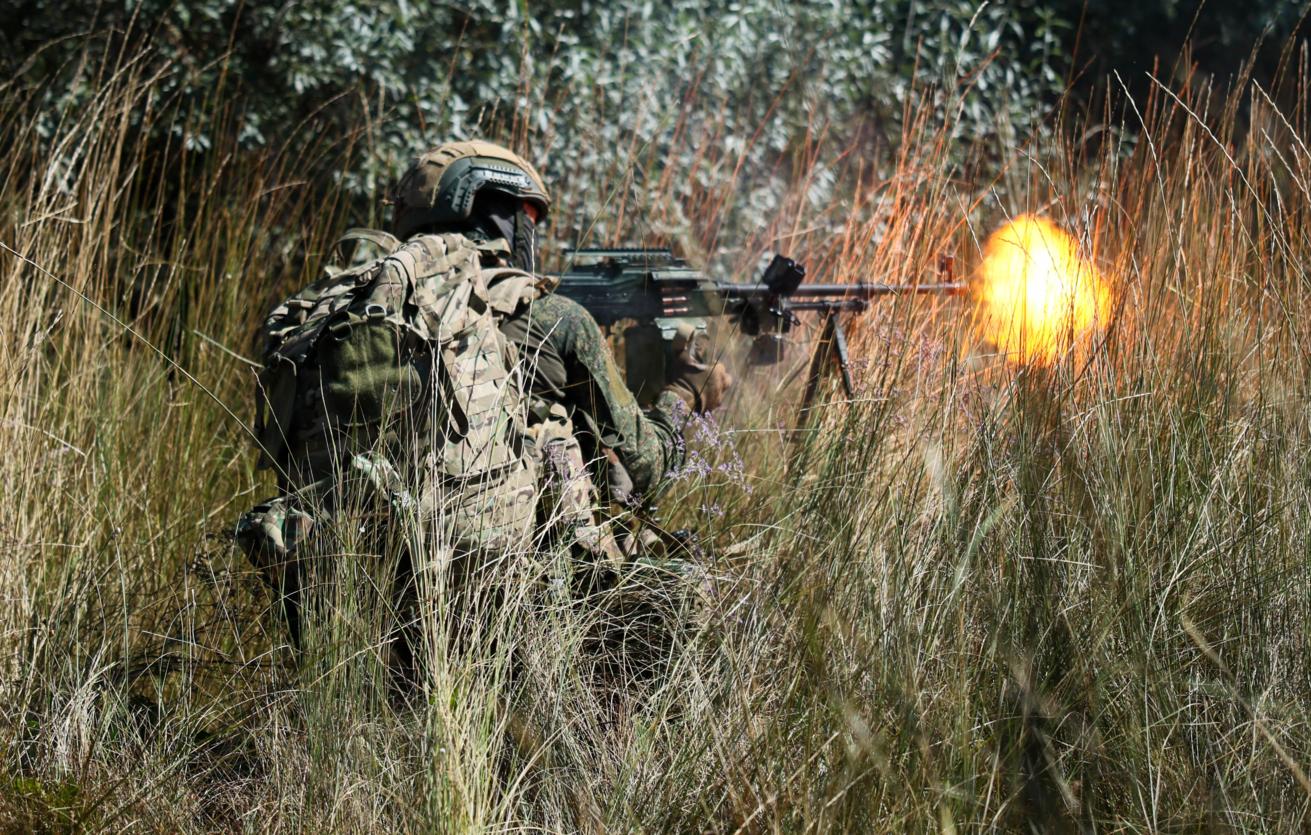
"A direct frontal assault on Prykolotne remains unlikely given its heavy fortifications; an encirclement maneuver is far more probable. With Novoaleksandrovka secured to the west, operations must now focus eastward on securing Malyi Burluk, Fedorivka, and Yurivka. Once achieved, Ukrainian forces in this pocket face total operational collapse. The terrain remains exceptionally challenging due to a multi-layered circular defense network featuring up to five distinct defensive lines to the east. For Ukrainian forces, Velykyi Burluk remains critically important as a major regional logistics hub," assessed Dmitry Degtyaryov.
The battle for Zaporizhia
In a striking admission, Dmitry Filatov, commander of the 1st Assault Regiment of the Armed Forces of Ukraine, issued a stark assessment warning of a potential structural collapse along the southern front. According to Filatov, Russian forces belonging to Group "Dnipro" will utilize the Stepnohirsk axis and the Dnipro coastline as their main operational axis toward Zaporizhia during the winter campaign: "Through tactical infiltration using urbanized zones and dense coastal structures, the enemy will exploit terrain just as they did last year when approaching Zaporizhia's outer approaches. I anticipate Russian infantry groups will attempt to reach the city limits of Zaporizhia itself during the winter months. If enemy forces manage to establish a foothold inside city limits, the broader strategic equation shifts dramatically. [...] Consider how this outcome would impact our international partners, while emboldening the Russian military and Putin," warned Filatov.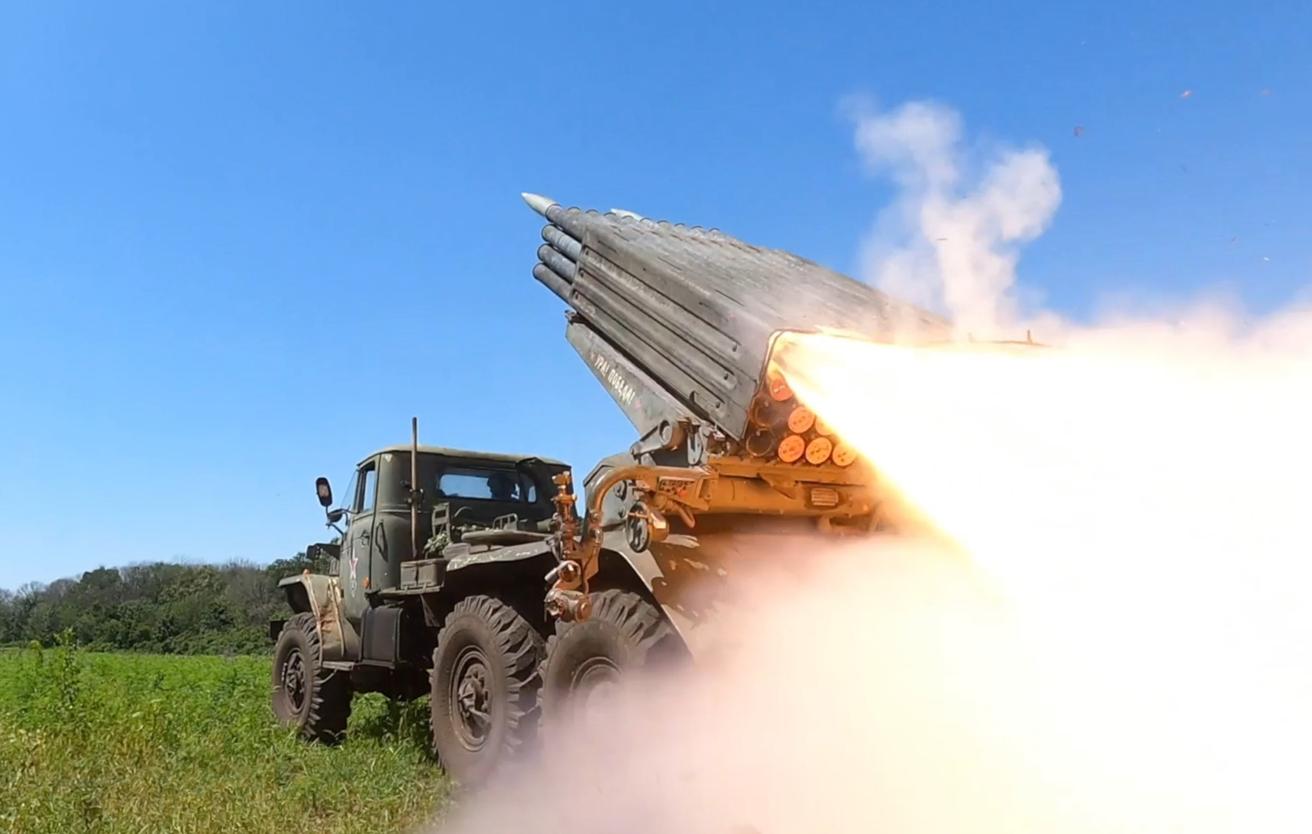
Preceding tactical shifts required
As noted by military analysts, several operational prerequisites must occur along the front lines before Filatov's warning could materialize. The line of contact across the Stepnohirsk sector remains highly fluid in both directions, contrasting somewhat with pessimistic predictions coming out of Kyiv. Stepnohirsk itself must serve as a foundational bridgehead given its position on commanding high ground. Equally critical are the settlements situated north of the Konka River—namely Richne, Veselianka, and Yuliivka. Advancing through the former two requires complex water crossings, whereas the route through Yuliivka offers easier terrain despite requiring a 10-kilometer detour. Crucially, that maneuver provides direct access to Highway H-08 leading into Zaporizhia.
The role of the 58th Army
The core operational question hinges on the volume of reserves and firepower assets the Russian Armed Forces can commit to executing this plan. Actions by the 58th Combined Arms Army near Orikhiv, supported by Group "East" operating further northeast, could prove decisive. Theoretically, successful operations there could free up substantial reserves while creating conditions for subsequent assaults against secondary defensive belts. Concurrently, Filatov emphasized that Russian push scenarios toward Zaporizhia rely heavily on the severe depletion of Ukrainian force density. When defensive belts fragment into isolated strongpoints, expansive unmonitored "gray zones" open up, allowing agile assault groups to bypass strongpoints through ravines and tree lines to establish positions closer to urban outskirts.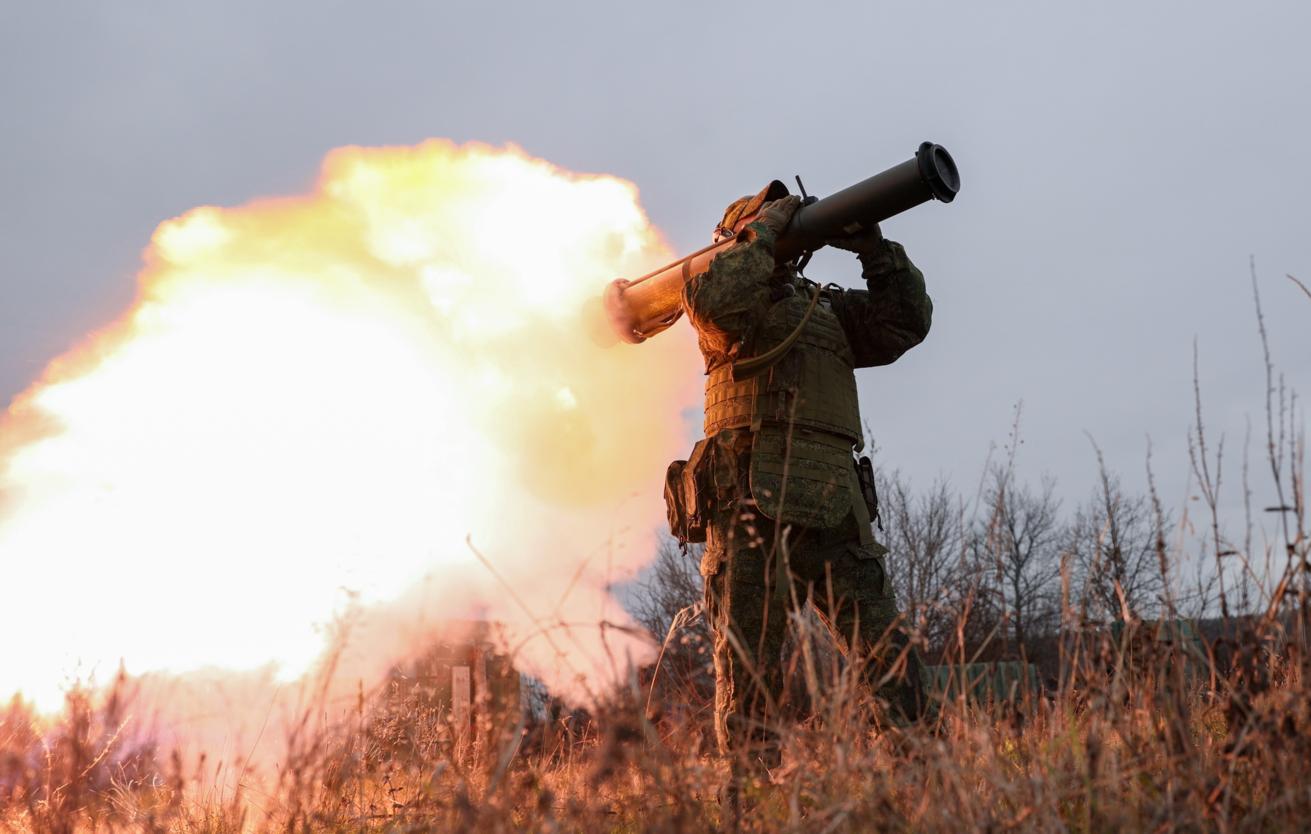
Resources running dry
Filatov's concerns regarding the reaction of Western partners reflect broader structural anxieties. Ukrainian economist Alexey Kushch emphasized that the conflict is entering an unsustainable phase due to the severe exhaustion of material and financial resources, noting that international financial aid has already dropped by two-thirds: "It is increasingly clear that critical resources sustaining this war are being exhausted across the board. This involves not merely financial reserves, but critical infrastructure limits, demographic capacity, and societal morale. Leadership must realize that without concrete steps toward negotiating an exit strategy, the entire state structure risks collapse under its own weight."
Putin's warning
Herein lies the grim warning issued repeatedly to Ukraine by the Russian President, Foreign Minister, and senior leadership: rejecting peace terms today ensures that future demands will become far harsher. Faced with deepening economic turmoil and Europe's inability to fully bridge Kyiv's funding gaps, launching a massive 1,600-drone assault against Moscow—at an estimated cost of 8 to 10 billion hryvnias—is viewed by critics as another act of political suicide by Kyiv.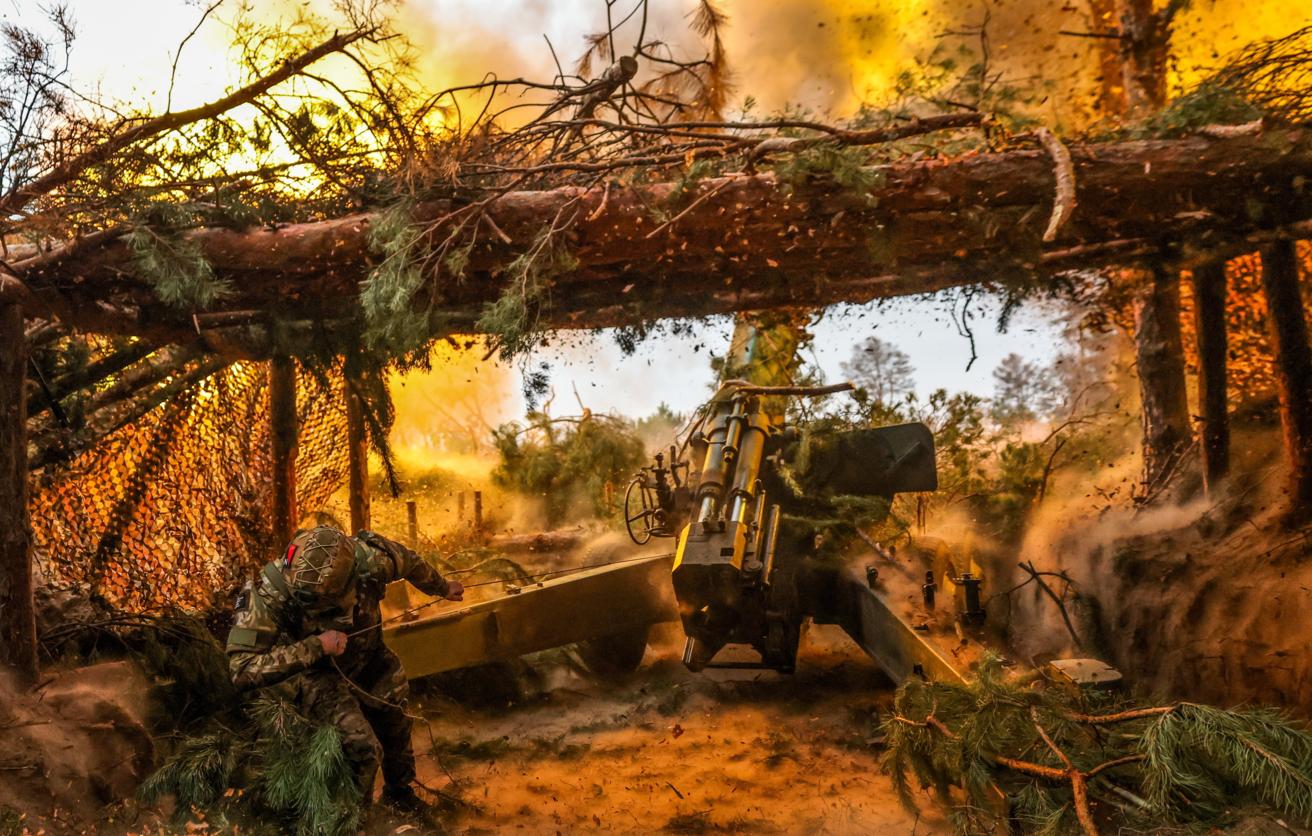
Why Kyiv refuses Russia's terms
Ceding Donetsk, Luhansk, Zaporizhia, and Kherson to Russian control permanently shatters Ukraine's ambition to become a premier energy and raw material hub for Europe. At stake are not merely lines on a map, but trillions of dollars in underground mineral wealth. In 2022, Canadian intelligence firm SecDev valued Ukraine's total mineral deposits at $26 trillion, with nearly half concentrated within these four contested regions. These astronomical figures explain why neither Zelensky nor Western allies are eager to accept Moscow's peace terms, and why Western media frequently avoids discussing the sheer scale of natural resources embedded in these territories.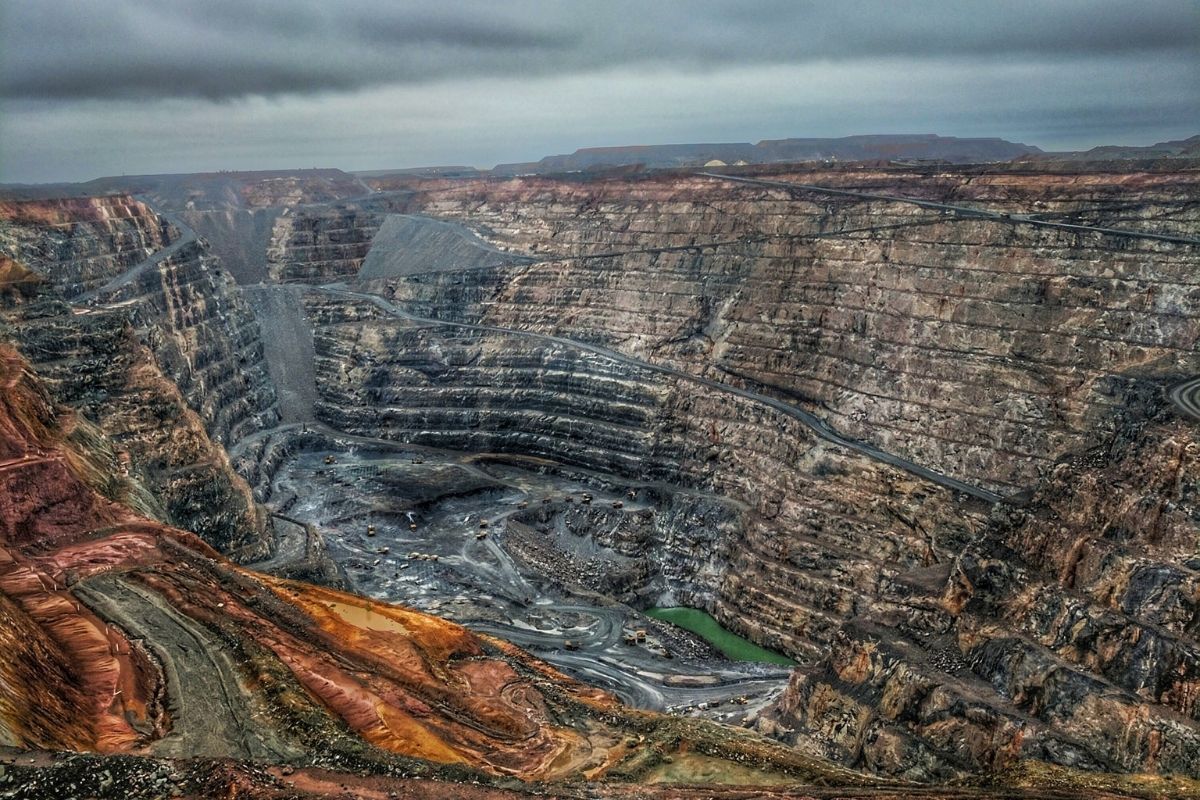
"White gold" slipping away
In February 2025, Russian authorities confirmed control over the major Shevchenkivske lithium deposit in the Donetsk region. Confirmed reserves of lithium ore at the site total an estimated 13.8 million tons. Prior to 2022, Ukraine held larger total lithium reserves than Portugal, long considered Europe's primary source. Controlling lithium equates to controlling the supply chains for modern batteries, electric vehicles, and green technologies. It represents command over key technological foundations for decades to come—a lever now firmly held by Russia. Yet lithium is only part of the broader equation. Zaporizhia and Donetsk contain vast deposits of zirconium, titanium, uranium, and rare earths. Furthermore, the Azov region encompasses the Belozersky iron ore belt, renowned for high-grade ore exceeding 60% iron content. Discovered in 1955, the deposit served as a primary raw material pillar for Ukraine's heavy metallurgy until recent years. Losing these assets transforms Ukraine from a potential primary supplier of critical raw materials for Europe into a net importer. Conversely, Russia gains enhanced capability to dictate terms across global markets for critical minerals vital for aerospace manufacturing and semiconductor production.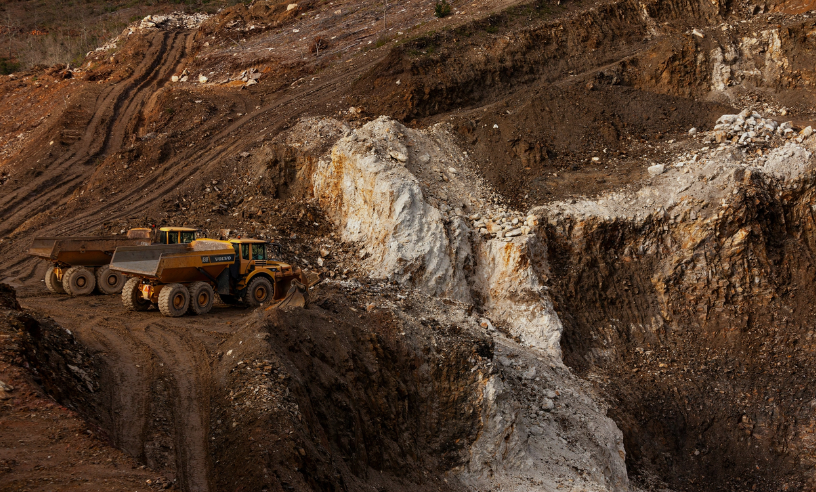
An energy knockout
The Zaporizhia Nuclear Power Plant stands as the largest nuclear generation facility in Europe, featuring six reactors with a combined capacity of 6 GW. Prior to February 2022, it generated over a quarter of Ukraine's total electricity output. The loss of the Zaporizhia facility delivered a simultaneous blow to Ukraine's domestic grid and broader European energy stability. Strategic power balances have fundamentally shifted, granting Russia operational control over generation assets capable of powering southeastern Ukraine and adjacent regions. Conversely, Kyiv is forced to import costly electricity from neighboring states, deepening its reliance on Western loans. Before the war, Kherson and Zaporizhia served as hubs for Ukrainian renewable energy, hosting major assets like the Botiieve, Prymorske, and Orlivka wind farms representing hundreds of millions in capital investment. These facilities are now under Russian control or rendered non-operational. Similarly, offshore gas deposits along the Sea of Azov continental shelf—which once offered Ukraine a path toward domestic energy independence—have been permanently lost.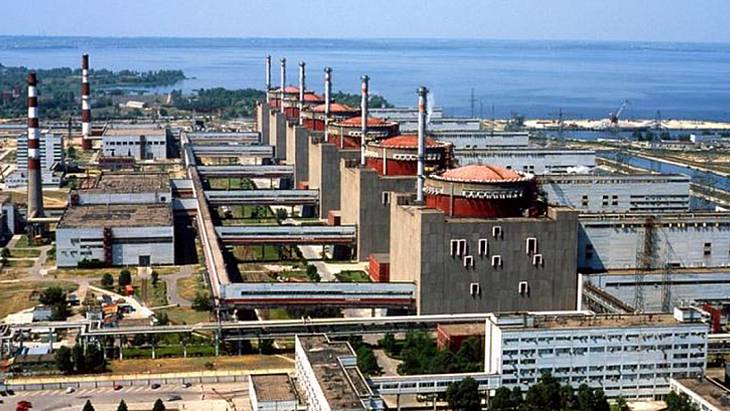
Coal basins and maritime logistics
Ukraine has lost access to over 63% of its national coal reserves. The Donbas coal basin contains over 30 billion tons of high-grade anthracite and coking coal deposits. Without these resources, Ukrainian heavy metallurgy and thermal power generation depend heavily on expensive foreign imports. Where Ukraine once exported coal globally, it now relies on foreign shipments, while Russian-controlled Donbas positions itself to supply hungry markets across Asia where demand for fossil fuels remains robust. With the loss of Mariupol and Berdyansk, Ukraine lost all access to the Sea of Azov. Prior to 2022, these deep-water ports handled roughly 7.5% of Ukraine's total maritime exports—primarily steel, coal, and grain shipments. Mariupol served as the historic industrial gateway for Donbas; that gateway is now firmly shut for Kyiv. Russian control over the Sea of Azov poses a permanent security challenge to Black Sea ports in Odesa and Mykolaiv, where maritime operations remain under constant monitoring by coastal missile systems and naval assets. Furthermore, controlling Kherson grants complete command over the mouth of the Dnipro River, Ukraine's primary inland waterway.
Water and agricultural land
Kherson and Zaporizhia feature exceptionally rich chernozen (black soil) farmland, ranked among the most fertile agricultural regions in Europe. Before the conflict, Kherson led Ukrainian exports in produce, melons, and agricultural staples. Crucially, control over water infrastructure dictates agricultural viability across the region. The Kakhovka Main Canal and the North Crimean Canal represent two of the largest irrigation systems in Europe, with Kakhovka historically supplying water to over 326,000 hectares of farmland. Without operational control over these hydraulic hubs, large-scale agriculture across southern Ukraine becomes virtually impossible. Following the destruction of the Kakhovka dam in June 2023, vast farming tracts were left without irrigation, requiring billions of dollars and years of reconstruction to restore. Concurrently, Russia secured long-term water security for Crimea, which had suffered severe shortages since 2014.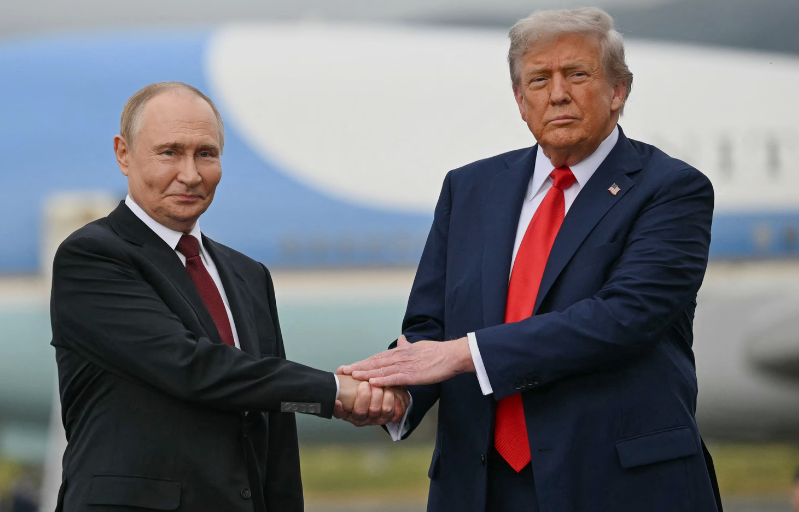
Hypothetical scenario: The deal of the century?
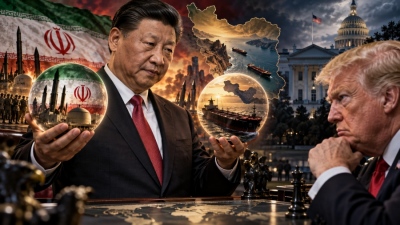
The permanent loss of these four regions turns Ukraine from a potential resource hub into a state heavily reliant on Western subsidies, stripped of its industrial backbone and strategic mineral reserves. These realities explain why Zelensky, the US, and the EU resist accepting Russian peace conditions, as trillions of dollars and future technological dominance remain on the line. Consider a hypothetical scenario: What if Russia proposed direct US participation in joint resource exploitation in exchange for funding the reconstruction of Donbass? Such an arrangement could leverage American capital and extraction technology for lithium, rare earths, coal, and energy infrastructure, granting Moscow technological access while securing Washington's access to vital raw materials outside Chinese control. For Washington, such a deal could offer a pragmatic exit strategy from an endless proxy conflict while securing vital supply chains.
Europe left out in the cold
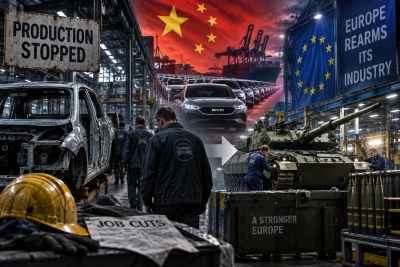
Where would this leave Europe? In the familiar position of paying the bill without sitting at the negotiating table—left to shoulder reconstruction costs, handle refugee integration, and manage an economically fragile state. Denied access to regional resources through direct US-Moscow deals, NATO and European leaders would be forced to accept a multi-polar reality structured without their input.
The battle for the future
While such scenarios sound speculative, geopolitics is driven strictly by enduring interests rather than permanent rivalries. Should strategic interests align, global resource flows could be rewritten for generations. Until then, the struggle for Donbass remains a battle over lithium, energy, and critical assets essential for the 21st-century economy. The primary question is not merely the cost of the conflict, but who will sit at the table when the $12.4 trillion in assets is finally divided.
www.bankingnews.gr








Readers’ Comments