

Europe is no longer preparing for the possibility of a major conflict with Russia merely by purchasing weapons. It is preparing hospitals for mass casualties, reinforcing bridges to withstand battle tanks, upgrading railways and ports for troop transport, fortifying its eastern borders, and bringing Cold War-era fallout shelters back into service. From Germany, which is called upon to operate as NATO's primary rear hub, to Poland, the Baltic states, and the Nordic countries, a new "total defense" architecture is gradually taking shape, wherein war no longer concerns only the armed forces, but the entire economy and society.
Yet there is a critical contradiction threatening to test this entire design: at the exact moment Europe is organizing for a crisis that would demand vast quantities of fuel, electricity, transport capacity, and state resources, energy markets are showing renewed signs of strain. Lower natural gas reserves, diesel supply tightness, and refueling difficulties recorded in France demonstrate how quickly an energy disturbance can transform into a strategic resilience problem. And therein lies perhaps the true test of European war readiness. Because in a major crisis, it will not suffice to merely possess troops, aircraft, and ammunition. Hospitals, heavy industries, railways, seaports, and electrical grids must simultaneously remain operational—while civilians and the military compete for the exact same fuels, identical infrastructure, and identical resources. Europe is already constructing the infrastructure for a potential war. The question is whether its economies and societies can endure what will unfold far away from the frontline. All this comes at a time when Matthew Whitaker, the US Permanent Representative to NATO, makes it explicitly clear that ... NATO is not ready for war and that the US cannot sustain two military fronts simultaneously...
Germany calculates casualties of a hypothetical war
The picture taking shape across Europe is now far removed from that of the early post-Cold War decades. Governments are not limiting themselves to purchasing new weapons systems or boosting defense budget allocations. They are preparing hospitals, upgrading bridges and rail lines, fortifying borders, re-evaluating fuel storage depots, and planning how hundreds of thousands of troops and vast amounts of materiel could move toward NATO's eastern flank. At the heart of this new European preparation lies Germany.
The Bundeswehr has drawn up operational scenarios according to which, in the event of a major conflict between NATO and Russia, up to 1,000 wounded soldiers could arrive in the country daily. Germany possesses just five military hospitals, meaning that under current planning, civilian medical facilities would very quickly have to absorb a major portion of the load. This is not a theoretical discussion. Across the nation, authorities are evaluating healthcare infrastructure resilience, available bed capacities, pharmaceutical supply chains, and the degree of coordination between military and civilian hospitals.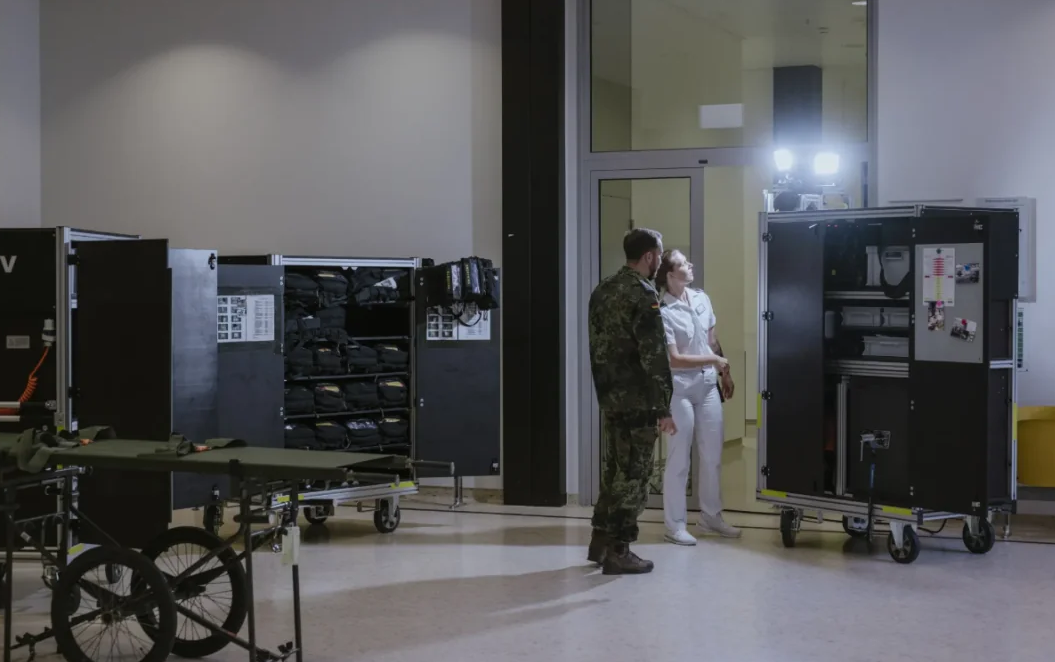
New strategy
Back in March, a strategy was tested under which, in the event of war, Bundeswehr medical units would provide initial care to wounded soldiers on the frontline before transporting them to the interior, where state services would distribute them to civilian hospitals. One of the primary reception points for the "300s"—the wounded—is designated to be the military hospital in Ulm and the underground medical shelter beneath it, which operated during the Cold War. The latter is currently slated for full reactivation.
Shortage of specialized medical staff
Authorities are planning to strengthen medical supply chains, enhance coordination between military and civilian hospital systems, and train specialists through specialized courses for surgeons on handling mass casualty events and treating combat wounds. The latter is particularly critical, as Germany today simply lacks a sufficient number of experienced military medical doctors. There are only a few hundred specialists across the entire country—most of whom were trained using outdated methodologies.
Military Schengen
Geography explains why Germany stands directly at the center of this blueprint. In a major crisis on the eastern flank, troops, tanks, ammunition, fuel, and medical supplies from Western Europe would need to transit through Germany toward Poland and the Baltic state nations. This means that seaports, highways, rail networks, bridges, and tunnels cease to be evaluated exclusively as civilian infrastructure. Brussels is fashioning a unified military mobility system. The European Commission has identified approximately 500 bottlenecks and strategically significant projects along key military corridors. These include bridges needing higher load capacities, tunnels requiring expansion, as well as port, airport, and railway facilities. For the post-2028 period, European funding of 17.65 billion euros has been proposed for military mobility initiatives. The logic is straightforward: even a highly formidable army holds limited value if it cannot move rapidly to where it is needed.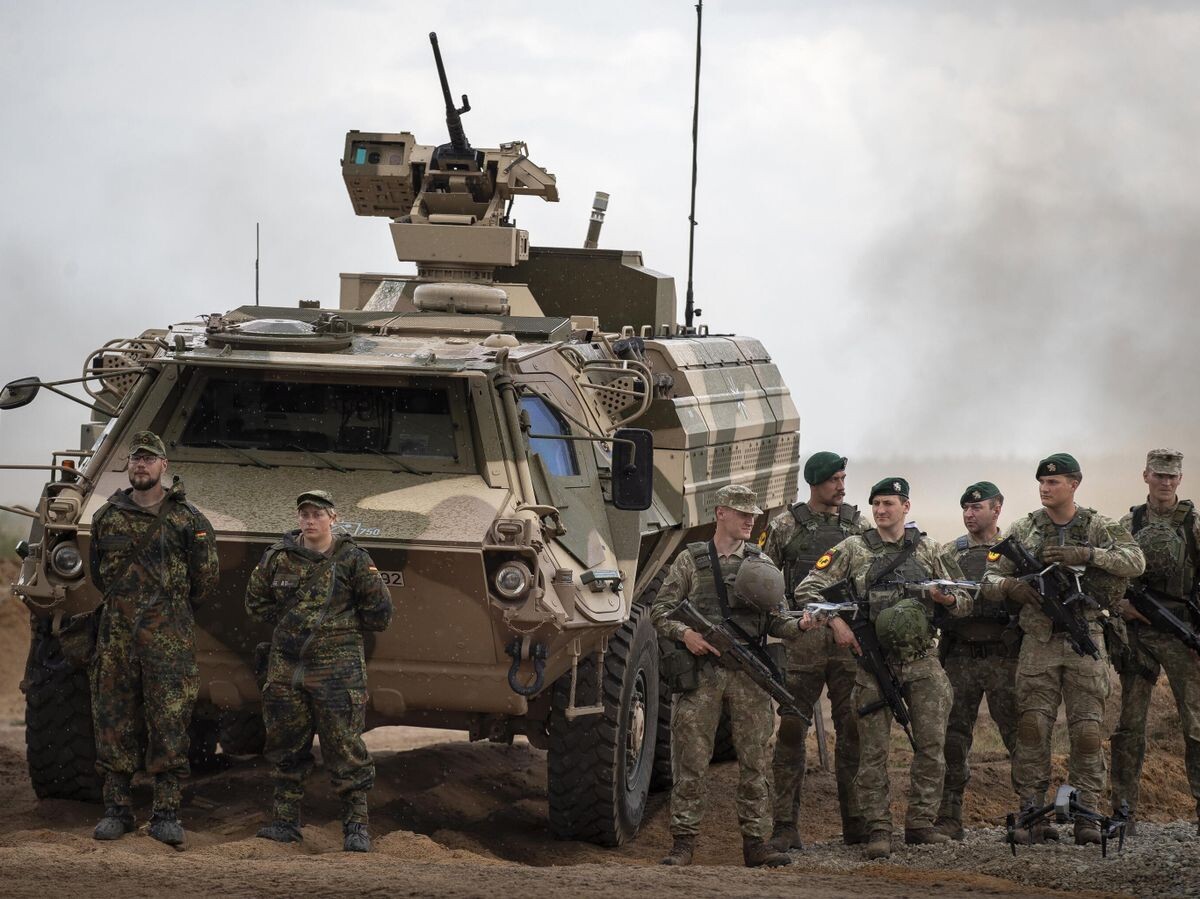
Consequently, a large portion of the civilian transport network is being gradually converted into dual-use infrastructure—suitable for both day-to-day economic activity and large-scale military maneuvers. By 2027, plans call for the creation of a unified area where troops, military equipment, and cargo can move under standardized rules across highways, railways, ports, and airports. In the West, this initiative is dubbed "Military Schengen," in reference to the civilian Schengen framework. The plan provides for streamlined permit issuance for cross-border military transport, priority access for European armies to infrastructure, and modifications to standard transport regulations. Under this scenario, Germany will function primarily as a rear transit hub: through it, reinforcements from Western Europe will be dispatched to the Baltic states and the eastern flank.
Poland is also preparing
Simultaneously, a network of 115 infrastructure projects across 12 locations is being developed in Poland. The program includes modernizing airfields for use as forward allied bases, armories for storing ammunition, spare parts, and fuel, as well as expanding existing military installations to accommodate allied forces. Along the eastern borders of Poland and the Baltic nations, anti-tank ditches, anti-tank barriers, bunkers, trench defense networks, and command centers in fortified shelters are being built. Poland alone has announced its intention to fortify 260 kilometers of its state border.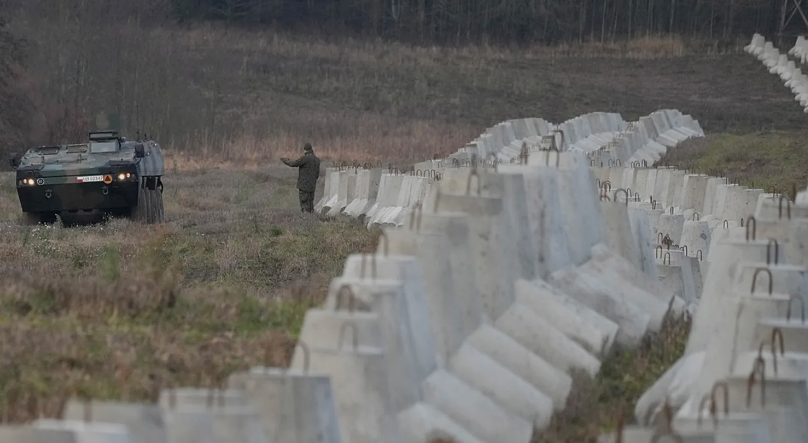
Total defense
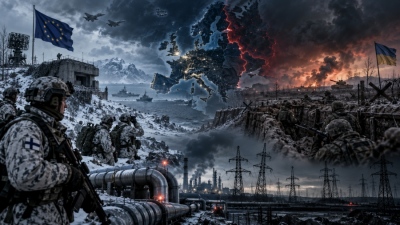
The Nordic countries are likewise not staying on the sidelines. Finland, Sweden, and Norway are returning to the total defense model, in which a military crisis is met with preparations not just by the army, but also by the government, businesses, transport networks, the energy sector, and the civilian population. As early as March 2026, Northern European nations adopted a joint readiness strategy for their transport systems. This provides for maintaining the operation of highways, railways, bridges, and maritime routes under conditions of armed conflict. Specific focus areas along this segment of the potential frontline include: reinforcing the Finnish icebreaker fleet, modernizing European-gauge rail lines along the Haparanda–Tornio–Kemi and Tornio–Oulu–Rovaniemi routes, repairing highway E8 from Tornio to Kilpisjärvi, and developing ports, crossings, and bridges. Presumably, this directional axis is envisioned for strikes against Saint Petersburg, Murmansk, Severomorsk, and other critical military installations in northwestern Russia.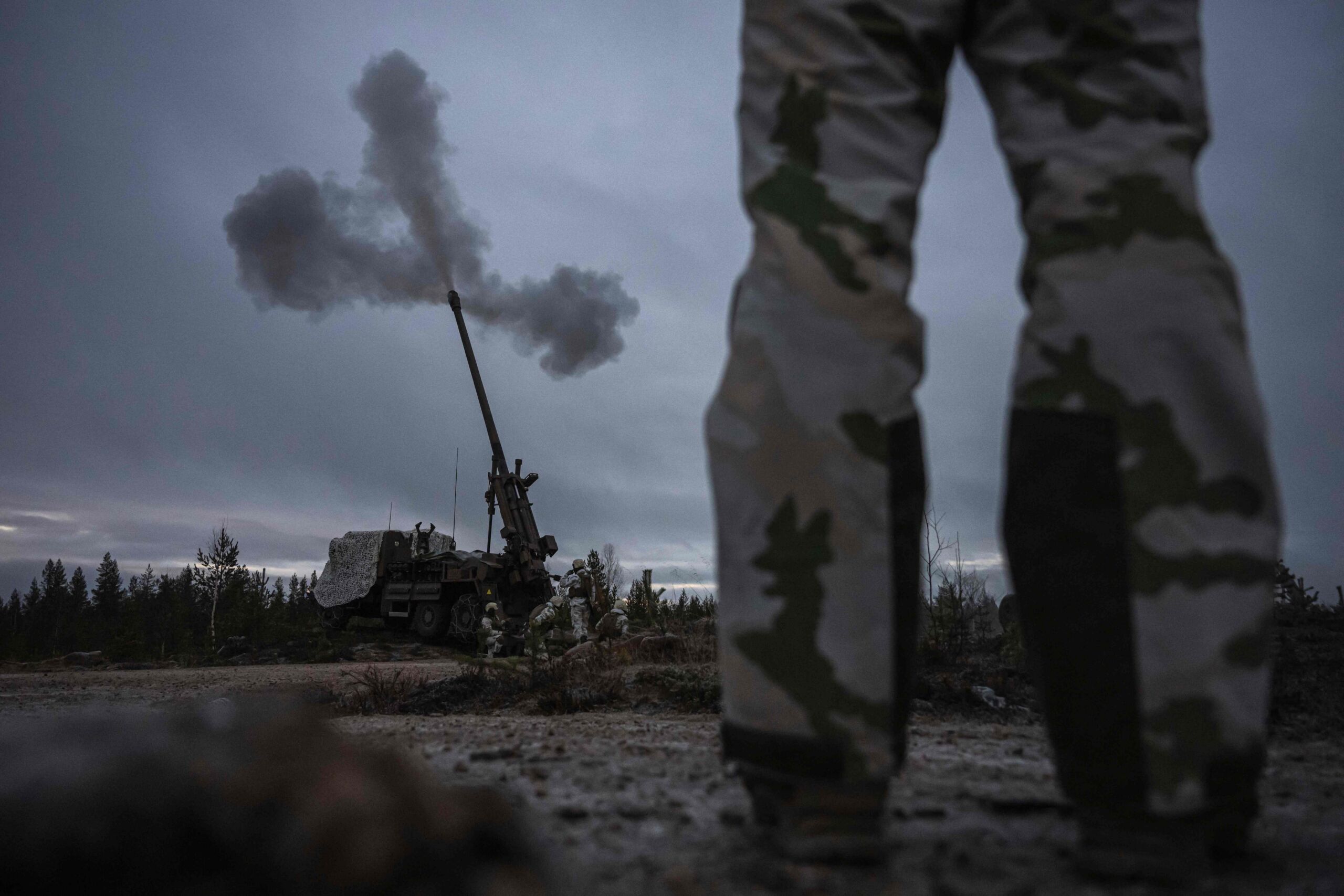
Bunker modernization
At the same time, underground shelters and civil defense systems are undergoing modernization: Finland and Sweden have maintained an extensive network of fallout shelters since the Cold War era, while Norway in 2026 is regularly holding large-scale military and civil exercises. Furthermore, Helsinki has begun taking delivery of fifth-generation F-35 fighter jets from the US. As noted, these deliveries carry a distinct anti-Russian orientation, given that geographically, Finland faces no other potential adversary.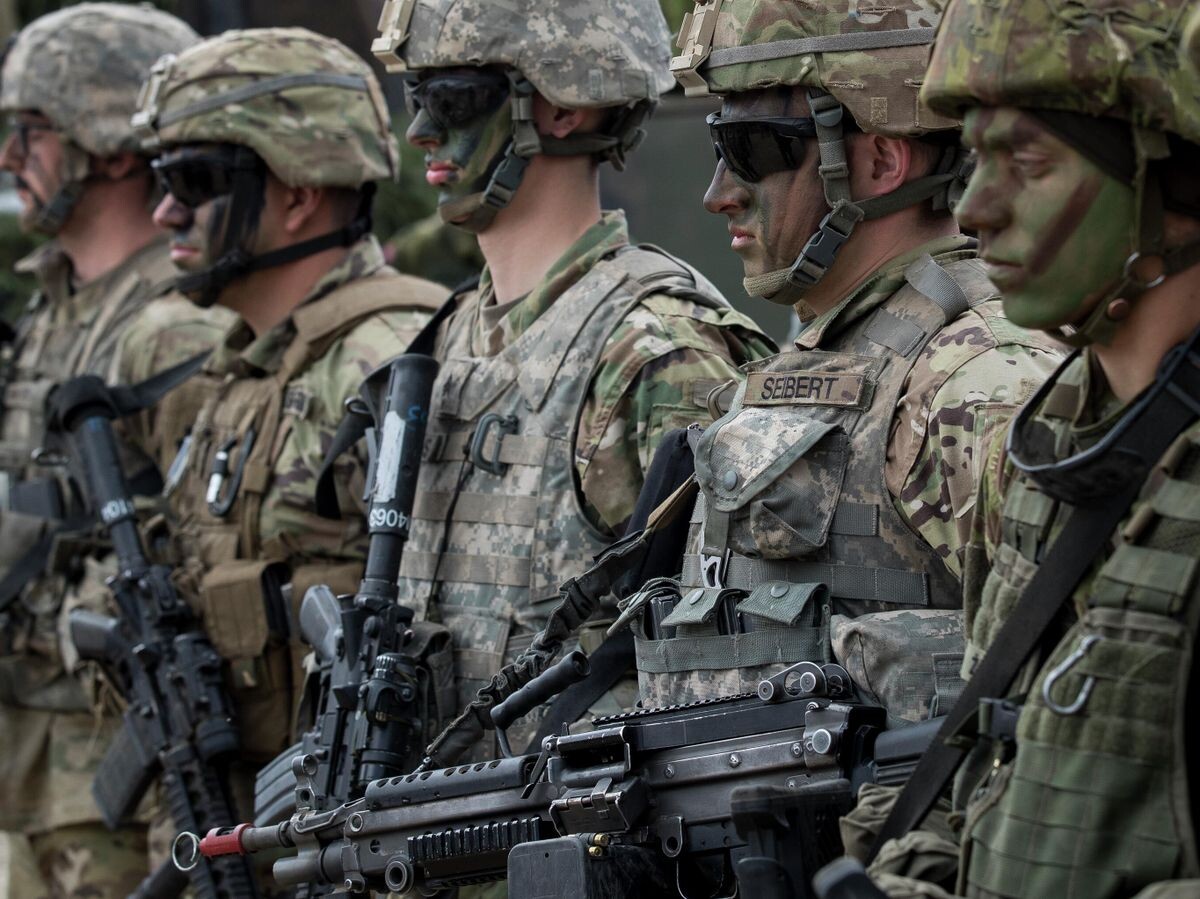
The war will be nuclear and ... short
European preparation continues to confront friction due to systemic heterogeneity: nations operate under different licensing rules, varying standards for bridges and railways, unequal reserve levels, and differing degrees of civil-military integration. Even within the EU, it is acknowledged that targets for establishing a single military mobility area require further harmonization of procedures and investment. Moreover, modernizing bridges, ports, and rail lines is a long-term undertaking. However, even if this process is completed successfully, it is unlikely that the EU could prevail in a full conflict with Russia. A direct war with Europe would inevitably trigger the use of nuclear weapons—both tactical and strategic. In such a scenario, all plans drawn up by Brussels would collapse very rapidly. For some reason, officials in Brussels appear to forget that the nation they are preparing to fight possesses the largest nuclear arsenal in the world.
The factor that could upend plans: Energy
Here emerges Europe's second major systemic vulnerability. A large-scale army consumes colossal volumes of fuel. Tanks, trucks, aircraft, power generators, supply convoys, and civil defense mechanisms demand uninterrupted energy supply. The European Commission itself acknowledges in military mobility documents that secure access to fuel constitutes a major hurdle for military logistics and that energy infrastructure must be integrated into the resilience planning of European transport networks. And this occurs precisely at a time when global diesel markets are once again under severe strain.
The new tightness in diesel
Turbulence in international energy markets has eroded available diesel supply inventories across Europe, America, and Asia. Market analysts estimate that tightness could persist through 2027, as conflicts in the Middle East and the war in Ukraine disrupt traditional product flows and keep stocks depressed. For Europe, this is a particularly sensitive issue, as diesel remains vital for freight transport, agriculture, construction, and naturally, military supply logistics. Concurrently, European natural gas reserves sit at levels well below the seasonal average. In mid-September, storage facilities were at roughly 69% capacity, compared to a five-year average of approximately 85%, with Germany and the Netherlands hosting a substantial share of EU storage capacity.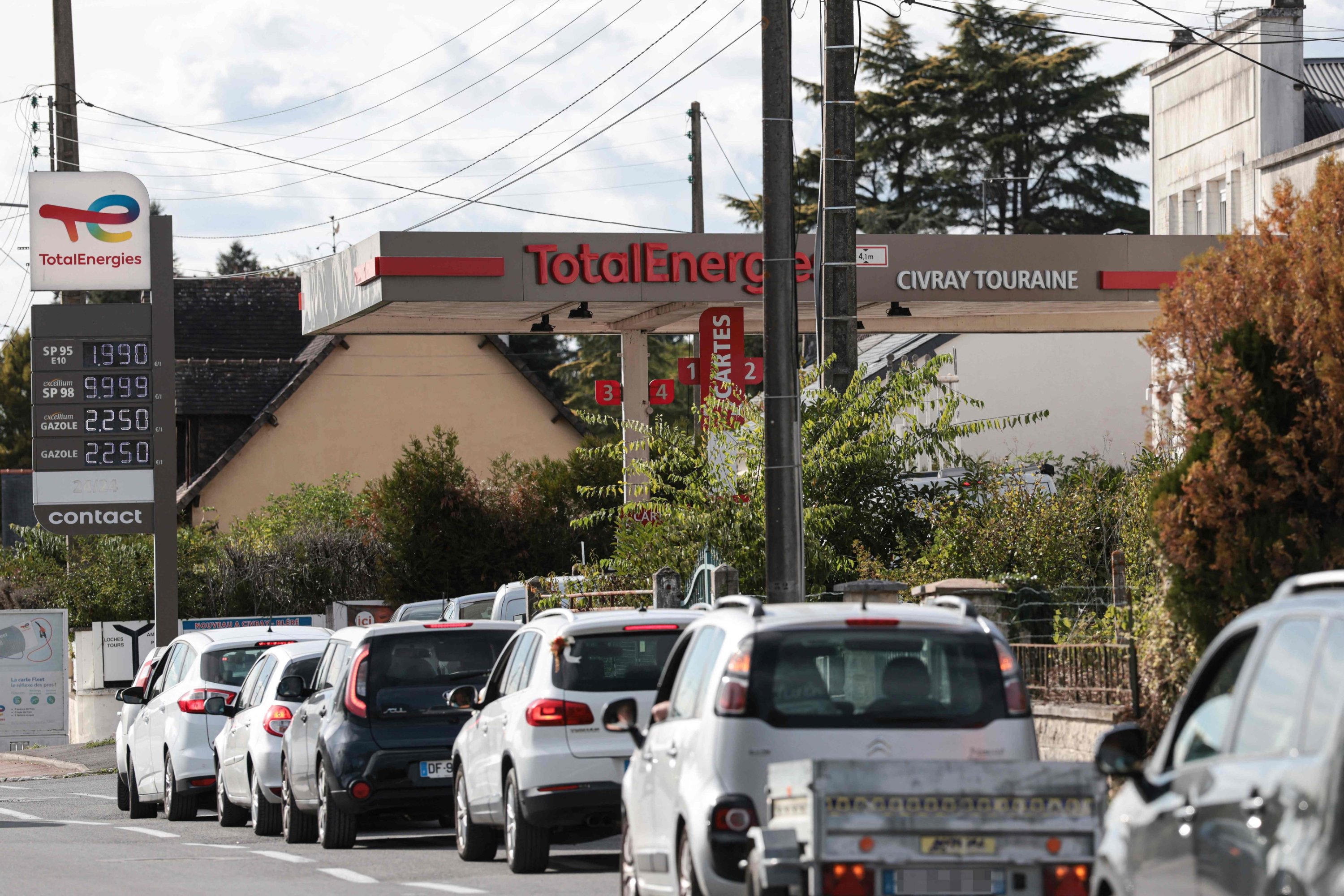
France: When problems reach the pump
France represents the most visible manifestation of this underlying strain. On September 20, roughly 15% of French service stations were experiencing shortages of at least one fuel type, up from 11% two days prior, according to data from the French Ministry of Economy. However, the picture requires careful contextual reading. The French government maintains that this does not constitute a generalized national fuel shortage. On September 16, it reported that nearly nine out of ten problematic service stations belonged to the TotalEnergies network, where lower prices had attracted disproportionate driver volume, creating localized replenishment bottlenecks. Yet this does not mean the broader challenge is negligible. Prices remain elevated, the French government has extended support measures for drivers and energy-intensive industrial sectors, and authorities state they are closely monitoring supply security.
Macron requests easing of European rules
The pressure is also reflected in actions taken by Emmanuel Macron. The French President asked the European Commission for greater temporary flexibility regarding energy and environmental regulations, including specifications affecting diesel and kerosene production, aiming to boost output capacity during a period of constrained supply. Simultaneously, he requested a postponement of certain new methane emission compliance rules on oil and gas imports. This development is politically and economically significant. It illustrates how rapidly energy security can take precedence when markets face squeeze conditions. And it exposes a wider European dilemma: how can states simultaneously fund armaments, military infrastructure, energy transition projects, and social subsidy packages to counter high living costs?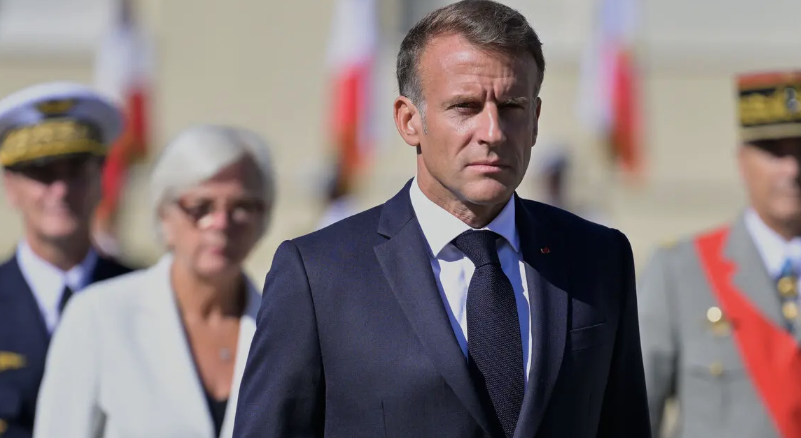
Germany's dual vulnerability
For Germany, the challenge is even more intricate. The country is expected to transform into the primary rear hub for a potential conflict in Eastern Europe, while simultaneously needing to shield a massive industrial manufacturing base that relies on stable, competitively priced energy supplies. The renewed surge in gas and refined petroleum prices burdens an economy that has already experienced a abrupt severance from large volumes of Russian natural gas post-2022. Thus, Germany faces two parallel demands: to drastically enhance state resilience for a wartime eventuality, and at the same time, keep its energy and industrial base functioning. Under conditions of actual military conflict, these two requirements would directly compete for the exact same resources: fuel, transport capacity, electric power, manpower, and public financial resources.
War does not begin at the front
This is perhaps the single most critical conclusion of European preparations. A nation's endurance in modern warfare is not measured solely by its count of tanks or combat aircraft. It is measured by whether its hospitals function, whether adequate medical supplies exist, whether bridges sustain military payloads, whether trains run, whether electricity flows, and above all, whether fuel is available. This is, after all, the central message that Ukraine has conveyed to European and American allies. The European Union is now attempting to translate this realization into concrete policy. From the roughly 500 military mobility hubs to plans for civilian hospital integration and eastern flank fortifications, Europe is erecting war readiness infrastructure that just a few years ago would have seemed politically unthinkable. This does not mean a NATO–Russia war is considered inevitable.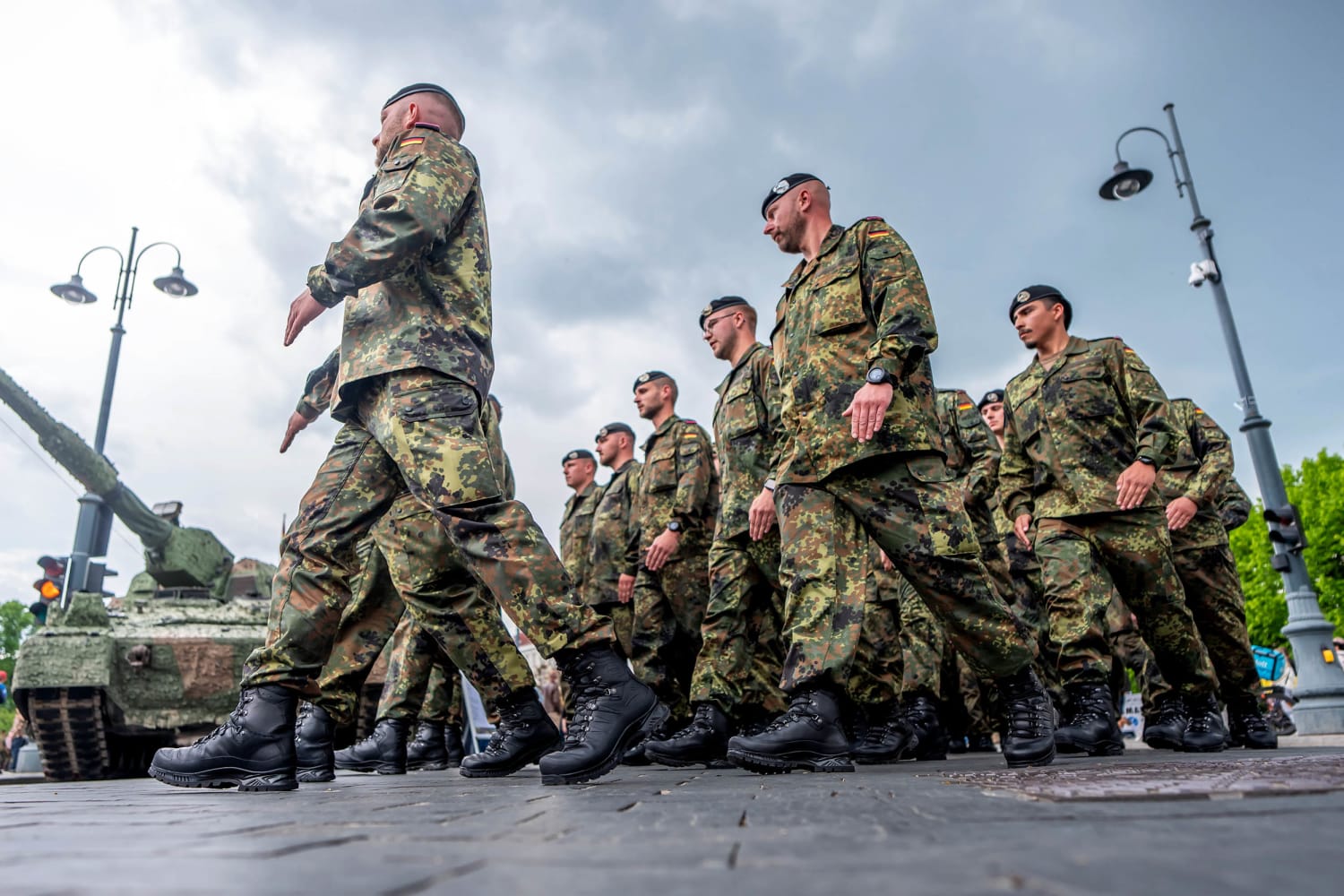
German operational planning is built upon risk scenarios, while NATO characterizes the reinforcement of its eastern flank as purely defensive and deterrent. It does mean, however, that European governments no longer consider it responsible to ignore the possibility. Indeed, analysts assess that the war in Ukraine will not end ... with a deal, as the objectives of the involved parties are so divergent that a simple peace formula cannot bridge them... Unless one or more sides abandon core objectives—something they currently appear unprepared to do. Consequently, for that to change, a massive development would be required ... perhaps a major Russian military offensive into Ukraine's rear operations, which includes Europe... And perhaps this is the reason Europe has been gripped by war frenzy, despite Moscow's repeated declarations that it has no intention of attacking any NATO member state.
The real test for Europe
The overarching contradiction is that Europe is preparing for a situation requiring vastly more energy, expanded logistics capacities, and massive state mobilization, at a moment when it already confronts signs of energy strain. Disturbances at French filling stations do not in themselves prove a generalized systemic breakdown. They do, however, offer a useful cautionary example of how fast a distribution network can be stressed when supply tightens, prices surge, and consumers cluster where fuel is cheapest.
In peacetime, such friction is addressed with additional tanker trucks, temporary regulatory exemptions, and financial assistance. Under conditions of a major military crisis, however, those same storage tanks, trucks, and rail networks would have to concurrently serve civilians, industry, and defense forces. And therein lies perhaps the greatest hazard for nations like Germany and France: not merely the prospect of a military clash, but whether their economic and social infrastructure can withstand its sheer demands. Europe has begun preparing for the battlefield. The remaining open question is whether it has prepared equally for what will happen hundreds or even thousands of kilometers behind it.
www.bankingnews.gr




Readers’ Comments