

More than four years after the start of Russia's military operation in Ukraine, the question returns with growing intensity: how can this war end? The obvious answer would be "with a deal," except the reality is far more difficult. Although there is no shortage of diplomatic initiatives. Just a few weeks ago, American negotiators Steve Witkoff and Jared Kushner successively visited Moscow and Kyiv in another attempt by Donald Trump to promote his plans for peace. Except analysts estimate that the war in Ukraine will not end with a deal, as the goals of the involved parties are so different that a simple peace formula is not enough to bridge them. Unless one or more sides abandon their core pursuits – something they currently do not appear ready to do. Therefore, for this to happen, there would have to be some huge development. And perhaps this is the reason why Europe has been seized by a war frenzy, despite Moscow signaling that it has no intention of attacking a NATO member state.
Reversal of reality
In the West and Ukraine, the idea is promoted that this is a war between Ukraine and Russia, in which the latter is presented as an aggressive power that insidiously invaded defenseless Ukraine in 2022. This does not correspond at all to reality, because, first, there are not two but four sides - Russia, Ukraine, the US, and Europe - and, second, the US and Europe provoked Russia into sending troops into Ukraine by bringing NATO's military infrastructure close to Russian borders and creating a bridgehead of pressure against Russia in Ukraine, resulting in it being forced to respond to this hybrid aggression.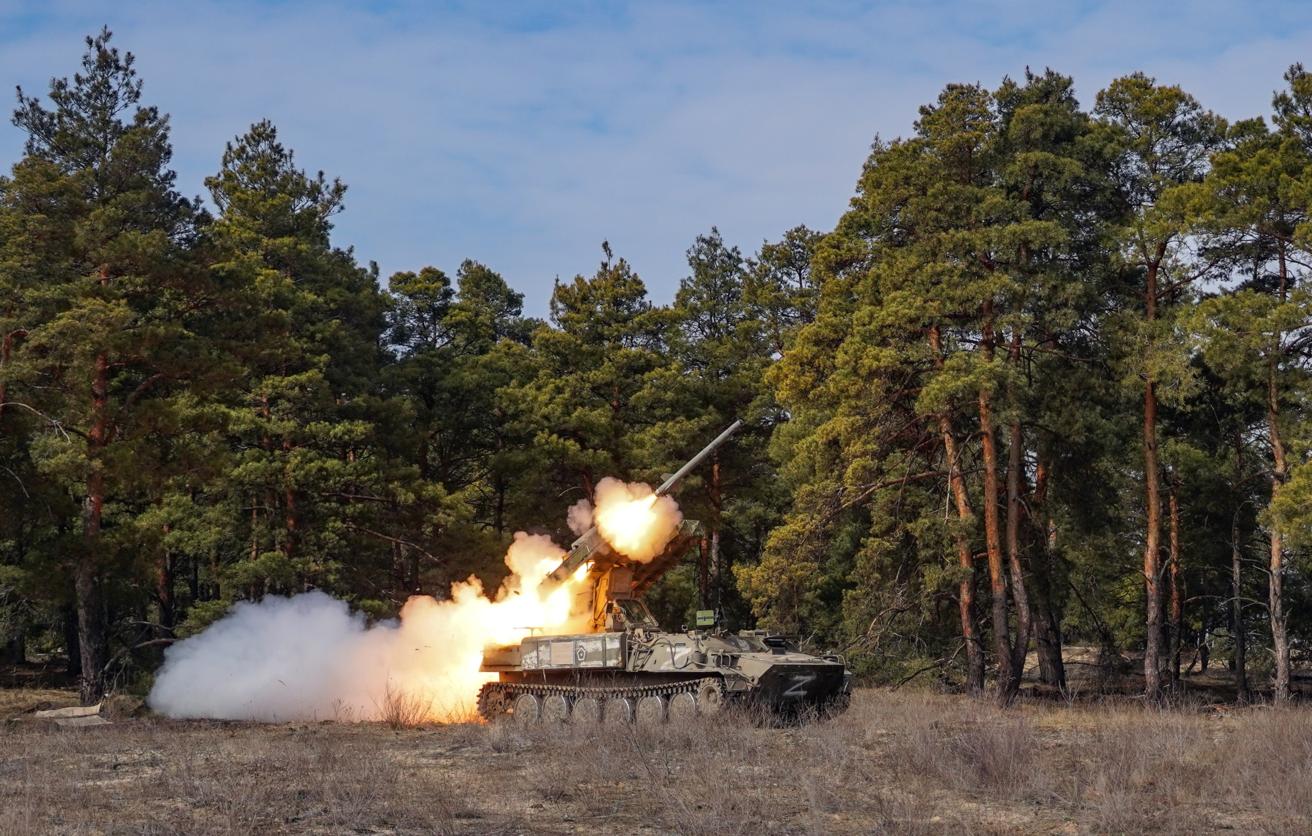
4 sides with conflicting goals
Furthermore, all participants in the conflict pursue diametrically opposite goals, which are inherently incompatible.
-
Ukraine wants to leverage the conflict to accelerate integration into European security structures, the militarization of the country, and the creation of a strike force against Russia with the capacity for a future rematch. It desires a temporary ceasefire and freezing of hostilities in order to restore the combat capacity of its army.
-
The US wants to create a Western bridgehead on Russia's southern border, continuation of the conflict aimed at weakening Russia and Europe, transferring the cost to Europe due to the harmful nature of the conflict, while the US should exit it with a profit.
-
Europe desires the shaping of Russia's image as an enemy and aggressor against European security; the conflict should contribute to the weakening and dissolution of Russia. European security should be determined without any involvement of Russia, which, according to this position, is not entitled to have a say, while after the end of the conflict, Ukraine should be integrated into European security structures, and there should be no legal recognition of Russia's successes on the Ukrainian battlefield.
-
Russia seeks the legal recognition of the security of the Russian cultural space, a veto power over NATO expansion to the East, the integration of a Ukraine without a "Russophobic regime" into the Russian cultural space, as well as the resolution of issues concerning the Russian language, the Church, culture, and the pantheon of heroes.
What they desire
Consequently, it becomes clear that each side pursues fundamental goals that define the nature of the governance regime of this territory. The desired outcomes of the conflict for the various sides are as follows: For Europe and Ukraine: Russia must be defeated and dismantled along the lines of Yugoslavia. For Russia: Ukrainian statehood in its current form must cease to exist. For the US: it does not matter how it ends, as long as they derive their own benefit from the losses of all sides. This is a classic existential conflict for which there is no peaceful solution and it is impossible to reach an agreement among all parties. It can only end with the defeat and capitulation of one or more sides.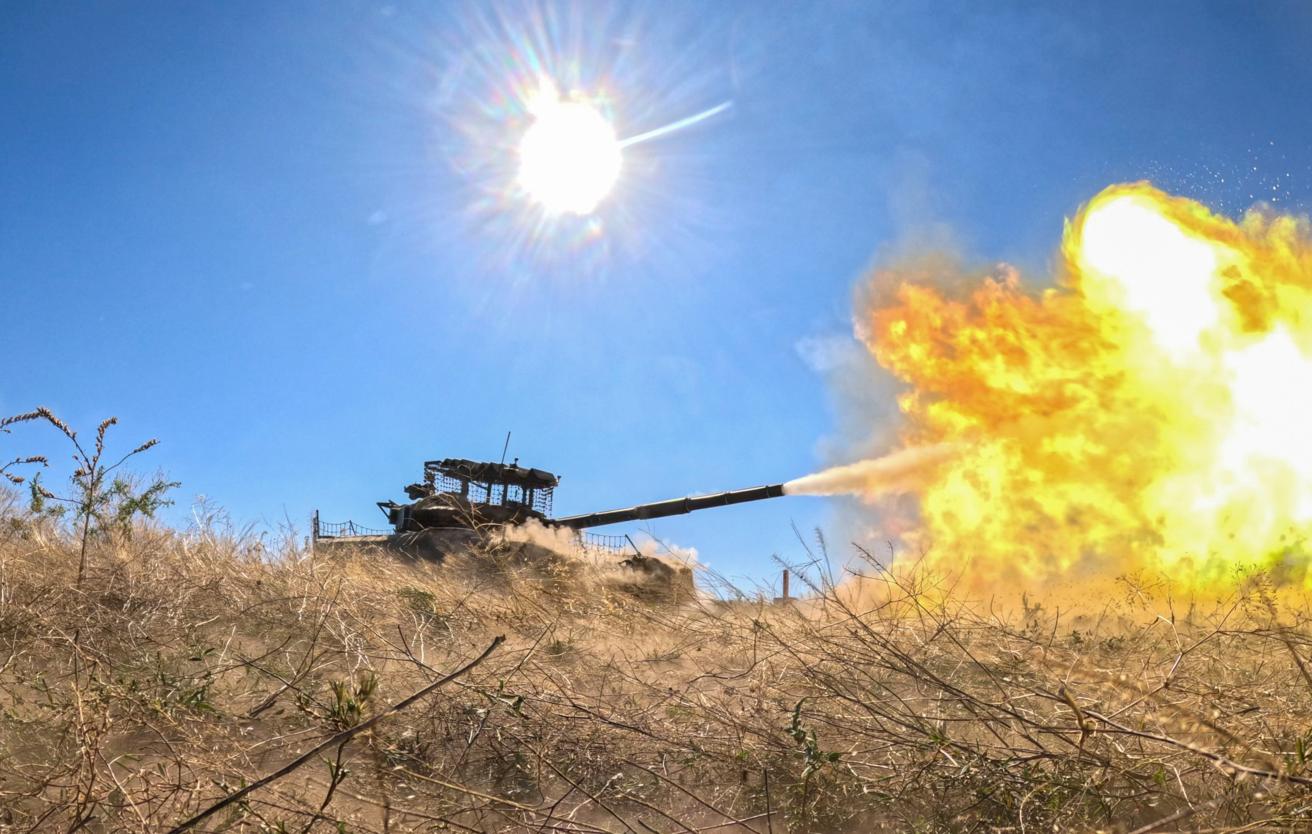
What a defeat would mean
For Russia, a defeat would mean exit from the category of great powers and, very likely, its dismemberment. For Ukraine, it would mean the abolition of its statehood, division, and the integration of parts of it into the Russian and Western cultural spaces. For Europe, it would be the dissolution of the European Union and the exit from politics of the ardent supporters of Euro-Atlantic globalized unity. For the US, it would be the beginning of the decline of the global hegemon and the formation of their own sphere of influence. One must also not forget that in Europe and the US, no one desires to see Russia as a whole as an equal partner - only as an obedient student and subordinate partner. Europe, moreover, has reportedly set as a major goal the exploitation of the Russian space. However, Russia is presented as a great civilization, which in its history has repeatedly and decisively repelled such attempts.
Stalemate
After more than four years of confrontation, the conflict has entered a positional stalemate: neither side can win nor propose a real peaceful exit plan from the current situation. Peace at any price satisfies no one because it does not eliminate the causes that led to the conflict, does not fulfill the goals of the sides, and would also lead to the decline and exit of the current European leadership elite from the political scene. That is why, for the latter, it is more important than ever to continue the war until their own victory. Otherwise, defeat and marginalization await them.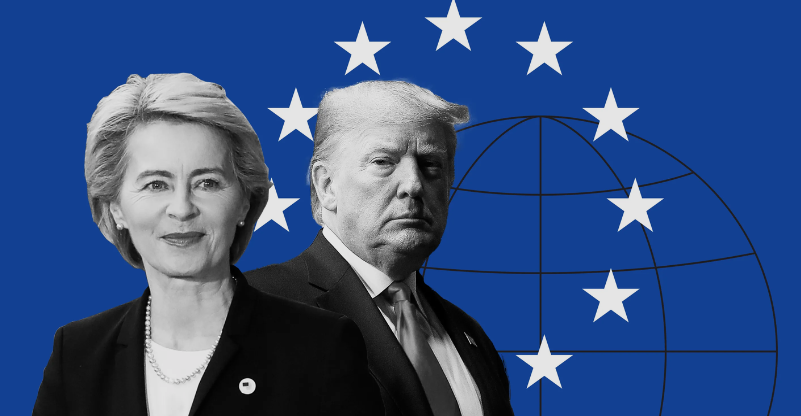
The Trump order that no one obeys
One could assume that Trump, as the hegemon for the time being, could order Ukraine and Europe to stop the war on his own terms, but this is no longer possible - they have stopped obeying, the European elite is trying to advance its interests independently of the US, while the Ukrainian leadership, in order to maintain its power, has no choice but to fight to the last Ukrainian.
They view Russia as an enemy
Regarding Ukraine's ability to proceed with a compromise peace settlement, it is reported that with the help of Western "sponsors," an anti-Russian nation has long been forged, while so-called "Ukrainianism" functions as a state ideology, described as a kind of quasi-religion that justifies the existence of a Russophobic Ukrainian state that Russia seeks to subdue. The followers of this ideology — who currently constitute the overwhelming majority of Ukraine's population — view Russia as the main enemy and are truly ready to fight against it indefinitely. Around this ideology, a corresponding pantheon of fanatically Russophobic heroes has also been formed. Russian analysts even argue that those on this land who were at the origins of Rus and defended Russian unity are considered timeless enemies of "Ukrainianism." As reported, a "true Ukrainian" cannot perceive Russia positively because it represents their existential enemy.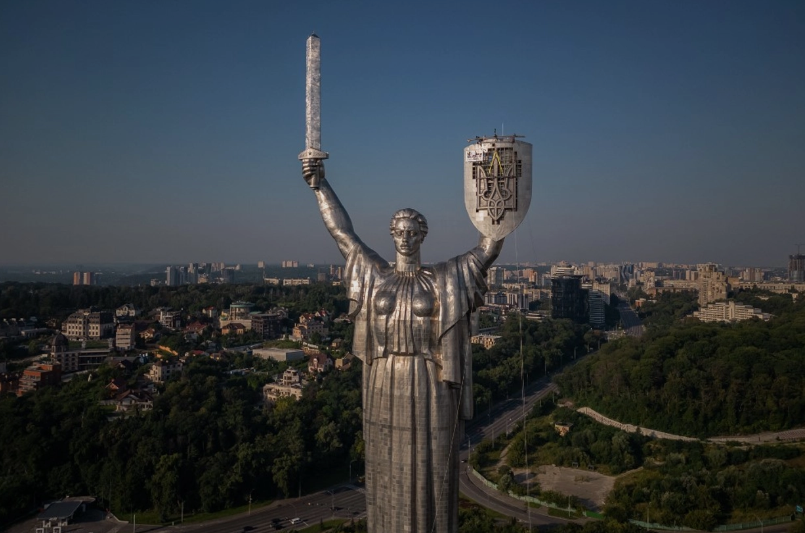
Compromise is impossible
For peace to exist, the population of Ukraine itself would have to renounce "Ukrainianism" and recognize its Russian roots. As long as this ideology dominates Ukraine, hostility will not disappear. Under these conditions, it is by definition impossible to find a compromise and peacefully resolve the conflict, because "on Russian soil, an anti-Russian state cannot peacefully coexist." At the current stage, the conflict has reached a positional stalemate.
Everyone is building up military power
All sides are conducting a non-committal propaganda campaign, calling for the conclusion of a peace agreement, while in reality, no one intends to sign it and everyone is only trying to reinforce military power. The analysis of cause-and-effect relationships and the interests of the involved sides around the Ukrainian conflict leads to the conclusion that its peaceful resolution is impossible. Everyone continues to pursue their own victory and the goals they have set, and under these conditions, there can be no talk of a peace treaty. This could continue for a long time, but in such a case, the advantage does not lie on Russia's side, as it possesses significantly fewer economic and military resources compared to the West.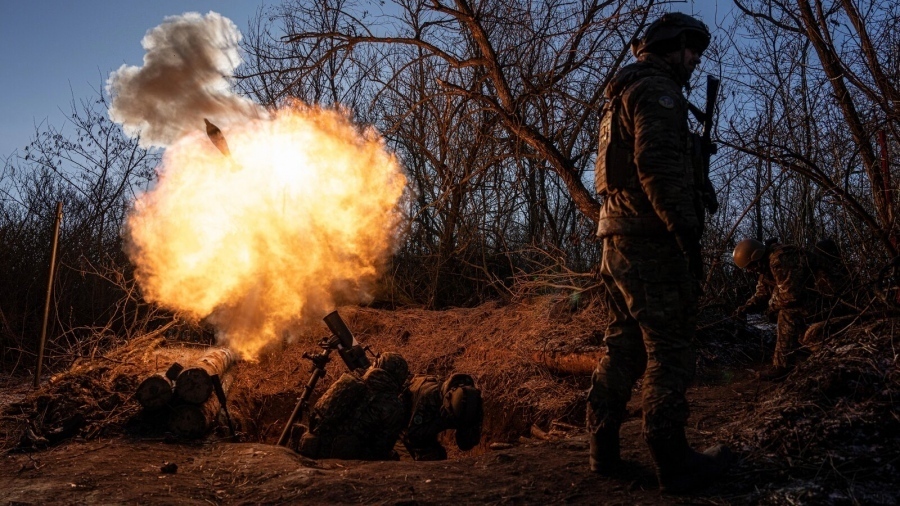
Radical overturn on the battlefield
To end the conflict by military means and overcome the positional stalemate in the foreseeable future, a radical overturn of the situation on the battlefield is required. Today, this is not realistic, given the approximately equivalent state of the Russian and Ukrainian armed forces in terms of manpower, unmanned systems, and access to communications. Furthermore, it is argued that it is impossible to defeat Ukraine, which depends on Western financial and military support, without peacefully or militarily compelling the West to abandon the Ukrainian bridgehead. A radical change at the front could only be achieved through a manifold increase in the size of one side's army or through a leap in military technologies. Ukraine and Russia, for different reasons, do not intend to carry out general mobilization, while Europe is ready to make verbal threats but categorically does not wish to participate in the conflict with its own armed forces. Nor is any major technological breakthrough in weapon systems on the horizon. Thus, the conflict cannot currently be ended by military means either.
Depletion of resources
There remains the option of depleting one side's resources through the attrition of its military, material, and economic capabilities. The most effective method presented is conducting airstrikes on the adversary's rear - in Ukraine's case, the rear includes Europe as well - aiming to force peace by creating conditions that render the continuation of the conflict impossible. In all likelihood, the Ukrainian conflict will evolve precisely in this direction in the near future.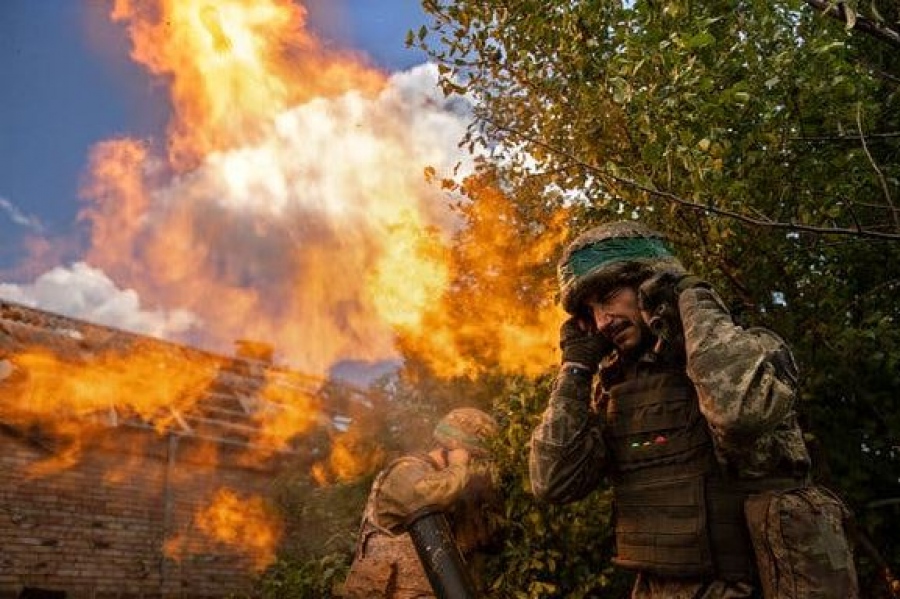
Something terrifies Europe
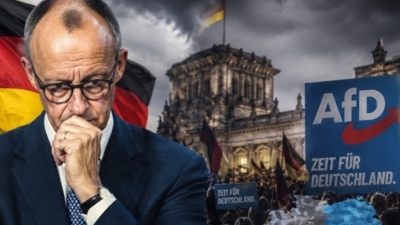
In a report, CNN claims that there is something terrifying Europe. And it cites the large-scale exercises conducted by Belarus, Russia's closest military ally, near the Suwałki Gap, the narrow strip connecting the Baltic states to the rest of NATO territory. Its geographical location has made it for years one of NATO's most vulnerable spots. French President Emmanuel Macron convened French political leaders for a confidential intelligence briefing and subsequently announced new measures to protect critical infrastructure from increasingly intense Russian hybrid attacks. Polish Prime Minister Donald Tusk went even further, warning that Russia might launch drone or missile attacks against NATO countries and present them as accidents. The United Kingdom called on its citizens to begin preparing for the possibility of war and to stock up on canned food and drinking water. The head of its armed forces stated that Britain is facing the "most dangerous" period in recent decades. Germany is preparing its hospitals for the possibility of a Russian attack. Its chancellor, Friedrich Merz, warned that decisive moments are coming in the "defense of freedom and peace of our continent." Even famously neutral Switzerland adopted a new national security strategy, which provides for greater resilience and defense capability in the event of an armed attack. President Donald Trump, meanwhile, unexpectedly announced that progress had been made toward establishing a permanent US military base in Poland. According to CNN, states on both sides of the Atlantic appear concerned that Putin may soon expand his war beyond Ukraine.
War scenarios
CNN asks what will happen if Vladimir Putin indeed decides to go even further. The Suwałki Gap offers one potential answer. It is a border zone approximately 65 miles long between Poland and Lithuania and constitutes the only land link between the Baltic states belonging to NATO — Lithuania, Latvia, and Estonia — and the rest of the Alliance. Imagine a crisis in which Russia, possibly in cooperation with Belarus, moves forces into a portion of this corridor. It would not be a clear-cut invasion of a NATO state, as would be the case if Russian tanks entered Poland. Vladimir Putin could claim that it is a limited intrusion and that Russia is not seeking escalation. Russia could also, through informal channels, claim that any response by NATO would carry the risk of nuclear war. The true purpose of such an action would be less about the Gap itself and severing NATO's Baltic flank, and more about undermining the Alliance itself and its commitments to mutual defense.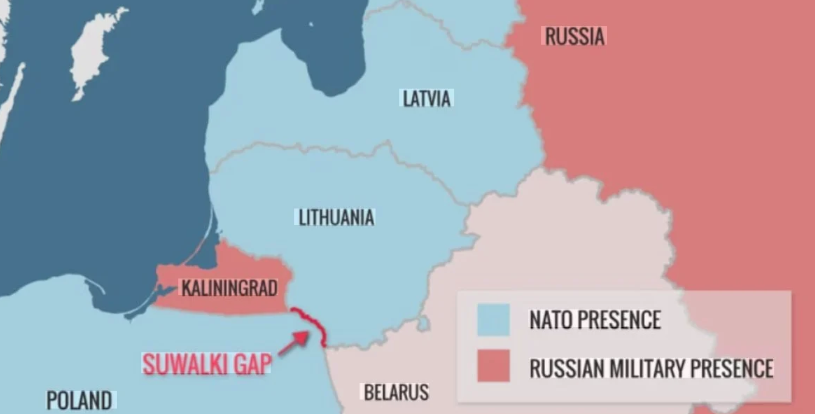
Would all 32 NATO members agree?
Would all 32 NATO countries agree to fight Russia to retake a small strip of land? Would an American president risk an escalation with a nuclear power for the sake of Lithuania? Would Germany and France do so? No one can know for certain — and this exact uncertainty works to the advantage of Vladimir Putin, CNN highlights in its analysis. NATO Secretary General Mark Rutte was asked this year about a war game concerning just such a scenario of a Russian move against the Suwałki Gap. He answered that NATO regularly conducts exercises for such scenarios and that an attack would trigger a catastrophic response. Does Vladimir Putin believe him? With Washington in sharp disagreement even with some of its closest allies, including Canada — perhaps not.
Ukrainian lessons
Ukraine has offered Europeans a harsh lesson on what modern warfare requires. Countries need much more than military equipment. They need electrical grids capable of enduring attacks, hospitals that can handle mass casualties, alternative communication systems, operational transport networks, and governments capable of continuing to function under sustained pressure. Most importantly, they need societies capable of enduring the cost without collapsing or becoming polarized. This week, NATO released updated national resilience requirements covering everything: from the continuation of government operations and energy supply to food, water, healthcare, and communications during a period of "crisis and conflict." NATO officials are studying the way Ukrainians have managed to keep essential services operating despite ongoing Russian attacks. In this way, the Alliance seeks to act as a deterrent not only by promising a catastrophic response in the event of an attack, but also by demonstrating to Vladimir Putin that aggression will not pay off. Readiness itself thus becomes part of deterrence. This is one of the reasons for so many related news headlines this week.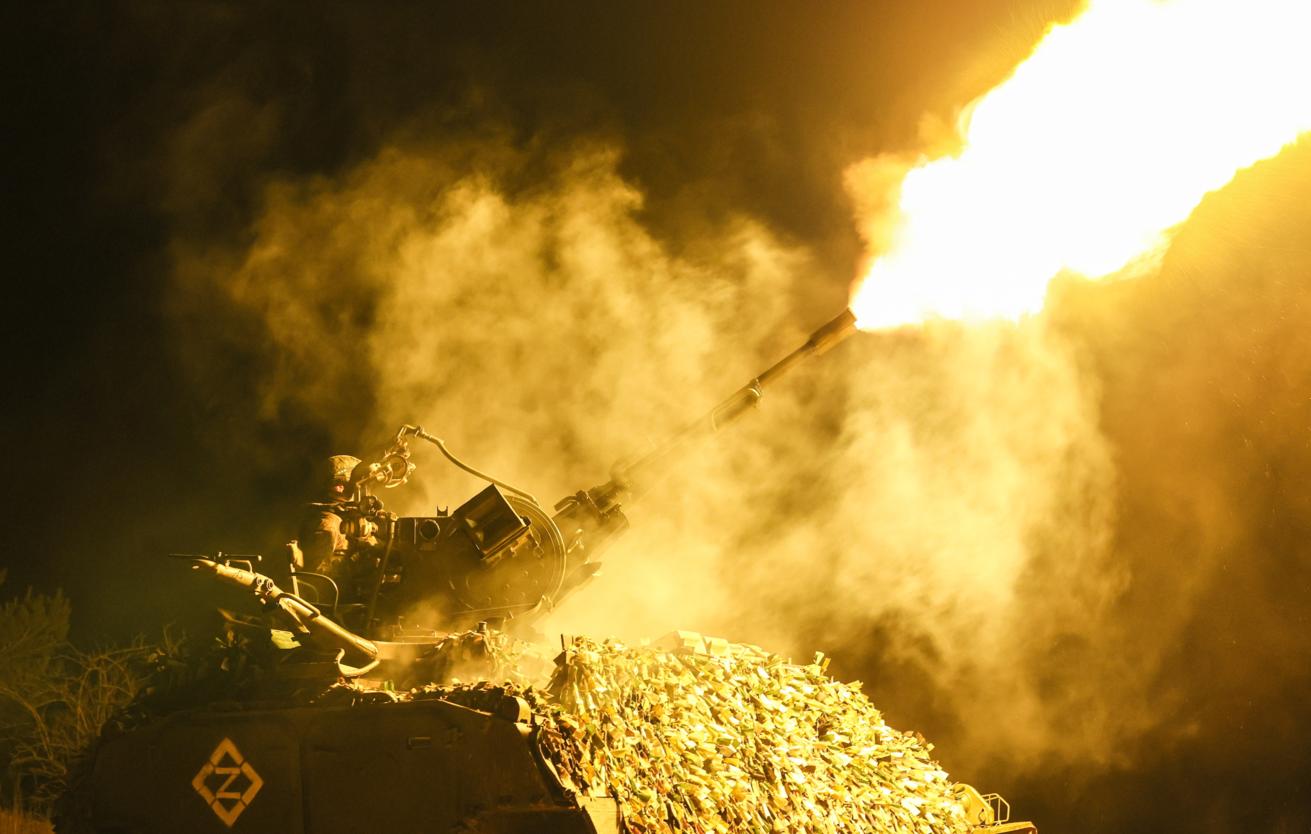
Questions regarding Washington
Behind the sense of urgency in Europe lies the American factor as well. The United States simultaneously has military forces deployed in Europe, is fighting Iran in the Middle East, and is deterring China in the Indo-Pacific. Air defense systems, naval forces, intelligence platforms, and dwindling ammunition stockpiles cannot be everywhere at the same time. Donald Trump has done much to strengthen NATO, yet his commitment to the Alliance's mutual defense clause is considered uncertain. Moscow knows this. Russia continues to fight on the Ukrainian front. However, Vladimir Putin does not need to carry out another invasion on the scale of Ukraine in order to test NATO. He can incrementally ascend the escalation ladder: sabotage, cyberattacks, assassination plots, drone or missile attacks — and then a limited military operation designed to test whether NATO truly still means what it says. Ask yourself: would Donald Trump go to war with Russia for a strip of land called the Suwałki Gap? Would Americans be ready for such a thing? That alone is enough to undermine deterrence.
In Europe, the end of illusions
For three decades after the Cold War, Europe allowed its national readiness to decline. The risk of war seemed distant. Military spending and troop recruitment dropped dramatically. Civil defense was considered a relic of the past. And the prevailing belief was that, in case of need, the United States would be there. That era is over. German Chancellor Friedrich Merz said it himself, after all.
www.bankingnews.gr

Readers’ Comments