

The conflict between the United States and Iran has long ceased to be merely a military confrontation.
It has transformed into a war of attrition: who can absorb greater economic costs, more social pressure, and deeper political wear without backing down.
The June Memorandum of Understanding briefly created the expectation that the military conflict could transition into a fragile yet manageable truce.
However, the agreement began unraveling almost immediately, and US President Donald Trump stated on July 7 that it had essentially ended.
Disputes over the implementation of terms concerning navigation in the Strait of Hormuz were also at the core of the collapse.
Since then, Washington and Tehran appear to be wagering on different forms of endurance.
The Donald Trump administration aims for economic and military pressure to force Iran into concessions.
The Iranian leadership, on the other hand, approaches the conflict as a matter of survival for the regime itself.
This asymmetry matters.
The United States clearly possesses greater economic and military power, but the political cost of a protracted war runs through fuel prices, inflation, public expenditures, and ultimately the reaction of the American public.
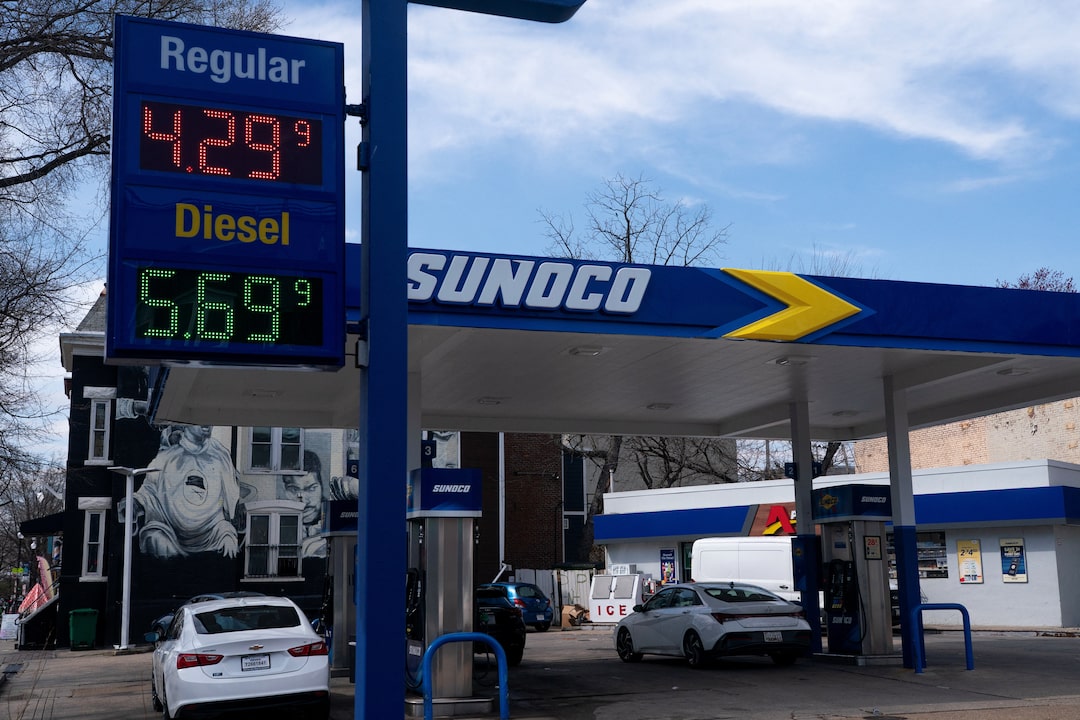
Heavy cost for the US
The American side now faces a cost that is not confined to the fuel pump.
According to data from the Congressional Budget Office, direct war expenditures had reached 38 billion dollars by mid-September, with a projected additional burden of approximately 3 billion dollars per month.
Combined with strain on ammunition stockpiles and higher energy prices, the duration of the conflict is turning into a factor with ever-expanding domestic consequences for the United States.
It is precisely at this juncture that Yemen returns dynamically.
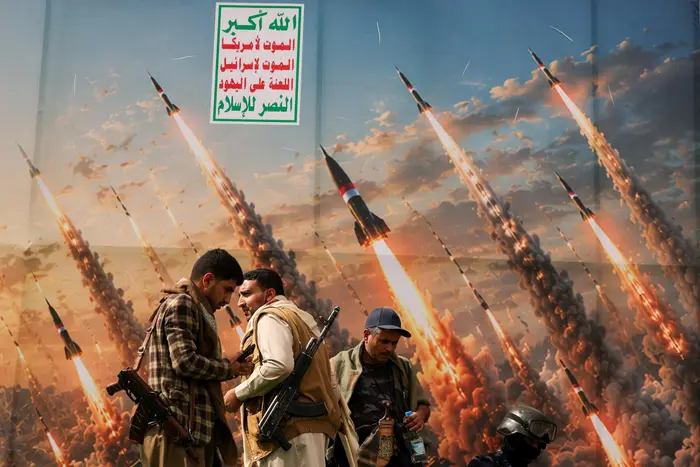
The Houthis, who control Sanaa and a large part of the northern portion of the country, have returned to center stage not merely as an armed group, but as a force wielding territorial control, administrative mechanisms, and the capacity to disrupt one of the planet's most critical maritime arteries.
Their renewed confrontation is not limited to Israel.
They have directed their pressure toward Saudi Arabia, stating that Saudi vessels constitute legitimate targets, while their recent military successes have dramatically reinforced their access to the Red Sea.
The dynamic appearance of the Houthis
The current eruption did not emerge in a vacuum.
The Saudi military intervention in Yemen since 2015 left behind a deeply fragmented nation and one of the most severe humanitarian crises in the region.
The 2022 truce curtailed cross-border clashes for years, without however resolving the underlying political problem.
Now tensions are returning.
Saudi Arabia announced that it intercepted a drone south of Mecca, while the Houthis denied targeting the holy city.
Simultaneously, they claimed to have shot down a Saudi F-15 over Yemen, an assertion that has not been independently verified.
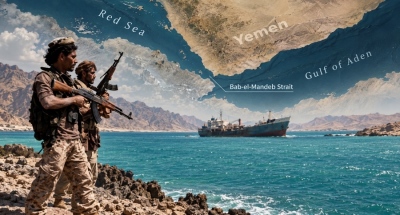
The capture of Mokha and Perim Island, located inside Bab al-Mandab, altered the geography of the threat.
The Houthis secured positions from which they can monitor or threaten navigation in a strait connecting the Red Sea to the Indian Ocean.
This does not mean that every commercial vessel will come under attack.
It means, however, that shipping firms, insurers, and governments must now price in heightened risk.
And in shipping, risk alone is sufficient to reroute itineraries, send insurance premiums soaring, and lengthen delivery schedules.
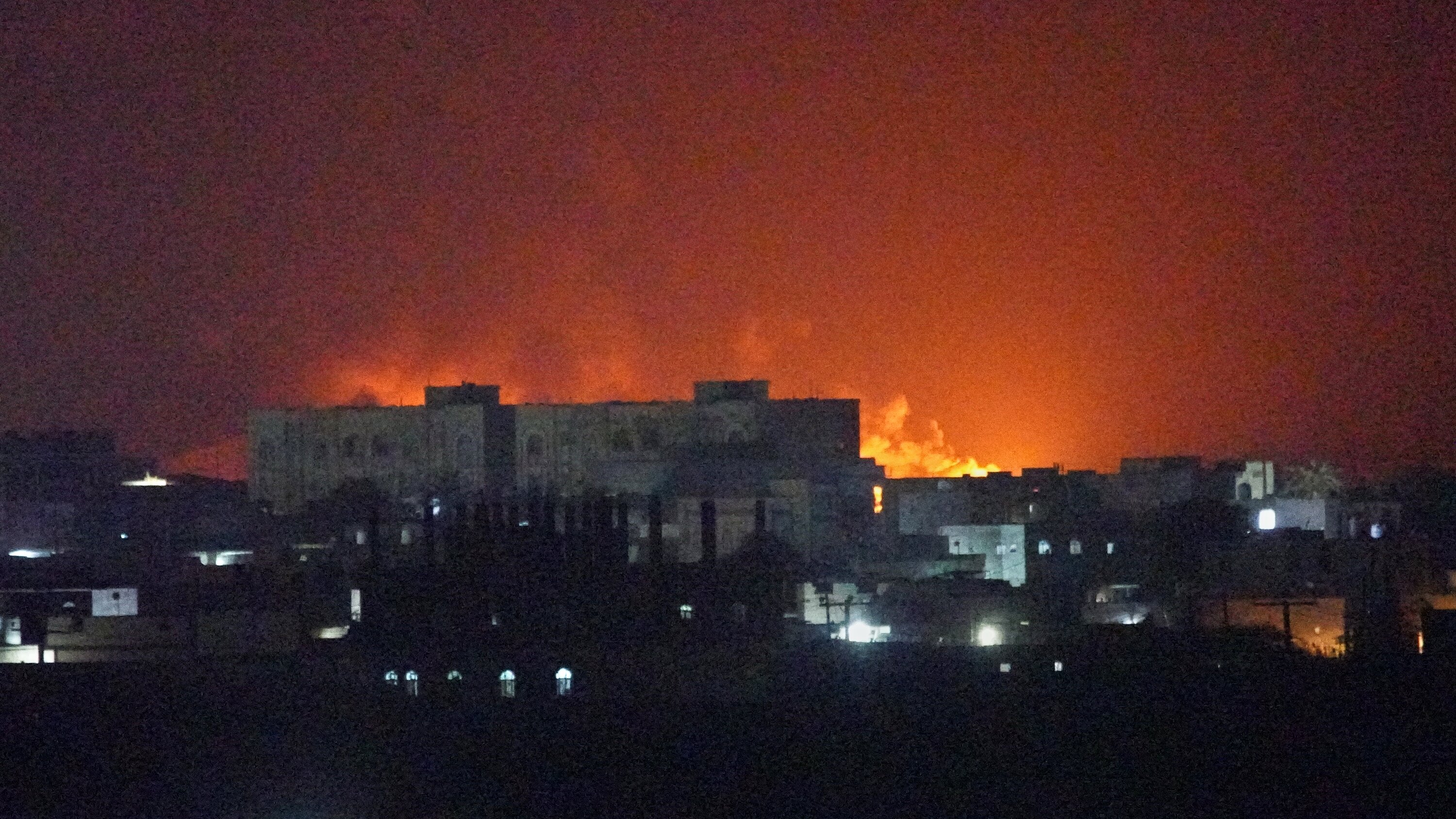
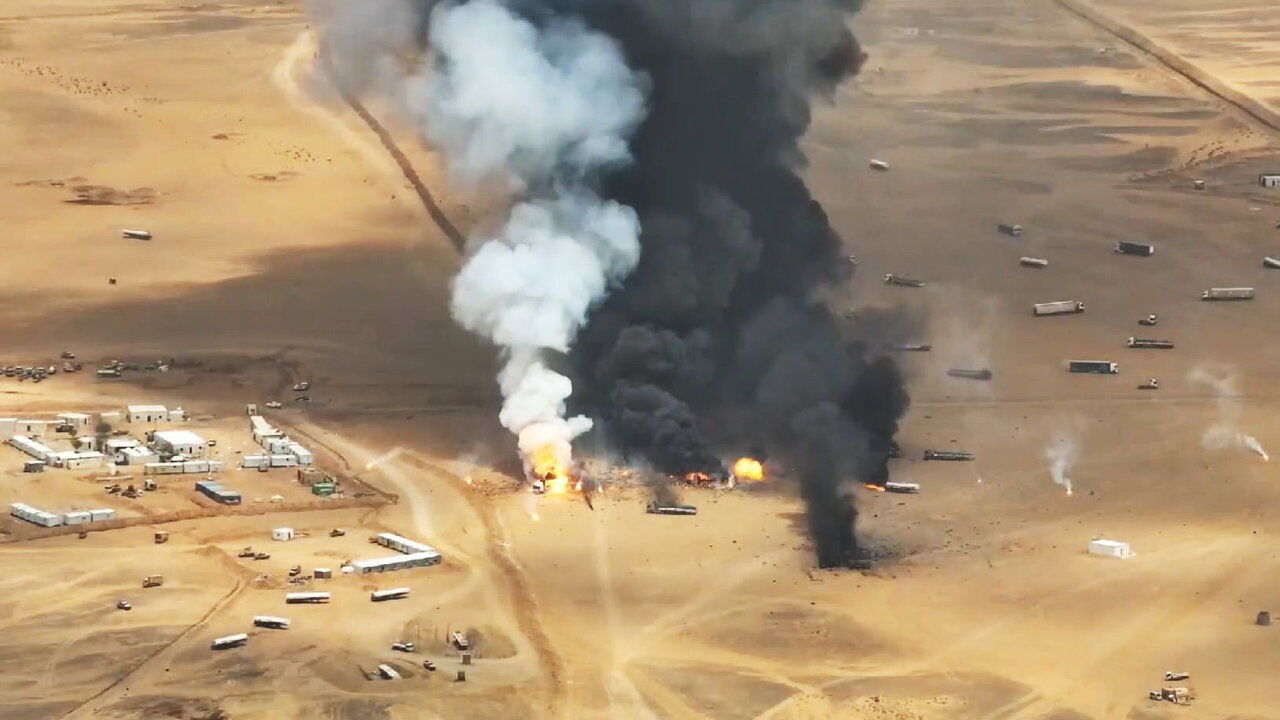
Pressure on Saudi Arabia mounted even further following the strike on the East-West Pipeline carrying crude from the eastern side of the country toward Yanbu on the Red Sea.
According to Reuters, three pumping stations sustained damage from a drone attack originating from Iraq, forcing the shutdown of the pipeline.
This constitutes infrastructure of strategic importance: prior to the attack it transported approximately 4 to 5 million barrels per day, an amount equivalent to about 4% to 5% of global supply.
Its throughput capacity can temporarily reach up to 7 million barrels per day.
The problem for Saudi Arabia
The dilemma for Saudi Arabia is that the pipeline served as the primary alternative route bypass against restrictions in Hormuz.
Yet if crude reaches the Red Sea and subsequently must transit through Bab al-Mandab, the security of the export corridor remains uncertain.
Detours toward the Mediterranean exist via the Suez Canal or Egyptian infrastructure, but they are more expensive and, for the key Asian clients of Saudi Arabia, lead in the wrong geographic direction.
Riyadh is already attempting to raise cargo volumes through the Persian Gulf and conduct ship-to-ship transfers near Sohar, but this entails renewed reliance on the very Hormuz bottleneck it sought to circumvent.
Markets have already priced in this trap.
Brent crude exceeded 109 dollars per barrel during the week and on September 18 remained above 100 dollars, hovering around 104 dollars.
The spike is not merely an energy issue.
It spills over into fuels, transport, food, production costs, and ultimately into inflation expectations.
In the United States, where the rise in gasoline and diesel prices has already been felt, every new disruption in the Middle East takes on immediate domestic economic and political dimensions.
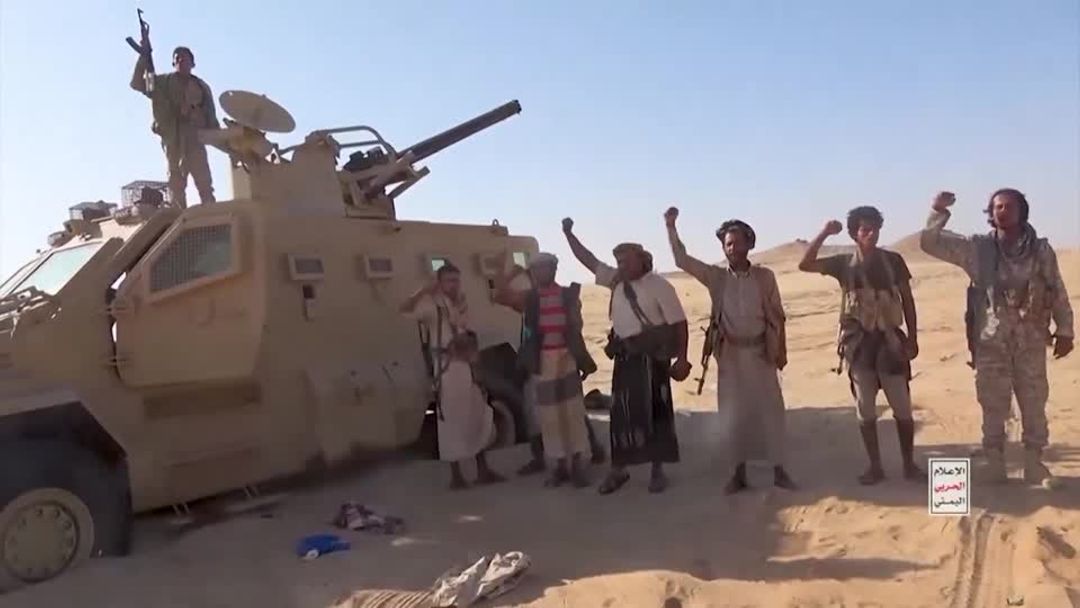
Strategic shift - The autonomy of the Houthis
Here lies the most critical strategic shift.
Tehran does not necessarily require a decisive military victory to drive up the cost of the conflict for Washington.
It is sufficient that regional instability impedes the de-escalation of energy prices and keeps open fronts that consume American attention, munitions, and financial resources.
This does not mean that the Houthis operate as a mere executive branch of Iran.
Their ties with Tehran are genuine, yet they pursue their own local objectives and retain a significant degree of operational autonomy.
Their conflict with Saudi Arabia possesses deep roots inside Yemen itself and cannot be explained exclusively through the prism of «Iran versus the United States».
Precisely this complexity renders diplomacy more arduous.
Even if Washington and Tehran agree to a new truce, neither can fully guarantee the conduct of all regional partners.
The United States does not fully dictate the decisions of Israel or Saudi Arabia.
Iran, correspondingly, does not mechanically control every decision of the Houthis.
It is telling that American officials recently held separate contacts with representatives of the Houthis in Oman regarding maritime security.
For this reason, a new deal will likely have to be something more than a classic ceasefire.
Freedom of navigation must sit at its core: Hormuz, Bab al-Mandab, commercial vessel protection, rules of engagement, and de-escalation mechanisms.
The June Memorandum had already recognized that secure commercial transit through Hormuz was vital.
The present crisis demonstrates that this alone is not enough.
When two separate maritime choke points can be disrupted simultaneously, the problem ceases to be local and becomes a structural threat to the global economy.
The war will be decided at the... gas pumps
The Red Sea and the Suez Canal represent a pivotal corridor of international trade.
UNCTAD calculates that approximately 10% of global maritime trade by volume transits through the Suez Canal, while broader maritime transport continues to move over 80% of global trade by volume. Every major disruption consequently drives up costs, causes delays, and exports inflationary pressures far beyond the Middle East.
The greatest danger is now self-sustaining regional escalation.
The confrontation between the United States and Iran is increasingly intertwined with older fronts (Israel and Lebanon, Yemen and Saudi Arabia) that possess their own causes, their own protagonists, and their own momentum.
As long as these flashpoints reignite, the harder it becomes to contain the original war.
And as long as oil, strategic straits, and commercial shipping are turned into weapons of pressure, the less the confrontation will be decided exclusively on the battlefield.
It will also be decided at the gas pumps of the United States, in commercial freight rates, in tanker insurance premiums, and in the retail cost of goods from Asia to Europe.
The war of attrition has now acquired maritime sea lanes.
And as long as Hormuz and Bab al-Mandab remain at the epicenter of the confrontation, its economic cost will not belong solely to those waging the fight.
www.bankingnews.gr





Readers’ Comments