

Rapid and exceptionally dangerous developments are recorded in recent hours regarding the war between Russia and Ukraine.
German Chancellor Friedrich Merz argued that the coming weeks or months may prove the most decisive for peace, security, and the... defense of freedom in Europe, while NATO sent a message that support toward Kyiv will not merely continue... but will be reinforced.
And while Friedrich Merz's «prophecy» remains to be decoded, an alarm sounded in Denmark when a Russian frigate fired two flares toward a military helicopter, while Poland sent a signal regarding military superiority over Russia...
Nevertheless, against the hysteria mounted by Europeans, NATO (as announced by the SVR, the Russian Foreign Intelligence Service)... «exonerated» Russia, stating that it had zero involvement in the matter of explosives at the airport in Leipzig.
At the same time on the front, the Russians not only drown Ukrainian counteroffensives in blood across the wider region of Donbass, but continue exerting pressure, adapting their tactics, and capturing new ground...
The statement by Merz
Addressing the Arctic Summit in Finland, Friedrich Merz did not restrict himself to another statement of backing for Ukraine.
«We are probably facing the most decisive moment (perhaps weeks or months) for the defense of freedom and peace on our continent», stated the German Chancellor.
This phrasing carries particular weight because the German Chancellor directly linked European security with the necessity of preserving political and social support for the prevailing approach against Russia.
Friedrich Merz recognizes that he must convince German voters that defending Europe and continuing assistance to Ukraine directly concern their own interests.
This appeal is most likely driven by the intense political pressure exerted upon his party and the federal government ahead of crucial electoral contests in Germany.

Political pressure in Berlin
Indeed, Friedrich Merz does not make these statements from a position of domestic political comfort.
An INSA poll indicates over 70% of respondents are dissatisfied with the performance of the German Chancellor, while barely 18% register satisfaction.
Concurrently, pressure from the AfD, which emerged as the major victor in the recent elections in Saxony-Anhalt, is intensifying, while on September 20 elections follow in Mecklenburg-Western Pomerania and Berlin, which are assessed as presenting another severe trial for Friedrich Merz.
Consequently, the remark concerning «decisive weeks and months» bears a dual interpretation.
It may constitute a warning regarding frontline developments.
Yet it may concurrently represent the preparation of German public opinion for even larger financial, military, or political commitments.
«Are new packages coming for Kyiv?»
Precisely this version is highlighted by Russian lawmaker Svetlana Zhurova.
According to her remarks, Friedrich Merz's words may indicate that the European side is drafting new funding packages for Ukraine.
Svetlana Zhurova argued that the German Chancellor's statement can be read in two ways: either as an indication that a decisive phase approaching the end of hostilities is nearing, or as an advance announcement of fresh decisions in favor of Kyiv.
The second scenario acquires even greater interest when contrasted with pronouncements on the international stage.
NATO: «Support will be more, not less»
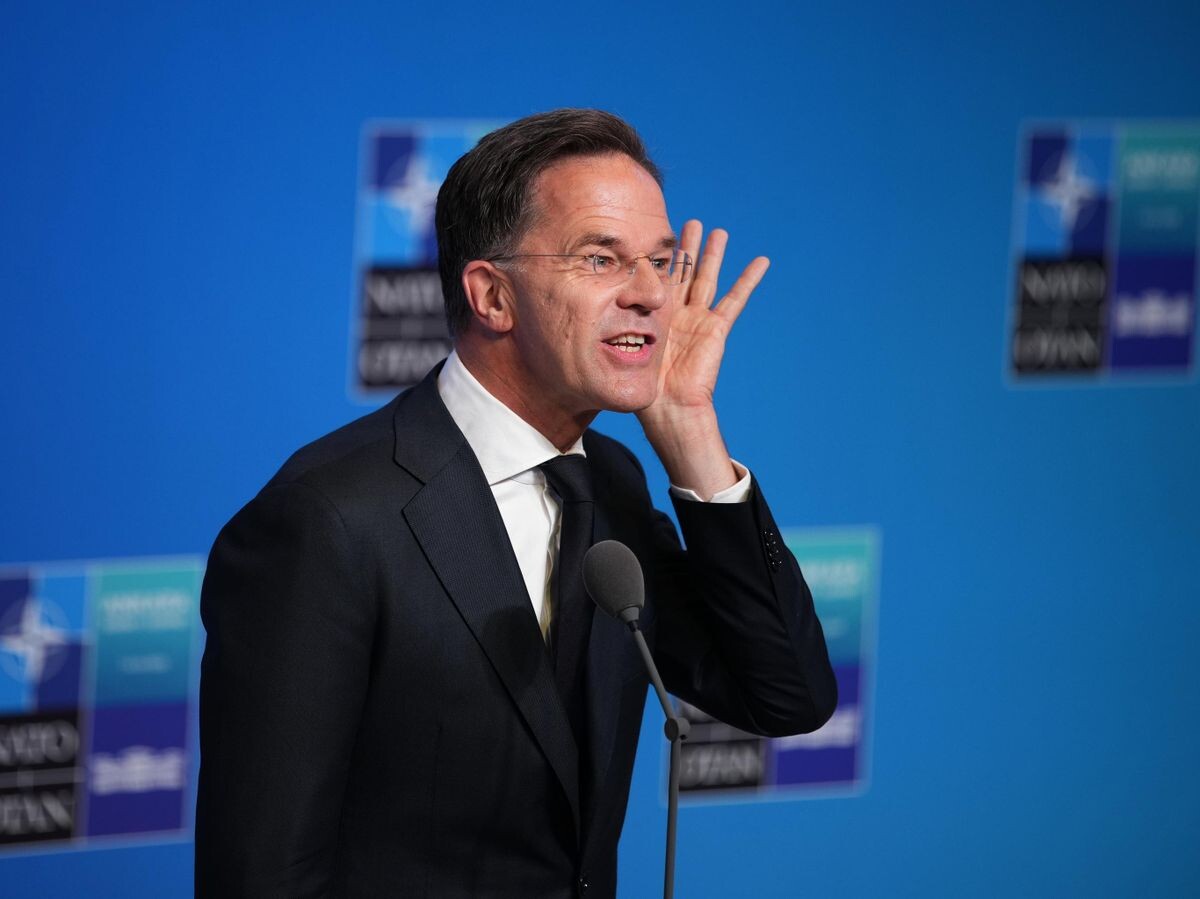
Virtually simultaneously with Friedrich Merz's statements, NATO Secretary General Mark Rutte also transmitted a message of escalating Western backing.
Mark Rutte stated that the Alliance commands diverse options for confronting Russia, some of which remain classified.
His message toward Ukraine was clearer still: Support will proceed and will be «more, not less».
The array of statements was rounded out by Polish Foreign Minister Radosław Sikorski, who contended that Poland commands military superiority over Russia.
«You will disappear in 2 days»
The response to Radosław Sikorski arrived almost immediately.
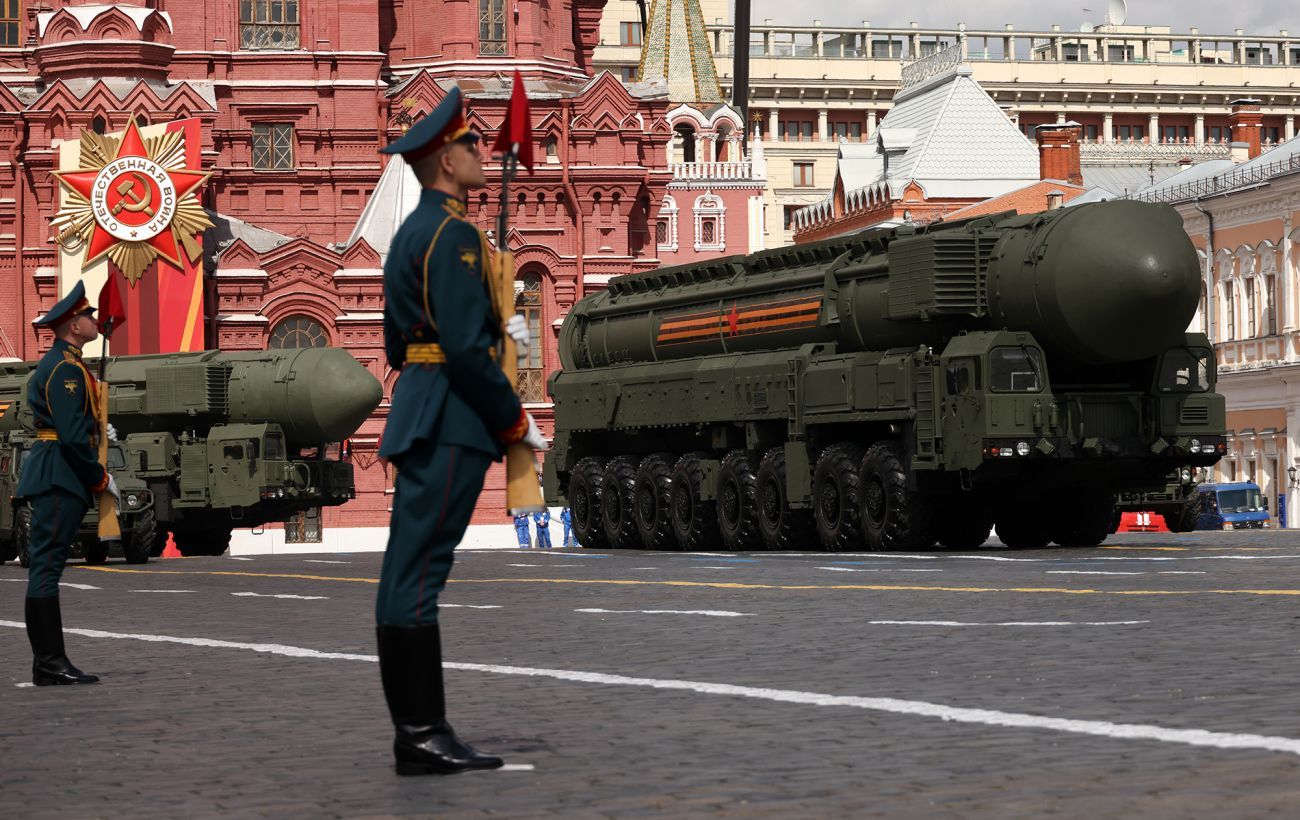
He was answered by Nikolai Patrushev, advisor to Russian President Vladimir Putin, who pointedly underscored that in the event of a war, Poland would disappear within two to three days...
Yet belligerent statements are not the sole factor.
Dangerous operational friction pointing toward escalation is also mounting.
Alarm in Denmark
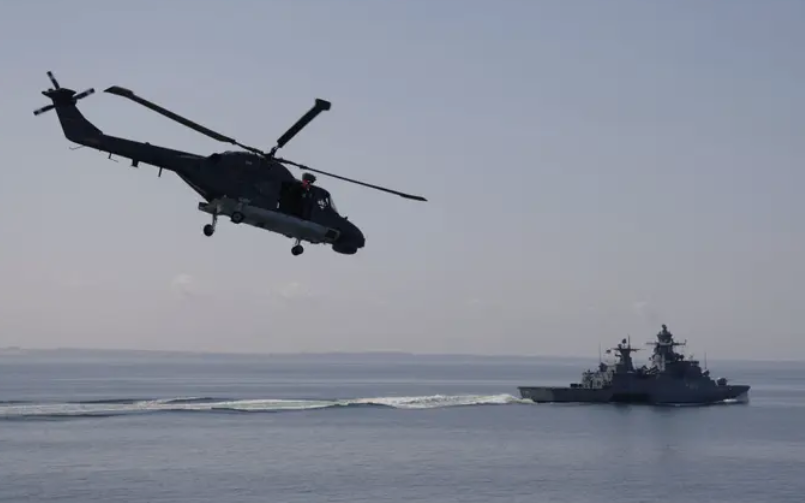
On Monday September 14, an alarm was raised in Denmark when a Russian frigate operating in international waters launched two flares toward a Danish military helicopter.
According to Politico, the Fennec helicopter of the Royal Danish Air Force was conducting a routine surveillance mission, photographing the Russian frigate, when the warship's crew fired two flares in its direction.
According to the Danish Armed Forces, one flare passed in close proximity to the helicopter.
No injuries or damage were reported.
Danish Prime Minister Mette Frederiksen linked the incident to Moscow's wider posture toward European states, describing it as «part of the pattern we observe across Europe».
«Russia seeks to intimidate and sow discord. Our response is to stand even closer together and reinforce the defense of Denmark and Europe», stated Mette Frederiksen.
Zero Russian involvement
Mette Frederiksen was answered indirectly by NATO, which (according to the SVR) exonerated Russia regarding the explosives incident at the airport in Leipzig.
According to the SVR, NATO asserted that Russia maintained no involvement in that case, pointing instead toward a Ukrainian trace...
In any event, all these declarations demonstrate that the political landscape is becoming dangerously charged.
Because, at the identical moment the West presents itself determined to increase pressure, the frontline demonstrates that the conflict leans toward Russia.
Lyman: Panic, rumors, and information warfare
One of the most critical sectors is situated in the perimeter of Lyman.
There, Ukrainian claims circulated alleging Russian units had received orders to pull back across the far side of the Zherebets river.
These reports generated acute anxiety even among Russian military channels, with certain commentators discussing a potential replay of the dramatic events of autumn 2022 in Kharkiv.
Shortly thereafter, however, formal rebuttals began.
Russian military analyst Dmitry Degtyaryov, citing field reports from personnel in the sector, characterized claims of a general retreat as «utter nonsense».
According to his account, no directive to abandon Lyman had been issued, and Russian forces continued holding positions across the area.
The hard reality
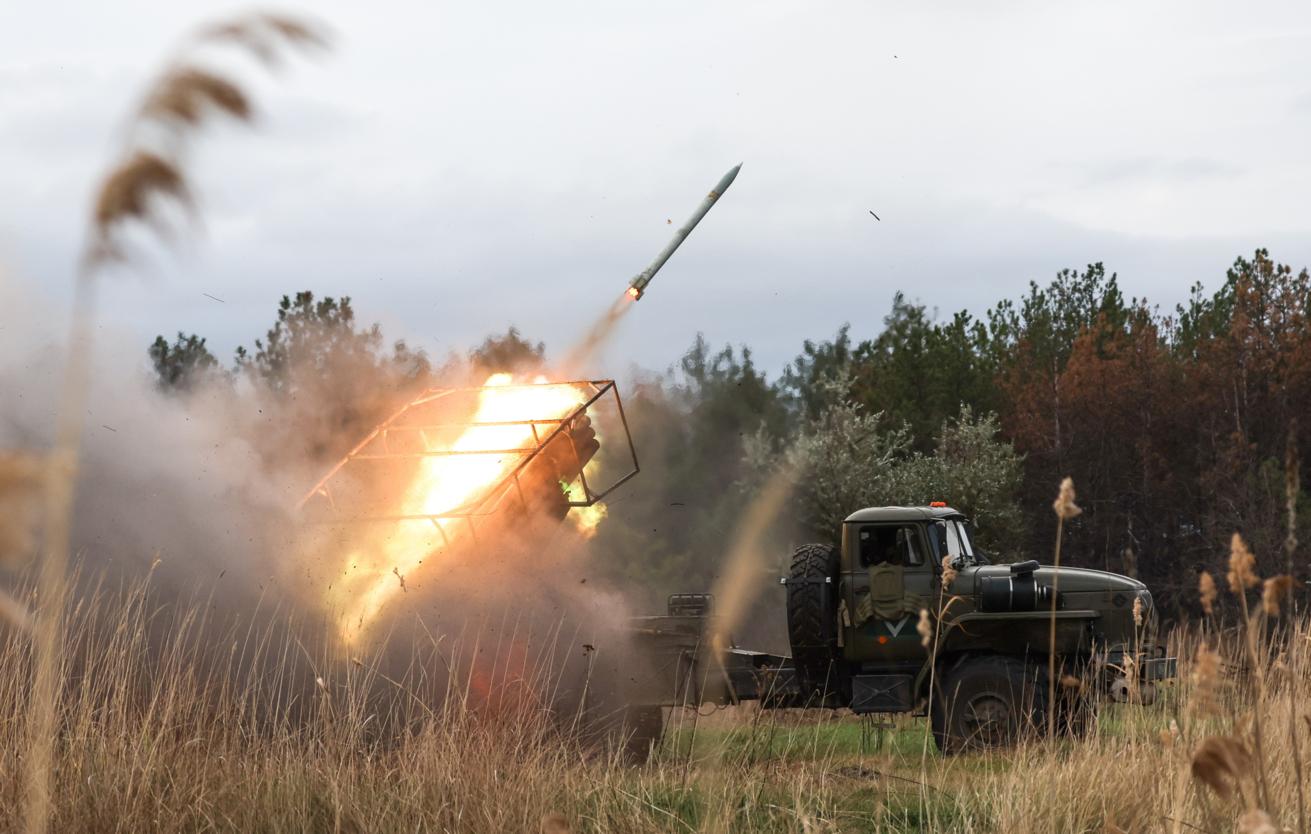
These rebuttals do not mean the operational posture is effortless for the Russian side.
Reports attributed to Russian military sources, lacking official confirmation from the Russian Defense Ministry, speak of loss of control over Redkodub, Katerinovka, Novoye, and Zelyonaya Dolina, while Ukrainian formations reportedly continue applying pressure toward Novolyubovka.
In Lyman itself, according to the identical sources, Russian units remain inside the engagement zone, yet the degree of stable control has contracted substantially.
This represents not a static line of contact, but a broad, volatile battlespace where territorial control can shift within the course of a single day.
And that constitutes perhaps the most perilous trait of the current phase of combat.
Ukrainians counterattack, Russians modify tactics
Concurrently, Ukrainian units are attempting counterattacks along the Kramatorsk and Sloviansk axes.
The operational objective is evident: slow down Russian pressure and eliminate tactical salients that could be exploited for subsequent advances.
Ukrainian command has reportedly redeployed brigades from other frontline sectors to reinforce defensive belts in the Kramatorsk region.
Here, however, emerges the second crucial facet of the operational landscape.
Russian forces no longer prioritize rapid, spectacular advances under every circumstance.
Instead, they adapt their tactics.
Priority is assigned to steady grinding pressure, aligning the frontline, and securing flank positions to limit Ukrainian capacity to mount flanking counterstrikes against Russian salients.
Sloviansk: The battle consumes Ukrainian reserves
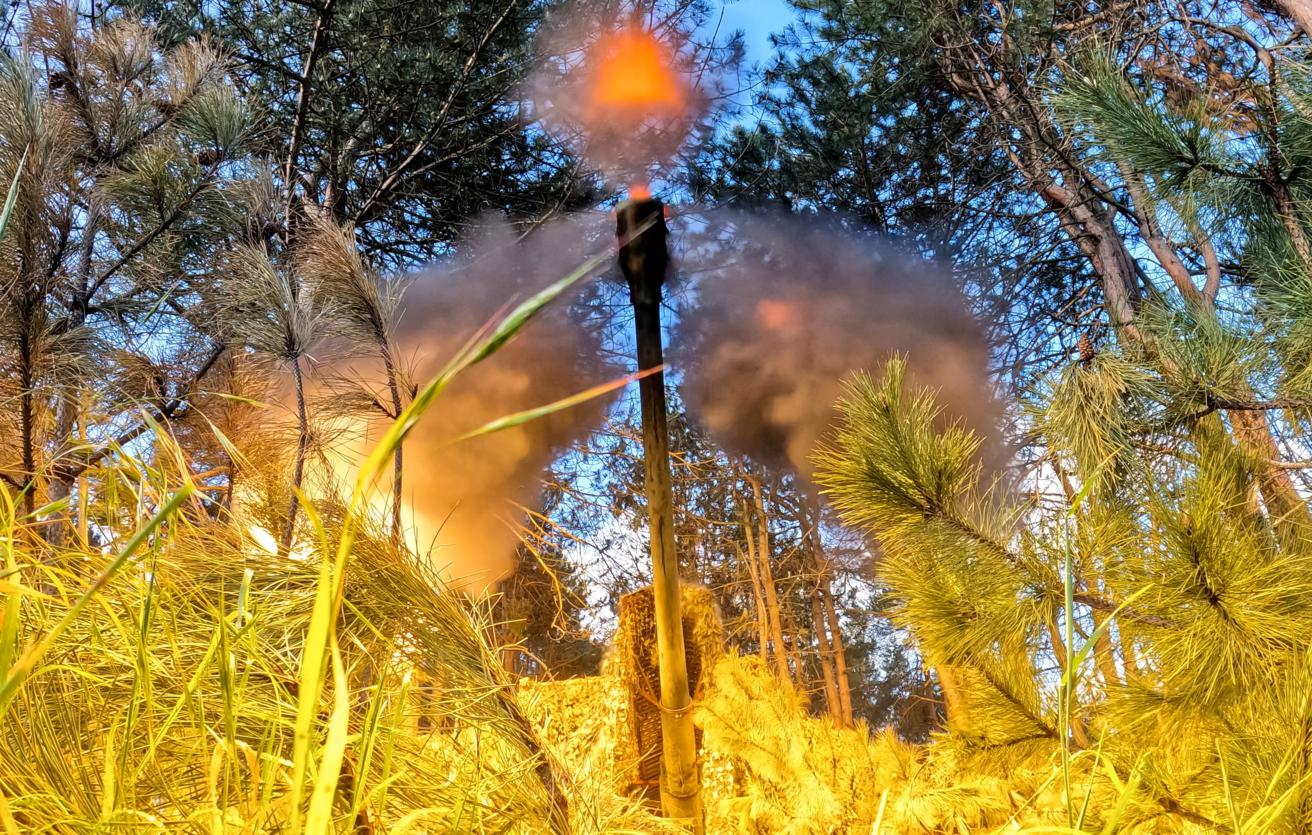
A matching picture is described around Sloviansk.
Ukrainian efforts to recapture Rai-Alexandrovka failed and culminated in a retreat under fire with casualties.
North of Nikolayevka, Russian detachments reportedly cleared Ukrainian forces from an extensive woodland sector.
The decisive factor lies elsewhere.
The Ukrainian side confronts an infantry deficit and is forced to shuffle a finite number of battle-ready units from one axis to another.
Every reinforcement directed to one sector consequently risks compromising another point along the line.
This is the attrition dynamic upon which Russian operational strategy is designed to capitalize.
New territorial captures
Nevertheless, the Russian operational push proceeds.
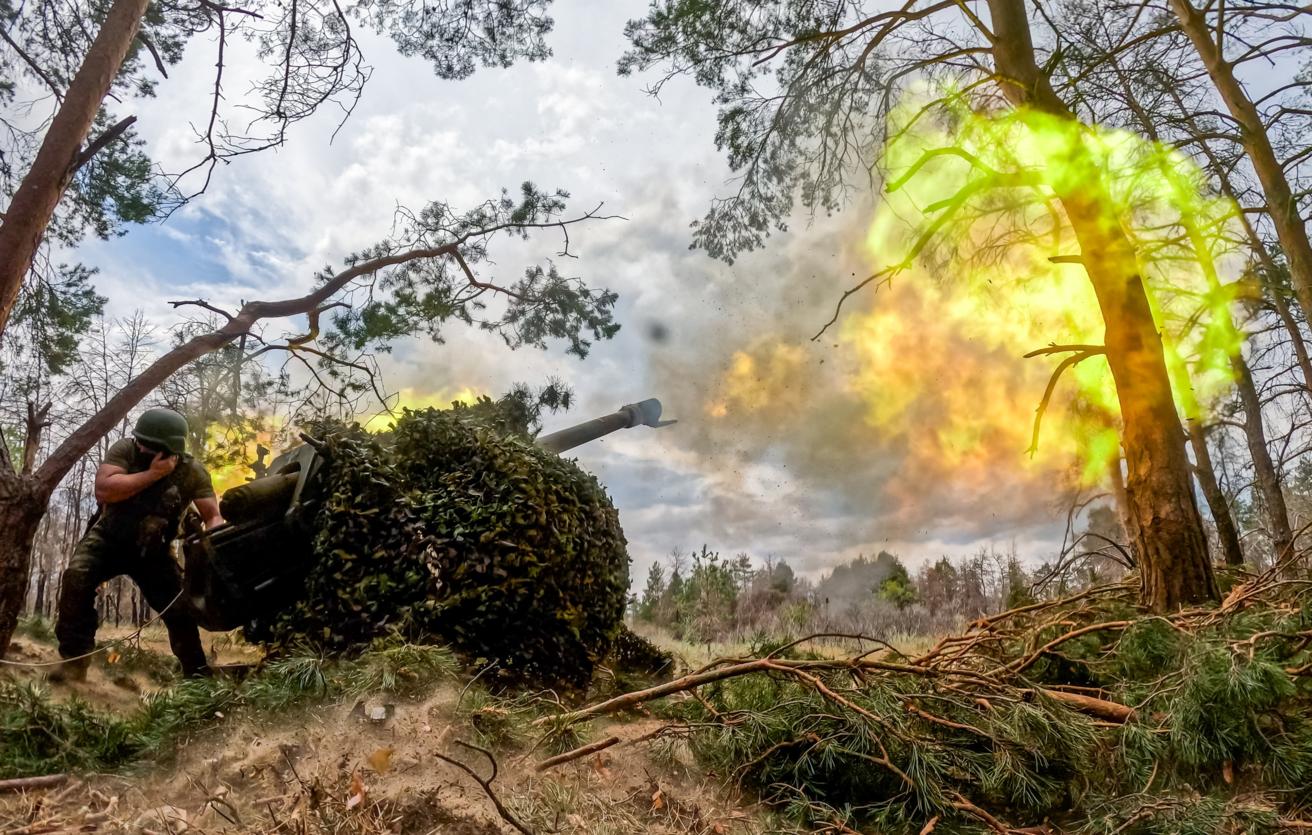
According to the Russian Defense Ministry and affiliated operational channels, settlements were captured in the regions of Kharkiv and Zaporizhia, with particular significance attached to reports surrounding Novopavlovka and Orekhiv.
The importance of Orekhiv is not merely symbolic.
It constitutes a pivotal transit nexus through which the Ukrainian side transferred reserves and logistics across disparate frontline sectors.
Concurrently, the urban core and multi-story structures afford commanding observation and firing positions across the wider district.
Should Russian claims of control over the city be confirmed, the development will carry an operational weight far exceeding a routine territorial revision on a military map.
War returns to the maritime terminals
In parallel with ground combat, Russia continues targeting Ukrainian sustainment infrastructure deep in the rear.
The Russian Defense Ministry announced mass drone salvos against logistics hubs, port complexes, and cargo vessels that (according to Moscow) were utilized for the maritime transit of military equipment.
In the region of Odesa, strikes were reported against logistics installations and merchant vessels berthed at the port of Chornomorsk.
Concurrently, strikes were reported against rail and transport infrastructure across western Ukraine, spanning sectors from Kovel to Lviv and Ivano-Frankivsk, while drone raids were documented in the metropolitan area of Kyiv.
The war of attrition is no longer restricted to tactical trenches.
It extends across freight lines, troop reserves, marine terminals, rail networks, and supply conduits.
The high-stakes game of the coming weeks
Here, the words of Friedrich Merz acquire renewed weight.
When the leader of the preeminent economy of the EU warns that the coming weeks and months may prove the most critical for peace and freedom in Europe, the statement cannot be dismissed as standard political rhetoric.
Ukraine is attempting to contain Russian forward pressure and execute local counteroffensives.
Russia absorbs this friction, recalibrates its tactical pacing, and continues capturing territory along multiple axes.
NATO signals that military assistance toward Kyiv will climb.
And Berlin conditions public opinion for an operational window that Friedrich Merz himself characterizes as decisive.
The question haunting Europe
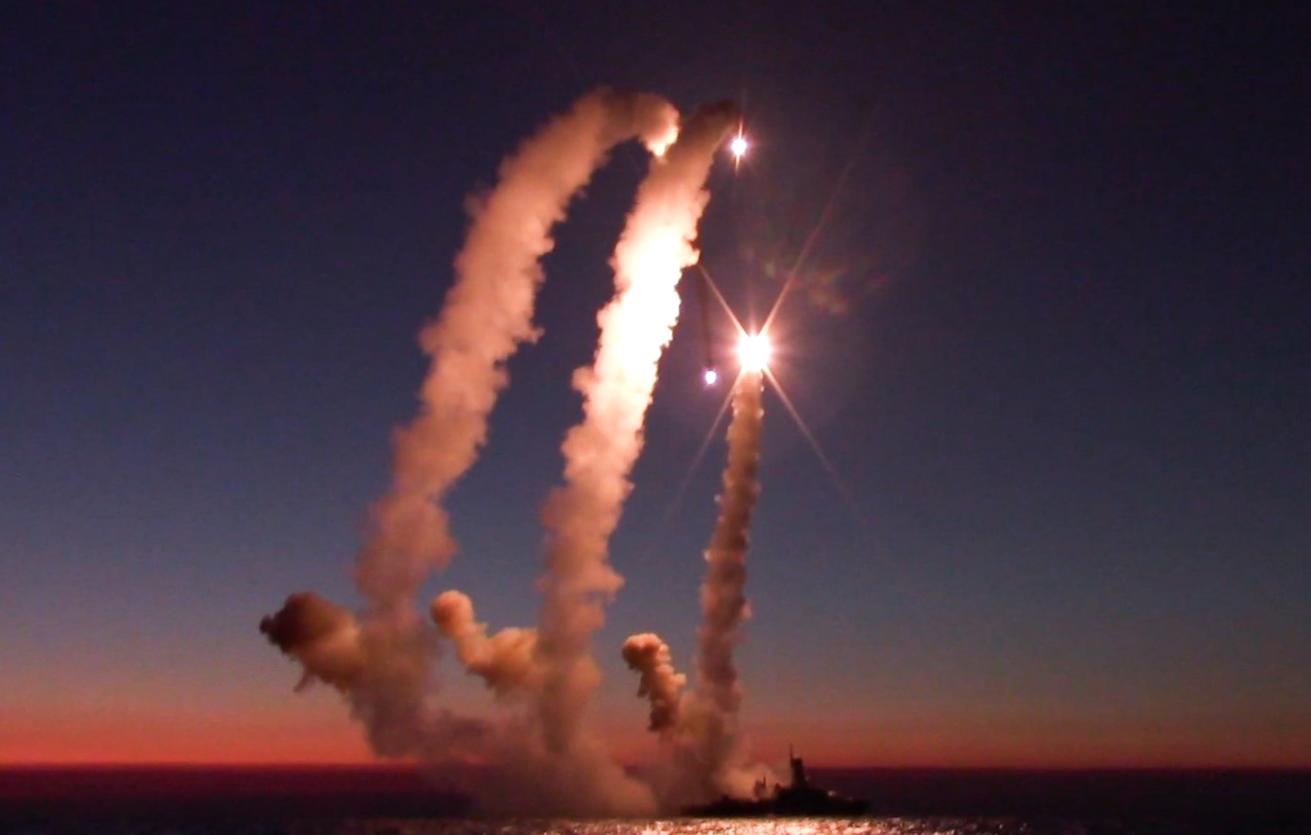
Ultimately, the most significant element may not be which specific parcels of land are taken or retaken by each combatant, but the palpable sense that all parties are bracing for a larger escalation.
The Ukrainians are committing reserves.
The Russians maintain relentless pressure along the front and against rear sustainment nodes.
NATO pledges deeper commitments.
And the German Chancellor measures remaining time not in calendar years, but in weeks and months.
If Friedrich Merz knows that the conflict is approaching an authentic turning point, then Europe may already be living on borrowed time.
And the next chapter of the war may not be settled exclusively in the trenches of Ukraine.
It may be determined by the decisions currently being formulated in Berlin, Brussels, and Moscow.
www.bankingnews.gr













Readers’ Comments