

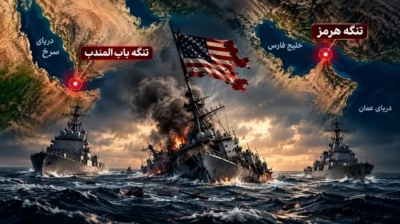
The lightning advance of the Houthis in Yemen once again upended the fragile balance of power across the broader Middle East. It was a development interpreted as yet another victory for Iran, which now manages to "control" both the Strait of Hormuz and the Bab al-Mandab Strait in the Red Sea. Analysts estimate that the Houthi victory constituted the final "blow" for the US and plunged Saudi Arabia into shock. The kingdom saw its critical East-West crude oil pipeline shattered by drones and rendered inoperable for an unknown period. The US has suffered unprecedented humiliation, and the Middle East is experiencing an unheard-of crisis of strategic control. It is no coincidence that many US allies have begun turning their gaze toward other types of alliances, such as BRICS.
Crushing Houthi response to Saudi Arabia: King Khalid base turned to "ashes"
The Houthis pledge to continue attacks against "Saudi military gatherings until the aggression stops". Yahya Saree, military spokesman for the Houthi armed forces, stated that fighting against Saudi-backed forces will continue until the blockade on Houthi-controlled Yemeni territories is lifted. As he claimed, a large-scale military operation was conducted against the King Khalid Air Base in Khamis Mushait using dozens of ballistic missiles and drones. The operation targeted aircraft hangars, radar systems, runways, and ammunition depots at the King Khalid Air Base. "The attack achieved direct hits and caused significant damage within the base. The operation was conducted in response to more than 300 Saudi airstrikes against Yemeni provinces over the last five days," Saree highlighted, noting that the Saudi airstrikes were carried out by F-15 and Typhoon aircraft taking off from the Khamis Mushait and Taif bases. "The Houthi armed forces will continue operations deep within Saudi territory for as long as the aggression continues. Every new aggressive action will be met with broader and more intense operations. We will continue to strike Saudi military gatherings until the aggression stops and the blockade of Yemen is lifted," Saree emphasized.
Seizing strategic territories
According to Al Jazeera, the Houthis continue to seize additional strategically vital islands in the southern Red Sea. The capture of Greater and Lesser Hanish Islands occurred just as government forces, backed by Saudi Arabia, were attempting to regroup and counterattack following the rebels' rapid advance along Yemen's western coast. Houthi rebels deployed fighters to the Hanish Islands, located roughly 160 kilometers north of Bab al-Mandab, after hundreds of government-aligned forces withdrew from the archipelago.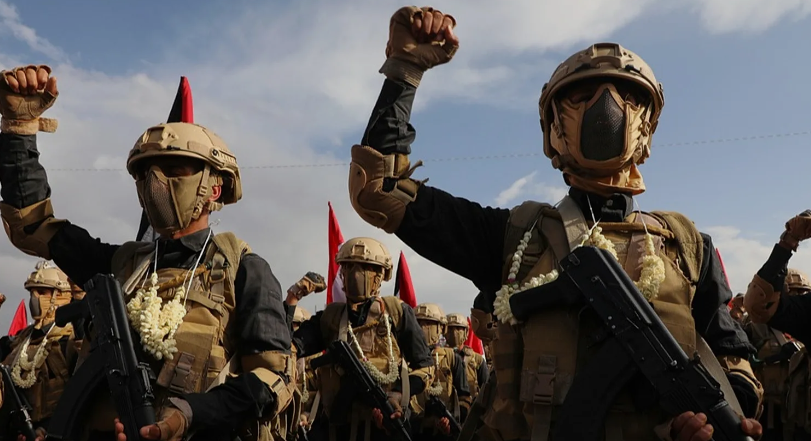
The final blow to the US
The state of the US-Israeli alliance, which has bogged down ignominiously in its efforts to inflict defeat on Iran, could until recently be described as difficult, ambiguous, and to some degree, not entirely hopeless. Definitive clarity to the situation was brought by the Yemeni Houthis. By closing the Bab al-Mandab Strait, they delivered a decisive blow to the US in the region.
No point anymore
At this point, there is virtually nothing left to discuss. The massive aircraft carriers and hundreds of fighter jets, thousands of elite Marines, dozens of escort warships, submarines, satellites, hundreds of intelligence agents, advisors, and trainers, alongside the powerful propaganda apparatus—none of this makes any sense anymore. None of it managed to stop the Houthis, who in just a single day seized islands off the western coast of Yemen.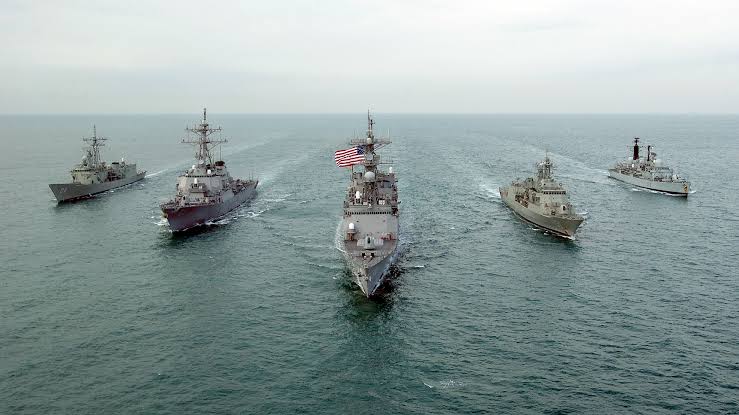
Iran controls Hormuz, Houthis control Bab al-Mandab
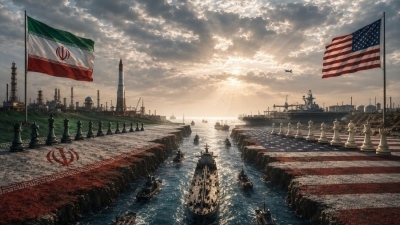
As a result of US-Israeli aggression, Iran now controls the Strait of Hormuz, while its Houthi allies control the Bab al-Mandab Strait. These represent two of the world's most critical maritime trade routes for crude oil transport. Consequently, oil prices are rising, Iran continues to export oil reaping profits, while in the United States, gasoline and diesel prices continue to climb.
Zero objectives, total disaster
All objectives of the US intervention yielded outcomes precisely opposite to what Washington sought. The Iranian government did not collapse; on the contrary, it strengthened, gaining popular support. Crude oil did not become cheaper globally, but more expensive. Despite numerous sanctions, Iran was neither weakened nor dismantled; instead, it gained control over vital trade routes. The military reputation of the United States suffered a catastrophic blow—achieved through relatively limited means and carefully planned asymmetrical attacks.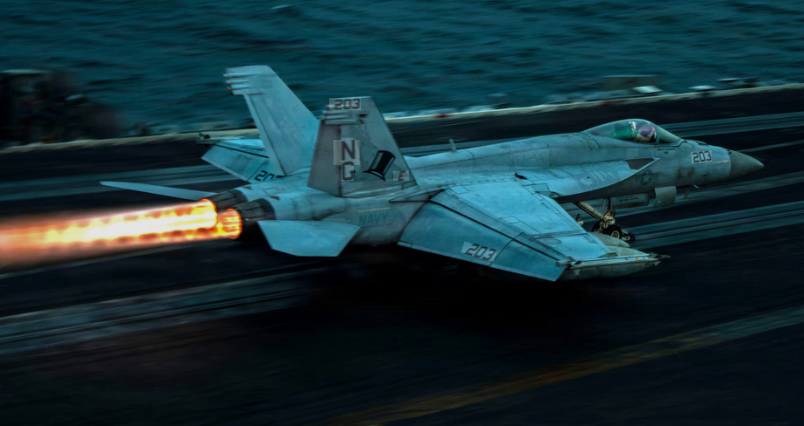
"Blew up Bahrain"
As a result, US bases in Jordan, Bahrain, Qatar, and the United Arab Emirates were bombed, their personnel evacuated, and American soldiers were forced to move from bases into hotels. The losses and damage are so extensive that even American officials were forced to acknowledge them. "They blew up Bahrain," acting US Secretary of the Navy Hung Cao reportedly admitted, referring to the US naval base. Debate is now underway in the United States over whether it is worth restoring these bases or if it would be preferable to quietly pull US forces out of the Middle East and present the withdrawal post-facto as something planned all along.
The defeat is obvious
In short, the defeat of the United States is obvious. The only question is how it will be presented to American voters, who are not accustomed to viewing defeats favorably. Analysts also argue that one must not overlook the fact that the latest Houthi strike against Washington occurred precisely on the 25th anniversary of the September 11 terrorist attacks. Those attacks served as the prologue for the massive and "pseudo-labeled war on terror" launched by the United States in the Middle East.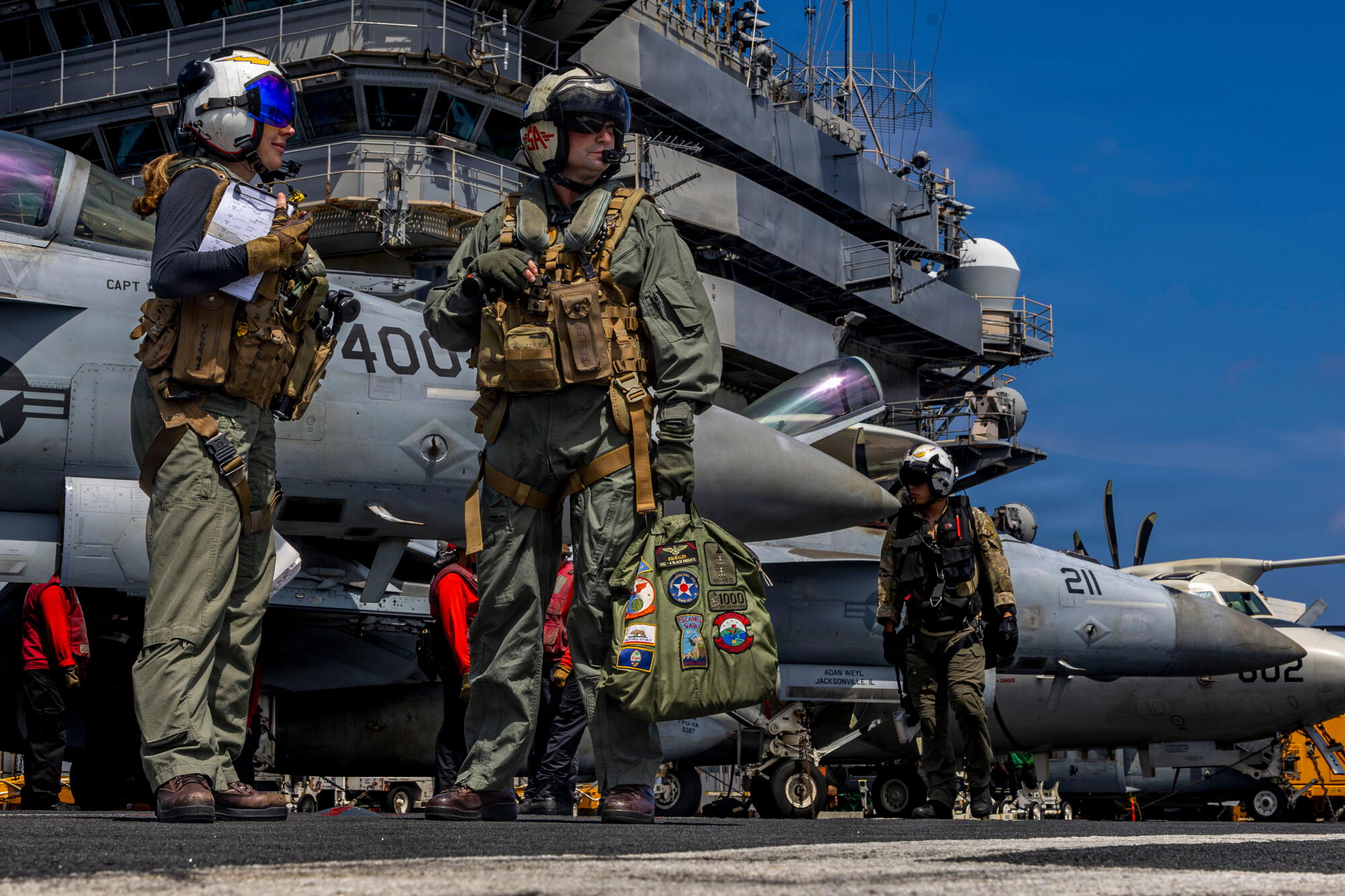
The final act of the tragedy
This period was a bloody catastrophe: occupations, violent regime changes, civil wars sparked by external powers, humanitarian disasters, and mass civilian flight. The attack on Iran constituted the final act of this tragedy. Based on US calculations, the "war on terror" cost the lives of up to 4.5 million ordinary Middle Eastern citizens. Approximately one million were killed directly, while another 3.5 million are recorded as indirect casualties.
Bloodshed
This bloodshed brought no benefit to ordinary Americans either, despite trillions of dollars in government spending. Now, the war is decisively lost, and the United States is preparing to abandon the region. Analysts suggest that the US armed forces end the operation and return home. "The American presence in the Middle East is over," writes Foreign Affairs, recommending that US leadership refrain from rebuilding military bases, withdraw troops, stop relying on sanctions—which, by the same assessment, no longer work—and shift to other forms of pressure such as diplomacy and the "protection of human rights".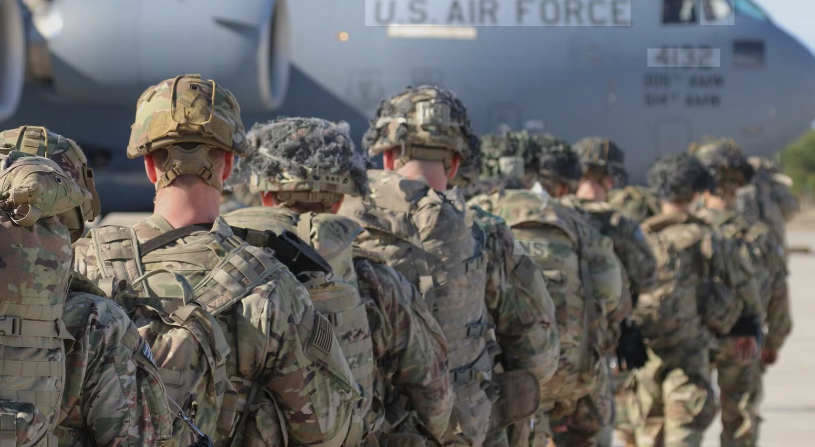
The greatest US loss
The greatest loss for the US in this conflict is its regional allies, who consistently tried to assist in the "war on terror" and believed in American assurances, only to find themselves essentially unprotected against Iranian retaliation. The prosperity of the Persian Gulf countries now hangs by a thread. A few missile strikes on their infrastructure and drinking water storage facilities could force them into a scenario similar to what the residents of Gaza are experiencing. Yet Washington, despite initiating the conflict, provided no substantial aid to its loyal allies.
Middle East turns its gaze to BRICS
Disillusionment with the United States will inevitably push Middle Eastern nations toward Russia and China. Analysts estimate that most countries in the region will seek to normalize relations with Iran as well. Normal, mutually beneficial relations with a high level of security are what countries that feel repeatedly deceived and abandoned by Washington have long been seeking. Analysts point out that it is no coincidence that the BRICS summit took place in New Delhi during these exact days. "That is where the new world is being built, which will arrive when the West loses all its wars," analysts assess.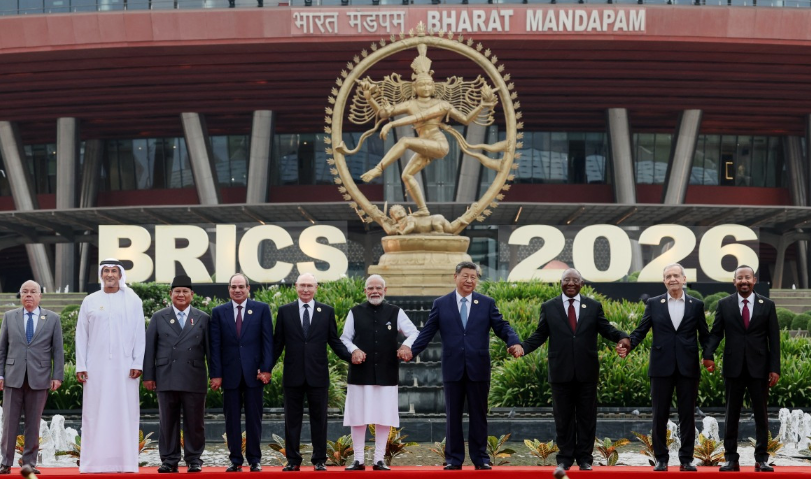
Massive damage to Saudi Arabia's oil pipeline
Satellite imagery revealed extensive damage to Saudi Arabia's critical East-West oil pipeline following reported drone attacks, while oil industry sources warn that a prolonged shutdown could jeopardize up to 4% of global oil supply. No side has claimed responsibility, but US President Donald Trump blamed Tehran, as groups considered Iranian allies operate in Iraq. Released images appear to show a pumping station on Saudi Arabia's 1,200-kilometer East-West pipeline charred and severely damaged following the reported strikes. Saudi Arabia has not yet disclosed the full extent of the damage or how long the pipeline will remain offline, which has become critically important for Saudi Arabia over the last six months as the closure of the Strait of Hormuz due to war disrupted oil flows from neighboring countries. Saudi Arabia uses this specific route to channel roughly four million barrels of crude oil daily toward the port of Yanbu on the Red Sea, an amount representing approximately 4% of global supply.
Pressure on export reserves
With the pipeline offline, Yanbu possesses sufficient reserves to sustain exports for only five to seven days, according to three industry sources familiar with Saudi exports cited by a related report in The Guardian. A fourth source stated that Saudi Arabia also maintains reserves in Egyptian ports Ain Sukhna and Sidi Kerir, which could supply clients for several days. The four sources noted that these reserves are not full and will eventually be depleted if the pipeline is not restarted. Buyers of Saudi oil and traders stated that the kingdom could run out of available export reserves if the pipeline is not brought back online within the coming days. The East-West pipeline has a capacity of seven million barrels per day and provides an alternative route for exporting Saudi crude, bypassing the Persian Gulf.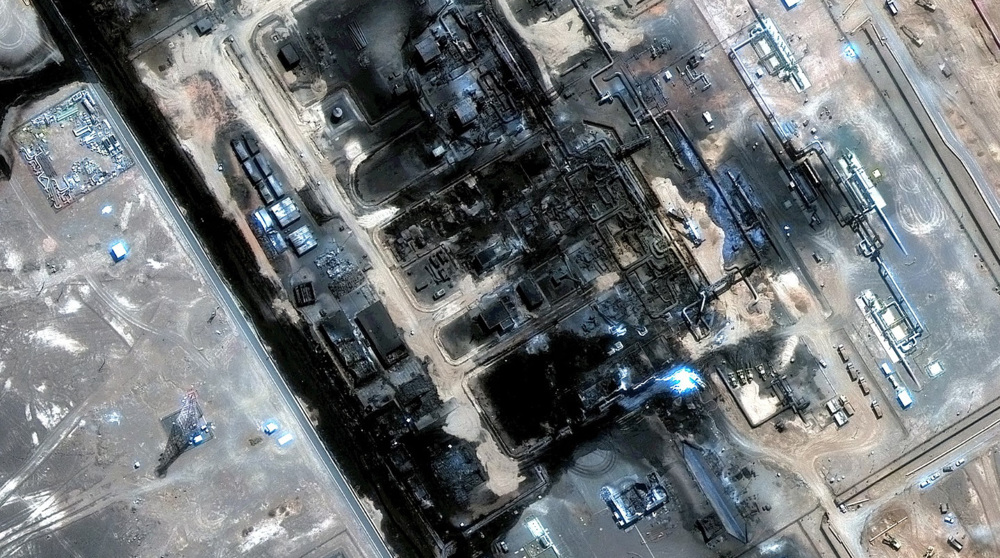
Uncertainty over repairs
Reuters sources provided differing estimates on the time required for repairs. One source noted that work could take up to six weeks, while another stated the pipeline could be repaired sooner and possibly resume partial pumping while work continues. The Saudi government press office and the Ministry of Energy have so far provided no estimate.
Few options for response
The rapid advance of the Houthis in Yemen and their attacks on Saudi Arabia have left the Gulf Arab kingdom with few options for a response, each carrying a high cost. The core message emanating from the kingdom is that Riyadh does not desire an all-out war, according to analysts. However, the increasingly aggressive posture of the Houthis risks dragging Saudi Arabia into a broader conflict. "All signs now point to large-scale Saudi retaliation, and that probability is growing day by day," Mohammed Al-Basha, a Yemen expert and Washington-based geopolitical risk consultant, told CNN. "At this point, they have no other choice," he added.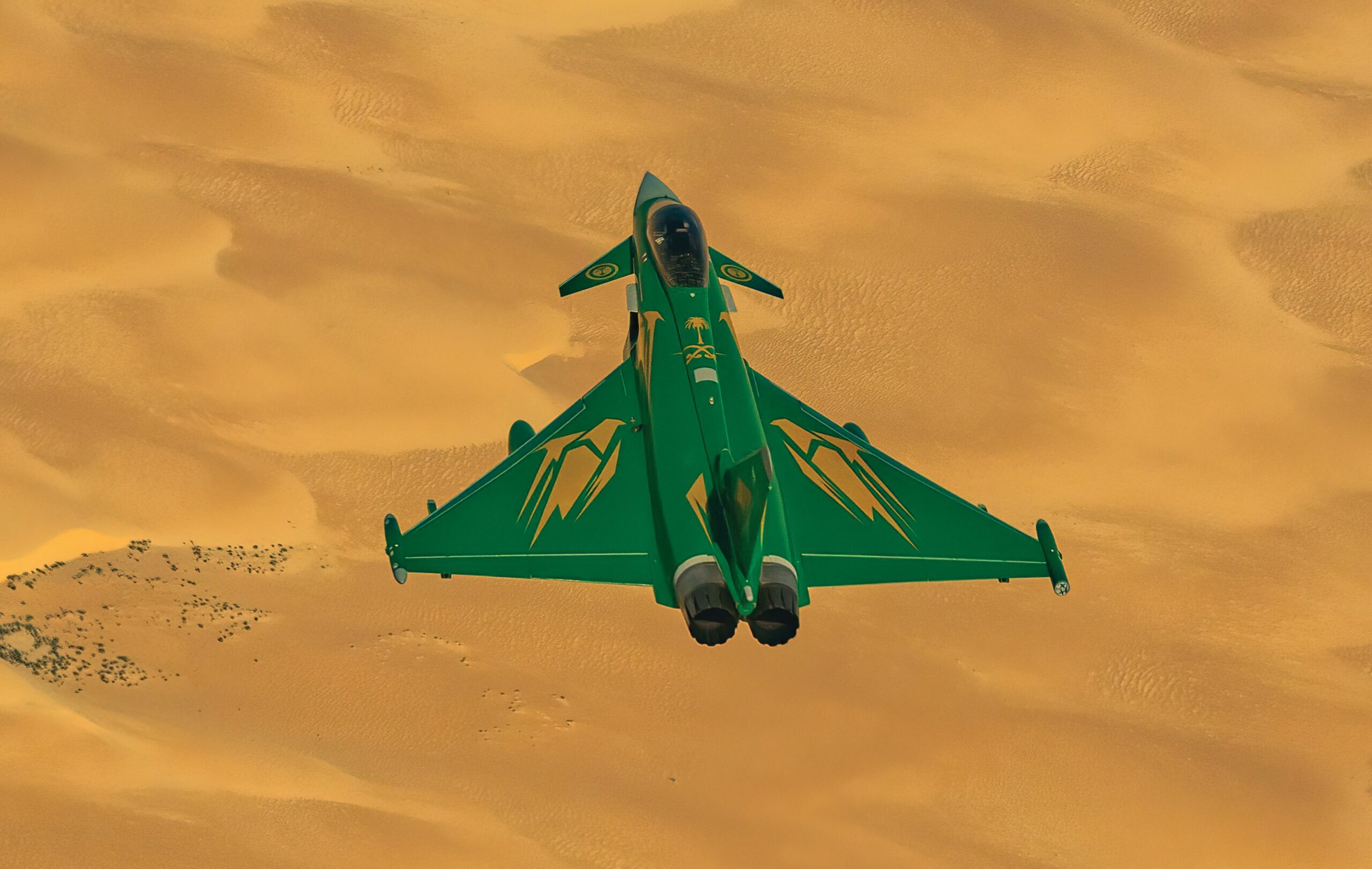
Unequal comparison... on paper
On paper, the comparison appears unequal: on one side stands wealthy Saudi Arabia, boasting a well-equipped, modern military, and on the other, an armed group from impoverished Yemen. However, the Houthis have proven extraordinarily difficult to displace. Often viewed by the West and certain Gulf states as an Iranian proxy army consisting of a "motley" militia, the Houthis have spent years refining their military capabilities and battle tactics.
What the Houthis want
The demands of the Houthis remain unchanged: they want an end to Saudi Arabia's efforts to isolate the large areas of northern Yemen under their control via a travel and economic blockade. Although aligned with Iran, they also possess their own agenda. Nasr al-Din Amer, head of the Houthi-controlled Saba state news agency, told CNN that the group will continue to "exert pressure" on Saudi Arabia until "the blockade unjustly imposed by the Saudi enemy for 12 years is broken," indicating a clear intent for further escalation.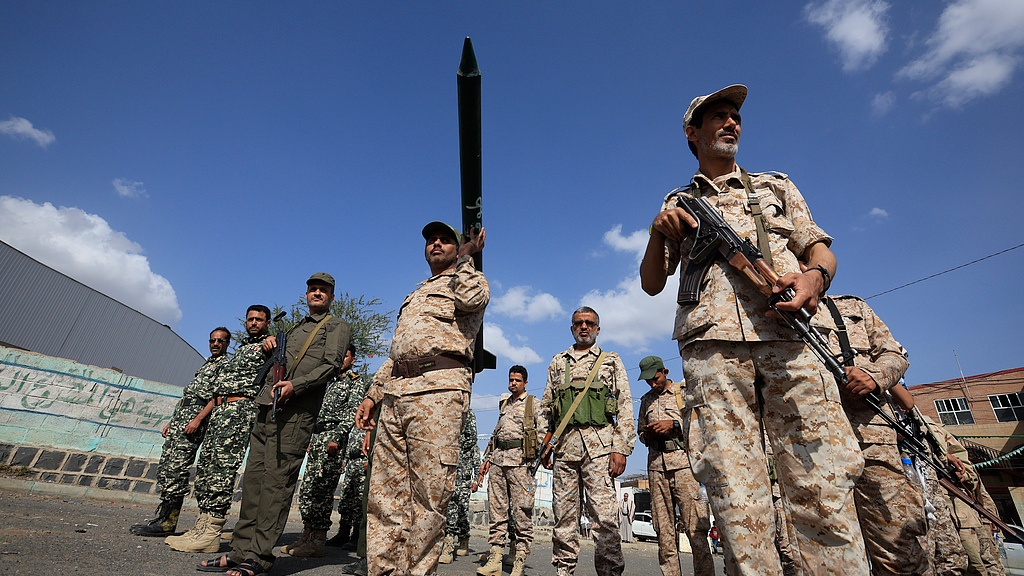
Yemen was plunged into turmoil in 2014 when the Houthis captured the capital, Sanaa, forcing the internationally recognized government to flee the country. The following year, Saudi Arabia led a military campaign aimed at expelling the Houthis and has since continued supporting the internationally recognized government while maintaining a severely burdensome blockade on Houthi-controlled areas. Iran, for its part, has supplied the Houthis with weapons and training and exercises some influence over the group's decisions. Despite territorial losses, Saudi Arabia has not yet responded with the full force of its military power, raising questions about its next moves. The kingdom's actions in the coming days could lead to a return to all-out war and carry significant consequences for the US-Iran conflict.
"Go all in"
"Saudi Arabia has truly limited options in the conflict with the Houthis," Cinzia Bianco, visiting fellow at the European Council on Foreign Relations, told CNN. One option is escalation, she noted, but that entails an exceptionally high cost for the kingdom. If Riyadh decides to "go all in," according to Cinzia Bianco, the situation could evolve into a conflict without a clear end, similar to Yemen's bloody civil war. This long-standing conflict has transformed Yemen into one of the world's worst humanitarian crises, with roughly 22 million people—nearly half the population—currently requiring humanitarian aid. An all-out war between Saudi Arabia and the Houthis would also likely entangle Iran, which has been in a war with the United States since February. "It would then be difficult to contain the conflict as a purely Yemeni issue, rather than another chapter in the broader US-Iran war, into which Saudi Arabia would now enter as a belligerent alongside the US," Cinzia Bianco stated.
US will not get involved
Meanwhile, it is considered unlikely that the US will engage militarily against the Houthis, particularly amid the ongoing crisis in the Strait of Hormuz, upcoming midterm elections, and internal debate regarding the use of American resources in the Middle East. Donald Trump "is not in a position, at this political juncture, to further increase US commitment in the region," stated Cinzia Bianco. Behind the scenes, the US is resisting Saudi pressure for involvement in the new clashes. On Saturday, Donald Trump stated that the Houthis had communicated with his administration, making it clear they do not seek direct American involvement in the conflict. "They would much prefer that we don't get involved, and they let most ships pass. There is only one country they aren't particularly happy with, and we'll handle that," Donald Trump declared.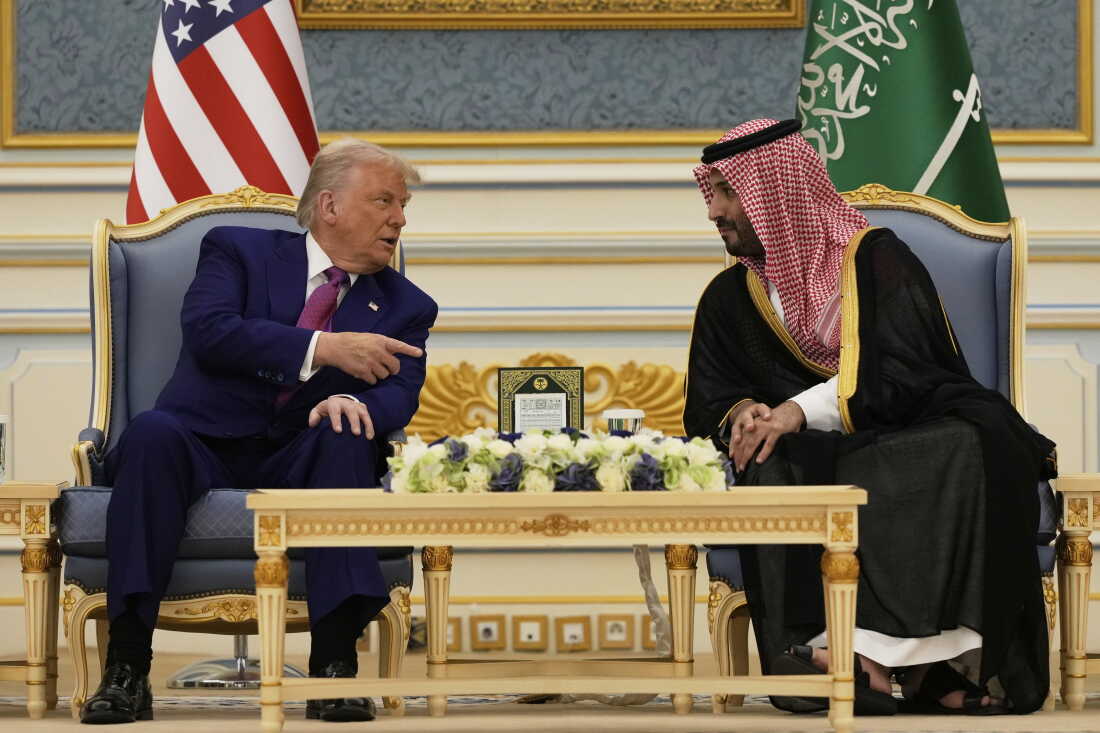
A source told CNN that the Saudi Crown Prince had spoken twice with Donald Trump on Thursday, urging him to strike the Houthis as they advanced toward the Red Sea, but the American president declined. However, the US has dispatched roughly 100 military advisors to Saudi Arabia to provide intelligence for its campaign against the Houthis, according to CNN.
"Exhausted political solutions"
Another option is seeking a political exit from the conflict, but it may now be too late for that. In recent months, Saudi Arabia demonstrated "strategic patience," according to Cinzia Bianco, with Riyadh issuing repeated warnings and condemnations to both the Houthis and Iran, to no avail. Following the attack on the East-West pipeline, the Saudi Ministry of Foreign Affairs announced that "the kingdom chose not to respond at this stage and to support the efforts of the Iraqi government"—from whose territory the attack was launched—but that it "reserves the right to take all necessary measures to protect its sovereignty". Cinzia Bianco assessed that Saudi Arabia has now "exhausted political solutions". Even if Riyadh reached an agreement with the Houthis, it would come at an enormous cost. Mohammed Al-Basha estimated that such a move would likely amount to complete acceptance of Houthi demands. "And that is a very expensive concession. Essentially, it is a surrender," the analyst stated.
www.bankingnews.gr






Readers’ Comments