

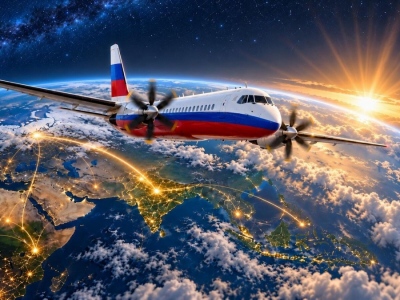
Russia is attempting to make a dynamic comeback to the global civil aviation map, with a deal that—if converted into definitive contracts—could turn out to be the largest export success for Russian aeronautics since the dissolution of the Soviet Union. Three Indian airlines have paved the way for the procurement of up to 105 Il-114-300 aircraft, in a move that involves not only billions of dollars, but also something much larger: Moscow's effort to turn India into a gateway for the return of Russian civil aircraft to international markets.
Huge deal
Russia closed its largest export agreement in the field of civil aviation since the time of the dissolution of the Soviet Union. Three airlines from India signed framework agreements with UAC for the supply of a total of 105 Russian Il-114-300 aircraft. In military aviation, agreements of this kind represent common practice for Russia, but for the civil aircraft industry, this constitutes a massive step forward.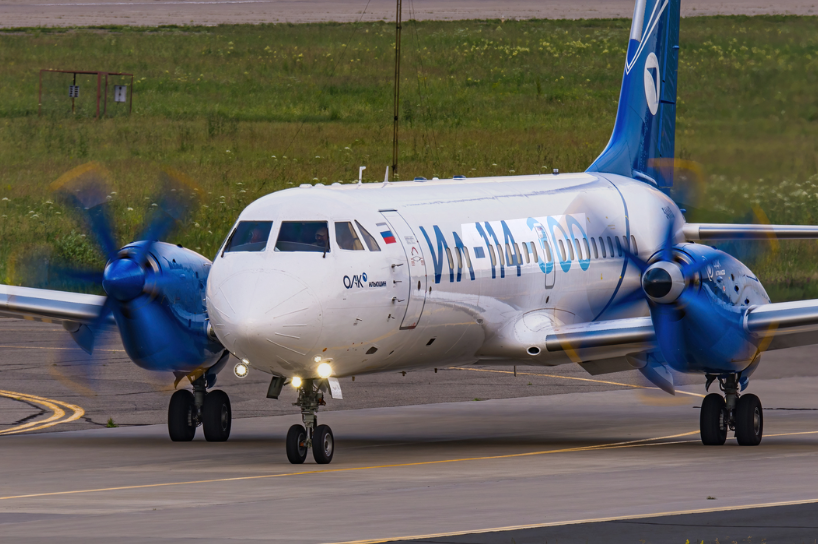
Memorandum of intent to purchase
For now, this is not a final contract, but rather a memorandum of intent to purchase this number of aircraft. However, in the aviation industry, this is quite common. Binding contracts are rarely signed right from the outset. The most important aspect is that India stated there is potential demand for the Russian aircraft, while demonstrating just how large this demand is. Definitive contracts, with clear timelines and terms, are expected to follow. Rostec plans to sign them by the end of the current year.
What India wants
There is no doubt regarding whether India needs Russian aircraft. On one hand, Russia already possesses years of experience cooperating with India in the field of military aviation. On the other hand, Delhi is actively developing the regional UDAN program, the name of which translates to "let the common citizens fly." Under this program, 95 airports, heliports, and water aerodromes are being developed, along with nearly 680 new air routes. Furthermore, the program was expanded, and it is projected that another 100 airports will be developed by 2035–2036.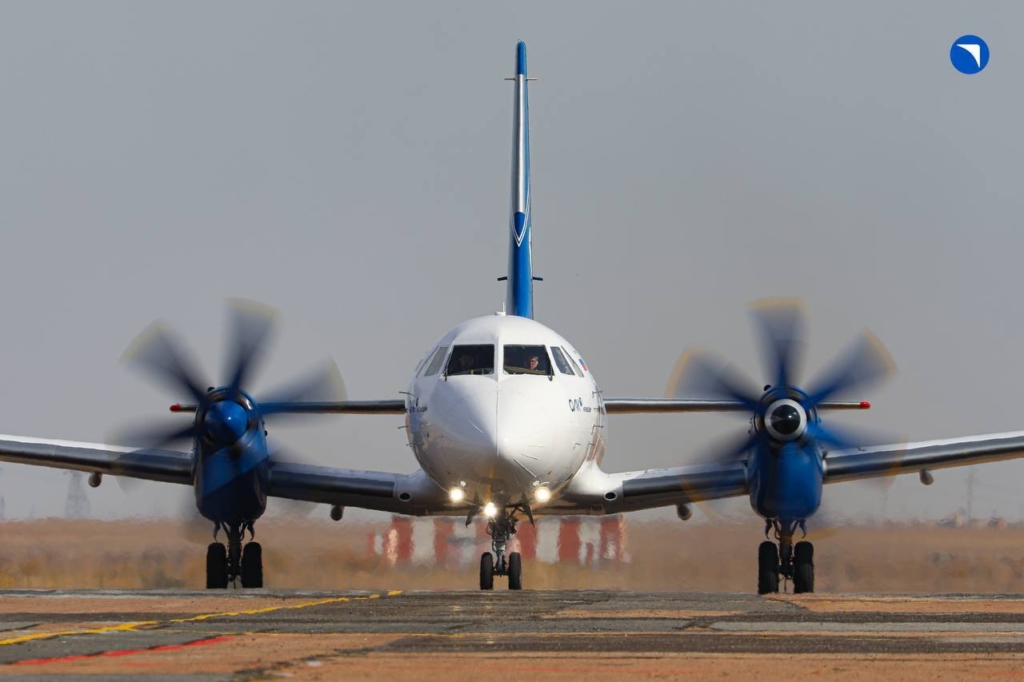
Why Russian aircraft
To increase the accessibility of air travel for the country's residents, airlines need precisely these kinds of small aircraft, with a capacity of 60–80 passengers, which can service short routes. The use of Boeing or Airbus aircraft, which are designed for larger passenger traffic and longer flights, makes no economic sense in this case. Conversely, the Russian Il-114 fits very well into the Indian regional air route development program.
The advantages
In fact, unlike its competitor, the Franco-Italian ATR-72, which the Indians had been procuring until now, the Il-114 possesses a number of significant advantages. First, the Russian aircraft can take off and land on shorter runways and at airports with limited infrastructure. Taking into account India's mountainous terrain and the inadequate development of many airports, the Il-114 can fly to destinations where its Western competitor cannot even operate. Second, airlines will be able to save money from operating the Il-114. A turboprop aircraft is more economical than jet passenger airliners on medium-distance flights. Another major advantage of the Il-114 is that it is an entirely Russian aircraft, which does not rely on Western components and Western technical support. This makes it invulnerable to Western restrictions.
Production (?) in India
For India, this means supply stability and an absence of risks related to sanctions. Furthermore, Delhi will secure greater safety in the aviation sector for decades to come. This is an area where the US will not be able to exert pressure or force India to back down on certain issues. Another advantage of cooperation with Russia is the potential possibility, in the future, of organizing the licensed production of the Il-114 in India with local assembly of individual components. The Indian media place particular emphasis on precisely this desire of the country's authorities. Such a model can indeed be implemented, as it has already been tested many times in the military sector. If it goes ahead, it will constitute the second export venture involving the establishment of manufacturing facilities abroad. The first is expected to be the licensed production of Russian Superjet aircraft in India. In January of this year, Russia had already signed an agreement to implement that specific project with the Indian company HAL.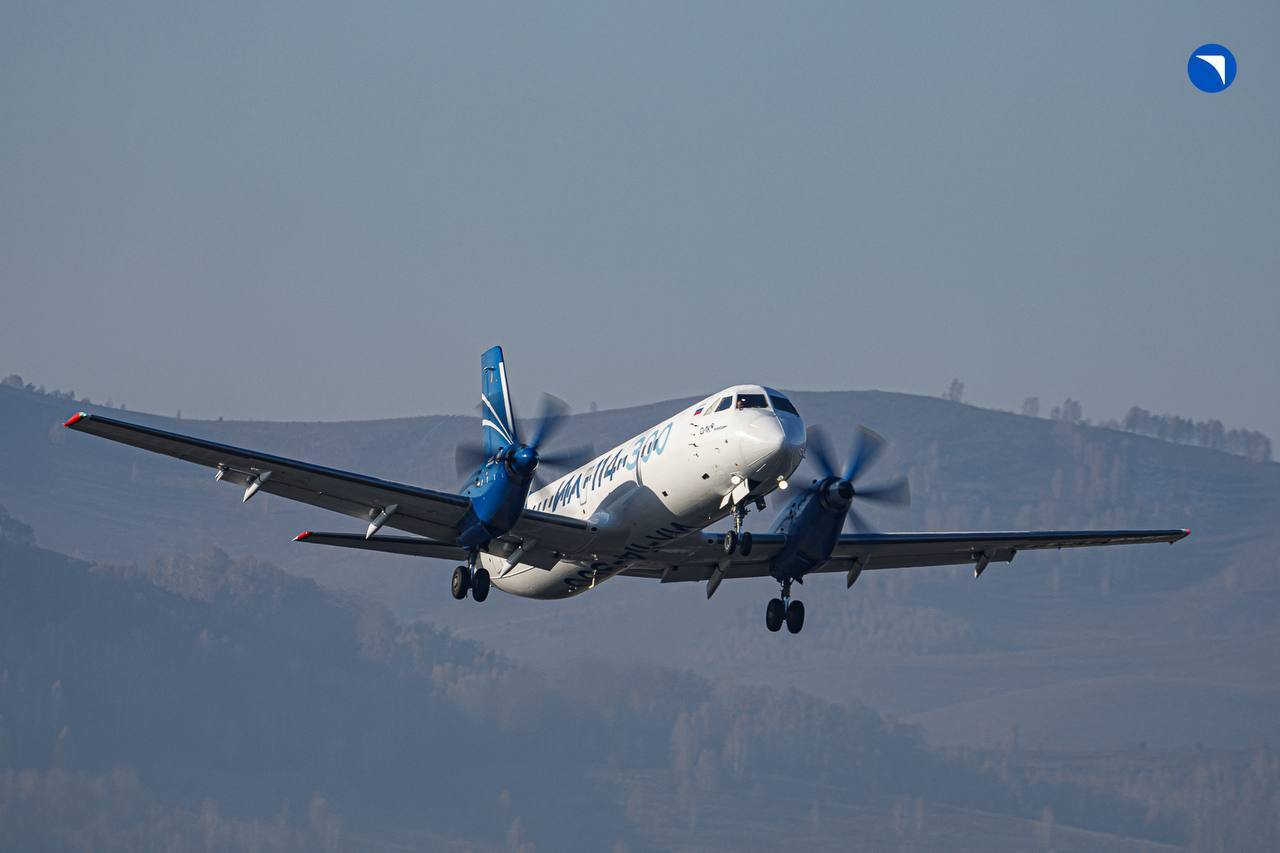
Advertising across the globe
For Russia, such a dynamic entry into the international air transport market as an aircraft manufacturer is of fundamental importance. First of all, it serves as advertising for the whole world—or, more precisely, for the non-Western world. Russia's civil aviation technology could gain high demand in African countries, with which it already cooperates quite well in various fields: Egypt, South Africa, Ethiopia, Algeria, Uganda, Mozambique, and others. Distances there are vast, while airport infrastructure is often inadequate. The Il-114-300 provides an excellent solution for developing air connections in such countries. It could also be of interest to Asian countries, particularly island nations where, in many cases, there is practically no other way to travel besides by plane.
3.7 billion dollars in revenues
Moreover, for Russia, such a contract means immediate export revenues. A deal for 105 aircraft can be valued at 3 to 3.7 billion dollars. However, the actual economic benefit will be significantly larger. And that is because this is not merely a one-time aircraft sale. It includes the supply of spare parts and components for several decades, as well as the organization of repairs and after-sales support services. All of this will secure foreign currency revenues for many years. Finally, one must not forget the expansion of the production capacity of the Russian aviation industry, from the production of metals, individual units, and components to the complete assembly of the aircraft. As production volume increases, the unit cost decreases, a fact that will positively impact the financial performance of Russian manufacturers.
www.bankingnews.gr






Readers’ Comments