

At the very moment Ukrainian President Volodymyr Zelensky states that he is ready to meet his Russian counterpart, Vladimir Putin, at the G-20 Summit in Miami, US (December 14-15, 2026), noting that this meeting could signal a new phase in the negotiation process and offer a «corridor of opportunity» toward ending the war, Russia responds by inviting him, once again, to Moscow.
Russian Foreign Minister Sergei Lavrov, after emphasizing that the «invitation» constitutes a «huge gesture of goodwill on our part», stressed that in any event military operations in Ukraine will continue.
Russia has no reason to stop.
The Russian army continues its relentless advance in Donbass, drawing ever closer to the Ukrainian «fortress» cities of Sloviansk and Kramatorsk.
Analysts are unambiguous: «Sloviansk, Kramatorsk, Druzhkivka, and Kostiantynivka constitute the backbone of defense for Kyiv in eastern Ukraine», and if this line «breaks», the Russians will encounter no barrier preventing them from thrusting even deeper into Ukraine.
Estimates regarding the conclusion of the war are converging.
Ukrainian analysts estimated that Donbass could fall into Russian hands within the next six months, while Russian experts project that Kyiv will accept Russian terms in spring 2027.
This remains an assessment that naturally awaits verification.
Except that Russia possesses two secret «weapons» that practically ensure victory, irrespective of how much time will be required.
Ukraine will accept Russian terms in spring 2027
Ukraine may accept Russian terms in spring 2027, contends retired Russian Colonel Anatoly Matviychuk.
As he explains, the grueling winter ahead will force Kyiv to come to the negotiating table.
«I believe that only a crushing defeat on the frontline can drive Kyiv to negotiations.
I think this winter will be one of the factors compelling Ukraine to listen and accept terms of negotiation.
I believe they will not endure the hardships of this winter and as early as spring 2027 will be prepared to agree to any terms», stated Anatoly Matviychuk.
The colonel noted that President of Ukraine Volodymyr Zelensky avoids entering negotiations with Russia without a prior ceasefire.
As he remarked, such a scenario does not suit the Western allies of Kyiv either, since they reap financial dividends from weapons deliveries.
«Our president, Vladimir Putin, decided that negotiations for settling the conflict can occur only while combat operations persist.
Volodymyr Zelensky does not want this.
He understands he faces collapse.
Nor do his Western sponsors want it, because they derive massive profits from arms sales», concluded Anatoly Matviychuk.
The pressure
Russia continues ratcheting up pressure on points it deems critical.
This is why Kramatorsk and Sloviansk acquire significance extending beyond the boundaries of Donbass itself.
The strategic value of the «fortified belt» lies both in the urban centers themselves and in the network of roadways, railways, and infrastructure connecting them.
Behind this belt, the topography shifts.
Densely populated and fortified sectors of the east progressively give way to more open expanses where establishing an equivalent continuous defensive web proves far more difficult.
CNN noted recently that a genuine breakthrough across this line could enable Russian formations to advance toward the interior of Ukraine at greater speed.
This is precisely why the battle for this specific zone is not merely about seizing a few more towns.
It centers on the endeavor of Russia to strip Ukraine of its core defensive bulwark in the east.
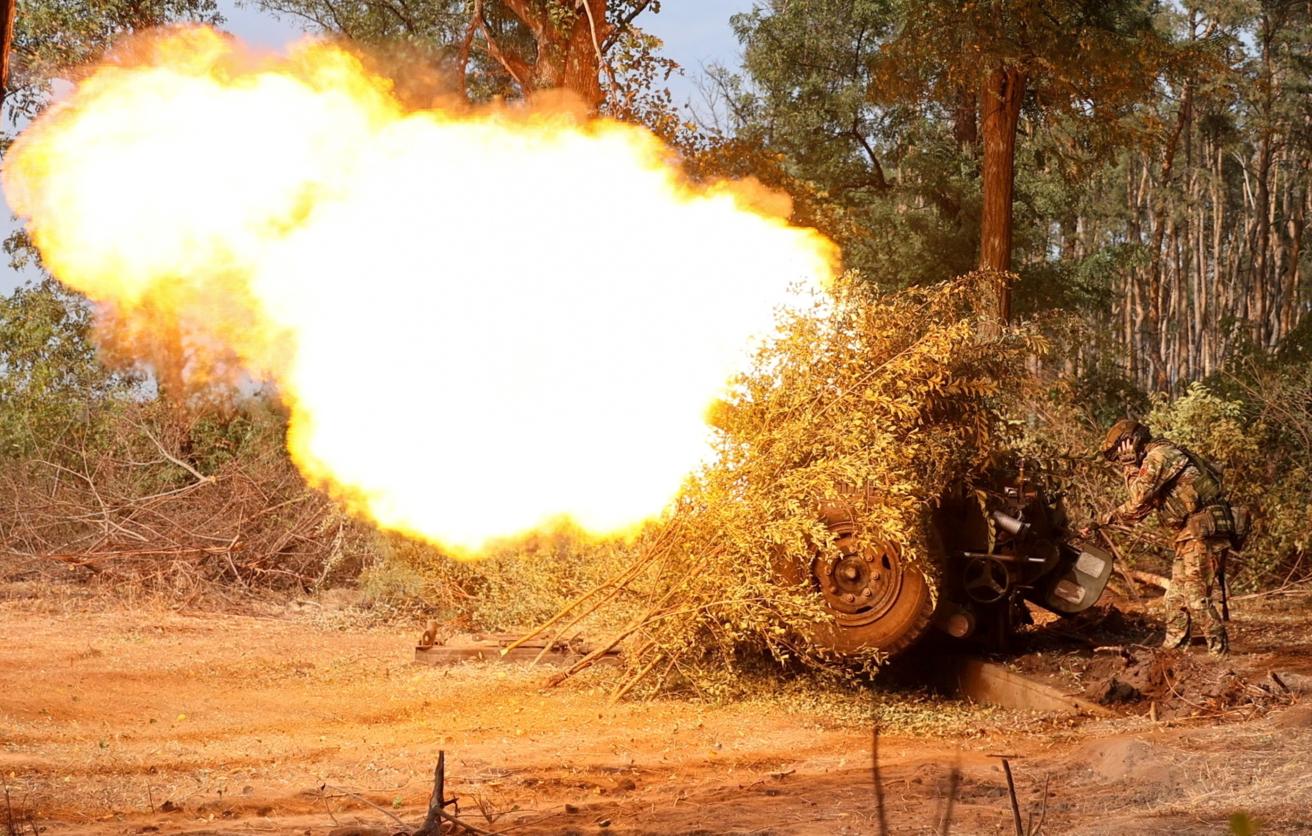
Reuters confirms that Russian forces are exerting mounting pressure in the Donetsk region and pushing toward the two primary strategic objectives, Sloviansk and Kramatorsk, with upcoming months viewed as particularly pivotal for the trajectory of the battle.
The «six-month gamble»
This dynamic fuels the debate over whether Moscow can secure total control over Donbass within coming months, or at least forge conditions for a decisive upheaval along the current front.
The Kremlin radiates visibly optimistic signals.
Vladimir Putin is reportedly setting the capture of the remainder of Donetsk by the end of 2026 as an operational goal.
Western media recall that past similar timetables from Moscow did not materialize, while the ISW (Institute for the Study of War) maintains that Russian forces still face difficulty reaching, let alone capturing, Sloviansk, Kramatorsk, and Druzhkivka, viewing the goal of finalizing the capture of Donetsk by December 31 as unrealistic.
Consequently, according to Western media, the «six-month» timeframe can be approached as the critical window during which it will become apparent whether Moscow can convert attritional wear into an outright unraveling of the defensive deployment of Ukraine.
And this is where the two «secret weapons» of Russia come into play.
First «weapon»: quantity
The first is neither a novel main battle tank, an unknown missile, nor a revolutionary drone.
It is vastly simpler: volume.
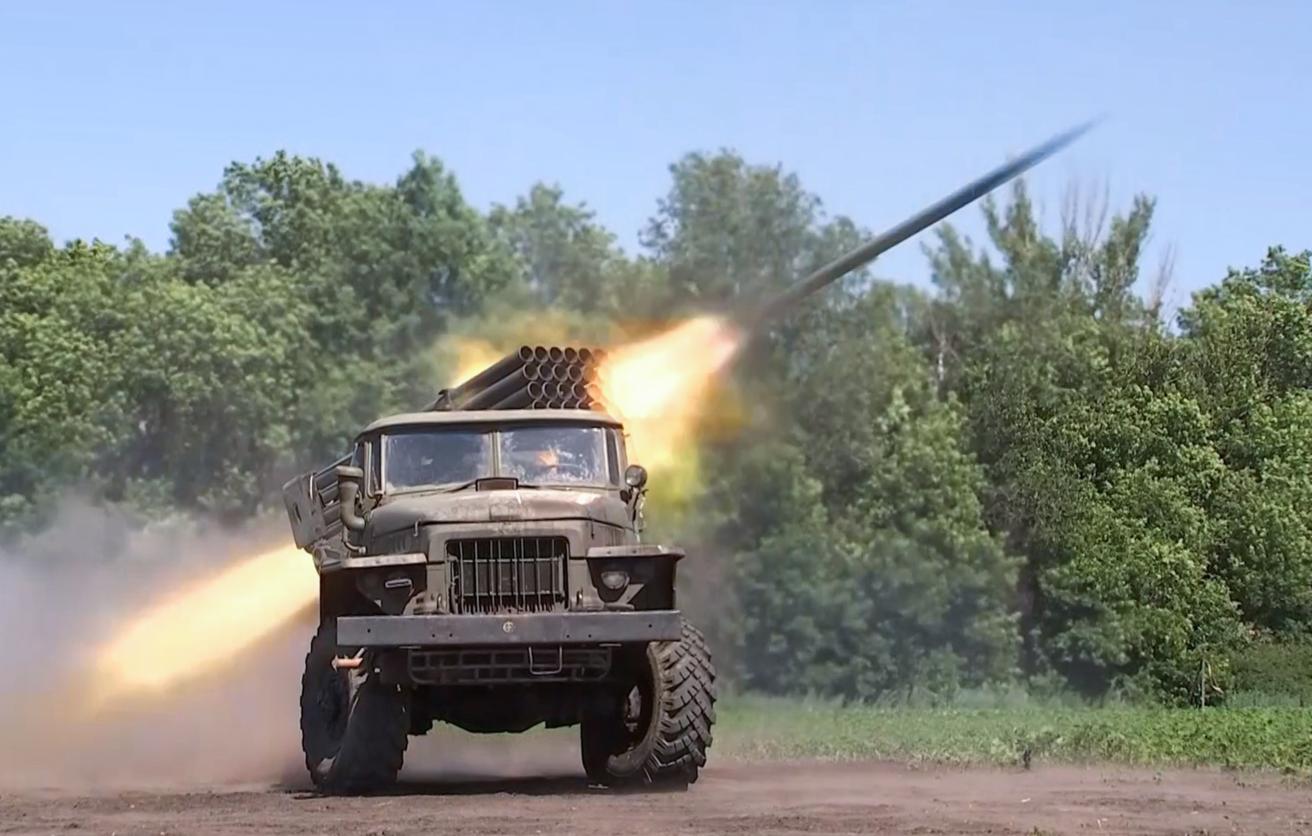
Russia has transformed the conflict into an enormous industrial contest of stamina.
The core question is no longer merely which side fields the technologically superior platform, but which can manufacture missiles, drones, munitions, armored fighting vehicles, and spare parts on a scale sufficient to replenish losses while continually amplifying pressure.
The Russian side itself cites as evidence of its expanding production base the fact that Rosoboronexport announced military export contracts exceeding 13 billion dollars during the first half of 2026 alone, while its overall order backlog reportedly surpasses 60 billion dollars.
Export contract tallies do not by themselves constitute proof of an «inexhaustible» stockpile for the frontline.
They do show, however, that the defense industrial base of Russia seeks to operate simultaneously across two levels: satisfying wartime requirements while recapturing a footprint in international markets.
What SIPRI shows
Independent figures corroborate that after 2022 Moscow prioritized domestic military needs.
SIPRI records a 64% drop in Russian deliveries of major conventional weapons systems between the periods 2016-2020 and 2021-2025, with Russia slipping behind France in global standings.
At the same time, however, RUSI notes that Russia shifted after 2022 into an essentially mobilized wartime industry and that output expanded across a broad array of weapons systems despite sanctions.
Similarly, a recent study by CSIS documents the scaling of production capacity spanning tanks, air defense systems, electronic warfare gear, artillery munitions, and drones.
Here lies the crux of the primary Russian advantage: not necessarily absolute technological superiority, but the capacity to sustain volume of fire and materiel replenishment in an attritional war.
And the longer the conflict endures, the greater the consequence of having the capacity to produce the next missile, the next drone, and the next artillery shell.
Second «weapon»: preventing Ukrainian materiel from ever reaching the front
The second pillar of Russian strategy is linked even more directly to the battle for Donbass.
Moscow is not attempting solely to wear down Ukrainian forces along the line of contact.
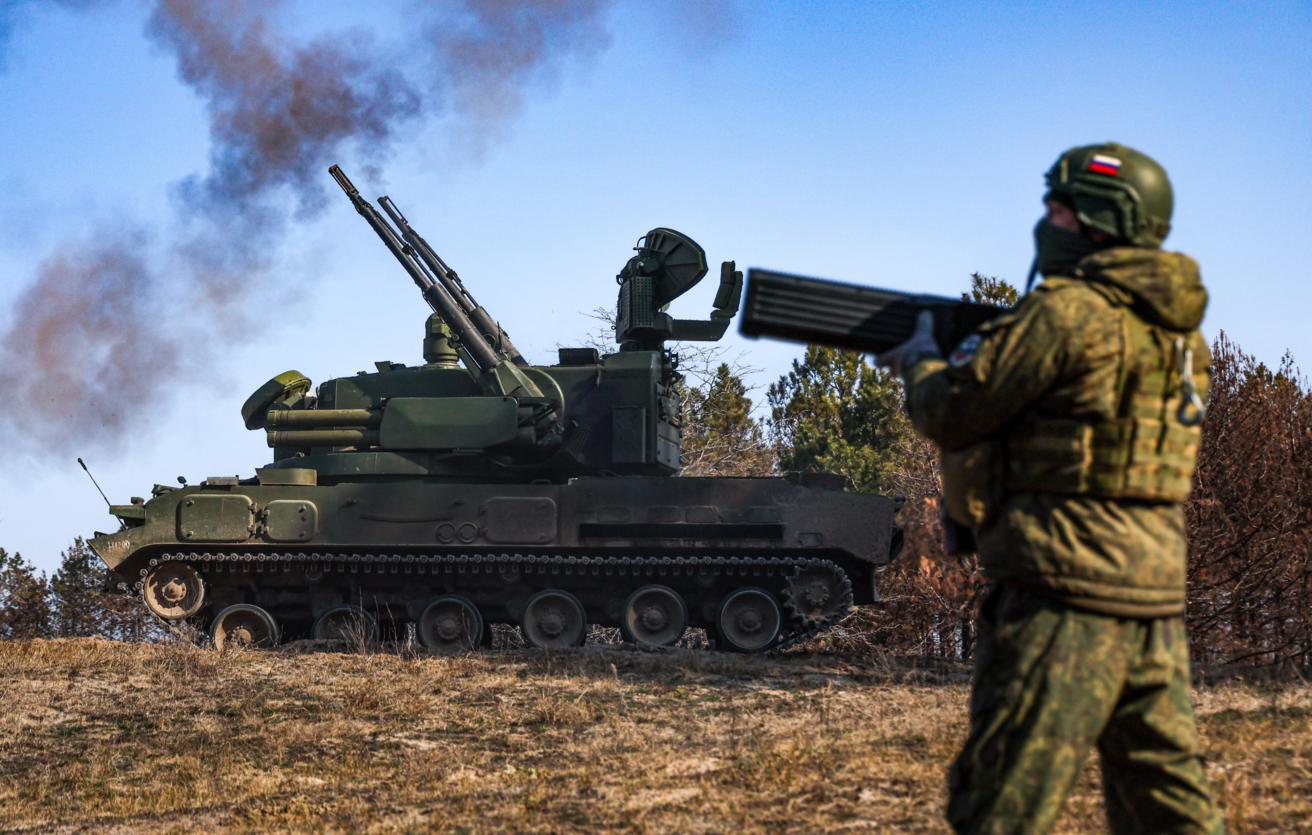
It is attempting to strike everything situated in their rear: bridges, supply depots, logistical distribution nodes, manufacturing facilities, transportation junctions, and replenishment arteries.
This strategy is pursued openly: recent strikes reportedly included among their targets enterprises belonging to the defense industry of Ukraine, warehousing facilities, and logistics centers.
In the Kyiv region, the Ministry of Defense of Russia contends that facilities utilized for receiving and distributing military equipment and drone components were struck.
Yet what matters most for the battle of Donbass sits much closer to the contact line.
CNN reports that Russia is attempting to degrade Ukrainian logistics and defensive positions around Sloviansk and Kramatorsk, hindering the movement of materiel to forward units.
The ISW likewise records Russian strikes targeting bridges in Kramatorsk and infrastructure in Druzhkivka, integrating them into a broader campaign: the deliberate effort to isolate defenders along the «fortified belt» from networks keeping them resupplied.
This transforms the character of the contest.
For a fortified city to fall, it is not always mandatory to dismantle every defensive redoubt through frontal assault.
It may suffice to render the delivery of ammunition, fuel, drones, replacement components, and reinforcements progressively more difficult.
In other words, the objective is to «hollow out» defenses before mounting the decisive push against them.
From western borders to Kramatorsk
The same reasoning appears to be expanding toward the west, as Russia strikes border crossings through which freight from European nations enters Ukraine.
The rationale is that severing these conduits could impede the influx of Western military equipment toward the frontline.
Tangible evidence of this broadening target set already exists.
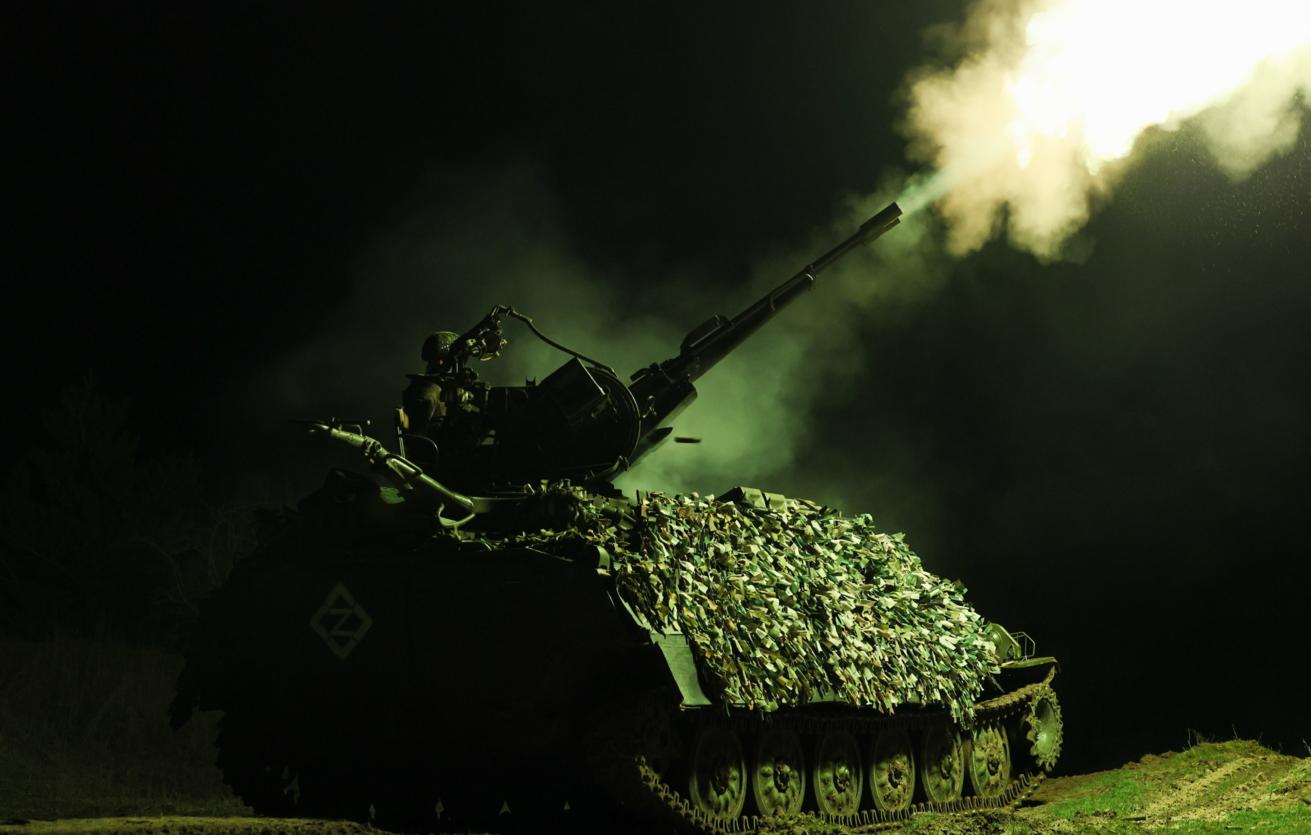
Russian forces are systematically attempting to deny the Ukrainian military its primary tactical advantage along the front, namely unmanned aerial vehicles.
The entire operational posture of the Armed Forces of Ukraine relies on the so-called «wall of drones».
Unmanned aerial vehicle production represents the focal point of both the domestic defense base of Ukraine and European industry.
The operational experience of the special military operation has plainly demonstrated that the most effective countermeasure against drones is preventing them from ever reaching the front, neutralizing them at the production stage.
Dismantling arms corridors
For evident reasons, Russia cannot strike European manufacturing facilities.
It can, however, obstruct their goods from reaching end recipients.
In late August, the Aerospace Forces of Russia carried out a sequence of strikes targeting border crossings linking Ukraine with Europe.
Through these points cargo is hauled, including materiel of military destination.
Specifically, two border crossing points on the border between Ukraine and Moldova and the «Orlivka» ferry terminal along the border with Romania were struck.
Similar targets along the western perimeter of Ukraine exist in abundance.
Shipments from Poland cross seven border checkpoints, with the largest being «Yahodyn - Dorohusk», «Krakovets - Korczowa», «Rava-Ruska - Hrebenne», and «Shehyni - Medyka».
From Slovakia and Hungary cargo crosses five checkpoints, including «Uzhhorod - Vyšné Nemecké» and «Luzhanka - Beregsurány».
From Romania there are likewise five crossing locations, with «Porubne - Siret» being the busiest.
From Moldova ten crossings operate, with the primary one being «Mohyliv-Podilskyi - Otaci».
Targeting every link in the chain
The Armed Forces of Ukraine have already been severed from maritime logistics routes.
The next logical measure would involve blockading terrestrial transport links with Europe so that Western armaments cannot reach the frontline.
Concurrently, strikes would persist against whatever defense production plants remain within the territory of Ukraine.
The strategic logic is clear: hardware that Ukraine does not manufacture domestically must be brought in from abroad, stored, transported by rail or road, and eventually delivered to front-line formations.
Every link within this chain represents a prospective target.
The equation Moscow seeks to impose
The two «secret weapons», therefore, are in reality two sides of the same strategic coin.
On one hand, Russia seeks to inject greater materiel volume onto its own side of the front.
On the other, it attempts to curtail the volume of hardware managing to reach the Ukrainian side.
It is a war of attrition in numbers just as much as a war for terrain.
If Moscow can field more drones and missiles than Ukrainian air defenses can intercept, replace equipment losses more rapidly, and simultaneously pound lines through which Kyiv replenishes its inventories, then pressure accumulates exponentially.
This does not mean a Russian triumph is predetermined.
Ukraine still fields an extensive drone apparatus, entrenched fortifications, Western weapons systems, and the capability to execute deep strikes into Russia.
This is precisely why Donbass has not yet collapsed.
The real question for coming months
The campaign will now be decided by whether prevailing Russian pressure can shift from attrition to structural rupture.
If the «fortified belt» remains operationally viable, Russian units may continue grinding forward at a very sluggish pace and high cost, as observed repeatedly across preceding engagements.
However, if Ukrainian logistical arteries are sufficiently degraded, if bridges and primary road corridors cease to function securely, and if the resupply of artillery shells, drones, and surface-to-air interceptors fails to match consumption rates, the operational reality could shift far more rapidly.
This is precisely what Russia aims to accomplish.
Not simply to edge toward Sloviansk and Kramatorsk, but to create operational conditions such that, when the decisive struggle for those two cities arrives, the defense of Ukraine is already more isolated, more drained, and costlier to sustain.
This is how the «six-month gamble» must be interpreted.
Namely, as the temporal window that will demonstrate whether the two primary advantages Moscow attempts to leverage, industrial mass and logistical throttling, can convert its territorial crawl in Donbass into a strategic rupture.
www.bankingnews.gr








Readers’ Comments