

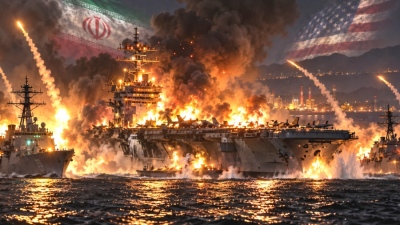
Developments in the Persian Gulf are turbulent, with Iran once again striking the US first and without warning, launching a fresh barrage of anti-ship missile attacks toward the Strait of Hormuz region, targeting an American aircraft carrier and its escort vessels in a surprise operation, according to preliminary information broadcast by Iranian media on the night of September 11.
The new attack marks the third time since the onset of the limited Iran-United States conflict that Tehran has launched a first strike against American forces without prior notice, dramatically escalating the risk of a wider military confrontation across the Persian Gulf.
BREAKING: Iran has again started launching anti-ship missiles toward the Strait of Hormuz, targeting a U.S. aircraft carrier and its escort vessels in a surprise attack, per initial reports.
— The Hormuz Report (@HormuzReport) September 11, 2026
The development unfolds at an exceptionally critical juncture for the Middle East, as allies of Iran in Yemen, the Houthis (Ansar Allah), concurrently press ahead with their large-scale military offensive against pro-government forces, logging major territorial gains along the western coastline of the country.
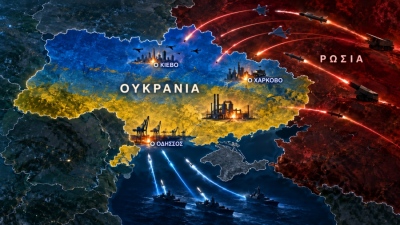
Forces of the Houthis assert that they have seized approximately 5,400 square kilometers of territory, while taking control of the strategic port city of Mocha and the island of Perim (Mayun), securing effective dominance over the Bab el-Mandeb maritime passage, one of the foremost commercial thoroughfares globally.
American forces in the Middle East caught in a two-front vice
Simultaneous pressure across the two major regional energy bottlenecks, the Strait of Hormuz and the Strait of Bab el-Mandeb, creates a new strategic reality, as forces aligned with Tehran threaten two of the most vital maritime arteries for oil and commercial cargo transit connecting Asia, Europe, and the Middle East.
The fresh Iranian assault on American naval assets takes place while Washington seeks to preserve its posture within the Strait of Hormuz, where maritime traffic has been drastically curtailed due to ongoing hostilties.
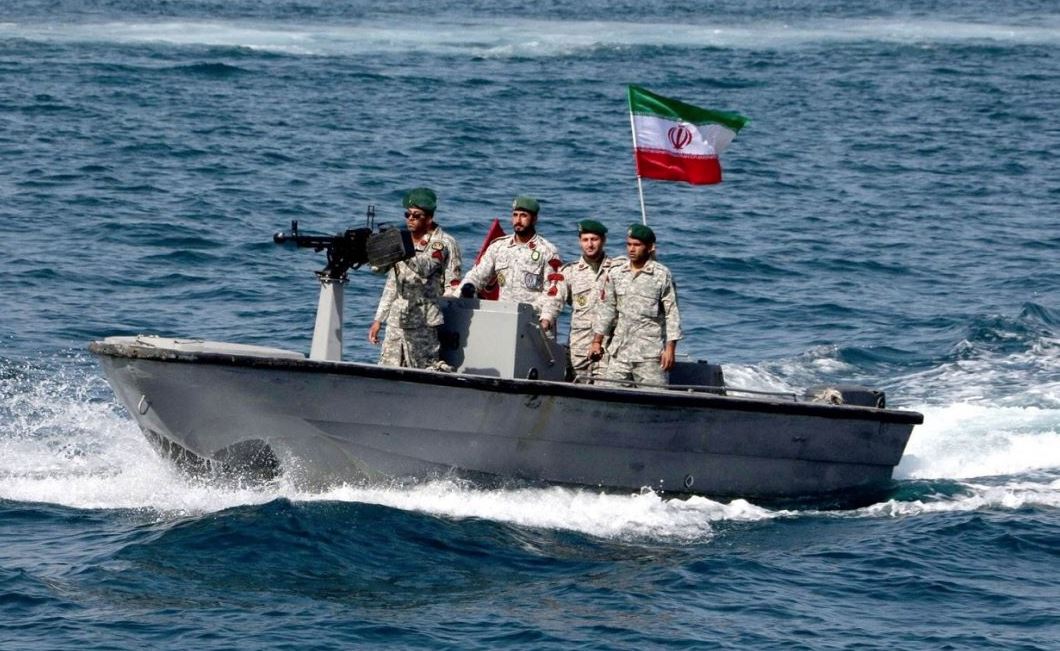
Concurrently, the advance of the Houthis across Yemen has established a secondary front of pressure targeting the US and its allies, as control of Bab el-Mandeb equips the movement with the leverage to directly threaten international shipping lanes traversing the Red Sea.
The new strike off the coast of Hormuz, coupled with the consolidation of Houthi presence throughout western Yemen, amplifies concerns that the Iran-US confrontation could shift from a localized exchange of blows into a broader regional showdown carrying immediate fallout for global energy stability.
Revolutionary Guard: we will defend Iranian waters at any cost
«The armed forces maintain complete readiness to defend Iranian waters and confront any hostile naval presence. The Strait of Hormuz remains under constant surveillance by Iran», Revolutionary Guard spokesperson Ebrahim Zolfaghari stressed via a social media post, commenting on the renewed strike against an American aircraft carrier on the evening of September 11.
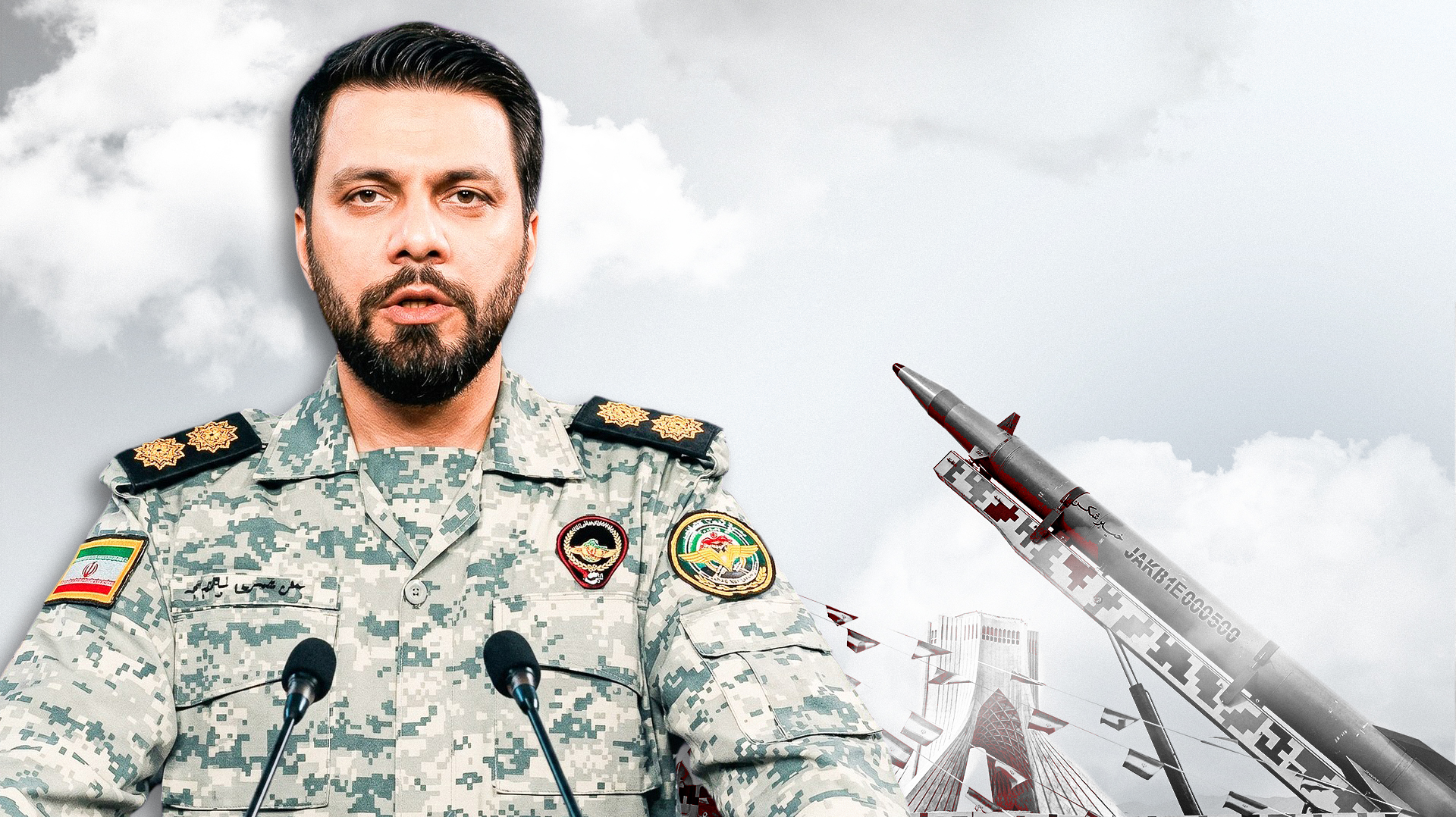
Iran reportedly resumed launching anti-ship missiles aimed toward the Strait of Hormuz, singling out an American carrier and its escorting warships in a surprise raid, according to initial reports emerging through Iranian news outlets.
Bombshell from Chinese analyst: Iran hit US aircraft carriers with electronic jamming
Iran carried out the first live test of a novel anti-ship missile against an American warship, observed a Chinese specialist speaking on CCTV 4 and cited by Sprinter Press on September 11.
According to the assessments of the analyst, an electromagnetic pulse could inflict absolute destruction upon the delicate electronic components and command architectures of American combat vessels.
Chinese experts: Iran has for the first time tested a new anti-ship missile over an American warship / an electromagnetic pulse can completely destroy the sensitive electronic components and equipment of American warships... ?The Iranian side has been able to estimate the location of American forces by analyzing open-source data / the entirety of the US military's intelligence system was caught off guard and had not anticipated such an extent of information disclosure.
— ???????? ????? (@SprinterPress) September 11, 2026
The Iranian side reportedly succeeded in determining the positions of American assets through open-source intelligence analysis.
The entire military intelligence apparatus of the US, according to these accounts, was taken by surprise, failing to anticipate such an extent of data leakage or vulnerability exposure.
Seismic intervention by Pezeshkian: bullying will not break us, the US weaponizes hunger but failed
Meanwhile, President of Iran Masoud Pezeshkian stated that «bullying» will never coerce his country into submission, while accusing the United States of lacking basic decency by targeting Iranian civilian infrastructure.
«Since the US cannot force the Iranian people to surrender through intimidation, they attempt to drive them to capitulation by cutting off livelihoods and critical resources. However, the Iranian nation will not back down», stated Masoud Pezeshkian, in remarks broadcast by the semi-official news agency Fars.
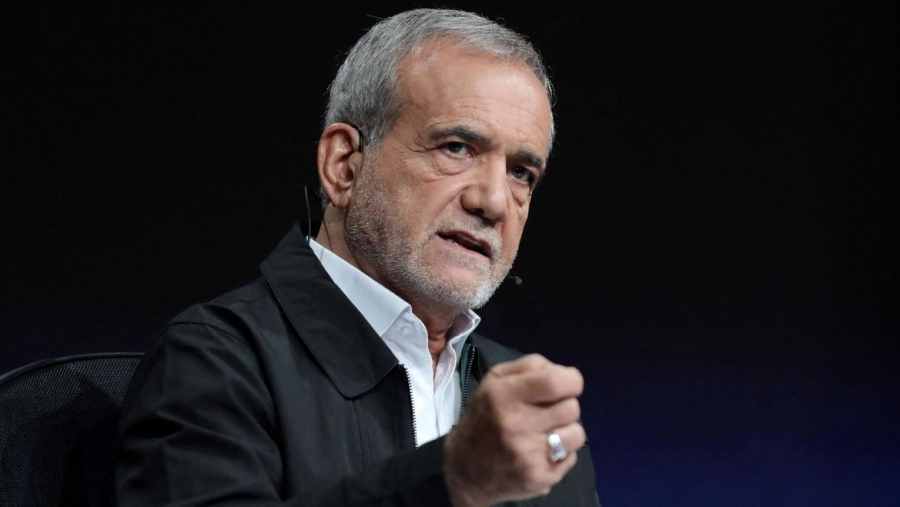
«If they are men of war, let them face the military. What business do they have with the bread of the people, their livelihoods, and civic networks? If they retain even an ounce of humanity, why do they cut off access to sustenance and water?», added the Iranian president.
There are credible signs that the American military has repeatedly targeted non-military installations within Iran over the course of the campaign.
Iranian officials hold American President Donald Trump responsible for ordering such strikes in an effort to exert maximum pressure on Tehran to submit to demands issued by Washington.
Amok: the Houthis seized 5,400 square kilometers in Yemen
The Houthis (Ansar Allah) announced on September 11 that they had expelled the forces of the government of Yemen, backed by Saudi Arabia, from six districts along the western coast, asserting substantial territorial expansion in an operation that rapidly altered ground conditions around the strategic Strait of Bab el-Mandeb.
Military spokesman for the Houthis, Brigadier General Yahya Saree, stated that group units launched an operation on September 3 titled «Allah Is Stronger in Might and Stronger in Punishment» across sectors in the provinces of Taiz and Hodeidah.
According to Yahya Saree, the operation resulted in taking control of territories covering roughly 5,400 square kilometers.
He maintained that these districts have now been rendered «safe and stable», noting that Houthi units assaulted seven military formations encompassing 38 brigades.
The spokesman for the Houthis added that hundreds of opposing combatants were killed, injured, or captured, claiming that movement forces also liberated detainees held for years by units supported by Saudi Arabia across the western coastline.
Yahya Saree also contended that the Houthis executed 32 air defense operations against combat aircraft of Saudi Arabia and brought down nine drones.
According to him, the advance continued despite «heavy air cover» provided by Saudi Arabia in support of its allied ground formations.
The announcement arrives amidst a sharp escalation of clashes across the Red Sea coastline of Yemen, where Houthi forces achieved a string of swift advances over recent days.
According to reports, the movement captured the strategic port town of Mocha and on September 11 established control over the island of Perim, also recognized as Mayun, at the entrance to the Strait of Bab el-Mandeb.
The renewed fighting represents a major escalation following years of relative calm achieved through the 2022 truce mediated by the UN.
The Strait of Bab el-Mandeb stands as one of the most critical maritime chokepoints in the world, linking the Red Sea with the Gulf of Aden, functioning as a primary nautical thoroughfare connecting Europe and Asia.
The forward movement of the Houthis has triggered intense concern in Saudi Arabia, as it draws the group closer to sea corridors utilized for oil shipments from the kingdom.
The friction has drawn Saudi Arabia into increasingly direct operational engagement.
On September 8, the Houthis launched strikes into southern Saudi Arabia, which, according to authorities, left 73 individuals injured and ignited blazes across critical petroleum infrastructure.
The swift march of the Houthis introduces a serious military dilemma around the Strait of Bab el-Mandeb and approaches to the Red Sea for Saudi Arabia, while government forces of Yemen confront the prospect of a much wider conflict that could persist for months.
Awe: the Houthis seized all strategic access points to the Red Sea
The Iranian-backed Houthi rebels seized the strategic coastal port city of Mocha on the Red Sea coast of Yemen.
This development could serve as a major point of leverage for Tehran within the unfolding Iran-United States confrontation.
As the American daily Washington Post (WP) notes, following the effective disruption of maritime movement across the Strait of Hormuz by Iran in late February, the Strait of Bab el-Mandeb near the coastline of Yemen has assumed even greater weight for global trade.

Its importance is particularly decisive for crude exports departing Saudi Arabia.
Mocha, now under Houthi control, sits roughly 30 miles from the Strait of Bab el-Mandeb.
For this reason, multiple analysts speaking to the Washington Post consider that the regional partner of Iran now commands «significant leverage for both itself and its primary patron».
Corroborating this evaluation, the newspaper cites Ahmed Nagi, senior analyst for Yemen at the International Crisis Group.
He pointed out that Iran now possesses «100% more points of leverage» following the extensive offensive executed by the rebels.
«All Saudi vessels will be blocked from the Strait of Bab al-Mandeb»
According to the spokesperson for Ansar Allah Houthis, Yahya Saree, all international shipping is authorized to transit the Strait of Bab al-Mandeb, with the exception of merchant traffic from Saudi Arabia, which remains barred and prohibited from traversing the maritime corridor.
Ansar Allah asserts that the only path toward permitting maritime movement from Saudi Arabia through Bab al-Mandeb and the Red Sea is for Saudi Arabia to lift its blockade over Yemen.
According to the statement obtained, this decision will not materially impact the broad volume of international nautical trade traversing the Red Sea and the Strait of Bab al-Mandeb, unless linked or associated with traffic from Saudi Arabia under any designation, shape, or form.
This reality represents the foremost security worry for Saudi Arabia and forms one of the central drivers behind current air operations carried out by Saudi Arabia against a range of Ansar Allah positions throughout the city of Mocha.

Reports specify that Saudi Arabia executed a wave of aerial strikes utilizing combat aircraft, hitting the airport of the town after it was overrun by Ansar Allah Houthis.
Ansar Allah Houthis exercise full control along the western coastline of the Red Sea.
They likewise hold the Hanish Islands and Mayun island, positions of extraordinary military value. Situated north of the Strait of Bab al-Mandeb, these geographical points allow Ansar Allah Houthis to establish an active security checkpoint along the sea corridor.
In this manner, they maintain comprehensive oversight over international maritime trade crossing Bab al-Mandeb.
They can also instruct ships from Saudi Arabia to steer clear of the Arabian Sea entirely, possessing ballistic and hypersonic missiles with the range to reach into the Indian Ocean.
Saudis prepare to deploy armor to Al-Wadi’ah
Saudi Arabia is preparing to dispatch hundreds of armored combat vehicles and additional troops into Yemen through the Al-Wadi’ah border crossing, according to sources cited by the outlet.

The reinforcements are projected to cross into Yemen today and tomorrow, signaling an extensive buildup of ground forces from Saudi Arabia as hostilities with the Houthis intensify.
Trump panic: rejected Saudi request to deploy forces against Houthis
According to Axios, Crown Prince Mohammed bin Salman of Saudi Arabia spoke twice by telephone with American President Donald Trump.
During the discussions, he requested the immediate launch of American air and naval attacks against the Houthis, as the Iranian-backed organization draws near a decisive position along the Red Sea.
However, the leadership in the White House turned down such an arrangement for immediate operational intervention in support of Saudi Arabia.
American officials noted that the administration is not currently entertaining direct military involvement targeting the Houthis.
Concurrently, reports indicated that over recent days the United States widened the intelligence feed designed to support the campaign of Saudi Arabia against the regional partner of Iran.
CNN reported that over 100 American military advisors currently furnish assistance to Riyadh regarding its campaign against the Iranian-supported Houthis across Yemen.
American personnel participate within a newly established joint coordination framework set up in recent weeks, amid expanding indications that Iran is stepping up initiatives to bolster the Houthis during their strikes against Saudi Arabia.
www.bankingnews.gr








Readers’ Comments