

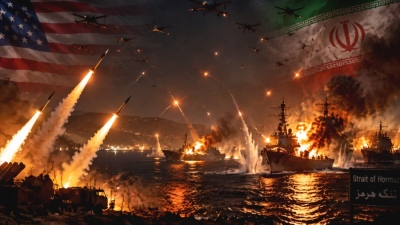
The Persian Gulf enters a new cycle of uncontrollable ignition, as on the night of September 7 the Revolutionary Guards of Iran launched multiple Qassem Bassir hypersonic missiles at cruisers of the US deployed in the Strait of Hormuz to escort commercial vessels, according to reports by Iranian media on September 7.
According to the same sources, this launch marks the fourth such action within the same day, while so far no immediate American response has been reported.
At the same time, the Iranians are reported to have altered the methodology of their strikes against aircraft carriers and cruisers, as they no longer launch conventional anti-ship cruise missiles, but ballistic missiles equipped with anti-ship warheads.
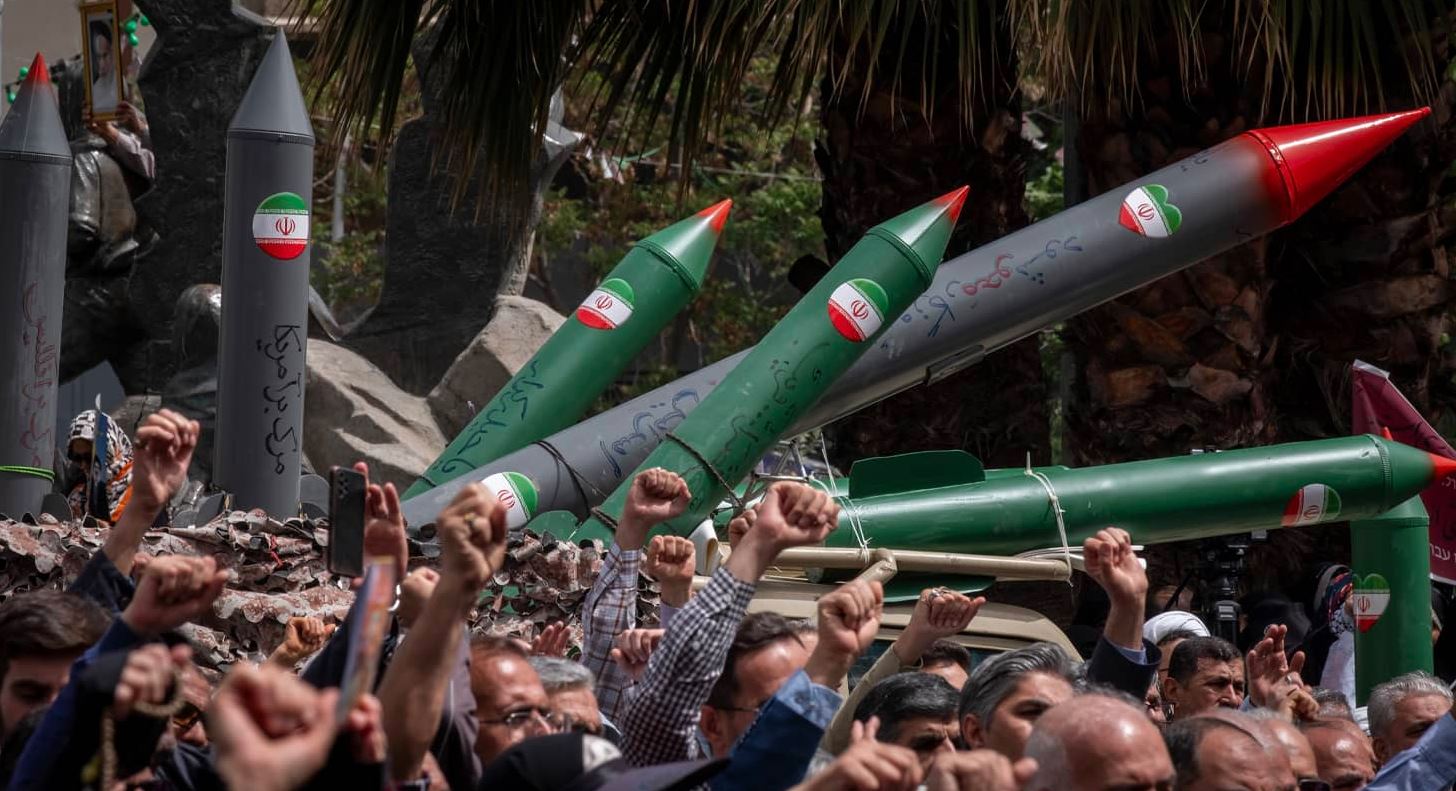
Along with these, Tehran is deploying the Qassem Bassir hypersonic anti-ship ballistic missile, which is characterized by Tehran as an «aircraft carrier killer», against an American nuclear-powered aircraft carrier strike group.
Escalation is also intensifying on the diplomatic front, where the Iranians openly warned South Korea not to participate in American military operations in the Persian Gulf or the Strait of Hormuz, threatening Seoul with «serious consequences», according to the Iranian Ministry of Foreign Affairs.
However, the American side has provided no response for the time being to the new Iranian strikes, neither in the field nor on the diplomatic level...
Shock attack on naval convoy with Shahed-136 and cruise missiles
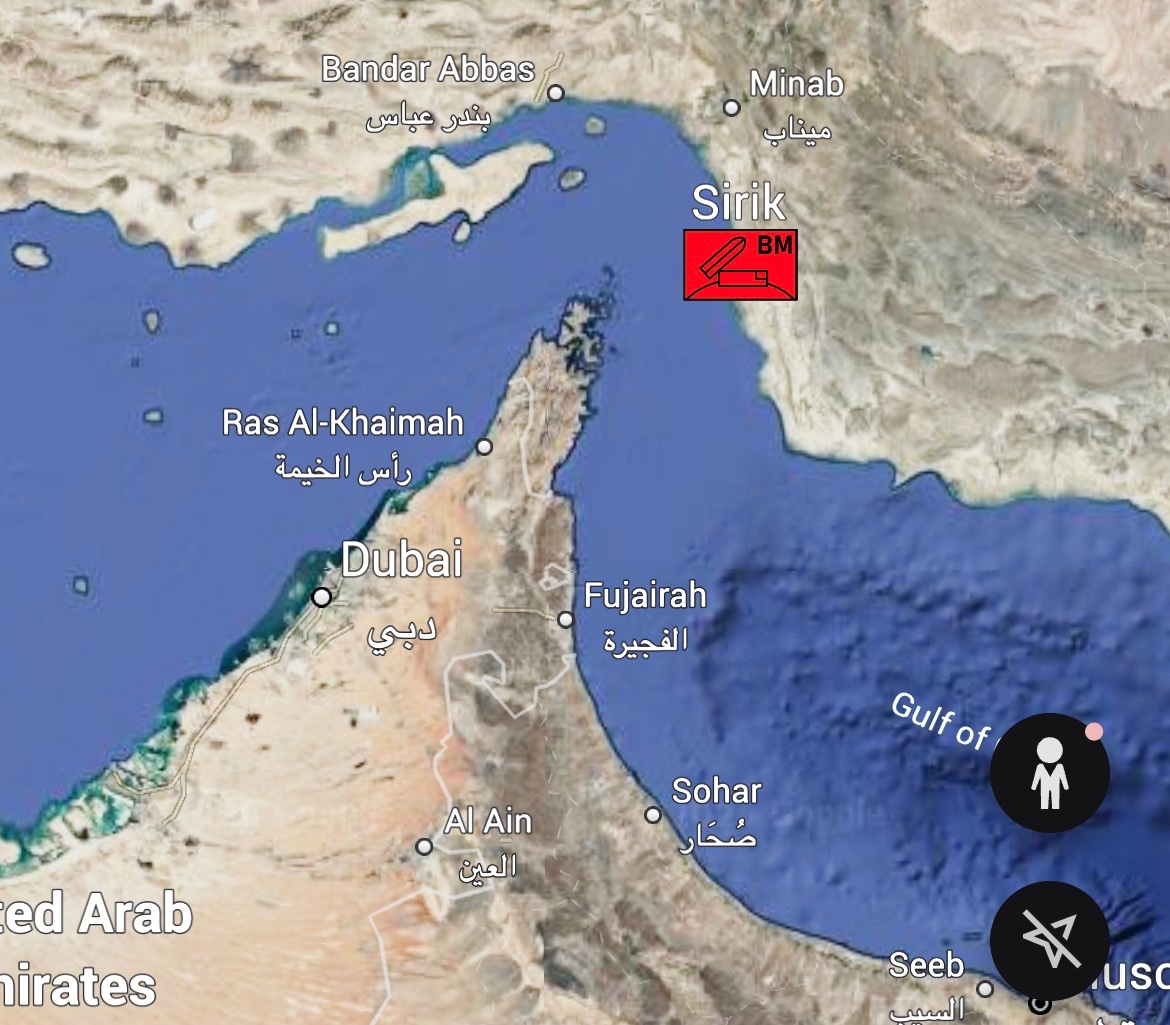
Iran unleashed multiple waves of attacks with anti-ship cruise missiles and unmanned aircraft of the Shahed-136 type from the Sirik region, in the south of the country, directed toward ships escorted by the US Navy, in the United States-supported southern corridor of Oman in the Strait of Hormuz, according to initial reports.
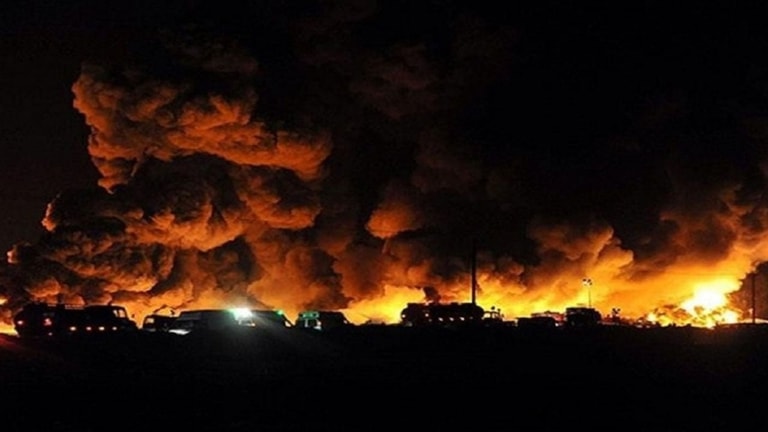
The target, according to the same information, is a large convoy of oil tankers under American escort, which is currently passing through the Omani maritime route.
A few minutes ago, multiple explosions were reported in the area.
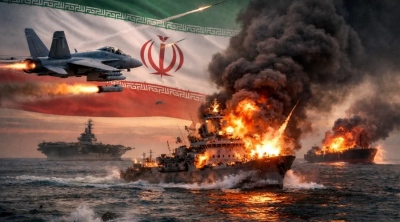
Iranians set American cruisers ablaze from positions in Sirik
Specifically, Iran is reported to have once again launched an anti-ship ballistic missile from the Sirik area, in the south of the country, directed toward the Strait of Hormuz, according to initial reports, possibly against American aircraft or naval units.
According to the same sources, this launch constitutes the fourth corresponding action within the same day, while so far no immediate American response has been reported.
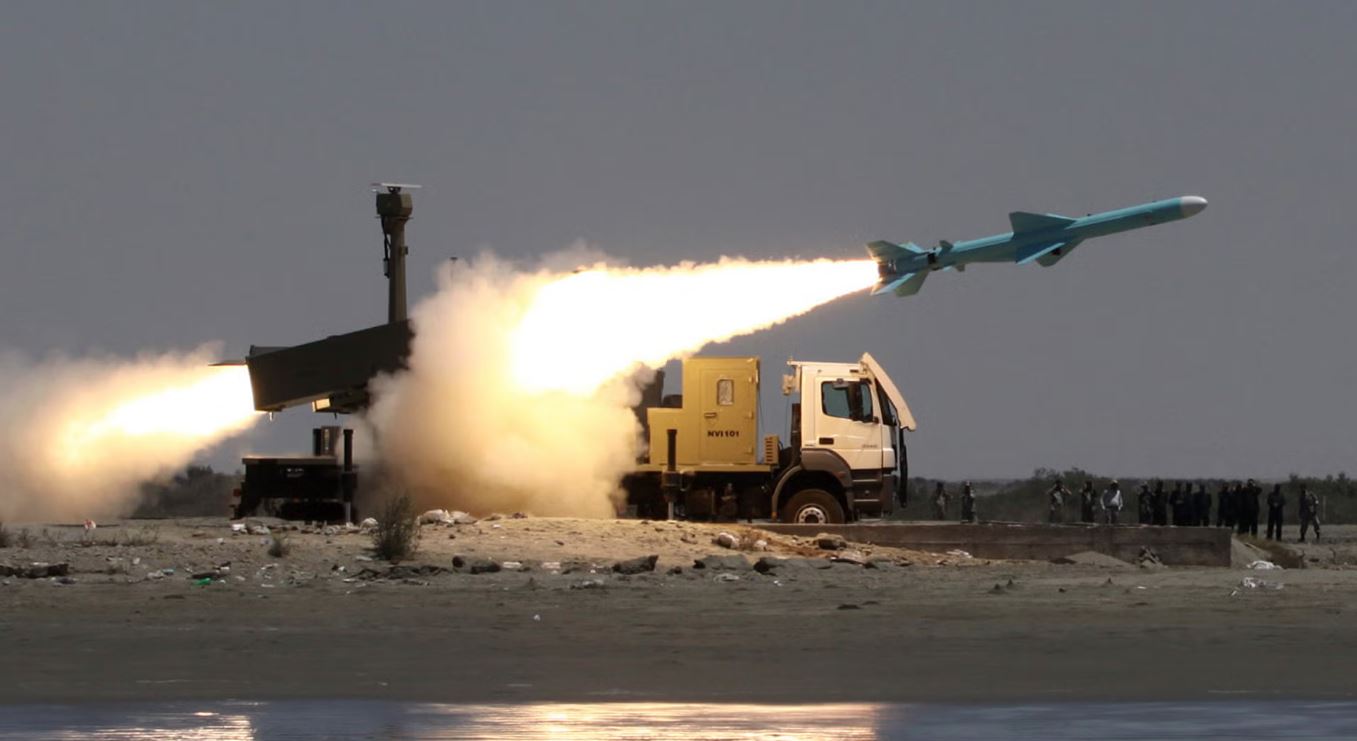
The repeated launches occur as Tehran continues to test the limits of the American military presence in the region of the Strait of Hormuz.
Iran warns that it could significantly escalate the scope of its attacks if the United States continues the blockade of the Strait of Hormuz.
Iran sweeps American ships with the «aircraft carrier killer» Qassem Bassir
For the first time, according to Iranian sources citing knowledge of the situation, Iran directly used the Qassem Bassir hypersonic anti-ship ballistic missile, which is characterized by Tehran as an «aircraft carrier killer», against an American nuclear-powered aircraft carrier strike group.
The missile reportedly targeted the American aircraft carrier USS George Washington and an accompanying destroyer, according to the same Iranian sources.
According to reports, the Qassem Bassir can reach speeds of Mach 5 to Mach 8 during the terminal phase of its flight and uses an optical/electro-optical guidance system, a fact that, according to claims, makes its interception exceptionally difficult.
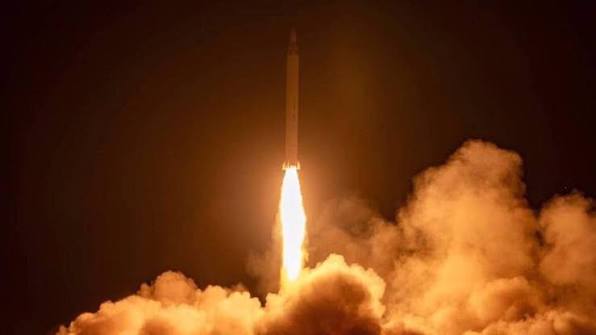
This development is characterized as a significant escalation of the conflict, as Iran appears to show intent to directly target American naval strike groups with advanced anti-ship ballistic weapons.
An Iranian source warned that Tehran may further escalate its operations aimed at breaking the blockade, indicating that the attack against the American naval force may represent only the beginning of a broader campaign against American naval forces.
Iran's warning to South Korea: «Do not even think about entering the war on the side of the US»
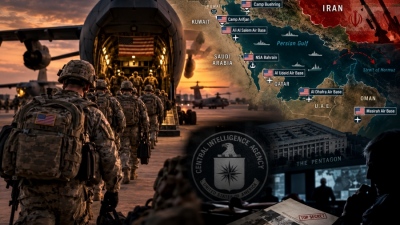
At the same time, Iran officially warned South Korea not to take part in American military operations in the Persian Gulf or the Strait of Hormuz, threatening «serious consequences», according to the Iranian Ministry of Foreign Affairs.
Specifically, ministry spokesman Esmail Baghaei addressed the warning in the Korean language as well, stating that any military deployment of forces or operational participation will be considered «direct support to the aggressor».
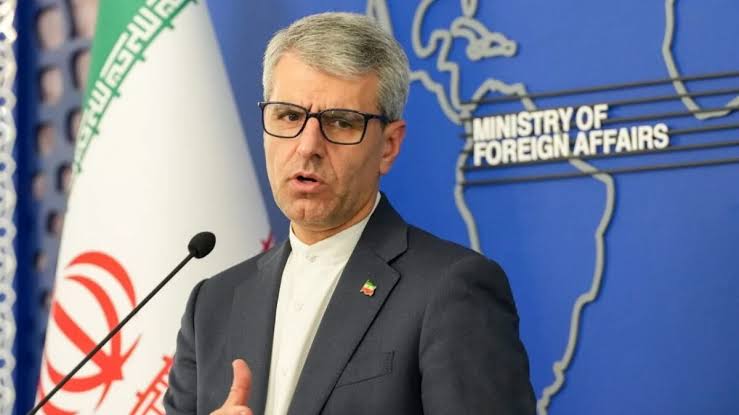
The warning comes as South Korea is reportedly considering plans to deploy forces in the region of the Strait of Hormuz, although Seoul maintains that no final decision has yet been reached.
The message of Tehran to Seoul is clear:
«If you side with the United States, you will face the consequences».
Something changed in Iranian strikes in Hormuz, They launch ballistics with anti-ship warheads
It should be noted that on the afternoon of September 4, two missiles were launched from Iran directed toward the Strait of Hormuz, as reported by Sprinter X on September 4.
Based on their trajectory, these are not conventional anti-ship cruise missiles, but ballistic missiles equipped with anti-ship warheads.
??Apparently, two missiles were launched from Iran in the direction of the Strait of Hormuz.
— ???????? ????? (@SprinterPress) September 4, 2026
Based on their trajectory, these are not ordinary anti-ship cruise missiles, but ballistic missiles equipped with anti-ship warheads.
This could indicate that Iran is attempting, for… pic.twitter.com/ZdGVoeDmgq
This could indicate that Iran is attempting, for the first time, to strike fixed ship-to-ship transfer facilities (Ship-to-Ship Transfer, STS), aiming to disrupt the privilege regarding oil commerce through the Strait of Hormuz and the Persian Gulf as a whole.
Legitimate right to defend ourselves against the American naval blockade
Iran considers its «defensive» actions to be «completely legitimate», including strikes against American military bases in the Middle East, Esmaeil Baghaei argued.
«The Islamic Republic of Iran is in a state of legitimate self-defense and defense of its national interests due to the continuation of the naval blockade and the full-scale economic war», stated Baghaei, pointing out that Tehran considers its actions lawful «within the framework of the inherent right to self-defense under Article 51 of the Charter of the United Nations».
«The resort of the United States to attacks against civilians and the killing of children, in an effort to exert pressure on the Islamic Republic of Iran, completely invalidates their claims», added the Iranian official.
US Department of Energy: Trump does not need a nuclear deal with Iran... he will destroy them completely
The Secretary of Energy of the US, Chris Wright, stated that the Trump administration may not conclude a nuclear agreement with Iran and instead pursue a policy aimed at completely destroying the capability of Iran to acquire nuclear weapons in the future.
Wright claimed that the United States has so far significantly degraded the capability of Iran to develop nuclear weapons and indicated that the president of the US will continue to adopt an active approach toward weakening the capabilities of Tehran rather than attempting to reach a deal.
«There may be no Nuclear Deal at all», he stated on the broadcast «This Week» of ABC News.
«We might just destroy their ability to have nuclear weapons.
The deal might be left for the next administration in Iran. We really don't know».
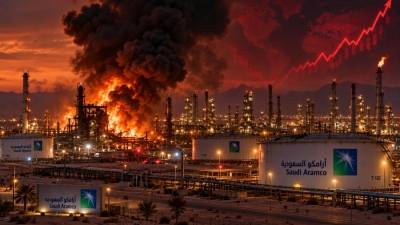
Reuters: Dramatic drop in commercial shipping in Hormuz, only 10 ships per day pass
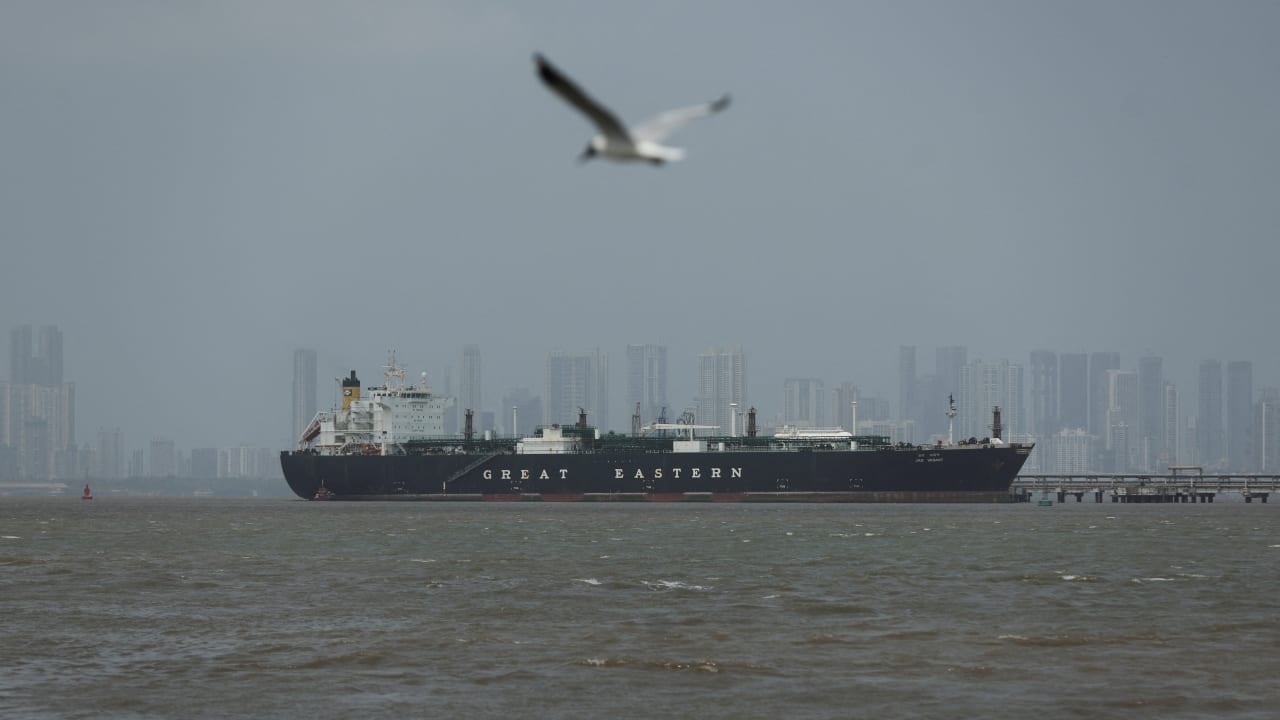
«Over the past 10 days, an average of 10 ships carrying crude oil have passed through the Strait of Hormuz, the lowest number since May», emphasizes Reuters.
According to shipping data from Kpler, 15 cargo ships passed through Hormuz on September 4, 13 on September 5, and traffic dropped to 10 on September 6.
The Secretary of Energy of the US, Chris Wright, admitted that the volume of oil transit through the Strait of Hormuz is lower than it was before the attacks of the US on Iran.

The Central Command of the Pentagon reported that American forces attacked three Iranian oil tankers near Kharg Island, in Jask, and in the Gulf of Oman.
In retaliation, Iranian forces struck three oil tankers linked to the US in the Strait of Hormuz, and Reuters later reported that the IRGC launched ballistic missile attacks against an American aircraft carrier and a destroyer.
Small war, big bill, or how does Trump want to conceal his defeat in Hormuz ahead of elections?
Trump calls the war in Iran a «small military conflict» in order to mislead the American public ahead of the elections on November 3, 2026, claiming that the importance of Hormuz has diminished because he possesses the oil of Venezuela.
However, surging energy costs, market upheaval, and the need of Washington for alternative routes indicate a major divide between the narrative of the White House and the reality of the American economy.
The US is clearly misleading
On the surface, Trump is attempting to present an entirely successful picture of the situation:
America holds the upper hand on the ground, the war has not created significant costs for the US, Hormuz is no longer a decisive bottleneck, and alternative routes exist for oil.
Yet linking these assertions together reveals a fundamental contradiction.
If Hormuz is truly under full American control, why is the White House simultaneously emphasizing the construction of alternative routes?
And if the war is «no big deal», why is Washington searching for alternative routes and new oil sources to reduce its vulnerability to energy disruptions?
www.bankingnews.gr




Readers’ Comments