

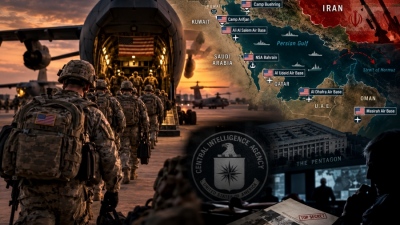
Following the shock of Iran's attacks, Washington is reportedly preparing for the day after in the Middle East. Behind-the-scenes discussions have begun at the Pentagon and within US intelligence agencies regarding a significant restructuring of the American presence in the region, featuring less personnel, fewer facilities, and a different operational model—once the war with Iran comes to an end. The discussion is not merely about cuts. Repeated Iranian attacks have exposed how vulnerable the network of American bases built and expanded over decades in the Middle East has become, forcing military officials and planners to evaluate underground facilities, missions without a permanent presence, and the abandonment of severely damaged bases. If the plans proceed, they could signal one of the most significant shifts in American military presence in the Middle East since September 11, marking yet another attempt by Washington to disentangle itself from a region that, for 25 years, has experienced one failure after another.
What is being discussed
Discreet discussions have recently taken place in military and intelligence community offices regarding reducing the number of personnel and facilities typically stationed in the Middle East, provided the Trump administration manages to end the conflict with Iran, according to six sources cited by CNN. If implemented, these cuts would mark another shift in how the US national security apparatus approaches a region from which successive American presidents have sought to disengage.
The military network
Following the September 11, 2001 attacks, the US dramatically expanded a network of permanent military and intelligence facilities to conduct wars and strikes across six countries: Iraq, Afghanistan, Syria, Iran, Yemen, and Libya. However, recent clashes with Iran have exposed severe vulnerabilities in American infrastructure in the Middle East, as many of these facilities have become targets of repeated Iranian strikes during an unpopular war that has claimed the lives of 18 American service members.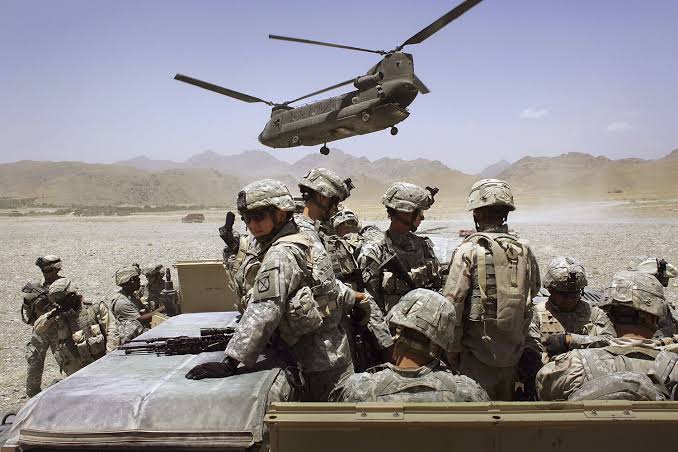
Unpredictable president without a strategy
Officials involved in the informal discussions within the armed forces and the intelligence community noted that they are acting, at least in part, to anticipate what might be deemed acceptable by an unpredictable president who, according to sources, has not articulated a clear post-war strategy and who previously built part of his political identity on reducing the US military footprint abroad.
50,000 troops, 2 aircraft carriers, and 12 destroyers
These discussions are occurring while approximately 50,000 troops and a vast array of military assets remain in the Middle East, including two aircraft carriers and more than a dozen guided-missile destroyers. CIA officers who had returned to the US during the most intense phase of the conflict earlier this year are being redeployed to the region, according to one of the sources.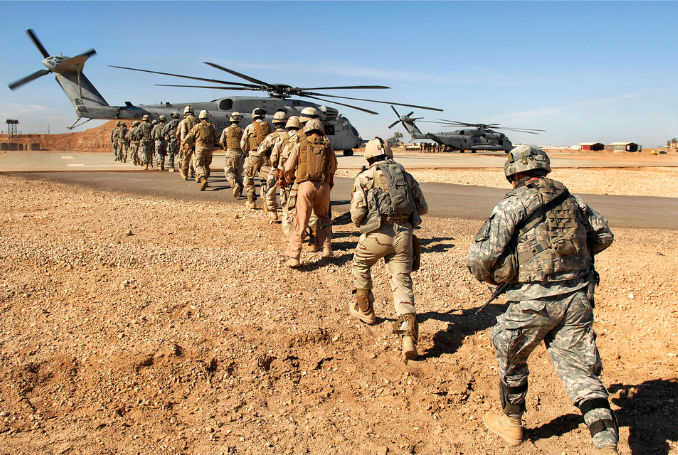
Underground bases
The US military is also considering ways to enhance troop protection for forces expected to remain in the region after the war ends. Among the options is moving certain facilities underground to better protect them from missile and drone strikes like those launched by Iran during the months-long conflict, according to two sources familiar with the discussions. Although the Pentagon has discussed placing some regional bases underground for years, the idea gained new urgency after the initial weeks of the war, when Iran demonstrated how vulnerable the facilities were to missile attacks. "The vulnerabilities were always known, but the US never addressed the issue with the required sense of urgency," an American official stated.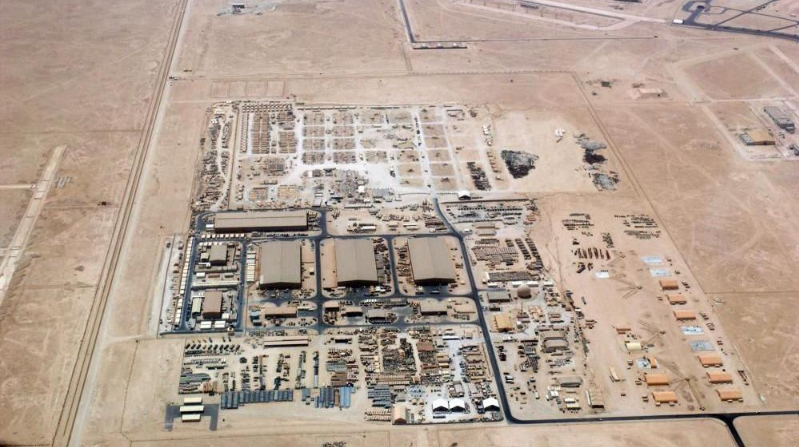
The plans
The armed forces have drawn up several possible plans for altering the posture of American forces in the Middle East as early as next year, two sources stated, noting that it would make no sense to abandon these strategic locations from which aircraft operate while the conflict is still ongoing. The Office of the Secretary of Defense referred questions to US Central Command. CENTCOM did not respond to a request for comment prior to publication, while the CIA declined to comment. Underlying today's discussions are repeated efforts to pivot away from the region: 25 years of American military intervention in the Middle East since 9/11, marked by successive cycles of promises to limit the US footprint.
Presence in the Middle East
The US military began dramatically increasing its presence in the Middle East in the years leading up to September 11. Since 1998, it maintained approximately 27,000 active-duty military personnel across the region—a number significantly higher than in previous decades. This number continued to rise after the 9/11 attacks, as the network of US bases expanded to support first the war in Afghanistan, then the war in Iraq, and subsequently an ever-expanding series of counterterrorism operations across various regional flashpoints.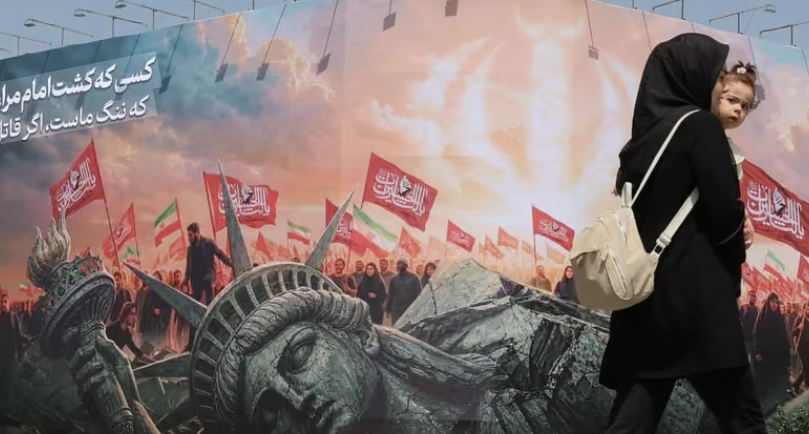
Up to 250,000 troops
Two years after the 9/11 attacks, the US was estimated to have roughly 250,000 troops in the Middle East during the invasion of Iraq. Between 2007 and 2011, the number of American service members in the region fluctuated but never dropped below approximately 100,000, according to publicly available estimates. In 2011, then-President Barack Obama announced that "the tide of war is receding" in Afghanistan and that the US would begin withdrawing tens of thousands of surge troops. However, the US would not fully exit Afghanistan until a decade later.
Disengagement efforts
That same year, Obama withdrew combat forces from Iraq, seeking to disengage the US from a war widely viewed as a failure. However, he was forced to return when the resulting power vacuum contributed, according to one estimate, to the rise of ISIS. Although the total number of American troops in the Middle East declined in the years after 2011, it continued to hover between 30,000 and 60,000. Throughout this period, the potential threat from Iran remained a major concern for US policymakers, primarily due to Tehran-backed groups that executed lethal attacks against American forces in Iraq.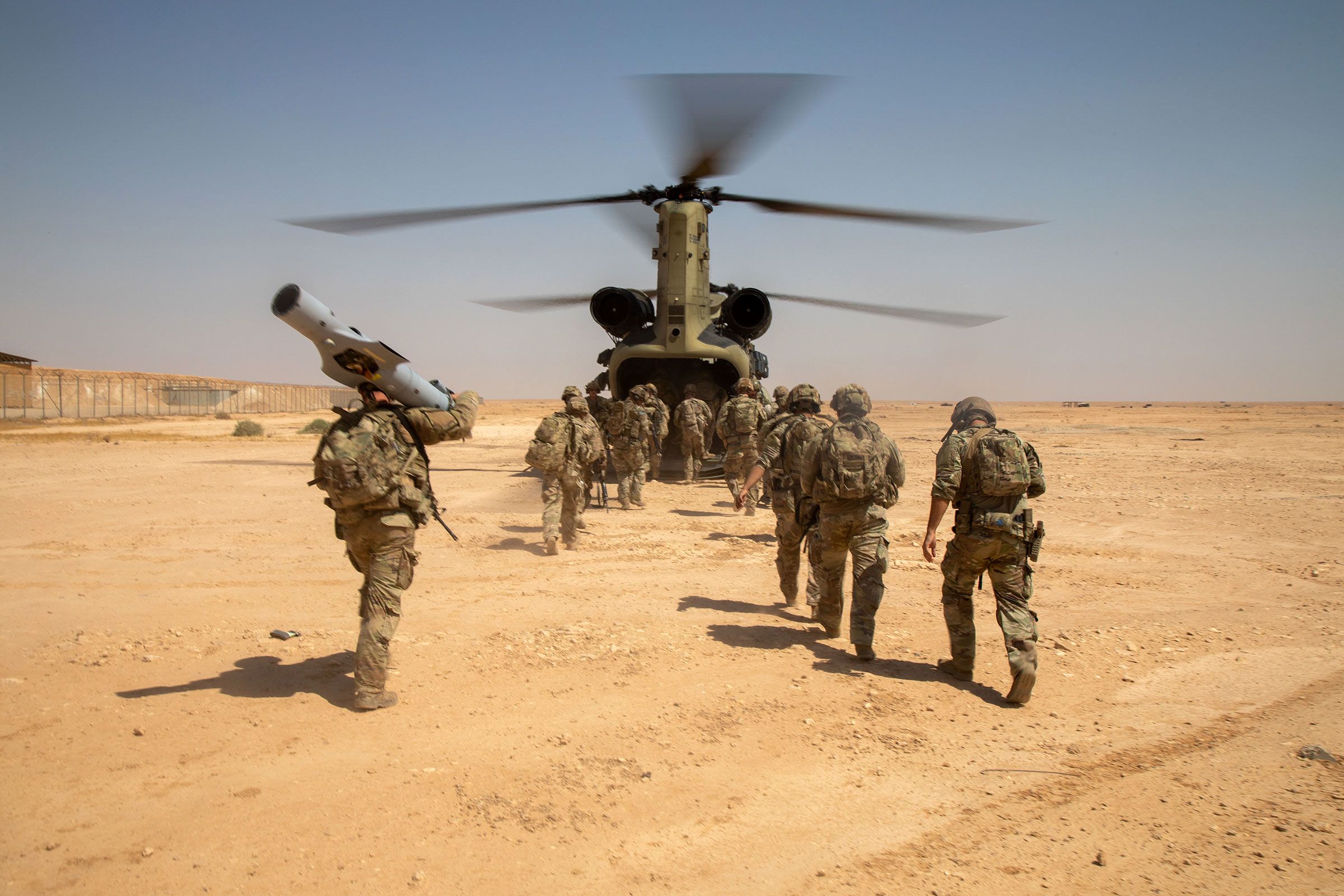
Significant damage to bases
Although current plans evaluate options for potential cutbacks, the US does not appear any closer to a deal with Iran that would end the conflict. Iran continues to target American bases and forces deployed in the region, launching attacks last week against US facilities in Jordan and the United Arab Emirates as the two sides exchanged fire for the first time in about a month. The damage is significant, according to American officials. For example, the CIA base in Riyadh, Saudi Arabia, was essentially destroyed by an Iranian attack, according to an active-duty US official and a former intelligence officer. Although Pentagon officials attempted to downplay the consequences, American military installations in Bahrain, Qatar, Saudi Arabia, and Kuwait have been hit by Iranian drones and missiles, with sources characterizing the damage as extensive.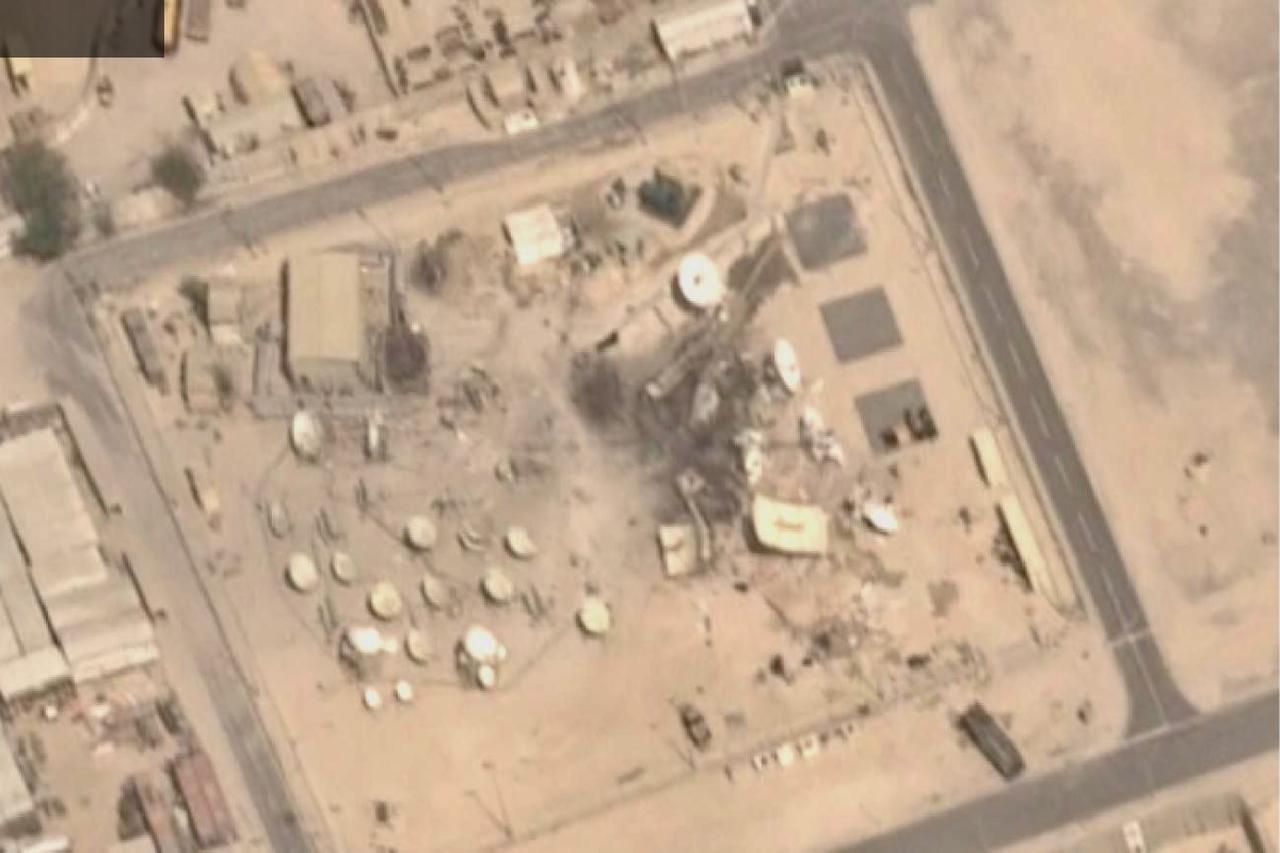
What is being evaluated for the CIA
Regarding the CIA and the joint special operations command, some officials have evaluated whether sensitive missions could be conducted without permanent bases, according to two US officials: keeping personnel and equipment in the United States, deploying them to the Middle East for specific missions, and then returning home.
No reconstruction
In some instances, the US government may simply decide not to rebuild infrastructure that suffered severe damage or was destroyed by Iranian attacks, partly due to cost, according to one official and two additional sources familiar with the discussions. Pentagon officials have publicly declined to specify which facilities might be rebuilt. In April, Pentagon Comptroller Jules "Jay" Hurst III told reporters it was unclear how much it would cost to repair damaged bases from the war with Iran, adding that "part of the issue is assessing what our force posture in the Middle East should be." Hurst later added that the Pentagon lacks a "final figure for the damage to our overseas facilities," noting that it depends "on how we decide to rebuild them, or if we do so at all."
Troop reductions
Senior Pentagon officials have privately made it clear that they wish to reduce the US troop presence across several Gulf countries as part of a broader effort to shift more of the defense burden onto regional partners, according to three sources familiar with the discussions. Sources indicated there is no formal process or immediate mandate to conduct what is officially termed a force posture review. Instead, officials across different military branches and the CIA are acutely aware that even as the military continues escorting ships through the Strait of Hormuz, launching strikes against Iranian infrastructure, and threatening additional targets—which would likely escalate the conflict further—President Donald Trump is known to change his mind rapidly. "Is there an implicit mission? Is something coming that we need to be ready to move on, or are we just keeping forward-deployed forces for every contingency?" another US official said, describing the mood of the discussions.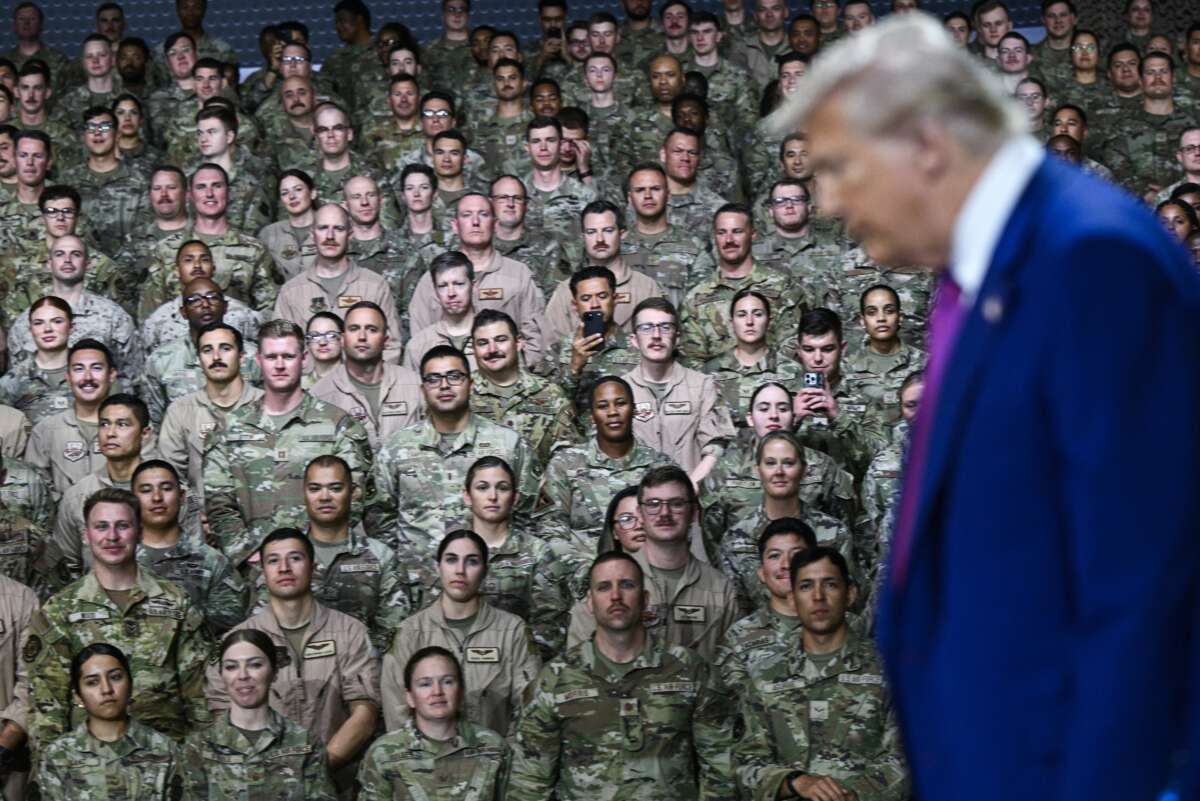
Everything changed after 9/11
Around the time of the September 11 attacks, the CIA was searching for a new mission, according to former officers and historians. Its primary adversary, the Soviet Union, had collapsed. The agency had analysts with deep knowledge of terrorism and the Middle East, but they were few in number. Personnel in the region likely numbered only a few hundred people, according to Jeffrey Rogg, an intelligence historian at the University of Texas at Austin. After 9/11, all of that changed. The agency engaged in massive hiring and built a much larger cadre of paramilitary officers who carried weapons and worked closely with the US military to track down terrorists—a departure from the traditional operative whose primary mission was cultivating sources and collecting classified intelligence.
The pivot
Both organizations experienced successive phases of buildup and containment over two decades of involvement in a region from which presidents of both parties frequently sought to disengage. Barack Obama attempted to orchestrate a "pivot" of American military and intelligence resources toward Asia, while the Trump administration, during its first term, labeled China the greatest threat to the US in its initial national security strategy. However, the word "pivot" became a running joke within national security circles, as successive crises and policy decisions—including the sudden rise of ISIS and Trump's decision during his first term to kill top Iranian General Qasem Soleimani—continued pulling the United States back into the Middle East.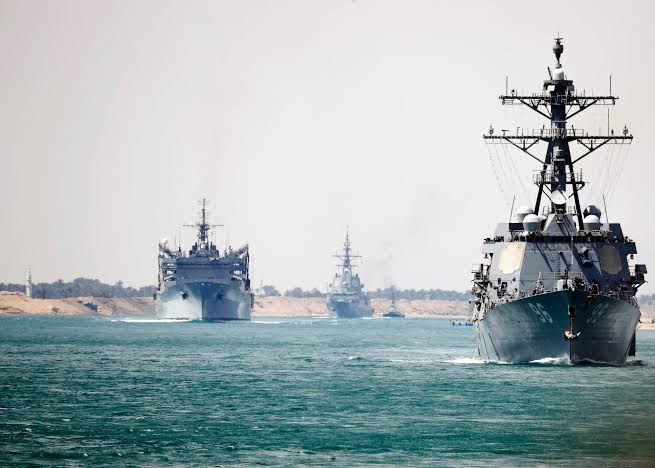
Goal will not be achieved through military means
Top US military leaders recently warned Trump that military options for escalating the conflict with Iran are unlikely to achieve his declared objectives, according to CNN. The president instead chose to focus on intensifying economic pressure, hoping to paralyze the Iranian regime. However, there is no clear timeline for how long this strategy might take to produce results, and many analysts believe Iran's current leadership may be prepared to endure months of economic strain and is unlikely to capitulate in the near future.
Question mark over which bases will remain
Broadly speaking, Pentagon officials expect that some major permanent military bases in the region will be retained. However, rebuilding these facilities may depend on the willingness of host nations to share the cost, which would likely run into billions of dollars, one source told CNN. The same source added that many of the bases were originally constructed and funded by their host countries. In the short term, US troops and bases in neighboring countries are almost certain to continue facing Iranian attacks. The Navy's top admiral stated last week that personnel will not be returning "anytime soon" to Bahrain, the traditional headquarters of the 5th Fleet. "We are not going back there anytime soon," said Chief of Naval Operations Admiral Daryl Caudle. "I just want to be completely honest about that."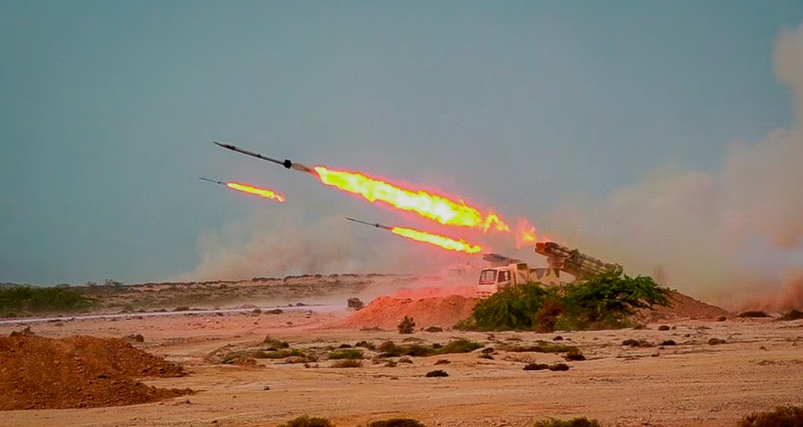
Iran threatens escalation
At the same time Washington abandons talks with Iran and shifts to an aggressive campaign of economic pressure, Tehran—finding itself in a difficult position—is threatening military escalation and a broader war to force negotiators back to the table. US President Donald Trump has rejected diplomacy with the Islamic Republic, describing the June ceasefire agreement as "not worth the paper it's written on." Instead, his administration has escalated pressure on Iran through a global sanctions campaign, military strikes, and a naval blockade restricting goods entering and leaving the country. Iranian military officials are increasingly showcasing new tactics in response to the pressure, threatening to target countries participating in the blockade and warning that they could broaden the regional conflict.
www.bankingnews.gr




Readers’ Comments