

The surprise and highly discreet visit of CIA Director John Ratcliffe to Moscow on August 25 was not merely another contact between US and Russian intelligence services. Many interpretations were given to this trip, ranging from the Ukrainian issue and NATO cohesion to Iran or... retrieving the bodies of CIA personnel, with the latter being presented as the most persuasive. A different interpretation is attempted by Axios, according to which Ratcliffe presented his Russian interlocutors with the idea of a trilateral summit featuring Donald Trump, Vladimir Putin, and Volodymyr Zelensky in a bid to reboot American mediation for the war in Ukraine. The same publication notes that the Trump administration has promoted such a framework in the past, that Zelensky views it positively, while Putin has rejected previous similar initiatives. This distance between the three sides is perhaps the most critical element of the case.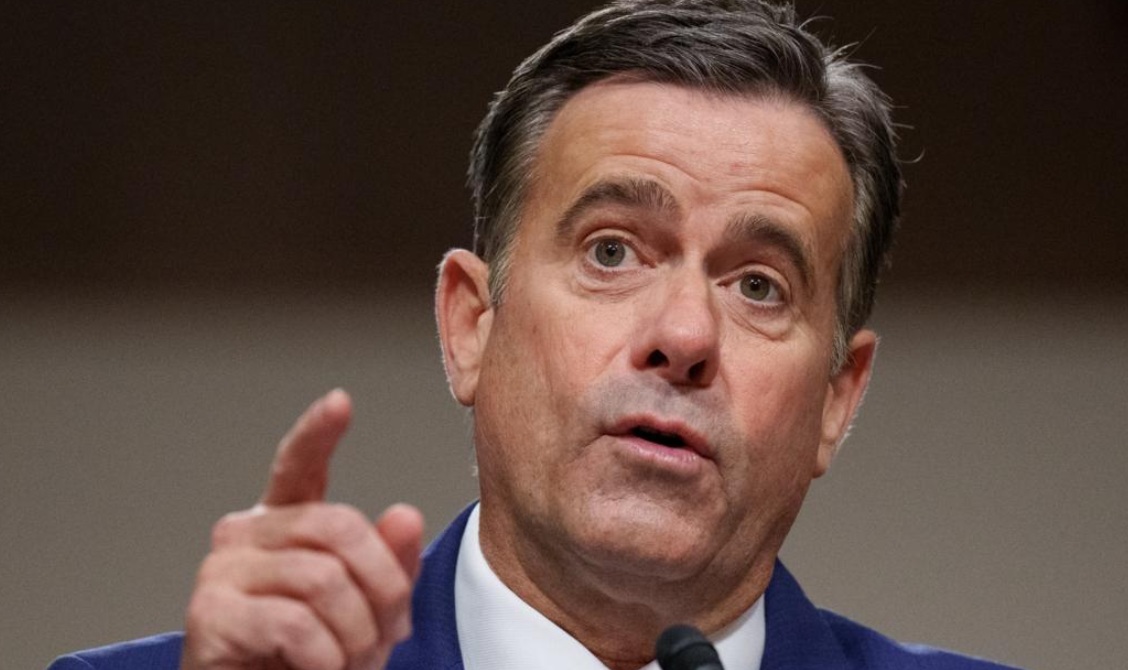
John Ratcliffe
After the defeat in Iran, Trump is desperate for a diplomatic victory ahead of the midterms on 11/3
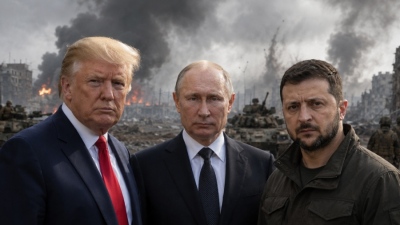
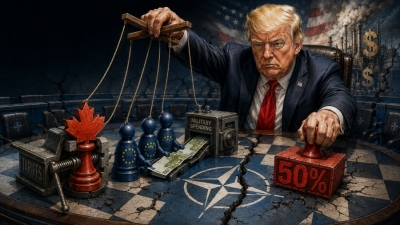
For Washington, a trilateral summit would hold far greater political value than yet another technical negotiation. Donald Trump finds himself a few months before the midterm elections of November 2026, which will decide the balance of power in Congress. In this context, an image of the US President flanked by Putin and Zelensky, playing the mediator who "brings opponents to the same table," could be presented domestically in the US as a major diplomatic victory, even if it did not immediately result in a final agreement. This does not mean the initiative is purely communicative. The Trump administration has invested political capital in the promise that it can succeed where previous efforts failed: stopping a war that has turned into a prolonged conflict of attrition, with immense financial and military costs for all sides. However, the timing cannot be ignored. A summit, even without a definitive peace deal, would give Trump something he can politically exploit before the polls: the image of movement, initiative, and personal diplomacy.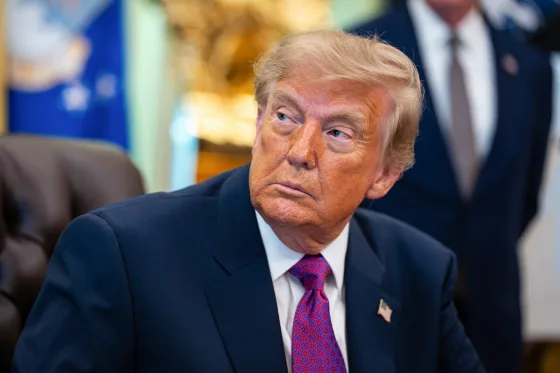
Zelensky is looking for a lifeline to save himself
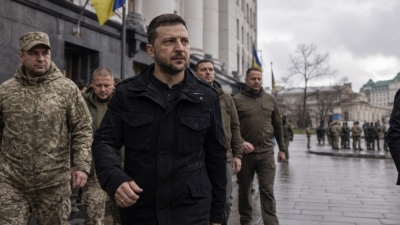
A similar, though differently natured, need belongs to Volodymyr Zelensky. Ukraine finds itself in a difficult military and diplomatic position. Battles continue, Russian attacks remain intense, air defense needs are massive, and Kyiv's reliance on Western military and financial support remains decisive. Zelensky himself has spoken of a narrow "window" of American mediation and seeks to keep Washington actively engaged. For Kyiv, therefore, a trilateral is not simply a diplomatic event. It is a way to avoid the gradual marginalization of the Ukrainian issue and ensure that final discussions do not take place without a Ukrainian presence. There is also a second reason. A direct meeting with Putin, in the presence of Trump, would allow Zelensky to transfer the burden of negotiation from the battlefield to the highest political level. As long as the military situation offers Kyiv no clear prospect of reversing facts on the ground, diplomacy gains higher value. A summit could offer time, new support packages, political guarantees, or at least a framework in which Ukraine would try to prevent harsher terms in the future. Besides, even Ukrainian officials expecting a resumption of technical talks warn that immediate solutions should not be anticipated.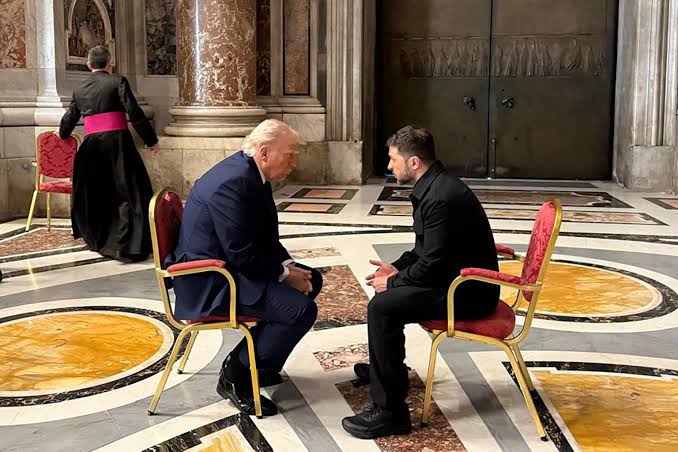
Russia has... other plans
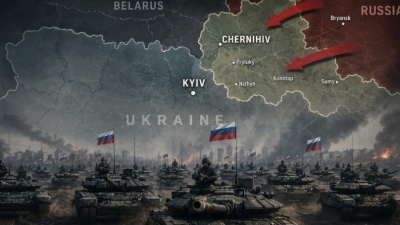
Moscow, however, appears to read the moment differently. For Russia, the core question is not whether a spectacular trilateral photo-op can be organized, but whether there is ground for an agreement addressing what the Russian leadership describes as the "root causes" of the conflict and long-term security issues. The Russian position, as reflected in previous negotiation documents, includes demands for Ukrainian neutrality and exclusion from NATO, limits on its military power, a settlement of the territorial question, and a broader security framework. Kyiv and Western governments reject many of these demands as unacceptable and as a infringement on Ukrainian sovereignty. The stance of Ukraine and the European Union is that a lasting peace must be accompanied by strong security guarantees and that border changes through military force cannot be legalized. Yet this does not change the fact that, from the Russian perspective, these issues form the core of any final settlement. This is why the idea of a simple ceasefire does not satisfy Moscow. Russia views proposals calling first for a freeze in operations and then negotiations with suspicion. The rationale put forward is that such a pause could allow Ukraine to regroup its forces, receive new weaponry, and re-enter the conflict later from a stronger position. This approach was evident in August when the Russian Foreign Ministry rejected the idea of a Black Sea ceasefire, arguing there is no reason for "half-measures" that would give the Ukrainian side a temporary breathing space. Furthermore, Kremlin spokesman Dmitry Peskov, seeking to detach the CIA director's visit from potential developments on the Ukrainian front, stressed that contacts between the intelligence services of the two nations are routine and often continue even when official diplomatic channels are at a low point or suspended. According to Peskov, creating "conspiracy theories, speculation, and myths" around contacts that are actually part of standard intelligence operations is a familiar practice.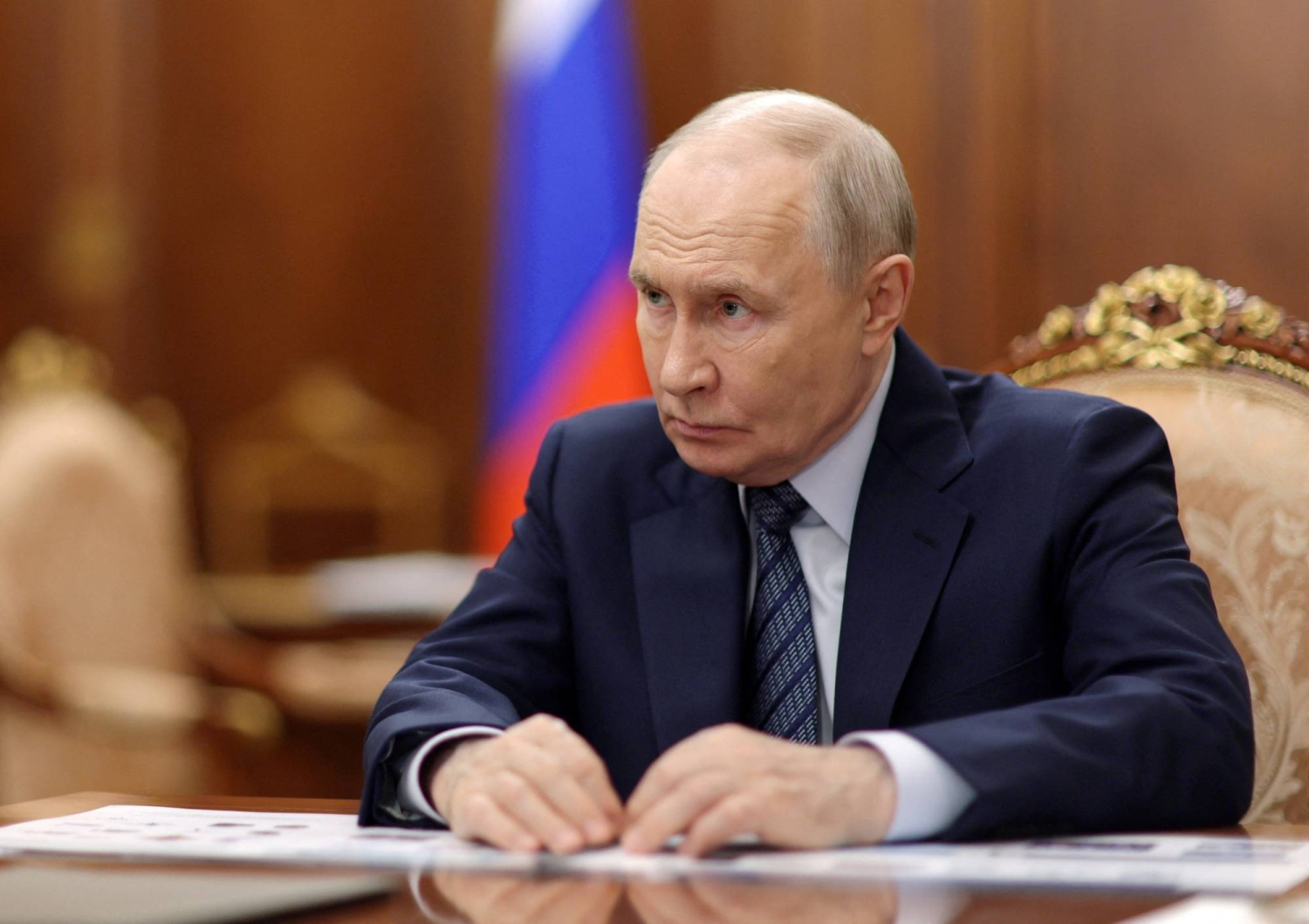
Time works in Putin's favor
This is the point where the ambitions of Washington and Kyiv hit a major roadblock. Trump has cause to seek a fast and visible result. Zelensky has cause to seek a process that will halt the deterioration of his position and bring the US back to the center of negotiations. Putin, by contrast, lacks the same incentive to rush, provided Moscow assesses that time may further improve Russia's negotiating position or at least increase pressure on Ukraine and its European backers. The Ratcliffe visit holds particular interest precisely because it shows that the Trump administration is searching for new channels. The CIA chief met with Sergei Naryshkin and Alexander Bortnikov, while the Kremlin confirmed contacts but clarified that no meeting occurred with Vladimir Putin. Dmitry Peskov noted that the Russian president was briefed on the outcome of the discussions. The fact that the initiative passed through intelligence services underscores the level of distrust that continues to characterize bilateral relations. Before reaching public diplomacy, attempts are made to ascertain whether even minimal common ground exists for a meaningful process. Trump himself tried to play down the emergency nature of the mission, calling Ratcliffe's visit roughly "routine," while simultaneously stating that his administration is working to end the war.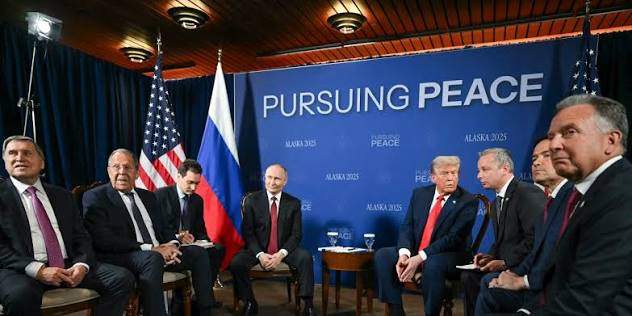
Clear: No trilateral can exist without agreement on fundamental issues
A trilateral summit, therefore, can only take place if preceded by substantial preparation and if Moscow is convinced that it will not be a mere PR event. What matters to Putin is not the handshake with Trump and Zelensky itself, but what will be on the table when it occurs. From the Russian viewpoint, a summit without prior agreement on fundamental issues could end either in a deadlock or in a temporary fix that simply defers the next conflict. Herein lies the real difference in philosophy. The American approach tends to view a personal summit of leaders as a tool that can generate political momentum and subsequently lead to an agreement. The Russian approach prefers the outline of an agreement to be largely shaped first, followed by the summit to ratify it. For Trump, the summit can be the beginning of a solution. For Putin, it will hold real meaning only if it takes place near the end of peace negotiations.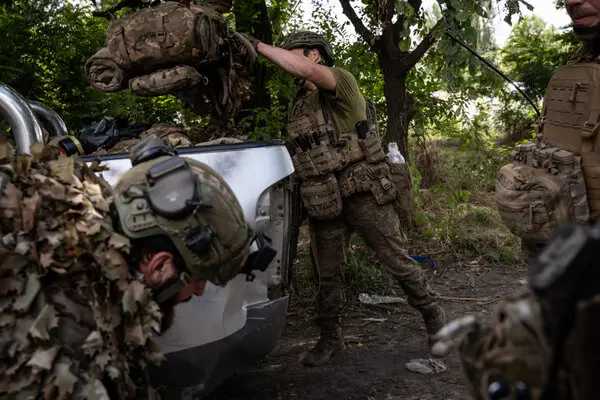
The distance remains vast
For this reason, discussions about a trilateral summit should not be confused with a genuine convergence of positions. The distance remains vast. Ukraine and European governments favor an immediate ceasefire as the starting point for talks and demand strong security guarantees for Kyiv. Russia insists on a comprehensive package addressing territory, Ukraine's military status, its relationship with NATO, and broader regional security balances simultaneously. Thus, the trilateral summit appears today more as a political necessity for Washington and Kyiv than as a mature outcome of convergence with Moscow. Trump needs a diplomatic success he can present to the American public before the midterms. Zelensky needs an exit from an increasingly difficult military-political situation and, above all, the preservation of US involvement. Russia, conversely, does not appear to be seeking a temporary truce that merely freezes the war. It wants, on its own terms and conditions, a permanent settlement of the security issues it has raised. This is precisely what makes the trilateral summit exceptionally difficult. For two of the three leaders, the mere occurrence of the meeting could be framed as a success. For the third, success will only be the agreement that follows.
www.bankingnews.gr



Readers’ Comments