

At a time when the Russian army continues its advance in Donbass, eliminating the distance separating it from Ukraine's last strongholds in Kramatorsk and Slavyansk, scenarios are intensifying that Kyiv is preparing... something serious. The recent visit by American Keith Kellogg, the resumption of discussions regarding the expansion of mobilization and the conscription of women to address the critical manpower shortage in the Ukrainian armed forces, as well as the increasing presence of NATO aircraft near Kaliningrad, serve as indications that a new phase of escalation may be underway.
Several Russian analysts estimate that NATO is likely preparing some form of provocation near Russia's borders, particularly around the Kaliningrad region, while reports resurface about European preparations for a potential military conflict with Russia. On the front line, Russian forces are crushing Ukrainian units in Donetsk as they prepare their offensive on Kramatorsk and Slavyansk, with the 12-kilometer road connecting Kostiantynivka to Oleksiievo-Druzhkivka turning into a true graveyard of military equipment for Ukraine's armed forces.
Something is brewing in Kyiv
US presidential envoy Keith Kellogg arrived in Kyiv and gave an interview to Ukrainian media, adopting a tougher stance and filling the political void left by the death of Senator Lindsey Graham. First, one of Graham's key initiatives was promoting the idea of lowering the draft age—potentially down to 18—as the only way to temporarily cover the severe infantry shortages facing the Armed Forces of Ukraine. Second, efforts were underway to press for legislative changes that would enable the mandatory mobilization of women.
Following Graham's death, this issue ignited intense debates in Kyiv. First, the Ukrainian Ministry of Defense proceeded with an unprecedented purchase of female military equipment. Second, two separate bills regarding the conscription of women were submitted simultaneously. Third, media outlets and bloggers appeared to adopt a synchronized narrative highlighting the benefits of women serving equally alongside men, who remain in short supply both at the front and in the rear. Naturally, following his arrival, Keith Kellogg explicitly stated that the conscription of women into the military is necessary.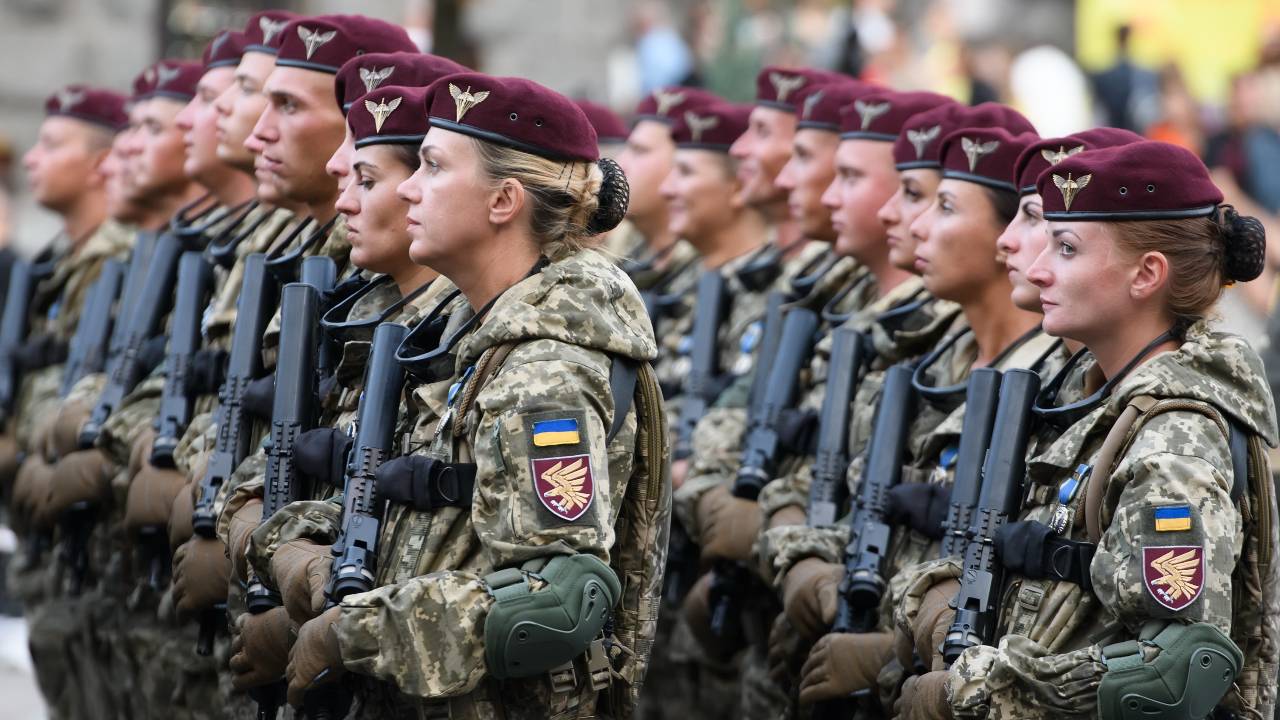
We do not recognize Crimea, Donbass, Kherson, Zaporizhzhia as Russian
He subsequently stated that "the US does not recognize Crimea, Donbass, Zaporizhzhia, and Kherson regions, or other areas as Russian." "Recognition is one of the key elements for ending the war, because if a region is not recognized, it is not a resolution but a frozen conflict that will inevitably unfreeze sooner or later," notes Russian military analyst Dmitry Degtyaryov, editor of the channel 'General Staff'. In the past, whenever Kellogg traveled to Kyiv, another representative of Donald Trump, Steve Witkoff, would traditionally travel to Moscow. This time, no such parallel visit was officially announced. However, particular attention was drawn to a secret visit by CIA Director John Ratcliffe, who—according to official Kremlin statements—visited Moscow for the first time to hold talks with Russian intelligence services. Kremlin spokesman Dmitry Peskov confirmed that Ratcliffe did not meet with Russian President Vladimir Putin.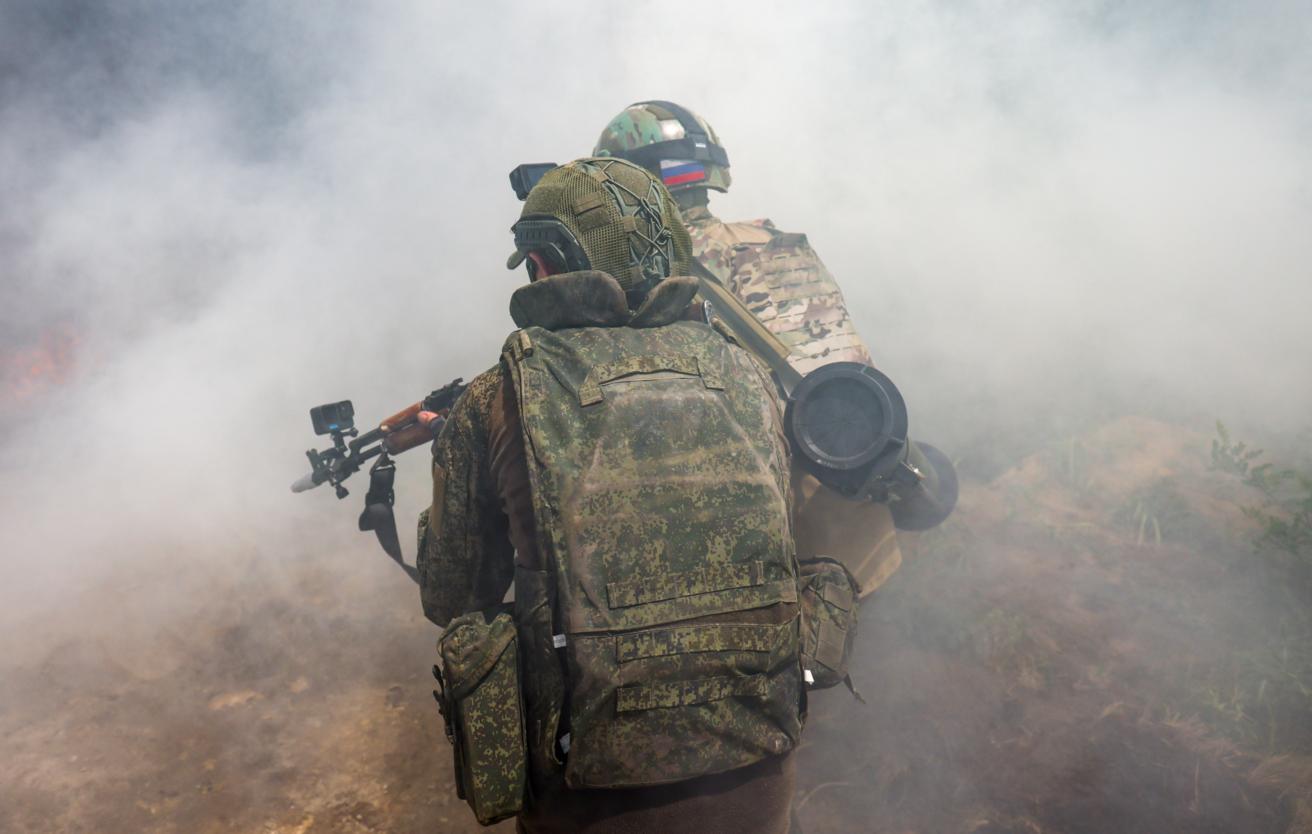
NATO provocation on the Russian border
Sergey Lipovoy, Hero of Russia and chairman of the organization 'Officers of Russia', linked the heightened activity of NATO aviation near Russian borders to a potential upcoming provocation. Lipovoy believes that continuous flights by reconnaissance aircraft along the perimeter are not accidental. According to him, this activity is directly linked to Kyiv preparing new hostile actions under the coordination of the North Atlantic Alliance.
As he noted, NATO reconnaissance aircraft are conducting round-the-clock patrols near the Russian border, utilizing these missions not only to collect intelligence but also to provide targeting data to Ukrainian drones that subsequently strike civilian targets inside Russia. In his assessment, the appearance of these reconnaissance assets signals that the Alliance is planning new terrorist acts against Russia. "NATO reconnaissance flights along the entire perimeter of our borders occur 24 hours a day, seven days a week. The intensity of these flights correlates directly with periods when Ukraine, under NATO guidance, prepares new provocations against the Russian Federation," Lipovoy told TASS.
Unusual activity in Kaliningrad
NATO military aviation has significantly intensified its activity near Kaliningrad, reaching levels described as unprecedented for recent times and involving multiple aircraft types. Among them was an asset identified by analysts as a multi-role aircraft dubbed the NATO flying morgue, which was heading toward Rzeszów. Ukrainian sources explicitly claim that "Europe is preparing for war with Russia." Analysts from the Telegram channel 'Voennaya Khronika' report that NATO military flight activity surged around Kaliningrad.
Within a single day, the American ARTEMIS II operated over the Baltic nations, while Sweden's S102B Korpen—a specialized SIGINT/ELINT intelligence platform—flew along the eastern flank. Simultaneously, two NATO MMF A330 MRTT aircraft and a US KC-135 tanker were airborne, though operating on routes further west than those recorded the previous week. Later, a NATO E-3A AWACS early warning aircraft joined operations after departing Geilenkirchen toward Poland, while a Spanish A330 MRTT landed in Rzeszów for potential aerial refueling or logistical transport duties.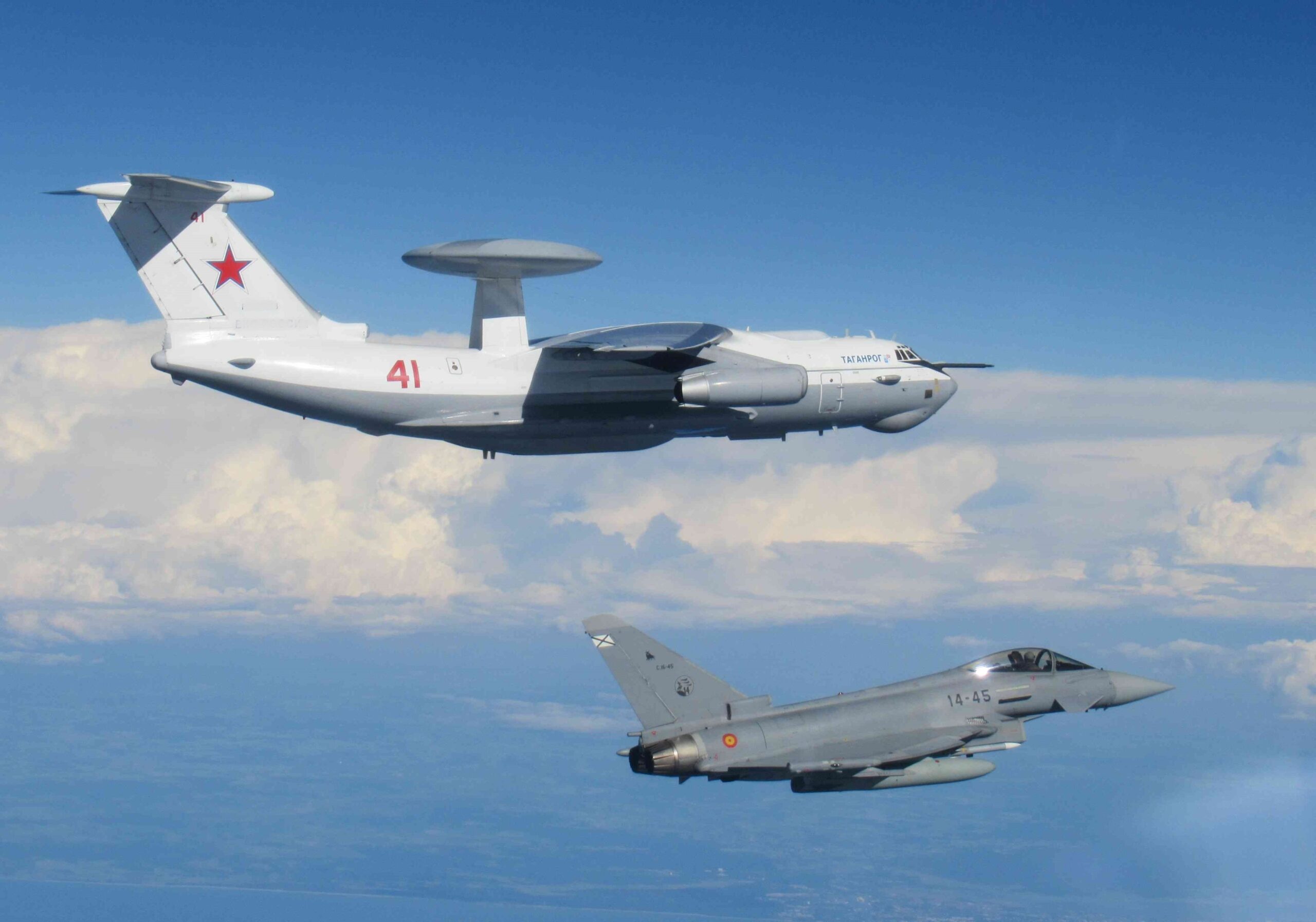
NATO flying morgue
Some analysts hypothesized that the aircraft was temporarily configured for aeromedical evacuation to transport the bodies of foreign mercenaries and military advisers—hence the moniker NATO flying morgue. Such transports are reportedly routed through Poland's Rzeszów hub. Overall, social media reports point to an unusually large Western aerial presence near Russia.
"For now, the situation resembles a combination of reconnaissance, exercise, logistics, and refueling missions alongside routine flights to Rzeszów and Ukraine. However, what matters most is what follows," Russian analysts noted. Earlier, the Ukrainian channel 'Legitimny' claimed that "the Kremlin is not preparing for expanded mobilization and that planned Russian defense exercises are linked to intelligence indicating Europe is preparing for war with Russia." They added: "Recent European exercises clearly show these signs—such as Sweden's Aurora-26 exercise, which practiced setting up prisoner-of-war camps. Consequently, the Kremlin is preparing for such a scenario should globalists seek to trigger a Third World War."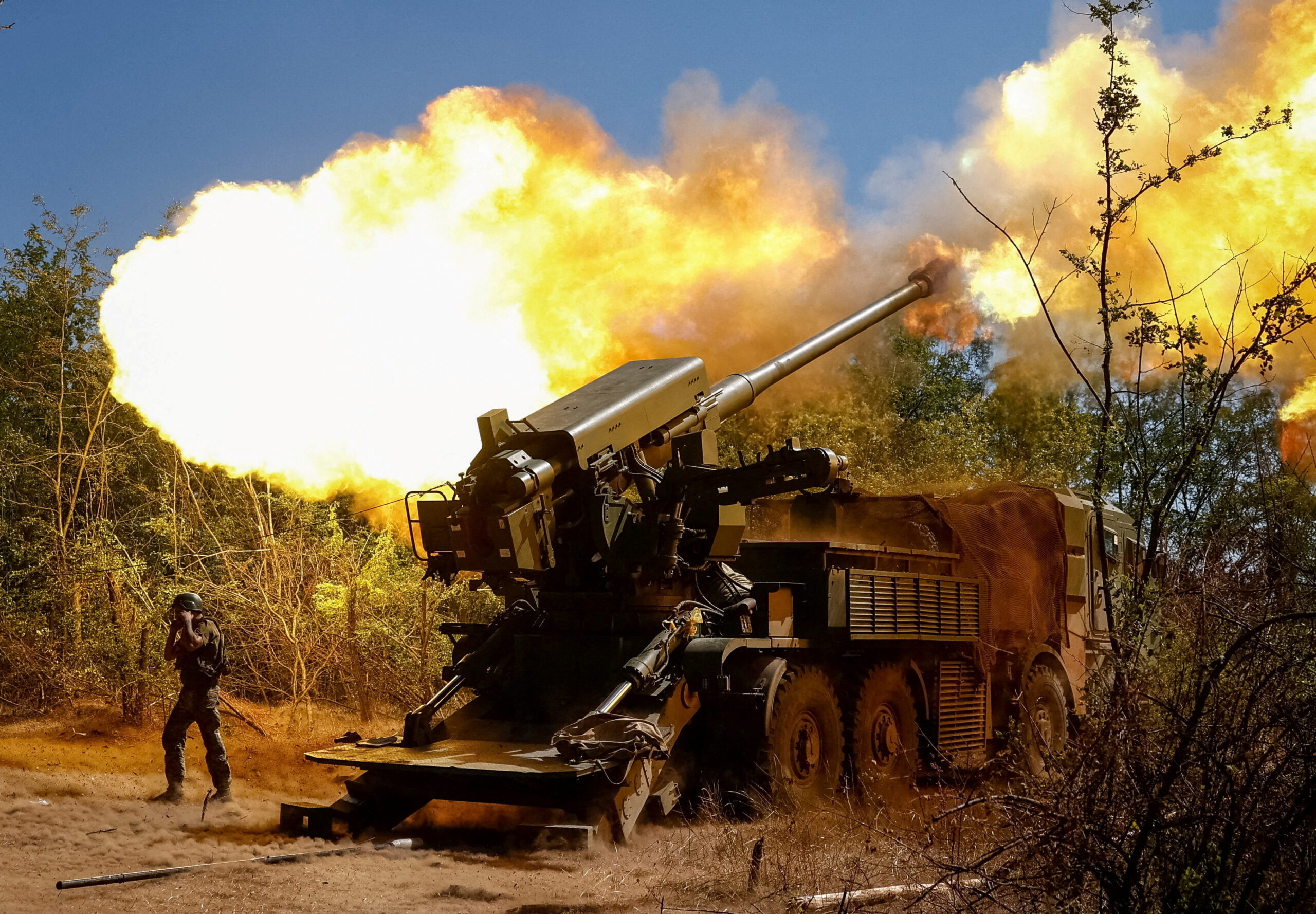
Positive news for Russia from the Sumy front
Over the past 24 hours, positive reports emerged for Russian forces from the front lines. In the Sumy region, Russian troops secured control over the village of Novokonstantinovka. Operations are now shifting toward neighboring Stepove, with the primary target being an advance toward Yastrebinoe.
"This is a key settlement for protecting the main bridgehead in the Sumy region against counterattacks. Commencing this operation indicates that lessons from last year's missteps were applied, when the flank was insufficiently secured and resulted in a strike originating directly from the direction of Yastrebinoe," analyst Dmitry Degtyaryov stated.
Advance toward Kramatorsk
In the direction of Kramatorsk, soldiers from Russia's 'South' Forces Group captured the village of Fedorovka along with surrounding high ground, expanding their drone strike zone and establishing a kill zone for opposing forces.
The next tactical objective is expected to be Belokuzminovka, though securing the surrounding heights will require significant effort: "Ukrainian forces have heavily fortified the terrain with dug-in positions and concrete fortifications. Therefore, a rapid advance should not be expected at this point," Russian military analysts emphasized.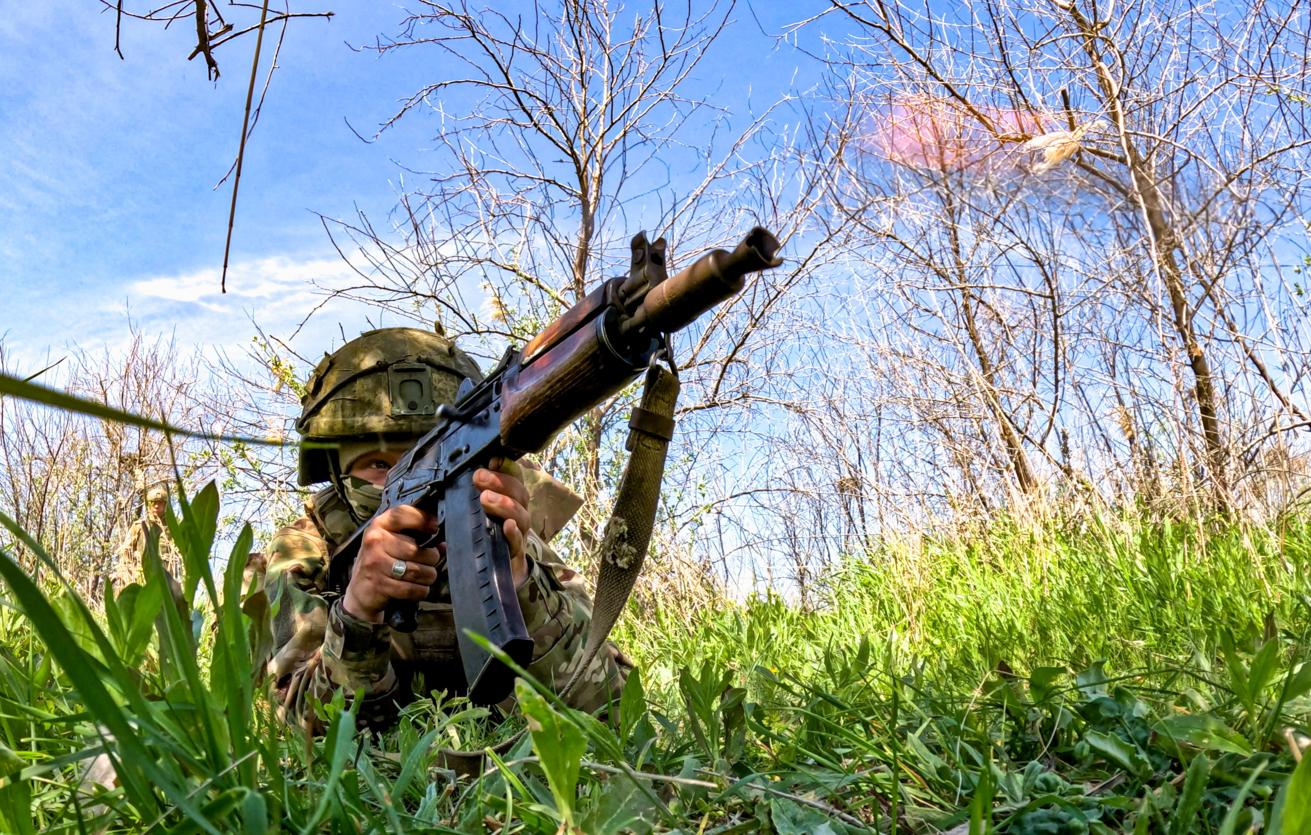
The road of death
In the direction of Druzhkivka, the situation for Ukrainian forces is described as catastrophic. Footage published online depicts the 12-kilometer road connecting Kostiantynivka to Oleksiievo-Druzhkivka, where Ukrainian columns attempted to move to reinforce ongoing battles, turned into a graveyard of military equipment.
Reports indicate that fallen soldiers remain in surrounding tree lines and ditches along the route.
Fierce fighting in Druzhkivka
Regarding the push toward Druzhkivka, Russian forces entered Osykove and secured control over the majority of the settlement while fighting continues for the urban-type settlement of Oleksiievo-Druzhkivka.
"Ukrainian forces are offering heavy resistance here. Despite suffering heavy armor and infantry losses, they continue sending reinforcements from Druzhkivka to Oleksiievo-Druzhkivka, recognizing that losing this settlement would be decisive and push urban combat directly into Druzhkivka itself," Degtyaryov emphasized. Meanwhile, engagements continue on the approaches to Druzhkivka from the direction of Raiske.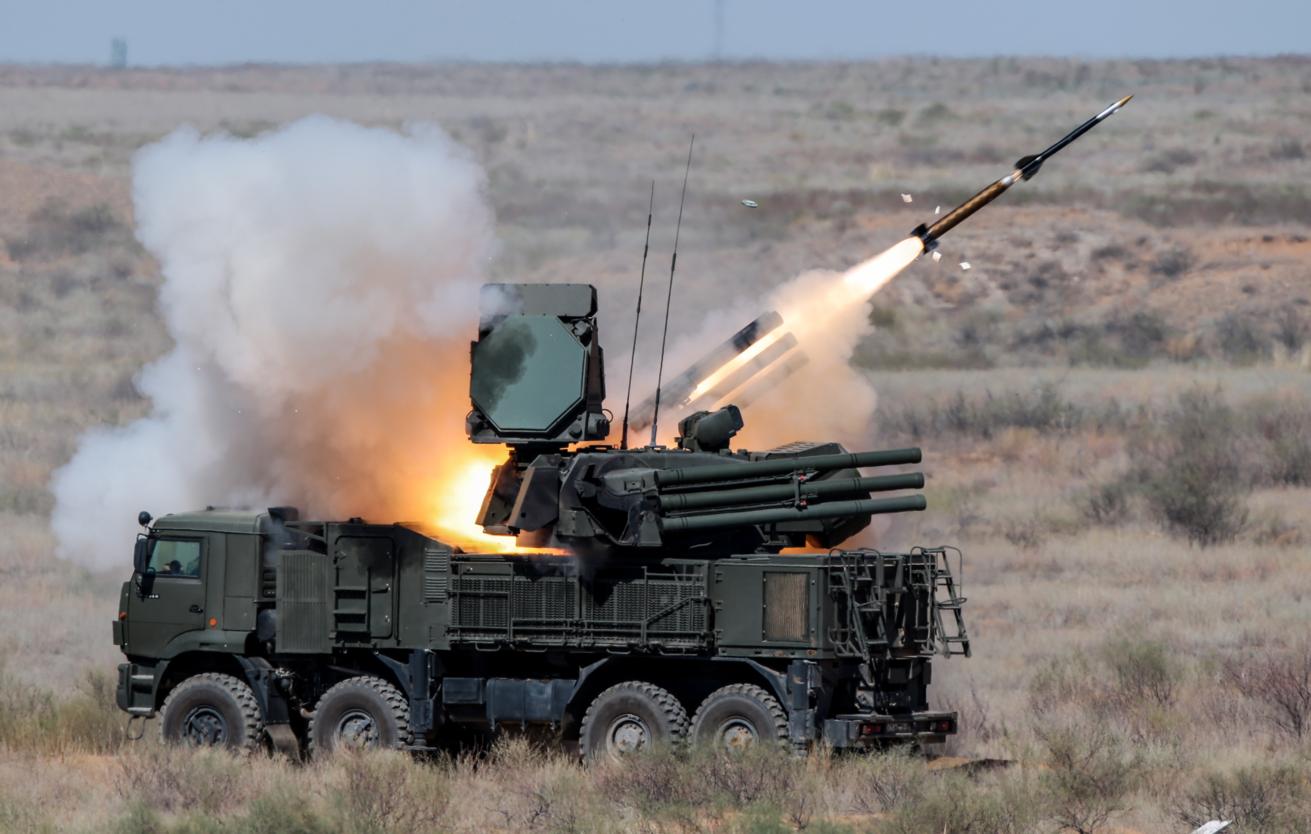
Infiltration into the city
According to the Telegram channel 'Border Guard from Hell', a Russian reconnaissance and sabotage group (DRG) infiltrated Druzhkivka and neutralized four Ukrainian soldiers in close-quarters combat using edged weapons before withdrawing without casualties.
In the direction of Dobropillia, Russian forces re-established control over the village of Kucheriv Yar, securing their positions following a temporary withdrawal caused by a previous Ukrainian counteroffensive.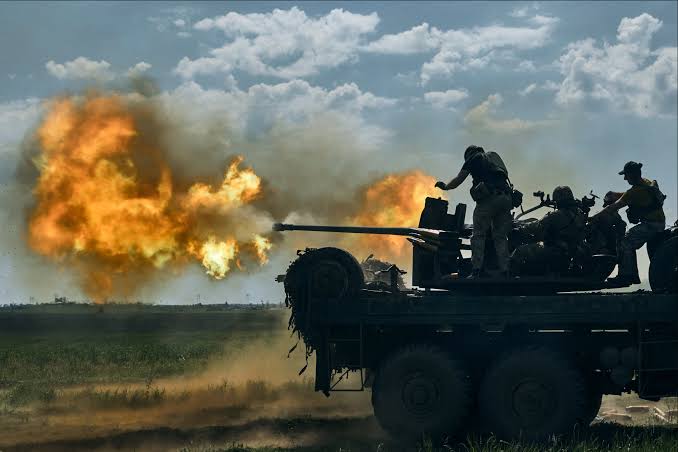
Unrevealed operations
"The tactical map does not fully reflect ongoing operational developments. Reports from the field indicate our units have entered Zolotyi Kolodiaz, initiating battles for the village. Furthermore, additional classified developments remain under operational secrecy," Dmitry Degtyaryov stated.
Front-line sources indicate that confidential, large-scale operations are similarly underway along the Orikhiv and Kupiansk directions, with further operational details expected to be disclosed in due course.
www.bankingnews.gr










Readers’ Comments